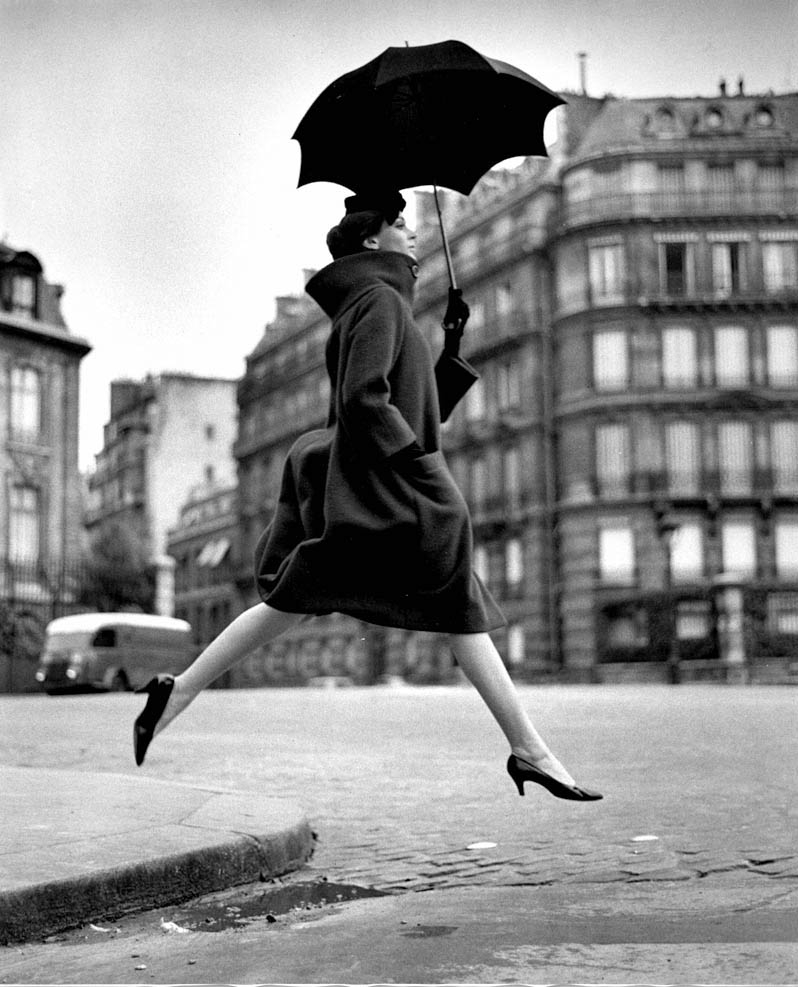
For a long time, the umbrella was considered an accessory to be pulled out only when the sky decided to change plans. And yet, in fashion, it has always played a less obvious role than that of simple protection from the rain. It can complete a silhouette, introduce a contrasting element, become a theatrical detail or even turn into the star of a look. A glance at certain runways and fashion photographs is enough to realize that its relationship with clothing goes well beyond functionality.
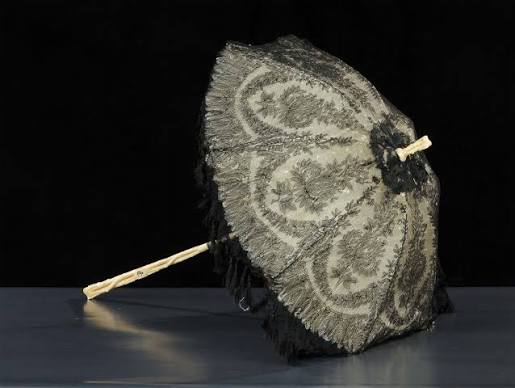
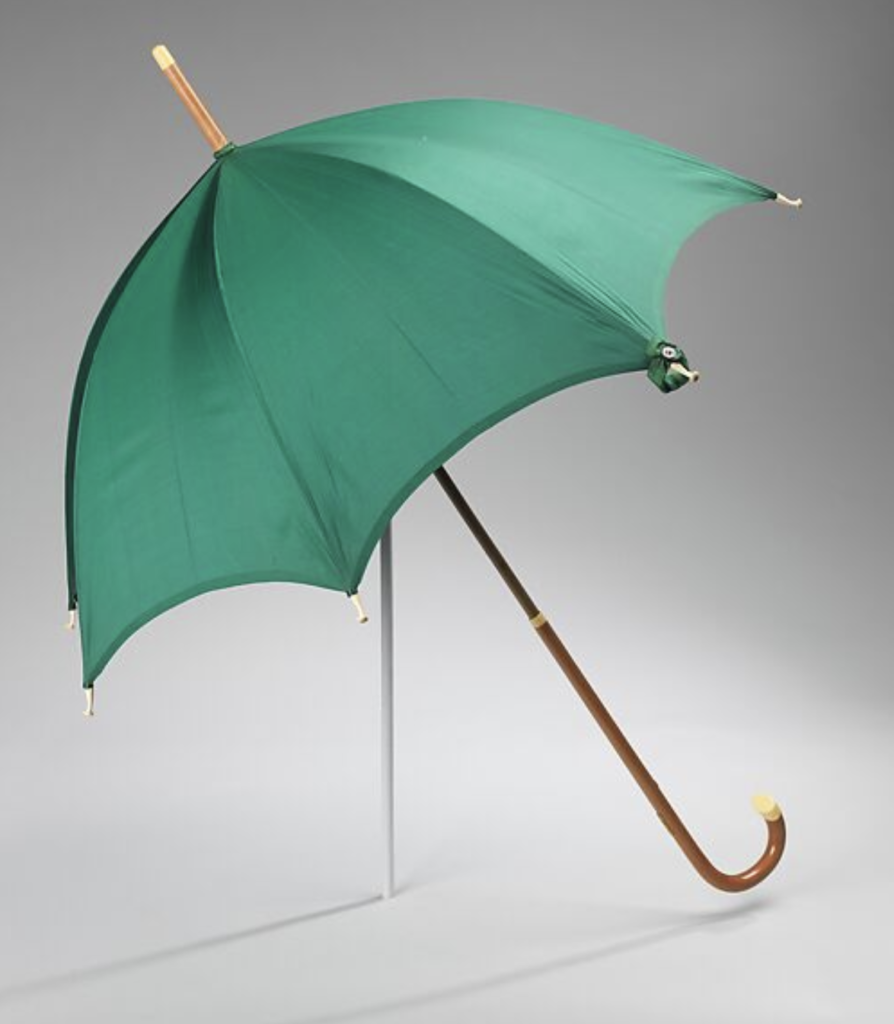
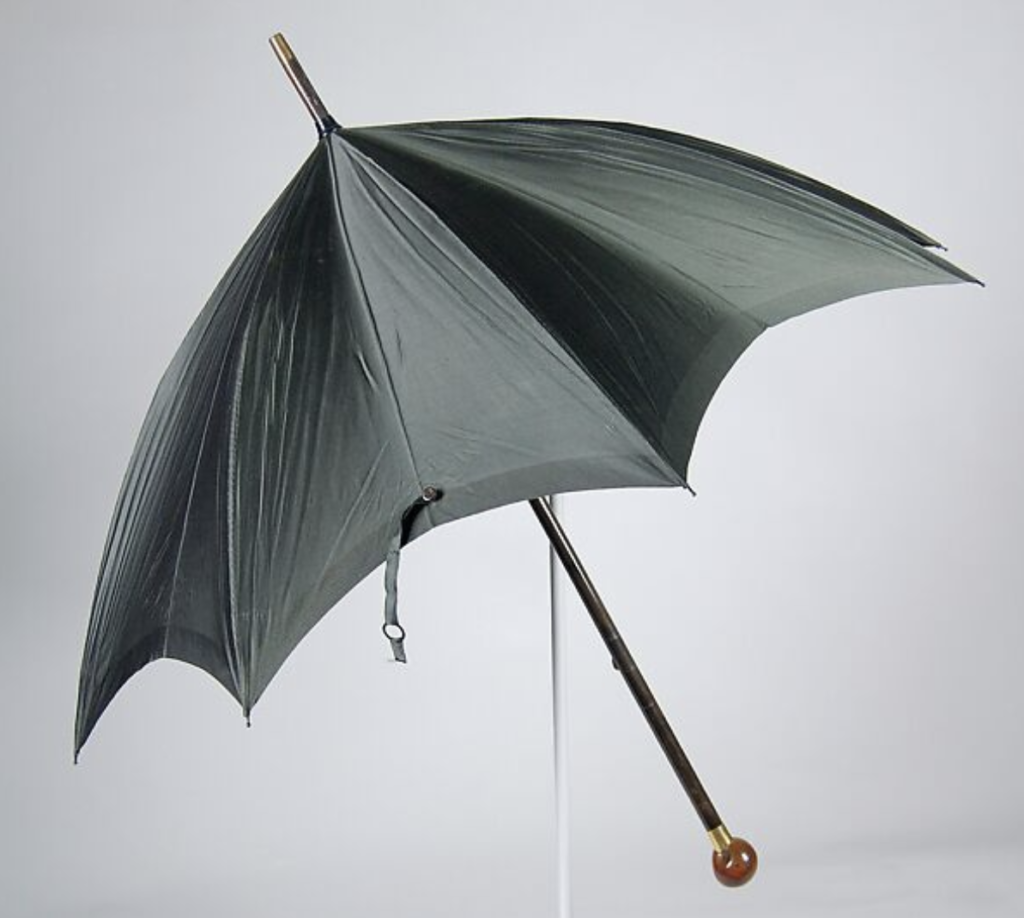
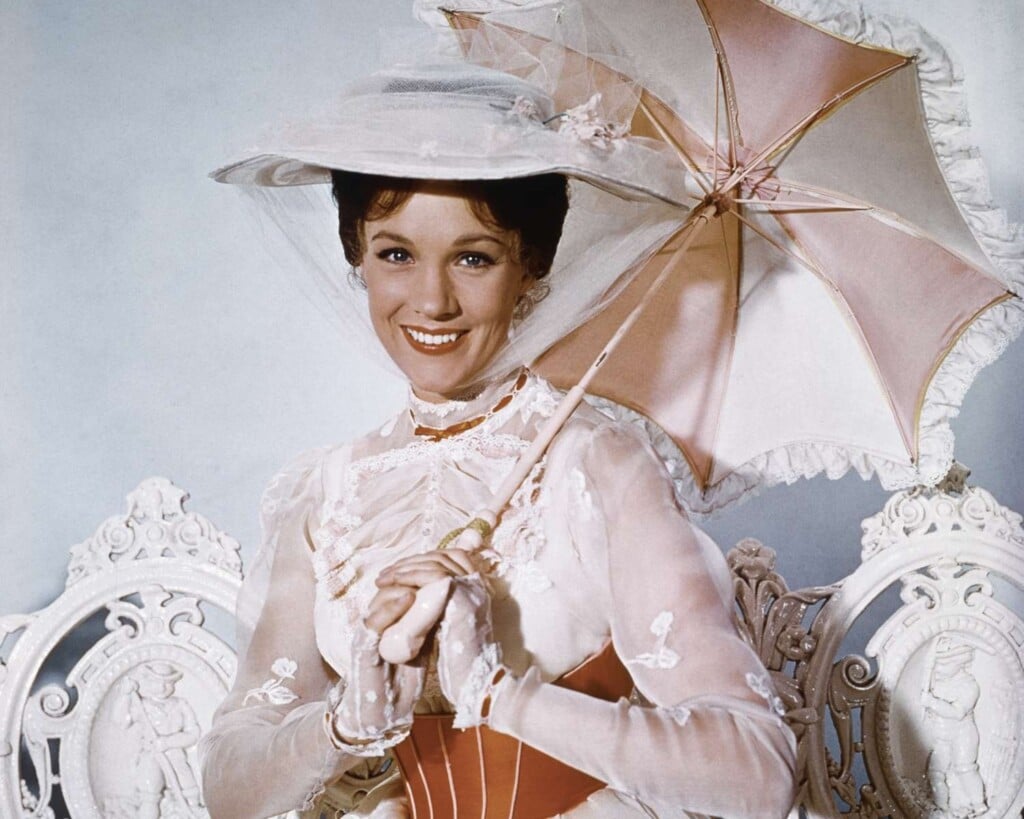
Its history as a style accessory has distant roots. As early as the eighteenth century, umbrellas and parasols had become part of the wardrobe, also taking on a function tied to social representation. The Metropolitan Museum of Art holds several historical examples and notes how these objects were regarded as an integral part of the elegance of those who used them. Over time, their presence has changed, moving from the elaborate accessories of the wealthier classes to everyday objects, without entirely losing their aesthetic potential.
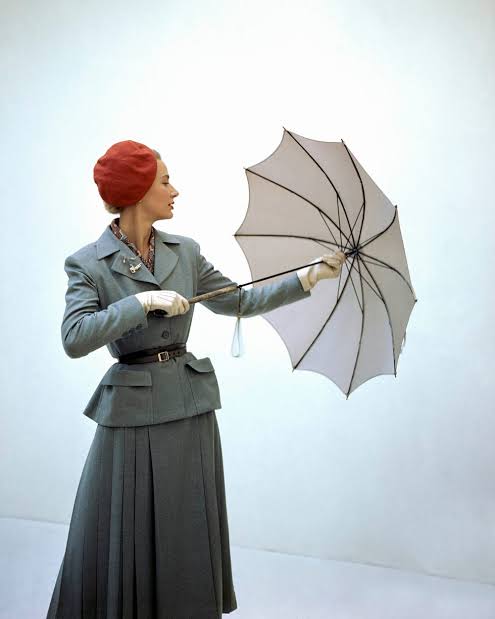
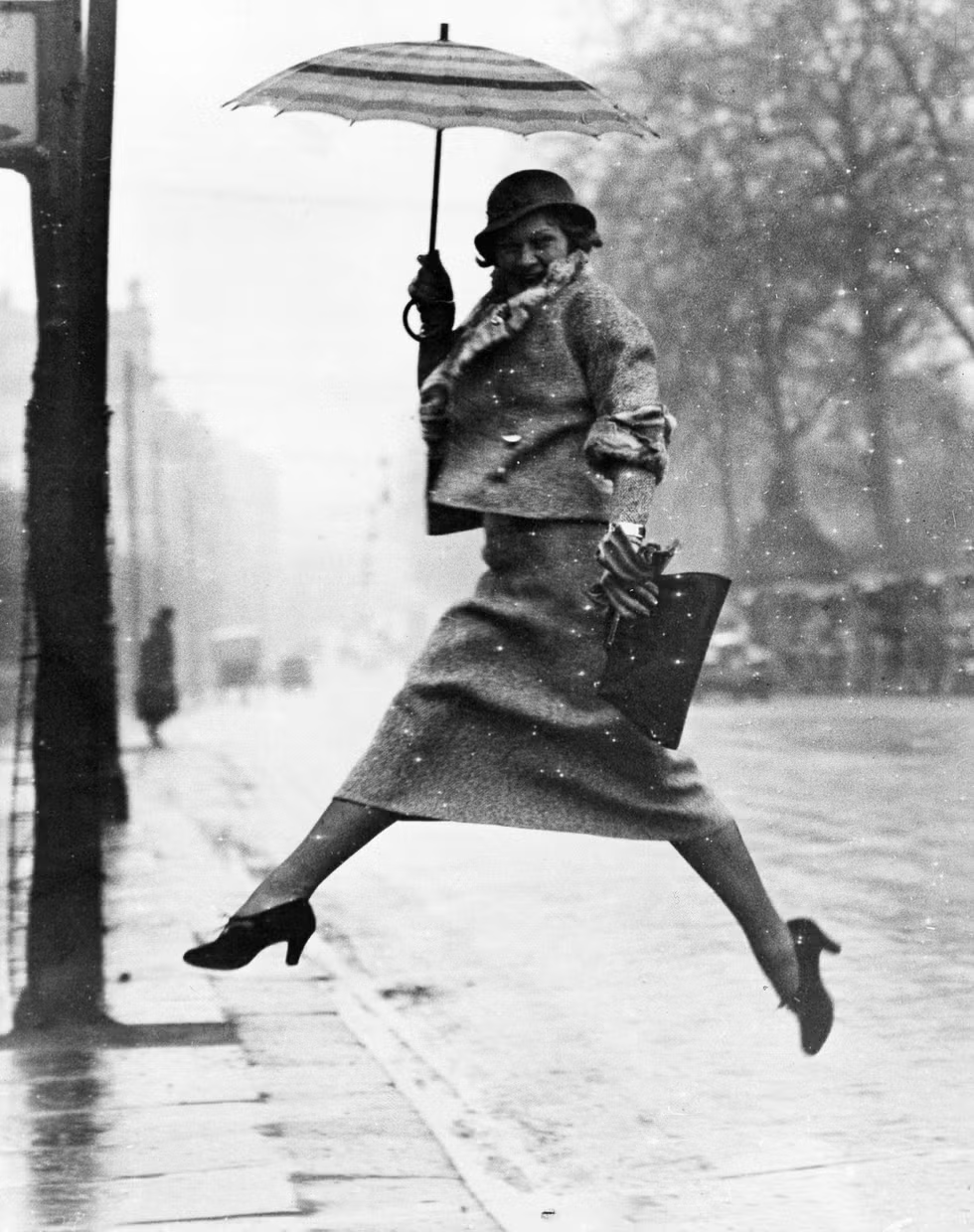
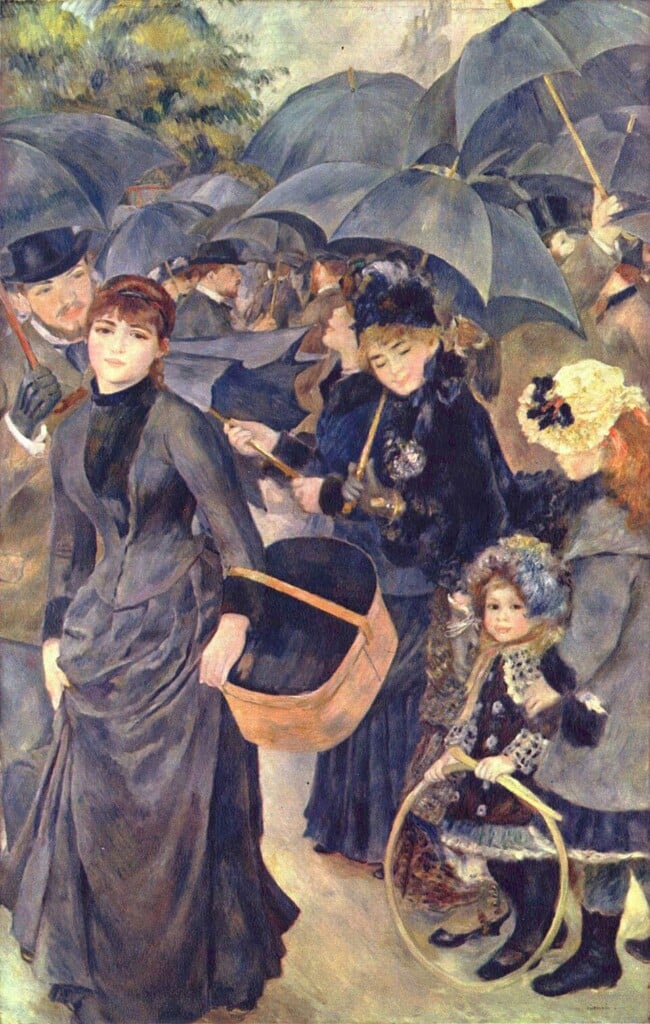
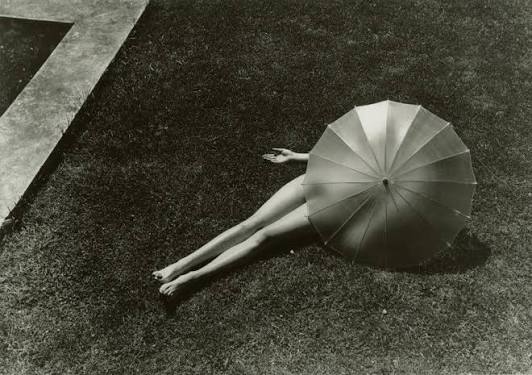
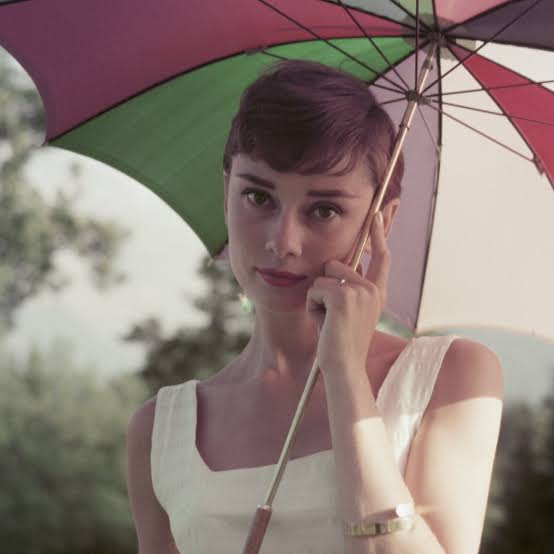
In fashion photography, the umbrella has found another dimension. The images of Irving Penn and Richard Avedon used it as an element capable of altering the composition, interrupting the lines of the body and introducing a narrative component. One example also comes from the pages of Vogue, where the umbrella appears alongside dresses, hats and accessories, becoming part of a composition studied down to the smallest detail. Not a simple functional object, but an element capable of completing the look and contributing to the aesthetics of the shot.
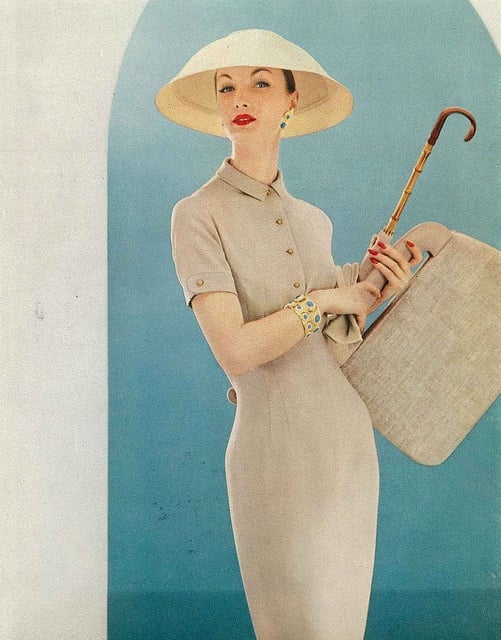
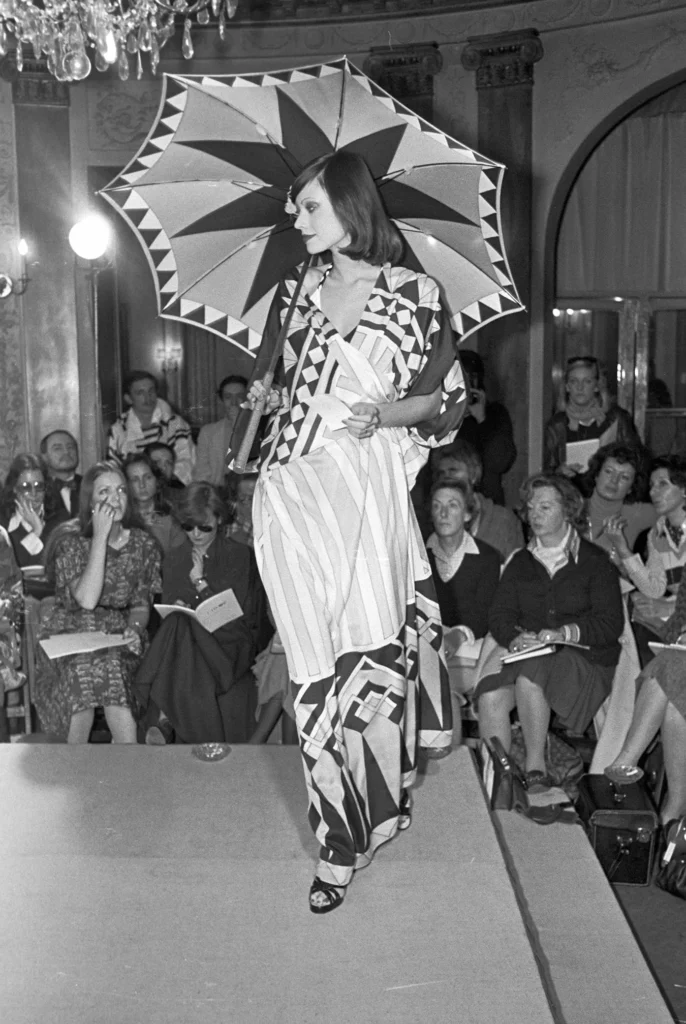
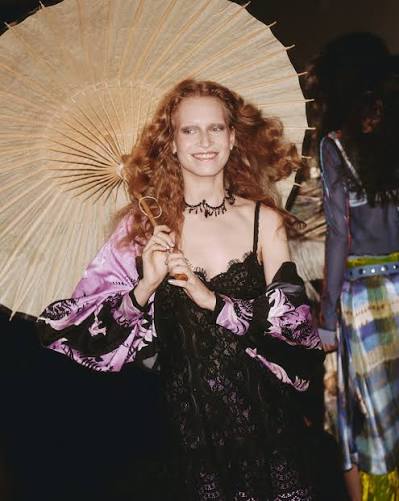
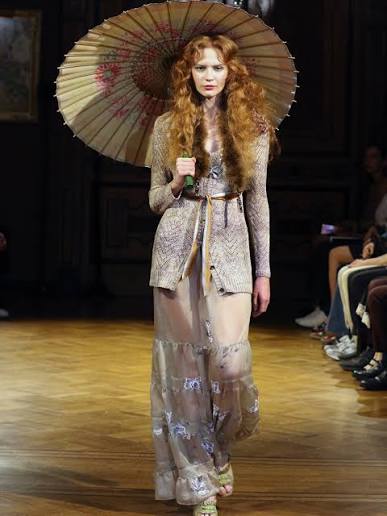
The runways, too, have shown how much this accessory can be reinterpreted. Anna Sui, for example, has brought parasols into her collections several times, using them as an extension of the prints and colors of the clothes. In one of her spring offerings, a turquoise and black model echoed exactly the pattern of the blouse worn by the model. A way of overcoming the distinction between accessory and clothing, building an ensemble in which every element speaks to the others. In the same season, Tracy Reese and Temperley London also included parasols in their collections.
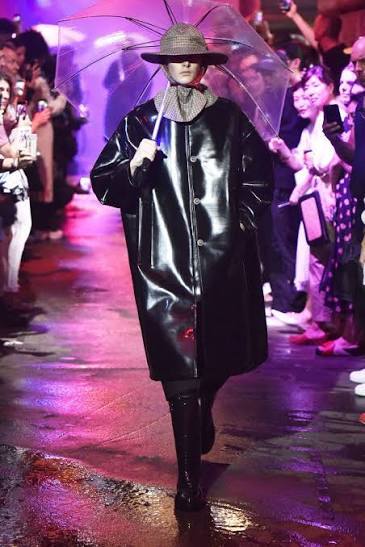
A completely different approach is that of Raf Simons, who in his Spring/Summer 2018 menswear collection turned the umbrella into one of the central elements of the show presented in Chinatown, New York. Each look was accompanied by an umbrella, often featuring neon colors, glowing handles and details inspired by Chinese lanterns. Together with raincoats, boots and oversized outerwear, the umbrella helped build an almost science-fiction urban imagery, in which rainwear became part of a precise aesthetic vision.
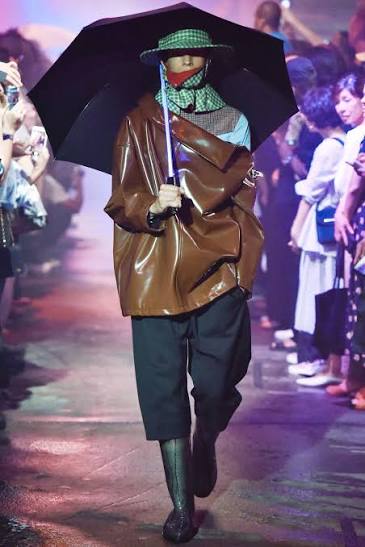
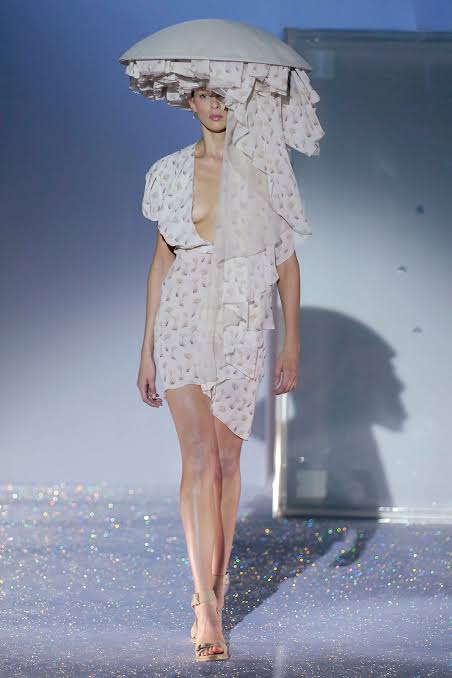
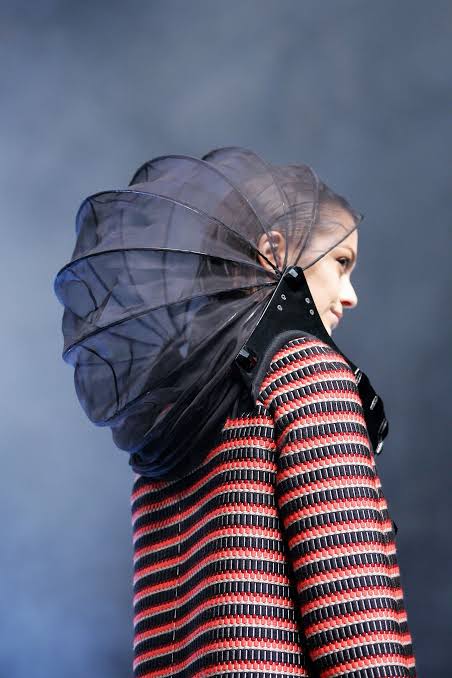
Hussein Chalayan also played with its shape, presenting in Spring/Summer 2014 one of the most unusual interpretations of the accessory: an umbrella transformed into a hat. The collection, characterized by references to the marine world, stripes and sponge-like materials, brought umbrella-hats to the runway that combined protection and experimentation. Here the original function is almost upended: it is no longer something to hold in the hand, but an element to wear, able to directly alter the silhouette.
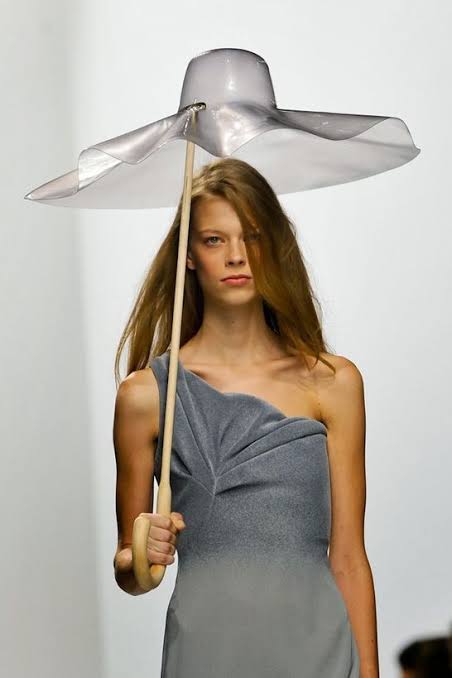
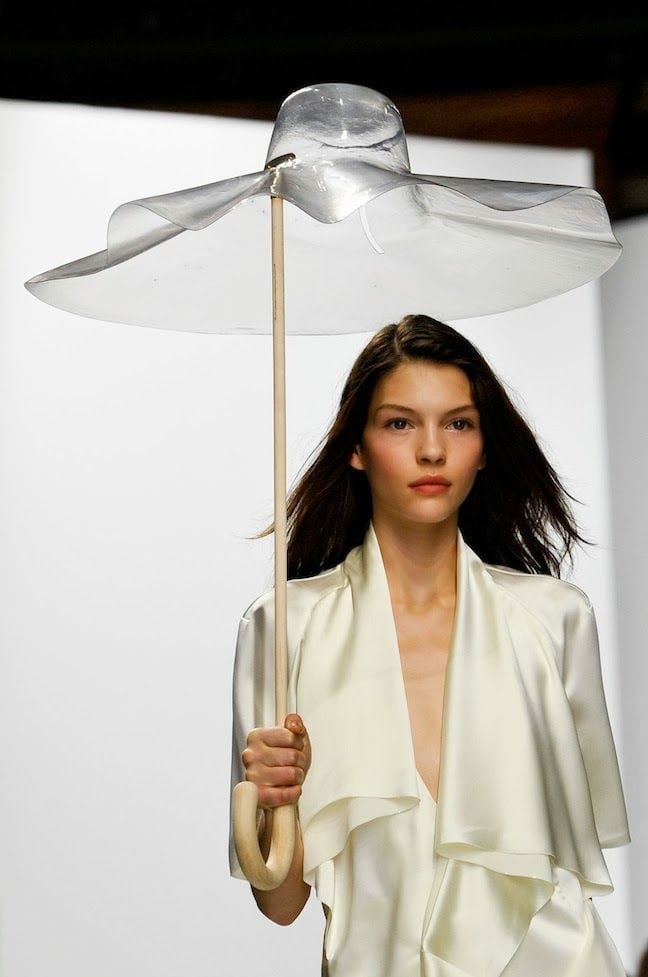
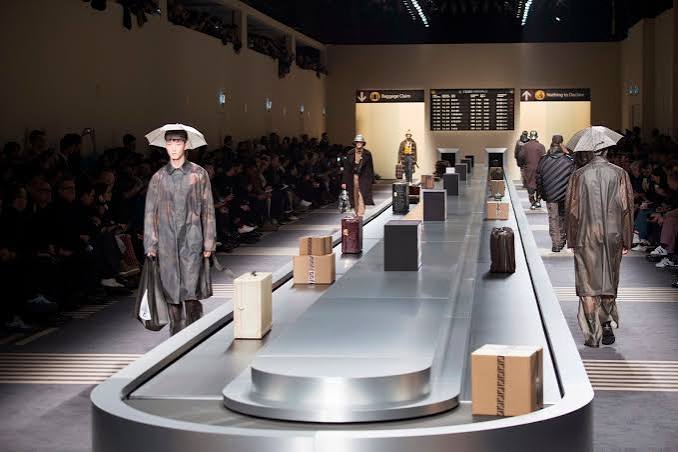
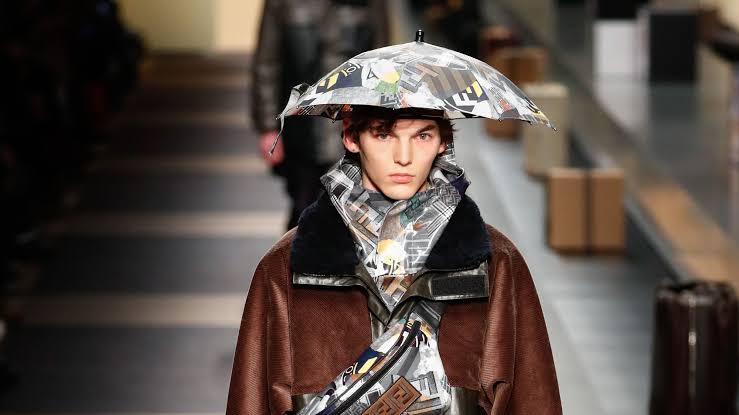
Fendi too found a way to play with this object, presenting a hybrid between a hat and an umbrella in its Fall/Winter 2018 menswear collection. The piece returned to the spotlight in January 2019, when Casey Spooner wore it during Milan men’s fashion week, pairing it with a black turtleneck, shorts and a shearling coat. The choice also referenced the history of the maison: in 1925, the Fendi family’s first shop sold, among other items, suitcases, trunks and umbrellas. An object that thus also becomes a reminder of the brand’s origins.
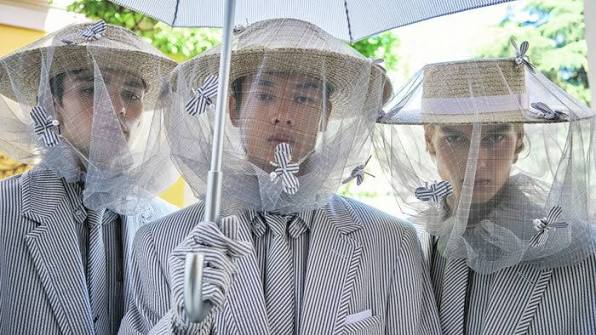
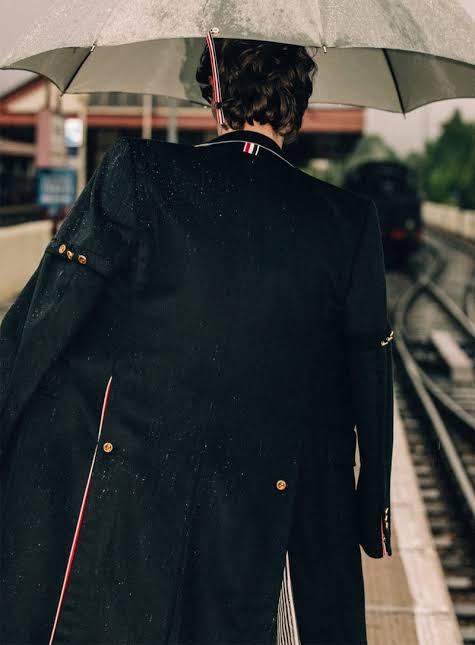
More recently, the umbrella has reclaimed an interesting place in the 2026 presentations. During Milan fashion week, Thom Browne sent models down the runway with gray and white striped golf umbrellas, while at the J. Press presentation for the Spring 2026 season, umbrellas were included among the objects carried on the runway alongside books and musical instruments, evoking the imagery of American collegiate style. Two different interpretations, but united by the desire to treat everyday objects as an integral part of the look.
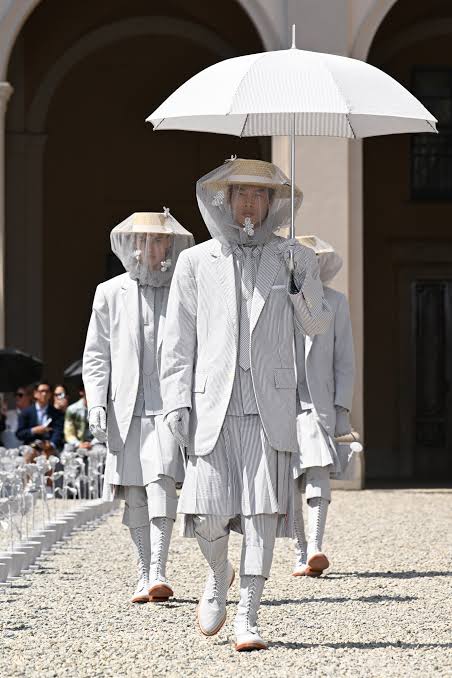
What makes this comeback even more interesting is that the umbrella is no longer tied exclusively to the rainy season. With rising temperatures and growing attention to sun protection, the parasol too is finding space again in contemporary fashion. As reported by The Guardian in June 2026, some brands and designers are rethinking this accessory for year-round use, with models designed to shield from the sun’s rays and more openly aesthetic interpretations.
Perhaps this is precisely its most interesting characteristic: the umbrella is one of those objects that do not need to be reinvented to attract attention, but only to be looked at from a different perspective. It can be coordinated with the outfit, create an unexpected contrast or become the detail that completely changes the perception of an outfit. And if it used to be opened only when it started to rain, today there is one more reason to consider it part of the fit, even when the sky is perfectly clear.