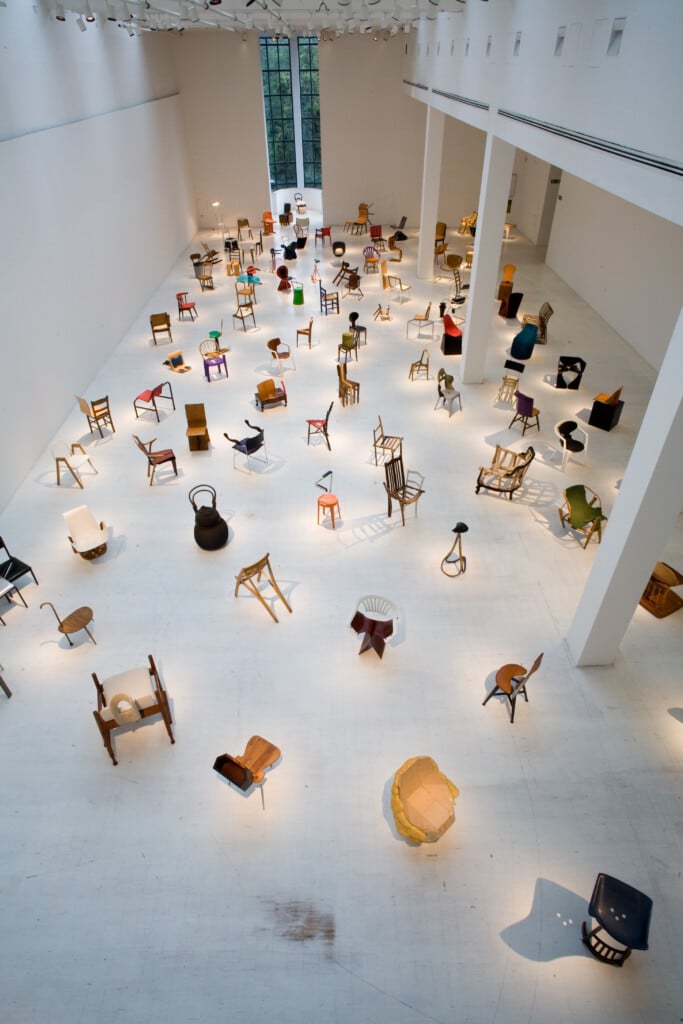
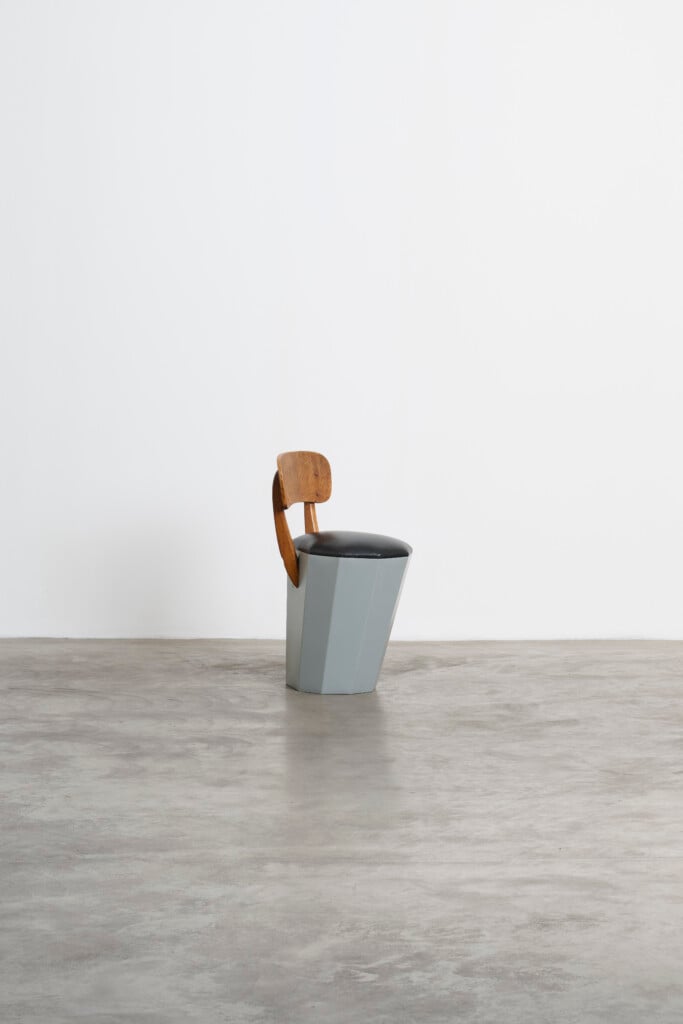
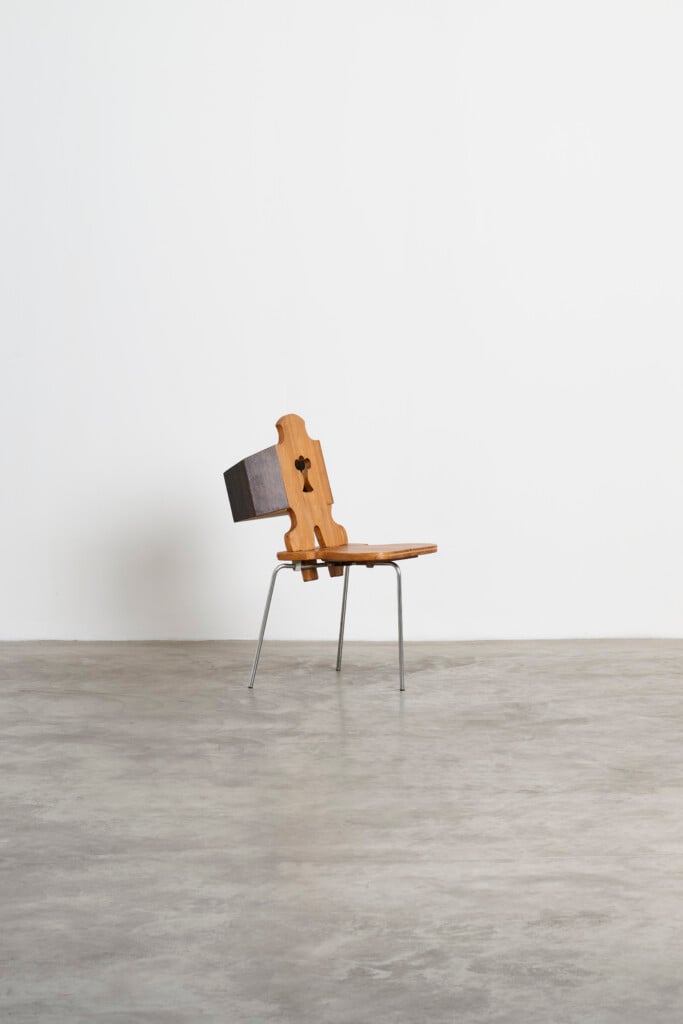
One hundred chairs collected from the street, dismantled, recombined, returned to the world in a new form. Nearly twenty years after its creation, 100 Chairs in 100 Days by Martino Gamper leaves the archive of Nilufar to enter an international museum collection. The entire series, all one hundred chairs produced in London in 2007, has been acquired by a major institution whose name will be announced in the coming months.
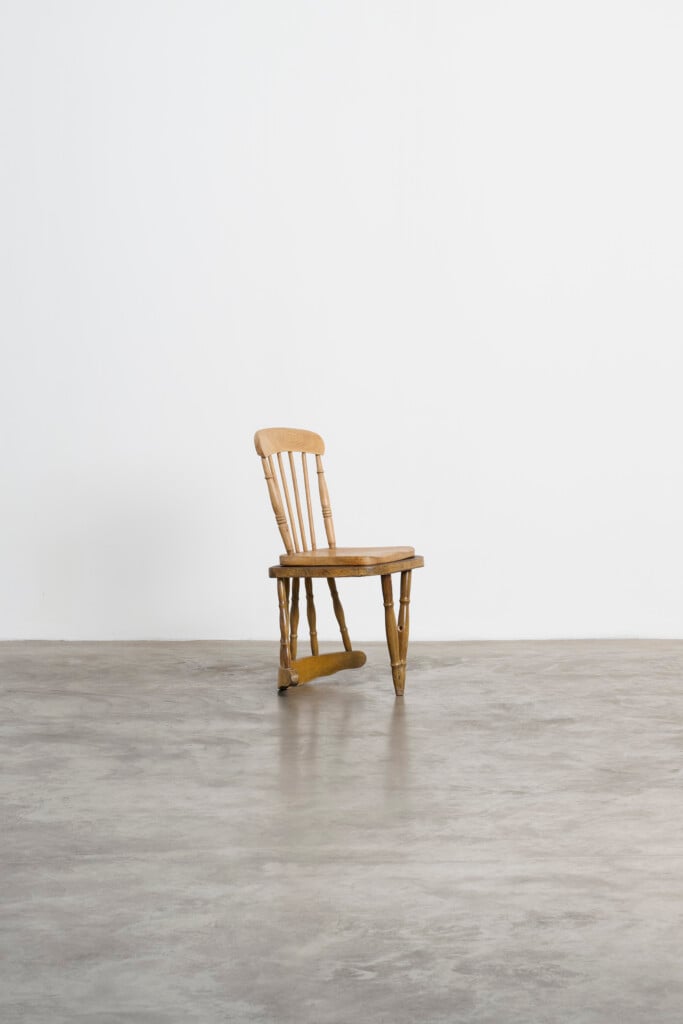
The news is more than a change of ownership: it is the institutional recognition of a project that helped rewrite the terms of contemporary design discourse, placing concepts such as reuse, authorship and process at its centre. A work that never exhausted itself in its final product, the hundred chairs, but continued to live through exhibitions, institutional loans, publications and site-specific interventions around the world.
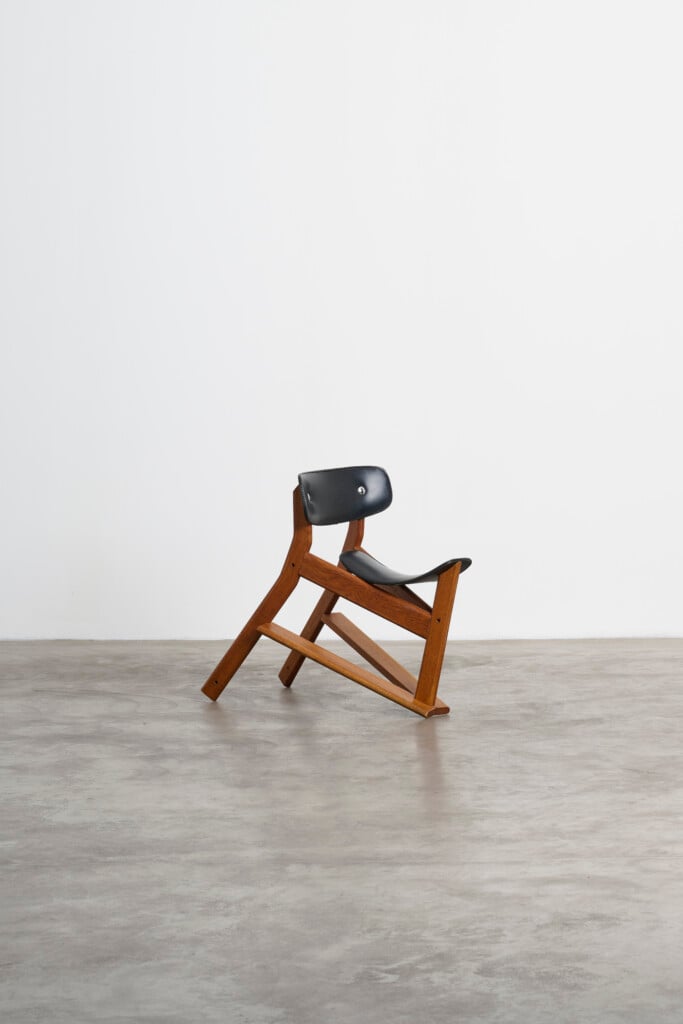
The project grew from an apparently simple gesture: Gamper collected discarded chairs from the street, private homes and second-hand markets, and for one hundred consecutive days transformed one each day through cutting, assembling and grafting. The result is a series of hybrid objects that challenge the traditional categories of design without ever ceasing to be recognisable as chairs. This is not about formal perfection, but about intuition, improvisation and a dialogue between different materials and histories.
The preservation of the work as a whole was made possible by Nina Yashar, founder of Nilufar, who acquired the entire series in 2009 and oversaw its presentation at the Triennale di Milano. A countercurrent choice in a market that tends to disperse corpora and fragment works into individual pieces destined for different collectors. Yashar instead treated the project as a narrative whole: one hundred parts of a story that loses its meaning if separated.
Over the years, 100 Chairs in 100 Days has travelled across institutions on five continents, from the Benaki Museum in Athens to MIMOCA in Japan, from the RMIT Design Hub in Melbourne to the City Gallery Wellington, building an exhibition history that few design projects can match. On several occasions Gamper has paired the original series with a new “hundredth chair”, made specifically for the host venue using locally sourced materials: a gesture that reaffirms the open, experimental and processual nature of a work that has never truly ended.
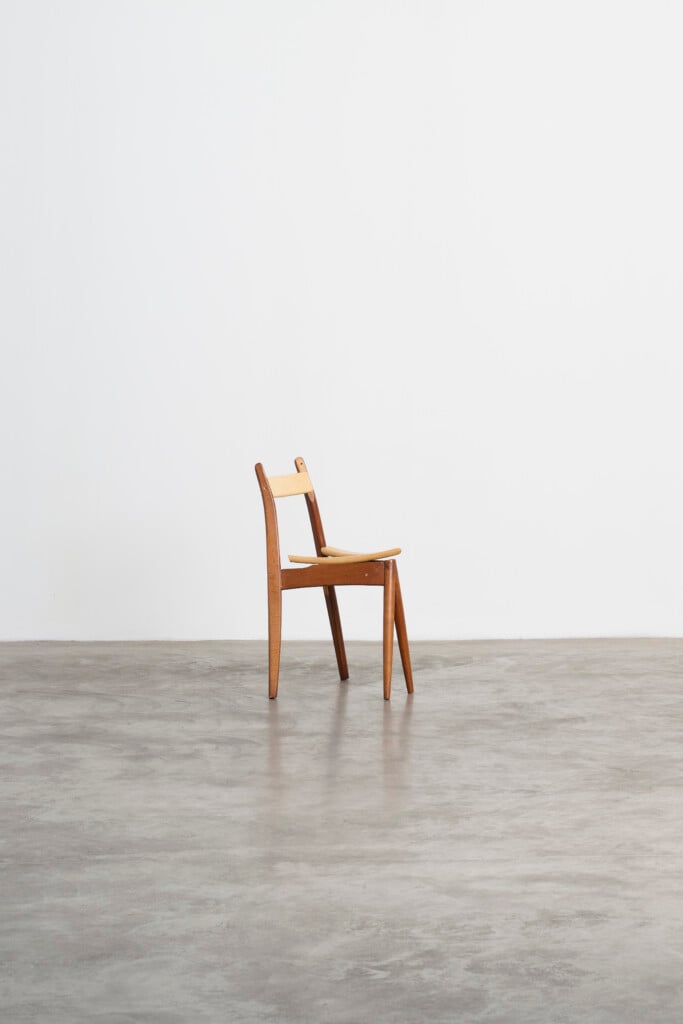
Before the transfer to the new collection, Nilufar will offer one last opportunity to see the project: on 30 June 2026, a selection of the hundred chairs will be brought together at the Nilufar Warehouse. During the evening, Gamper will carry out a restoration intervention on the works, continuing the practice of active care that has always accompanied the public life of the project.
ph. cover courtesy Fabrizio Marchesi