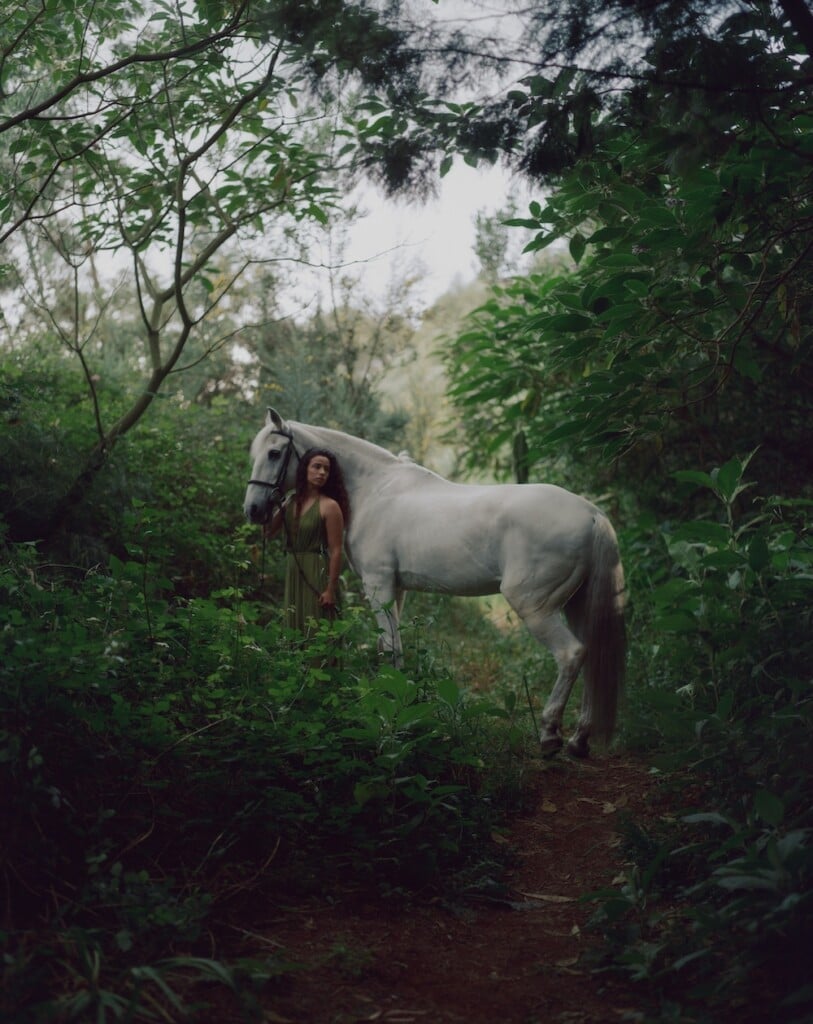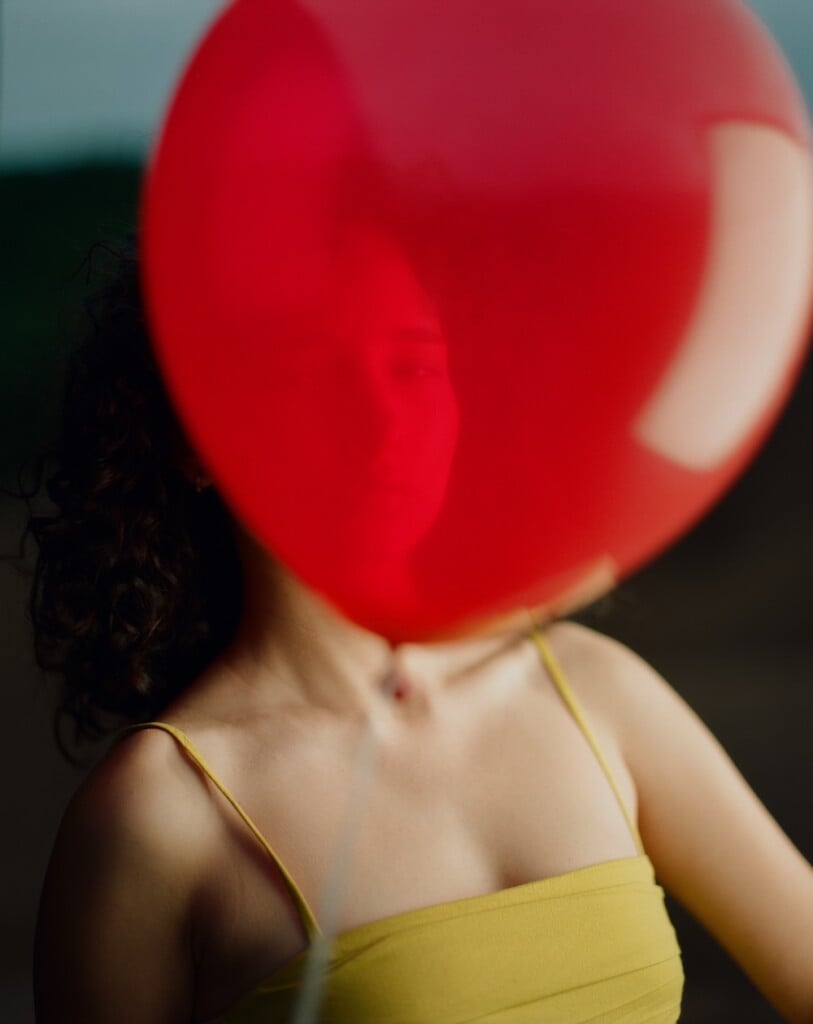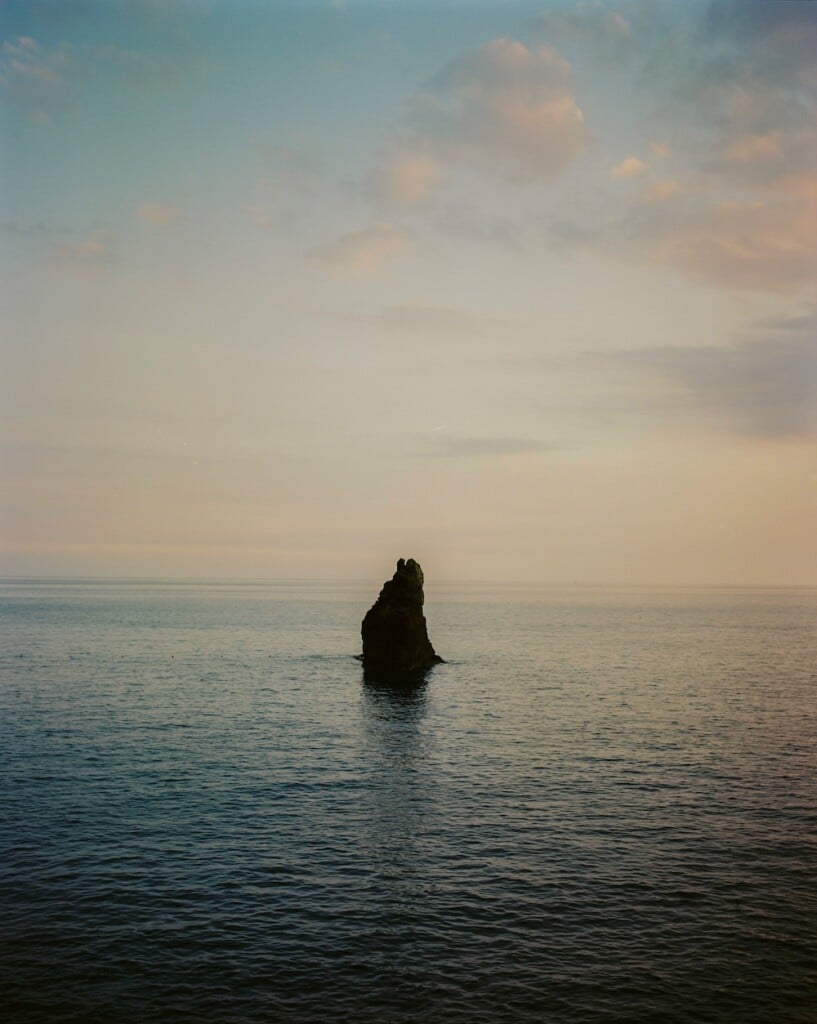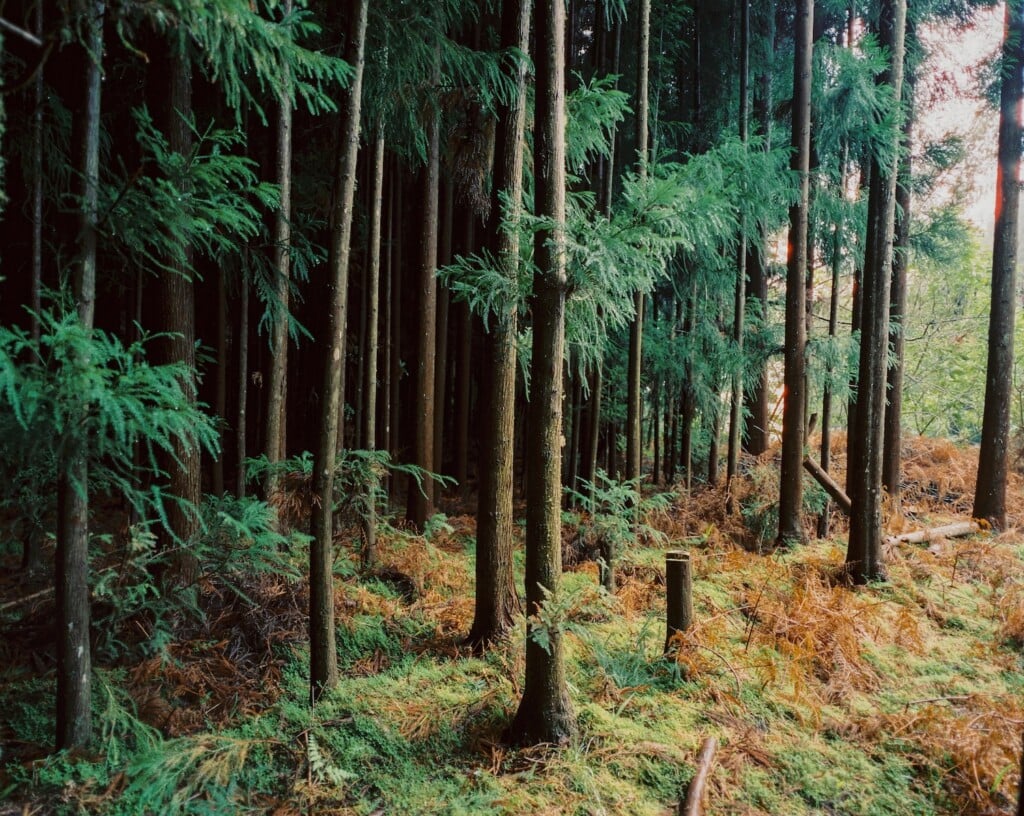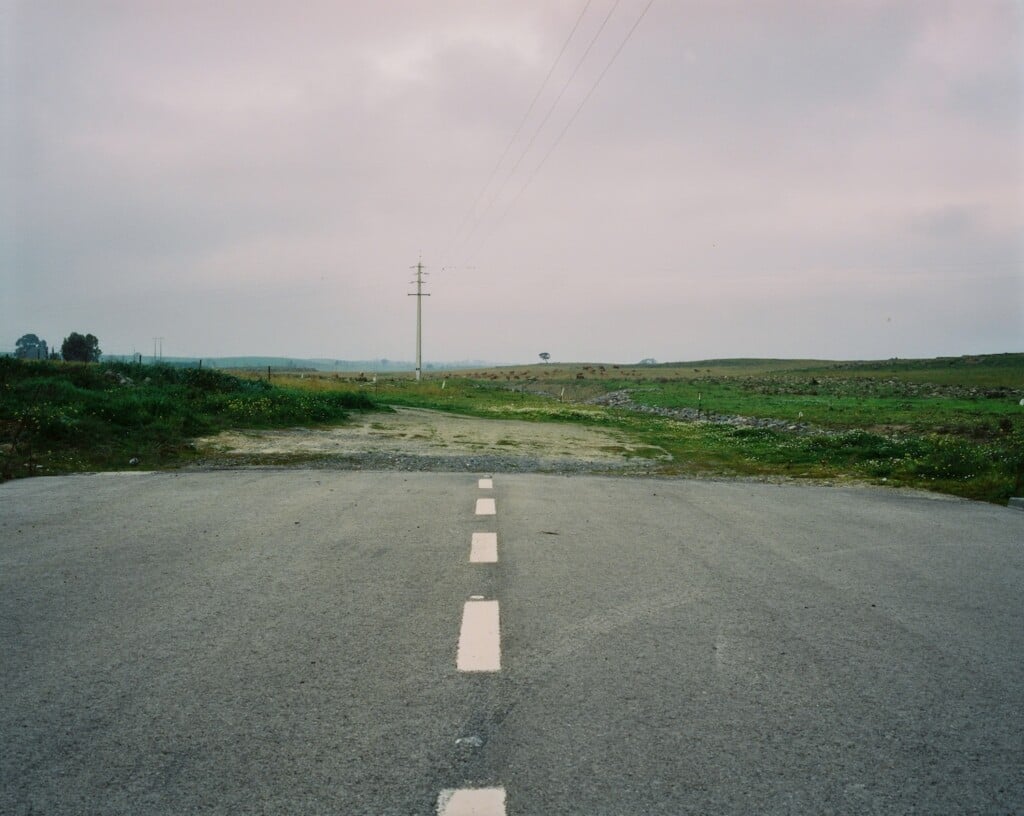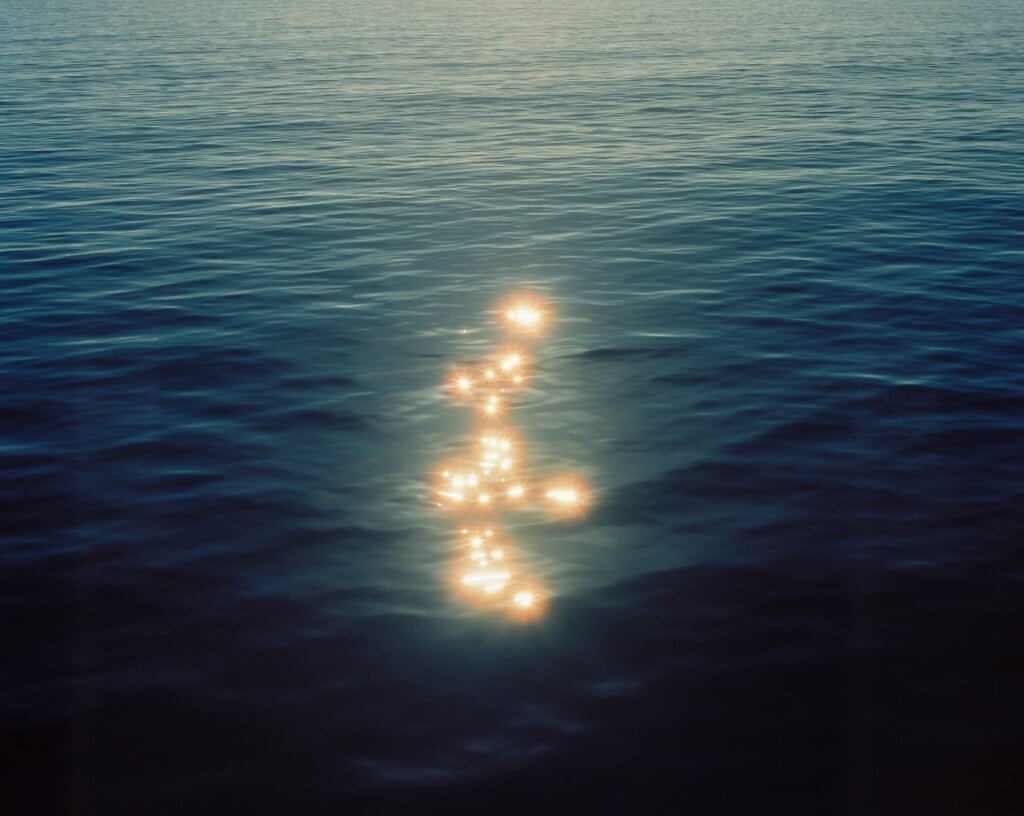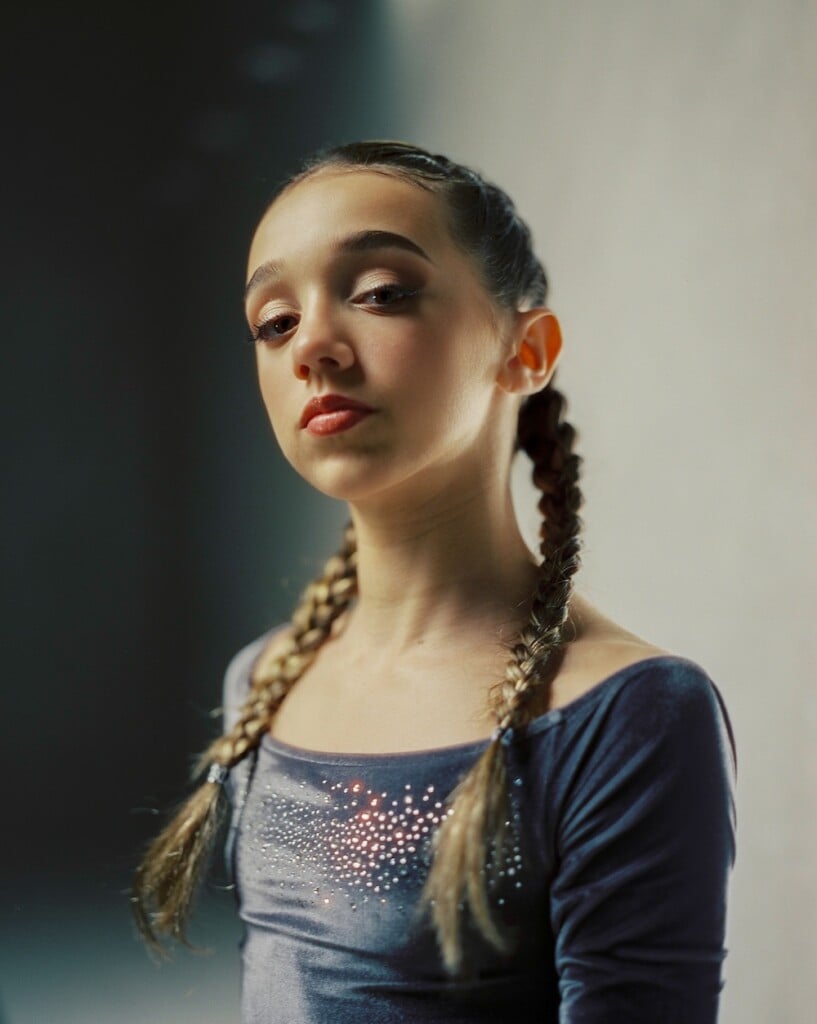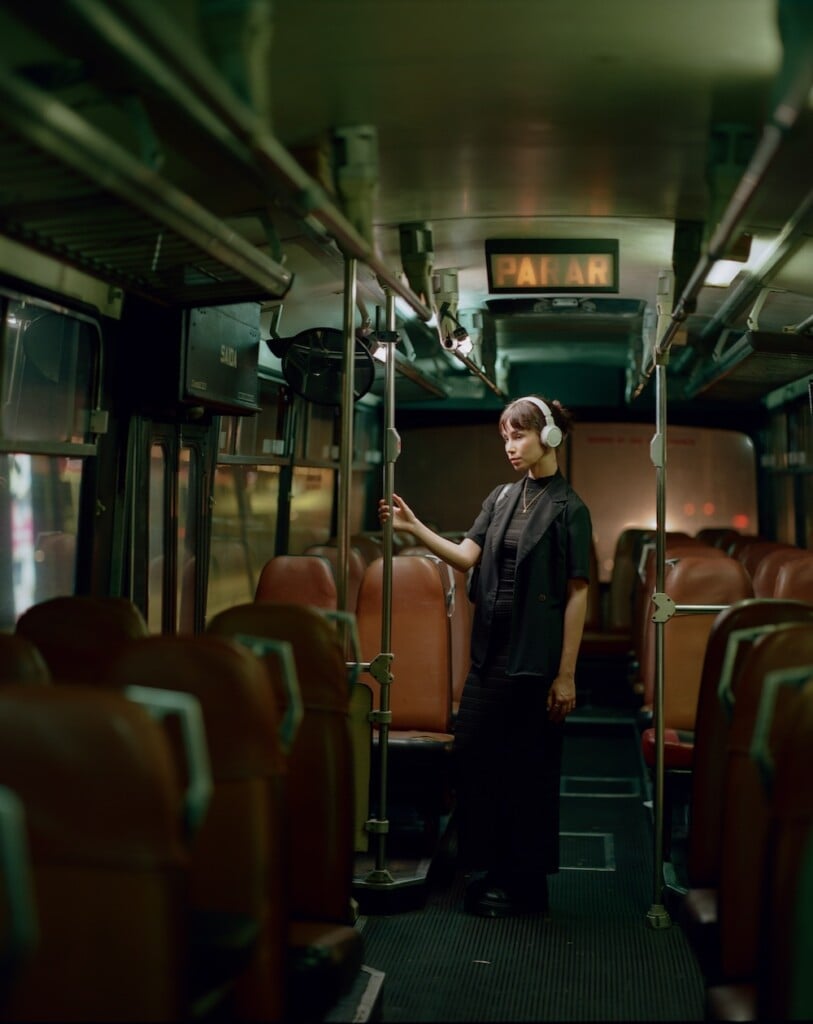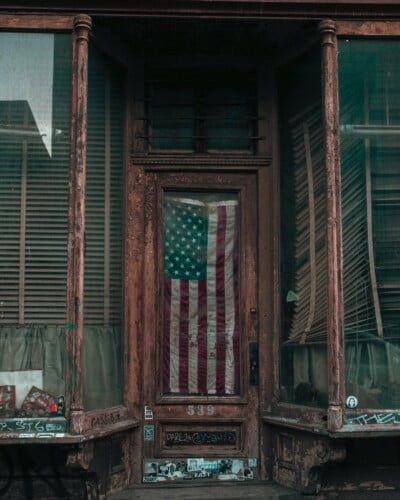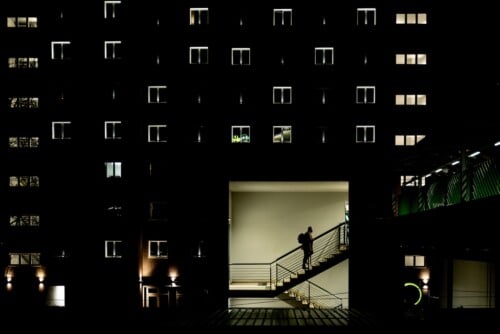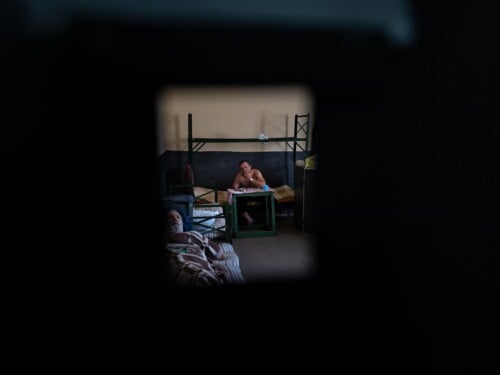
Icebergs break off from glaciers, slip slowly into open water and drift without asking anyone’s permission. This is the image behind Icebergs, the ongoing project by Nuno Serrão, the Portuguese photographer who has spent years working on the thin line between poetry and essentialism.
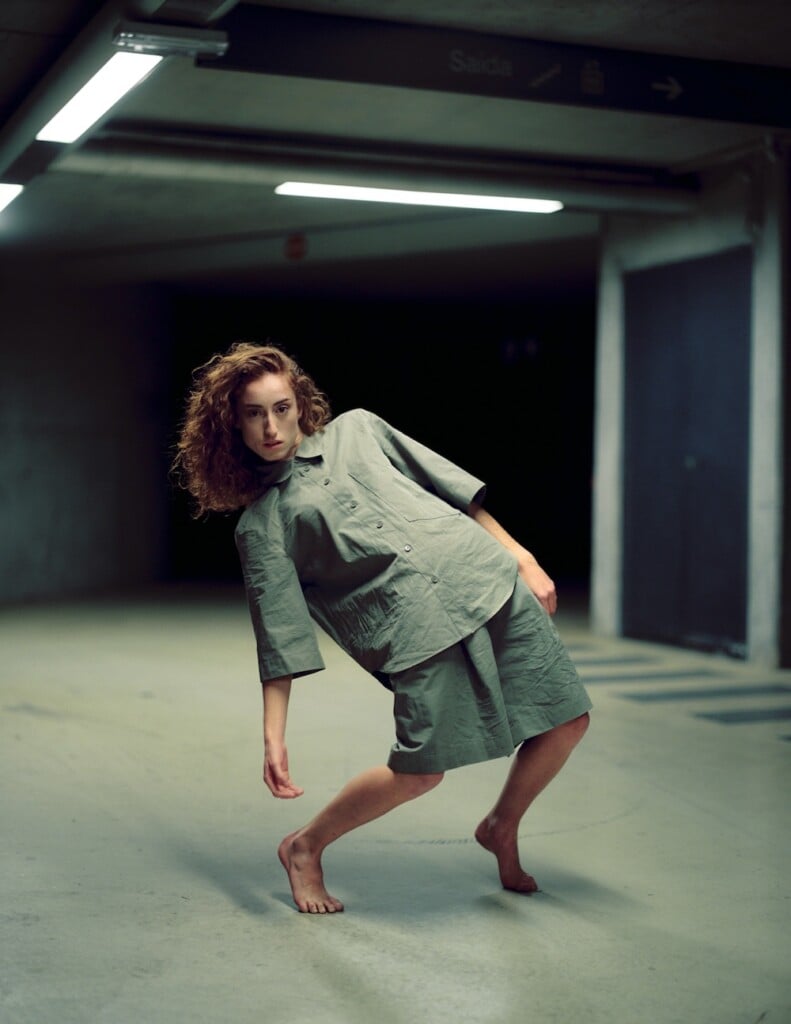
The idea behind the series is as simple as it is unsettling: some people are icebergs, solitary bodies floating inside a society calibrated for dopamine, constant interaction, novelty as an absolute value. They aren’t strange because they look different — if anything, they often do everything they can to appear normal. Their strangeness runs deeper, invisible, which is exactly why it rarely gets noticed by anyone looking only for the spectacular.
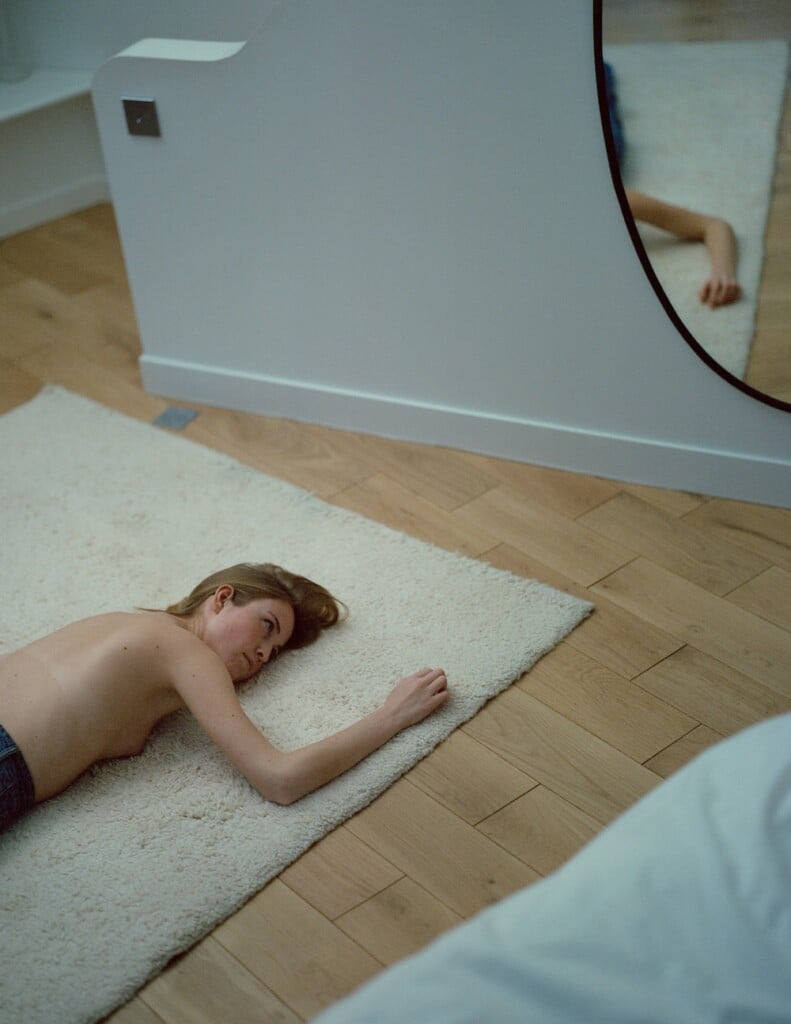
Serrão moves between poetic narrative and raw minimalism, building non-linear projects around uncomfortable, ambiguous subjects — the kind that press against our comfort zones and keep asking what is truly fundamental and what is merely background noise.
Based between Madeira and Lisbon, he runs a marketing agency by day, but in his free time he’s a self-taught artist who uses photography, video and writing to explore what he calls the side effects of thought.
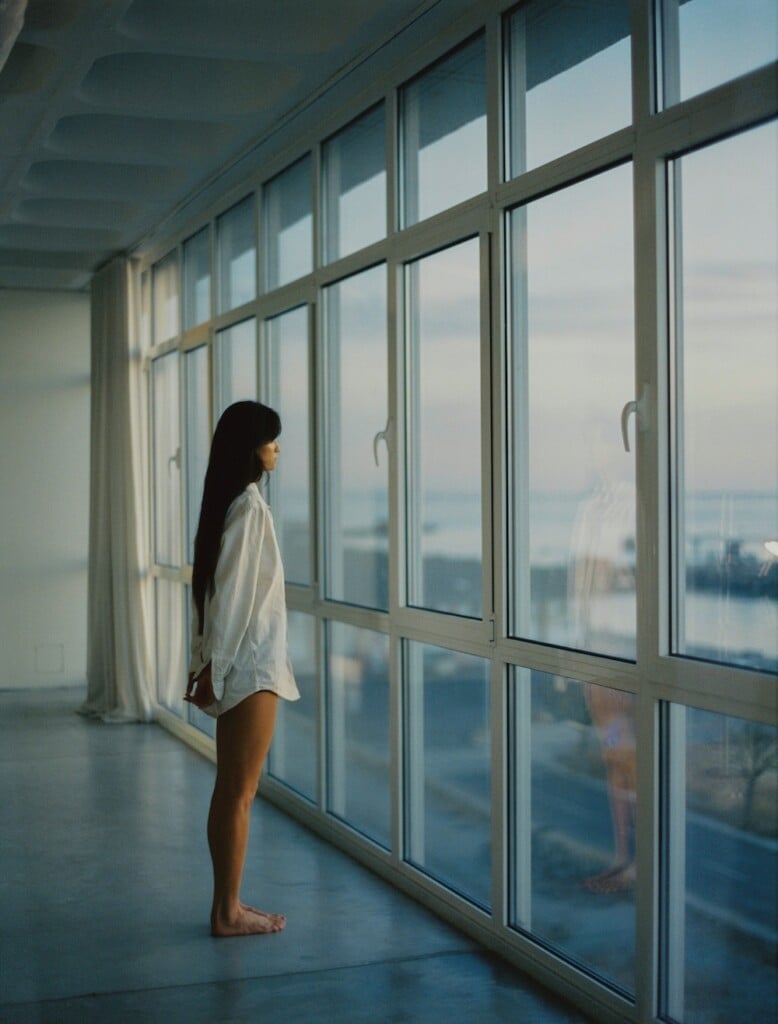

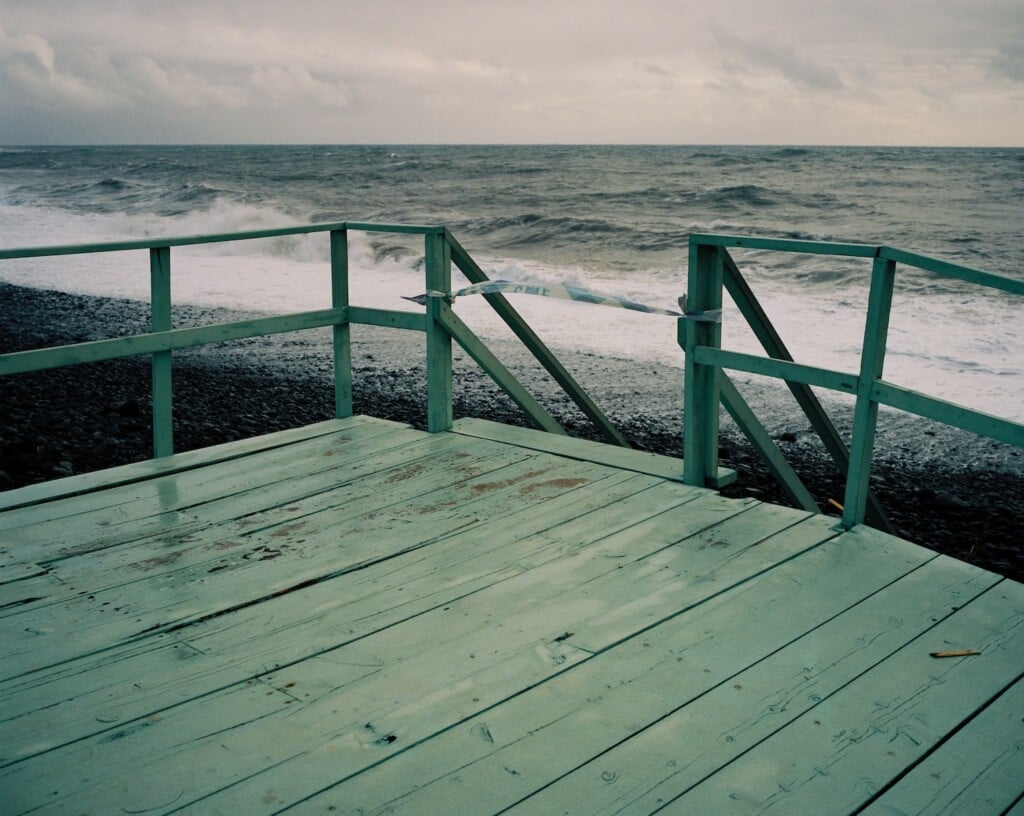
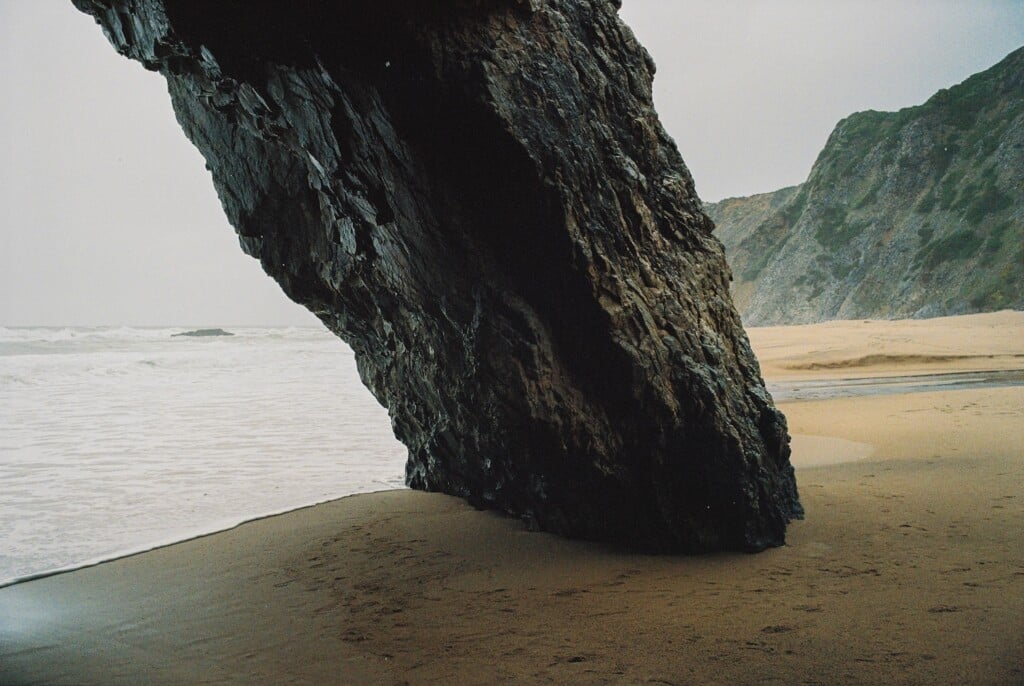
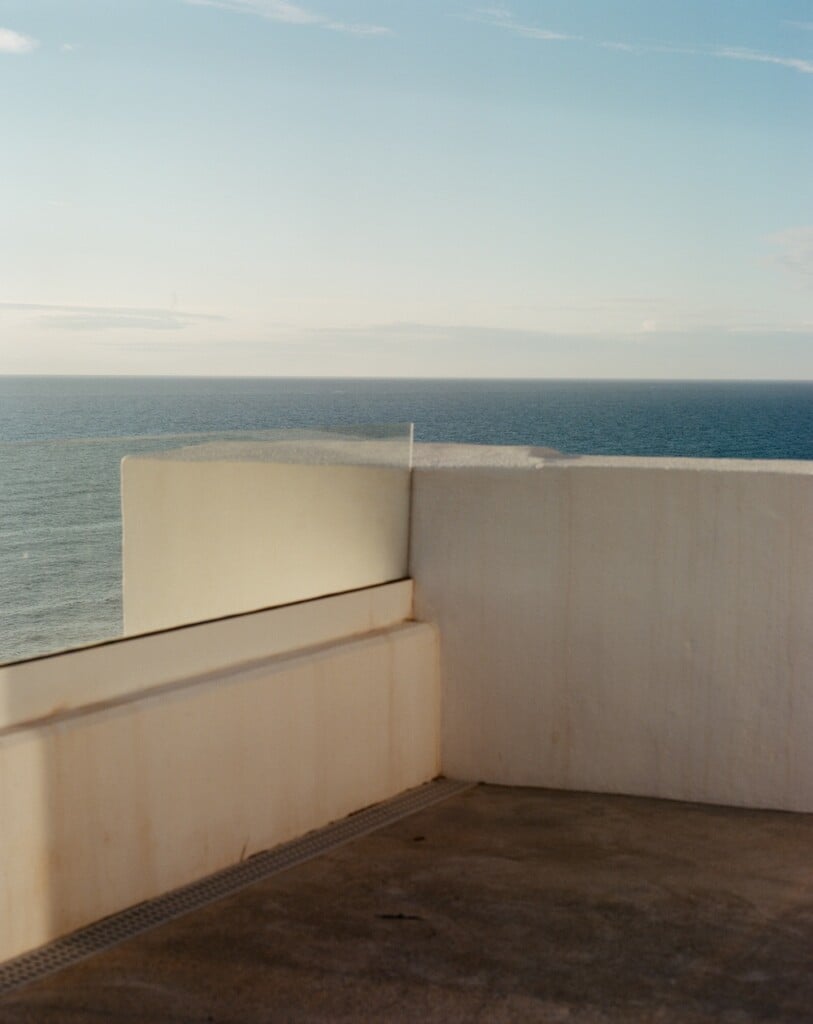
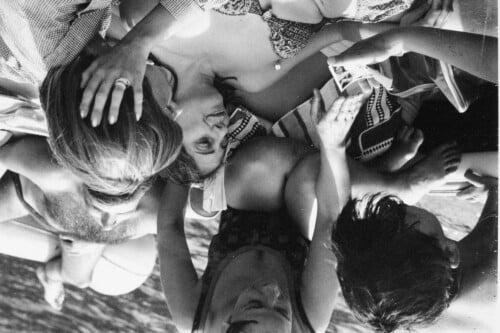
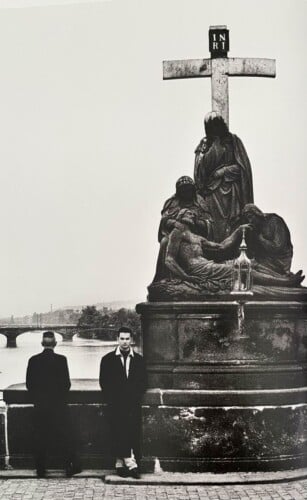
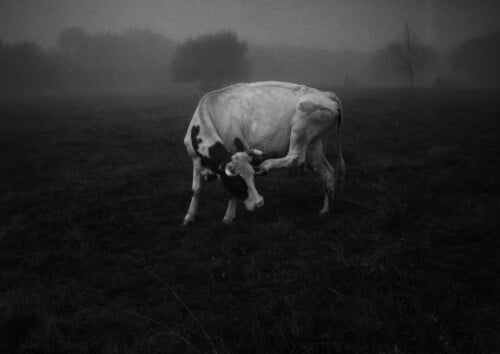
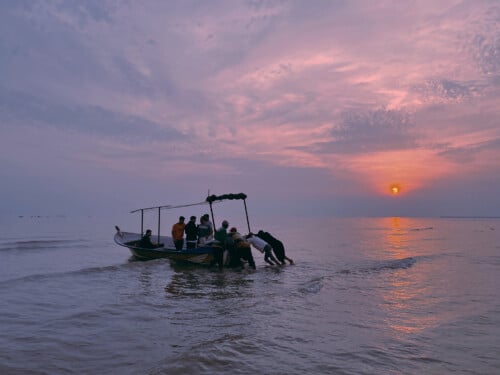
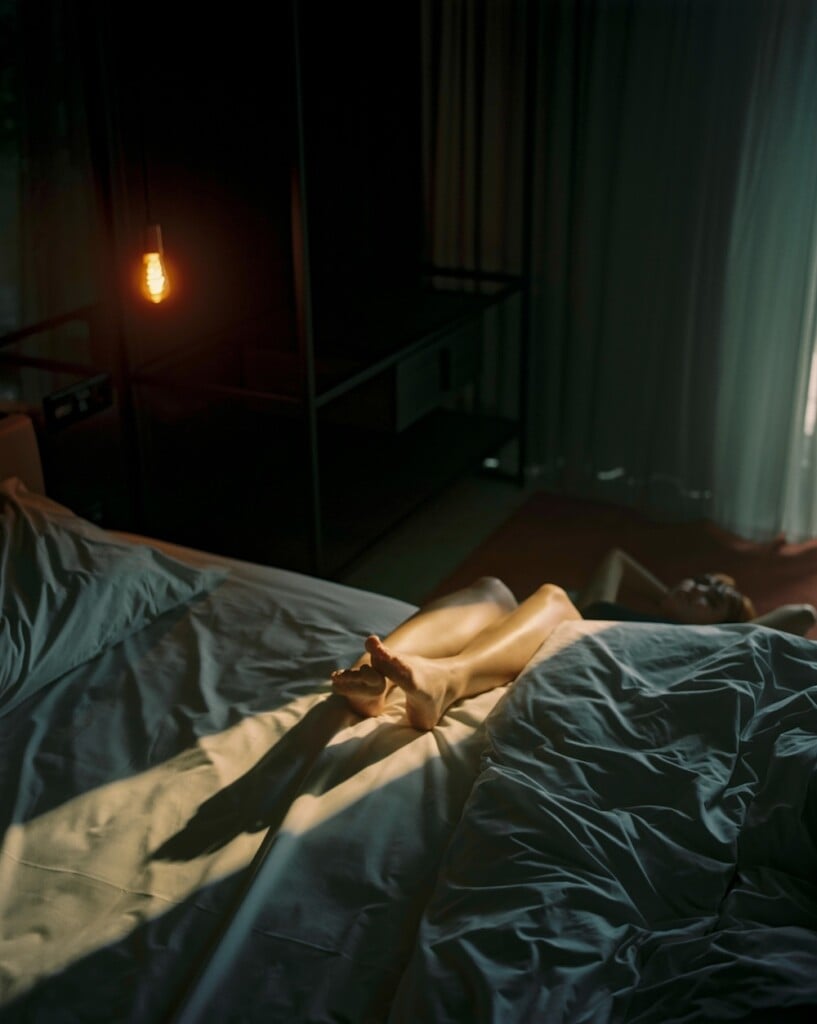
Icebergs also comes from a personal attachment. Nuno Serrão dedicates the series to Alberto, his grandfather, “the original iceberg.” The images are shot on analogue medium format, a technical choice that necessarily slows down the process and aligns it with the slow, suspended spirit of the project. In his shots, subjects are submerged in water, lying on unmade beds, balanced on piles of books: gestures that speak less of a search for stability than of a state of surrender.
Looking at Icebergs means agreeing to see reflected something we usually avoid: solitude that makes no noise, difference that hides in order to survive, the need to belong without having to dissolve into the crowd.