During the 20th century there was the so-called space race, the Soviet Union and America competed to take over the Moon and planets of the solar system.
From 1957 to 1975 the two great nations worked stubbornly day by day to prevail over each other with missiles, satellites and probes.
But in the end the Soviet Union prevailed, which successfully launched Sputnik 1 in 1957 and sent its first man into space in 1961.
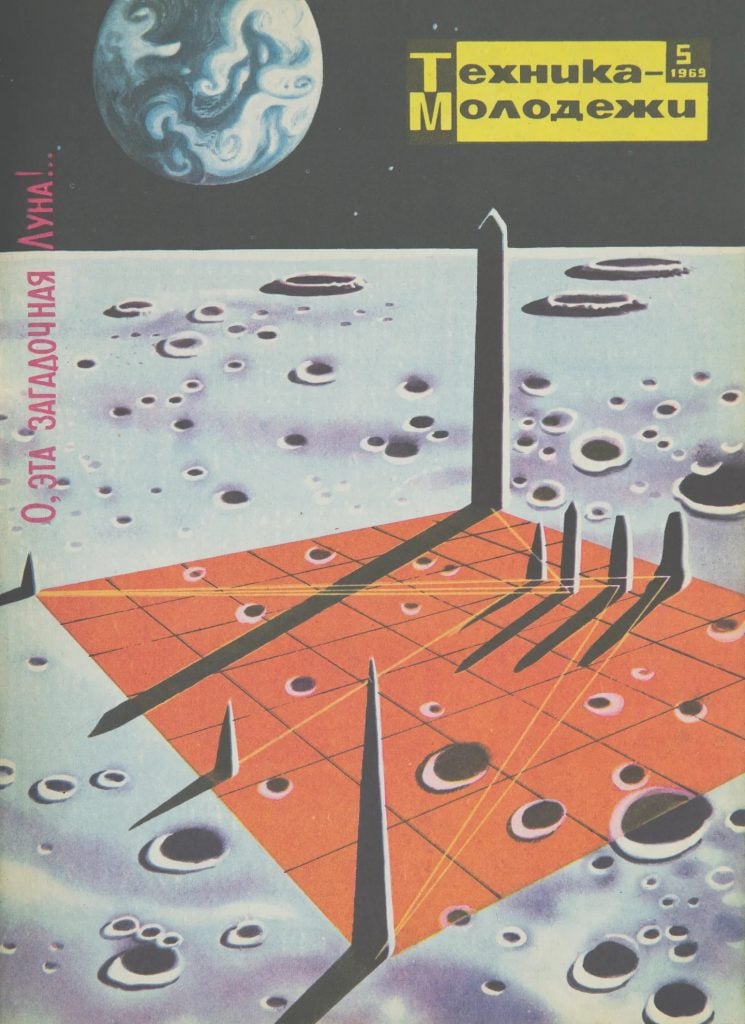
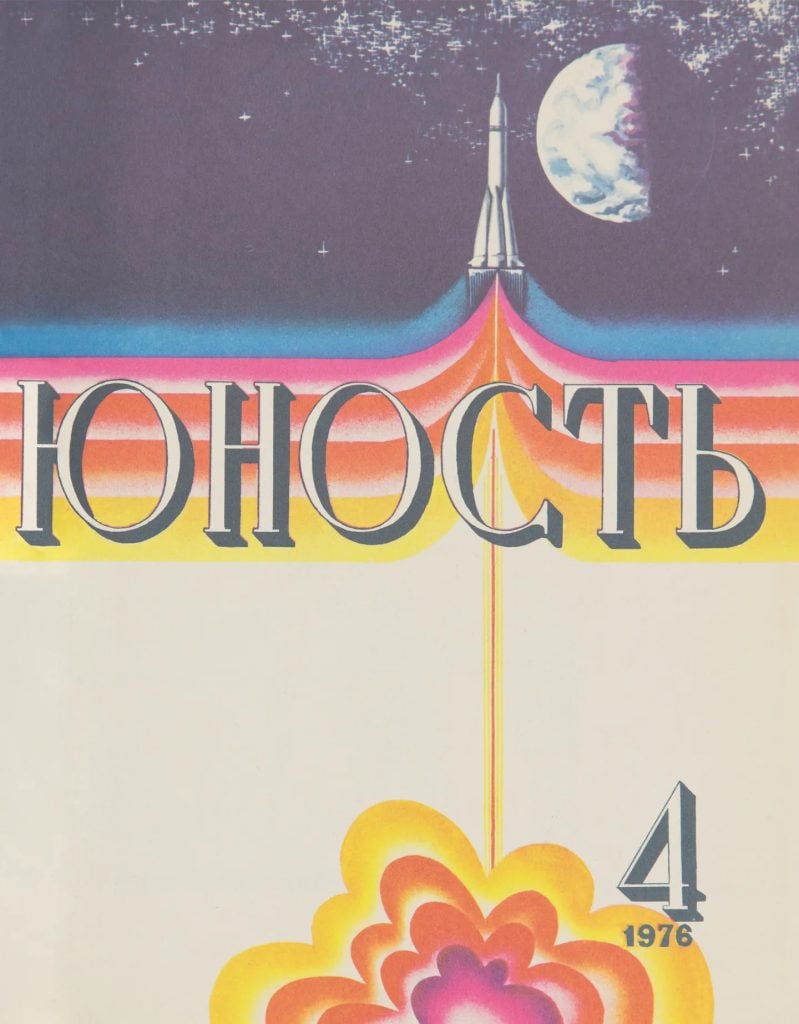
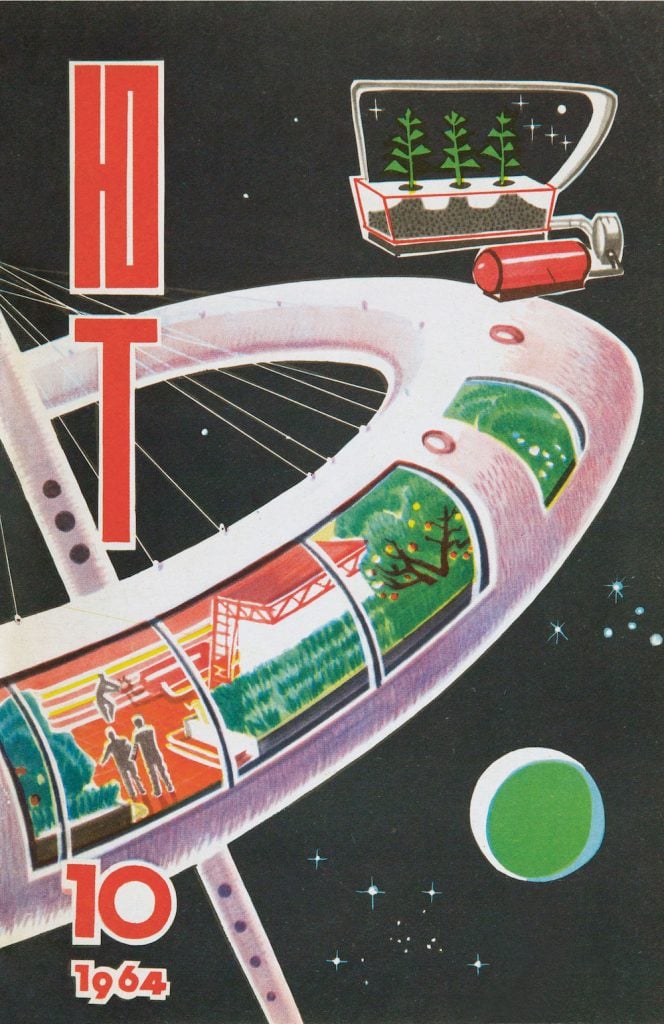
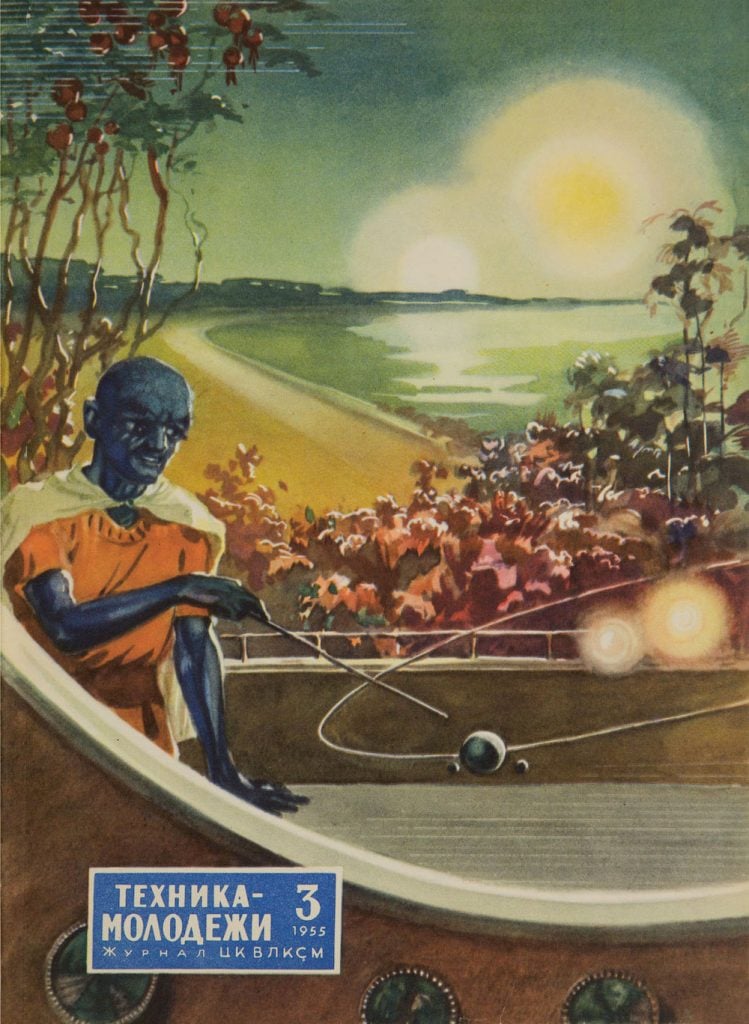
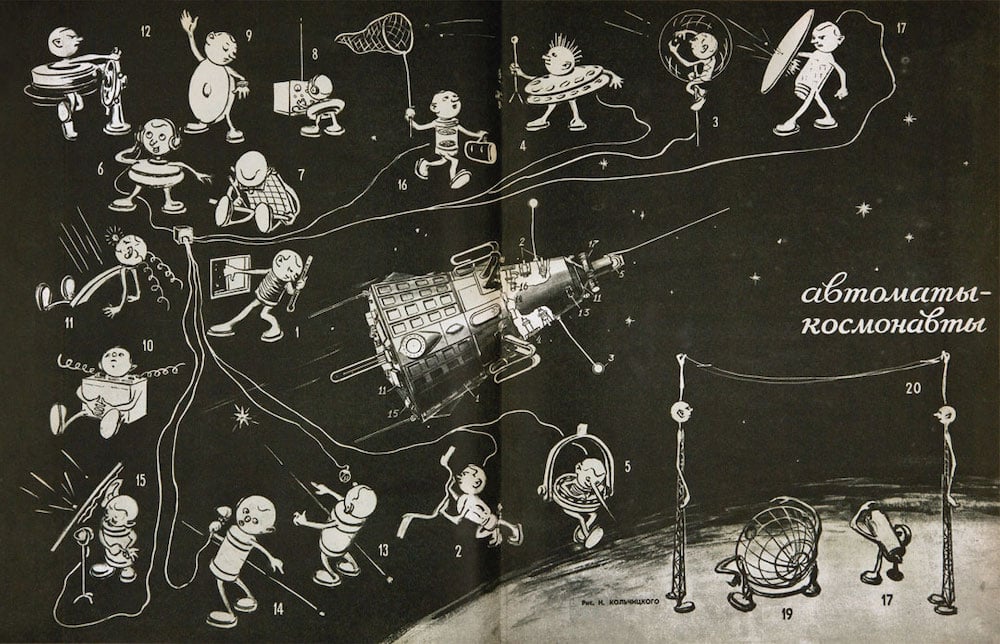
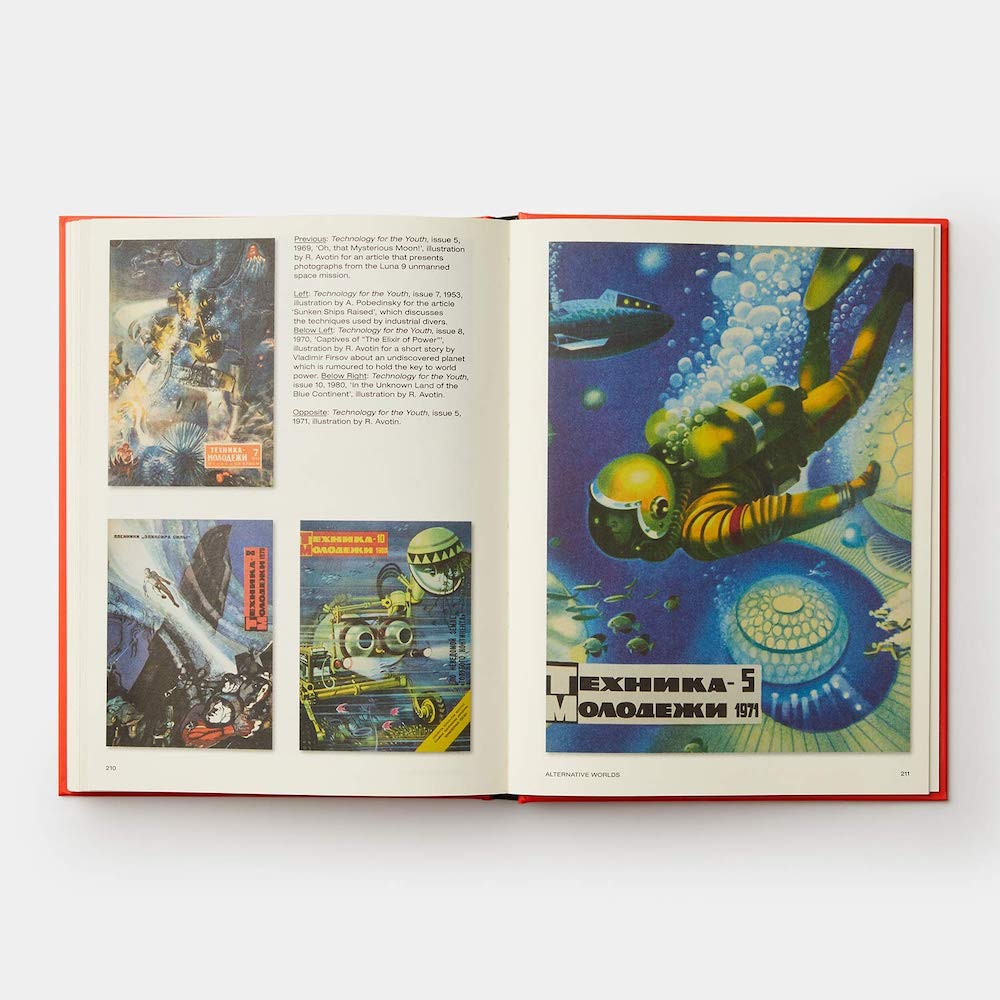
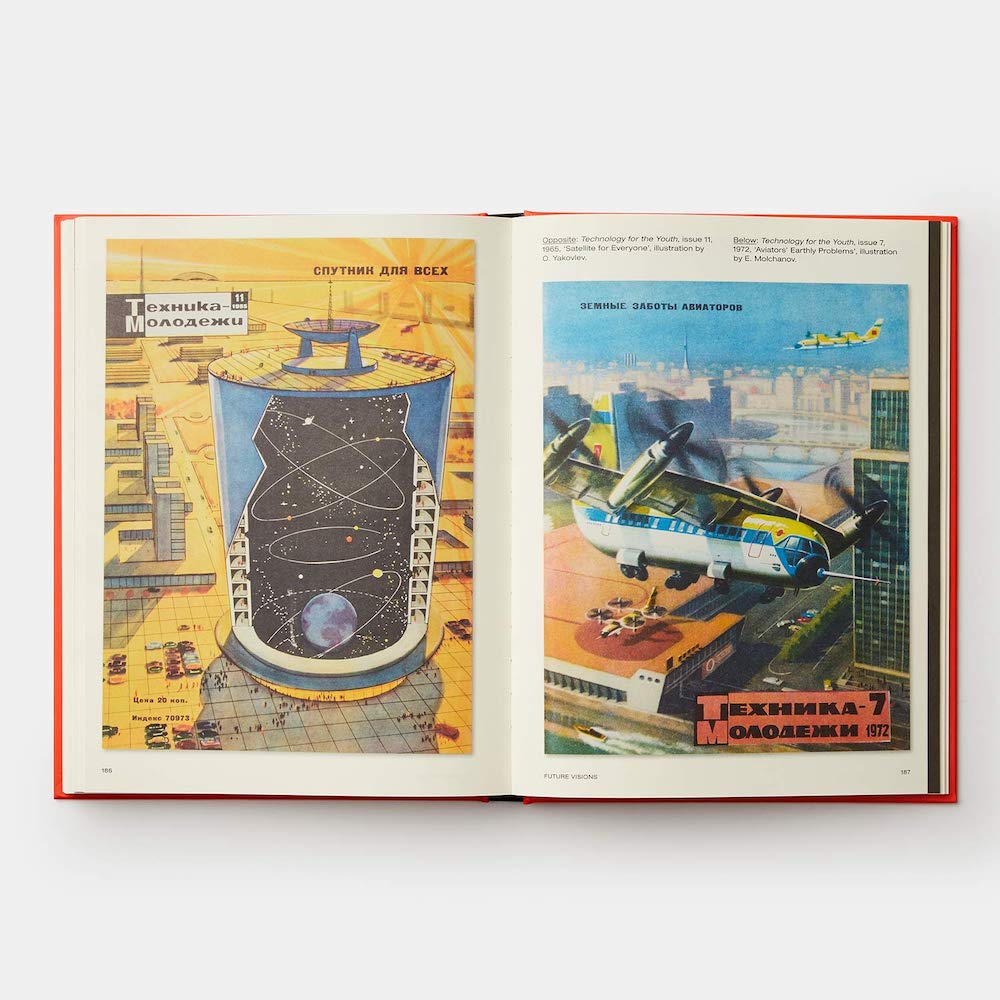
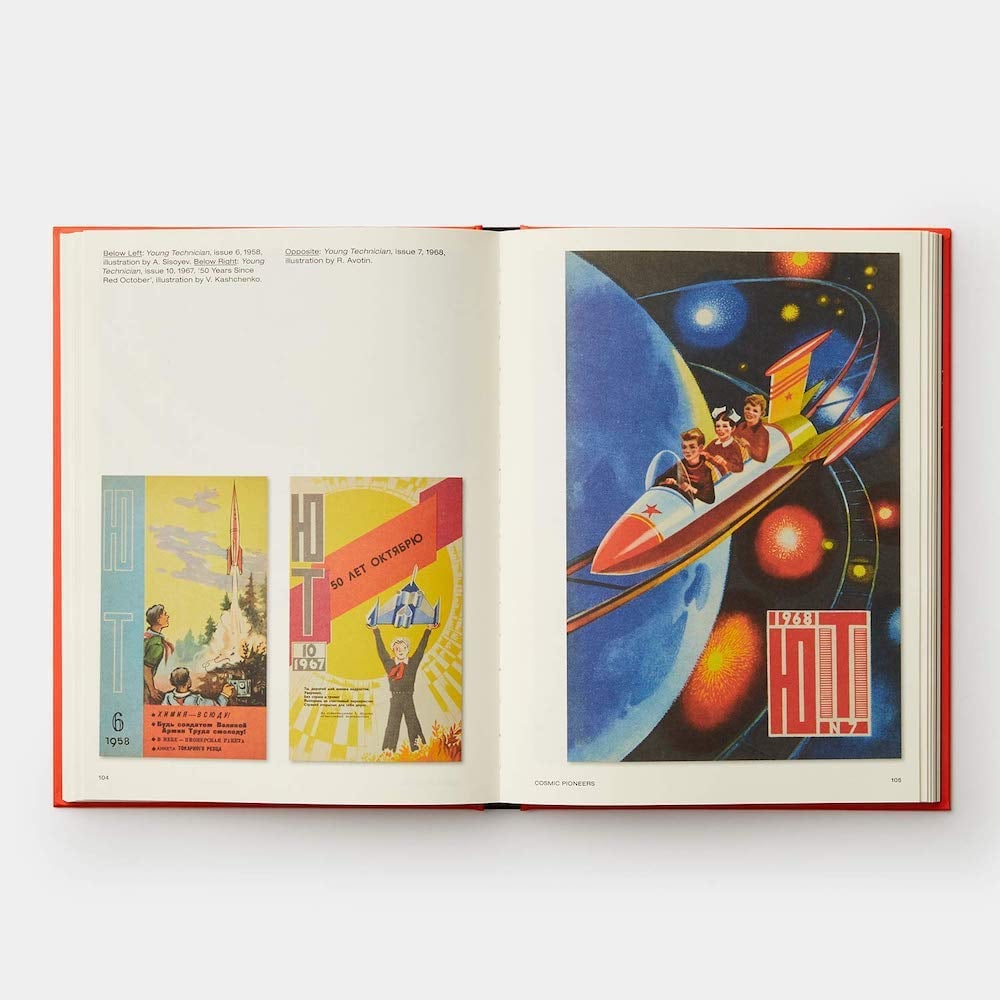
The Phaidon publishing house, assisted by Alexandra Sankova, director and founder of the Design Museum in Moscow, has collected in a book “Soviet graphic space“, 250 illustrations that narrate the Soviet regime’s relentless race towards space through the drawings and exhibits of the time.
Inside the book, the illustrations are divided into four parts. First, there is Space Exploration, a selection of images dedicated to the act itself and the “dreams people had before they started exploring space”. This is followed by Cosmic Pioneers, with astronauts and human activities in space. Then there is Future Visions, which sees a selection of images of the “future of life in space and on earth”, and finally a section on Alternative Worlds – images depicting life on other planets, “beneath the surface of the Earth and in the ocean as imagined by man”.
“This otherworldly collection of Soviet space graphics takes readers on a cosmic adventure through Cold War Russia. Created against a background of geopolitical uncertainty, the extraordinary images present, taken from the highly successful popular-scientific magazines of the time, were a vital tool for the promotion of state ideology”.
250 illustrations depicting bold discoveries, scientific innovations, futuristic visions and extraterrestrial encounters. All very difficult to recover, most of the works come from old Soviet-era magazines, donated by old collectors.
A journey into Soviet space graphics that dominated the media of the time, particularly in the form of posters, magazines, books and brochures, because they were the most effective means of propaganda.