Quayola, a digital artist and experimenter, once again astonishes with his latest project, Arborescent, in collaboration with Casa Batlló. This work serves as a tribute to nature, using digital simulations that extend from the façade of Gaudí’s iconic building, replicating its dynamics and behaviors in a seamless fusion of the real and the virtual. Let’s explore more about the artist and the significance of this latest project.
Visualizza questo post su Instagram
The term arborescent refers to something that takes on the form or characteristics of a tree. This concept is at the heart of Quayola’s new installation—a vision where technology merges with the organic, giving rise to digital structures that evoke the growth and branching patterns of trees. The result is an unprecedented dialogue with the modernist architecture of Casa Batlló.
Quayola and his tecnique
Known for his ability to explore the relationship between seemingly opposing forces, Quayola uses technology as a lens to investigate the balance between the figurative and the abstract, the past and the present, the natural and the artificial. Through immersive installations, he reinterprets classical aesthetics with contemporary tools, breathing new life into painterly landscapes, sculptures, and traditional iconographies.
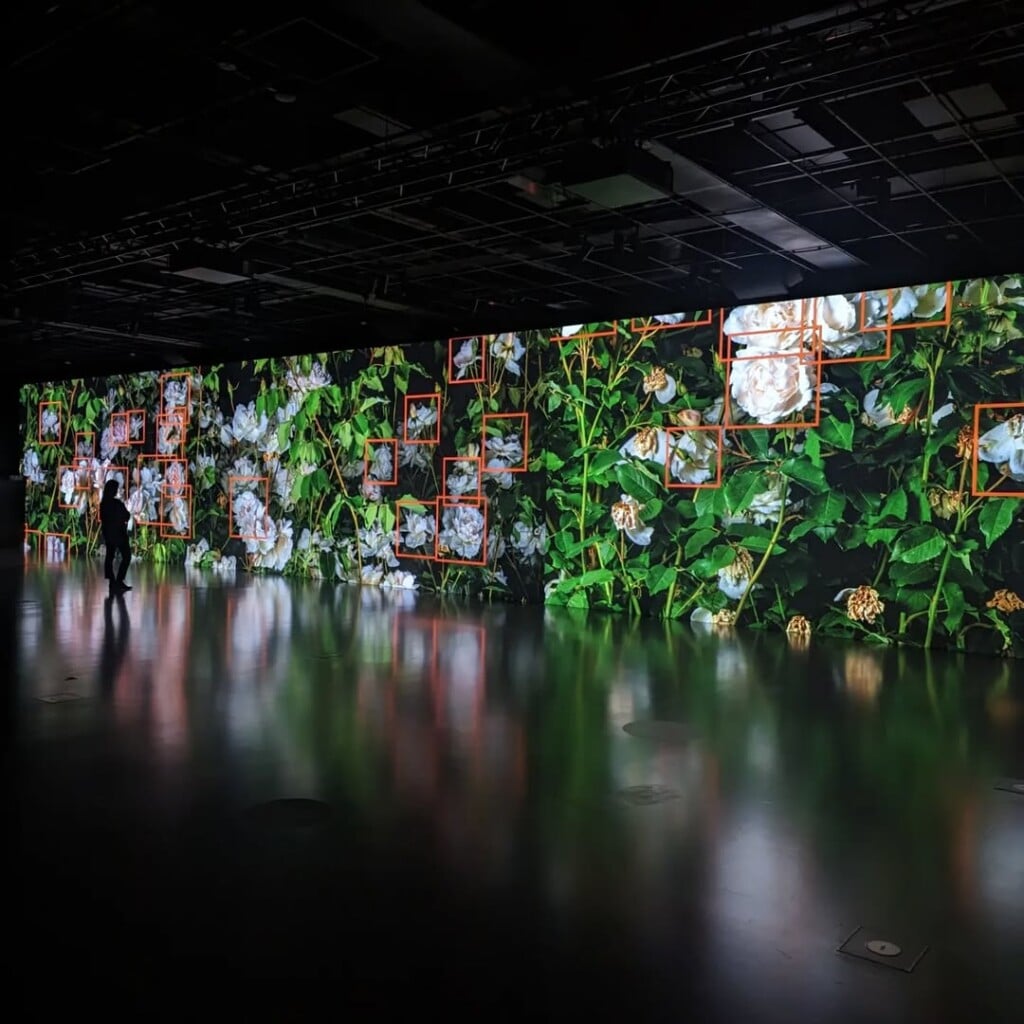
His entire artistic practice is built upon customized software, blending elements of audiovisual performance, immersive video installations, sculpture, and works on paper. Arborescent perfectly aligns with this exploration, continuing his reflection on the transformation of nature through the lens of the digital.

The intervention on Casa Batlló’s façade is not only a tribute to Gaudí’s architecture but also a visual experiment that amplifies the idea of nature as fluid and constantly evolving. Through Arborescent, Quayola invites viewers to reconsider the relationship between the natural world and technology, demonstrating how one can seamlessly transform into the other in a harmonious dance of forms and colors.