In the nineteenth century, the luminous landscape and picturesque views offered by two small villages, now united in the French municipality of Bourron-Marlotte, caught the attention of a rich community of revolutionary artists. Cézanne, Pissarro, Monet, Renoir and Corot spent happy days there, full of creativity and sharing, in an area that runs alongside the famous forest of Fontainebleau.
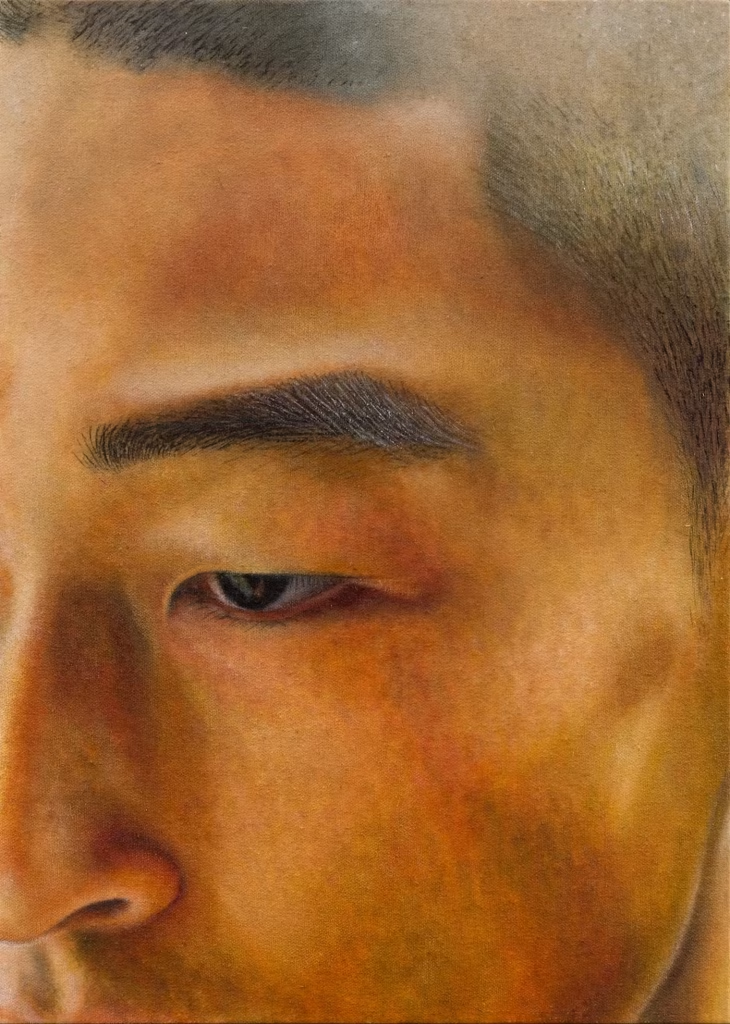
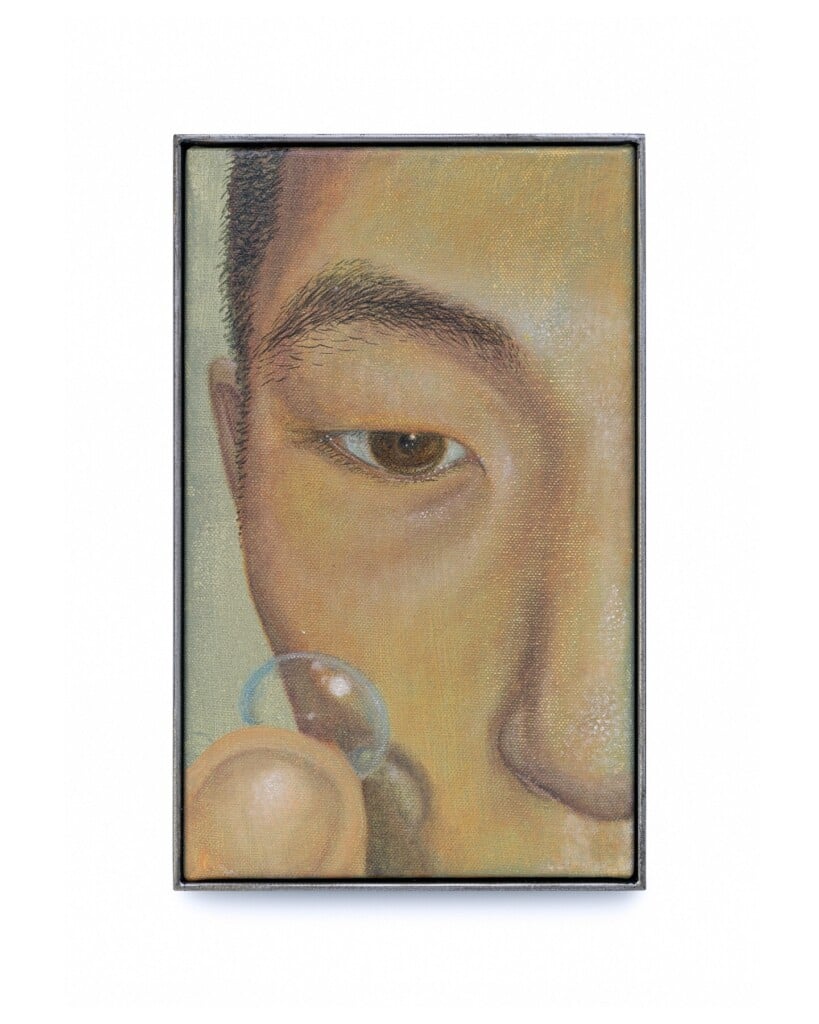
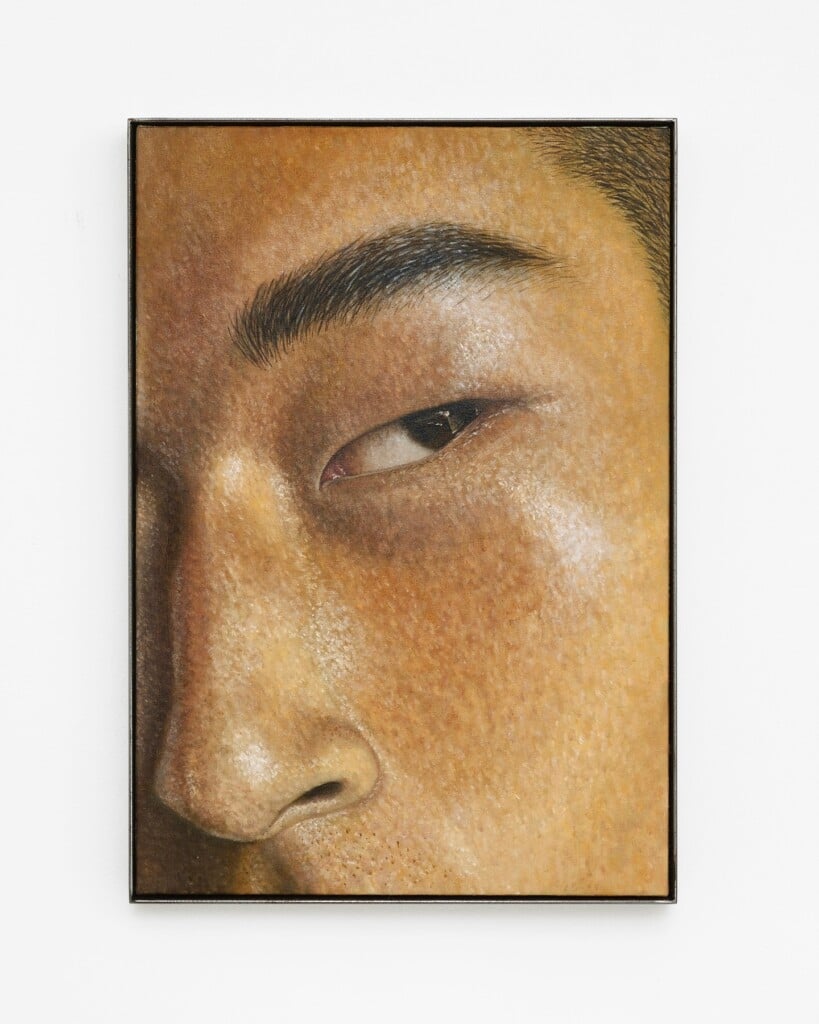
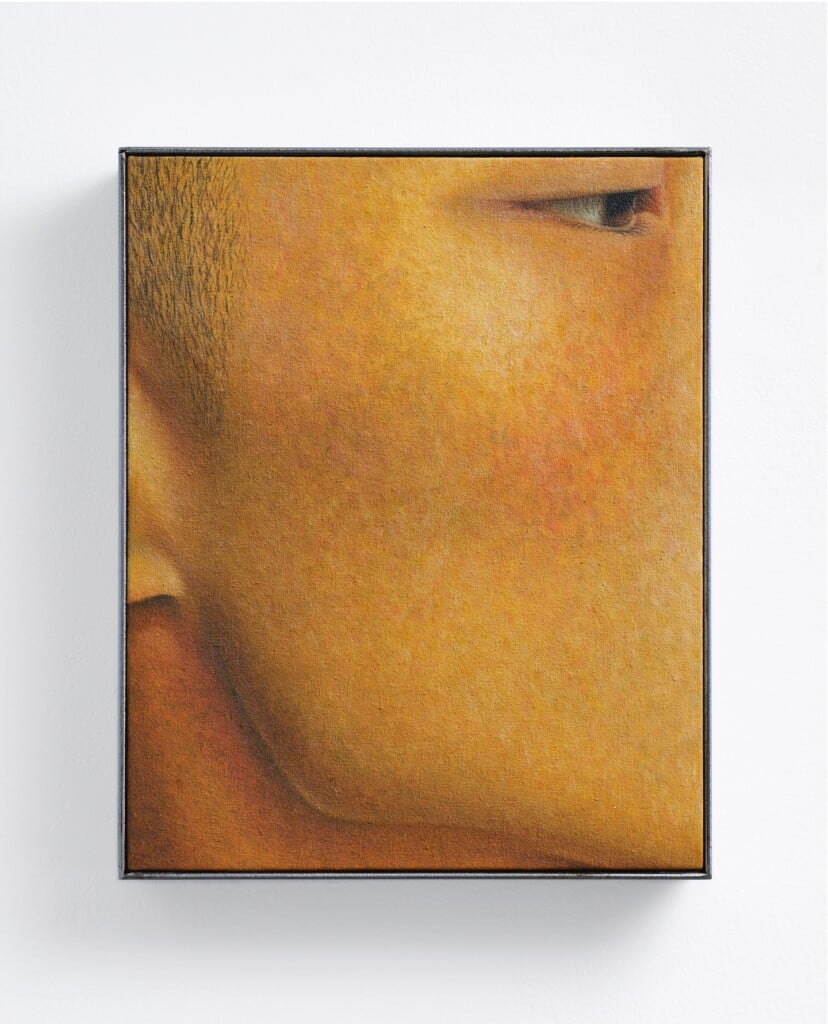
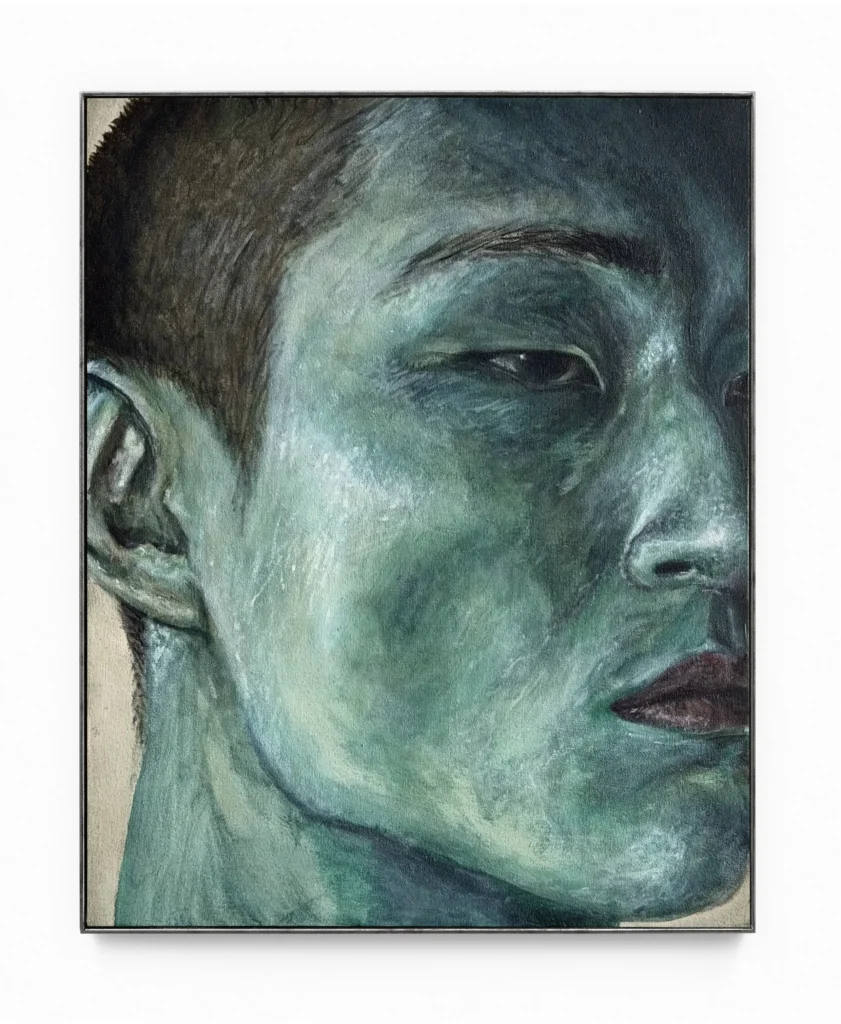
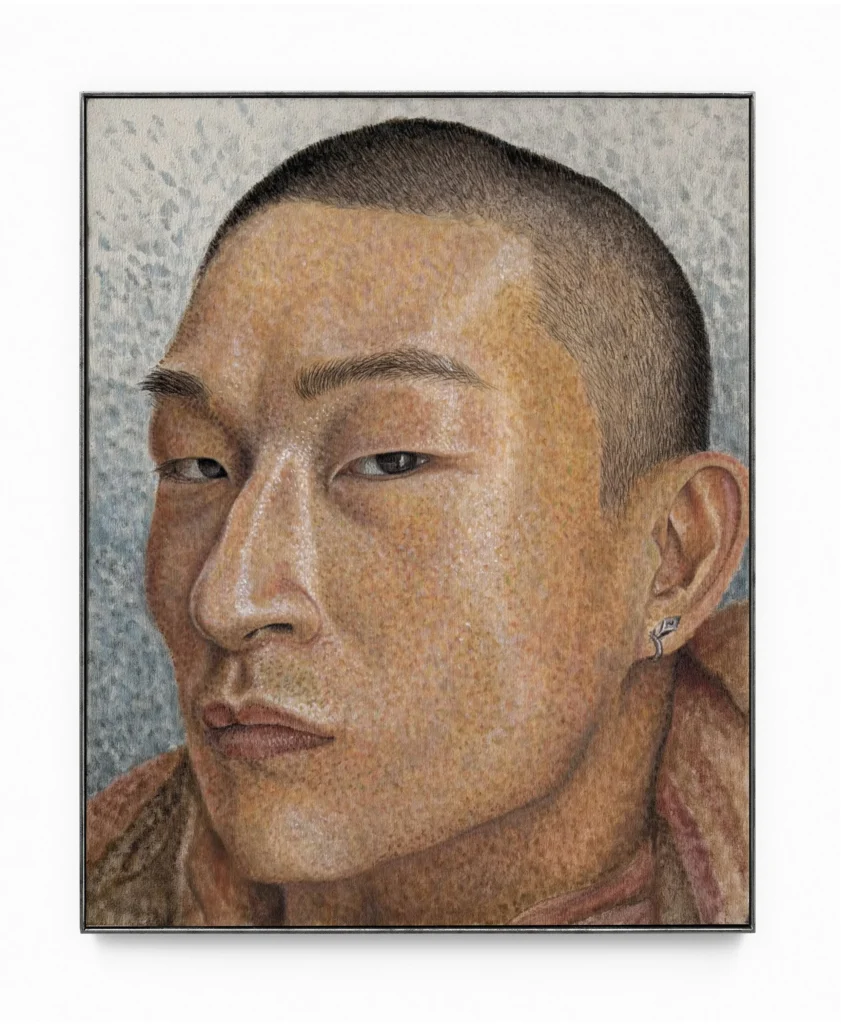
In one of the beautiful residences that once belonged to the Cézanne family, Galerie Sébastien Bertrand presents the solo show Façades by the Korean artist long based in London, Sang Woo Kim (Seoul, 1994). Thanks to a refined and impeccable installation, Kim’s paintings come to inhabit the stone spaces of a sort of crypt, silent and evocative like the cave of a time placed symbolically elsewhere.
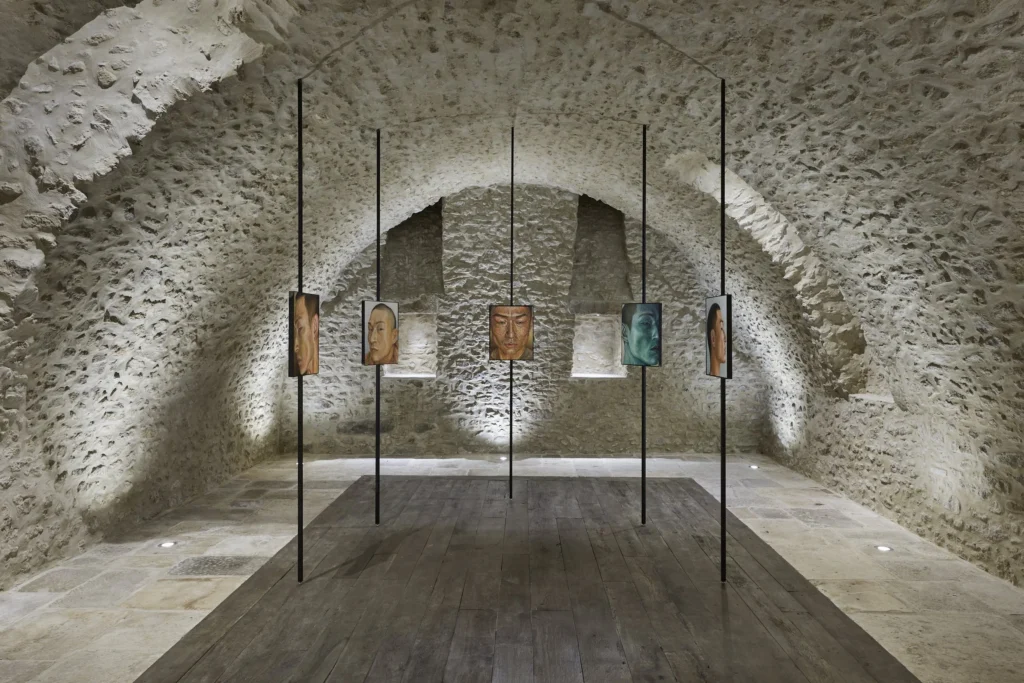
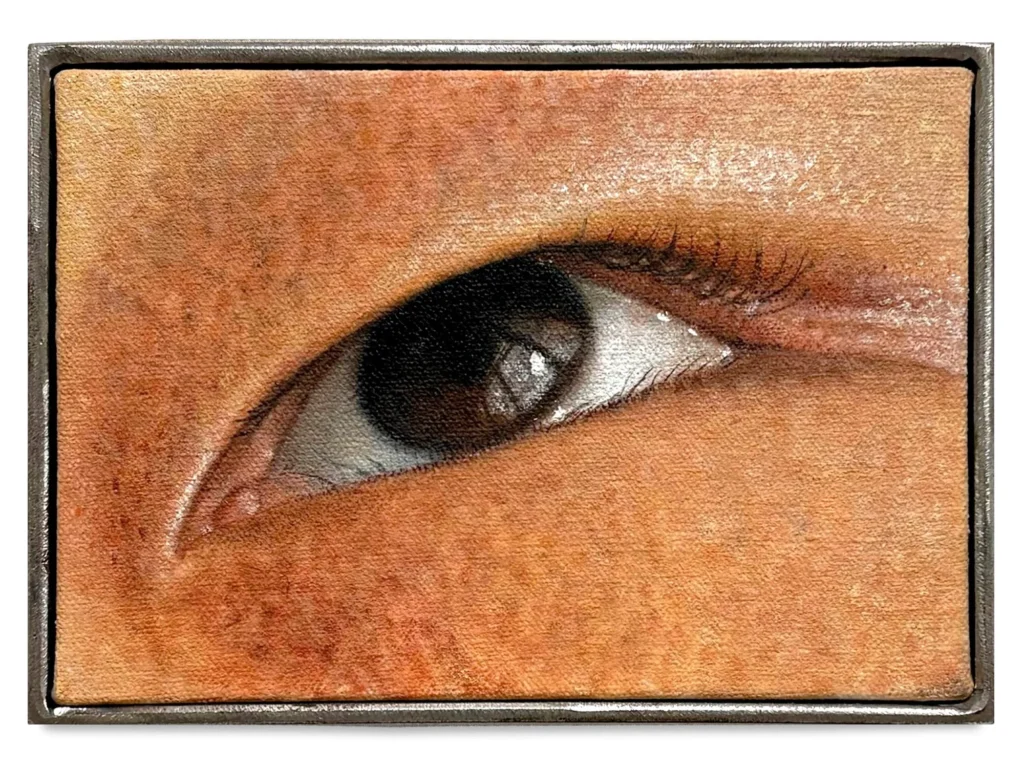
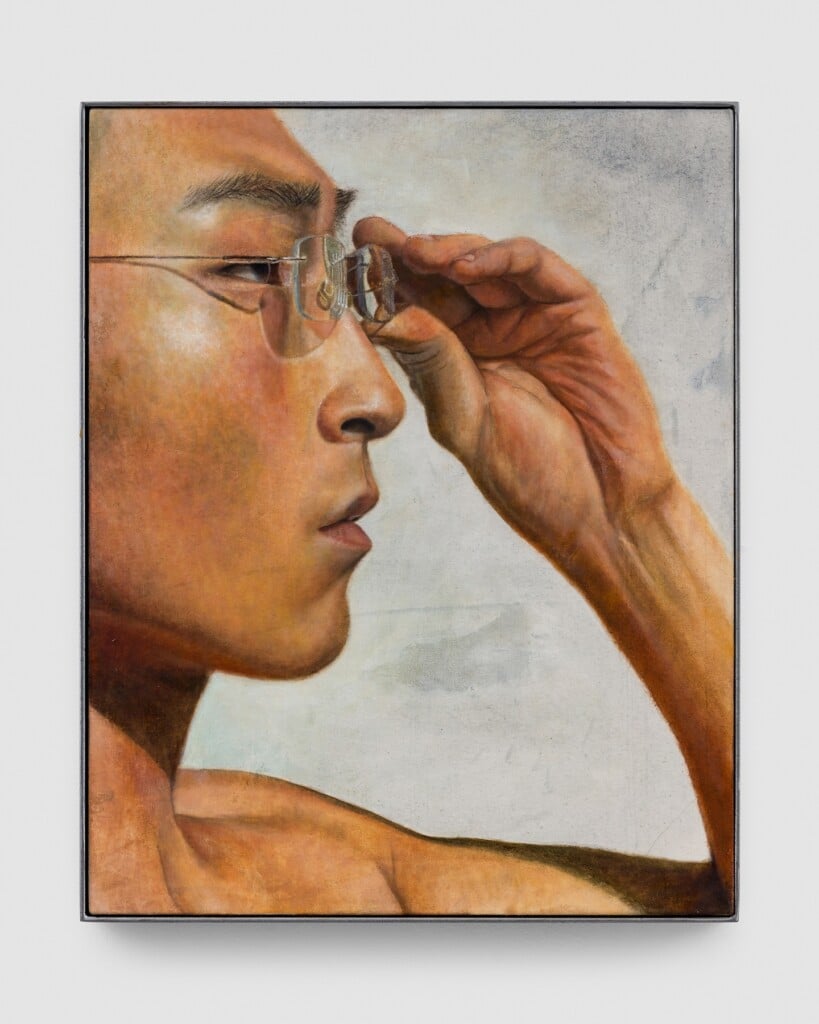
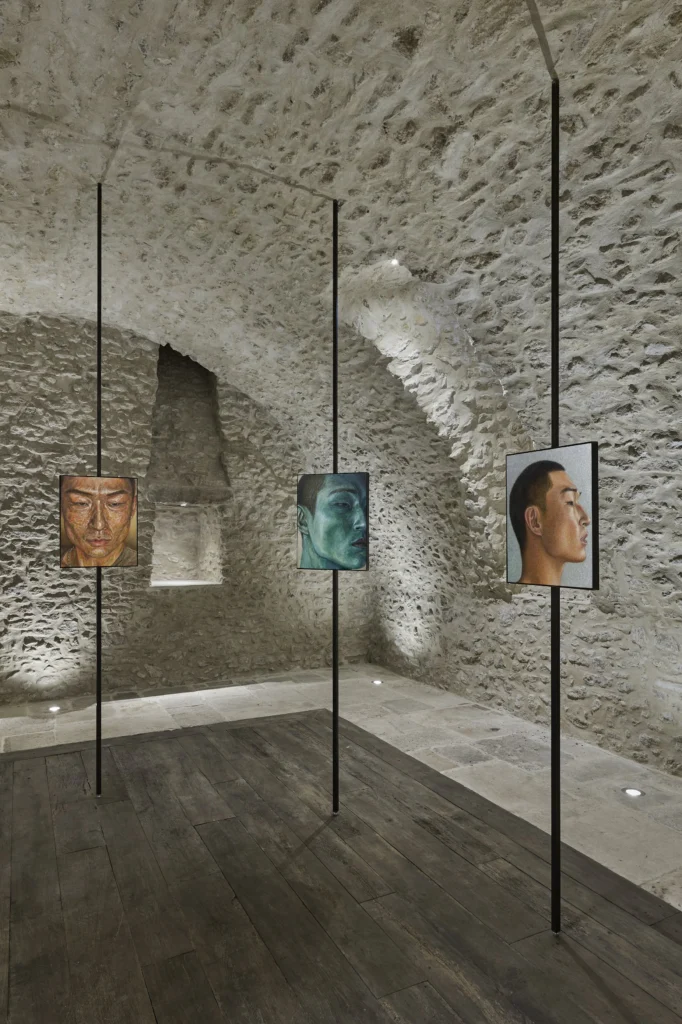
The act of painting, understood as the most precious form of meditation, meets the artist’s body and face in the role of the most beloved model, from which everything derives. If his early years of experimentation saw Kim focus on single expressive and anatomical details, the current French solo show widens the field of vision by presenting no fewer than five façades, that is, five self-portraits in which pose, tilt and gaze change. Oil painting and close-up framing weave precarious and richly fluid balances with a bodily presence that, while probing the theme of identity, prepares to invoke the intrusion of different and ever new points of view and, in this way, of diverse interpretations.
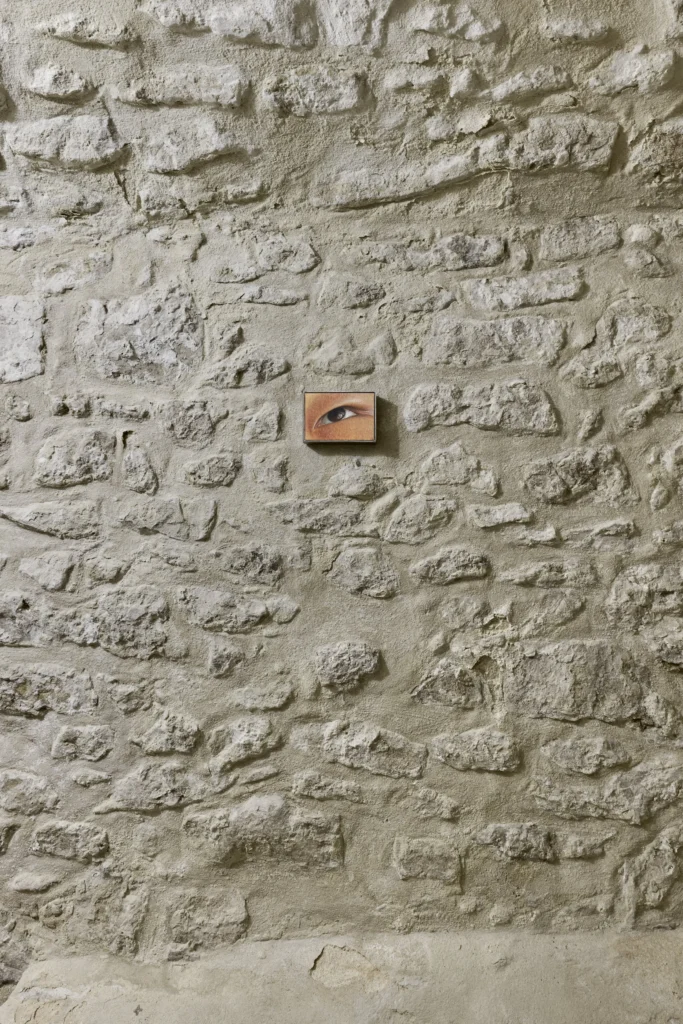
“How does visibility work?” is the question underlying the entire creative practice that Sang Woo Kim has carried with him since his years of training. Investigating the territory of representation, Kim has channeled into art his experience as a young person arriving in a land, Europe, far removed, in habits and customs, from his home of origin. Living the theme of diversity and encounter in an everyday childhood spent between games and school desks, the young artist began early to experiment with oil painting through a substrate of images and tangles, deriving from multiple encounters and questions concerning being and conception. The almond-shaped eyes that, in his very first years after arriving in London, set him apart from a good part of his peers with a different skin color, have over the decades come to inhabit a small canvas of powerful expressiveness.
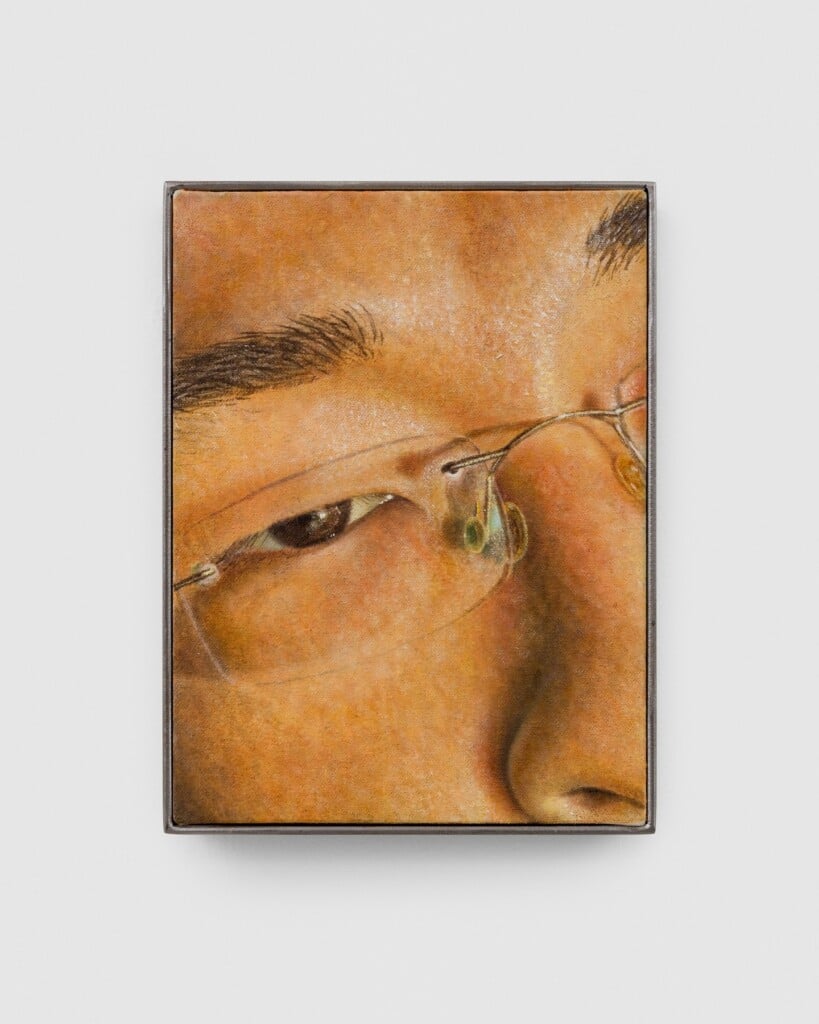
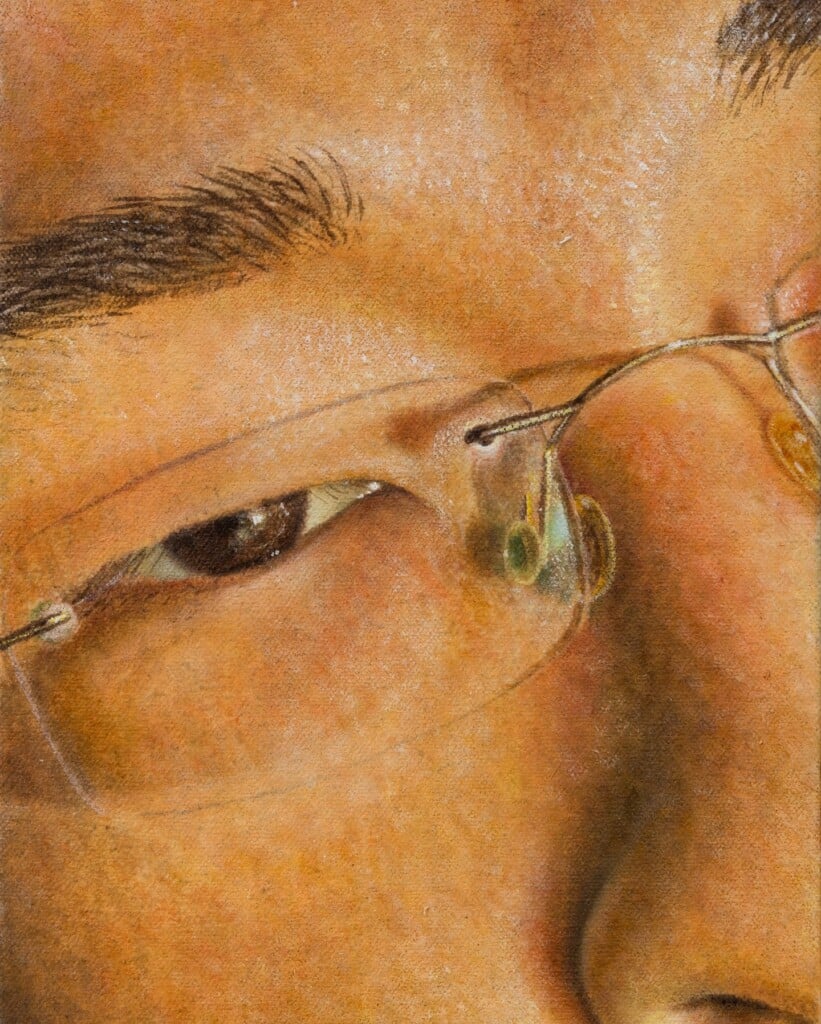
Gestures, gazes and poses timidly granted activate the stylistic signature of a painting interested in establishing a dynamic relationship with what has been experienced and codified in the past. The play of interaction and of a different focus, which moves through the five painted façades on display, dialogues with the memory of the great and decisive Impressionist innovation. To argue the cut of a representation on the canvas, one that involves a differentiated positioning of the familiar protagonist body, subtly amounts to bringing to the public’s mind the revolutionary choice made by Claude Monet to place himself in listening to the light in his celebrated series of paintings devoted to Rouen Cathedral.
With Façades, Sang Woo Kim pays homage to the beauty and the ever more urgent need for encounter and sharing.