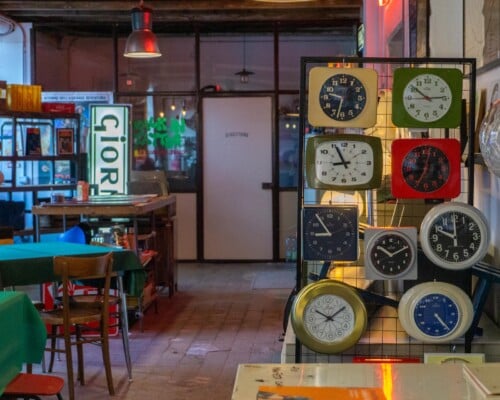
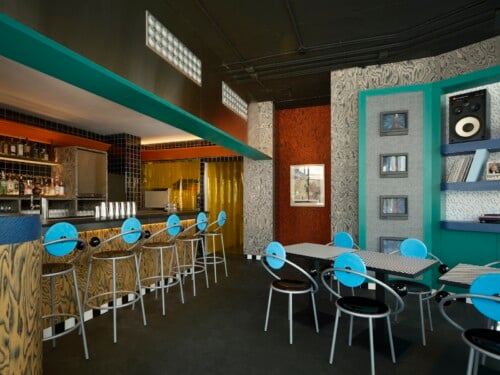
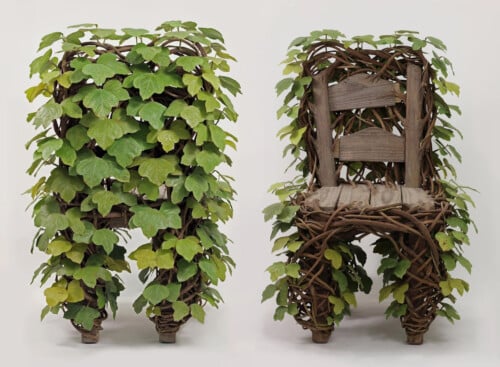
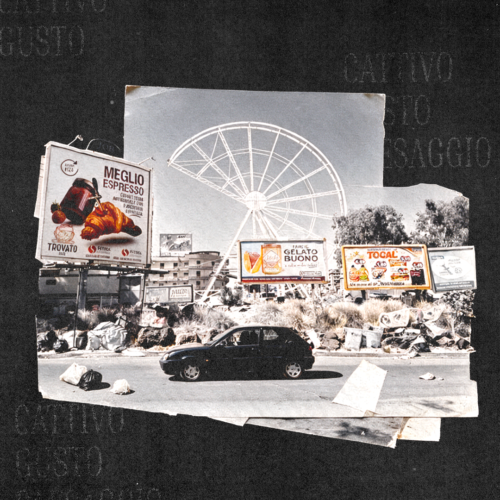
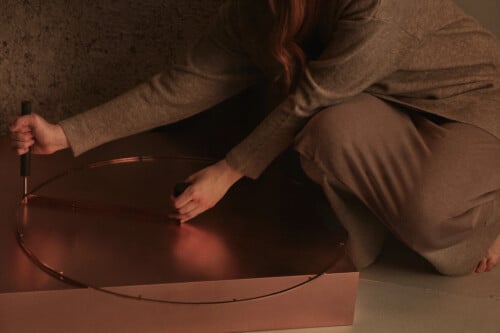
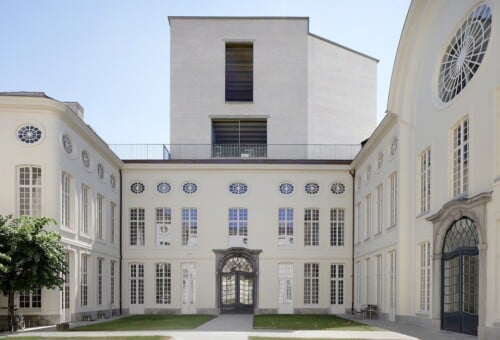
A pavilion that appears and disappears. An exhibition that lasts a week. A coworking space that changes shape every day. More and more often, in our cities, temporary spaces become protagonists of urban life. It’s not just a trend, but a new culture of design, based on lightness, transformation, and adaptability.
This is the theme of the new episode of Cantiere Scandurra, the podcast by Scandurra Studio for Collater.al. Architect Alessandro Scandurra takes us on a journey through the changing forms of temporary architecture, to understand how and why they are redefining the contemporary urban landscape.
The Ephemeral as Infrastructure
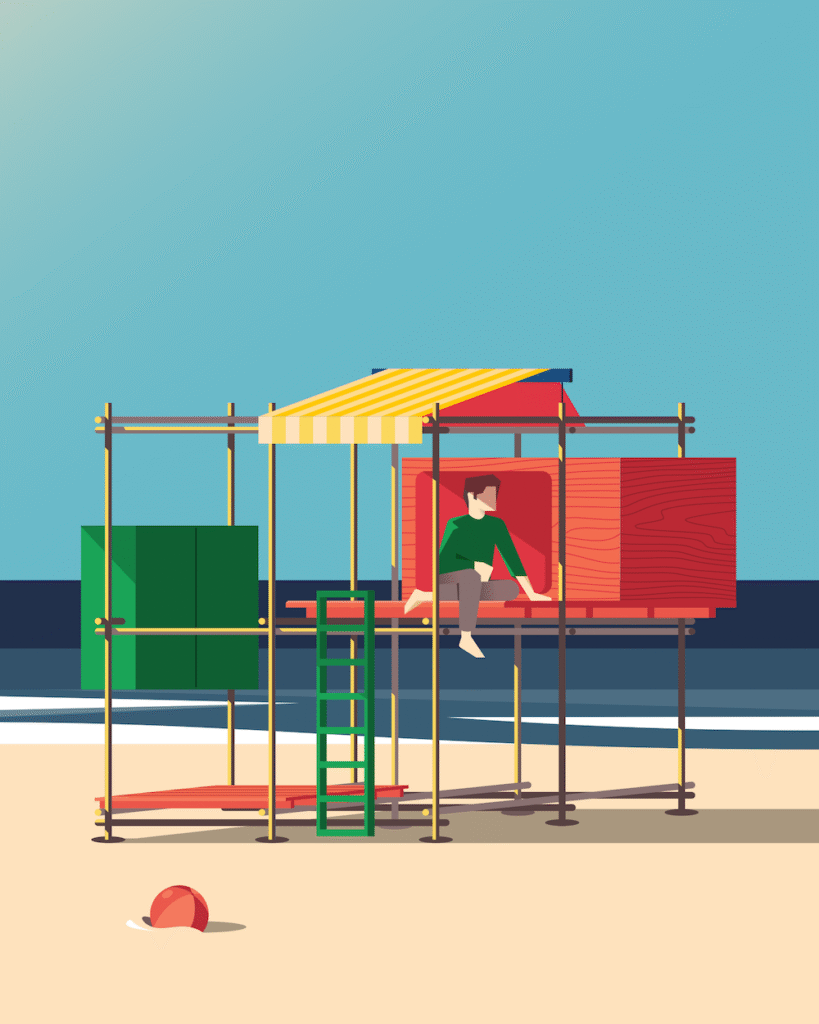
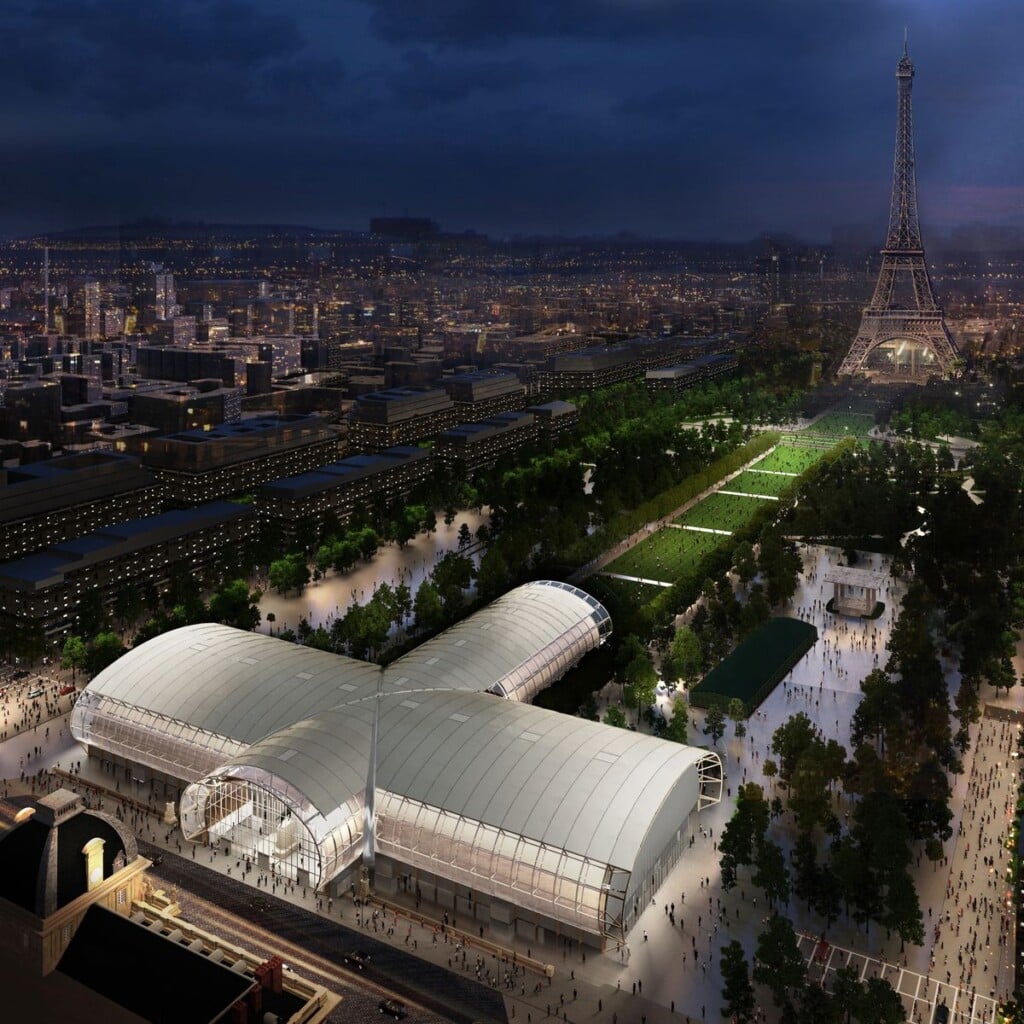
We live in an age where everything changes quickly: work, mobility, relationships, priorities. Cities, according to Scandurra, must respond to this instability. But traditional architecture, so fixed, heavy, rigid, is often not agile enough. That’s where the ephemeral comes into play for the architect. Mobile markets, festivals, pavilions, installations: lightweight, adaptable structures, designed to last a short time but capable of generating social, cultural, and relational value. Places that appear at the right moment, meet a need, and then make room for the new. More than a temporary solution, it’s an urban strategy.
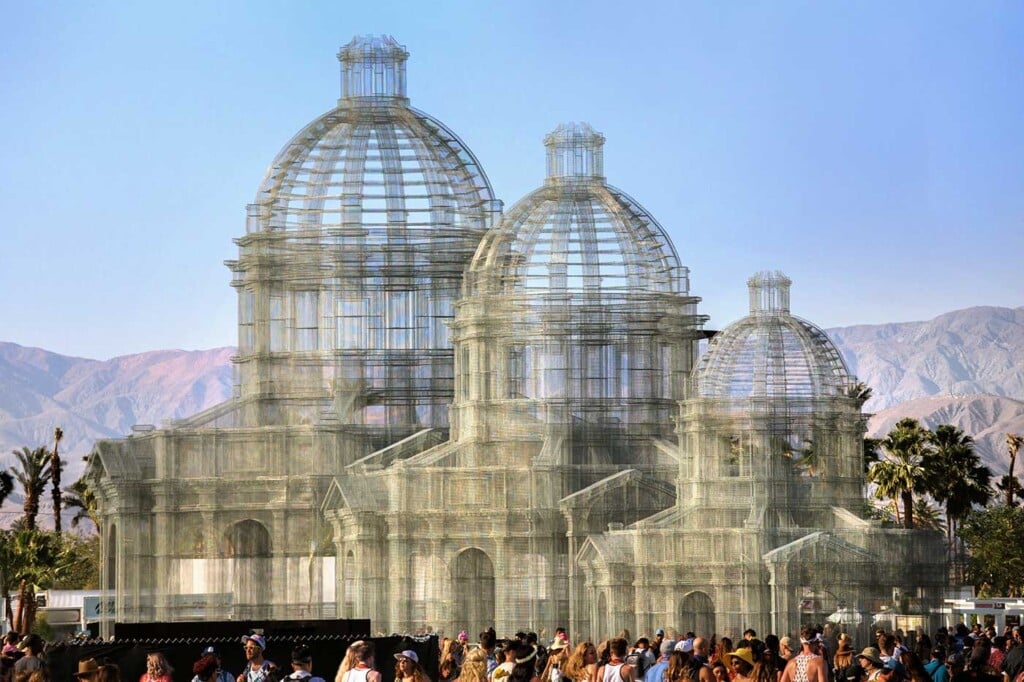
But temporary architecture is not limited to event setups. Think of coworking spaces or the new hybrid environments of contemporary work: fluid, reversible places where functions alternate over time depending on who inhabits them. For Scandurra, designing the temporary doesn’t mean giving up ambition, but accepting uncertainty. Architecture, therefore, is not an object to exhibit, but a process to live. As Lucy Lippard, American art critic and activist, reminds us, the shift “from the object to the documentation of the idea” paved the way for a lighter and more open approach to design, capable of disappearing without losing meaning.
Not only that: according to Scandurra, ephemeral space also offers expressive possibilities, thanks to a greater degree of freedom and emancipation from constraints. Think of ephemeral space as a playground, with rules that exist only for that specific moment, in that specific context. If, as Johan Huizinga claimed, culture moves in the environment and with the forms of play, then temporary architecture is a tool of collective expression: it allows the introduction of what Scandurra defines as “practices of spontaneous negotiation of space and its boundaries.”
Expo Gate and Other Stories
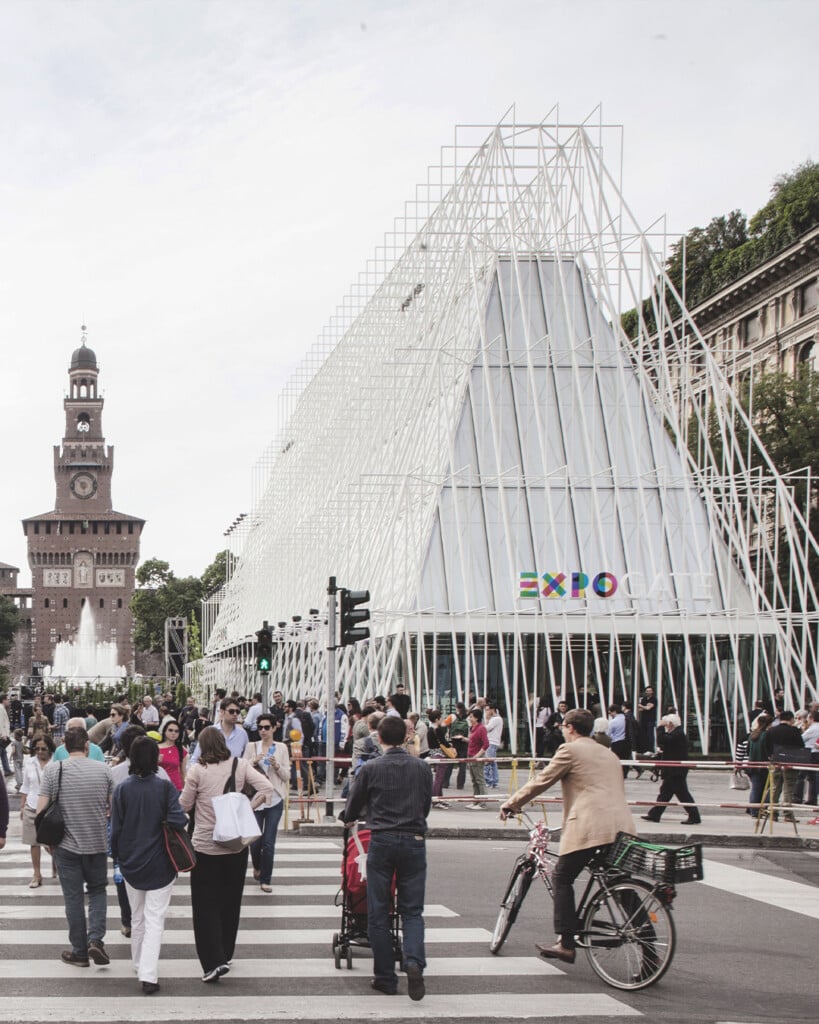
Over the years, Scandurra Studio has explored the potential of the ephemeral in many projects. One above all: Expo Gate, created for the 2015 Universal Exposition. In theory, it was an info point. In practice, it became much more: an open public space, spontaneously inhabited by citizens, used for events, meetings, collective moments, more or less formal, more or less spontaneous. An unrepeatable urban episode, but perfectly in tune with its time. A structure seemingly designed to anticipate a trend that is now increasingly evident: art – or in this case, architecture – happens in the moment and disappears with it, but precisely because of this, it leaves a deeper mark.
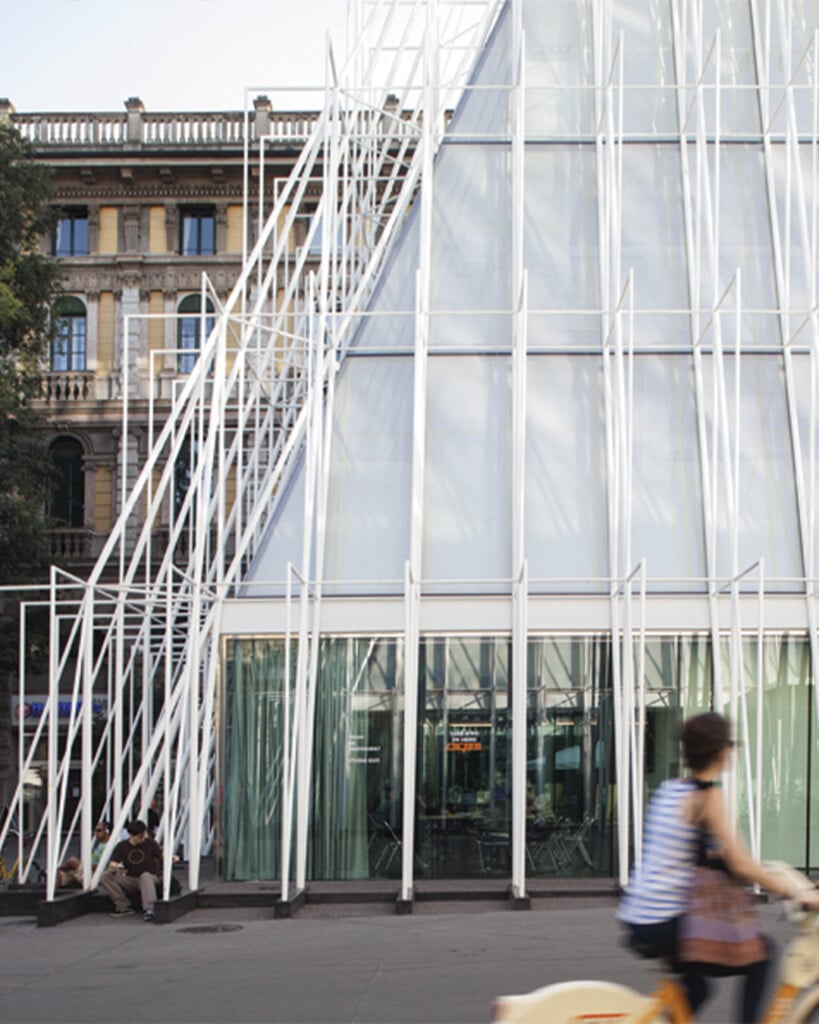

Today, ten years after Expo Gate 2015, this vision also resonates for its ecological value. Temporary structures are often reversible, recyclable, built with low-impact materials. There’s no need to demolish: they can be dismantled, reused, regenerated. It’s an approach that responds to an increasingly widespread desire, especially among younger generations: to live in spaces that adapt not only to needs but also to time, mood, and moment. Within Scandurra Studio, the research department, Backstage, explores present and future scenarios of architecture as a tool for building identity and culture. Architecture plays a crucial role in orchestrating not only experience but also the shared production of meaning, experience, and belonging. Attention to landscape, local materials, natural cycles, and the sensory forms of learning opens up a possible alliance between design and nature, capable of generating more inclusive, resilient, and co-evolutionary knowledge ecologies.

Perhaps the city of the future won’t be made only of stone and concrete. But also of light, mobile, temporary structures. Architectures that listen to the present and make room for the next movement. Living today is a personal, changeable, open act. And temporary architecture, more than a solution, is an invitation: to design possibilities.