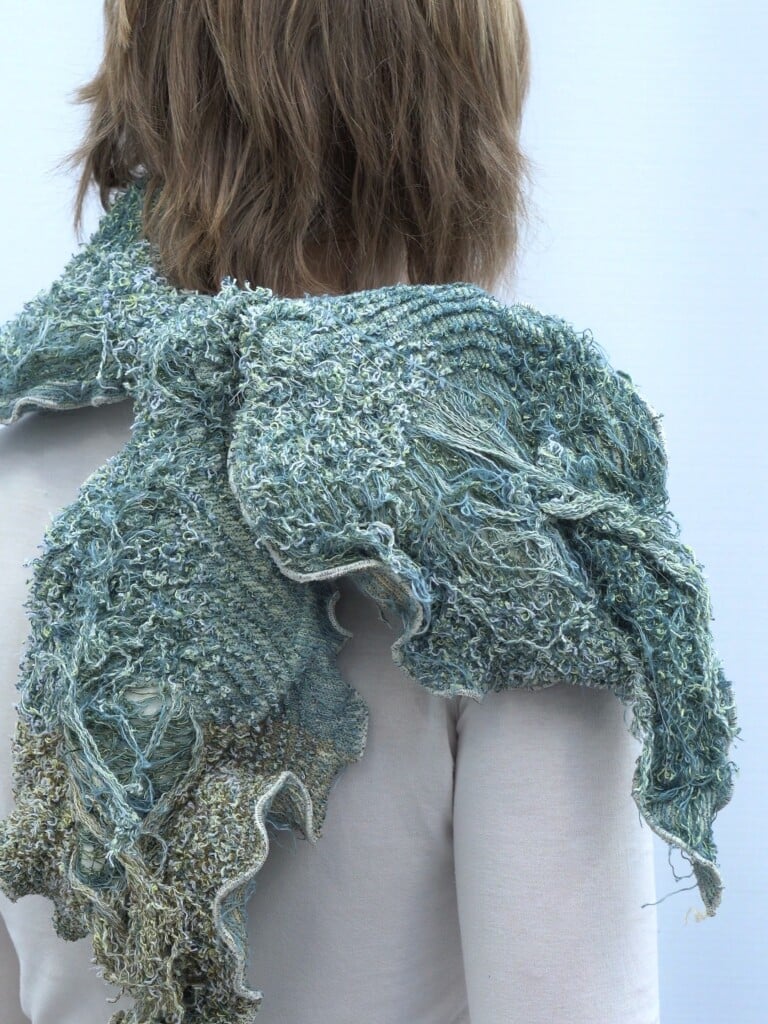
What would happen if a sweater could breathe, if a blanket could purr, or if a piece of fabric spontaneously sought out the sunlight? It might sound like the beginning of a sci-fi movie, one of those where the line between humans and artificial creatures grows ever thinner. Yet in the work of Katrijn Westland, this possibility takes shape through textile. A textile and interaction designer, Westland experiments with materials, sensors and soft structures to bring to life objects that are not merely meant to be used, but seek a relationship with those who encounter them.
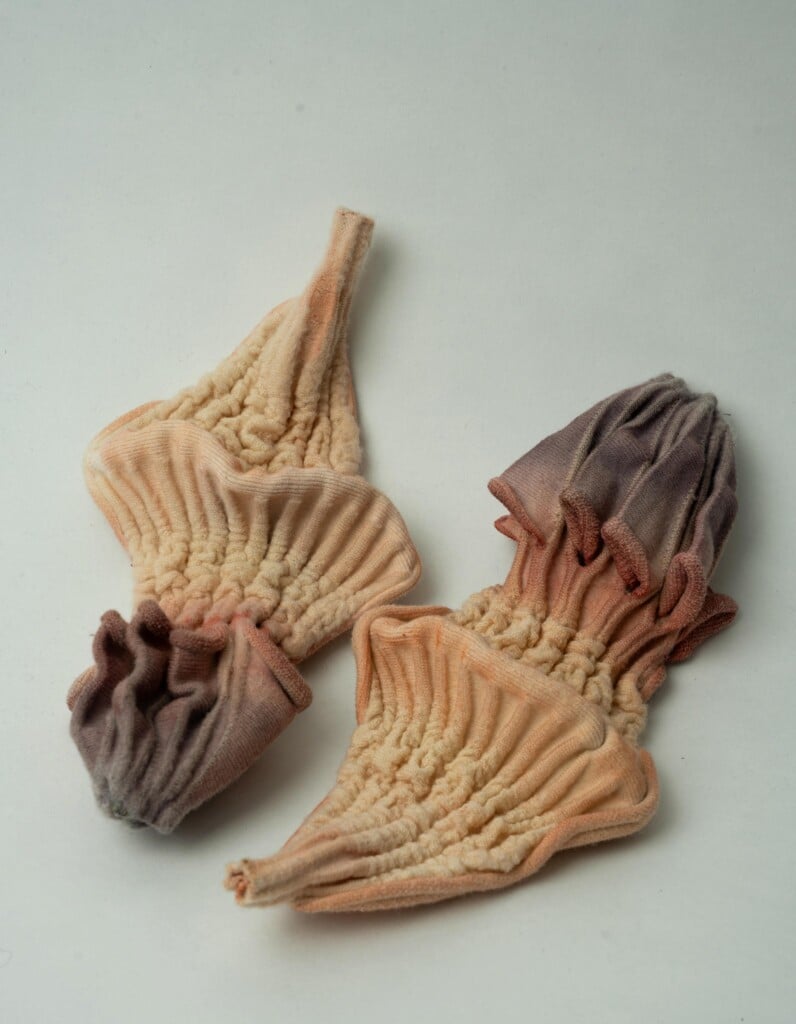
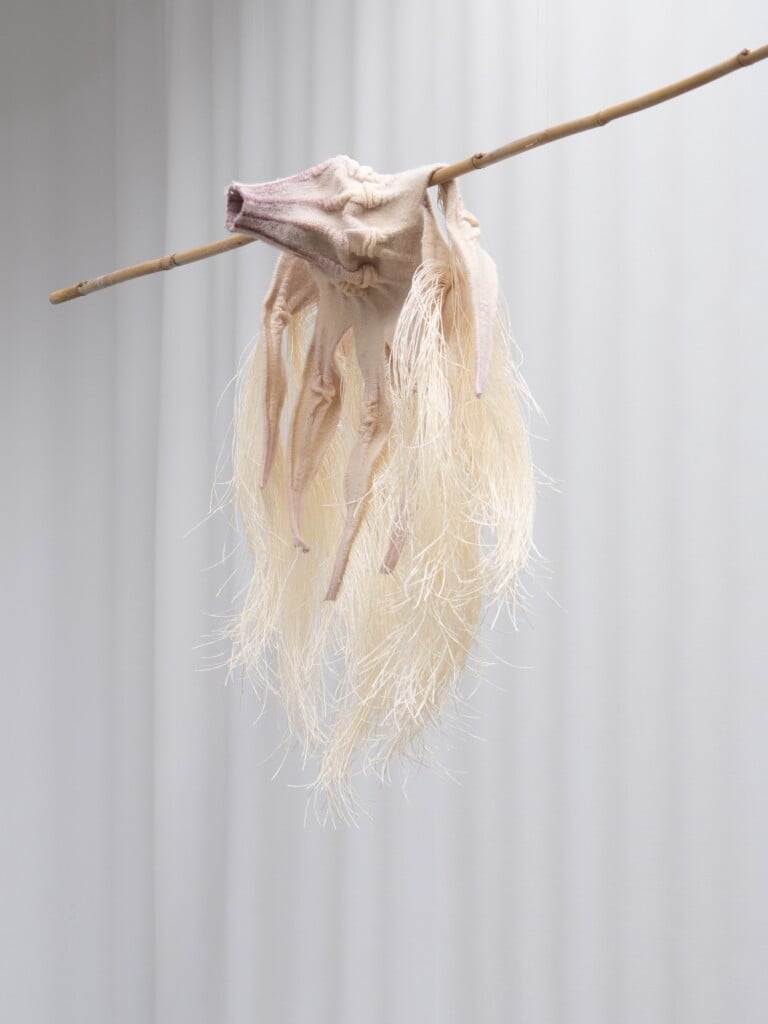
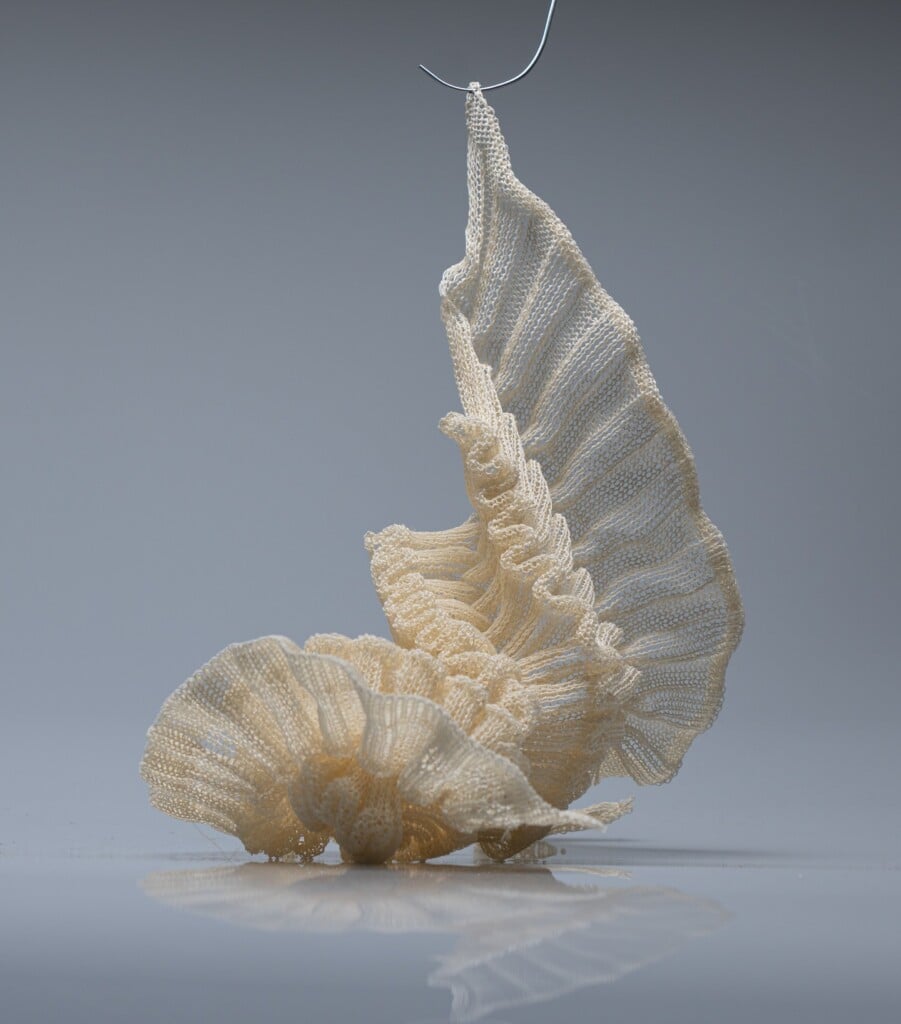
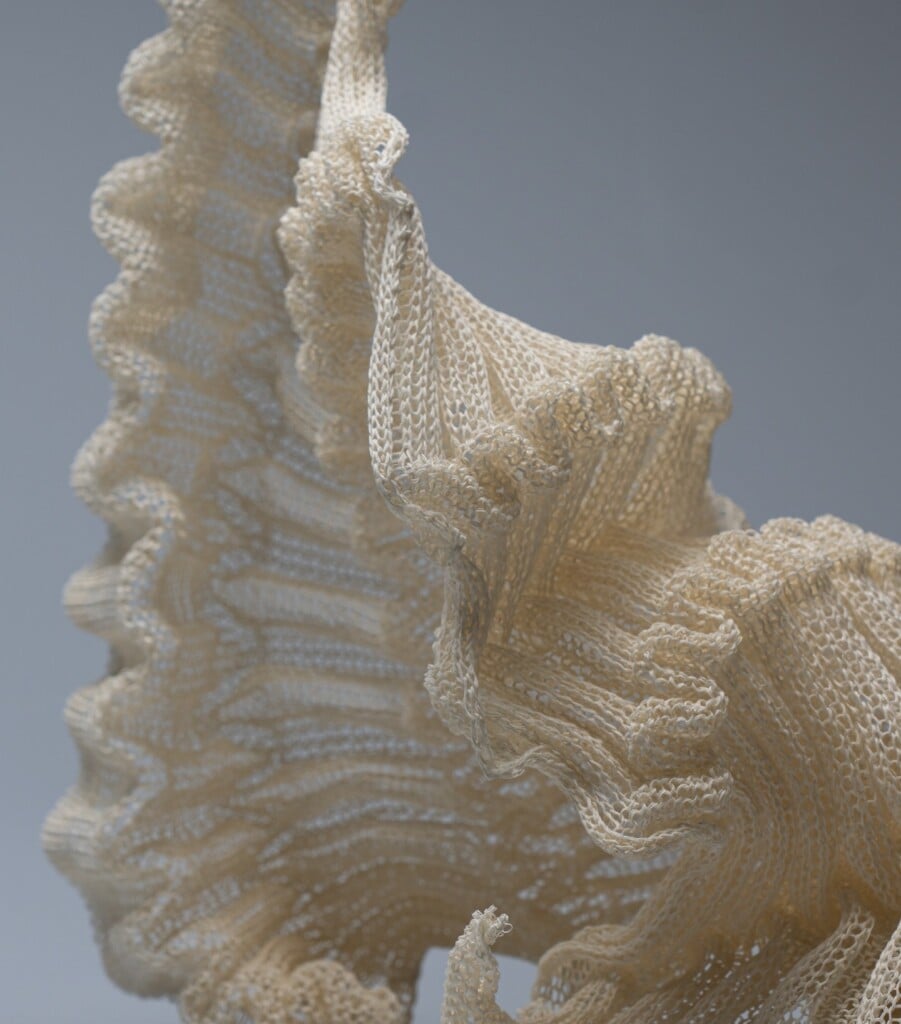
If the creatures of Alien were soft, furry and in need of being petted, they would probably look like the ones imagined by Katrijn Westland. At first glance, her creations seem to have arrived from another planet: irregular bodies, sinuous appendages and surfaces reminiscent of organisms never observed before. There is something that recalls the imagery of H.R. Giger, but without the unsettling, biomechanical component that made Ridley Scott‘s film famous. Here the unknown takes on a decidedly more reassuring form. A textile and interaction designer, Westland explores the possibilities of soft materials, transforming fabrics and fibers into presences capable of reacting, moving and establishing a relationship with those who encounter them.
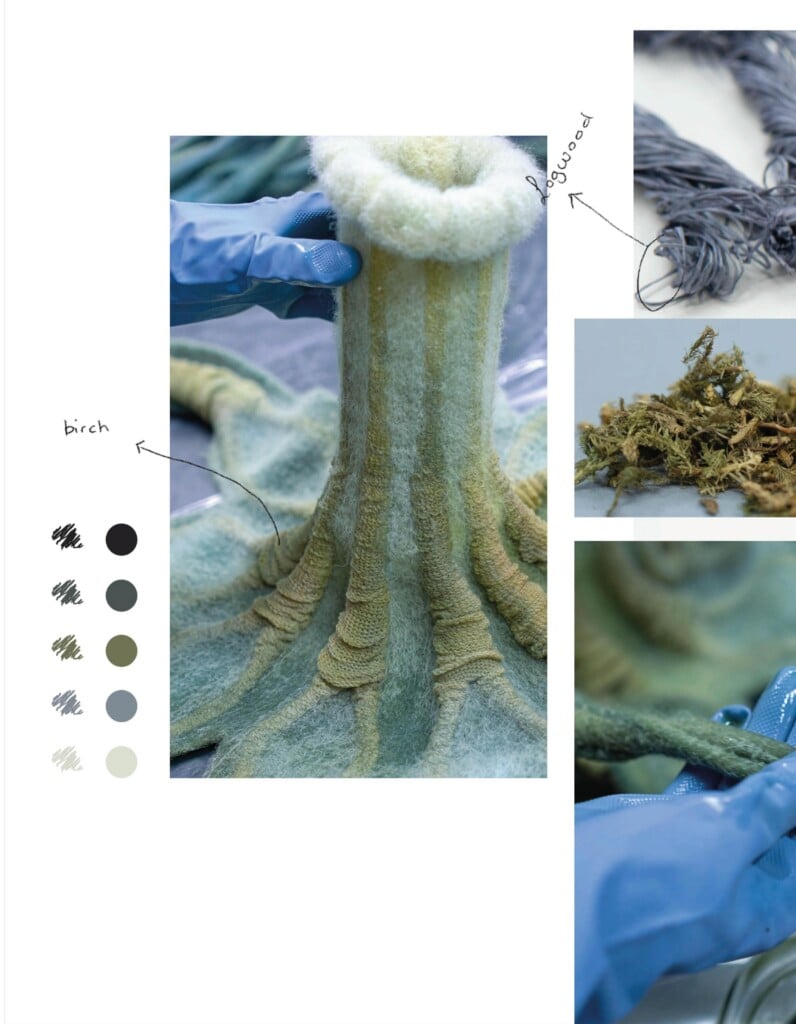
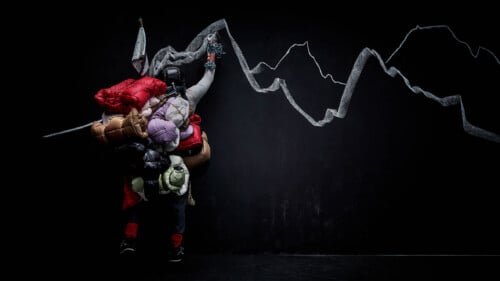
With the project Soft Companions, Westland imagines a small community of interactive textile creatures, capable of displaying behaviors reminiscent of living beings. Made through knitting, natural fibers, sensors and pneumatic systems, these forms can inflate and deflate, vibrate, produce heat or turn toward the light. Their surfaces invite touching, petting and even combing, while the deliberately imperfect movements give the impression of facing something that has its own rhythm. Technology, in this case, is not put on display, but remains hidden within the stitches of the fabric, becoming a tool to give shape to a new form of interaction.
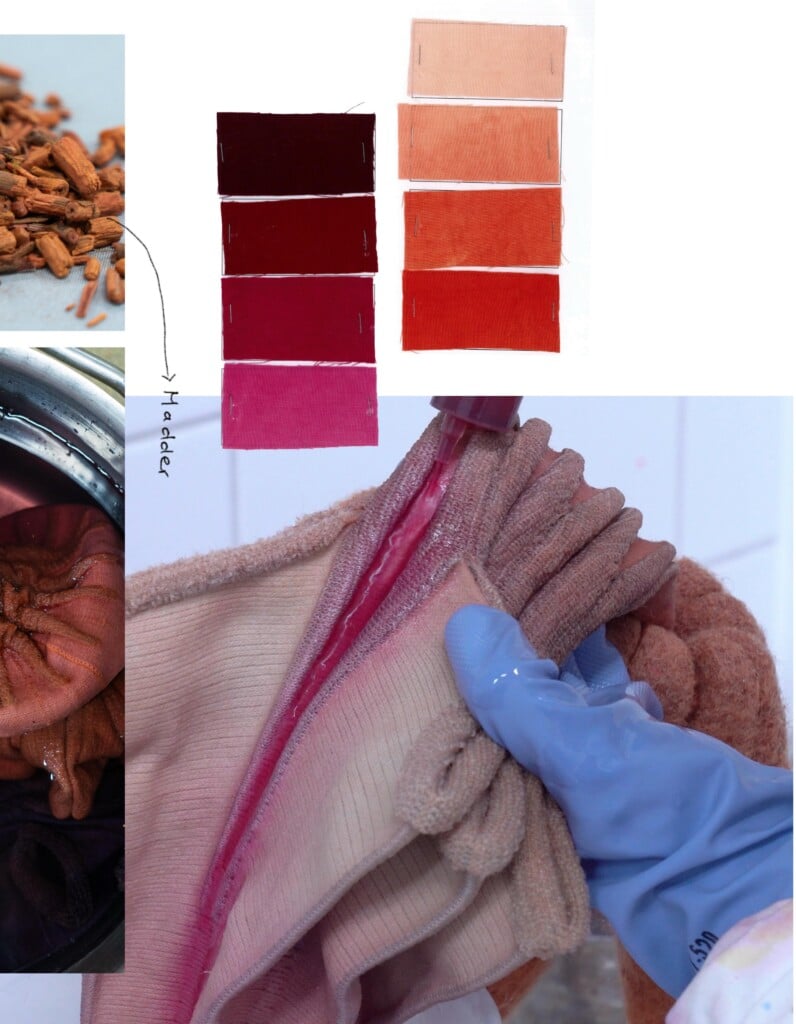
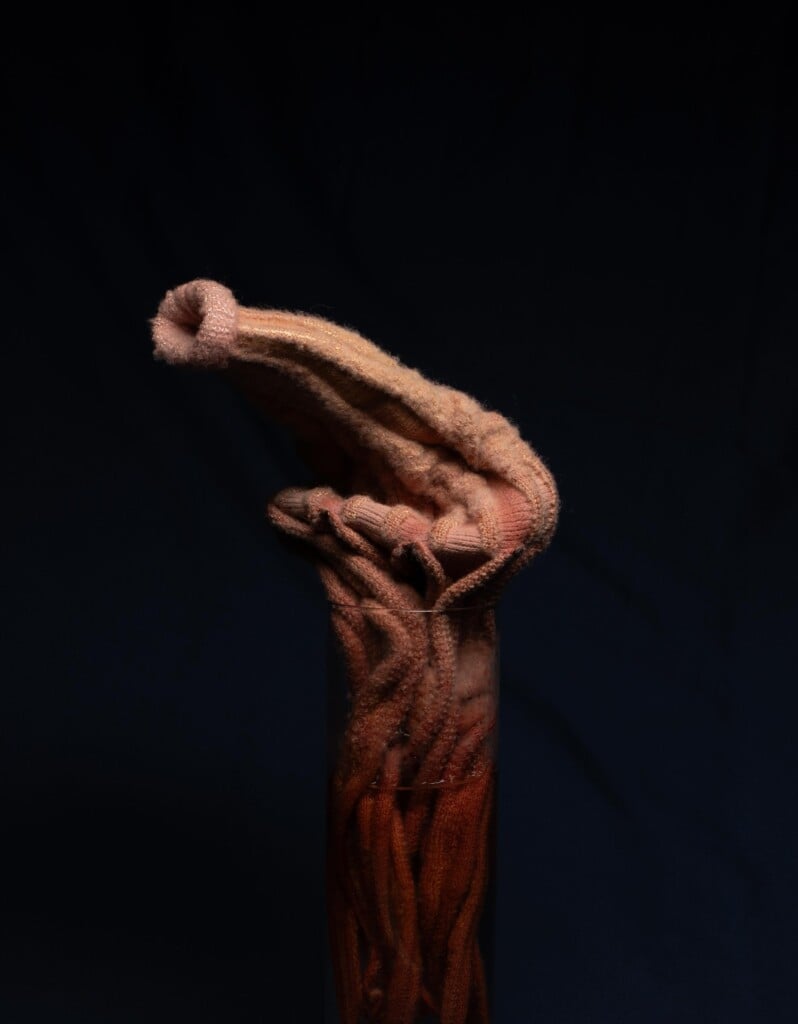
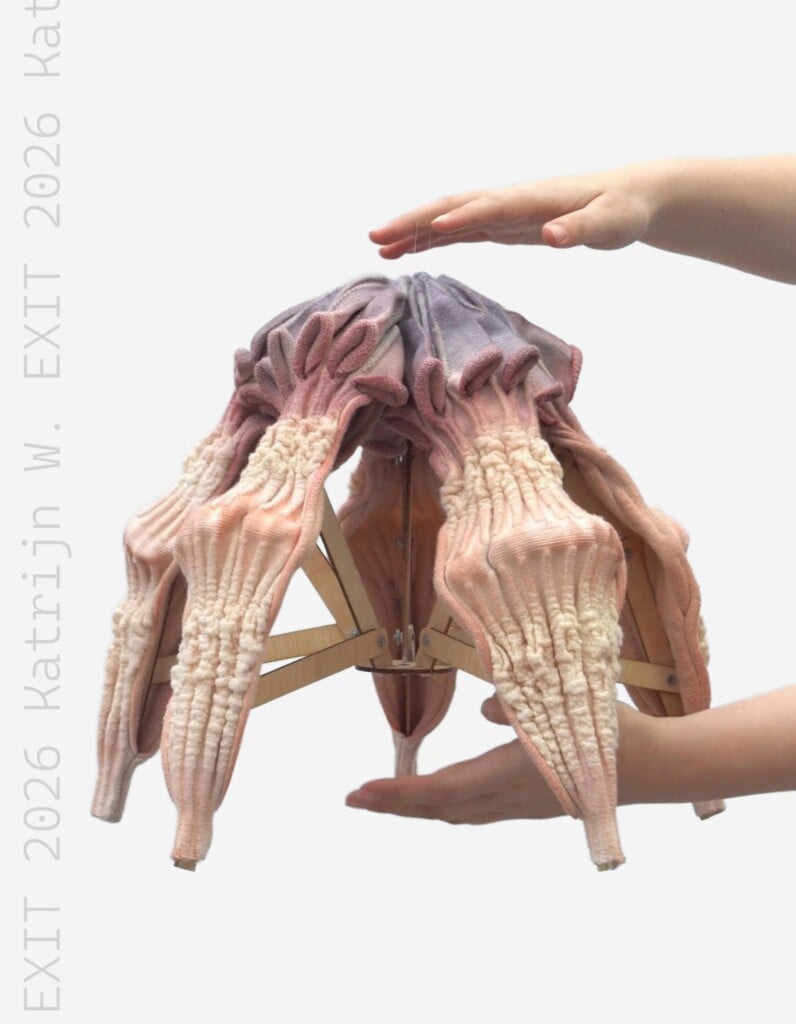
What stands out is not only their appearance, but above all the relationship these creatures establish with those who encounter them. Westland challenges the idea that an object must necessarily perform a specific function or respond to a command. Her creations seem to have needs, timing and reactions of their own, inviting us to take care of them. In this sense, E.T. the Extra-Terrestrial also comes to mind: despite the distance between her creatures and Spielberg’s famous character, the same curiosity toward what is different returns, along with the instinctive desire to approach something we do not know. It is an interesting reversal: what might initially seem foreign ends up inspiring tenderness, turning contact into a form of communication.
Behind these almost alien forms lies a reflection on the need for contact and on the possibility of caring for something, even when it is not another human being. Westland shifts the focus from the traditional idea of an object, designed to serve a specific function, to that of a presence with which to establish an exchange. In one of the prototypes, for example, a soft body inflates and deflates at a regular rhythm, inviting whoever holds it close to synchronize their own breathing with it. The fabric thus becomes a sensitive surface, capable not only of registering a touch, but also of giving a response. Care no longer flows in only one direction: while the creature offers a sense of calm, those who encounter it are invited to look after it.
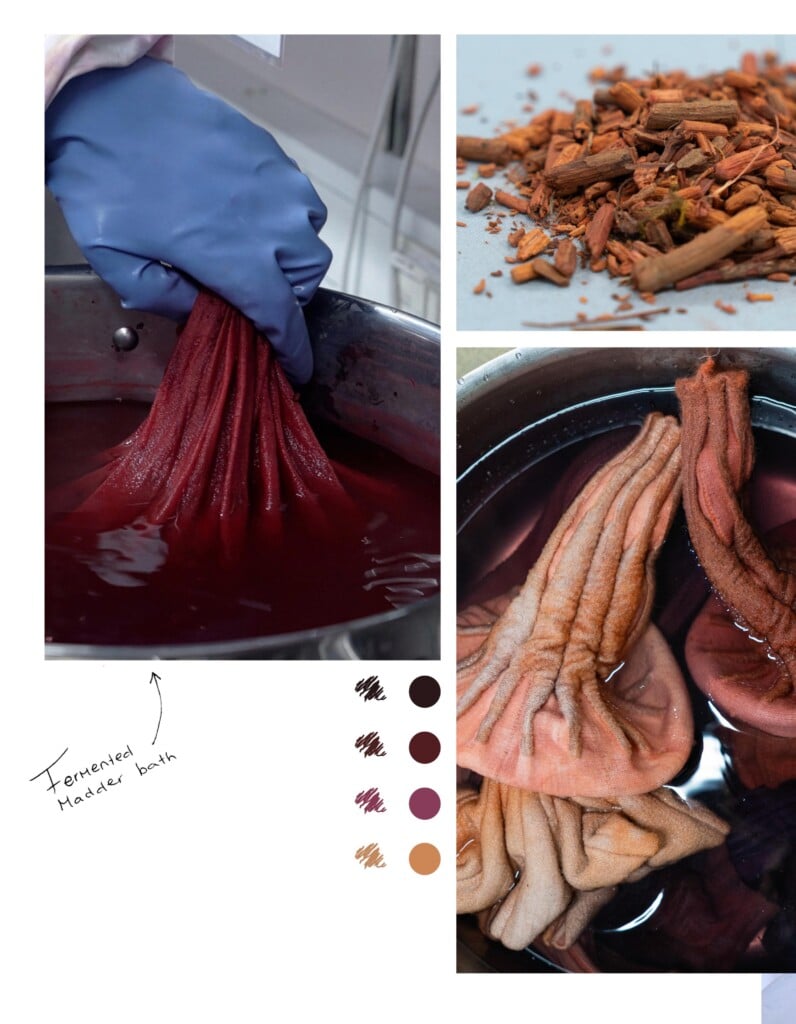
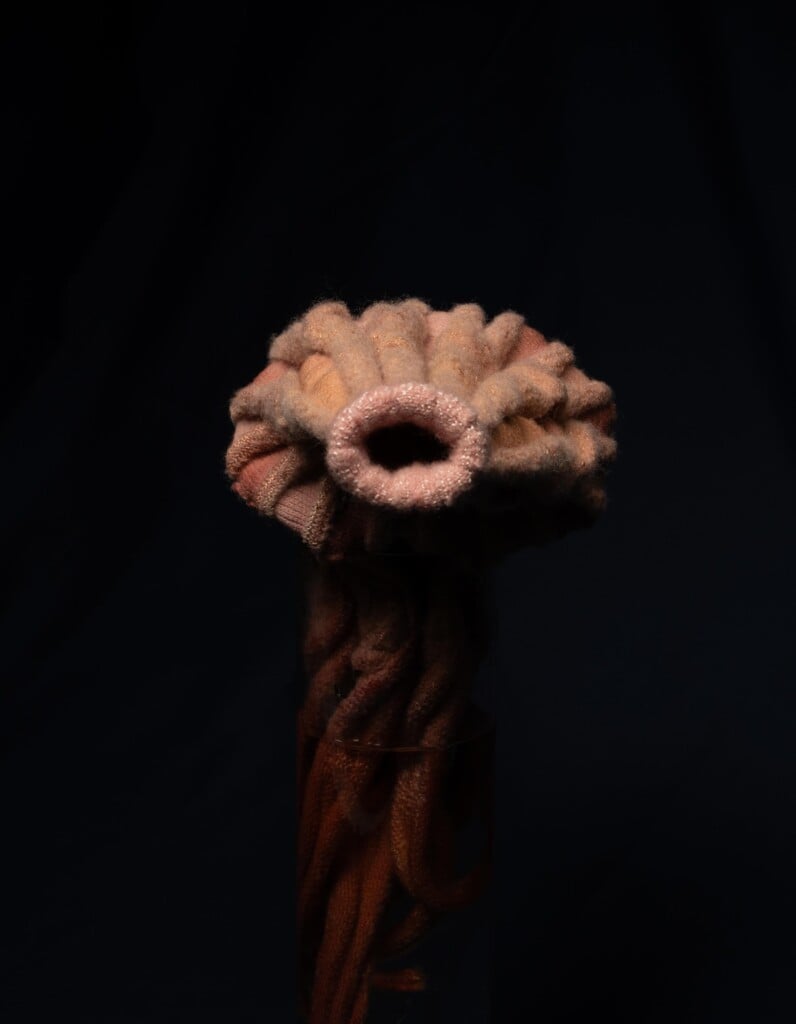
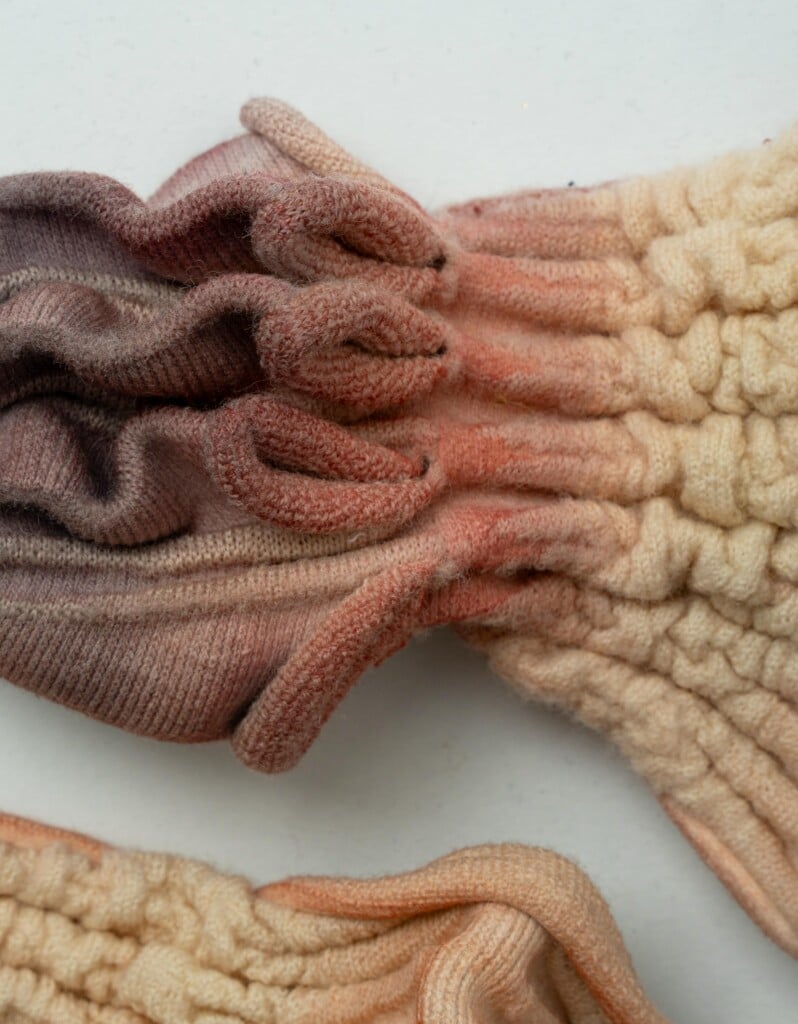
Westland’s research thus opens an interesting perspective on the future of textile design, in which technology does not necessarily have to appear in the form of screens, interfaces or complex devices. It can hide within the stitches of a surface, in air pressure, or in a fiber’s ability to perceive a caress. Rather than building ever smarter objects, the designer seems to want to imagine materials capable of developing a kind of sensitivity. And perhaps this is the most surprising aspect of Soft Companions: faced with these small creatures, it comes naturally to forget for a moment that they are made of wool, conductive threads and mechanical components. You feel like getting closer, touching them and seeing what happens.