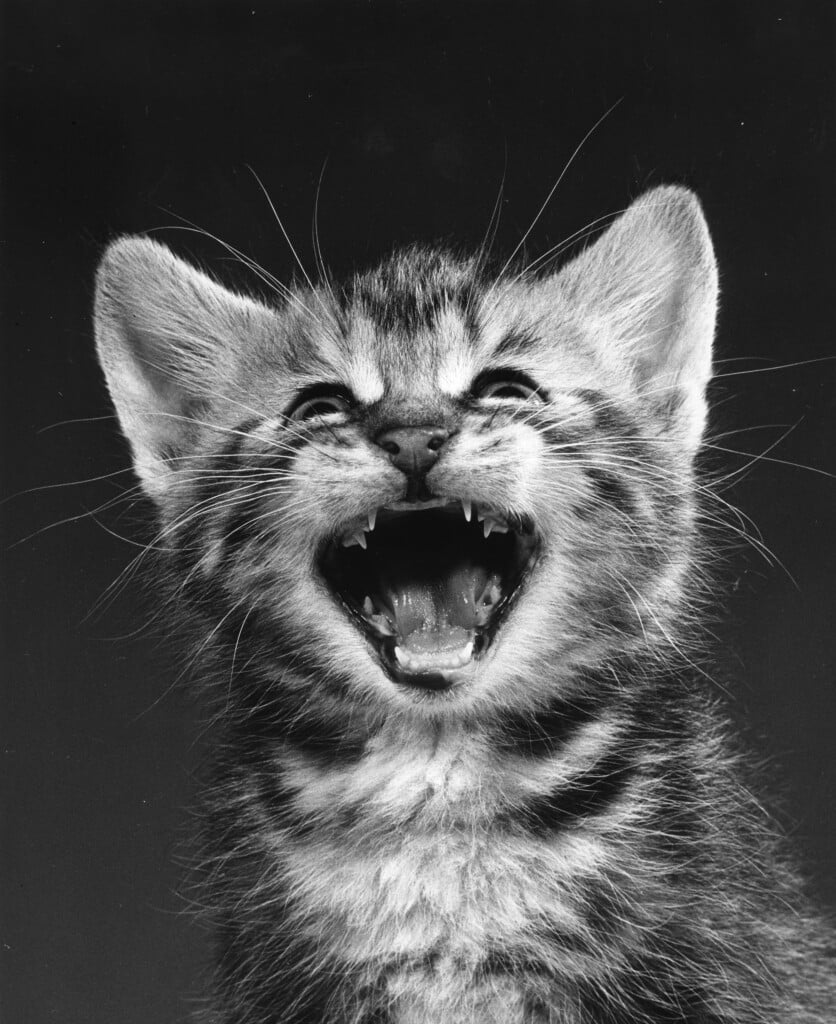
We talked about it a few days ago in relation to the project in collaboration with TOILETPAPER, and today we return to Walter Chandoha, the man who taught the world how to see cats in a new light. Born in 1920 and active for over seven decades, the American photographer built a visual archive that today feels almost inevitable, but was revolutionary at the time. Before him, the domestic animal was often relegated to a secondary, decorative role, rarely considered worthy of its own aesthetic construction. Chandoha overturned this perspective, treating cats as true protagonists, with the same dignity reserved for human portraits. Part of Chandoha’s visual universe, specifically dating from the period between 1949 and 1962, has been brought together in a book published by Damiani, Family Cats, which also includes images that had remained unseen for over half a century.
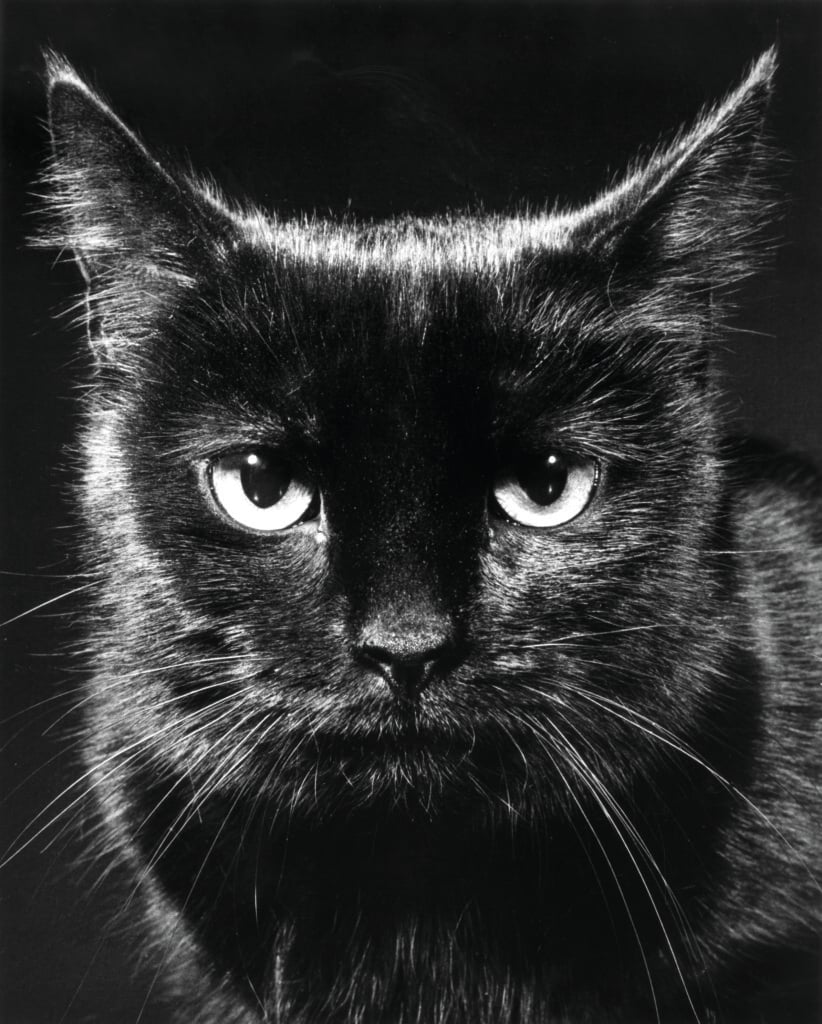
His style is immediately recognizable: clean backgrounds, saturated colors, controlled lighting, and compositions that eliminate every distraction. Each image is designed to isolate the subject’s character, turning the cat into an icon. It is no coincidence that his work appeared on hundreds of covers, advertising campaigns, and magazines: Chandoha defined a visual language that is still replicated today, often unconsciously, in commercial photography and digital content.
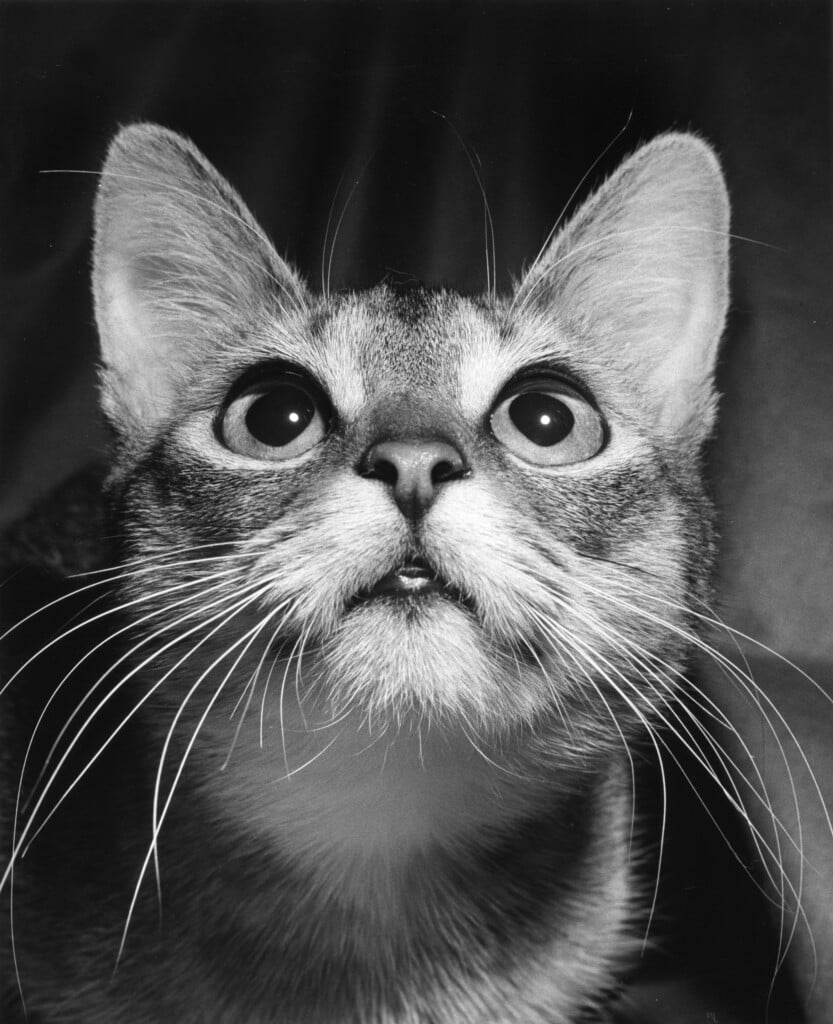
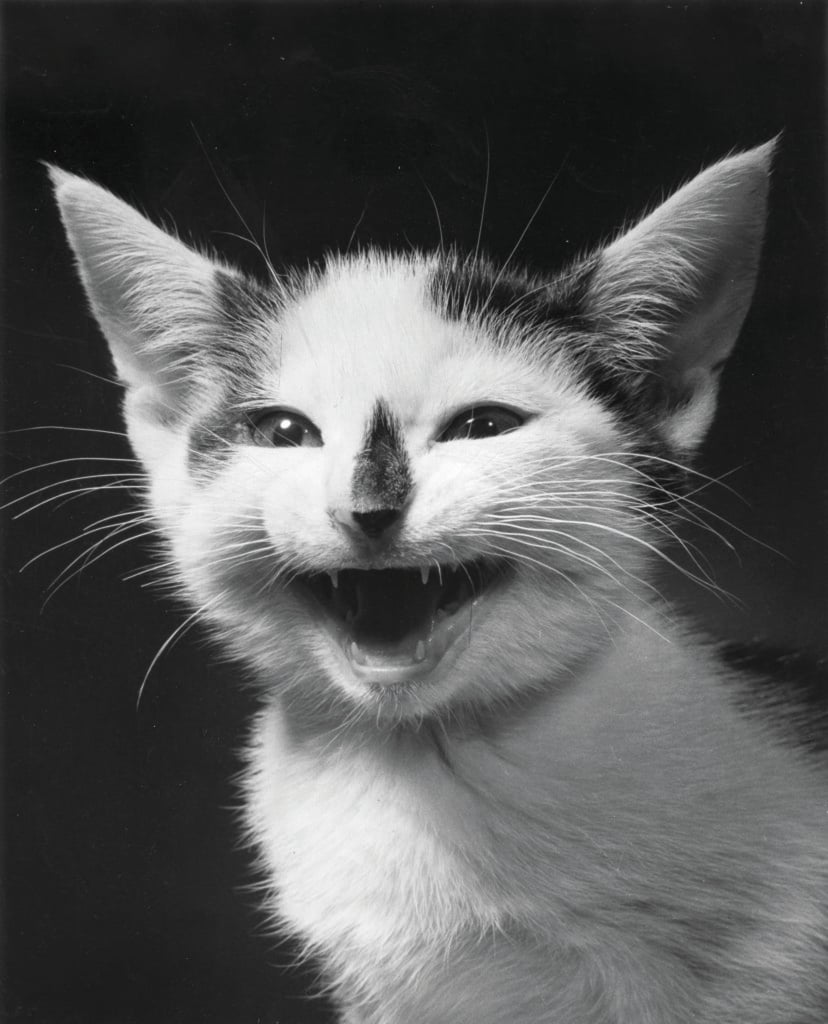
But the most interesting point, especially when connected to the conversation around the collaboration with TOILETPAPER, is precisely this: the ability to transform the animal into a symbol. If, in the images of Maurizio Cattelan and Pierpaolo Ferrari, the cat becomes a surreal element, it is also because there was already a pre-existing style to start from. A style already written by Chandoha.
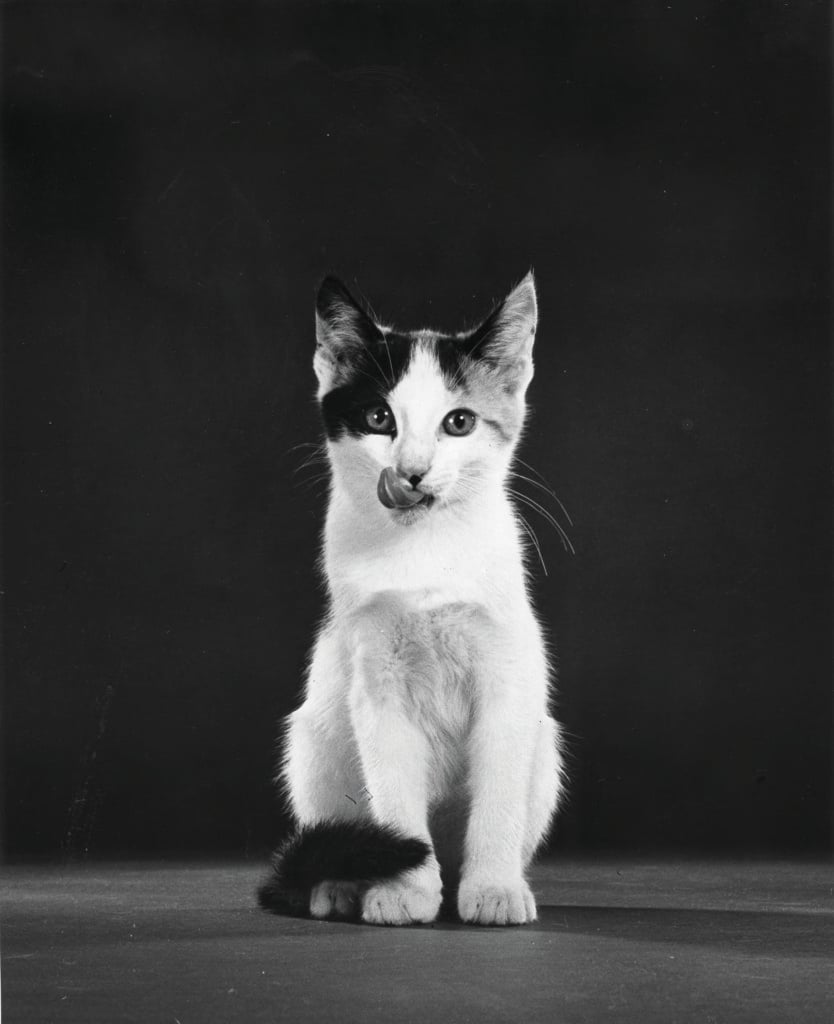
Where Toiletpaper exaggerates, distorts, and makes things grotesque, Chandoha constructs an idea of formal perfection. His cats are elegant, almost archetypal, free from ambiguity. It is precisely this purity that makes them so powerful: they become a surface onto which meanings can be projected. Toiletpaper takes that surface and breaks it, inserting tension, dark humor, and visual short circuits. Without such a codified and recognizable base, the effect of estrangement would be far less effective.
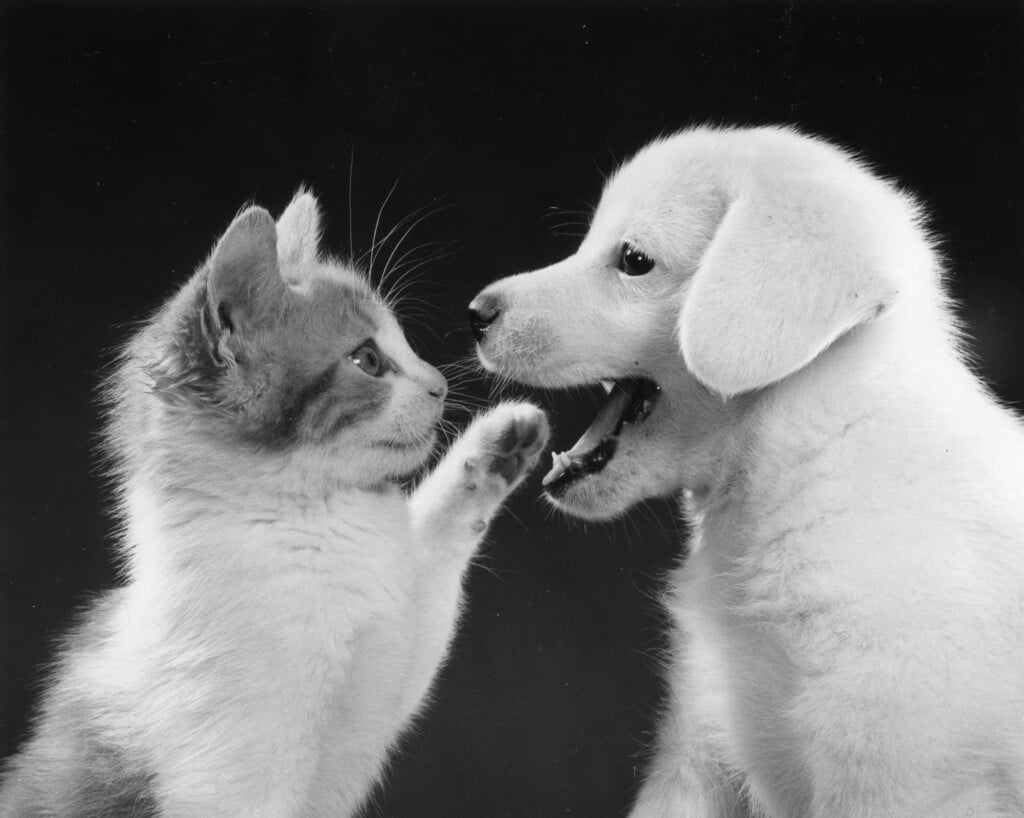
In this sense, Chandoha is not only a master of animal photography, but also a point of origin for a whole series of contemporary offshoots. The way we photograph animals today, from glossy sets to viral images on social media, still carries clear traces of his approach. The centrality of the subject, the attention to light, the search for an almost human expressiveness: these are all elements that continue to live on, even when they are subverted.
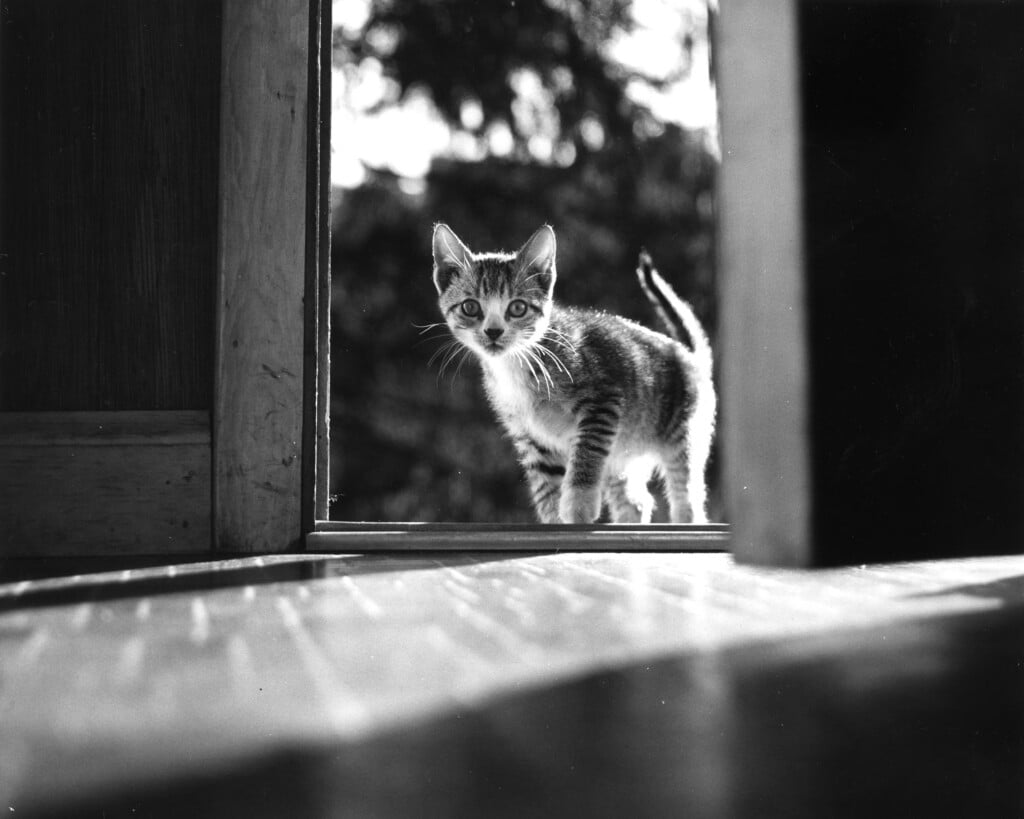
Looking back at his work today therefore means taking a step back to understand where an imagery we now take for granted comes from. At the same time, it allows us to appreciate contemporary reinterpretations even more, such as TOILETPAPER’s, which work precisely because they play with an already established language.
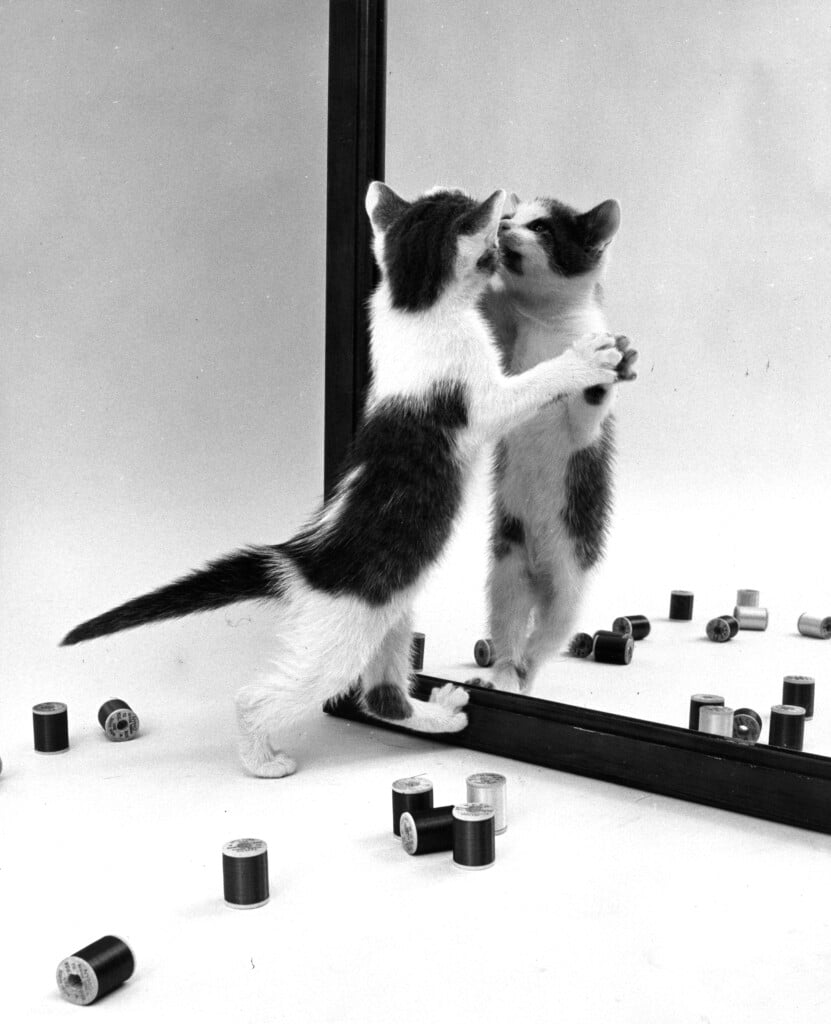
©️ 2026 Walter Chandoha Archive – Courtesy of and published by Damiani Books
m