Most of the time, art cannot be touched. There is an insurmountable limit between us and the artwork, we never actually make contact. Daisy Collingridje‘s sculptures are an exception.

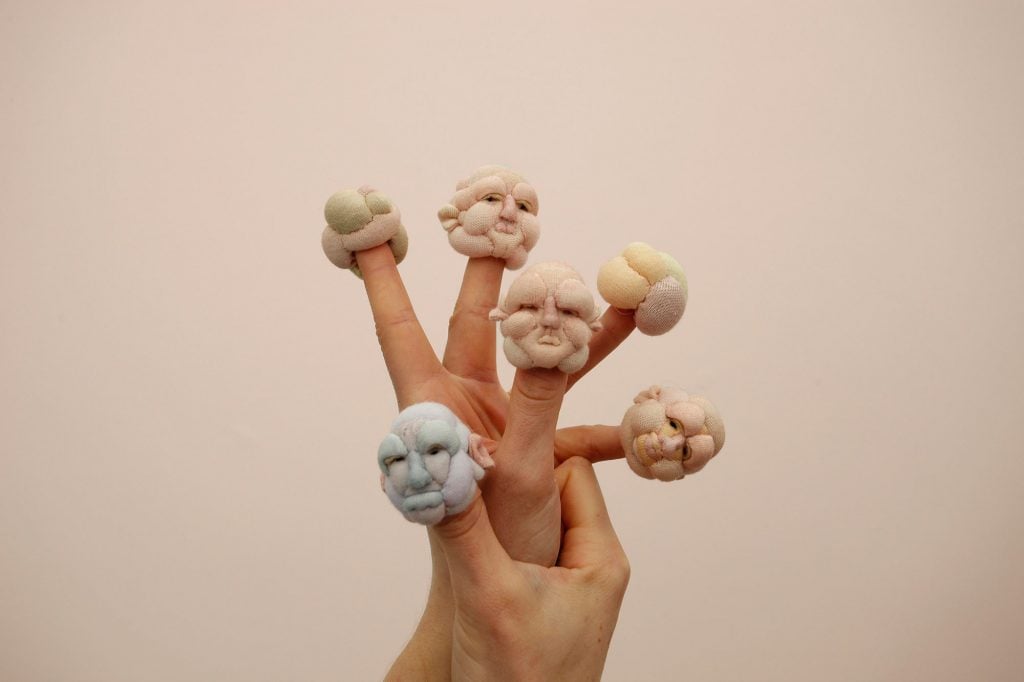
Works to wear, fabric bodies that tempt the observer with the softness and gentleness of their forms: Squishies are art to be touched. This is how the artist affectionately describes her jersey and cotton-wool sculptures, layers of quilts assembled by creative instinct guided by the materials.

In her work fabric becomes a second skin, while inimitable shapes celebrate the flesh and movement of bodies. On the borderline between craftsmanship and fashion, a world in which Daisy took her first steps until she saw her first garment come to life and “dance as if no one was watching”.
The Squishies do not affirm or deny any ideal prototype of a body, they are a representation of the incredible mechanism of all bodies. “We are all made up of the same basic elements – says the artist – but we remain unique individuals”, just like her works. Each one with its own personality that Daisy recognizes starting from the head, from where she begins to sculpt inspired by their character.
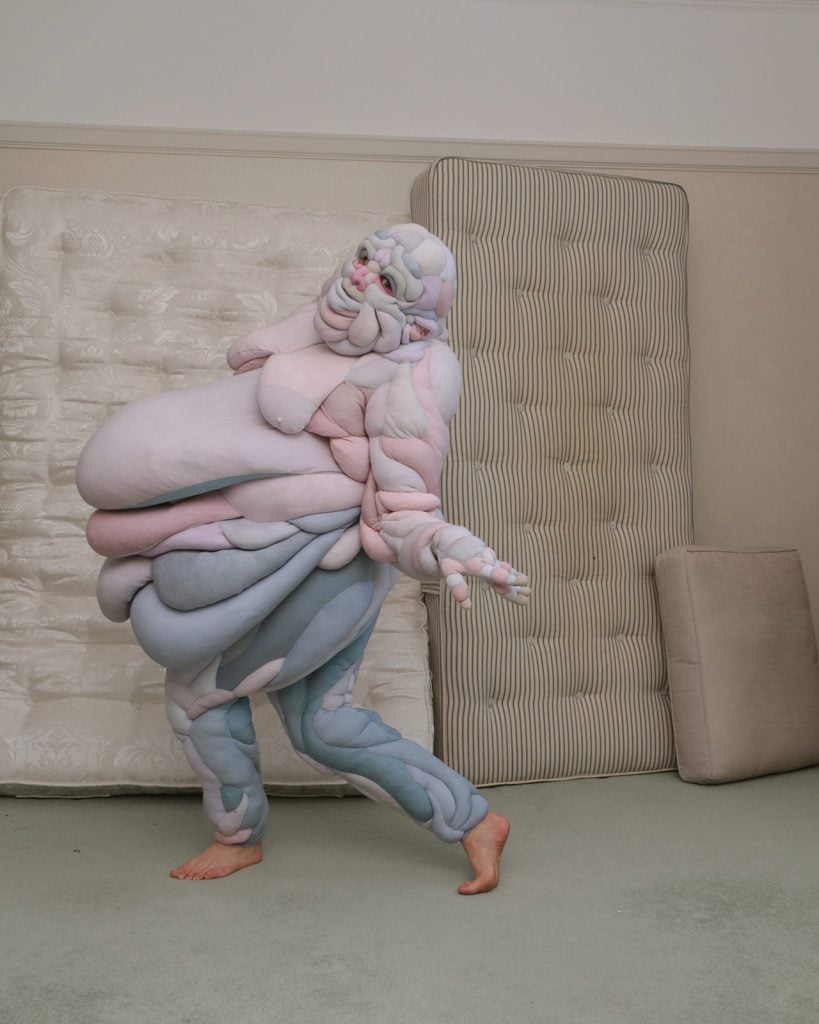
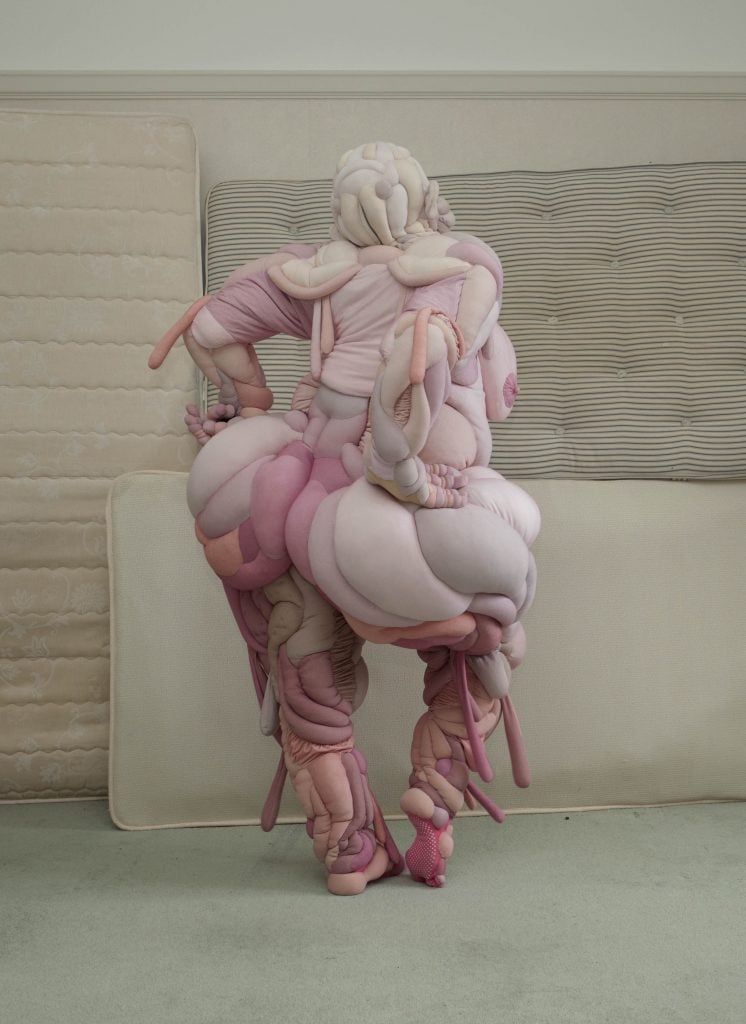
Irresistible to the touch, soft and warm, Daisy Collingridje‘s fabric bodies don’t last forever, just as real ones are subject to time, movement and wear. With soft lines and a warm color palette, the artist transforms human anatomy into a means of expression, diversity into joy and art.
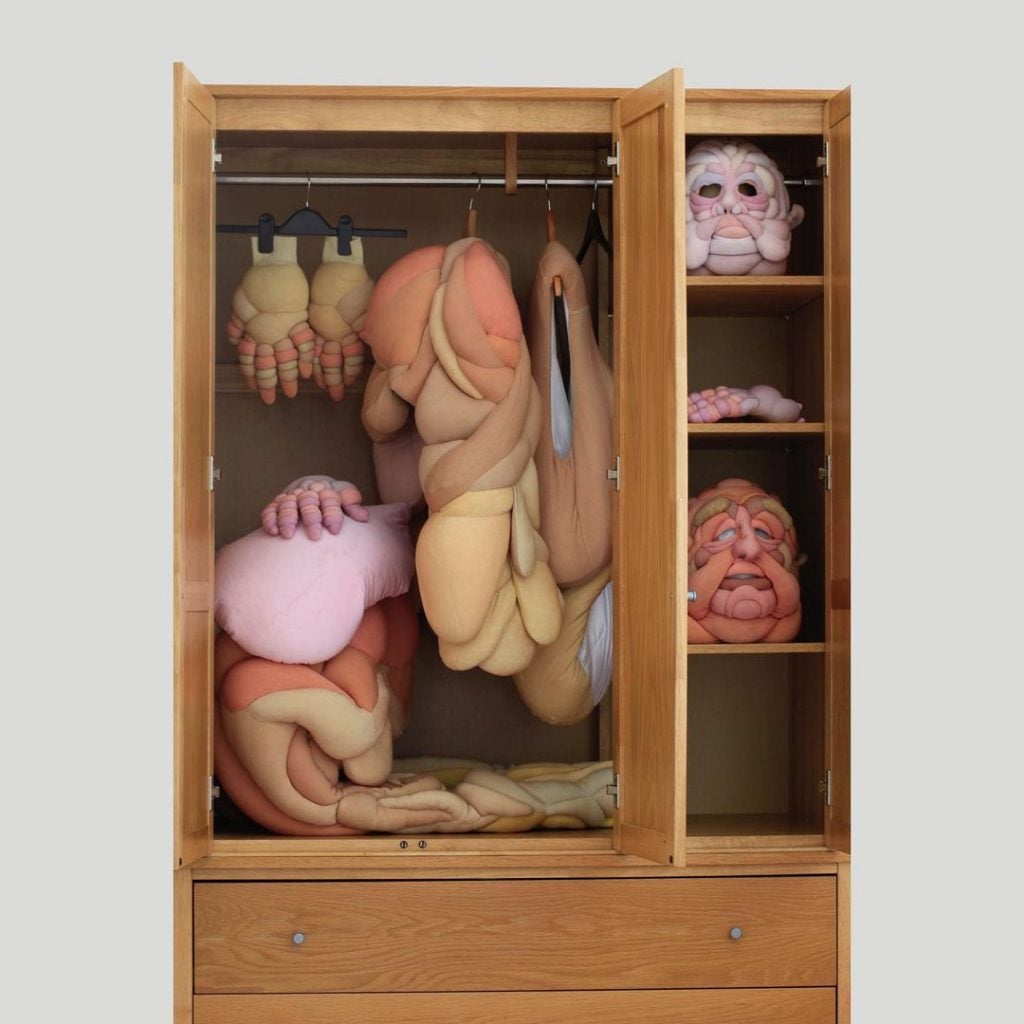
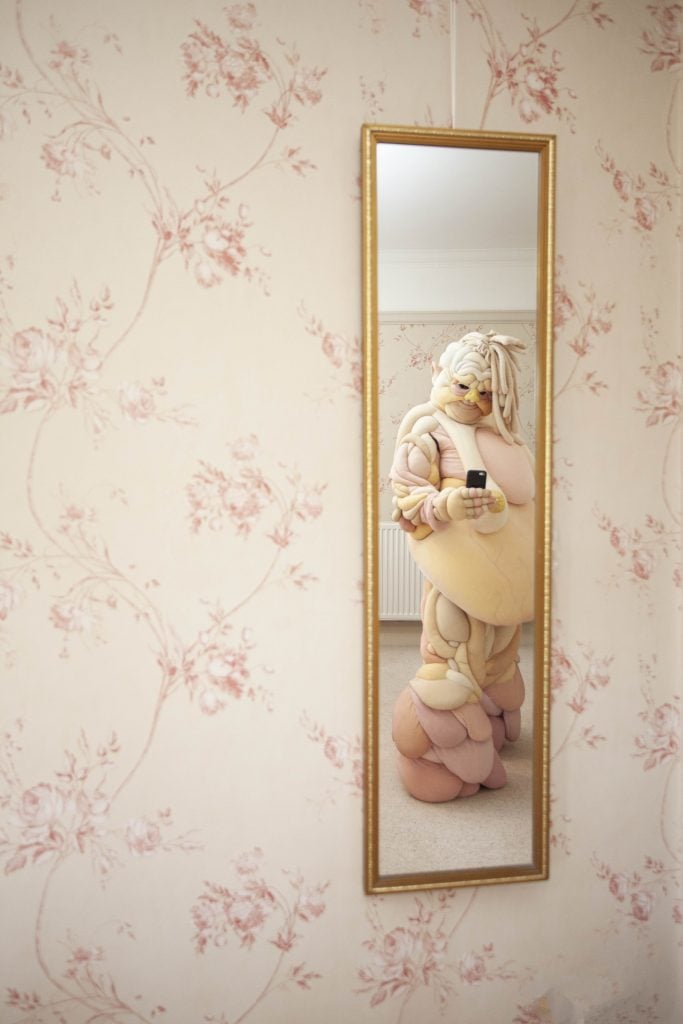
A new way of sculpting that takes its cue from the pastel works of Paolo Puck, who shares with the artist the reassuring chromatic balance, the sense of familiarity and unease. Proceeding by simplification, as in the figurative paintings of Caroline Coon where the musculature becomes an expressive feature.

The Squishies move in a suspended time, as in the dreamlike and chaotic world of Lily Macrae or in the movement studies of Pina Bausch and Yoann Bourgeois. They live in a parallel reality where the human body is composed and decomposed into forms, that dance and give life to an art literally at your fingertips.


Article by Chiara Sabella