In mid November 2016, a few days after Trump’s election, Oxford Dictionaries chose “post-truth” as word of the year. The definition described a condition in which appeals to emotion and personal belief shape public opinion far more than objective facts do.
The most interesting part of that word is the prefix. Oxford explained that “post” here is different from the one in “postwar”. It indicates a time in which a concept has become irrelevant, outdated. Post-truth therefore means something subtler than falsehood: it is a condition in which the difference between true and false has stopped mattering. The liar still needs the truth in order to hide it, while post-truth can do without it.
In 2016 this idea was frightening precisely because it seemed new, but ten years later it has become so normal that almost nobody notices it anymore, like the air we breathe.
In the world before 2016 we could argue about everything (of course we still do today), but we did it starting from more or less the same facts. They were supplied by the evening news and the front pages of newspapers, that is, by a limited number of players who decided what was news and what was not. It was a system full of flaws, top down and often a bastard, but it gave us a shared base on which to build disagreement. The American senator Daniel Patrick Moynihan had summed it up by saying that everyone is entitled to their own opinions, but facts belong to everyone.
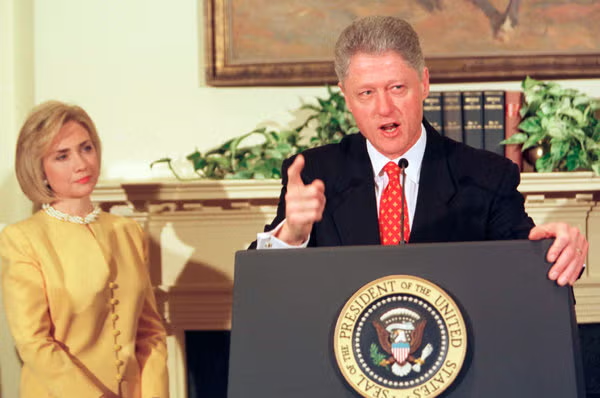
In that world political lies existed, obviously, as they always have, but we experienced them as a violation. Whoever was caught ended up showing embarrassment (do you remember a flushed Clinton?), had to issue a denial or resign, and for exactly this reason lied in secret.
In Italy, to tell the truth, Berlusconism had already partly anticipated the habit of lying, from the million new jobs to the contract with the Italians signed on Porta a Porta in 2001, all the way to Vittorio Mangano and Ruby as Mubarak’s niece. Back then it looked like the almost comic exception of a country of quaquaraquà, when in fact it was a preview of what was coming.
There was also an almost naive trust in the internet. A few years earlier, social networks had been described as the tools that had sparked the Arab Spring, that gave a voice to the voiceless, that let us bypass the “gatekeepers” of information and set the truth free. We believed that more information would produce better informed citizens. When post-truth and then “infodemic” became common words, people thought there was a cure for that disease, and at the time it seemed to be fact checking. If the facts were put back in their place, everything would go back to how it was. How naive we were…
Today each of us opens our phone and finds a world tailored to us, with its own news, its own bubbles and its own enemies. Two people sitting on the same sofa can live in two different realities without realizing it, because their feeds never meet. The disagreement concerns the facts themselves, but without shared facts it is impossible to argue in a useful way.
What has changed most, then, is our relationship with the lie. Before 2016 fake news disguised itself as real news and tried to be believed. Today many images and videos openly declare that they are fake, like the AI generated content the White House publishes on its own accounts, and they work all the same, because their purpose is different. They serve to say which side you are on and to anger those on the other. We wrote about it in March, telling how the war in Iran was turned into reels (War is the content). The question “is it true?” has been replaced by “whose is it?”.
The philosopher Harry Frankfurt, in his essay “On Bullshit”, had described this condition long before social media, distinguishing the liar from the person who talks bullshit. The first knows the truth and works to hide it, so in some way he respects it. The second is simply indifferent: he uses the truth when it suits him and ignores it when it is an obstacle. Which is also the basis of Bannon’s “Flood the Zone” strategy, saturating the information space with an enormous, relentless and chaotic quantity of content, news, inflammatory statements and fake news, an evolution of classic propaganda and disinformation.
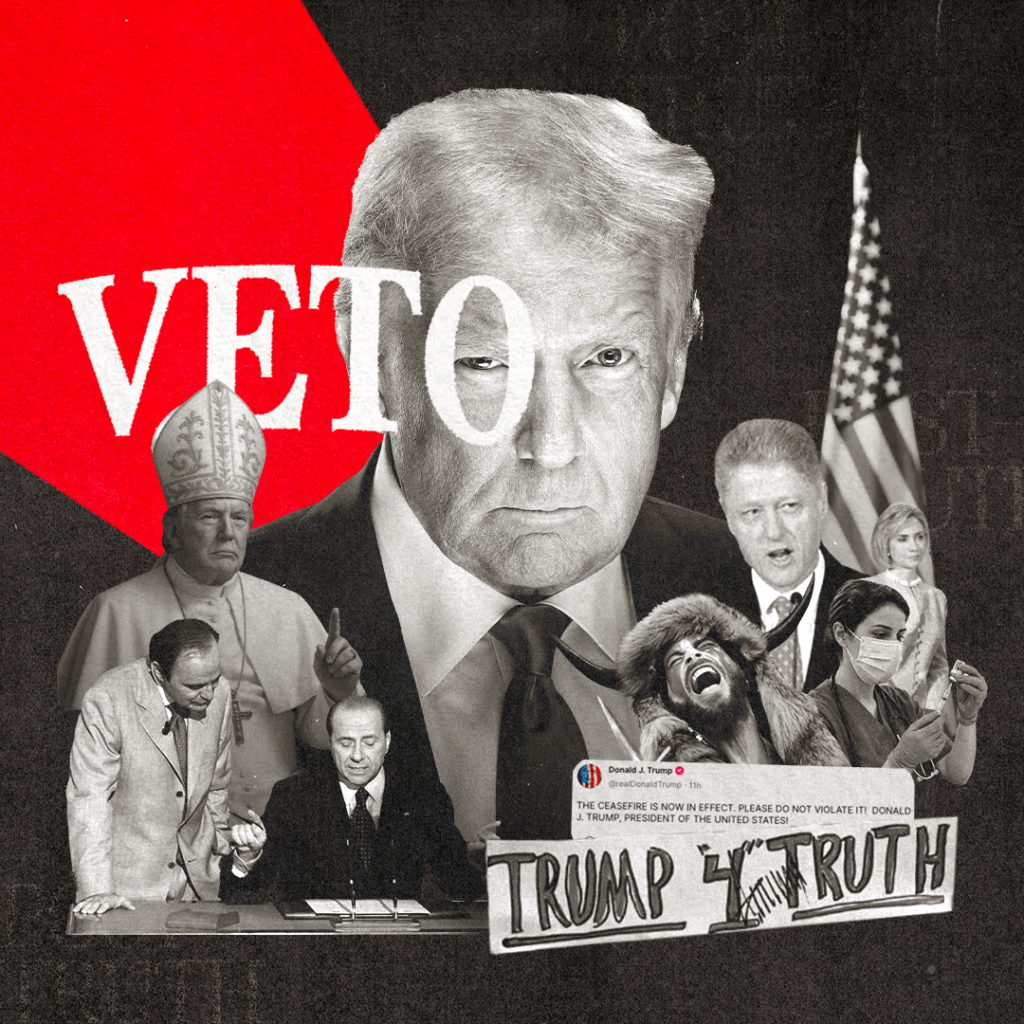
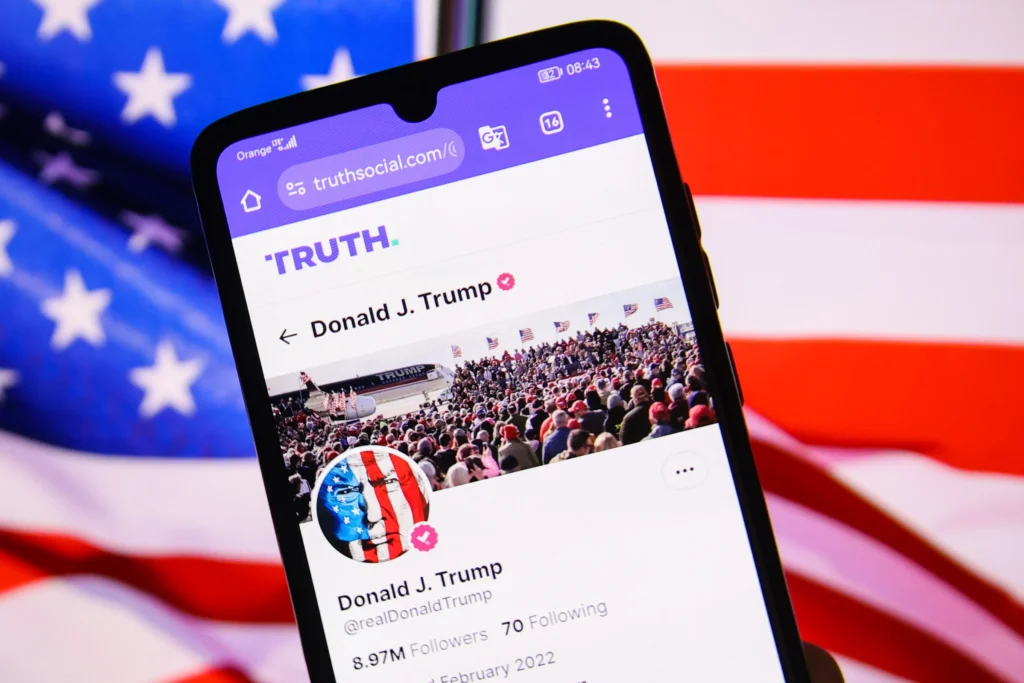
One detail sums up this shift well. The social network Trump founded in 2022, after being banned from Twitter and Facebook, is called Truth Social. TRUTH, get it? It sounds like a joke and instead it is a political program, because it offers a truth that coincides with whatever its owner says. Trump took the word in order to redefine it, and in doing so he emptied it out. A truth that belongs to a single person stops being truth and becomes a version of the facts, his own.
The deepest effect concerns us, the ones watching, because when any image can be fake, anyone can dismiss as fake even a real image that puts them in difficulty. The result is a widespread weariness, which looks more like cynicism than credulity.
There are a few reasons we can look at quickly.
The most convenient explanation is to blame Trump, or the algorithms, or both. It is only partly true, because Trump has been more a symptom than a cause, and the algorithms do exactly what they were built to do. Platforms make money from the time we spend on them, and nothing holds us like outrage and fear.
Another reason concerns trust. Many people stopped believing newspapers and experts because those same sources had deceived them in the past. The weapons of mass destruction that justified the invasion of Iraq in 2003 were not there. The 2008 financial crisis caught by surprise the very people who should have foreseen it.
On top of all this came technology, which has made fiction free. Until a few years ago a fake photo required time and skills, today all it takes is a sentence typed into an app.
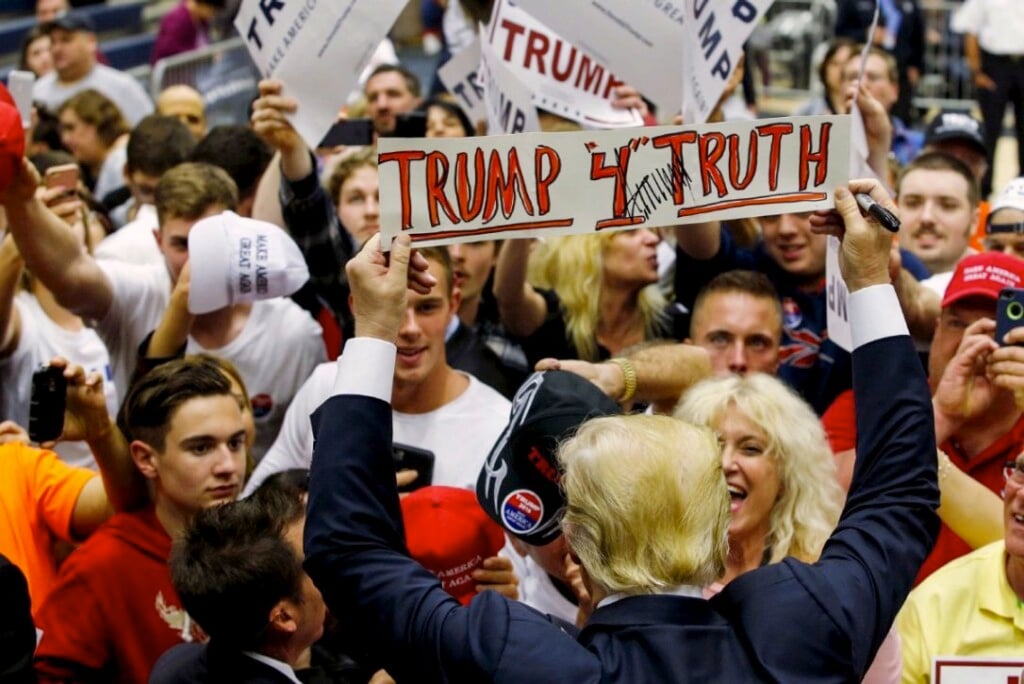
Yet the most uncomfortable reason of all remains, namely us. Believing what confirms what we already think makes us feel part of a group and spares us the effort of having doubts. Post-truth has won also because it is comfortable.
And now? Do the midterm elections and the protests across Europe offer a glimmer of hope?
Ten years ago we gave a name to a disease, convinced we could cure it. Perhaps today the right question is a different one, namely whether we want to go back to living in that old world or find out what comes after the after truth.