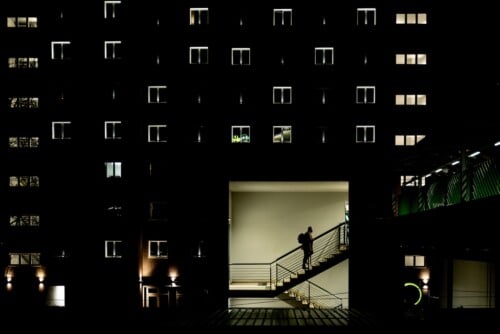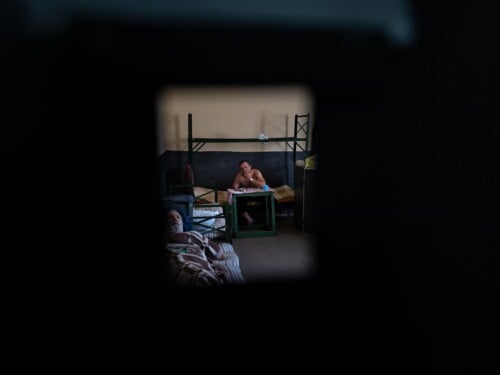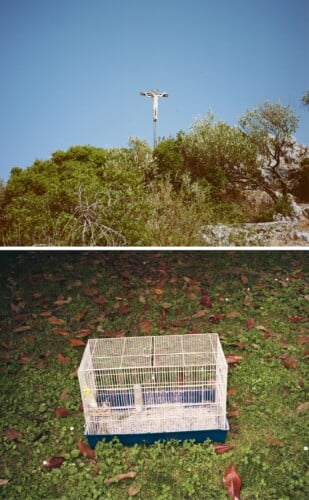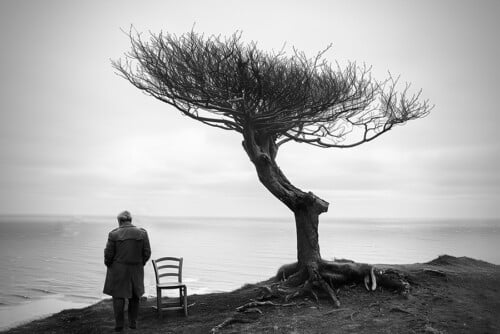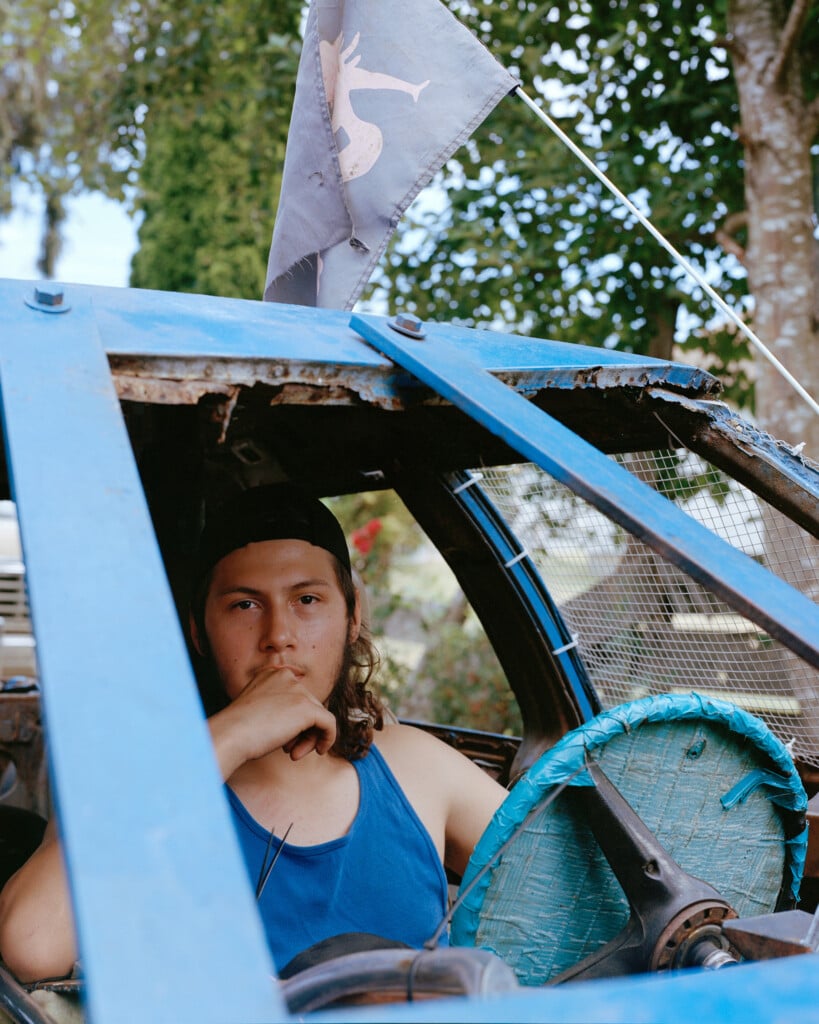
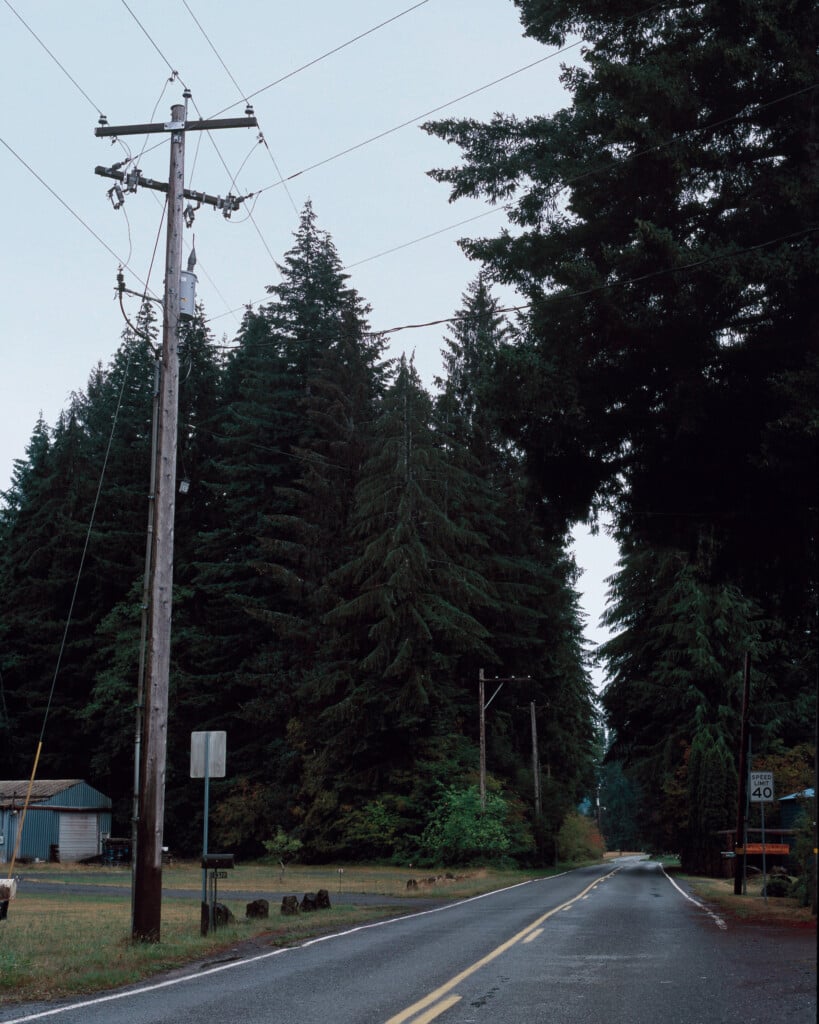
There is a city in the state of Washington that seems to exist outside of time. It is called Forks, home to just over three thousand people, stretching along Highway 101 like a single held breath: wooden houses, signs, pickup trucks parked along the roadside. Behind it, the rainforests of the Olympic Peninsula. Ahead, just a few dozen kilometers away, the Pacific Ocean. Photographer Marco Waldis arrives here in 2024 with a camera and an implicit question: what remains, today, of the American dream? Not as a political slogan, but as a deep structure of living — a worldview embodied in the gestures, objects, and faces of those who call a place like this home.
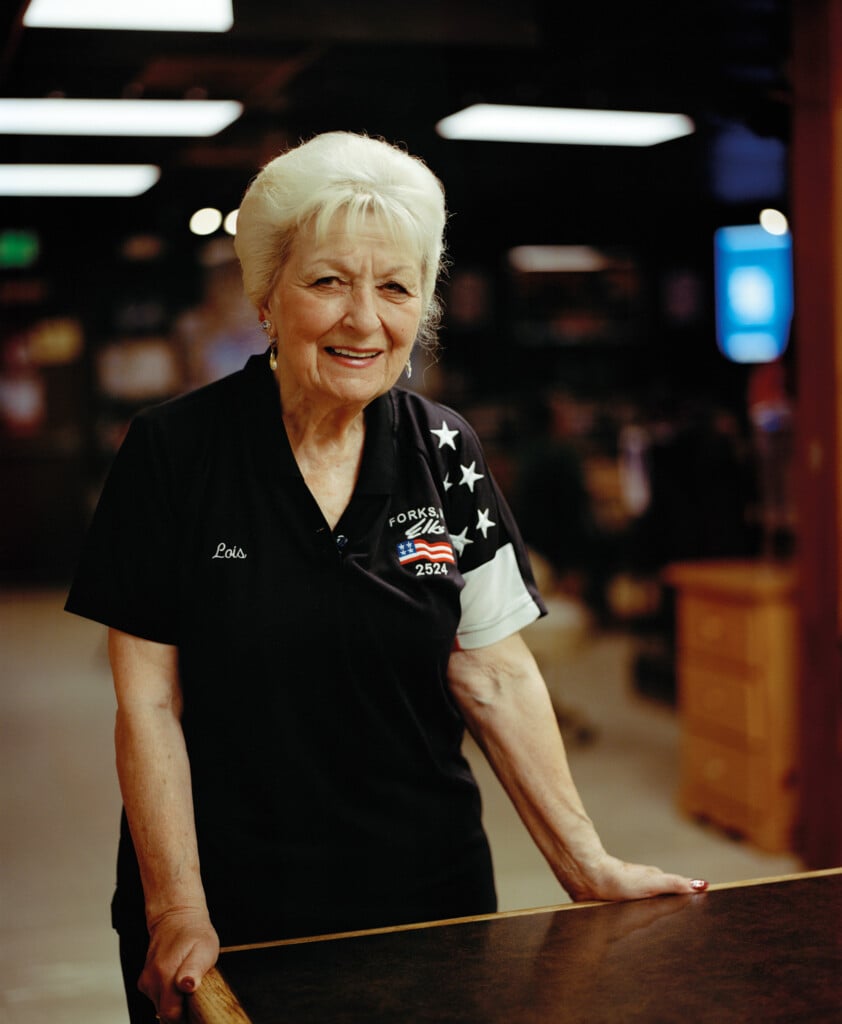
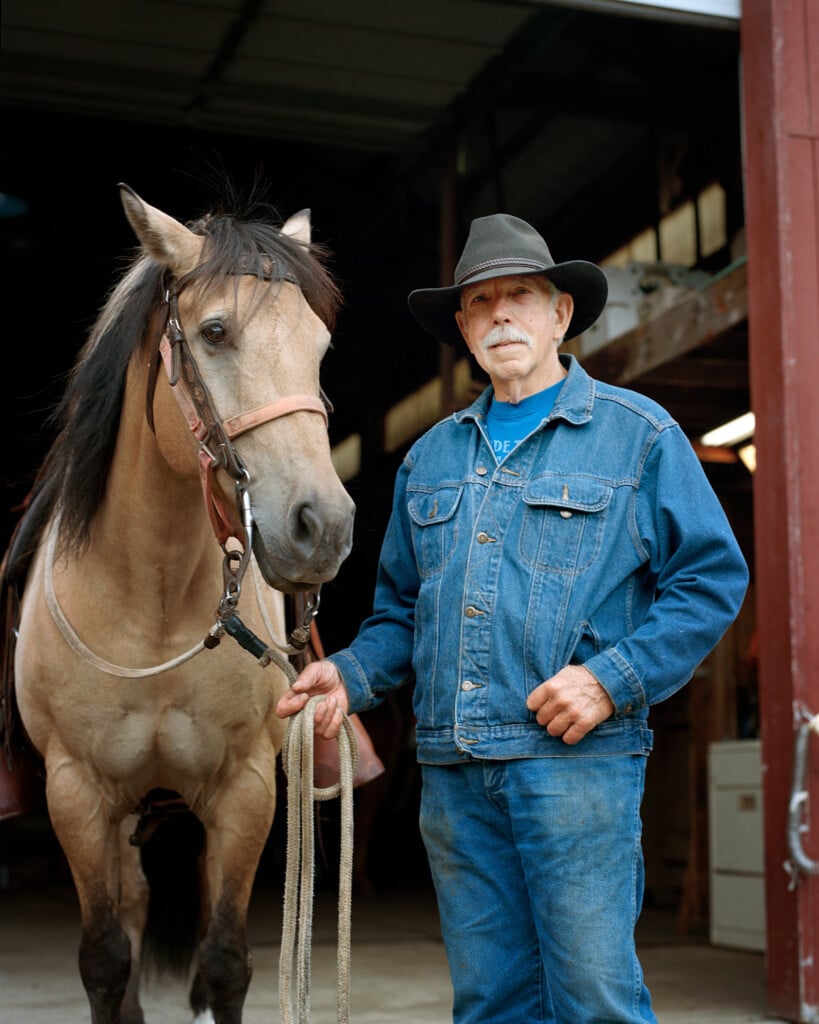
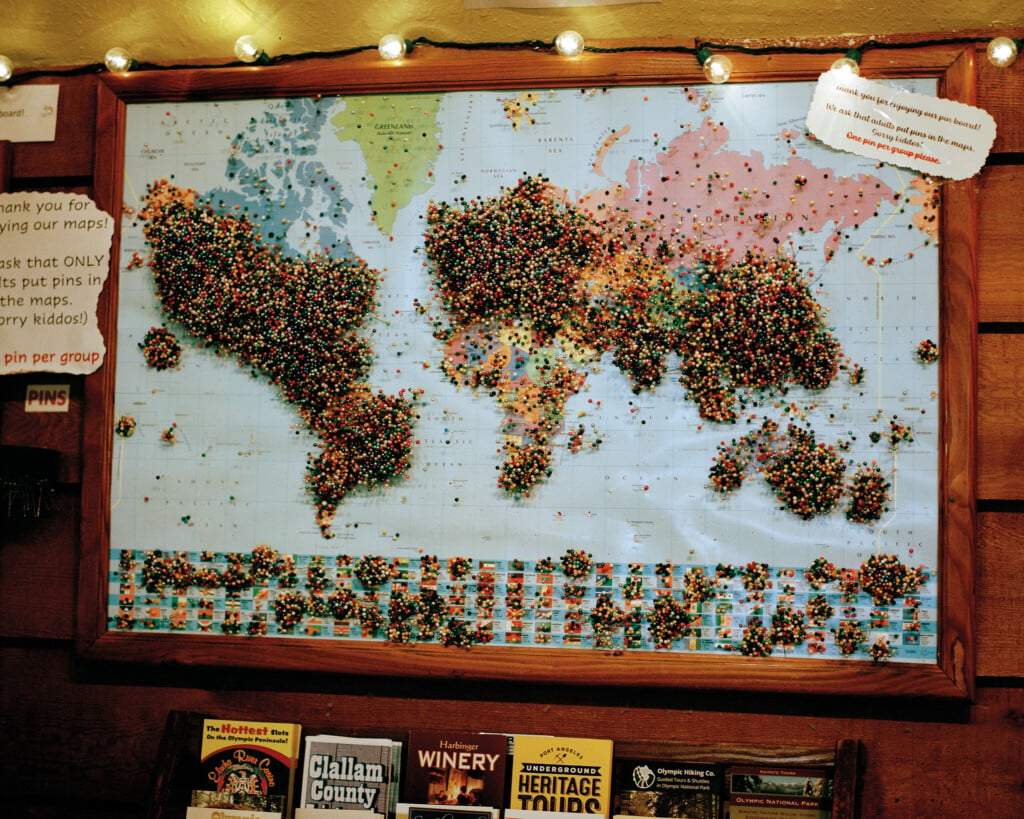
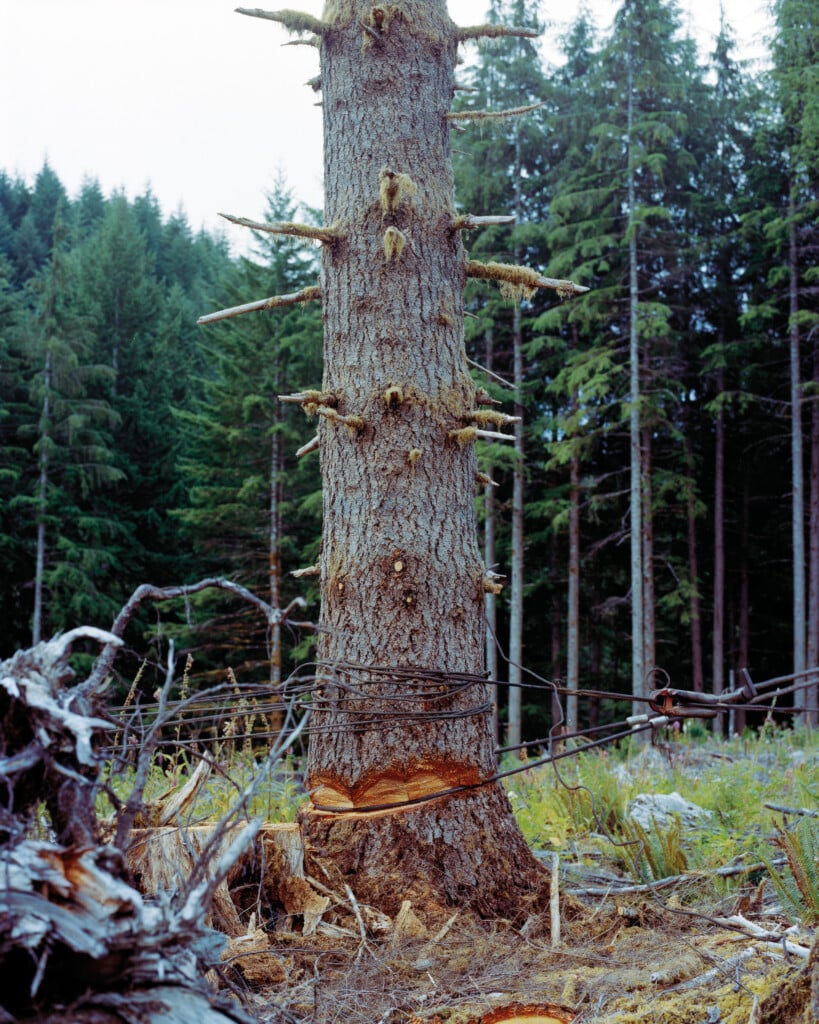
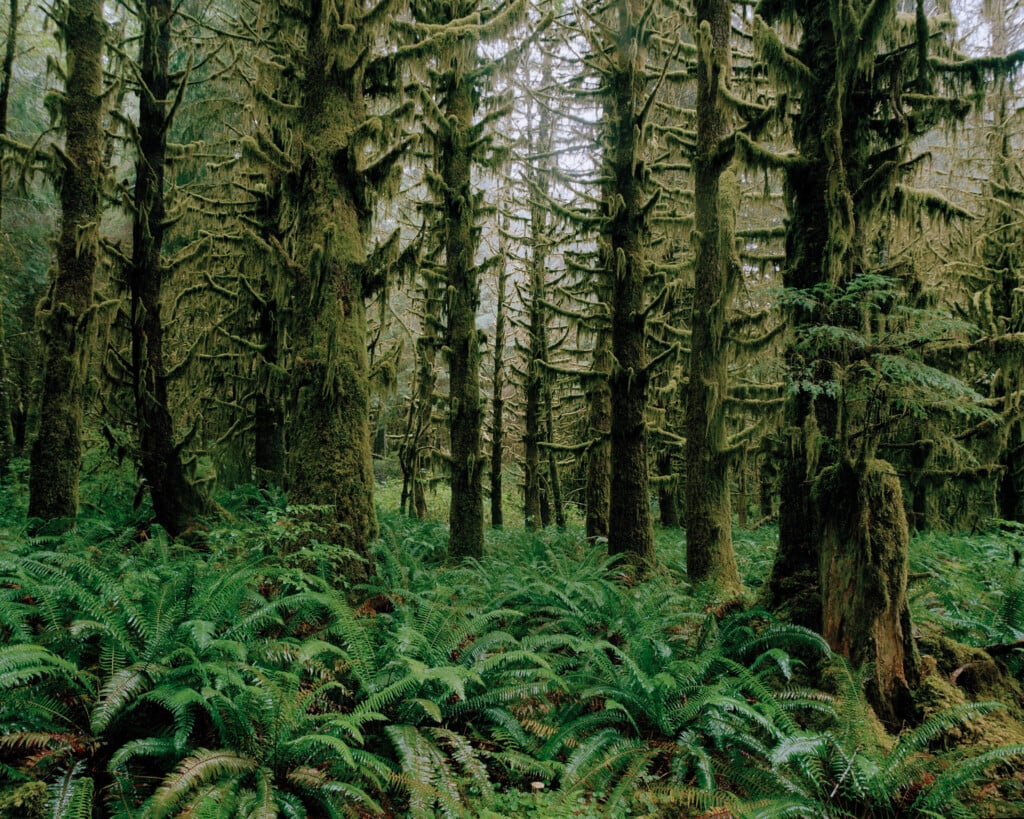
Where the West Ends is not a reportage in the traditional sense, but an attempt to move through American mythology from the inside — staying long enough to earn a community’s trust, and attentive enough to see what usually goes unnoticed. In Forks, nature is not a backdrop: it is an interlocutor. The forests of the Olympic Peninsula — among the densest on the continent — are at once resource, identity, and threat. And its inhabitants reflect this environment: they embody the figure of the jack of all trades, building, repairing, hunting, and farming with equal ease. A community that, within a modern and progressive state like Washington, has chosen to keep alive a rhythm and an imaginary that elsewhere seems to belong to another century.
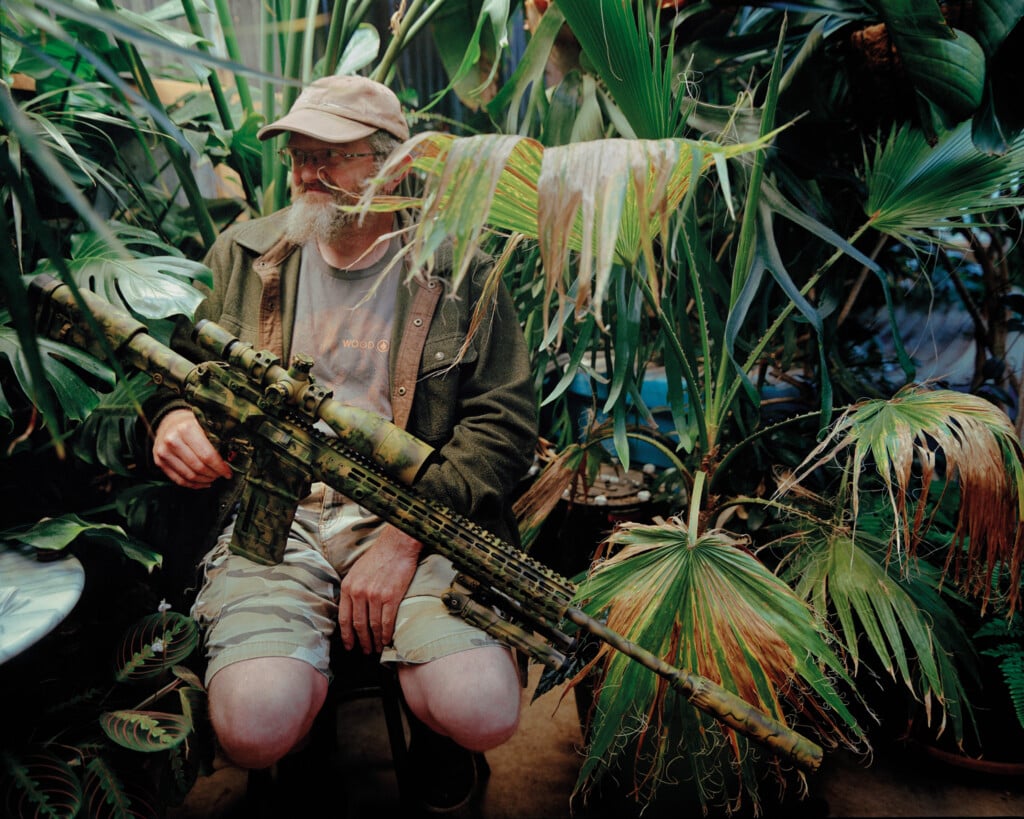
Waldis photographs all of this without nostalgia and without irony. His approach is that of someone who looks with genuine respect, allowing things to appear as they are. The diffuse light of the Pacific Northwest wraps his subjects in a quality that is at once intimacy and melancholy. There is no picturesque. There is presence.
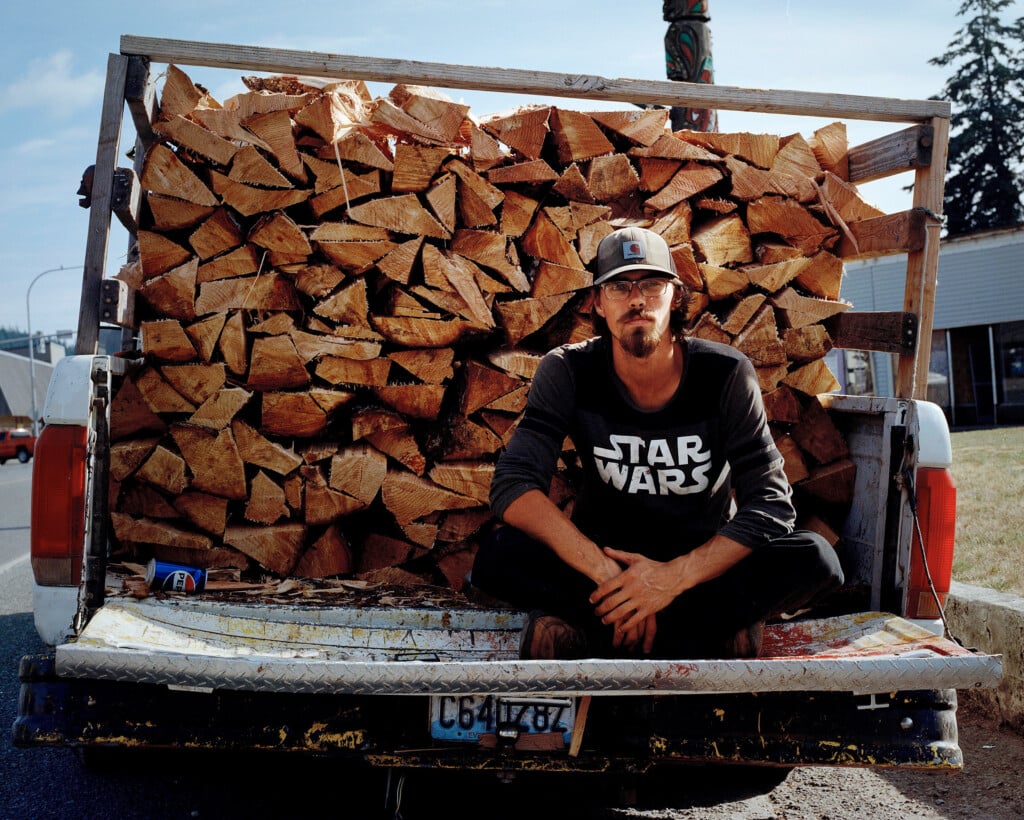
The title carries a reflection that goes beyond geography. The West, in American mythology, is not just a direction: it is a promise. It is the horizon toward which the expansionist dream of the United States has always moved — the Manifest Destiny formulated by O’Sullivan in 1845, the idea that Americans were destined to spread across the entire continent. Forks sits at the northwestern edge of the contiguous United States: it is literally the place where the West ends. Beyond it lies the ocean, and there is no more frontier to conquer.
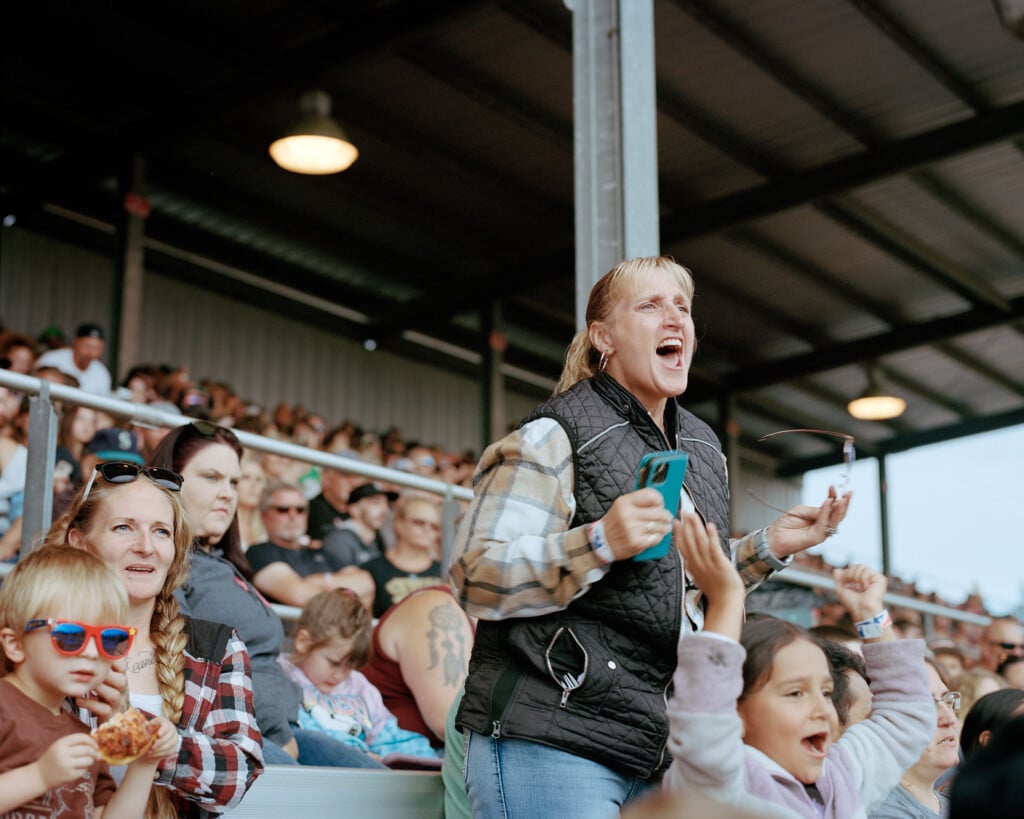
What happens when the movement stops? What remains of an identity built on moving forward? Waldis does not answer — that would be a mistake, and he knows it. He leaves the question open, lets it breathe inside the images. And it is precisely this tension that gives the project its depth.
Where the West Ends is an ongoing project.
“`