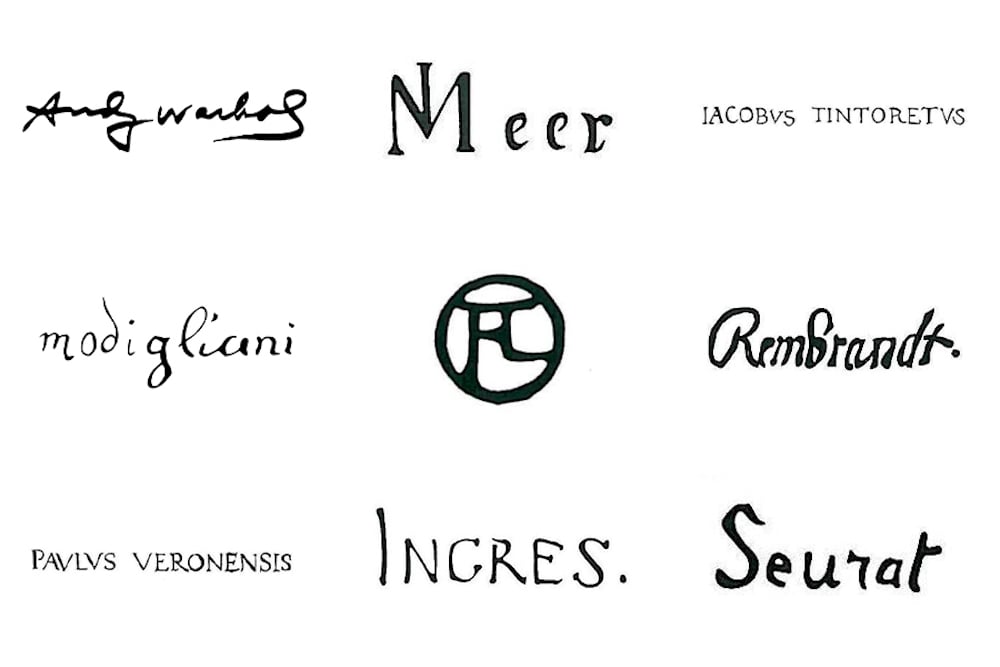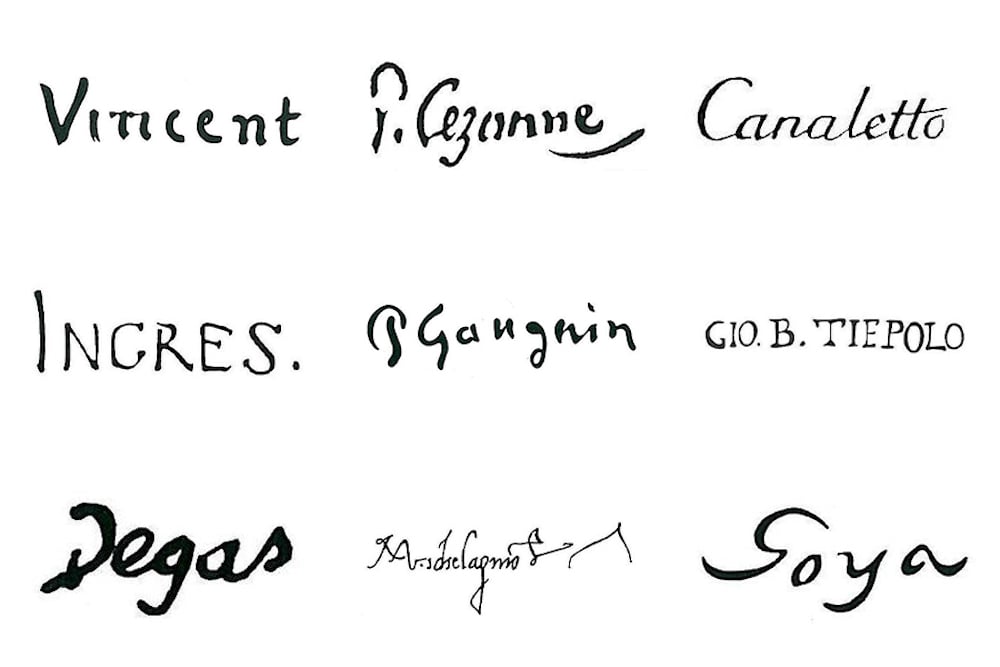
Starting in the Renaissance, in a climate of cultural enthusiasm, artists began to sign their works, a practice that soon became customary. However, it was only when art left the system of commissions, in the 19th century, that the artist’s signature took on a more practical value, a claim to a role. Abandoning the salons, some artists began to choose subjects according to the trends of the time, with the aim of finding buyers following a new trend in the art market. This revolution is also caused by a new definition of the meaning of artist. Now Romantic painters and sculptors are unique individuals and as such unrepeatable. The artist’s signature becomes a manifesto of authenticity of style to be included in works, as well as a safeguard from a commercial point of view as well. Claude Monet was probably one of the first artists to realize the importance of his signature, choosing, rather than a personal handwriting, an elegant and legible one, a sort of logo to be placed on his works.
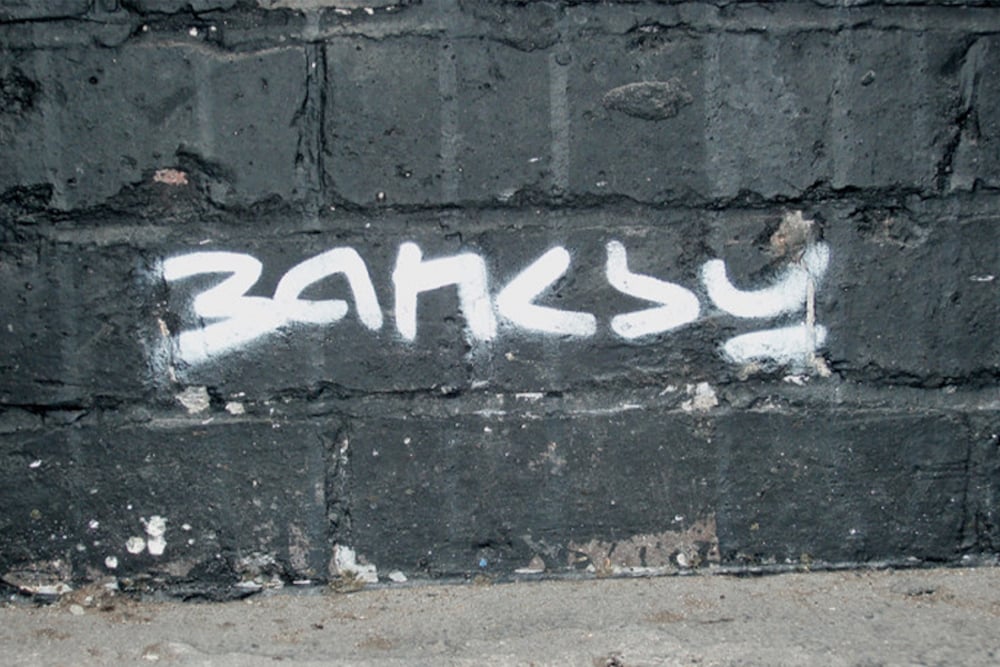
In the course of the history of art, the artist’s signature has been at the center of many stories of forgeries, but it has also been an instrument available to artists to insert their presence on their works in an unexpected way. Some artists signed their works hiding small signs or metaphors. In the Baroque era some artists used rebuses, as in the case of Dosso Dossi, who in the San Girolamo created in 1518 inserts, in the lower left corner, a D crossed by a bone, hence: Dosso. The style of the artists’ signatures is varied and represents one of the reasons for which to observe even more closely the masterpieces of art history. Here are some of the most important, from Michelangelo to Banksy.