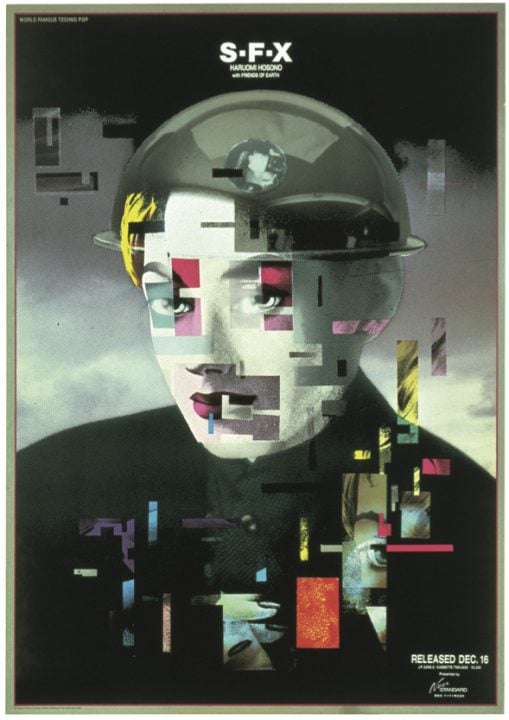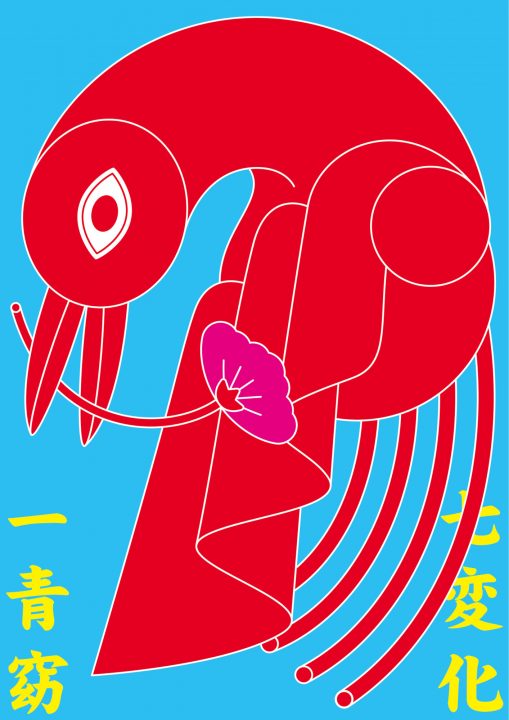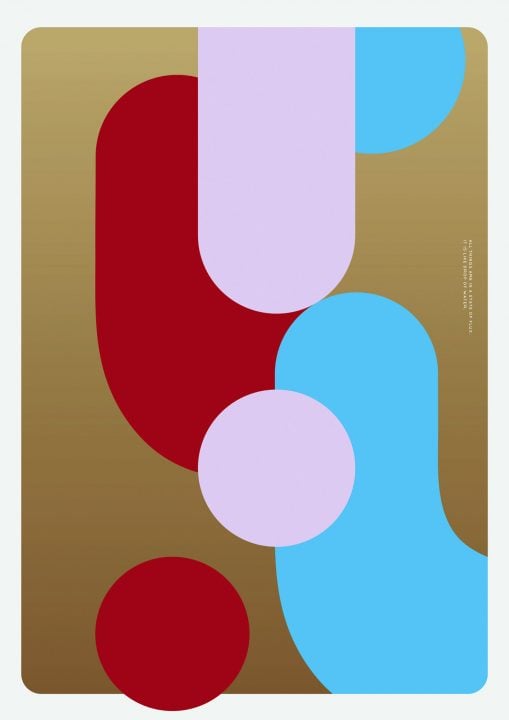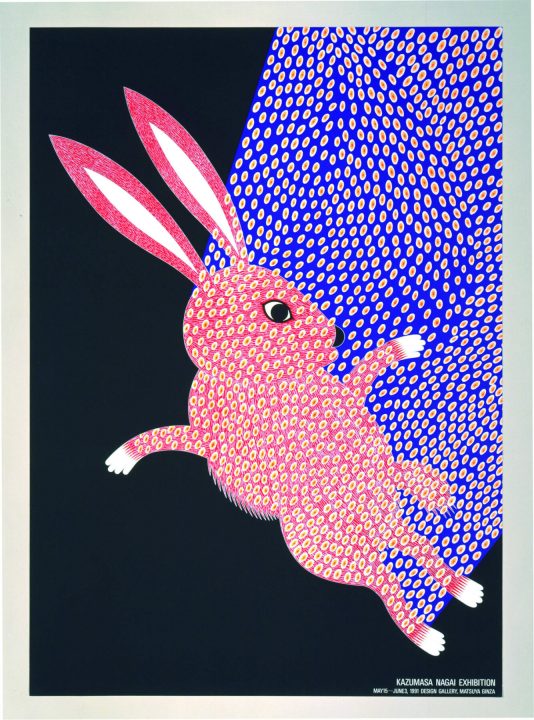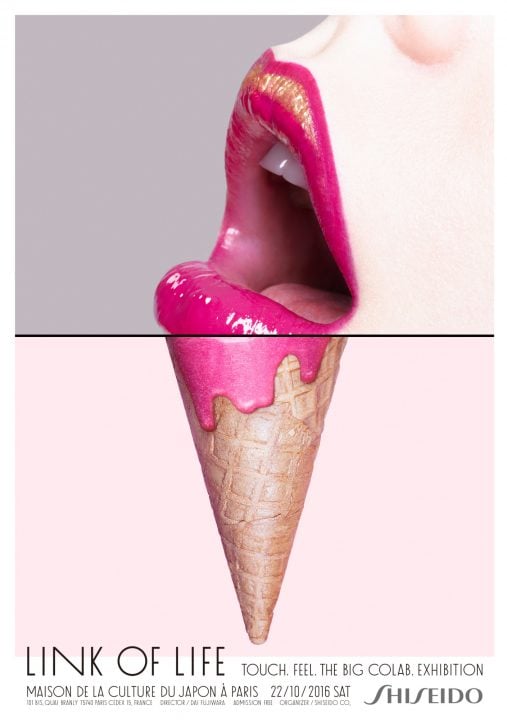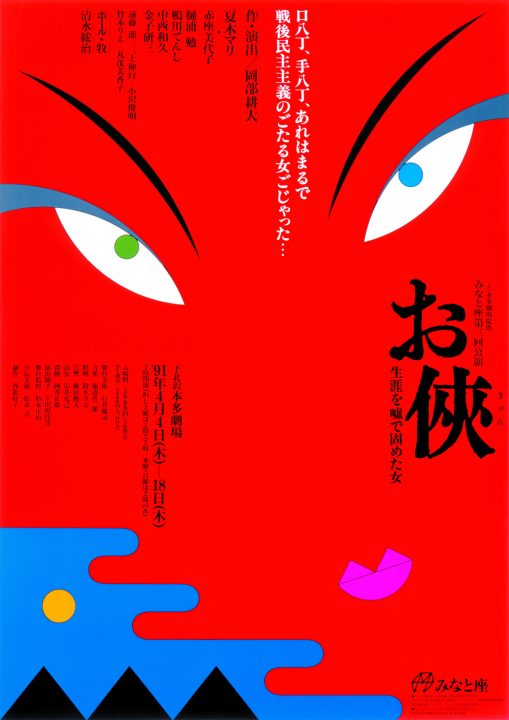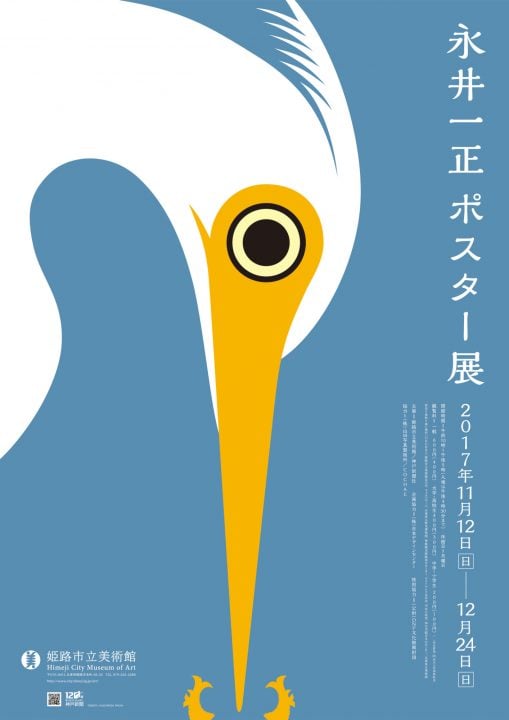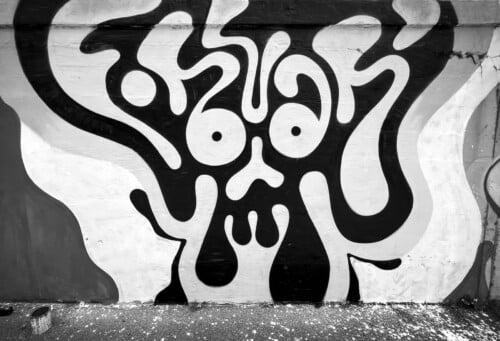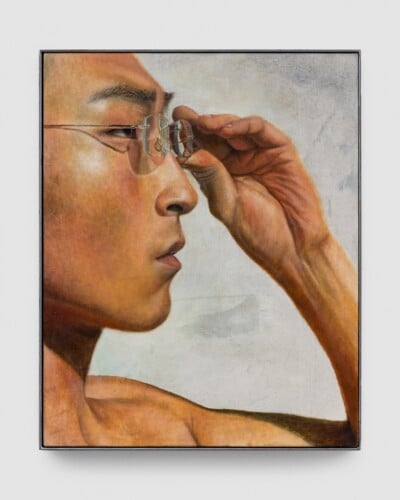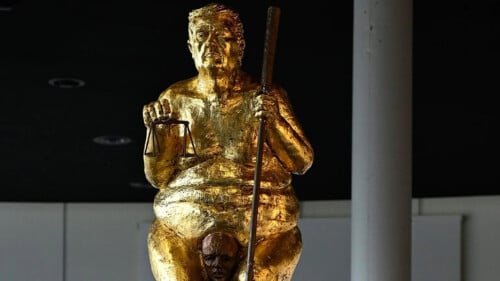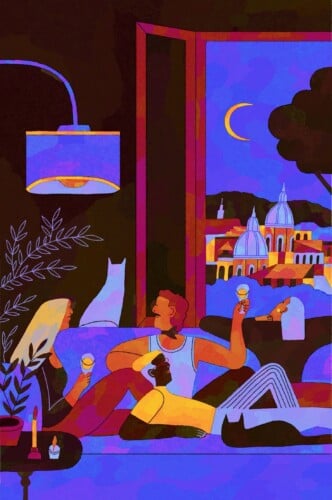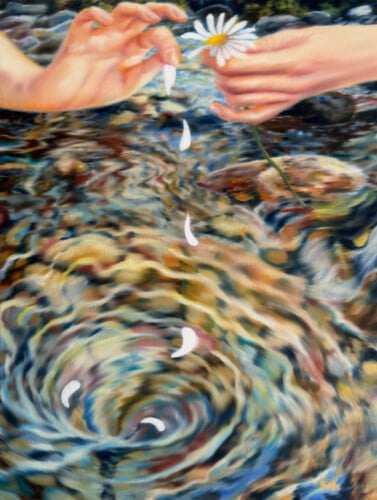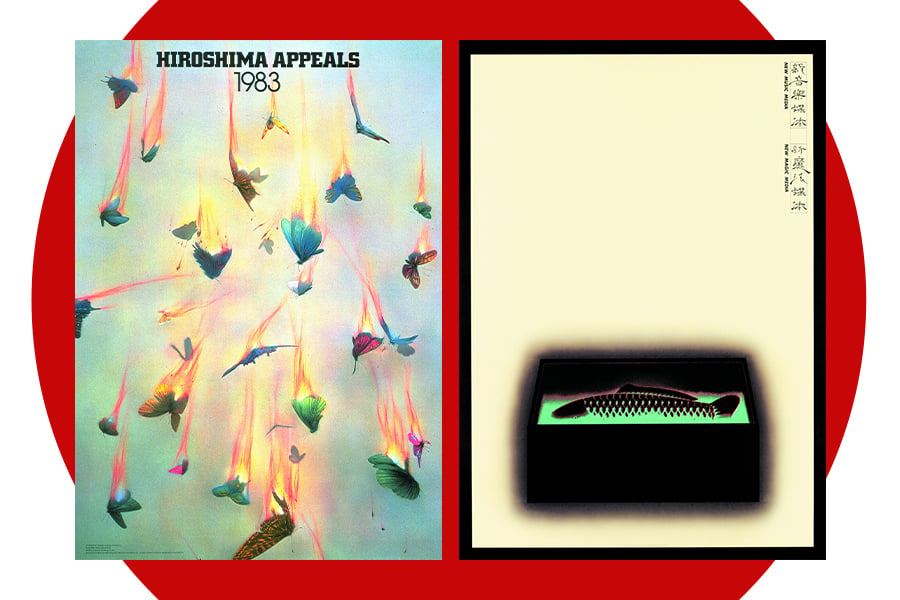
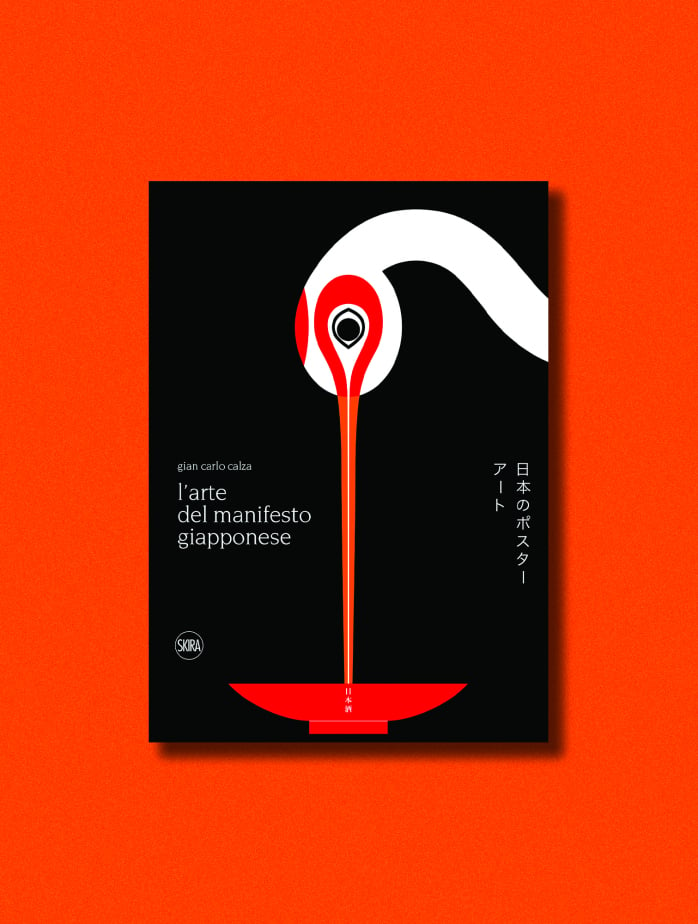
Japanese art is not only xylographs and the foam of giant waves, with the evolution of printing techniques a strong graphic tradition has developed since the mid-20th century. Graphic designers and illustrators have created beautiful posters in these decades, now collected in L’arte del manifesto giapponese, a 500-page volume published by Skira and edited by professor Gian Carlo Calza.
The 700 posters included in the book retrace Japanese graphic history from 1955 to 2020, for a total of 83 different authors. Among these is Kamekura Yūsaku, probably the greatest Japanese exponent of all time in this art, as well as a point of reference for the entire school of graphic designers from the post-war period to the present.
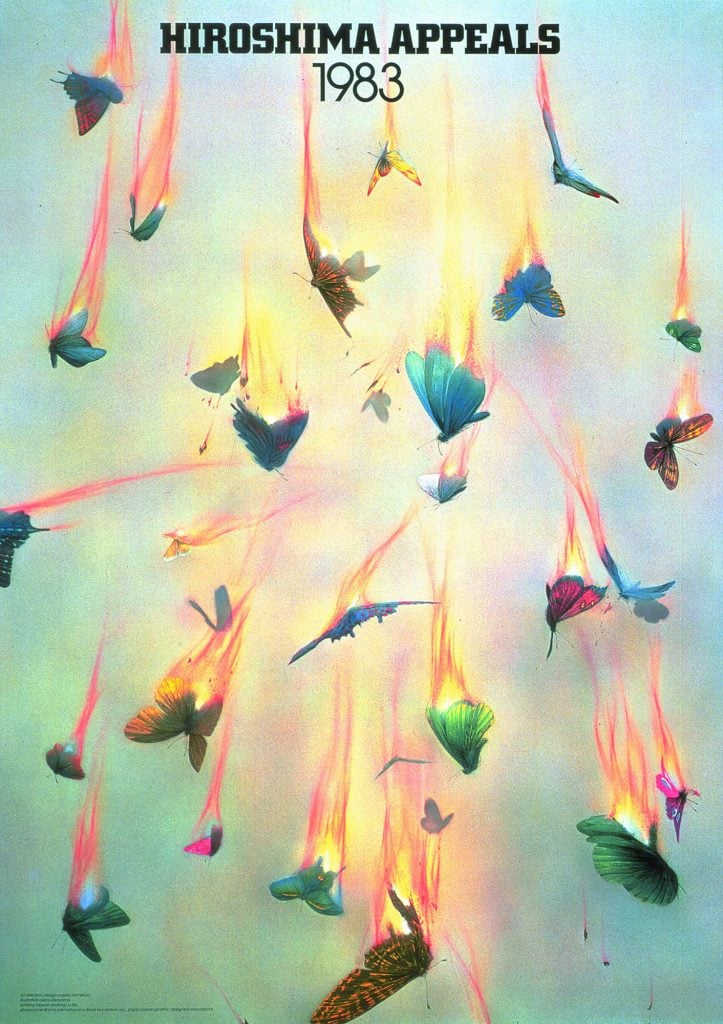
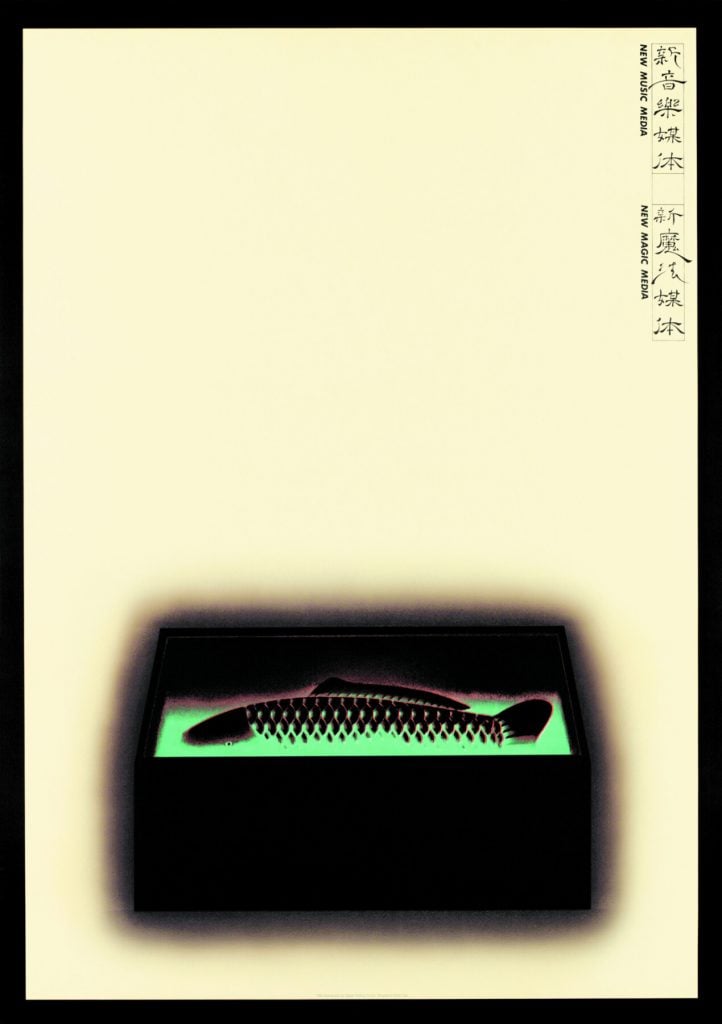
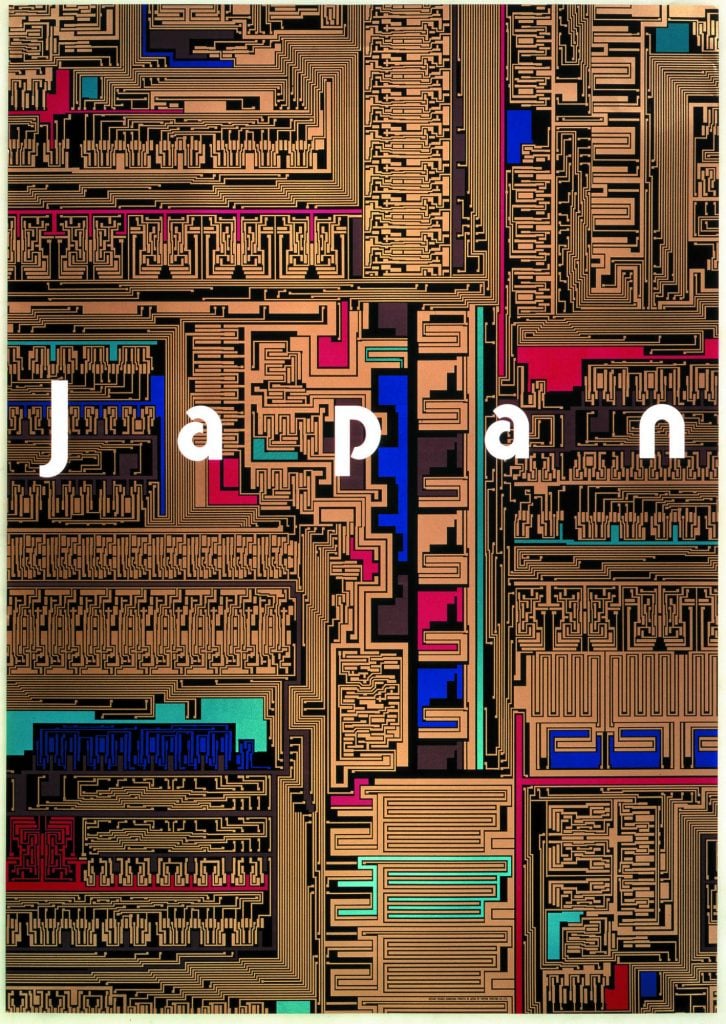
Japanese poster art has been a model to look up to for years, because it mixes the visual tradition of ukiyo-e prints (“images of the floating world”) with new styles of communication. Browsing through the works in the book L’arte del manifesto giapponese, one notices how certain elements return with constancy, such as the subjects of nature, the typical nuances of the prints, the simple lines and shapes and the photographic cut of the compositions.
The most complete volume ever written on Japanese graphic design is available on the official Skira website.