From November 8 to 14, 2026, Gola Gallery in Milan presents the work of Domenico Manno, an artist who for 27 years has been pursuing an ever-changing investigation across graffiti, painting, matter and digital media.
A sign can be a letter, a figure, a surface or even something that seems to move. In the work of Domenico Manno, the starting point is precisely this possibility: letting a form change identity as it passes through different techniques, supports and dimensions.
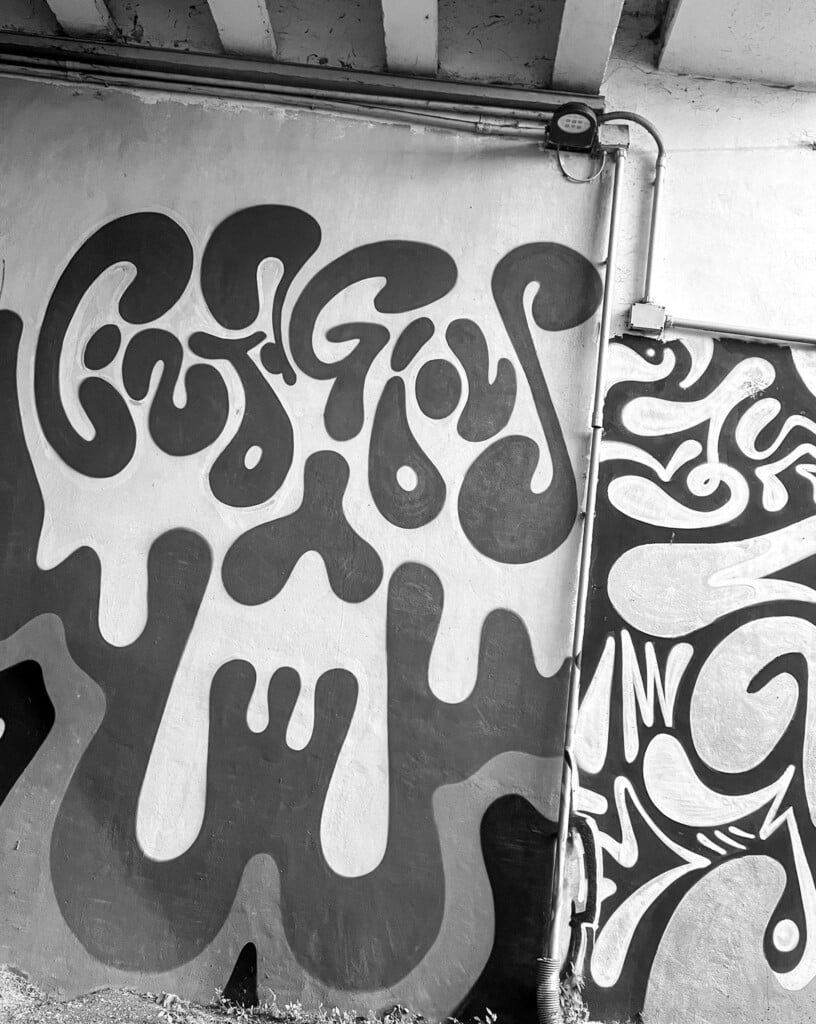
The exhibition “State of flow” at Gola Gallery gathers some of the most recent directions of a practice the artist began in Naples, when at sixteen he first approached graffiti writing. Since then his language has progressively moved away from the centrality of the signature and from the idea of writing as a simple gesture of recognition, focusing more and more on the transformation of the sign and on the possibilities of the work.
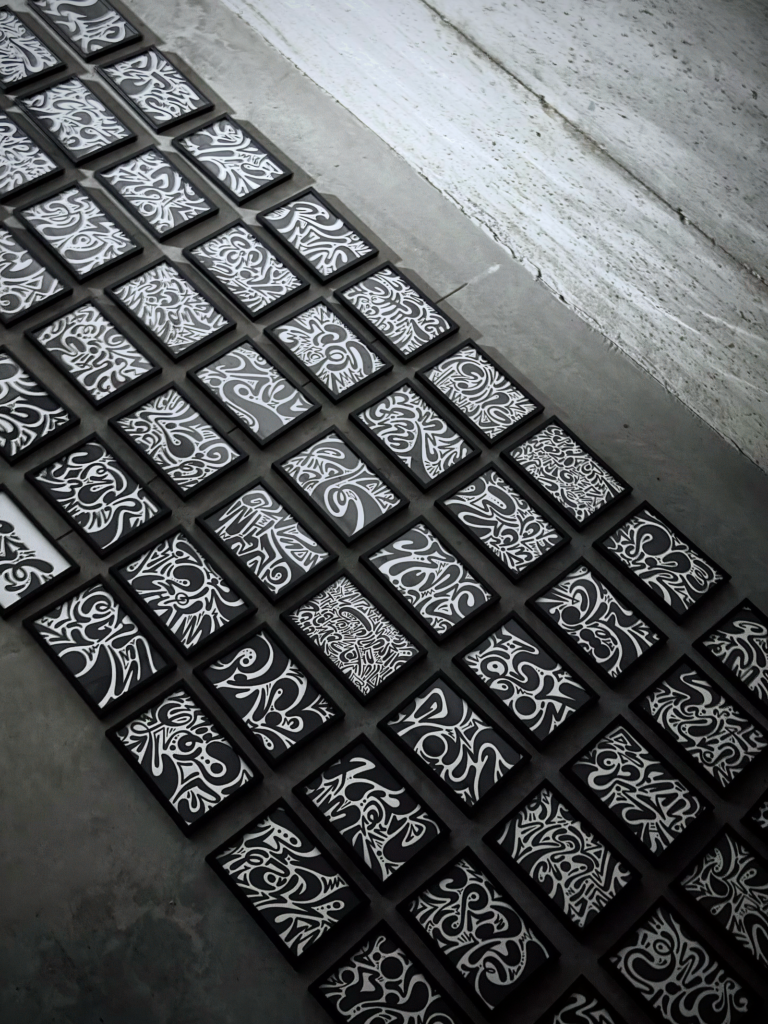
The exhibition path starts from about sixty hand-made panels, where letters and sinuous forms intertwine until they become almost organic compositions. Within these patterns remain traces of the moment in which they were created: words, thoughts, emotions and signs that function not only as graphic elements, but as fragments of an experience.
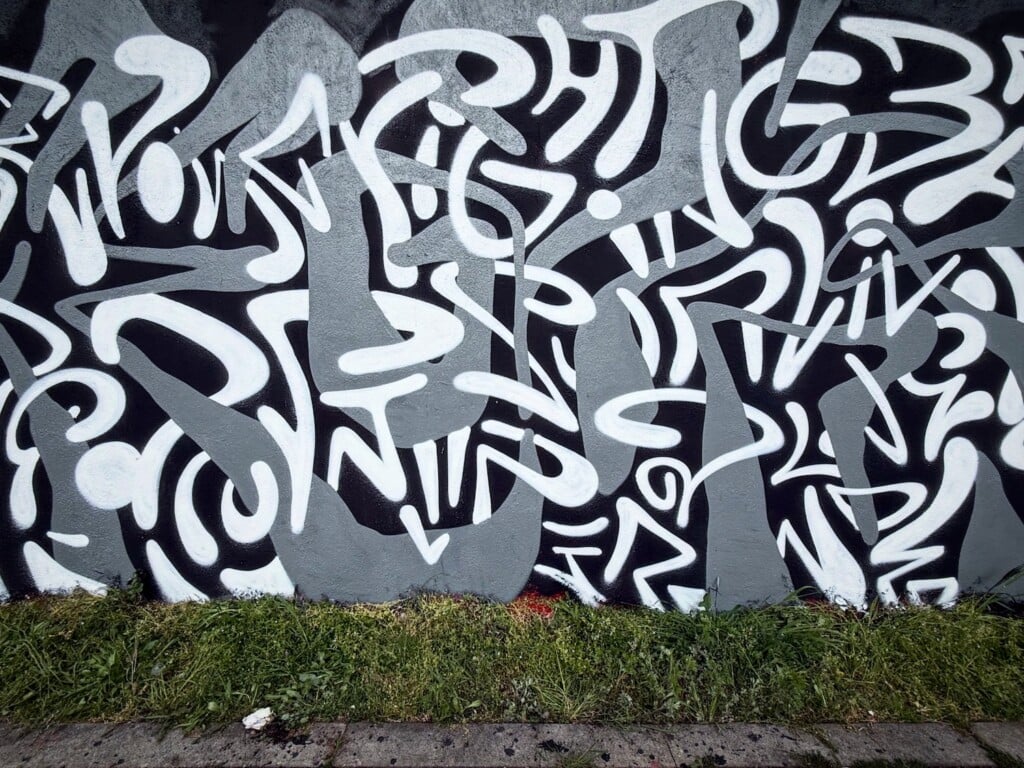
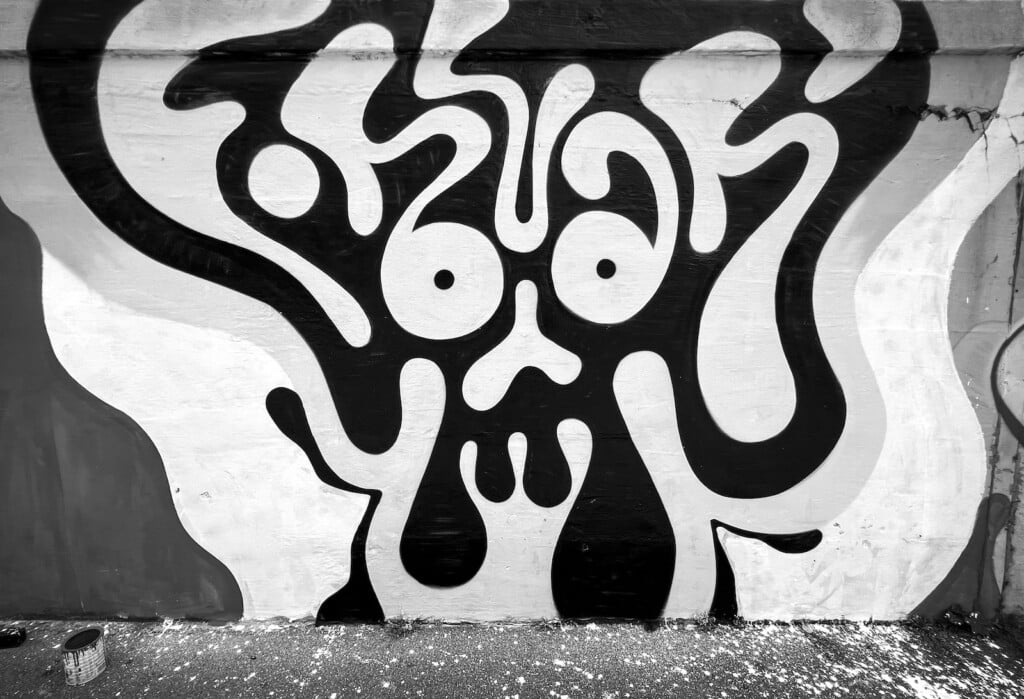
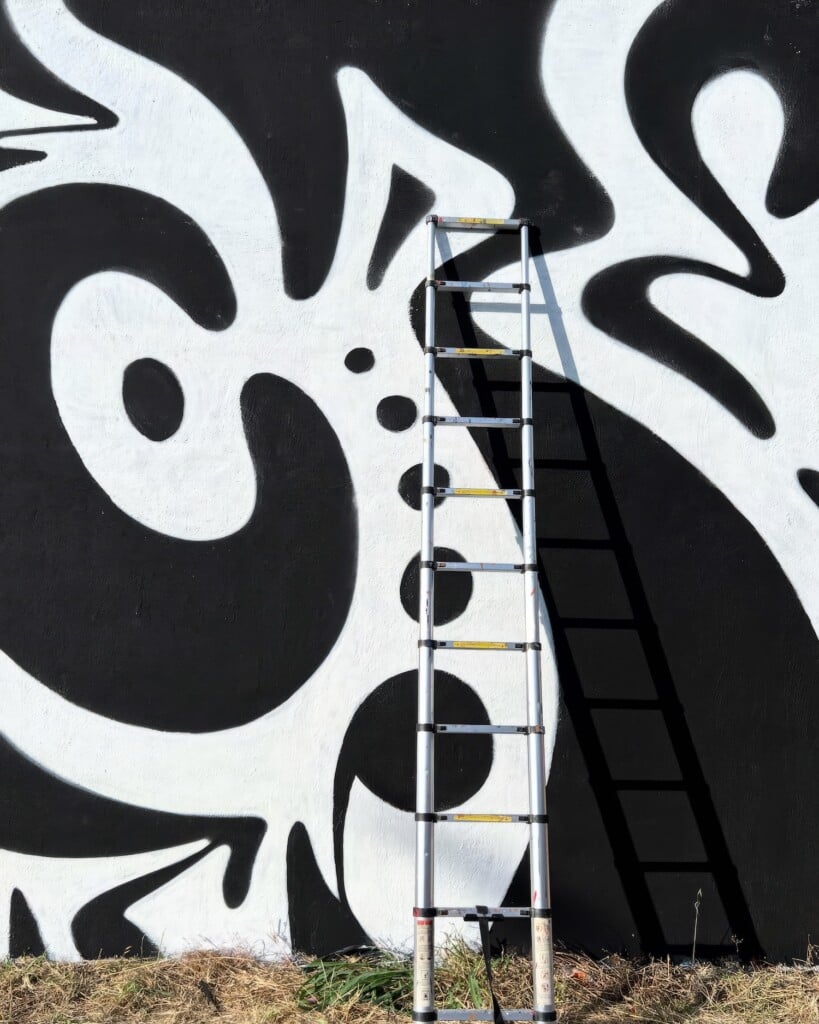
It is a practice born on paper that over time has also conquered urban space. Manno’s forms have in fact left the surface of the panels to become mural interventions, while keeping the same logic of aggregation and movement.
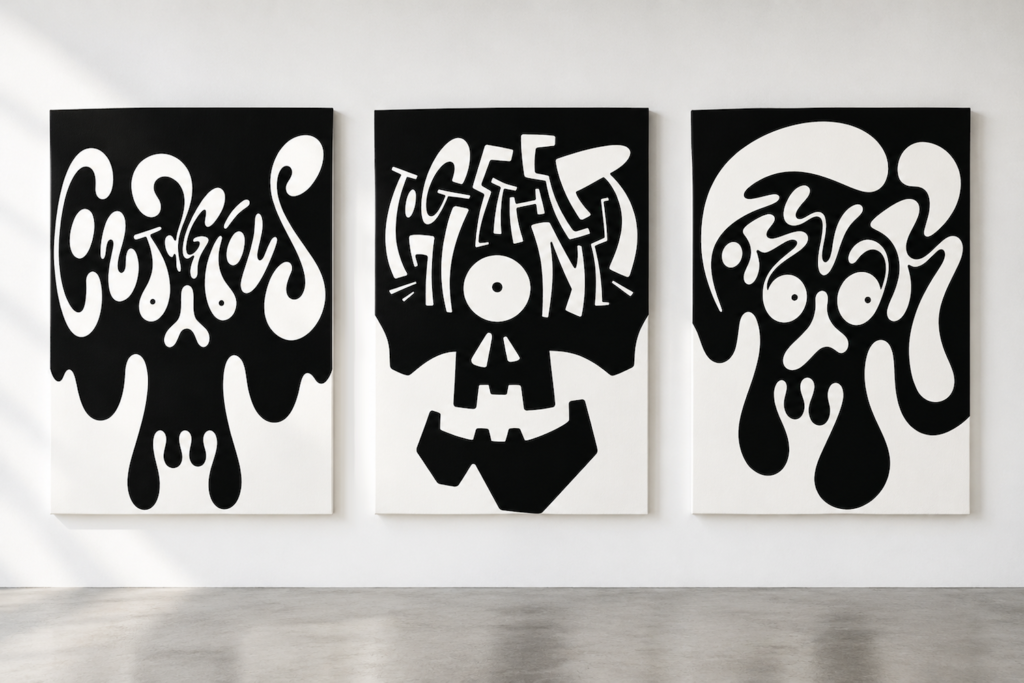
This passage is important because it tells of a practice that does not consider the support a limit, because the form can change scale, surface and consistency without losing its origin. Among the groups of works presented are also the skulls, a series born during the first lockdown of 2020. Here the artist’s vocabulary takes on a more suspended dimension: the figure of the skull becomes a meeting point between life and death, while words linked to that period appear on its surface.
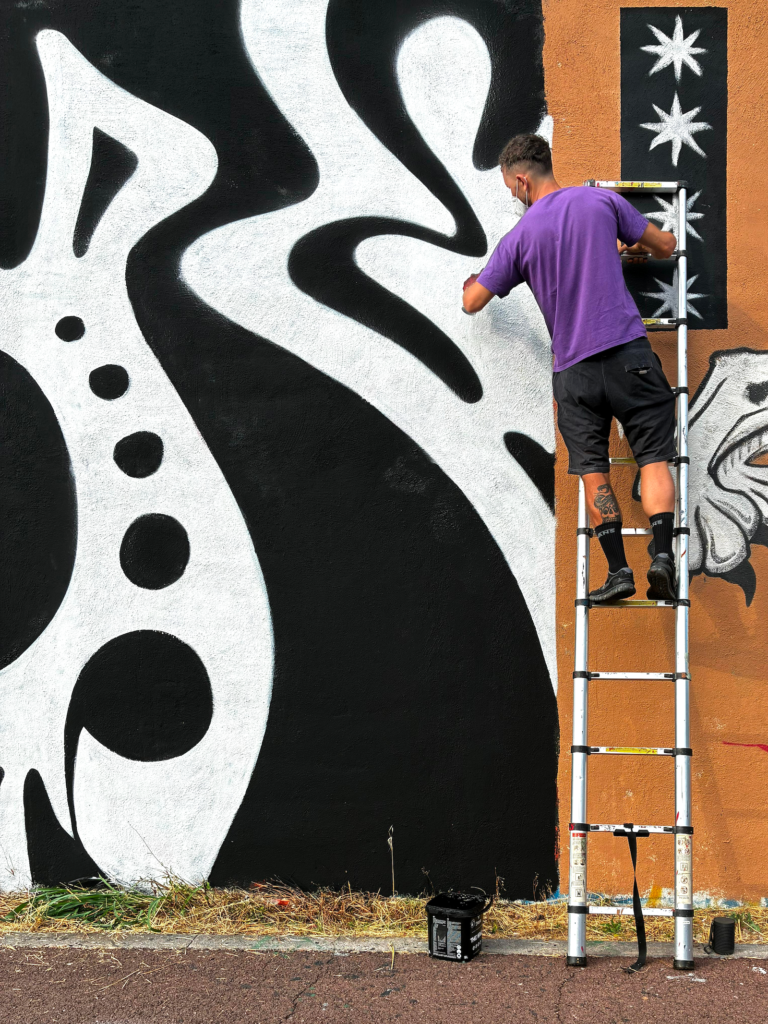
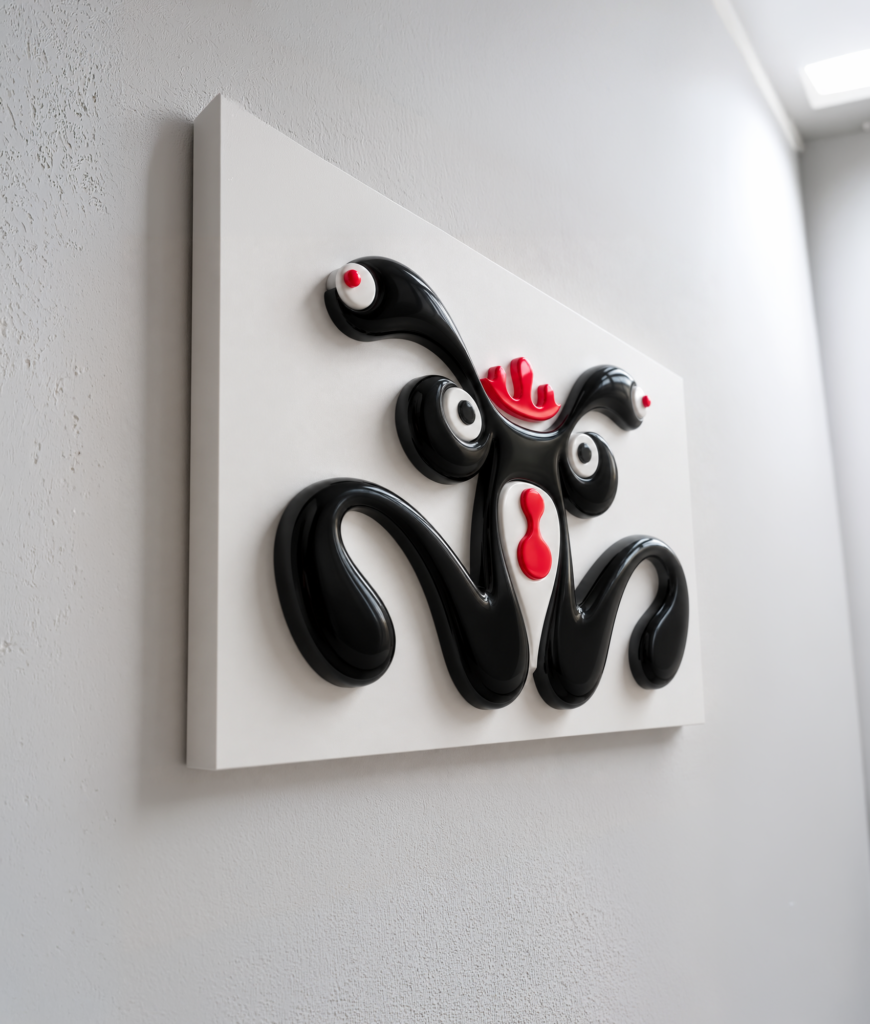
In these works too the sign continues to proliferate, overlap and change, almost suggesting that what remains of an experience is not necessarily a definitive form, but a trace capable of continuing to change. This series also later went beyond paper, becoming material for mural interventions. A further step is represented by the characters, where the letter progressively loses its original function and begins to take on autonomous features. The forms become figures, gain a body and even come out of the surface of the works through three-dimensional elements.
It is here that Manno’s work shifts definitively from graphics to matter: what was initially a two-dimensional sign becomes something to be perceived physically as well. The exhibition follows precisely this transformation, without rigidly separating one phase from another. Drawing, painting, writing, street art and design become parts of the same process.
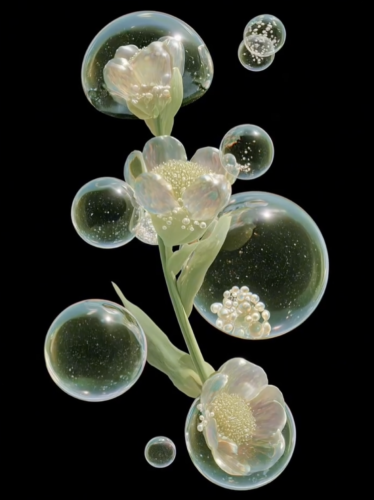
In the second room of the exhibition the path changes dimension, and the forms born from hand drawing are translated through digital tools into three-dimensional, transparent and fluid volumes. The sign is no longer just something to look at, because it becomes a virtual presence that can alter depth, consistency and movement. The digital images and video loops projected in the space thus take to their extreme consequences a practice that began with a pencil or a marker.
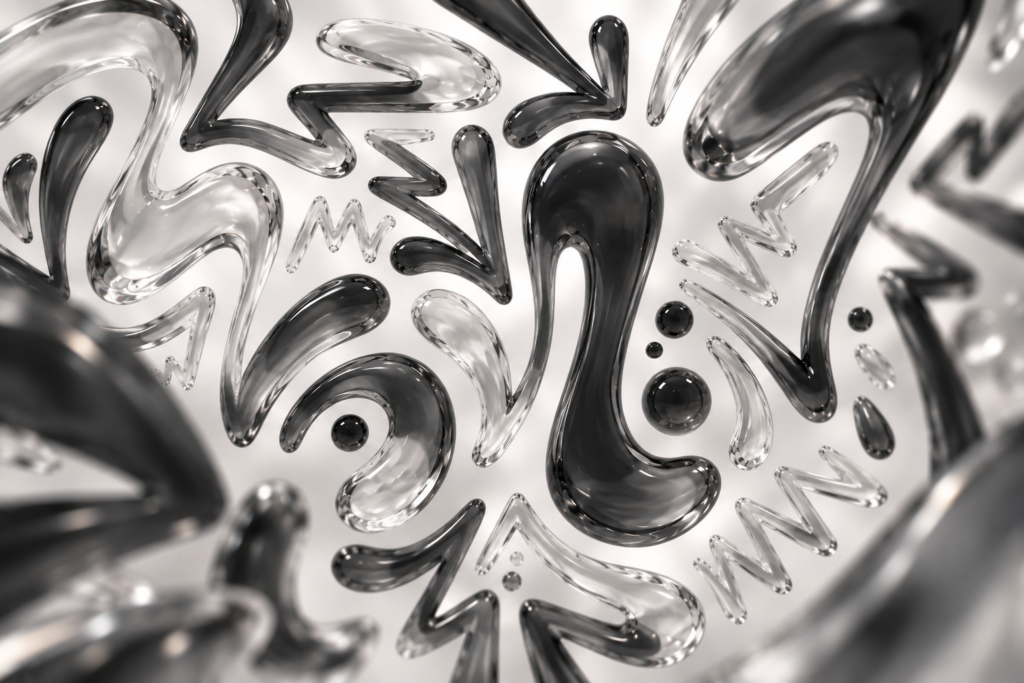
The passage from analog to digital therefore does not represent a break. It is rather another possibility for continuing the same gesture. Manno’s artistic practice has coexisted for years with his professional one. Alongside his work in art, the artist has in fact built a career in communication, holding creative direction roles in international agencies and companies.
Two apparently different worlds that, in his path, have ended up influencing each other. If communication turned creativity into a structured job, art has instead remained a space without briefs, objectives or the need for a response.
It is precisely this separation that makes the Milan exhibition significant: after 27 years, a practice developed largely away from exhibition circuits is finally shared in its current form. There is no technique replacing the previous one, nor a language that definitively closes the path; the matter, the surface and the tools change, but the same initial drive remains: to make the sign move until discovering what it can become.