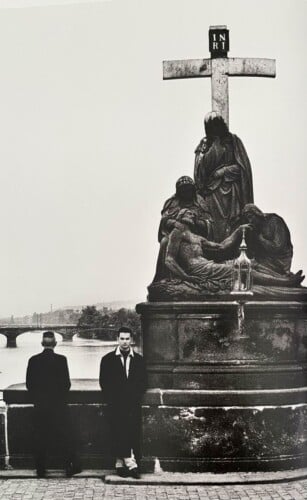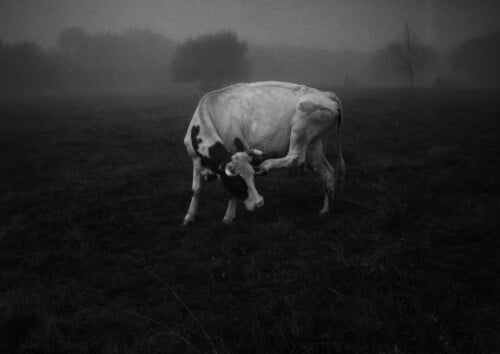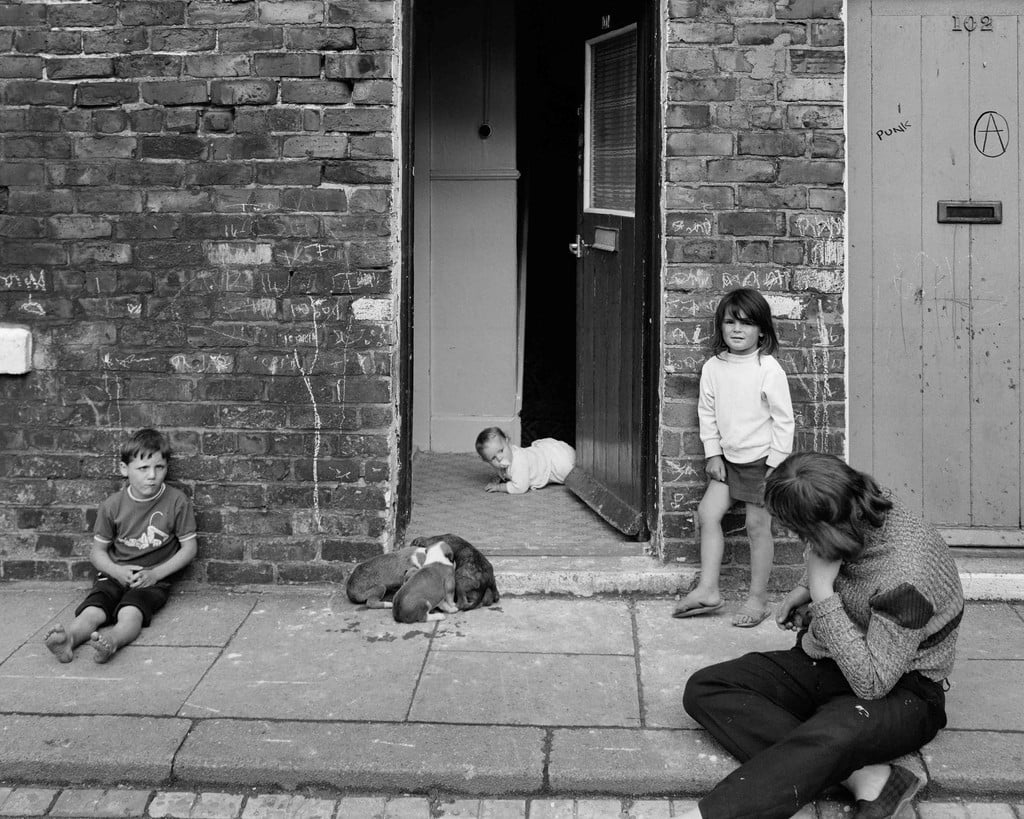
“I wanted to document people’s lives because I appreciated them. I wanted them to be remembered.” You only have to open Chris Killip’s website to find this sentence, and it says more than a biography ever could. Not a passing chronicler, but someone who put that appreciation into practice: staying for years where others would take their pictures and leave.
Photographs of North-East England: Deindustrialization Seen from Within
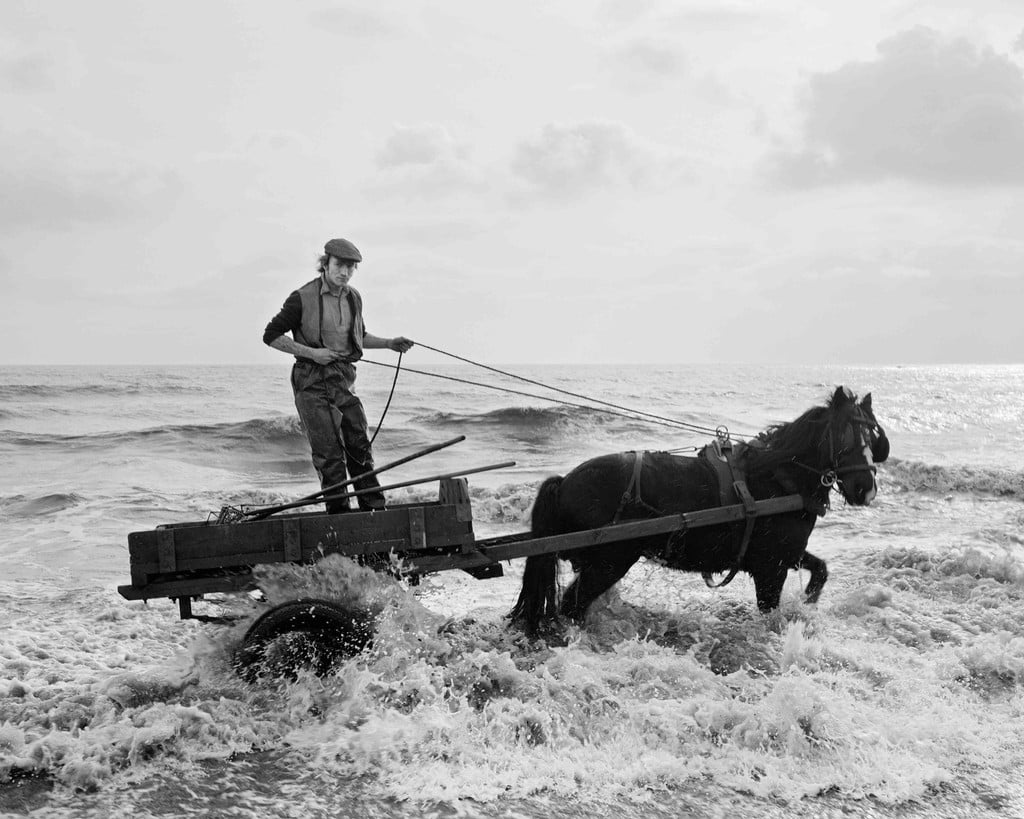
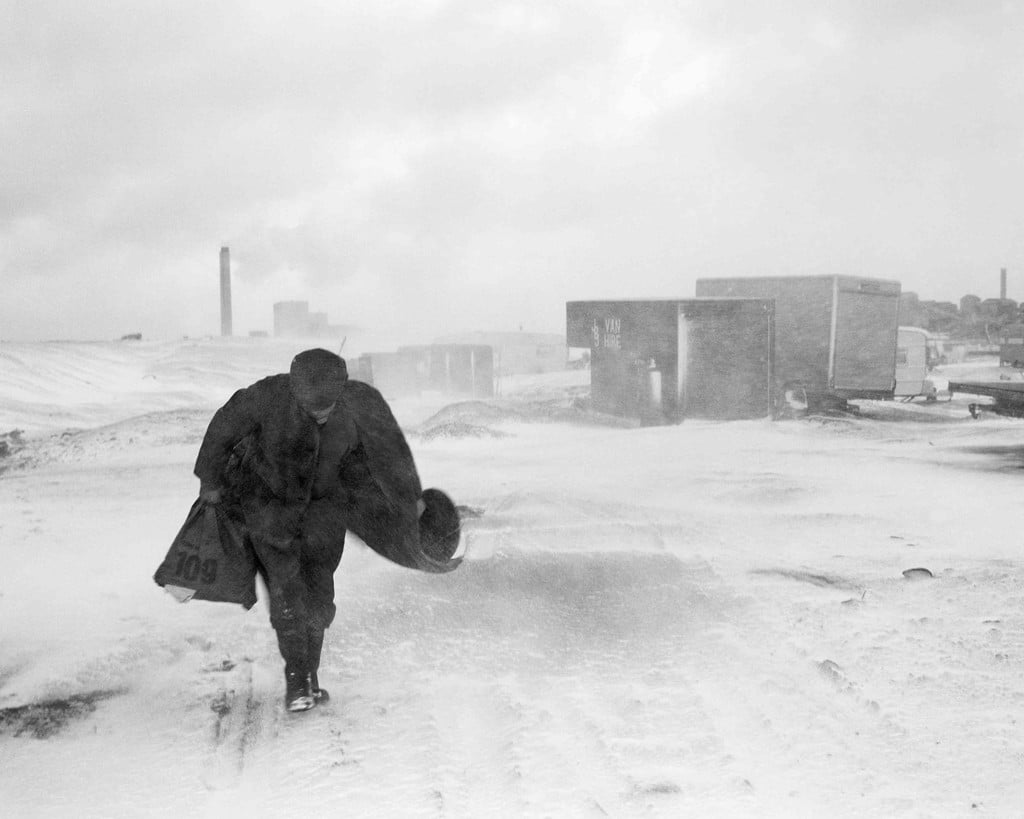
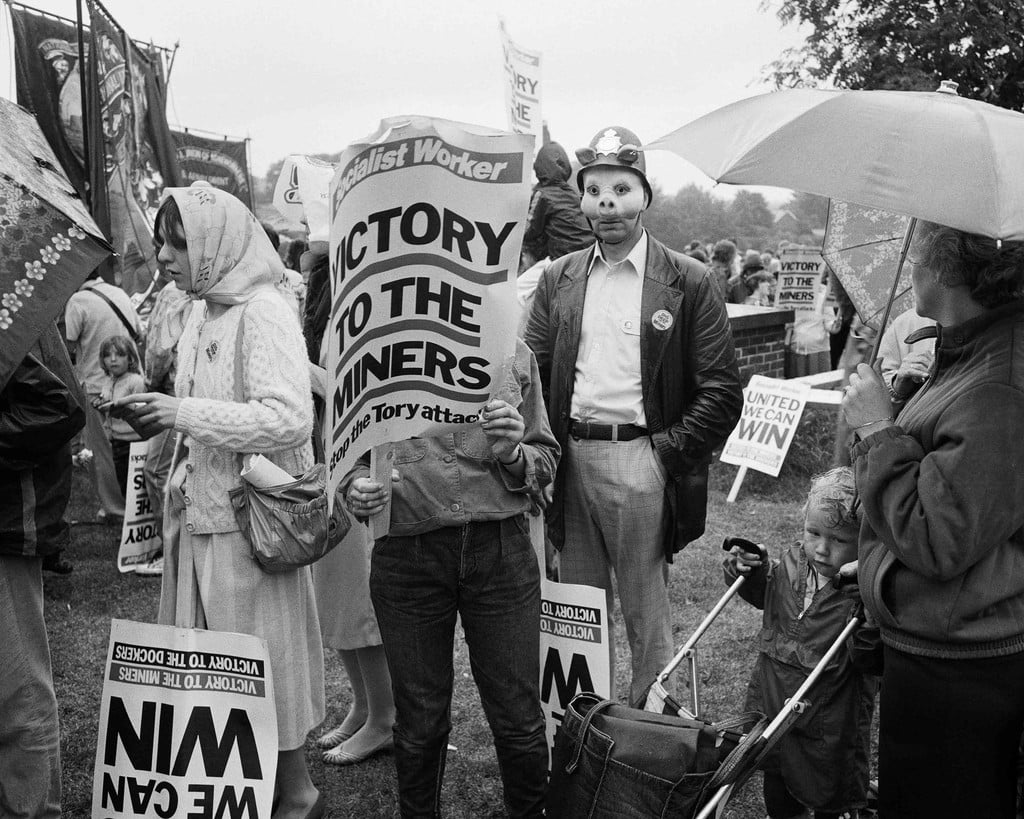
Killip was born in 1946 on the Isle of Man. He started out as a commercial photographer, but by the end of the 1960s he decided that the real work lay elsewhere. He found it in North-East England, between the 1970s and early 1980s, as shipyards, steelworks, and mines closed at a speed that official statements called “restructuring.” The people who lived there had a less elegant expression for it, and Killip photographed it. The result of those years was In Flagrante, published in 1988 and now considered a landmark of documentary photography. The title leaves little room for ambiguity: not a reconstruction, but a country caught red-handed as it dismantles itself. Neither heroes nor victims, just people with their faces, their gestures, their stubborn determination to live in places someone had already decided to erase.

Seacoal and Helen with her hula-hoop: Humanity Within the Crisis
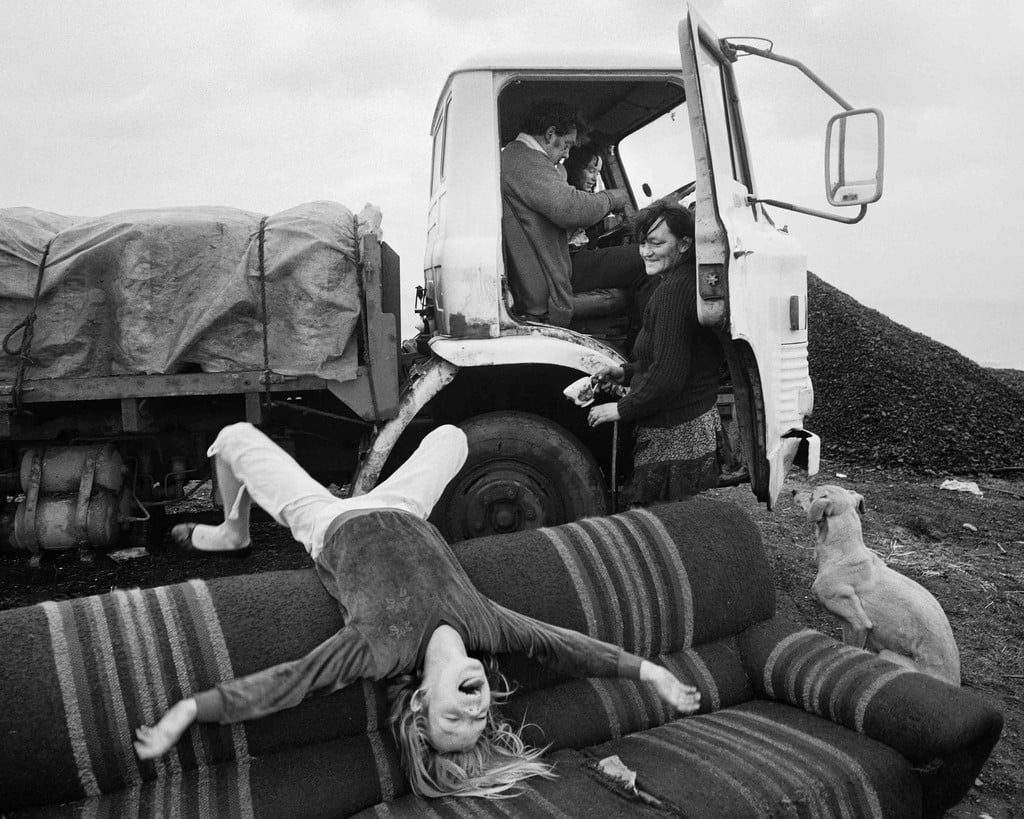
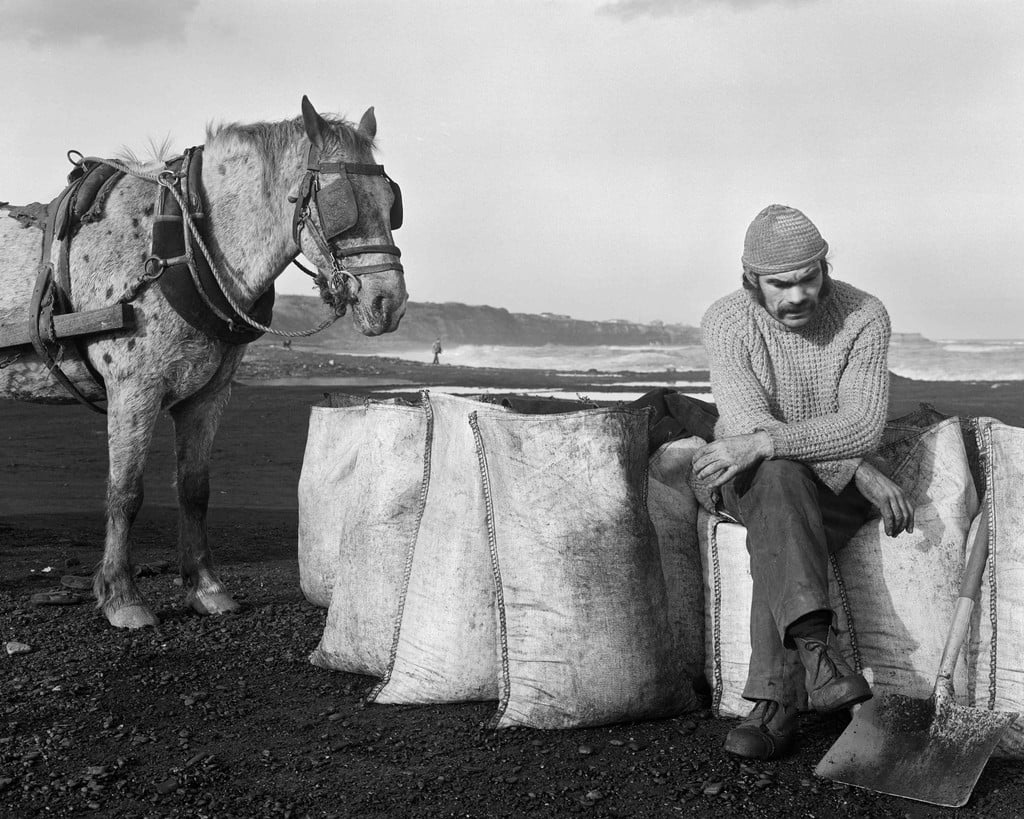
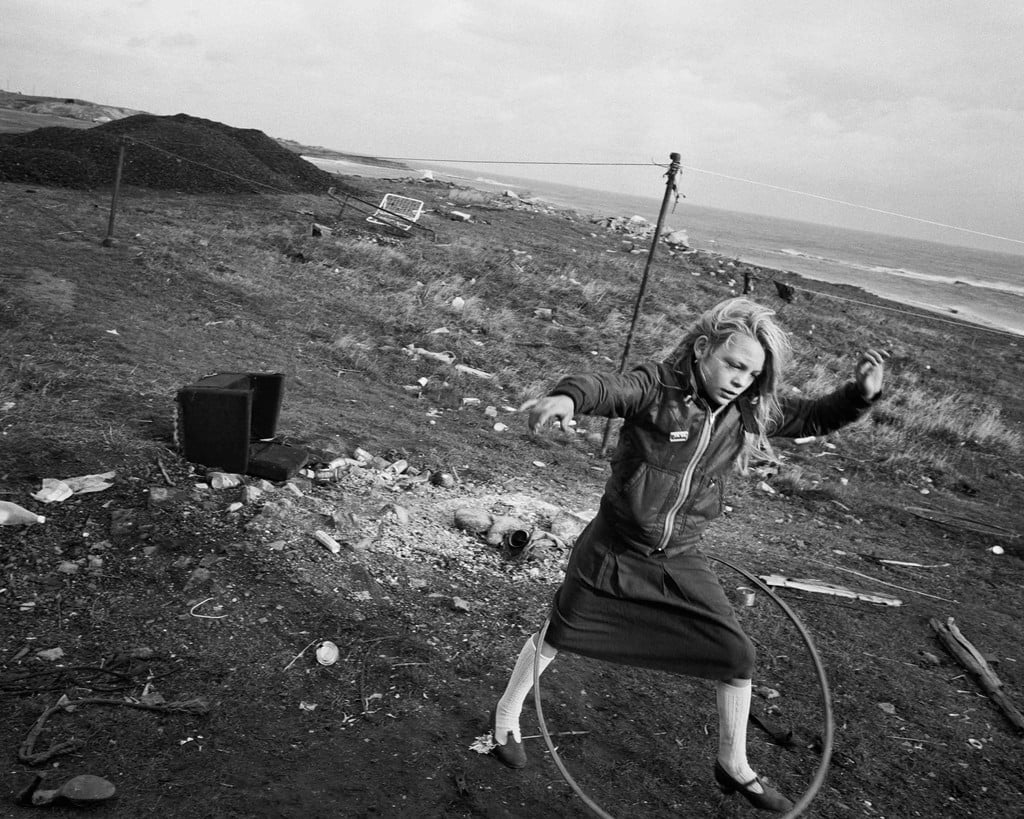
A little girl, a hula hoop, a patch of muddy ground between shacks and rubbish. Taken in Lynemouth in 1984, Helen and her Hula-hoop emerged from the years Killip spent on the beaches north of Newcastle, where entire families lived in makeshift camps collecting coal discarded by the mines and washed ashore by the tides. Fifteen photographs from that series were included in In Flagrante in 1988.
The context is everything: the early 1980s, the economic reforms of the Thatcher government, the historic miners’ strike. While the country debated figures and closures, in Lynemouth there were people living off what the system threw away. Killip stayed long enough that he didn’t have to explain it.
Then there is the image itself, which contains a small paradox. The game, and a face that has nothing playful about it: Helen spins the hoop with an adult seriousness. The overhead framing places her within a landscape from which she seems unable to escape, while the tilted angle throws the space off balance, making it seem to rotate to the rhythm of her hips. And Killip’s proximity does the rest: the title doesn’t say “girl with hula hoop,” it says Helen. A name, a person, a relationship. The opposite of the kind of reportage that passes through and moves on.
That is why the photograph never slips into compassion: no one is shown as defeated, only as present. In a place that seemed like a final stop, the only thing still spinning properly was a hoop.
Not Just Workers: Skinningrove, Isle of Man, and Killip’s Gaze
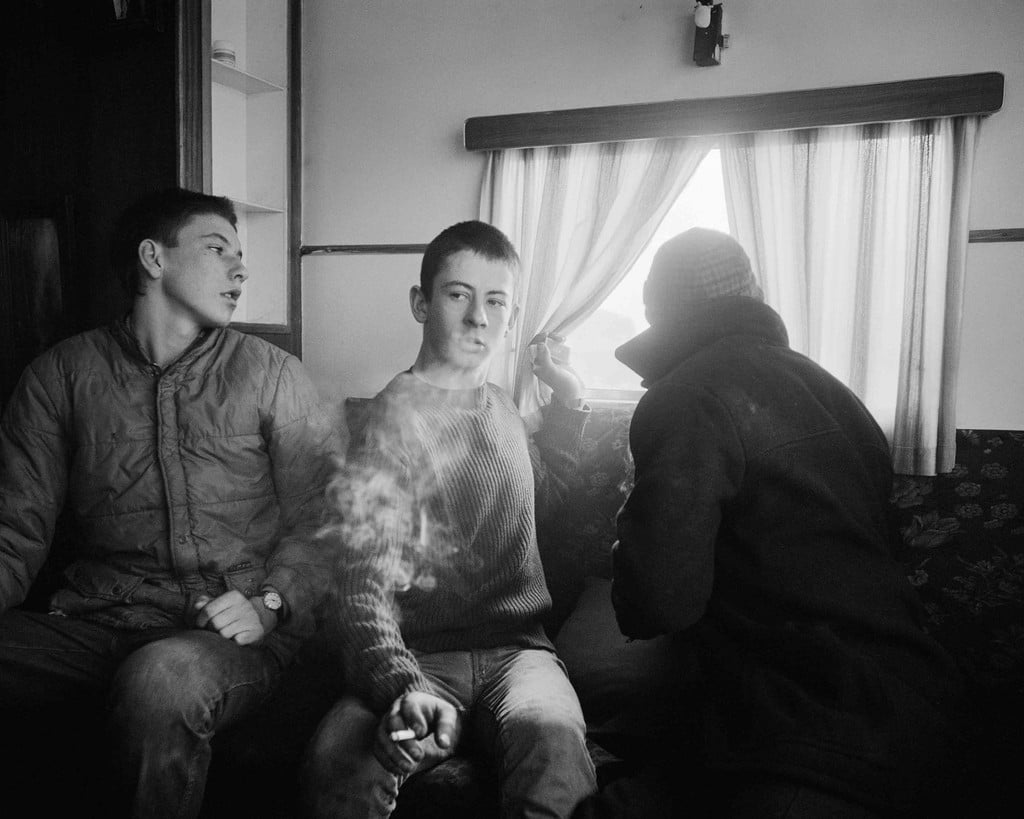
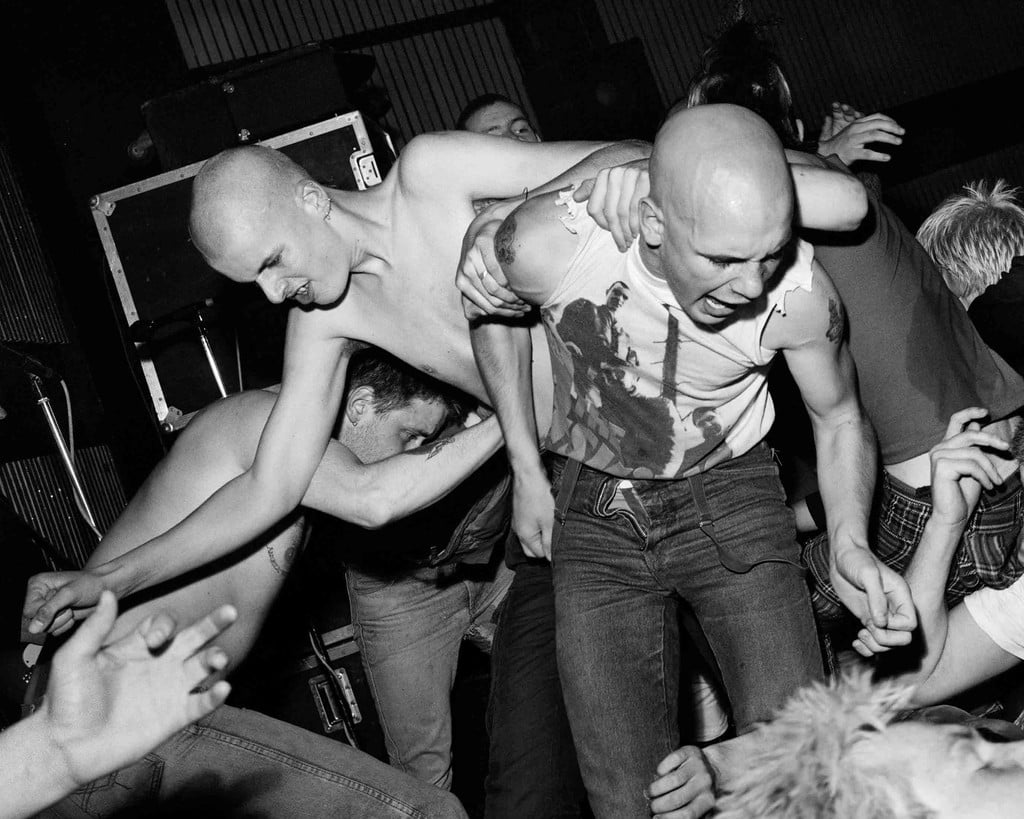
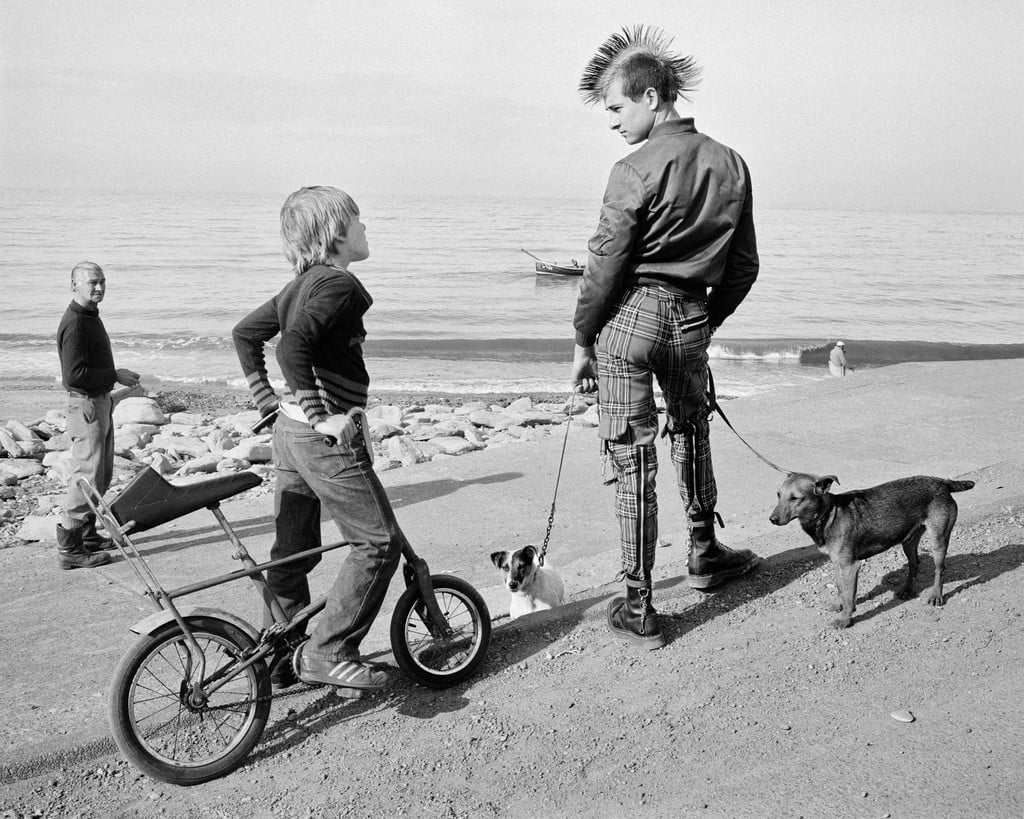
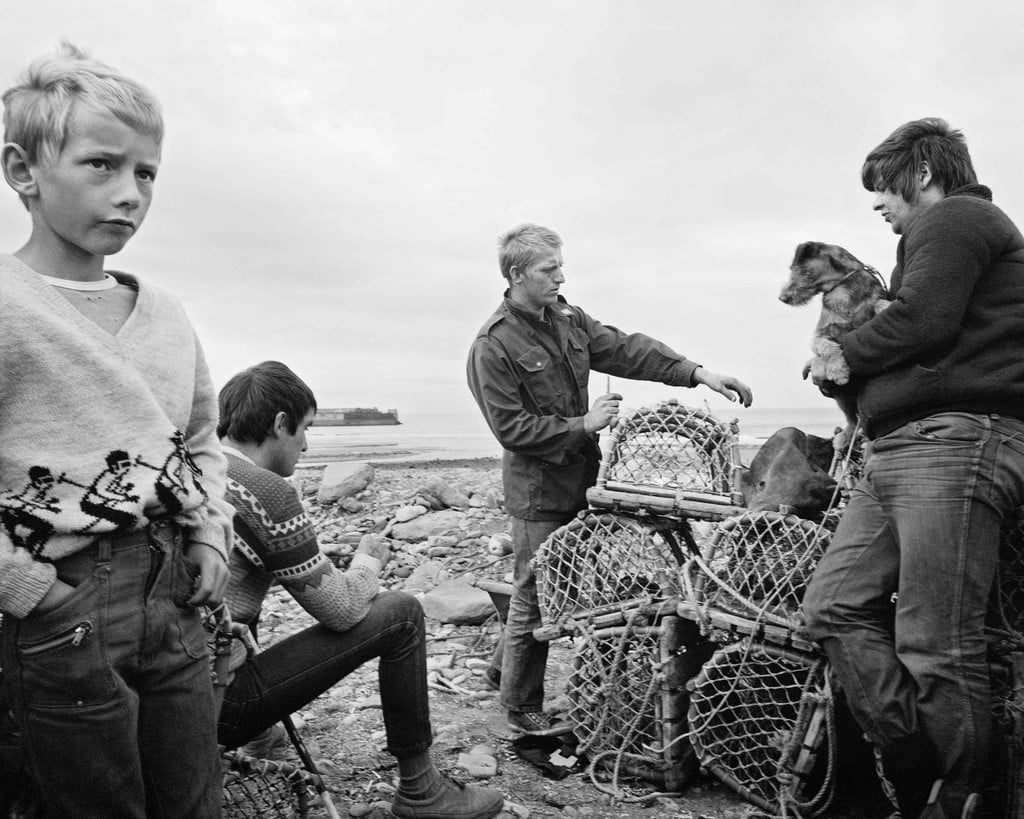
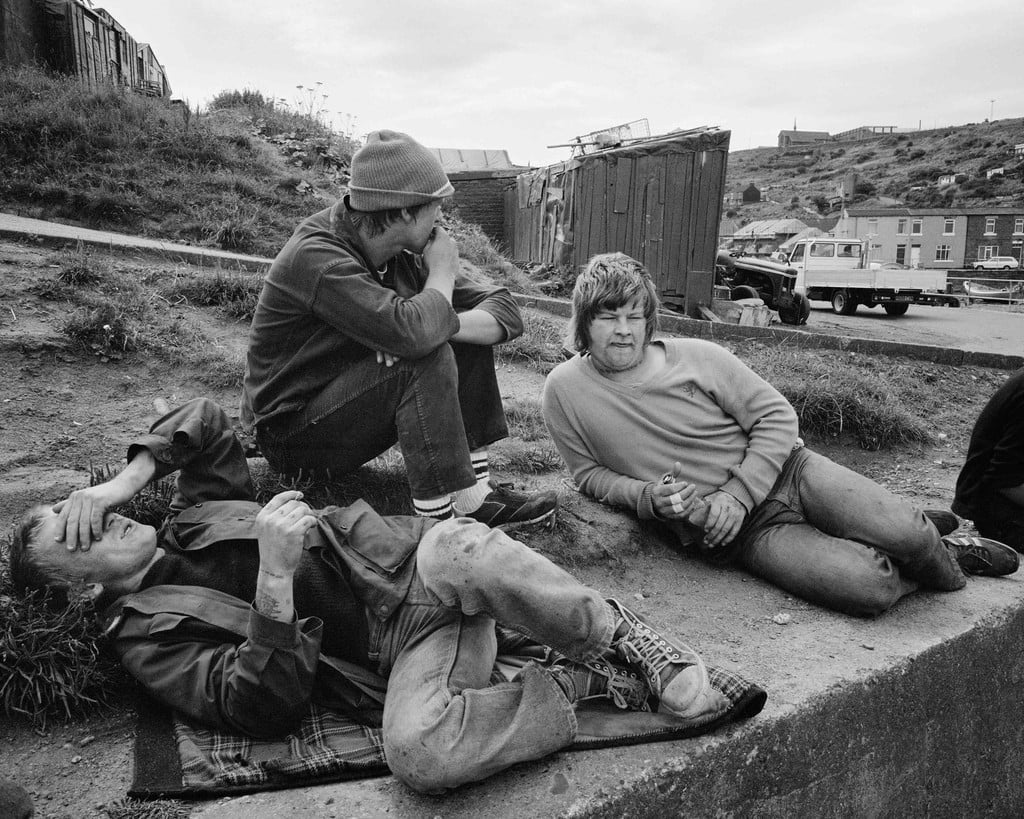
Reducing him to a photographer of workers would be unfair. Within the gravity of his work, there are always children, young people, nights out, and the sharp humor of those who never stopped finding ways to get by. In Skinningrove, a fishing village in Yorkshire, just as on the Isle of Man where he began, Killip photographed work, but above all the people who were losing that work and who, in the meantime, stubbornly carried on with their lives.
The Legacy of Chris Killip, an Archive Against Hurry
Killip left behind a relatively small body of work, and that smallness is its strength. Every photograph required time, trust, and presence. Today, in an age when an image is consumed in three seconds of scrolling, his archive reminds us that another pace is possible: the pace of someone who waits for people to stop performing. He wanted those lives to be remembered. He succeeded to the point that today we remember him, standing before a world he photographed as it was coming to an end and that, precisely for this reason, never quite ended.