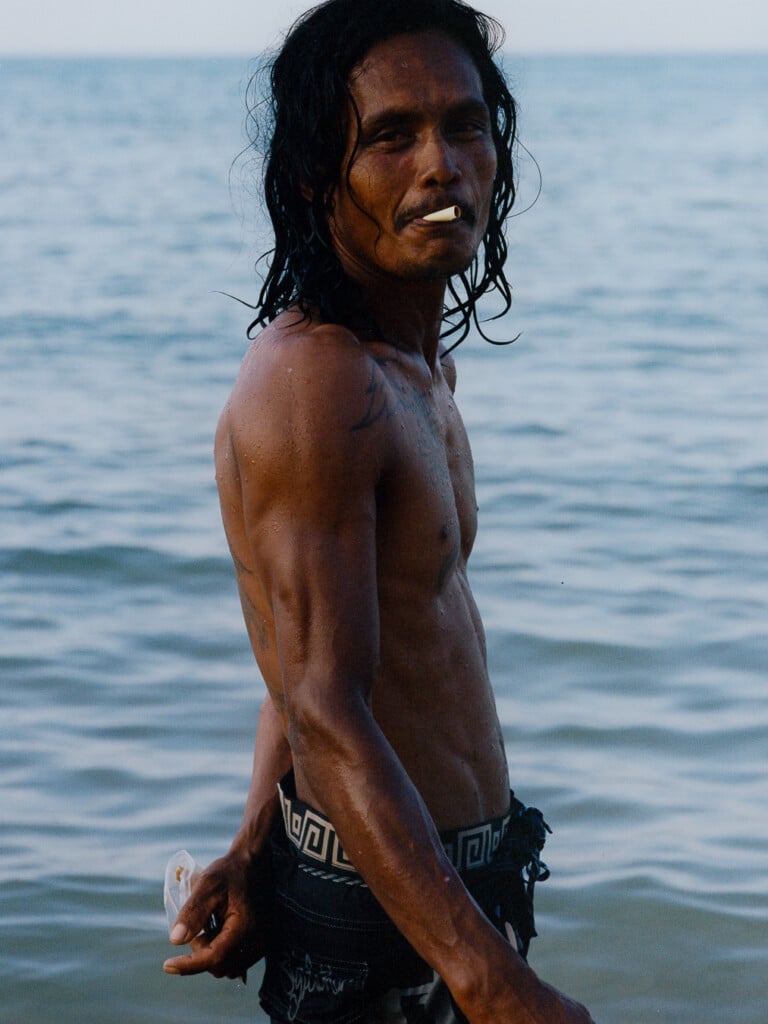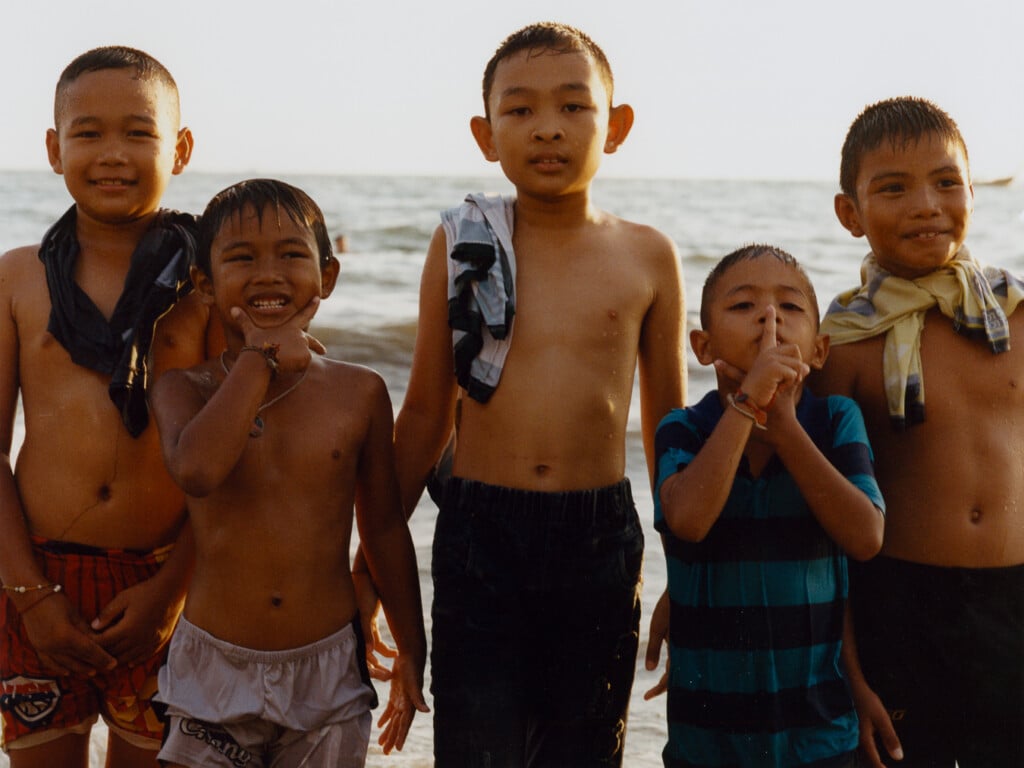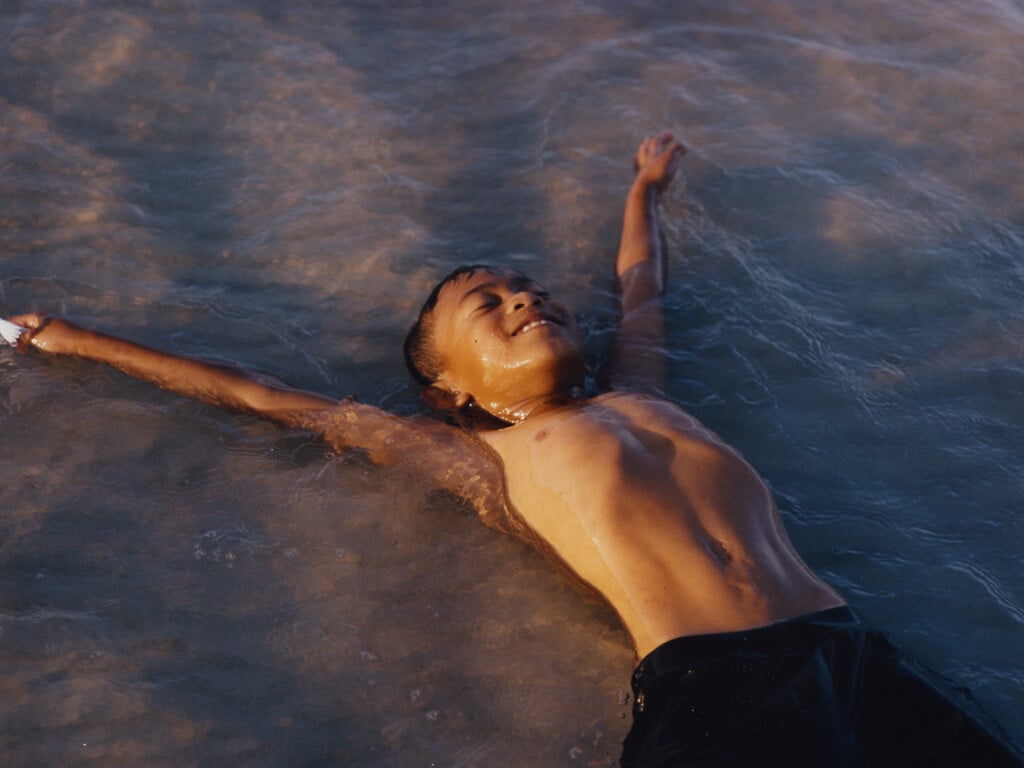
Childhood lasts less than we think, but by the time we notice it is already too late, when it has become an image we watch from afar and that seems simpler than the way we actually lived it. It is in this fragile space, between what we dream and what we manage to live, that While We Can Dream, the project by Thai photographer Teeradon Angkapanompai, finds its place.
Born in Thailand and now based in London, where he works as a photographer and director, Angkapanompai built the series by returning home several times, to the rural areas of the country. The title is already a statement. That “while we can” points to a window that closes quickly, the moment when the honesty and imagination of children begin to give way to the pressures of adult life.
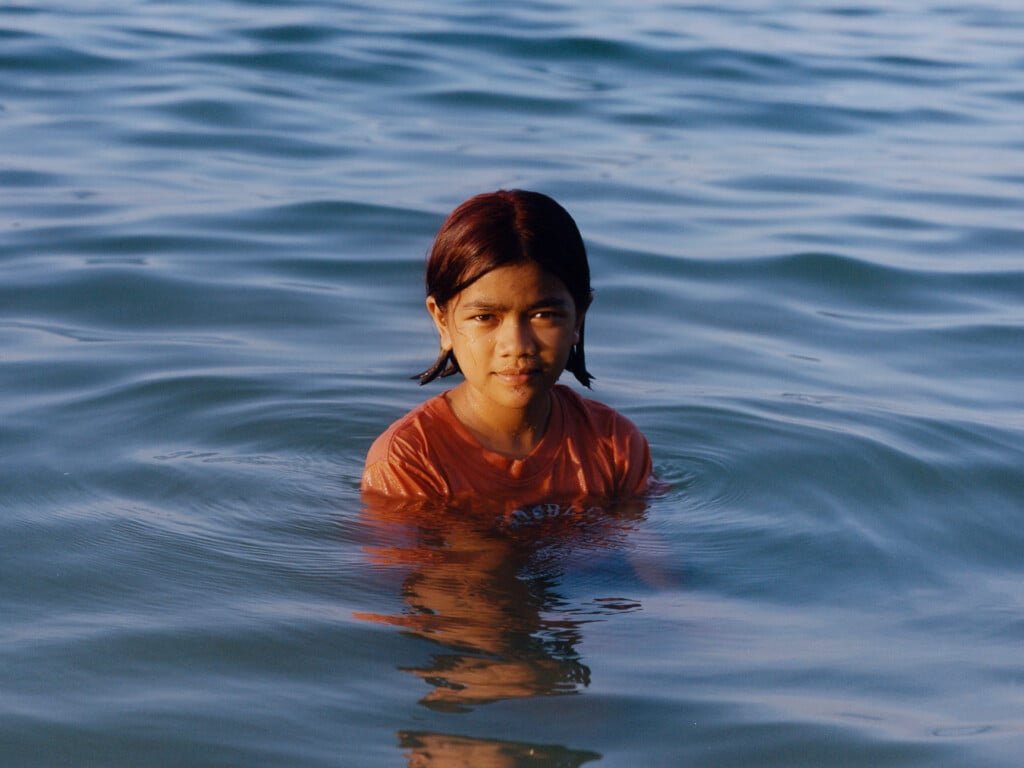
Isan, where paths narrow early
As in many countries, in Thailand too the distance between the countryside and the capital is enormous. Teeradon Angkapanompai grew up in Isan, a remote region in the northeast where adequate school facilities are lacking and where, year after year, the ambitions of his peers have shrunk. The transition to adulthood, writes Till Stock in the text introducing the project, was shaped more by structural constraints than by personal desires.
Stock also points to an absence. Media and institutions tend to ignore the gap between the imagination of childhood and the economic reality of the country’s northeast, because they perceive it as something unchangeable. Angkapanompai’s photographs challenge this very idea. They show us the joy that lives within youth and force us to recognize it as something worth safeguarding.
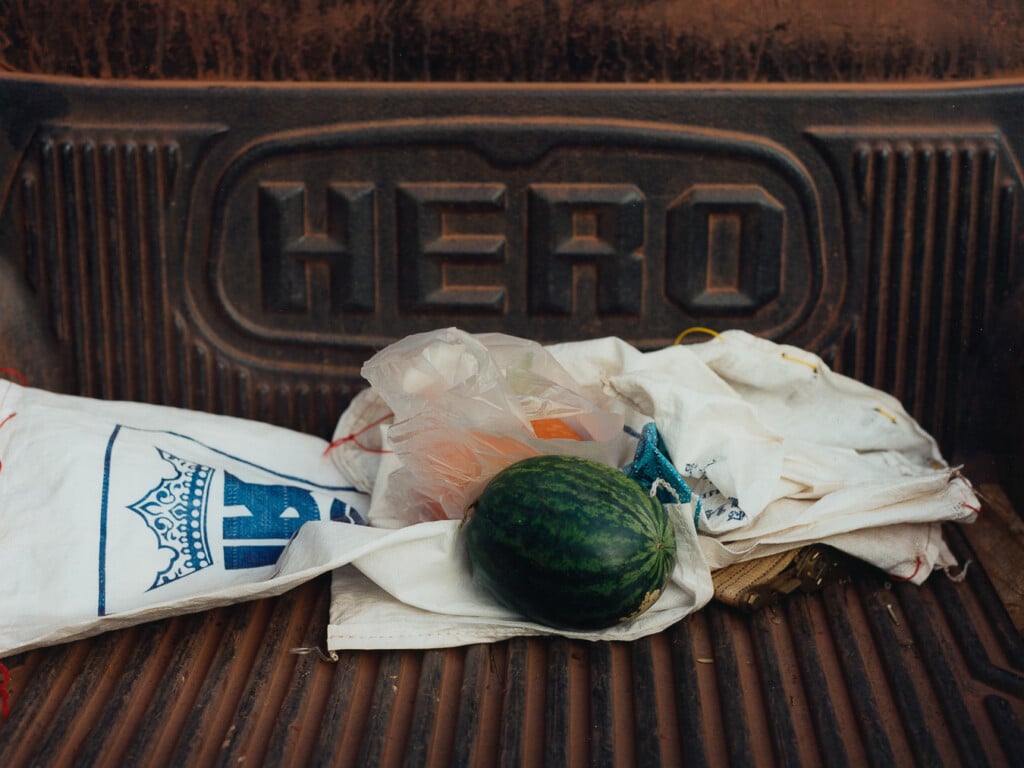
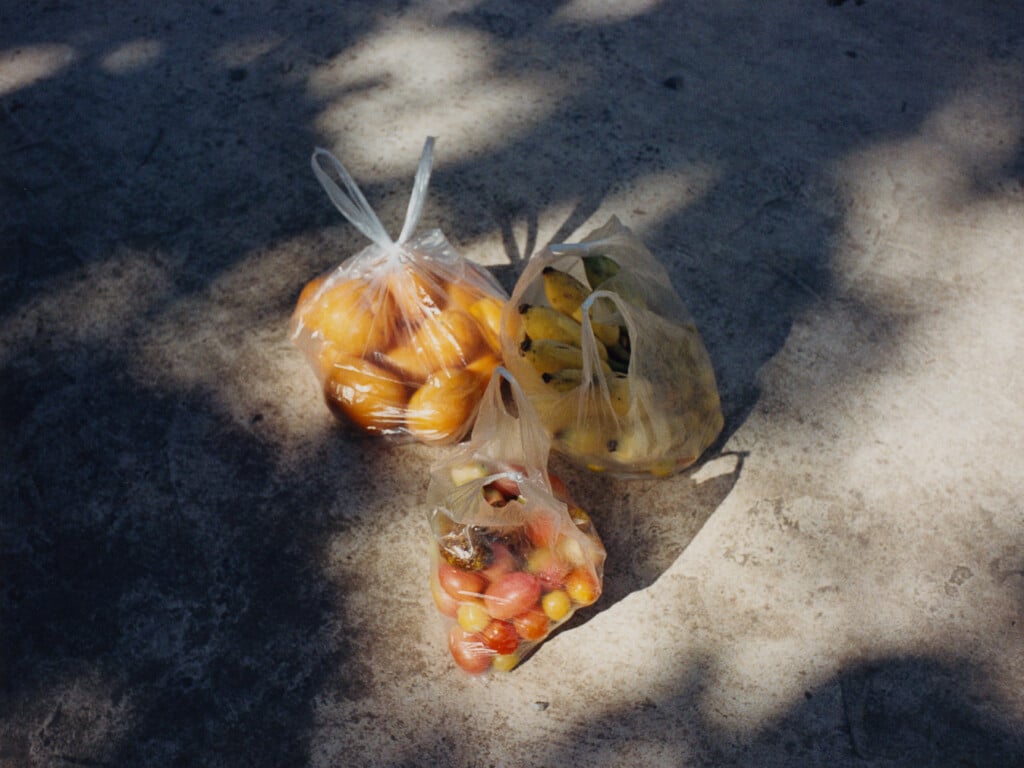
A house, an abandoned track
In Stock’s account, Teeradon’s home coincides with his grandmother’s house. Not far away lies a disused racing track, which for the local children became a place of freedom and equality. Whether their parents were farmers, fishermen or wealthy entrepreneurs hardly mattered. There they were children above all, and every day they imagined endless possibilities.
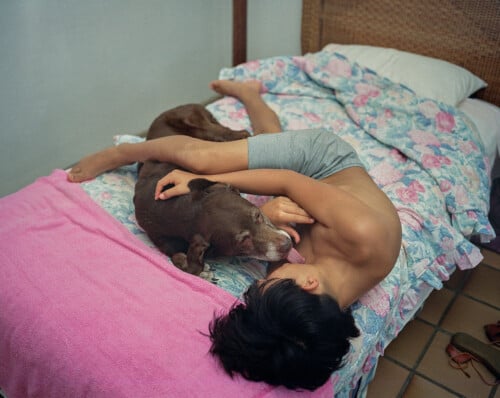
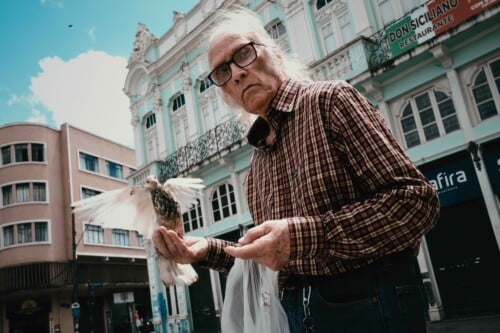
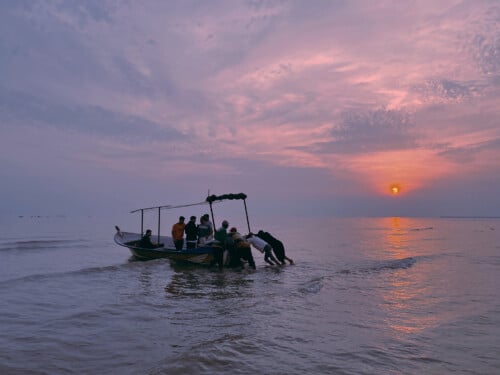
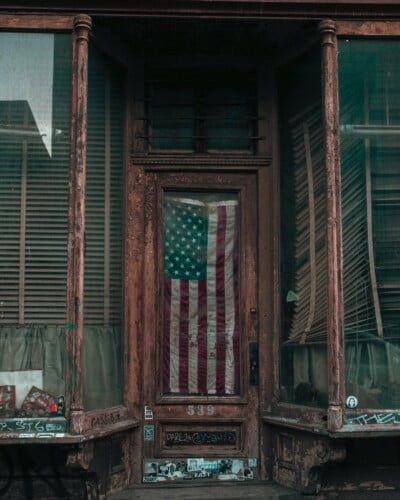
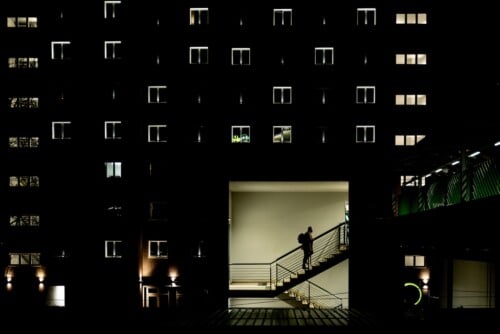
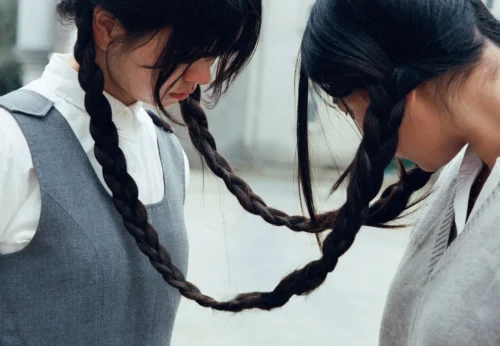
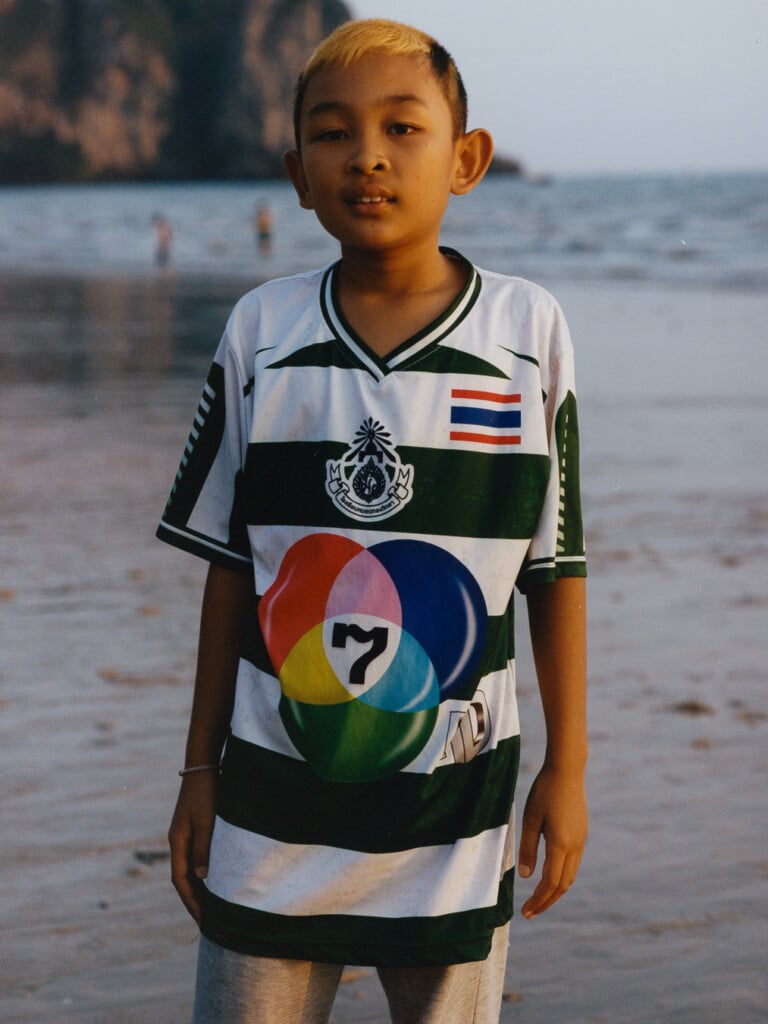
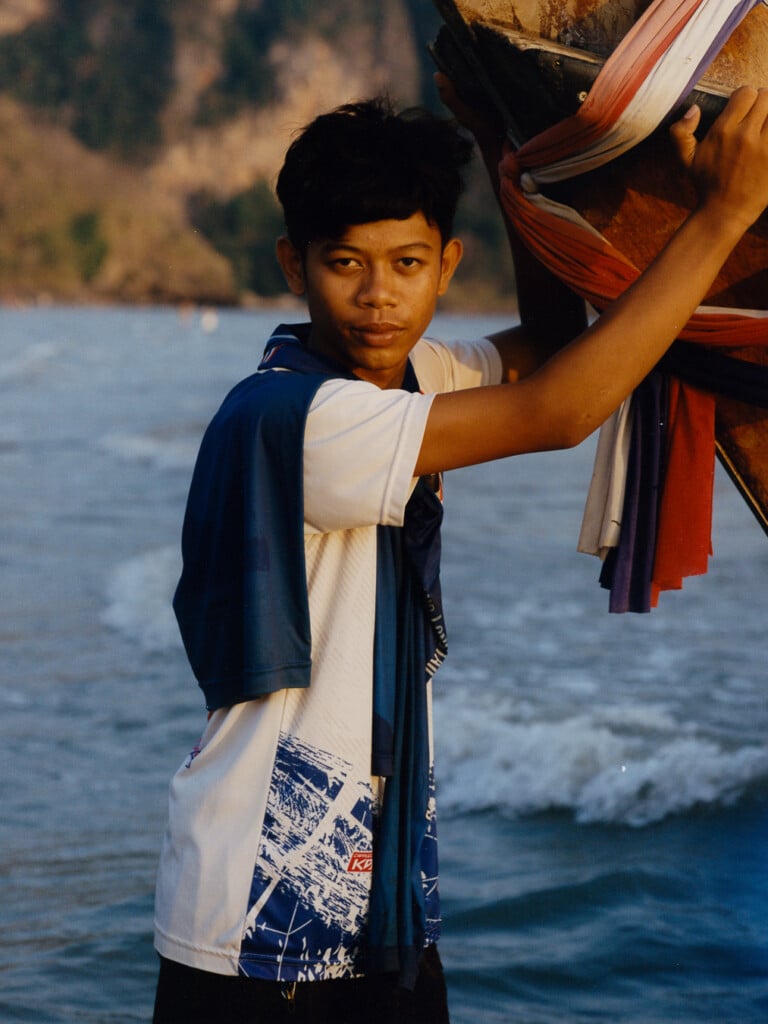
The images in the series grow out of this emotional ground. They speak of Thai children, of what unites them and what sets them apart, but they do so without the tone of someone observing from above.
A childhood that perhaps never was
This is the most delicate point of the project. Angkapanompai has said that for a long time he believed he never had a real childhood, crushed by family conflicts, responsibilities that arrived too early and hours of football training with the dream of turning professional. Ironically, that time of imagination which his photos place at the center is exactly the one he felt he had lost.
While We Can Dream thus also becomes an adult’s attempt to relive emotions that belong to being a child in one’s own land. The photographer himself admits he did not fully grasp this meaning while shooting. The series takes on a double position, that of someone who is close and distant at the same time. There is a sense of belonging to the country and its people, and there is an awareness of looking at the lives of others through one’s own prejudices and history. For this reason the work avoids easy nostalgia and the temptation to impose itself on its subjects, and chooses intimacy and vulnerability instead.
What emerges are portraits of lives shaped by circumstance and by the everyday reality of rural Thailand. One of these lives is the artist’s own, grappling with a period he thought for years he had never truly had.