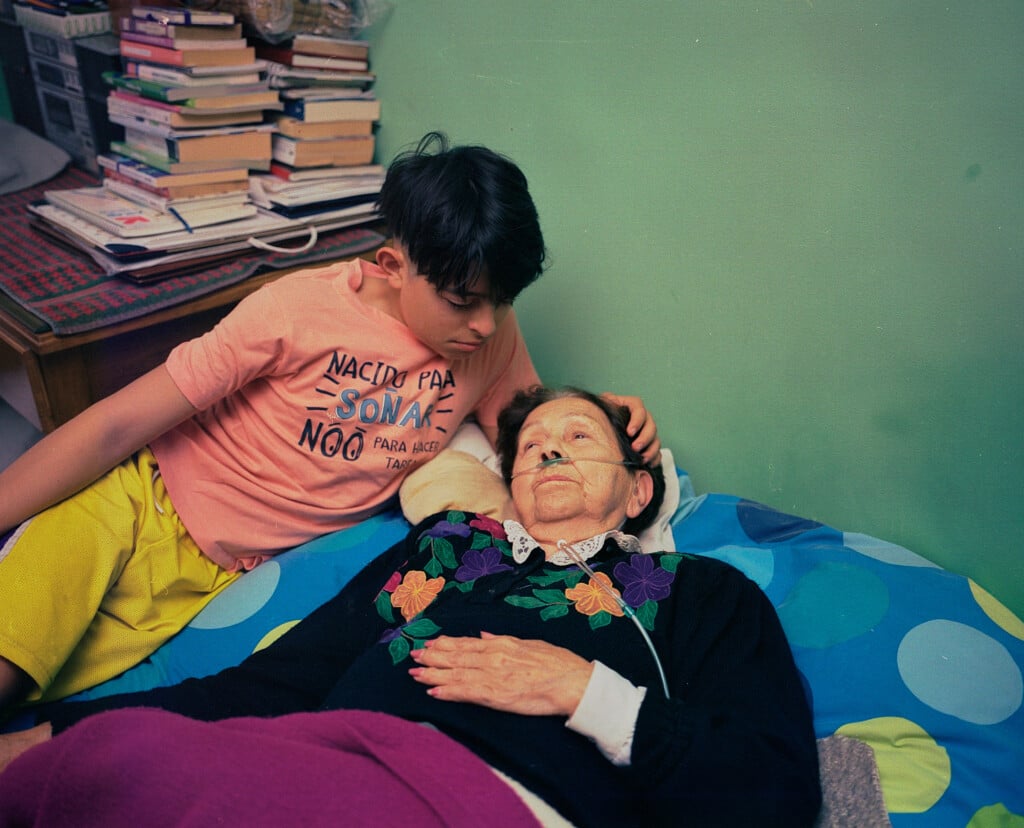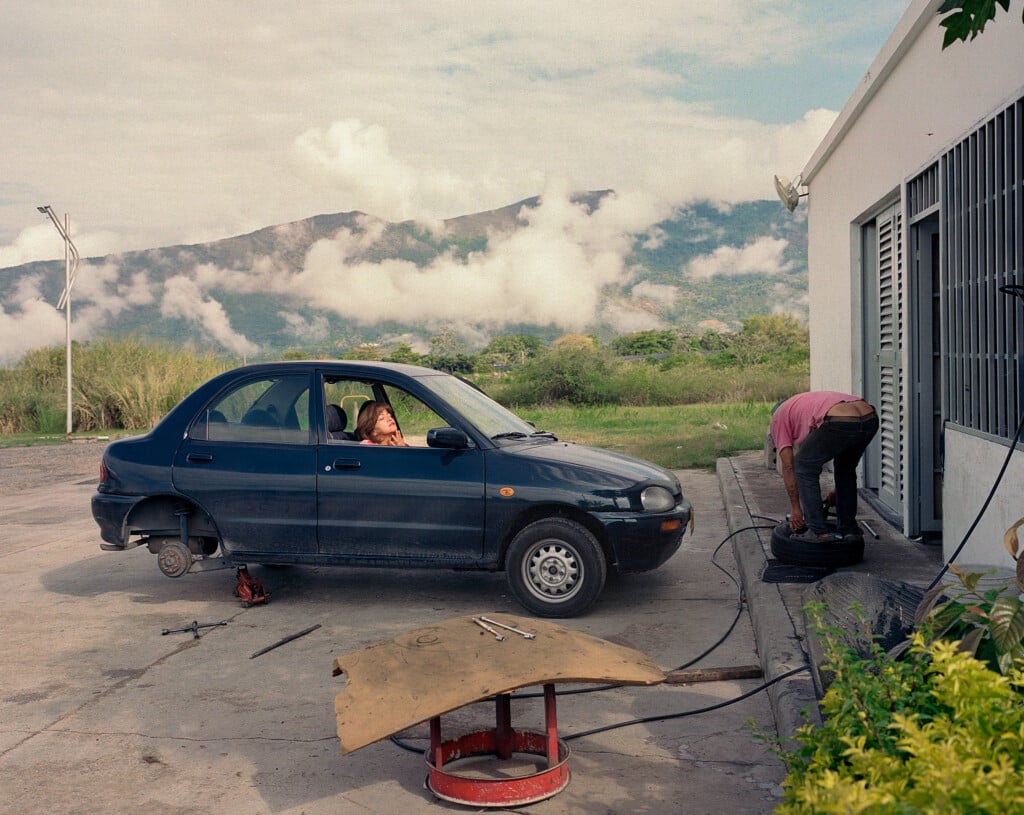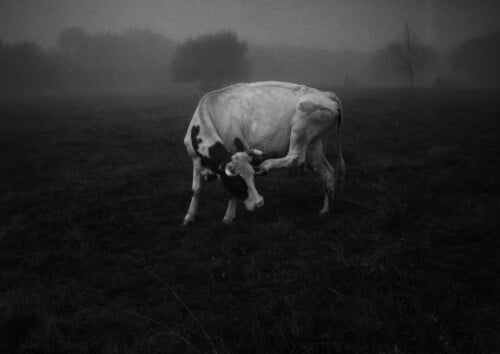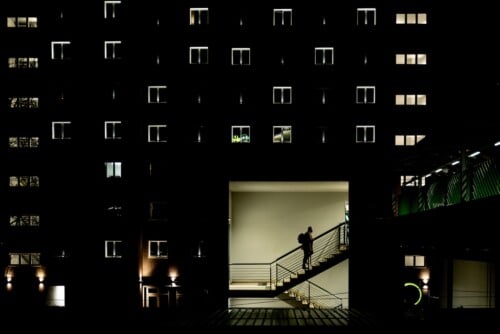
To photograph someone is, in some way, to build a place where you can find them again. It is from this intimate idea that Amor Eterno (2025) is born, the series by Colombian photographer Andres Ríos Fierro, based in Bogotá.
Here the camera isn’t used to look for strangers, faces to tell stories about or distant situations. On the contrary, Ríos Fierro points the lens at those closest to him: family, friends, people with whom he shares a history. The images thus become a kind of personal archive, built in the present to be traversed again in the future.
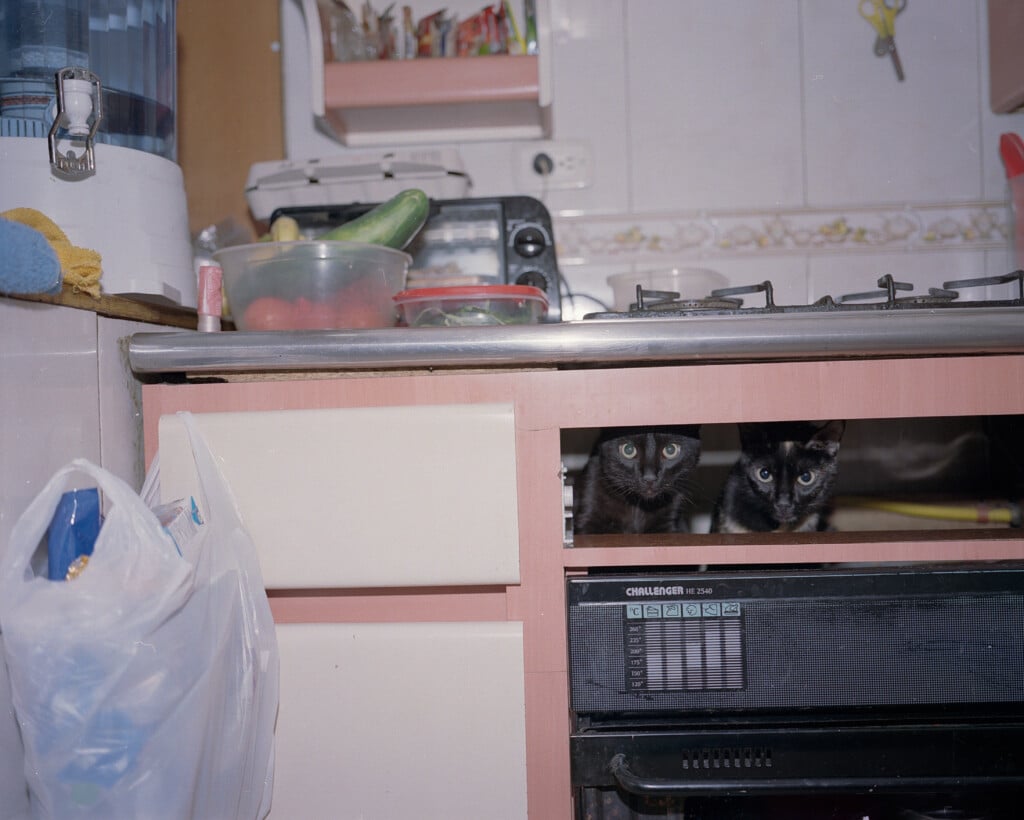
In Amor Eterno there is none of the distance typical of someone observing from the outside. Andres Ríos Fierro photographs people he knows, and this inevitably changes the way the subjects stand in front of the camera.
There are moments of closeness, everyday gestures, pauses and more fragile situations. The photography doesn’t seem to want to turn them into something bigger than what they are. It lets them exist, with a naturalness that makes each image particularly personal. The photographer has explained that he makes these photographs mainly for himself: one day, when he is older, they may become something to return to. Not just memories, then, but images capable of reactivating a relationship with a time that no longer exists.
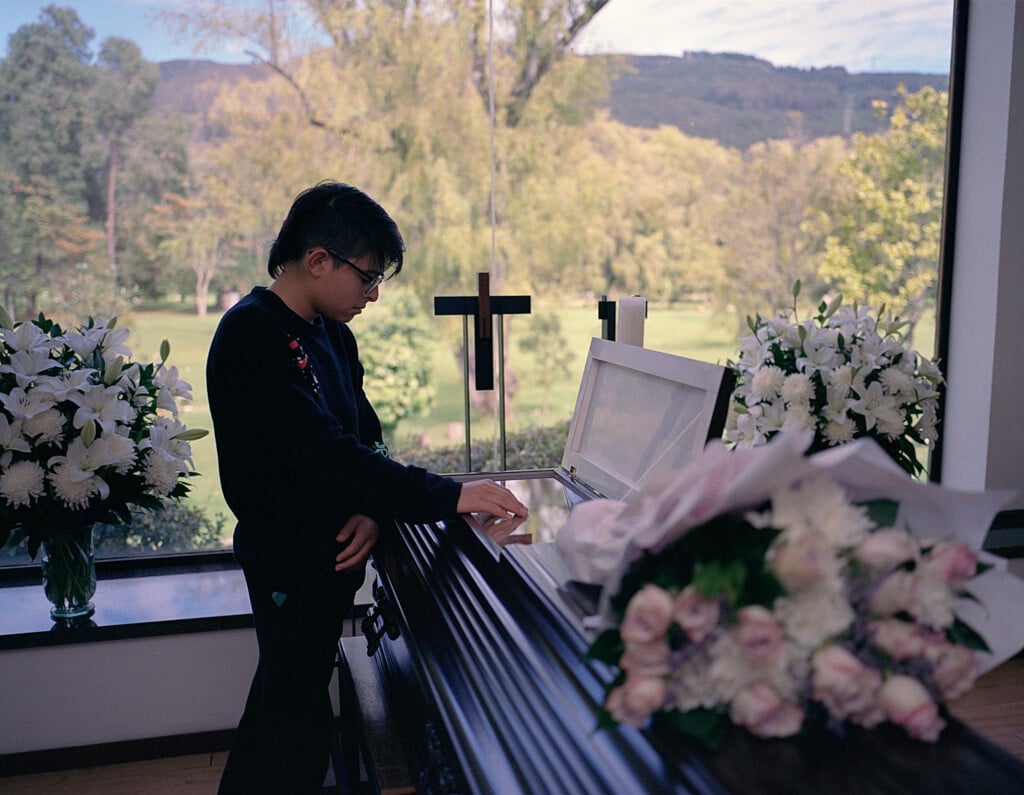
These images are born as a way of preserving something, and the closeness between photographer and subjects makes even the most difficult moments impossible to separate completely from the person behind the lens. In one of his reflections on the series, Ríos Fierro says that when someone cries in front of his camera, he is often crying too.

It is a sentence that says a lot about the project without needing to explain each photograph. In Amor Eterno, in fact, intimacy is not built through studied poses or an aesthetic pursuit of vulnerability. It comes from the relationship itself. The photographer doesn’t simply observe an emotion: he is involved in it.
For this reason, loss too runs through the series without becoming a declared theme. It is present in the awareness that the people, places and relationships photographed won’t necessarily stay the same. To photograph then also means accepting that every image may become, sooner or later, a trace of something that has changed.
The title Amor Eterno might seem like a promise, but the photographs suggest something more concrete. Eternity doesn’t necessarily belong to people or moments: it can belong to the images that preserve them. Ríos Fierro thus builds a sentimental archive made of real people and shared moments. He doesn’t try to stop time, because he knows it isn’t possible. Rather, he tries to leave a point to return to. And it is precisely here that the series finds its strength, because photographing those we love doesn’t just mean remembering them, but creating a form for the moment when we will need to.