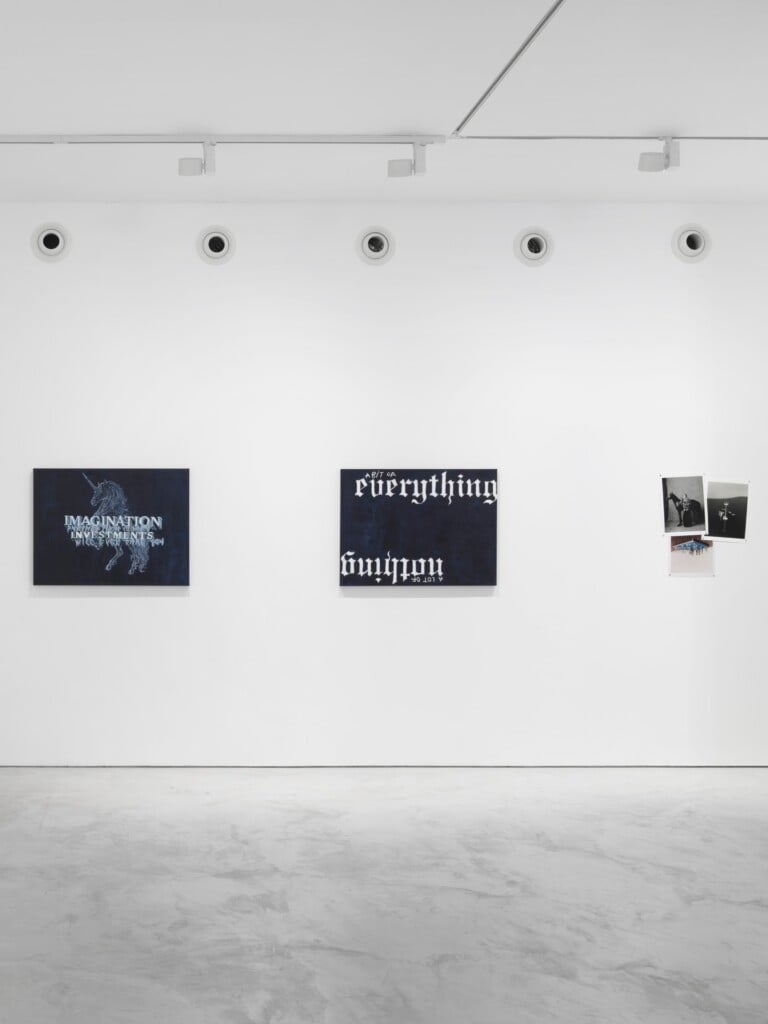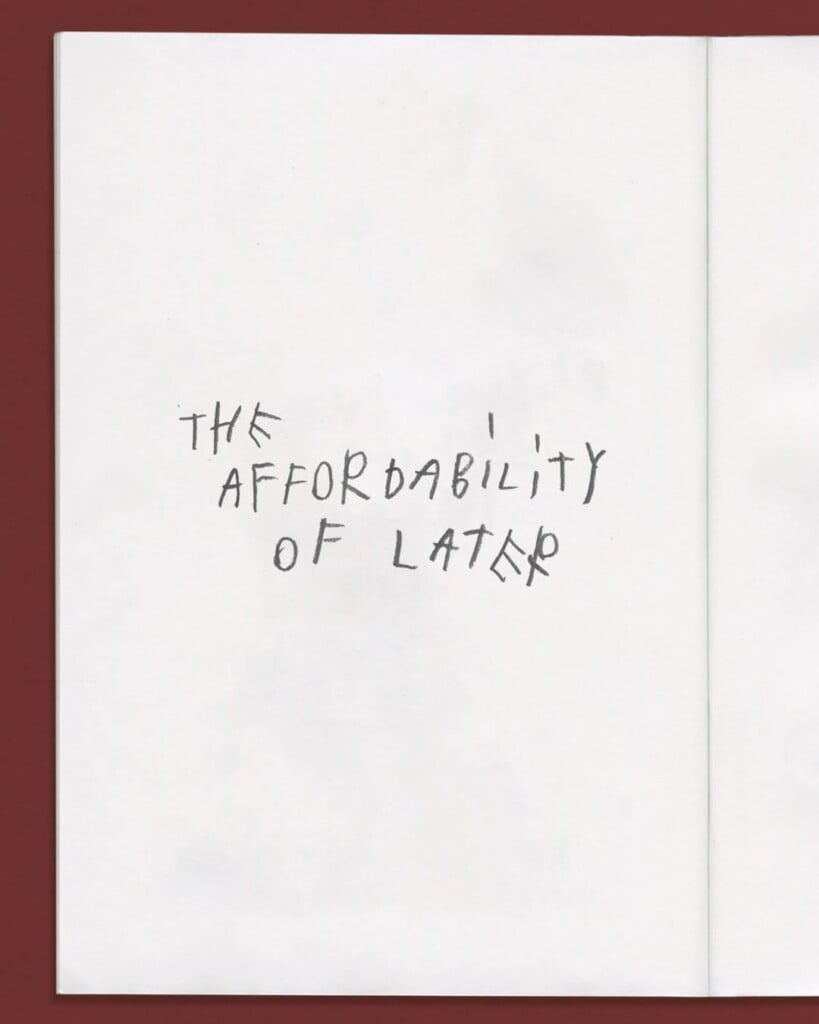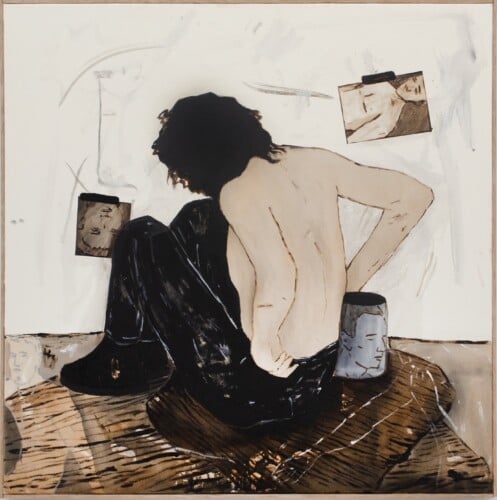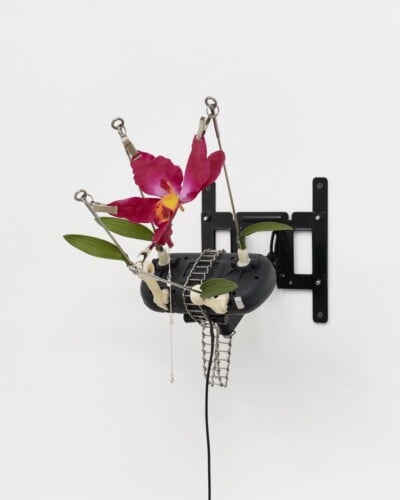
In the work of Coco Capitán there has always been room for ambiguity. Not the kind that is carefully constructed, but the kind that comes from instinctive, seemingly naive writing—able to hold contradictions, half-thoughts, little truths, and big banalities all at once. Coco — born in 1992, originally from Seville and now based in London — moves between photography, painting, installations, and handwritten texts that feel more like intimate confessions than slogans. Her words seem to flow from a stream-of-consciousness adolescence, yet they subtly break down the structures of visual and commercial language.
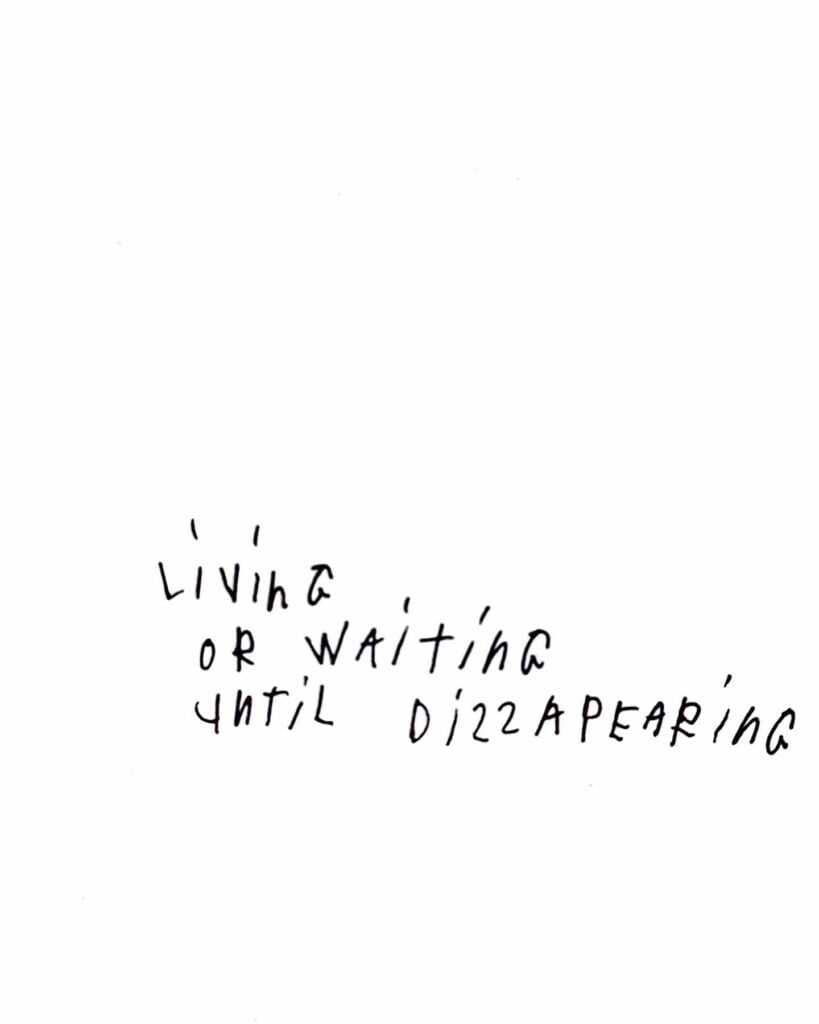
Her approach is that of an artist who rejects labels: too spontaneous to be “conceptual,” too irreverent to be “serious,” too free to fit within the codes of contemporary art—or those of the fashion system, even though she has successfully crossed through it. Her collaboration with Gucci, as well as with brands like Cartier and Umbro, has expanded her universe, but still gives the impression of a personal diary left open by accident.
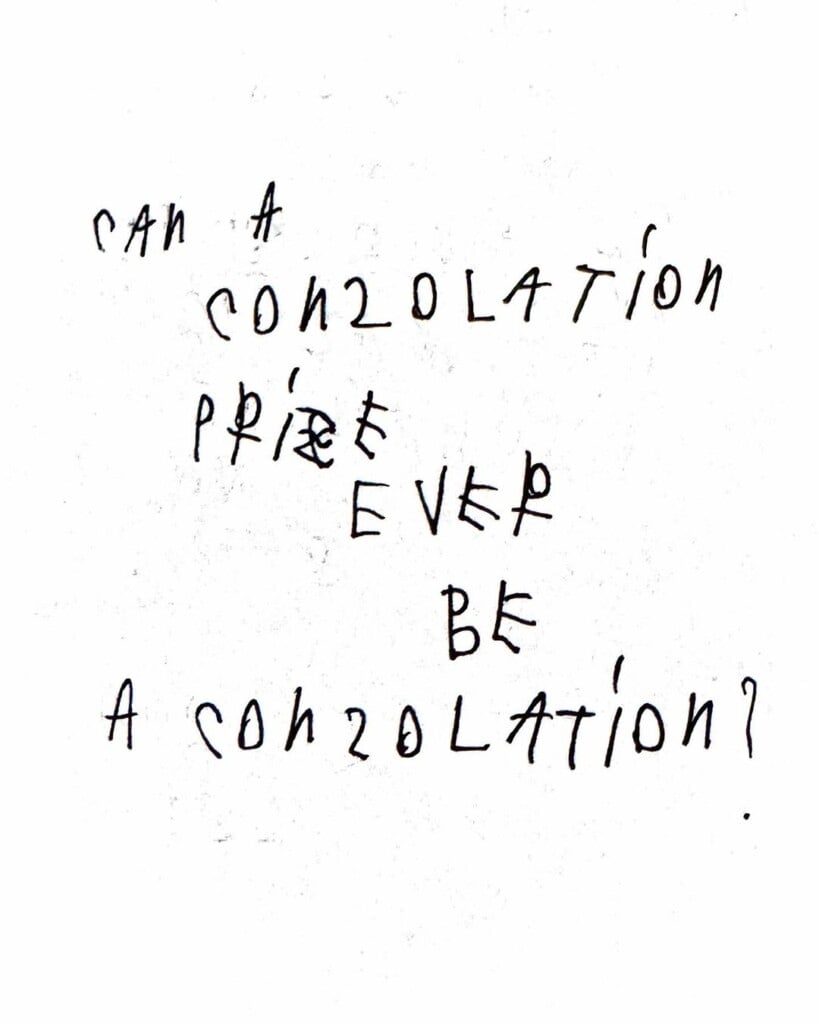
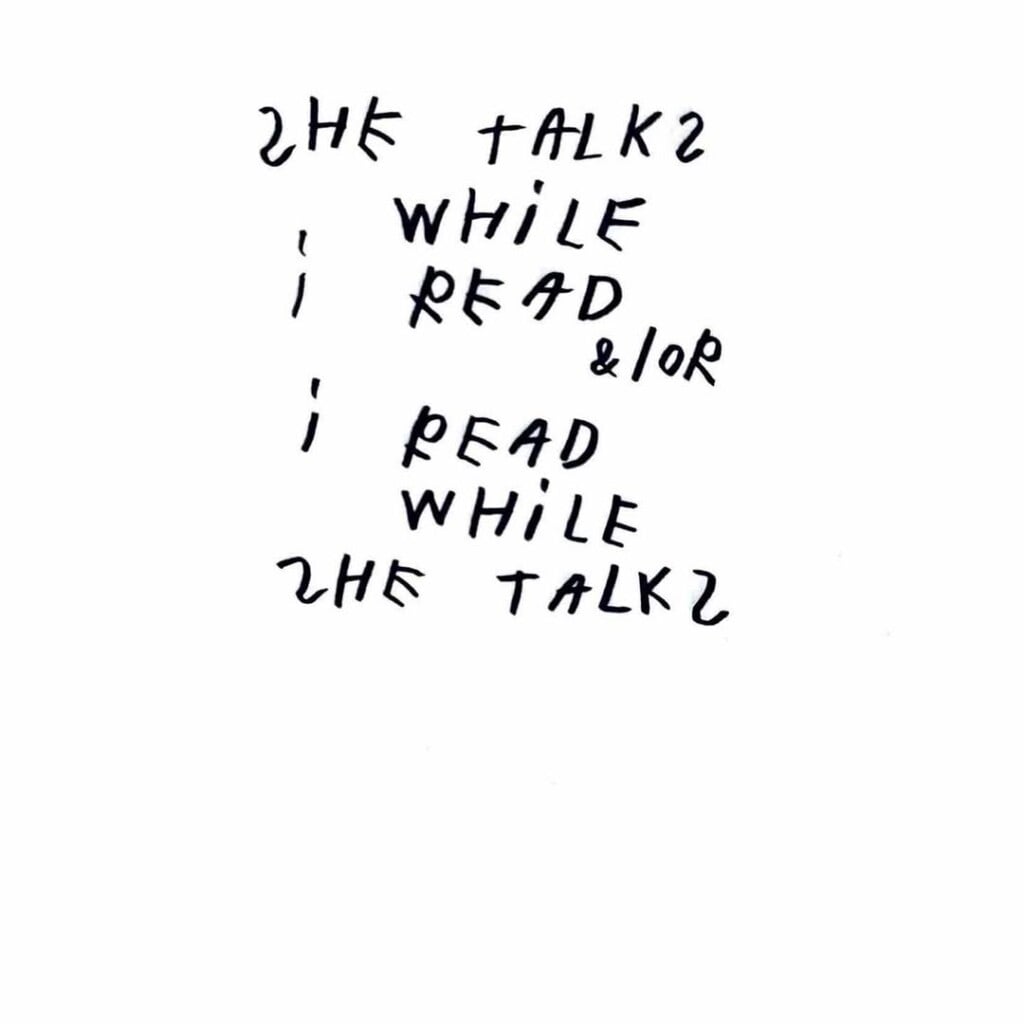
In her photographic work—often shot on film—the aesthetic is raw but never cynical. Her subjects seem caught in a moment of distraction, as if they’d forgotten the camera was there. Everything carries a sense of vulnerability, but also a subtle, never-explicit irony. Coco observes the world with the eyes of someone who knows that nothing truly makes sense, yet keeps searching for meaning anyway.
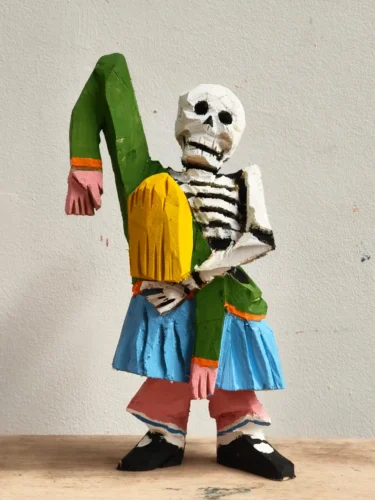
Capitana, her latest project, is a natural extension of this gaze. It’s not exactly a brand, but rather a container for objects, clothes, thoughts, and small daily gestures transformed into visual poetry. Decorated plates, T-shirts with improbable texts, limited editions designed more to be looked at than used. Here too, uselessness becomes value. It’s an invitation to desire things that serve no purpose, to find absurdity in the ordinary, to laugh at everything—even at oneself.
Coco Capitán
In an artistic landscape that’s often too self-important or self-congratulatory, Coco Capitán manages to sustain a language that is personal, fragile, and disarming. And maybe it’s precisely this imperfect sincerity that makes her so necessary.