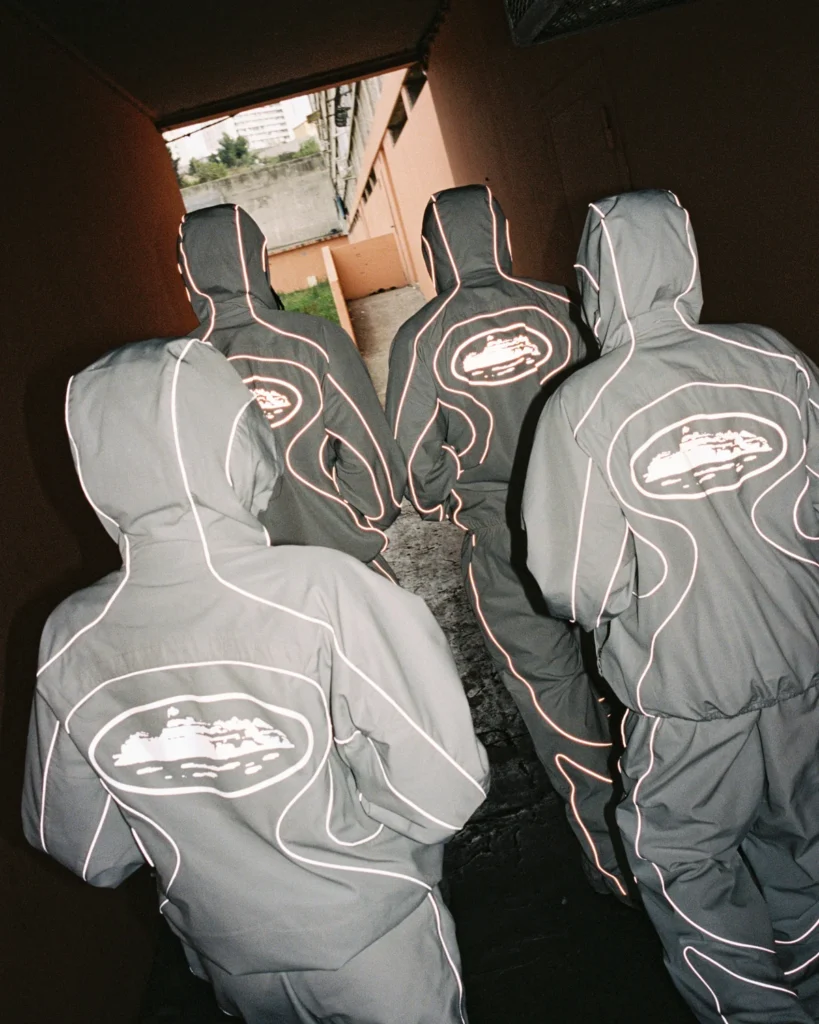
To get onto the official website of Corteiz, for years, typing in the address wasn’t enough: you had to know a password, shared only on the brand’s social channels and valid for a few hours, or know in advance where and when a van or a physical stall would pop up somewhere on a street in London. Whoever arrived late was left out. It’s a detail that says more than any brand manifesto: Corteiz doesn’t just sell clothing, it sells the experience of having been let in on something most people won’t get. In an industry, British streetwear, dominated for a decade by hype logics imported from the United States, Corteiz built something more radical: a system in which scarcity isn’t a side effect of demand, but the very infrastructure of the product itself.
Corteiz, in full Corteiz Rules The World, was founded in 2017 by Clint Ogbenna, better known by the alias Clint419, a British entrepreneur of Nigerian descent who grew up in North West London. The brand’s origin story, as told by its own founder, has the anecdotal flavour of cult legends: before launching Corteiz, Clint had already tried his hand at streetwear with a label called Cade, which folded within a year. The starting capital for the new venture came from a decidedly unorthodox move by fashion-industry standards: reselling a pair of Air Jordan 1 sneakers from Virgil Abloh‘s Off-White “The Ten” collaboration, with the proceeds invested in cryptocurrency and then, a few weeks later, reinvested in the first product samples and a plane ticket to Los Angeles, where the brand’s first lookbook was shot. The earliest collections, T-shirts and hoodies screen-printed with the logo depicting the silhouette of the Alcatraz prison island, were produced and shipped literally from home.

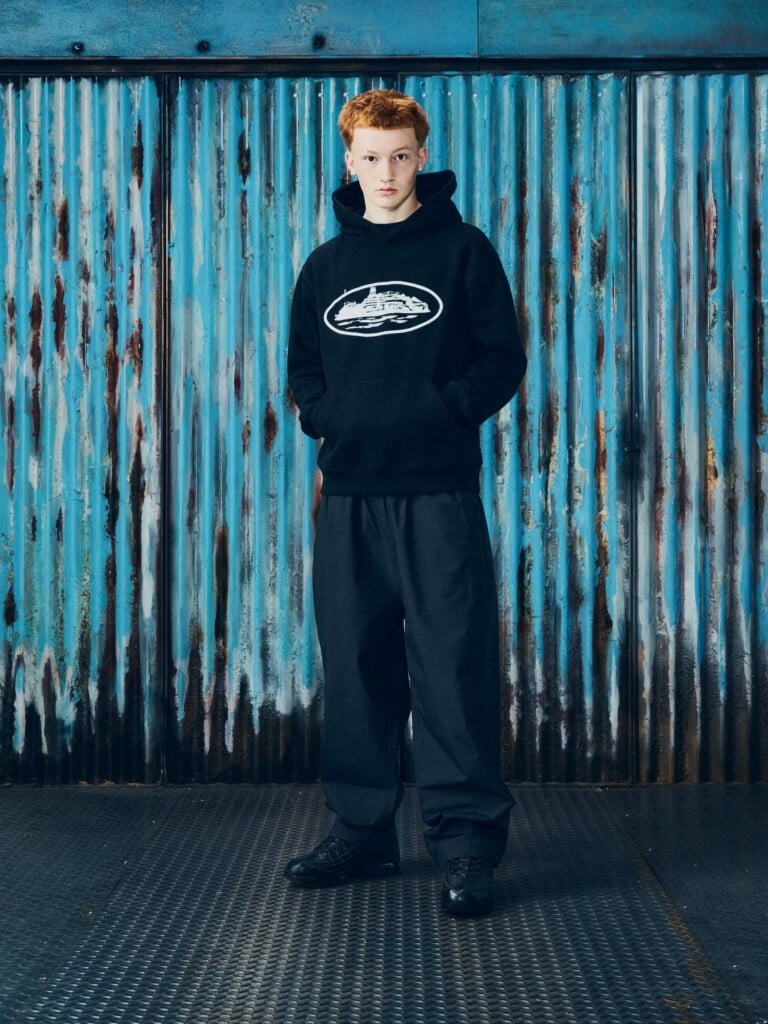
The leap in scale came during the pandemic: while the rest of the industry slowed down, the Alcatraz logo, an openly declared symbol of escape and rebellion against convention, began popping up all over the streets of London, helped along by endorsements from figures on the British music scene such as rapper Central Cee. According to figures cited by the New York Times and picked up by trade outlets like Complex, Corteiz’s revenue reportedly reached 58 million dollars in 2024, a result achieved without outside investors, without wholesale (meaning it never sold to multi-brand retailers), and with a deliberately small team. In 2023 Clint419 was included in British trade weekly Drapers‘s “30 Under 30” list, and in 2024 he was named to the prestigious BoF 500, the annual ranking of the most influential people in the global fashion industry compiled by the Business of Fashion.
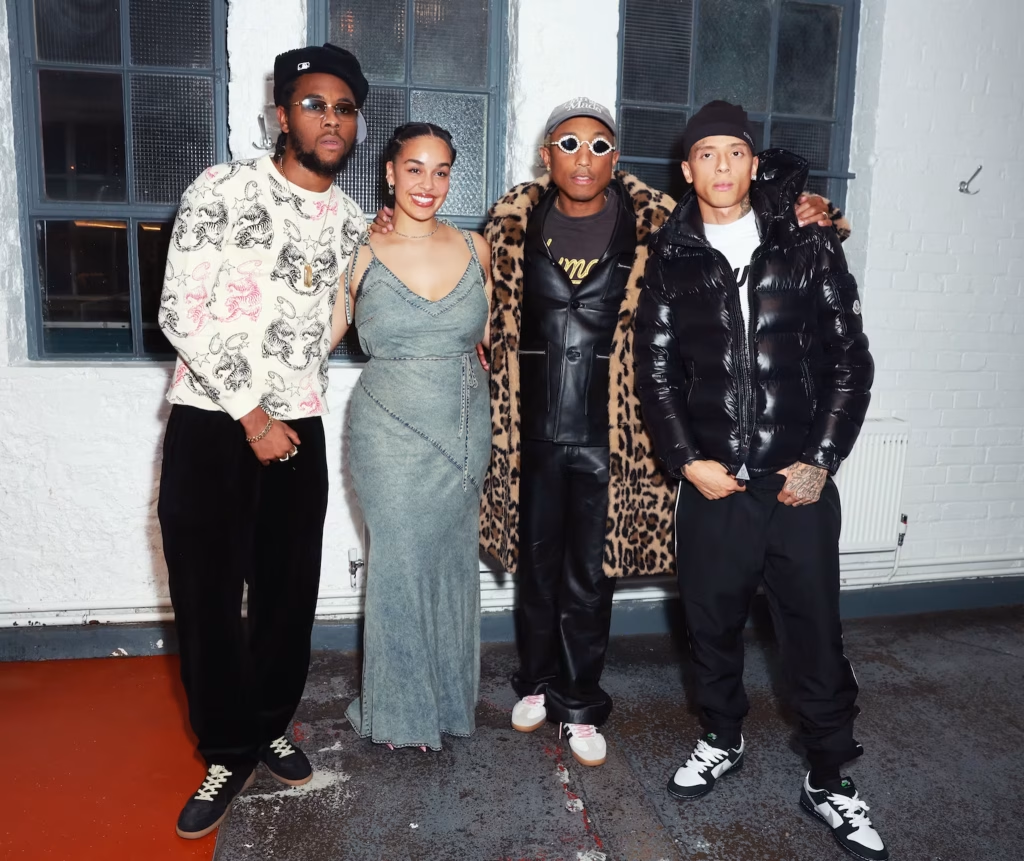
What truly sets Corteiz apart from any other contemporary streetwear brand is the way its pieces reach the market. Corteiz doesn’t advertise in the traditional sense, instead it stages events, often bordering on provocation, that turn themselves into free press coverage.
The most famous episode remains the so-called “Da Great Bolo Exchange,” staged in a West London car park in January 2023, in which hundreds of people showed up willing to trade in puffer jackets from expensive brands, such as The North Face, Moncler, Supreme and Canada Goose, for Corteiz’s new puffer, fittingly named “Bolo.” The garments collected in the swap, with an estimated total value of around 16 to 20 thousand pounds, were then donated to charity. The same logic sits behind the sale of cargo trousers for 99 pence, an event that drew over two thousand people to Shepherd’s Bush, or the 2024 jeans drop in Brooklyn, replicated with the same dynamics of urban siege.
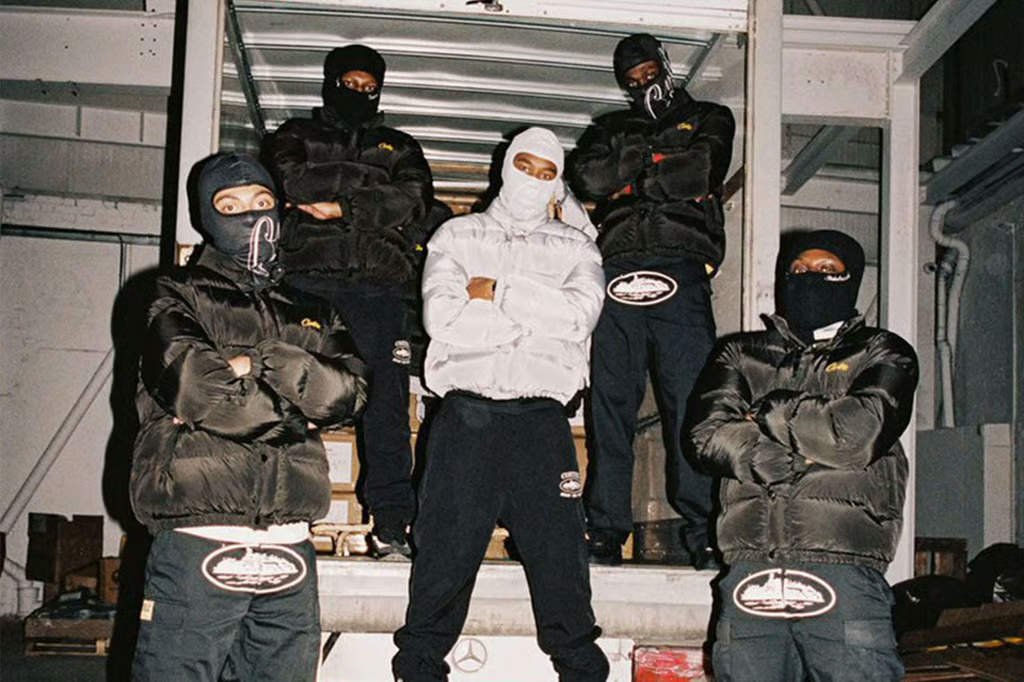
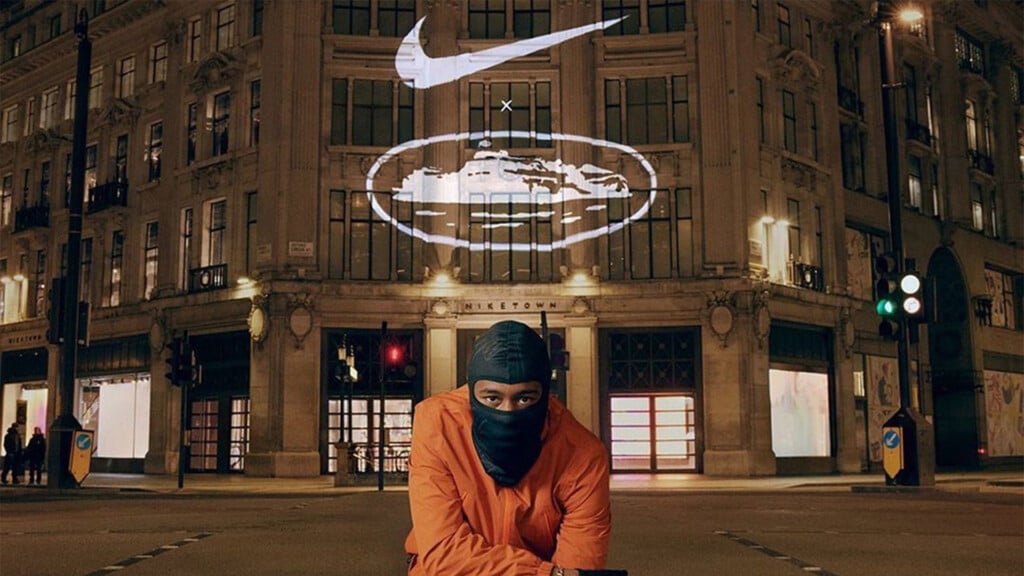
When Corteiz launched its collaboration with Nike in 2023, releasing three colourways of the Air Max 95 followed by further drops, the mechanism stayed the same: no conventional press release, but a public challenge and physical drops staged simultaneously in London, New York and Paris, often preceded by genuine urban “treasure hunts” in which buyers had to track down a physical clue before they were even allowed to purchase.
Corteiz was explicitly born in opposition to the model dominated by Supreme and Palace, the two brands that in the 2000s had codified the idea of calculated scarcity in global streetwear. But where those brands gradually institutionalised their own hype mechanism through collaborations with major luxury houses and increasingly regulated, predictable access, Corteiz pushed unpredictability to an almost performative level: a website unreachable without a password, the brand’s Instagram account kept private for years, and a systematic refusal of interviews with major fashion outlets at the very moments of peak media exposure.


In this sense, Corteiz doesn’t sell a product wrapped in a narrative of authenticity, the way many now-mature streetwear brands do; it stages authenticity itself as a verifiable event, one that demands physical presence, the risk of walking away empty-handed, and participation in a kind of urban ritual.