Many say the best ideas come while sitting on the toilet. The story of fleece doesn’t quite begin that way, but the toilet certainly played a key role.
It was the 1970s when Yvon Chouinard, founder of Patagonia, was looking for something to replace his wool sweaters, much loved but very heavy when wet and very slow to dry. The turning point, the flash of genius, came when his wife came home with a roll of polyester to use as a toilet seat cover. Chouinard took it to a tailor and asked for a sweater to be made out of it. Of course, the result was only a starting point, because even though it was light and dried faster, the fabric his wife had bought produced a lot of those annoying little pills.
The right fabric arrived thanks to Malden Mills, the historic Massachusetts company led by Aaron Feuerstein. That’s how Synchilla, the “synthetic chinchilla”, was born. It is still sold today, first under the name PolarFleece and then as Polartec. Perhaps the popularity of this material, beyond its comfort, was also due to the fact that Feuerstein chose not to patent it, allowing anyone to produce it on their own.
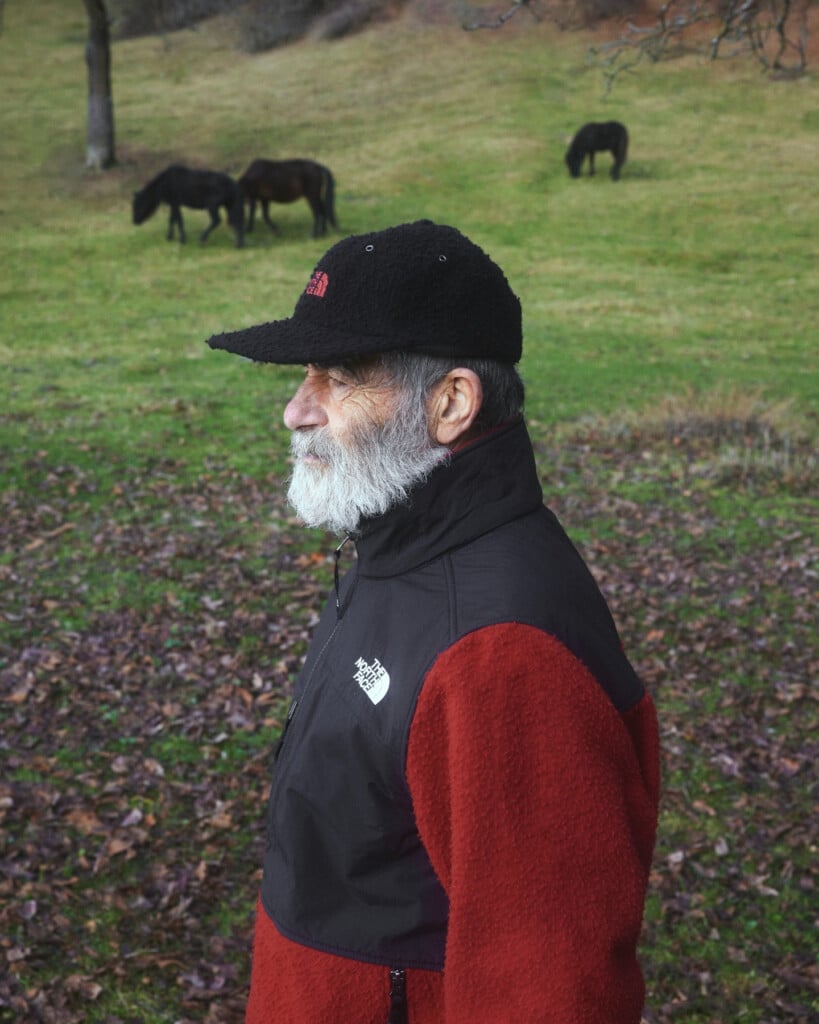
In terms of technical characteristics, behind the softness and comfort of fleece lies simply polyester (the great enemy of our times, it seems), worked to form a layer capable of trapping air inside. It is thanks to this air that any fleece garment manages to be light and warm at the same time.
Of course there are downsides too, such as the fact that it doesn’t protect from the wind or that it builds up static electricity, but above all that polyester is nothing more than plastic. Before long, then, the need arose to make fleece from recycled plastic. In 1993 Patagonia was the first in the industry to do it with recycled bottles, so much so that the first fleece had the green of soda bottles. Of course, recycling alone doesn’t solve everything. A bottle can become a bottle again several times, while a fleece at the end of its life almost always ends up in a landfill, handing good material to those who want to criticize anyway, to the point of speaking of downcycling, the process in which waste materials are recycled into products of lower quality and value than the original ones.
Add to this the problem of microfibers, which according to a study commissioned by Patagonia are released at a rate of around one hundred thousand per wash. Over the years they have managed to work the material so that the shedding is kept to a minimum, but no one has yet managed to bring that number down to zero.

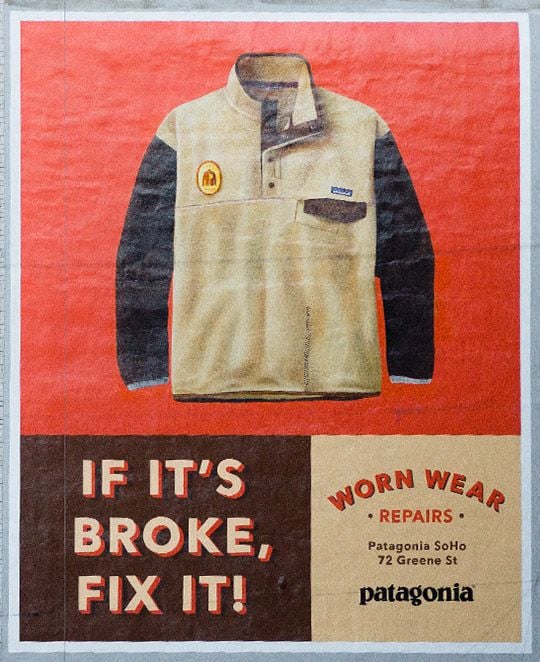
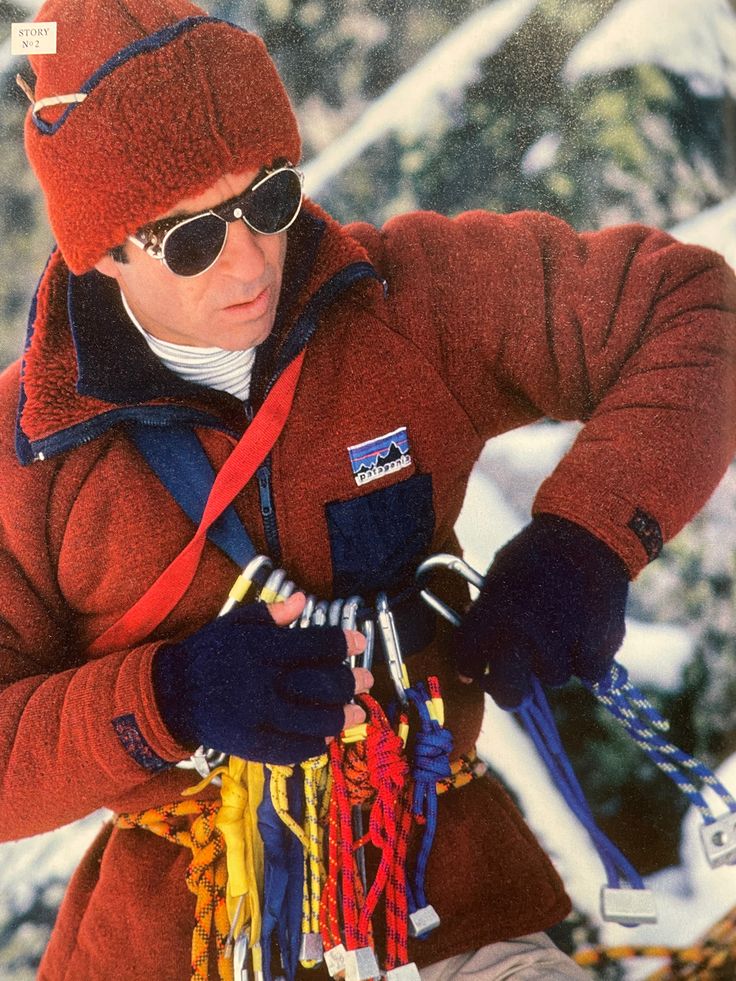
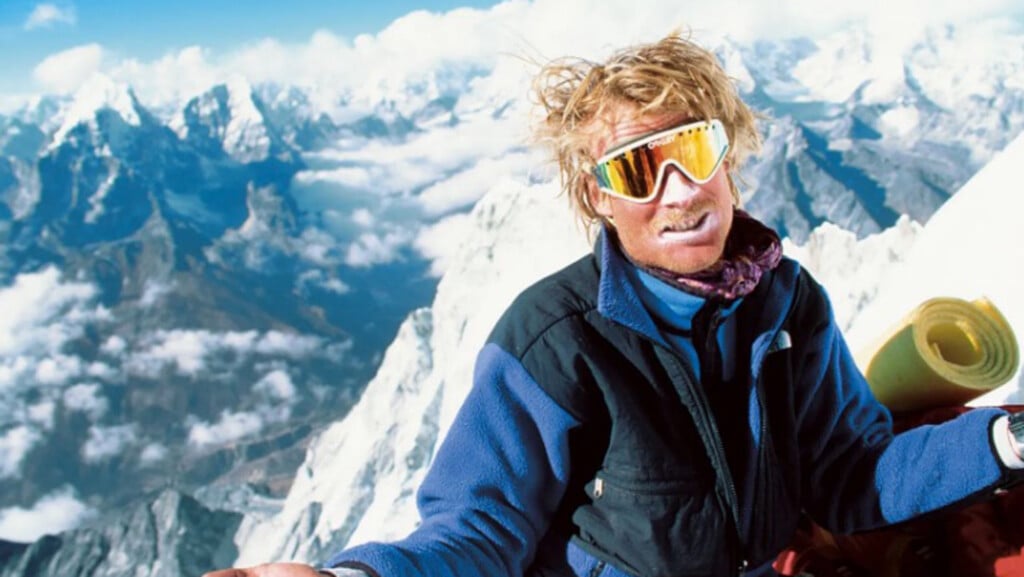
Going back to its history, the real boom came in the 1980s. In 1985 Patagonia launched the Synchilla Snap-T, the pullover with snap buttons on the collar that would become a symbol of the style of those years. In 1988 The North Face introduced the Denali, born as a layer to attach to the Mountain jacket and put to the test by two climbers on the Salathé Wall, in Yosemite.
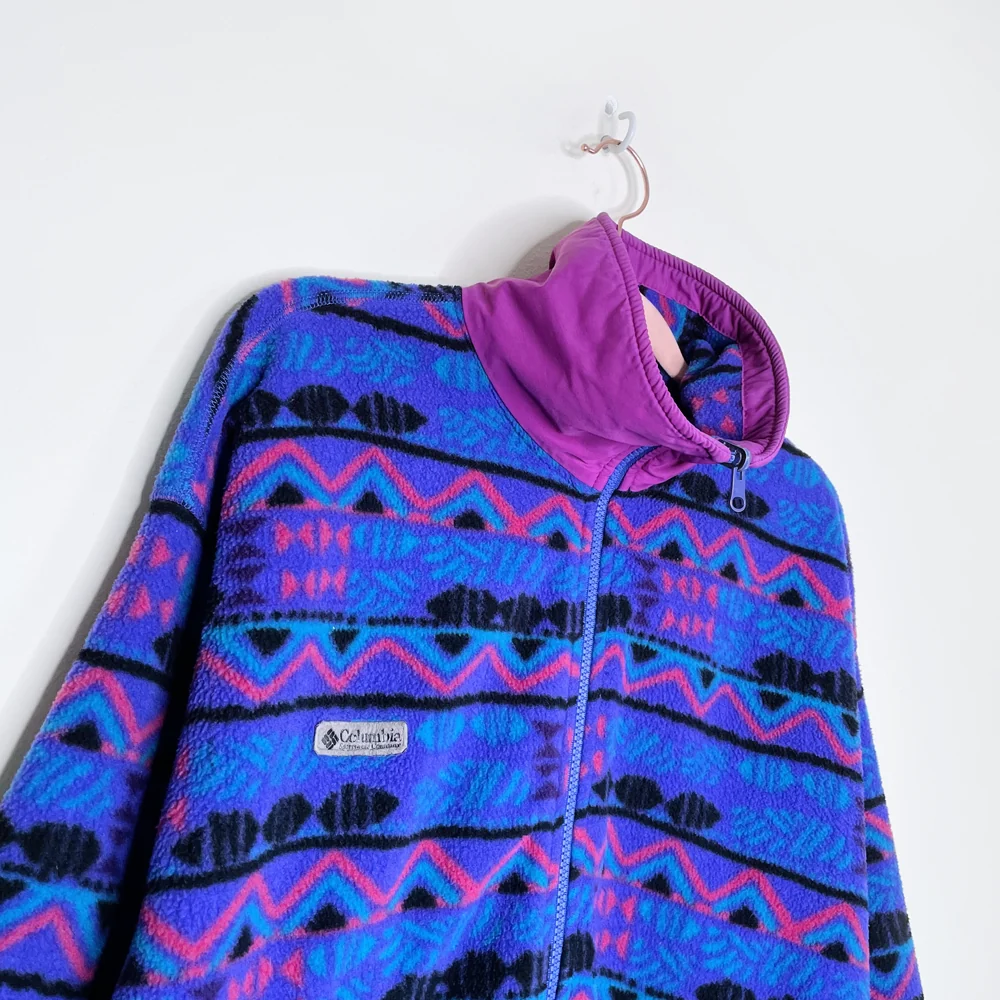
Then came the 1990s and their crazy prints. Patagonia began printing Navajo motifs and Coogi-style knit geometries on it, with the result of a fleece that looks like a sweater. But it wasn’t alone. Columbia, Woolrich and REI drew from the same American Southwest imagery, and even Carhartt dedicated a Southwest Collection to it. Aztec, Navajo, southwestern, retailers use the terms as synonyms, and those pieces are now among the most sought after in the vintage and secondhand world.
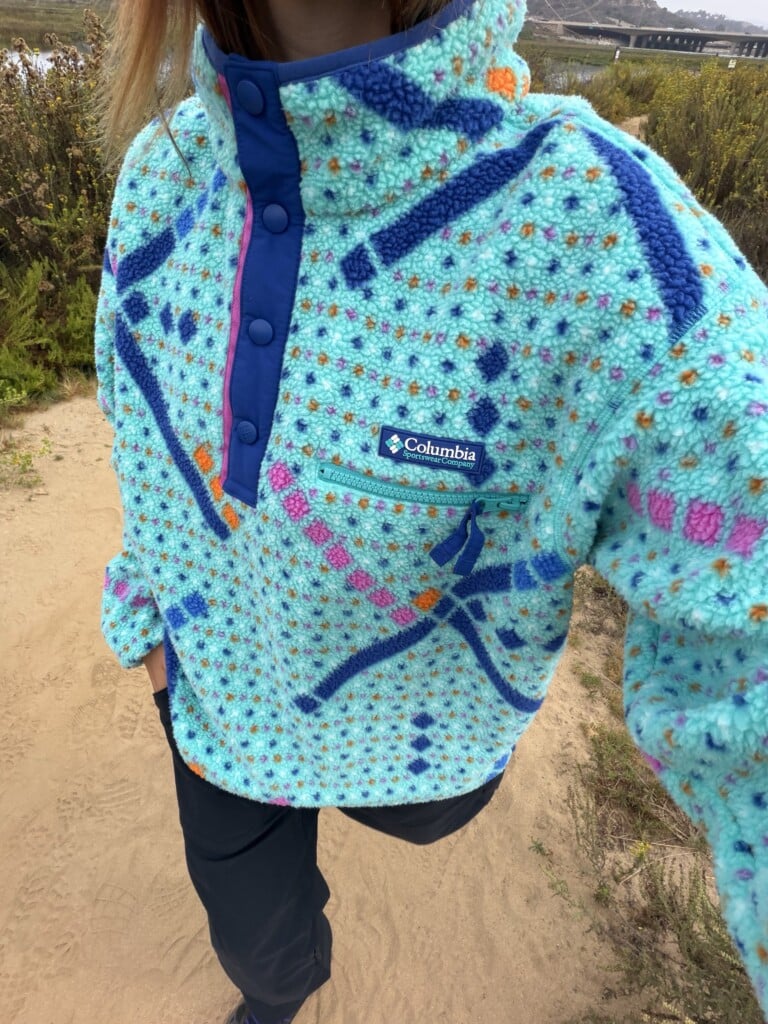
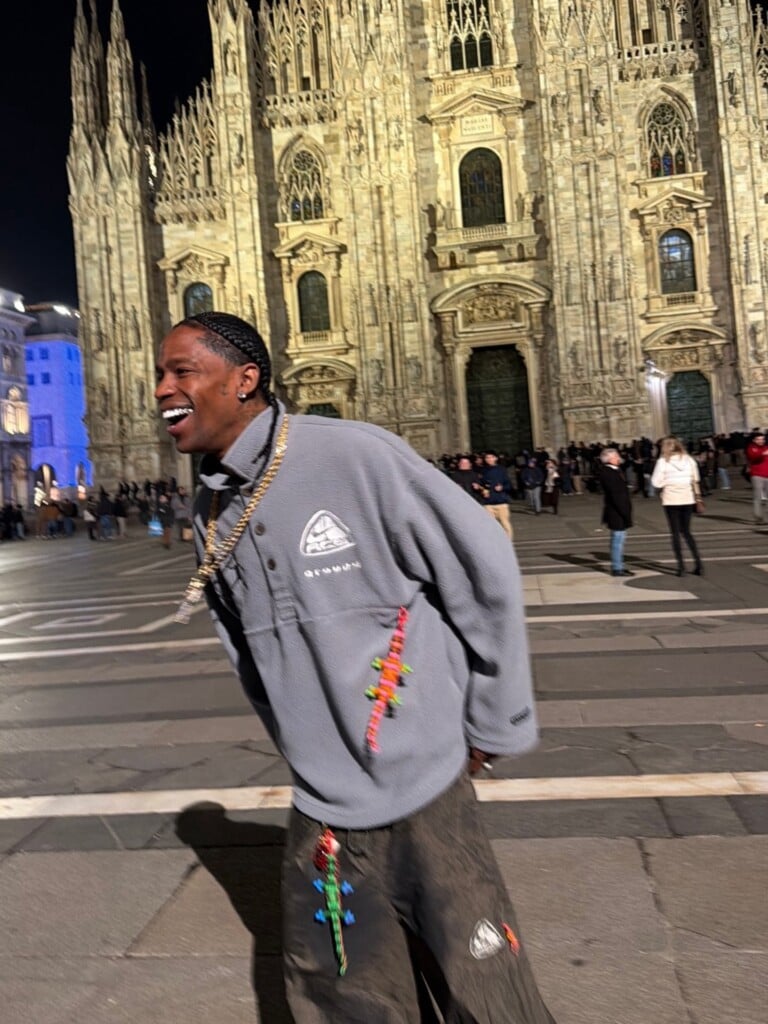
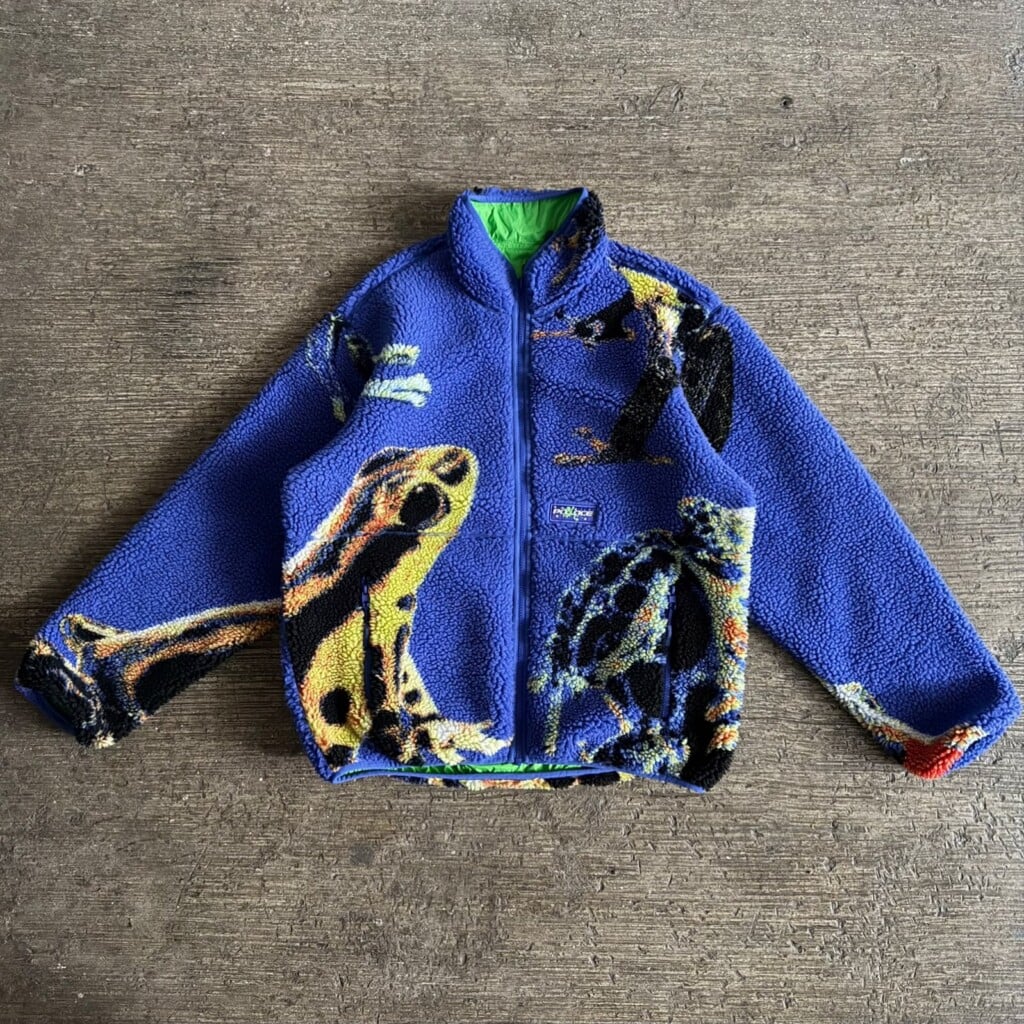
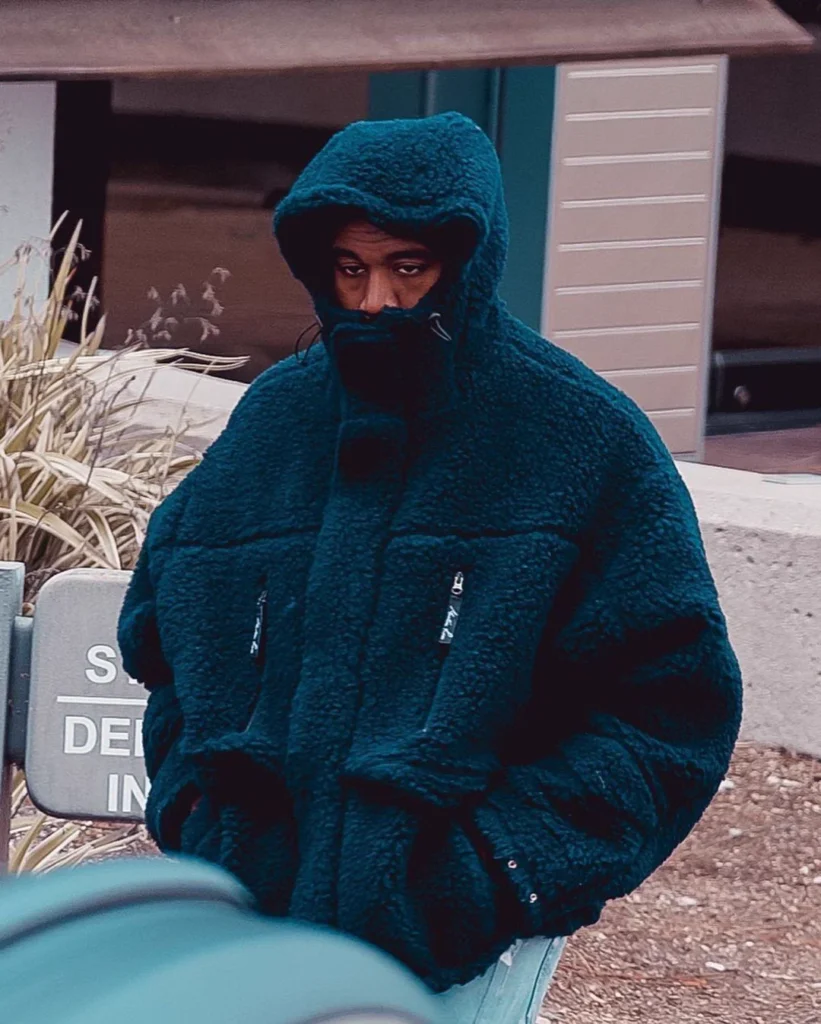
Only at the end of the 2010s did streetwear enter the picture, with collaborations that took fleece away from the world of the mountains and brought it to the streets of big cities, such as Supreme x The North Face and KAWS x Gucci, or brands like Palace, Aimé Leon Dore, Cactus Jack and Rier. The link with streetwear is a child of the spread of gorpcore, a term coined in 2017 by Jason Chen at The Cut, which comes from gorp, the trail mix of dried fruit and nuts that hikers carry in their backpacks, and which defines the style that turns technical garments into lifestyle items, so comfortable that it’s hard to do without them.
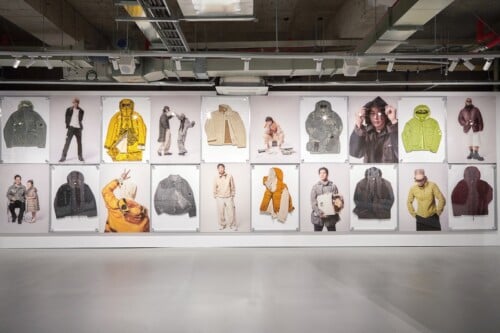
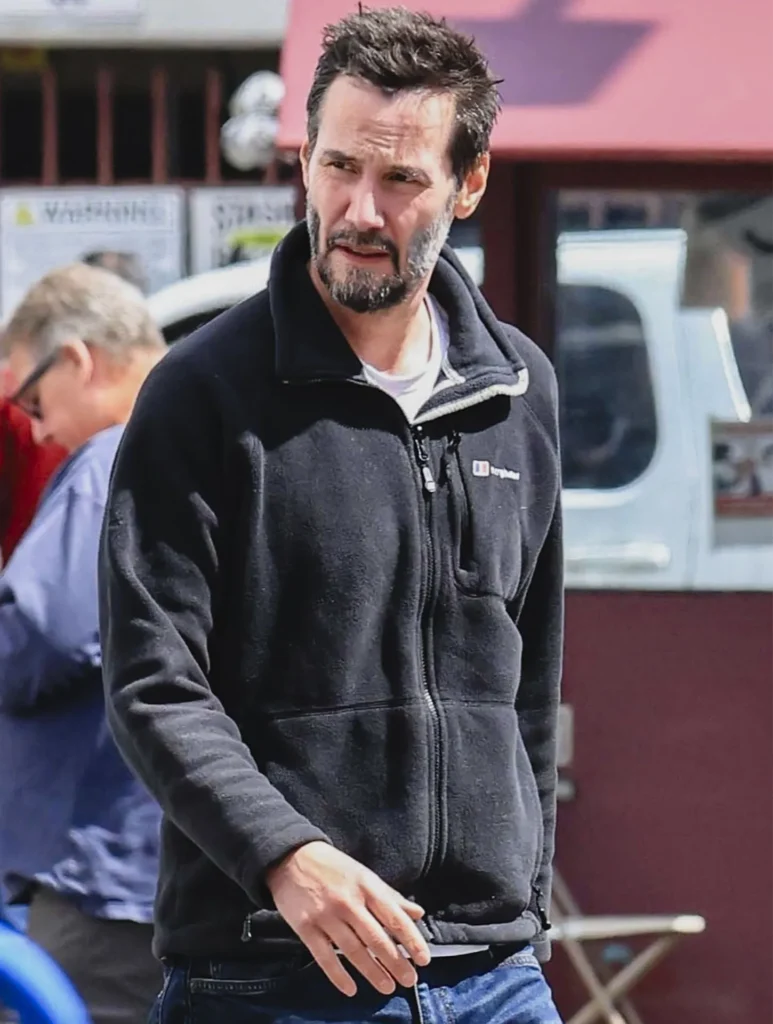
The proof is that fleece is increasingly present in our wardrobes, in different forms, from the most casual to those with more elegant lines, and also in the looks we see out and about and no longer only in the mountains.
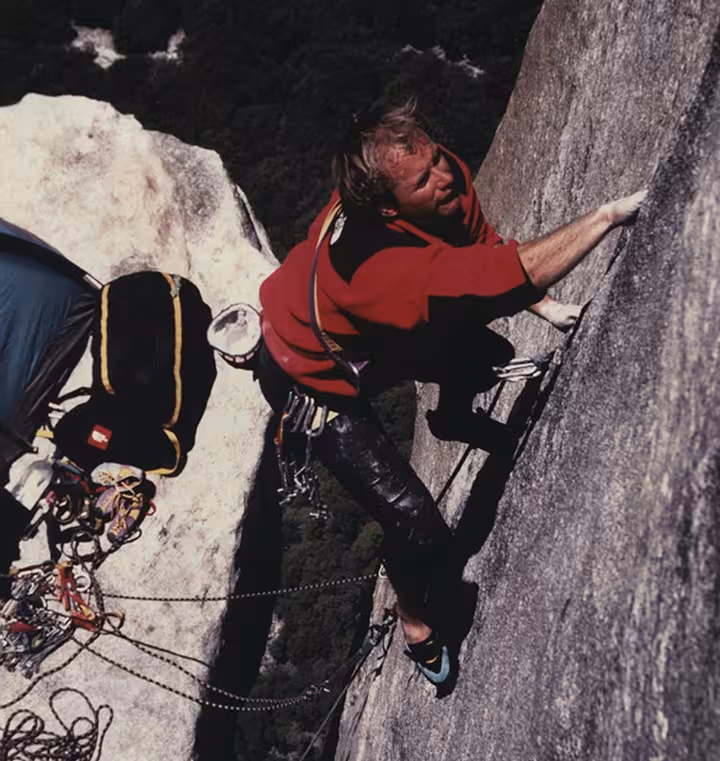
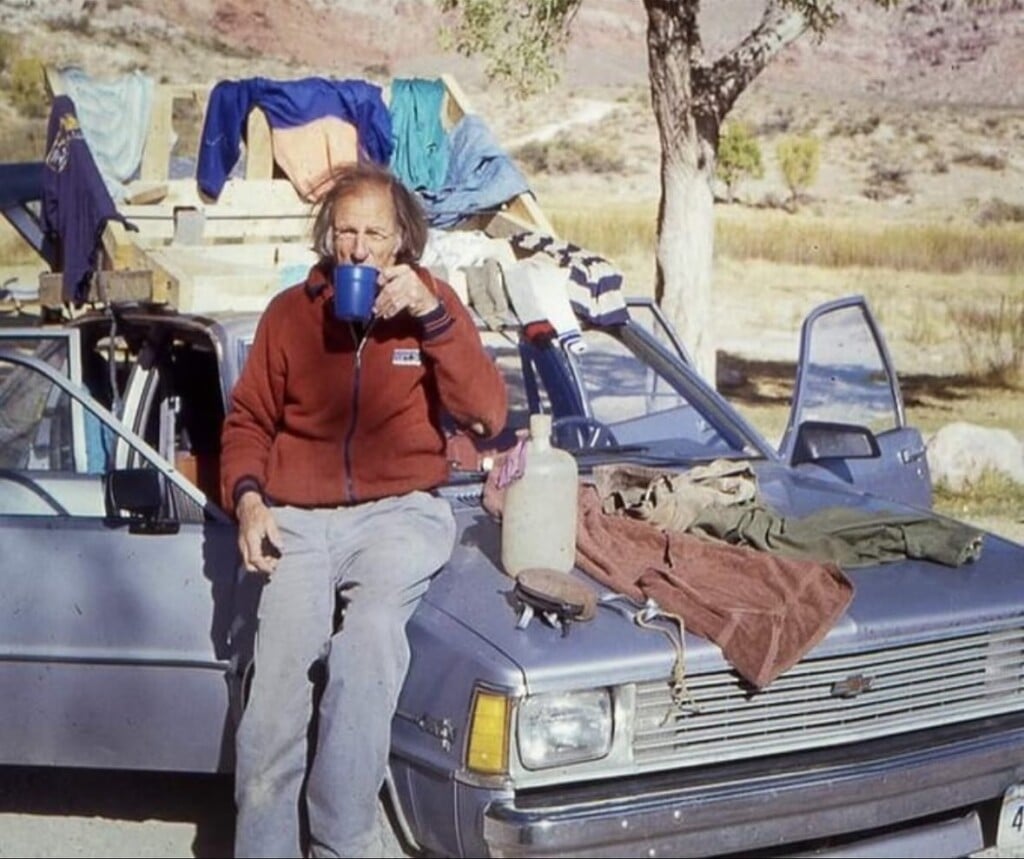


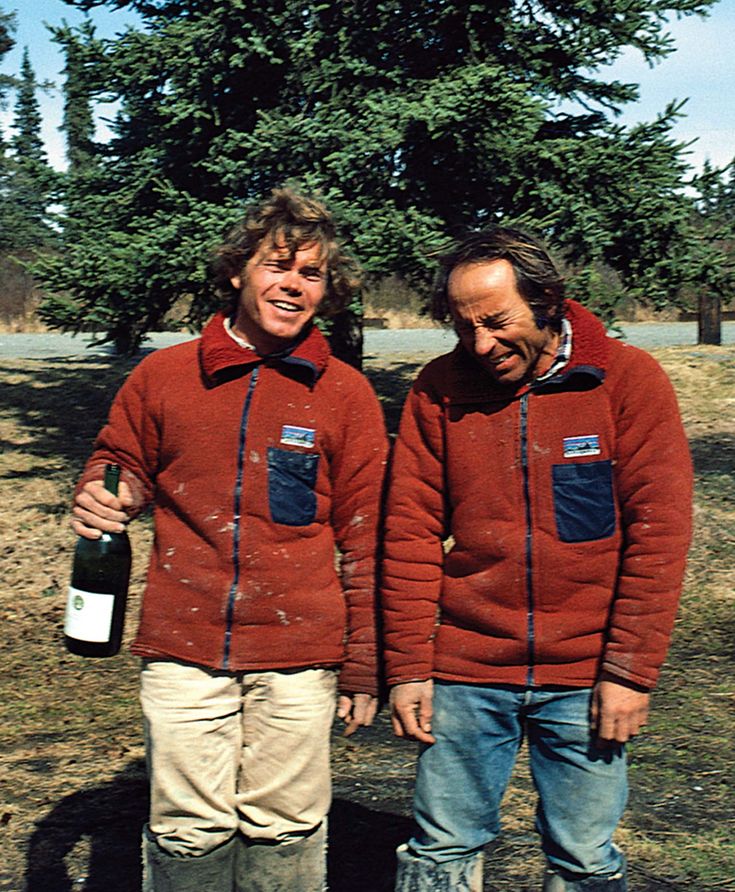
On the cover, Yvon Chouinard and mountaineer Peter Hackett in Alaska
Read more