Characterized by a uchronic aesthetics, the works of the multidisciplinary artist Daniel Arsham are currently one of the most interesting things you can discover.
Born and raised in Miami, now based in New York, Arsham moves skillfully along the line connecting art, architecture, and performance.
We decided to deepen his work through 4 of his most resonant projects and collaborations, from the beginning of his career to his latest works.
Graduated at the Cooper Union in New York City, where he received the Gelman Trust Fellowship Award in 2003, Arsham has always shown an interest in everything related to the manipulation and distortion of objects and spaces that the viewer cannot recognize as real.
Daniel Arsham and the Ballet: Merce Cunningham’s Dance Company & Jonah Bokaer
The characteristics of his work, and the questions it raises in the eyes of the beholder, led him in 2004 to receive interest first from the Emmanuel Perrotin Gallery in Paris, which now represents him, and then from the legendary Merce Cunningham’s Dance Company.
With the latter, he began a collaboration, which lasted several years, during which he oversaw the stage design of performances that have toured the world and the first stage is now part of The Walker Museum’s permanent collection.
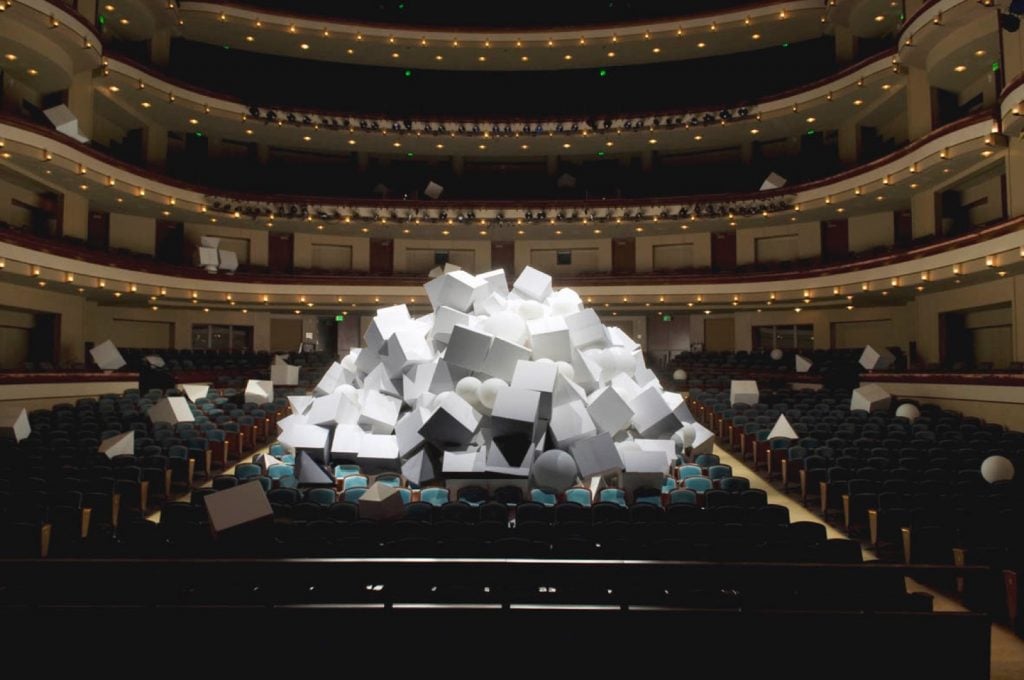
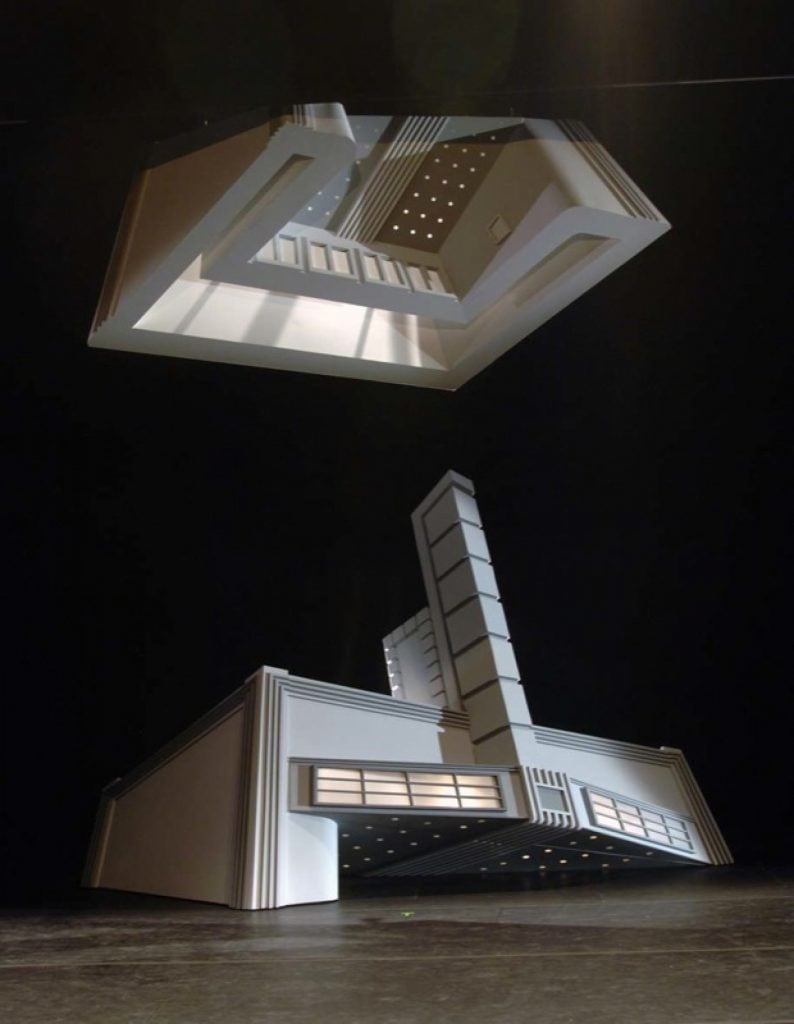
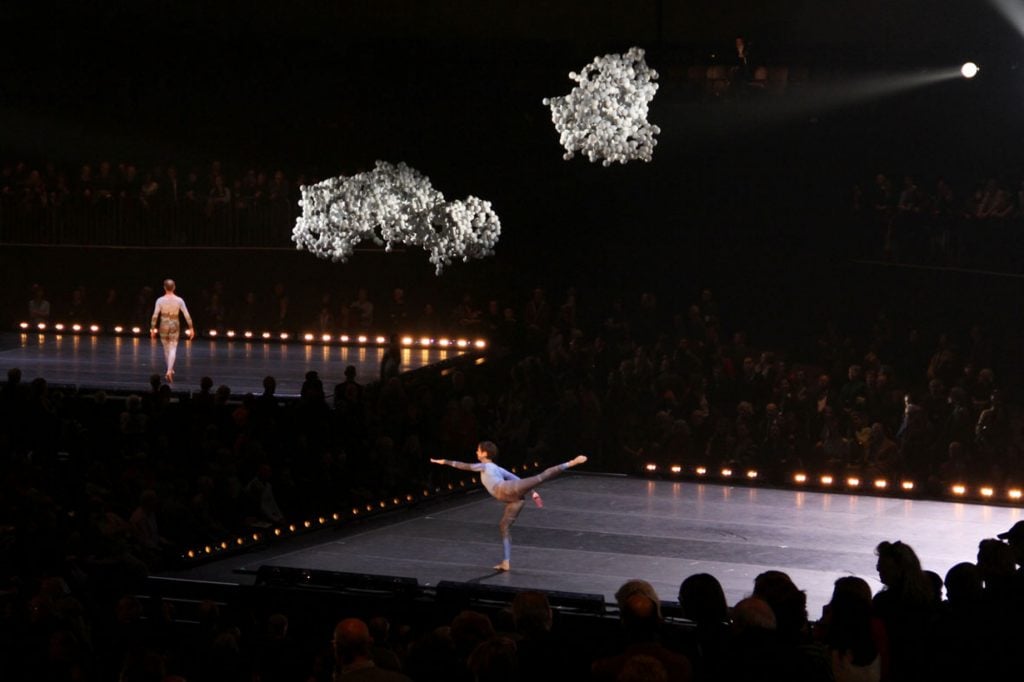
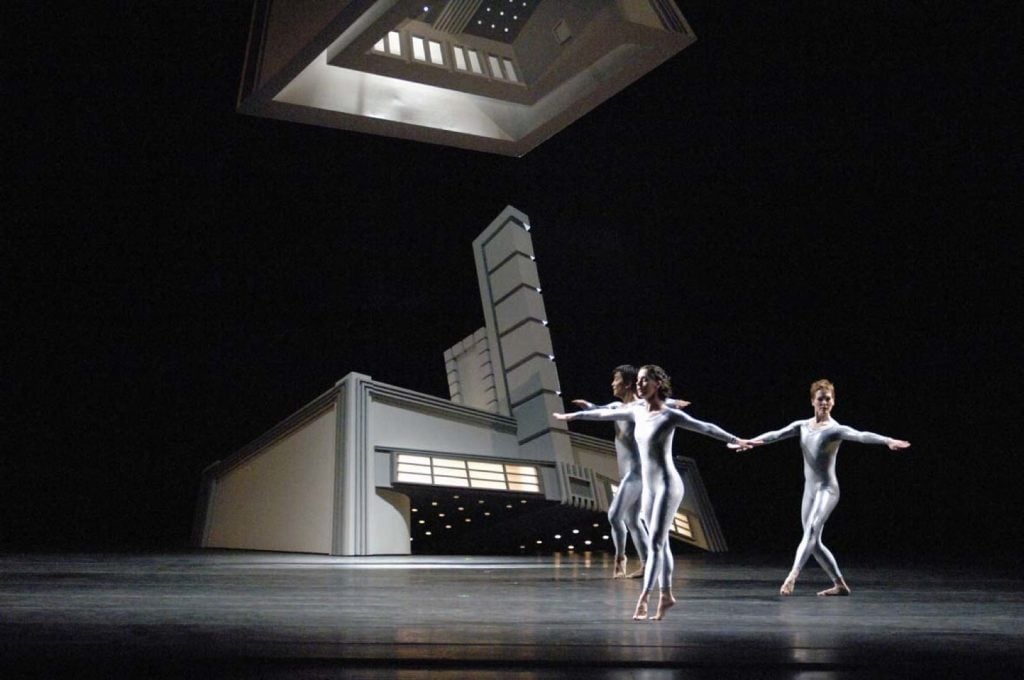
In 2007 he also began collaborating, again in the field of dance, with Jonah Bokaer, former Merce Cunningham dancer, choreographer, and mixed media artist.
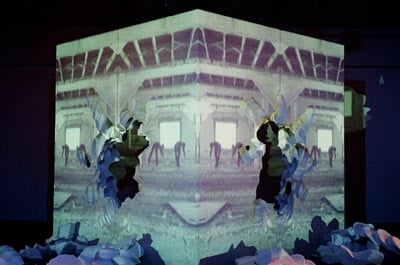
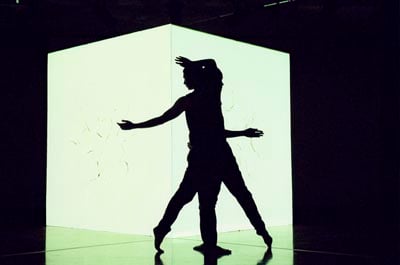
With him, he conceived “REPLICA”, a project that, through the use of architecture and lights, simulated the loss of memory and perceptive faculties.
Also with Bokaer, in 2010, Arsham created “Why Patterns”, part of the larger Snarkitecture project.
Daniel Arsham and Snarkitecture
In 2007, with his partner and architect Alex Mustonen, he set up one of the most important projects of our years and he does so with the intention and goal of expanding more and more the boundaries between the disciplines he studied.
Snarkitecture, whose name comes from Lewis Carroll’s humorous poem “The Hunting of The Snark” which describes the “impossible journey of an unlikely crew in search of an inconceivable creature“, is a design studio that includes the creation of large-scale projects that are a mix of art, architecture and performance.
With a conceptual approach focused on the importance of experience and the reinterpretation of materials, Arsham and Mustonen create works that are unexpected moments, inviting people to explore, lose themselves and confront them.
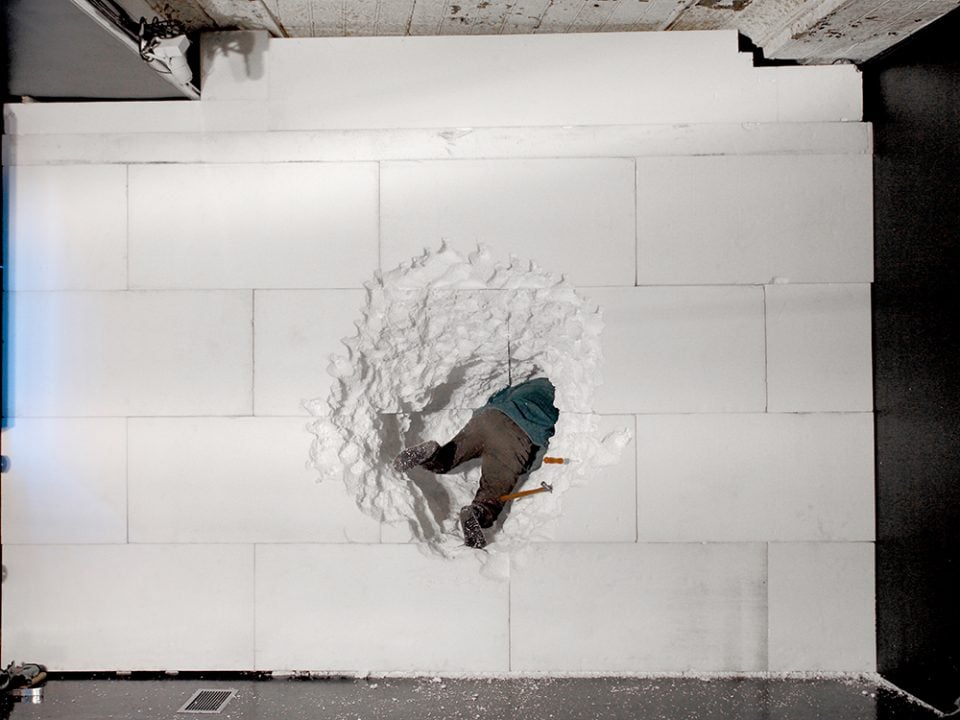
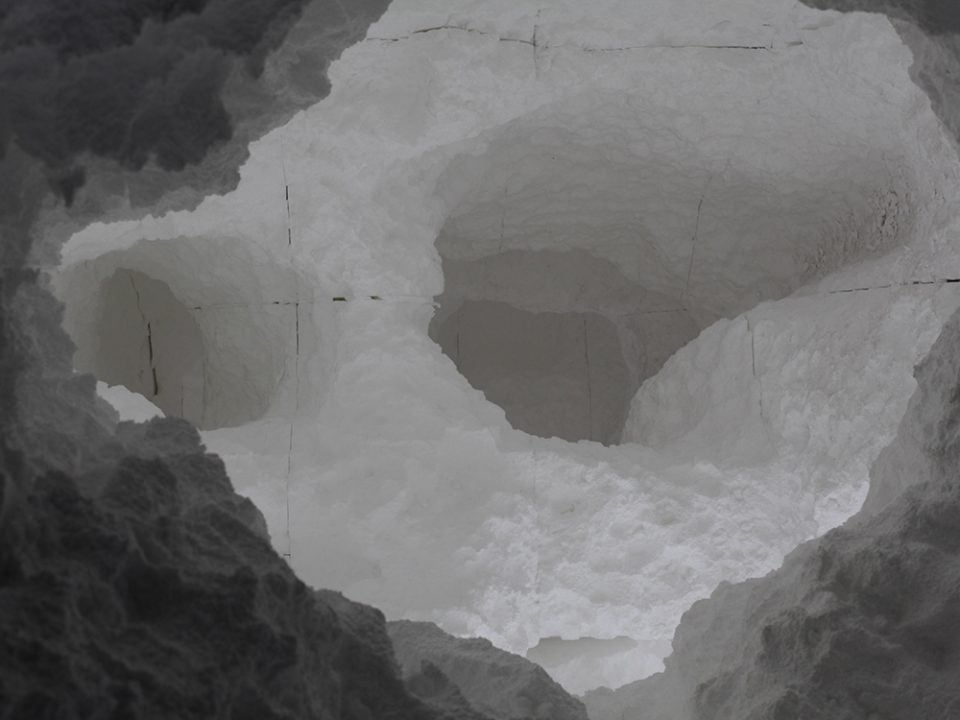
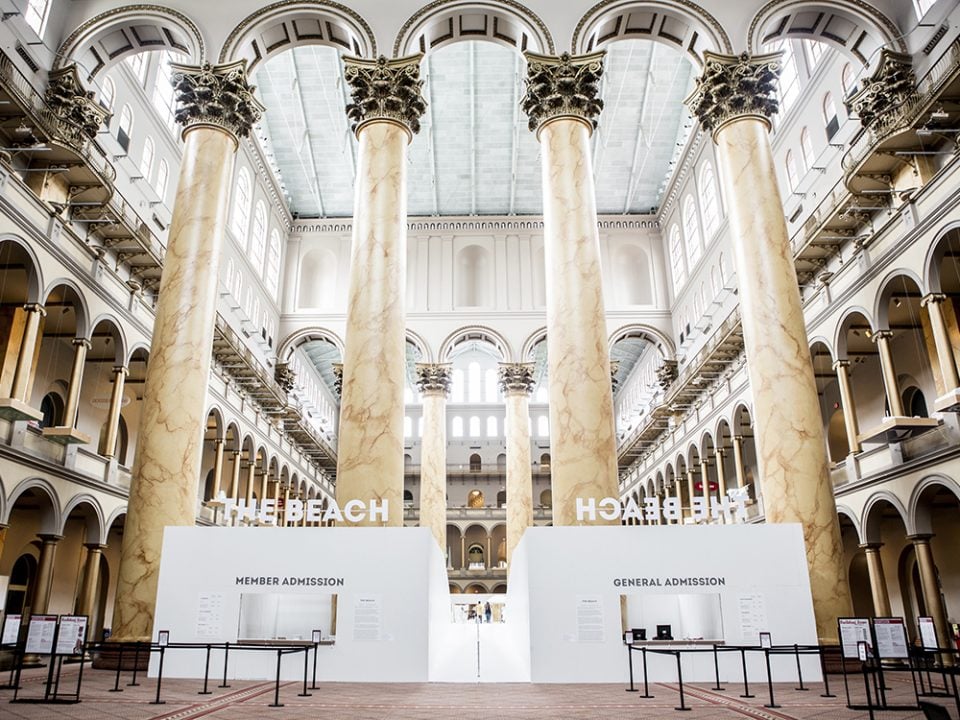
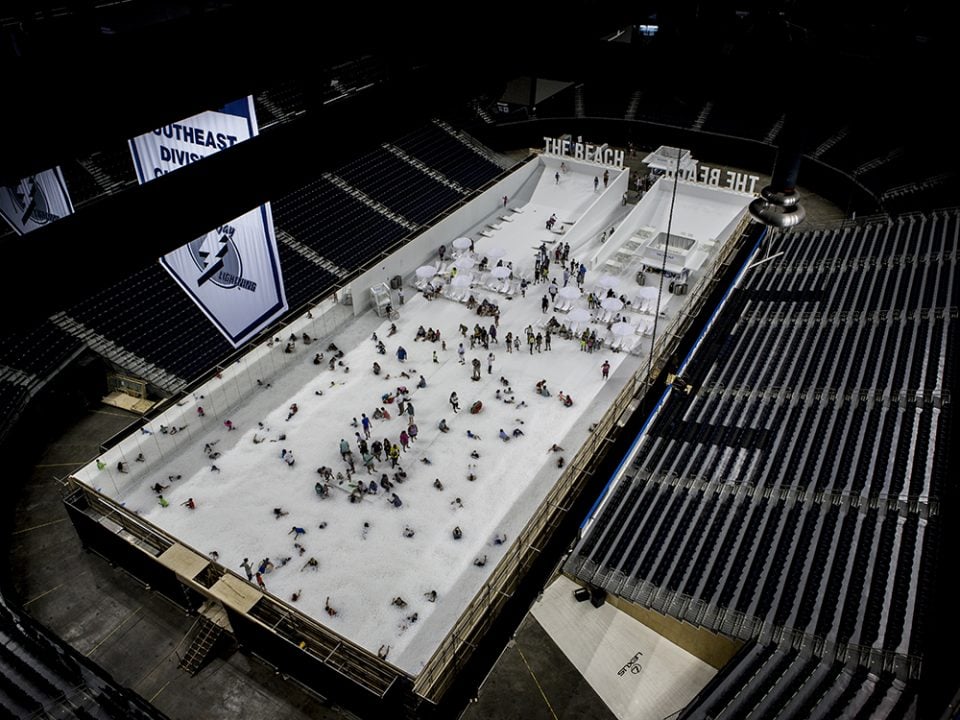
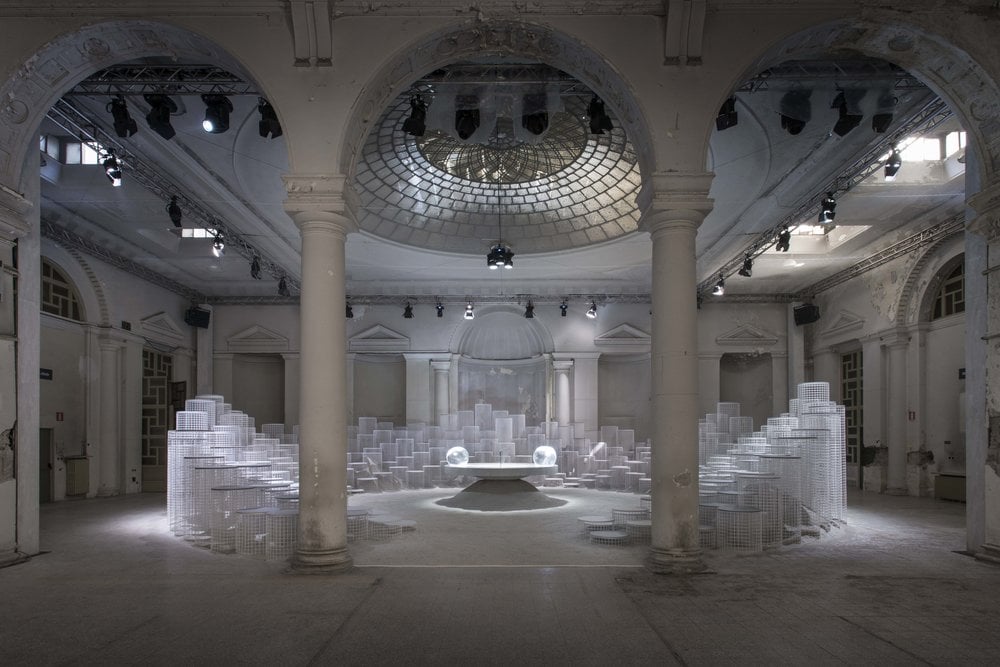
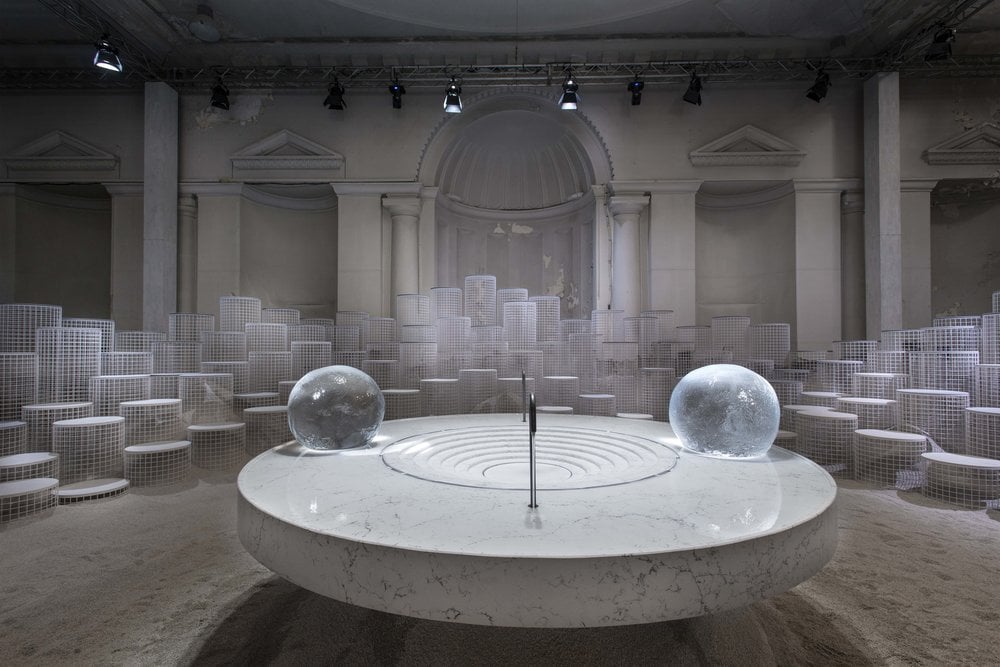
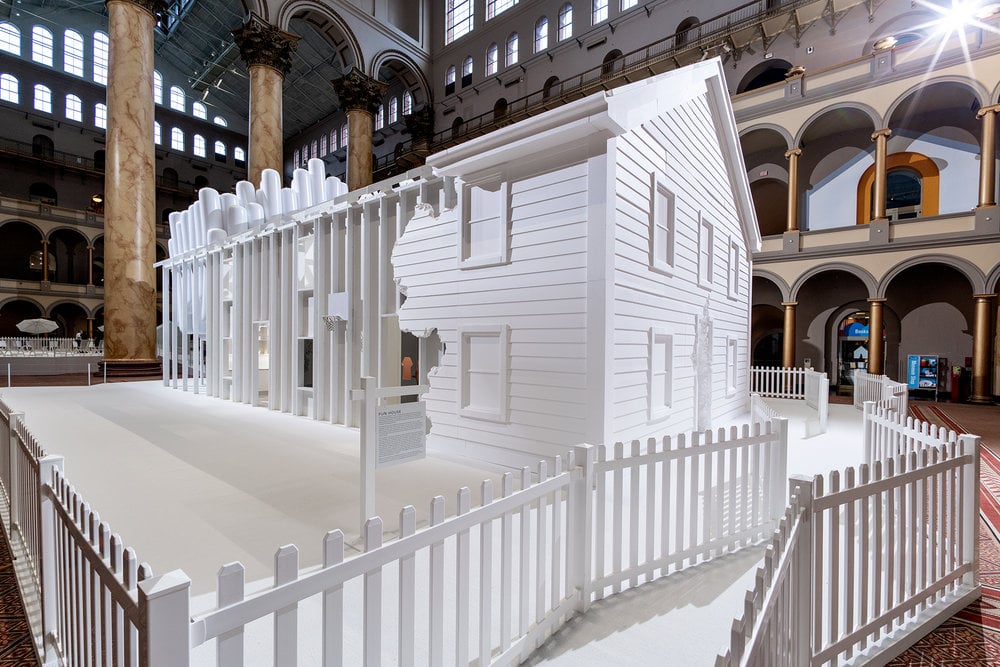
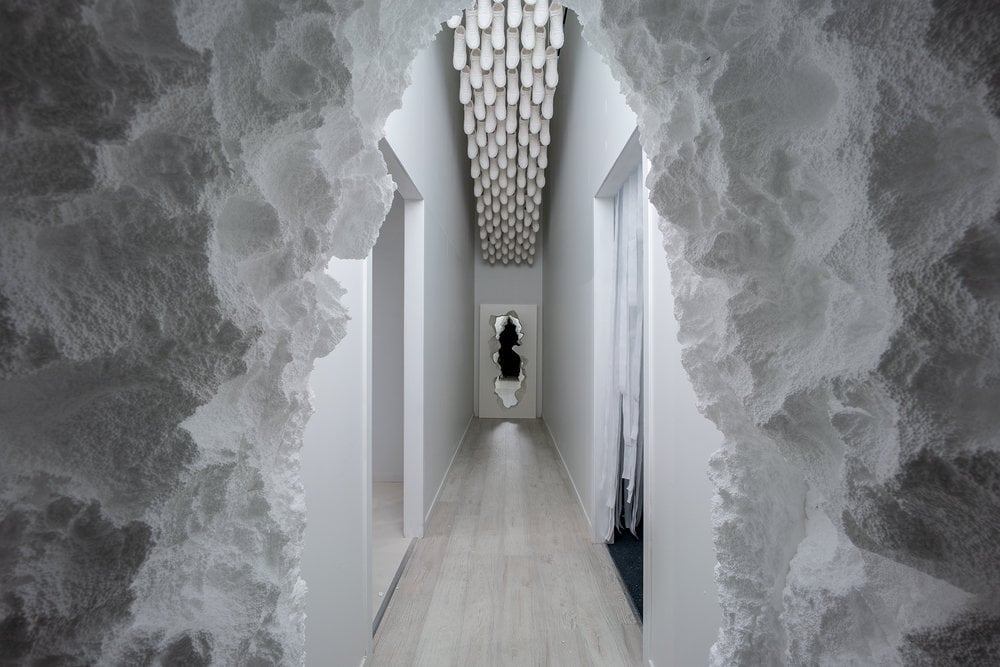
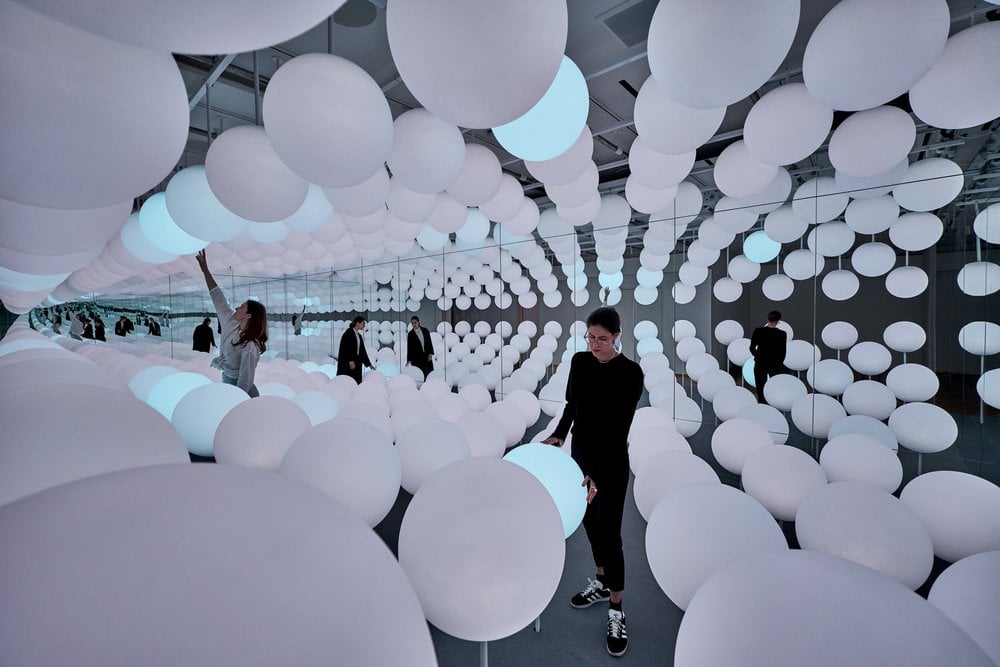
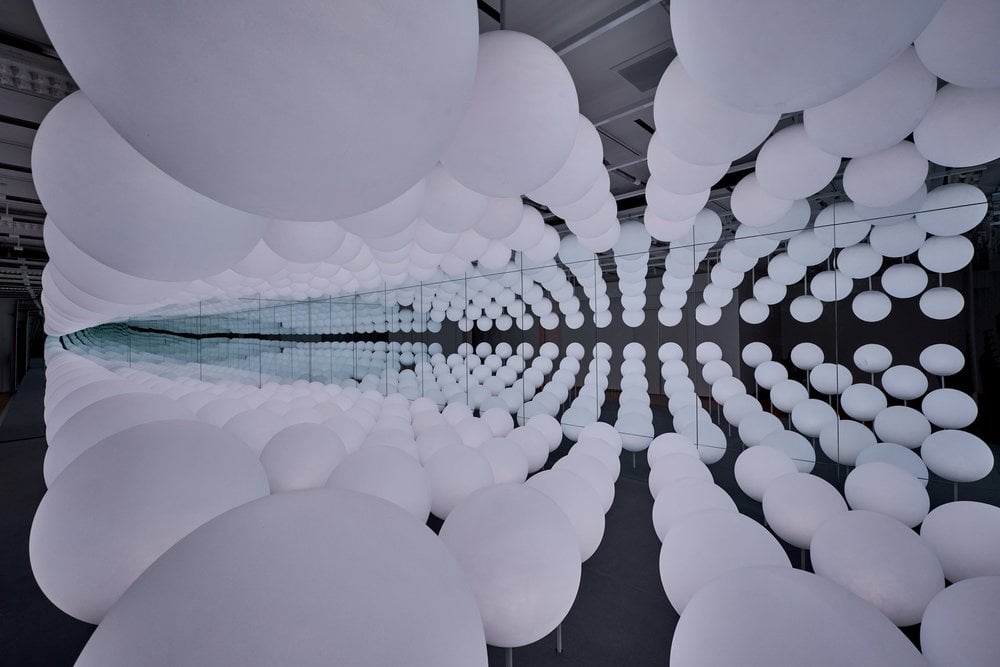
Among the most memorable installations are Dig, 2011, with which Arsham explores the architecture of the excavations, The Beach, 2015, the reproduction of a beach inside the National Building Museum in Washington DC, the Alfred States, 2018, installed inside the historic Palazzo dell’Ufficio Elettorale in Milan to explore the 3 changing states of water, the Fun House, also from 2018, the installation that re-imagines the idea of the traditional house, and Sway, from 2019, a participatory installation composed of mirrors and 150 white spheres able to move and change thanks to the movement of visitors.
But with Snarkitecture, Arsham and Mustonen, they have also shown interest in the creation of objects for design brands from around the world, all characterized by attention to materials and innovative aesthetics that aim at the distortion of objects we know with different looks.
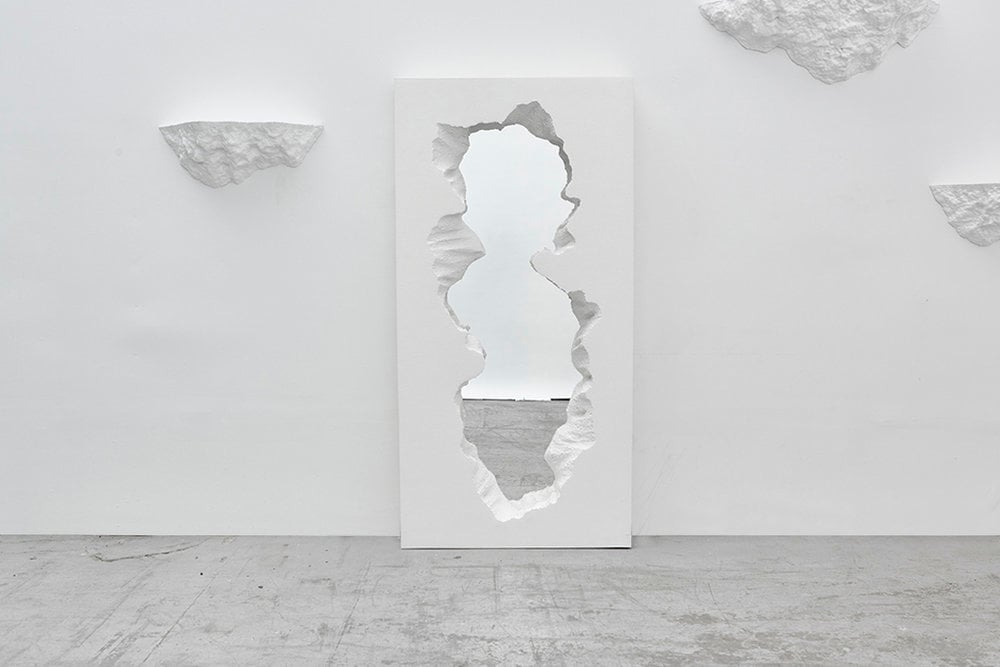
One example is Broken Mirror, born in collaboration with the Italian Gufram, which creates a playful contrast between the technical precision of the mirror and the unexpected softness of the foam material.
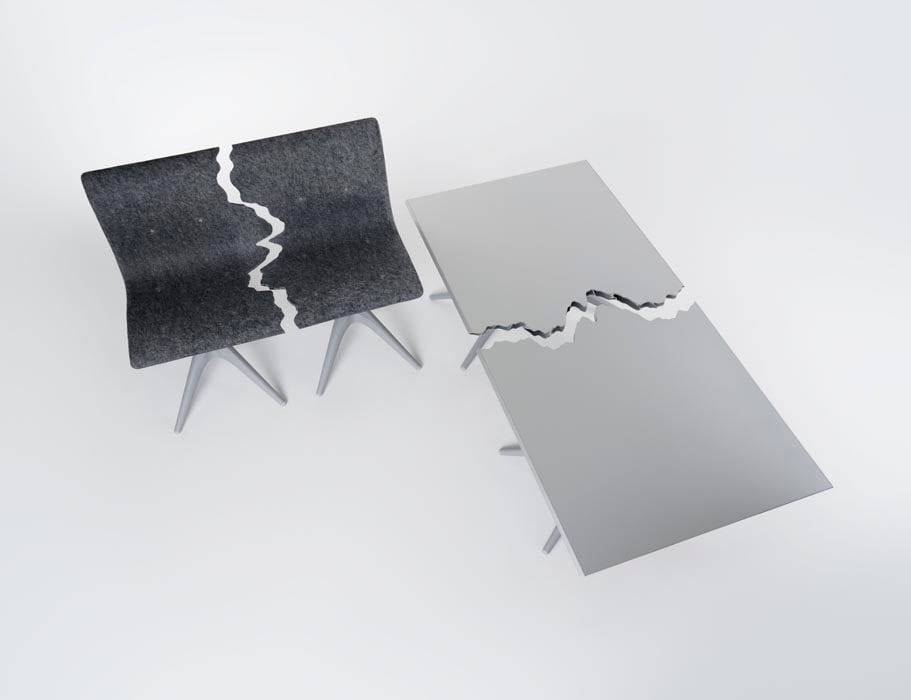
With the Berlin-based brand Pentatonic they have created Factured, a collection made entirely out of waste materials based on the themes of separation and modularity, transformation and reconstruction.
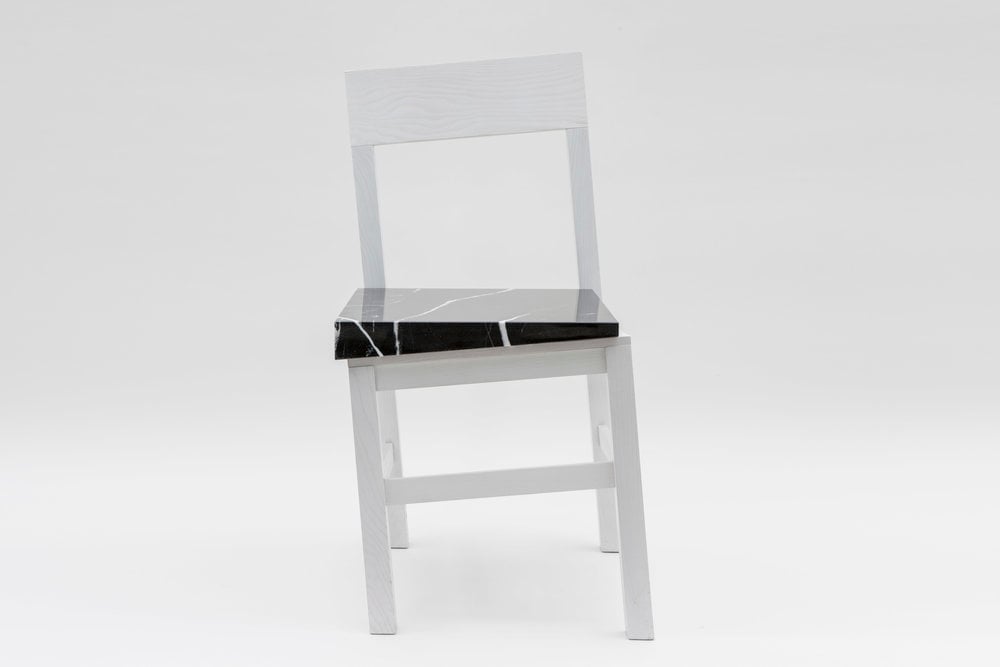
With the same characteristics there is also Slip Chair, a chair that at first glance seems to sink into the ground and thus be unusable but which, in reality, thanks to the shape and position of the black marble slab, becomes so again.

Broken Mirror Factured Slip Chair
Daniel Arsham and Future Relics
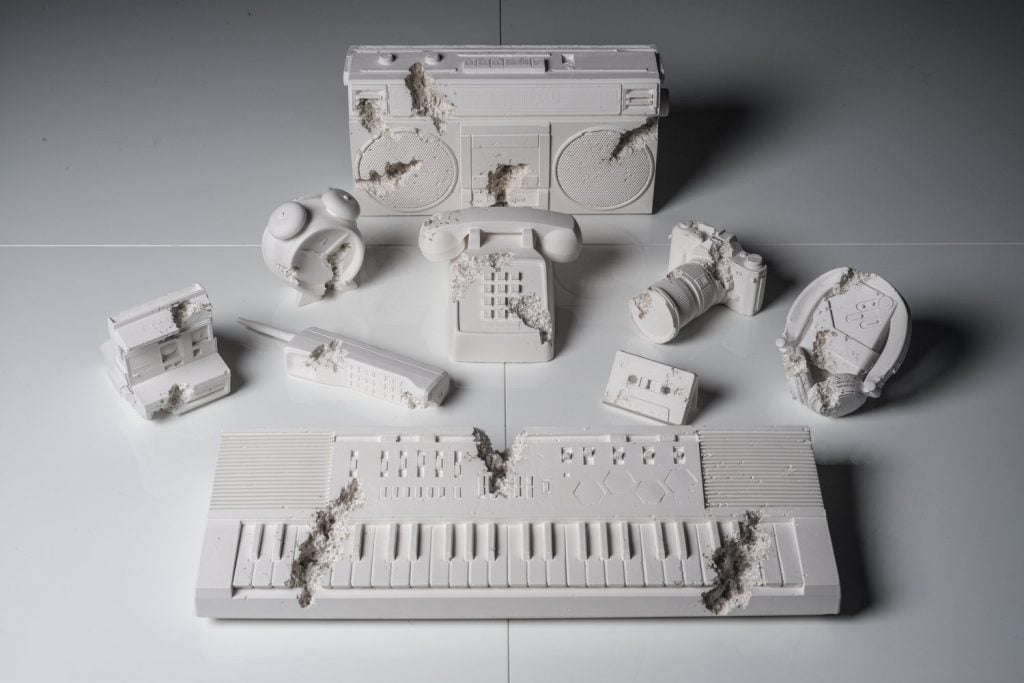
Another project that the Miami-based artist has been carrying out since 2013 is Future Relics, a series of everyday objects that are imagined and re-proposed in a completely new guise, that of a past rediscovered in the future.
His goal is to demonstrate the value of time, the importance it has in everything that concerns us and how many ways it can affect us.
The objects he transforms are often the technological ones, to demonstrate how everything after a while can already be considered obsolete, and makes them relics, archaeological discoveries that come from a dystopian future.
Casts of Polaroid cameras, cassette players and mobile phones, landlines, watches, and pianolas appear as artifacts in the process of erosion.
Of these objects – “relics of the future” Arsham has also produced films starring actors such as James Franco, Juliette Lewis and Mahershala Ali.
Another link that if we talk about Arsham cannot be underestimated is the one with fashion, which started almost the dawn of his career and continued over the years with Snarkitecture, with which he redesigned the stores of brands such as Kith, Stampd, Cos, Odin, BEAM and Valextra.
Daniel Arsham and fashion: Dior
His first collaboration with the French fashion house dates back to 2011 when he was in charge of window dressing for the stores in Milan, Paris and New York.
In all three cases, he was inspired by the pleats of the clothes of the 40s and 50s, reproducing them with white resin and making them dialogue with both the space and the accessories and garments on display.
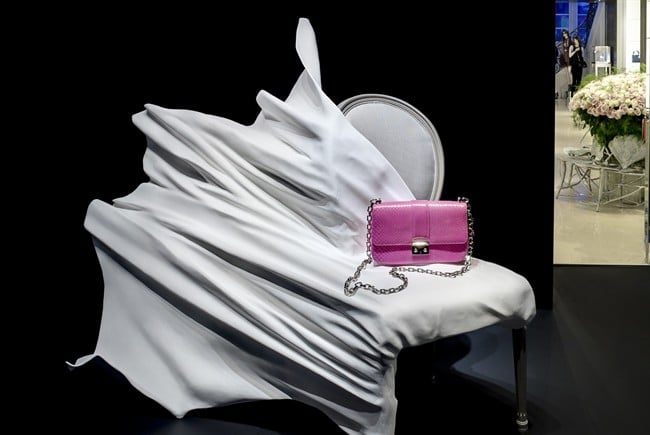
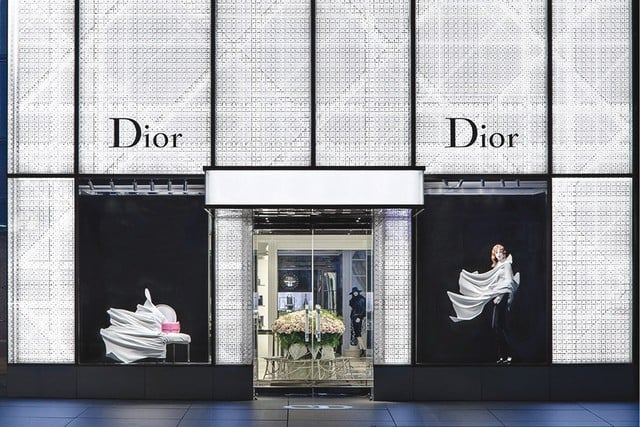
But in the years to come the relationship intensified and together with Kim Jones, Dior’s artistic director, they started a series of collaborations that never went unnoticed.
The first was with the SS20 fashion show, for which Arsham was responsible for the set design at the Arab World Institute in Paris.
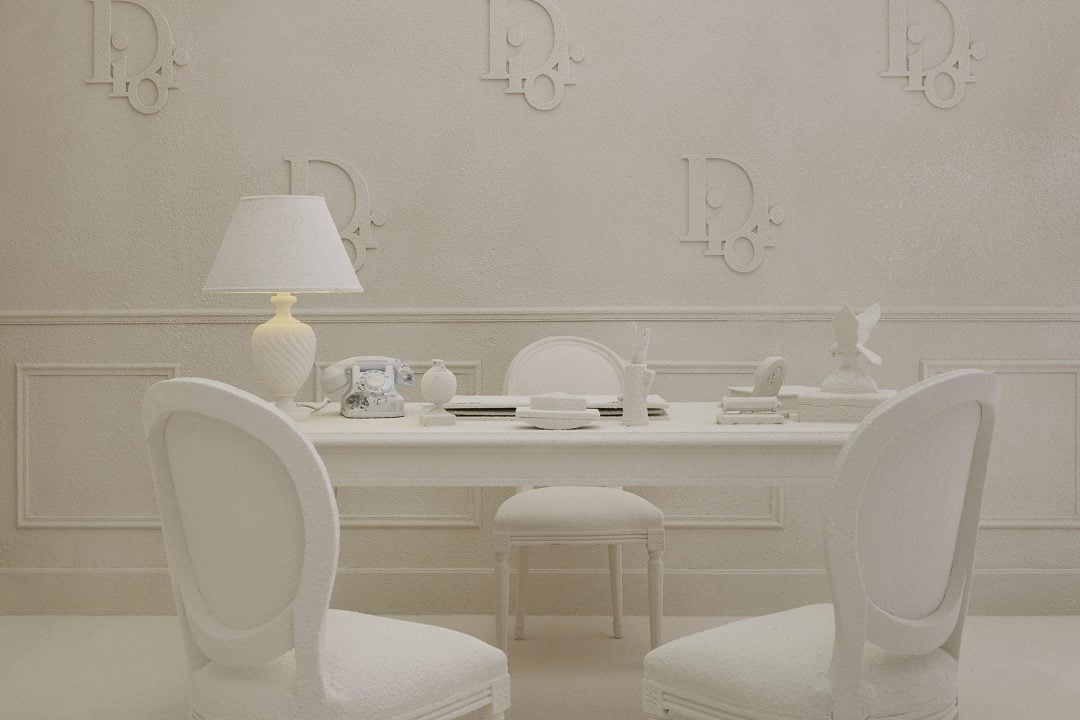
In a mix between past and future, the artist made all the guests of the show immerse themselves in the reality of the Maison by passing through a room, completely built-in white marble, inspired by the familiar universe of the designer-founder to celebrate his tradition, even if studded with the signs of time and to take up the theme of the invitation he created inspired by the original biography of Christian Dior in 1951.
Immediately afterward, the white of the marble gave way to shades of pink and the transience of the sand on which four monolithic sculptures stood out, forming the name DIOR, also semi-destroyed and consumed by the passage of time.
In this unreal context, a collection was presented with some pieces born from the same collaboration, among them the B23 sneakers, the new version of the Saddle Bag and the caps with and without visor.
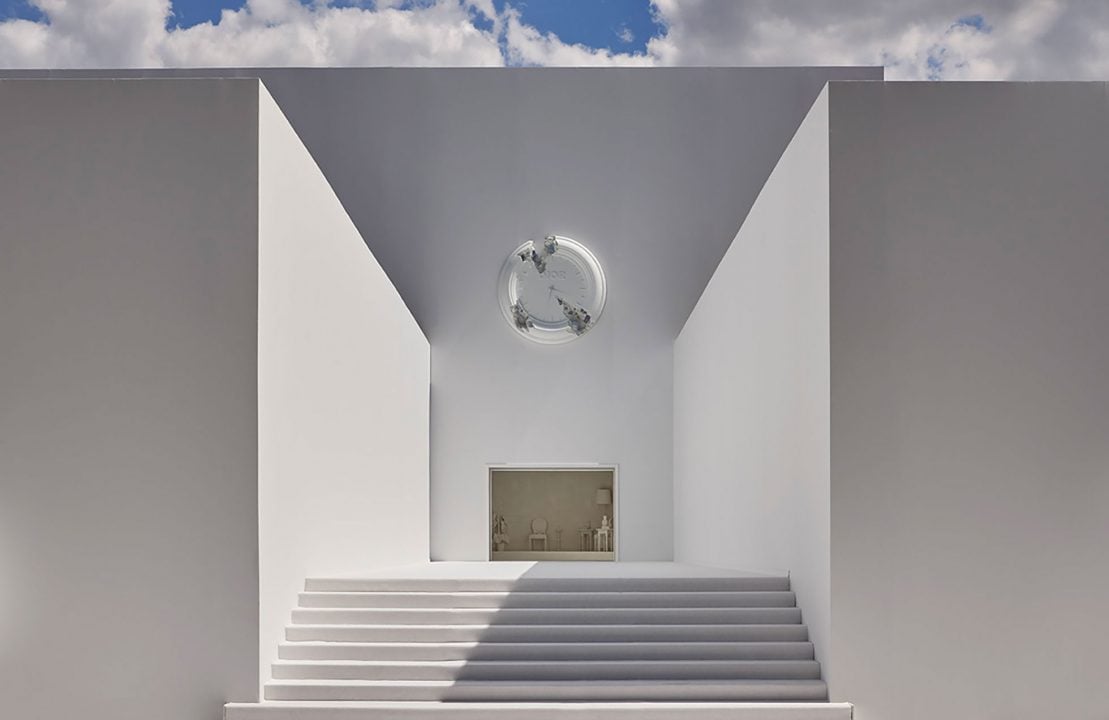
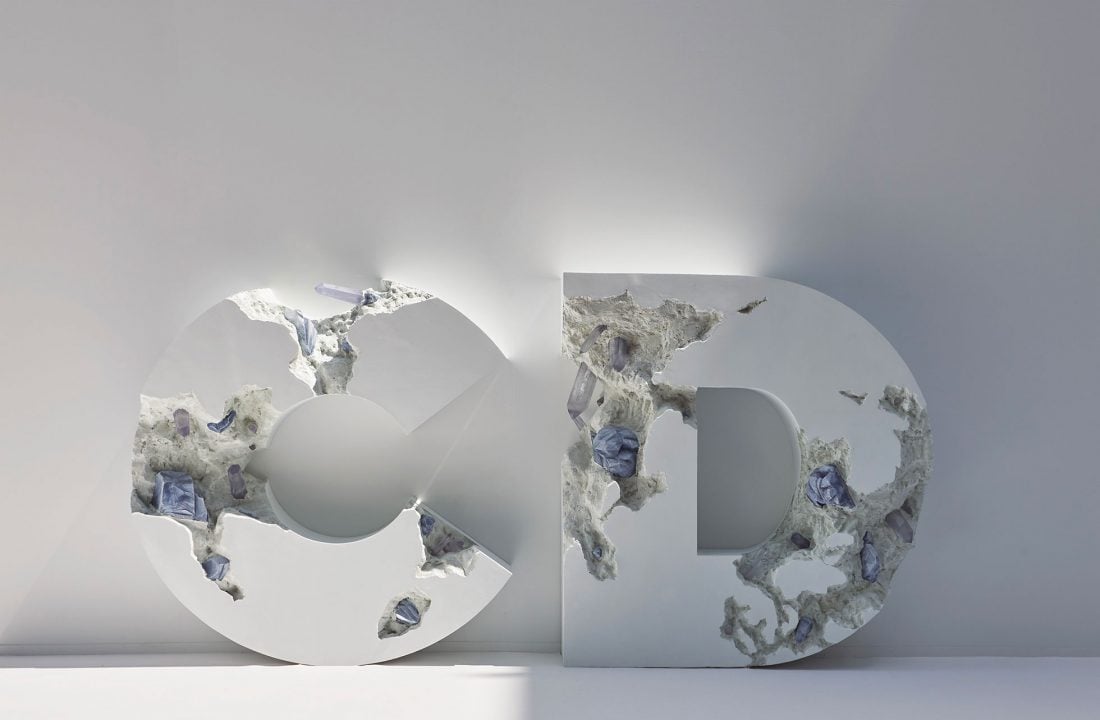
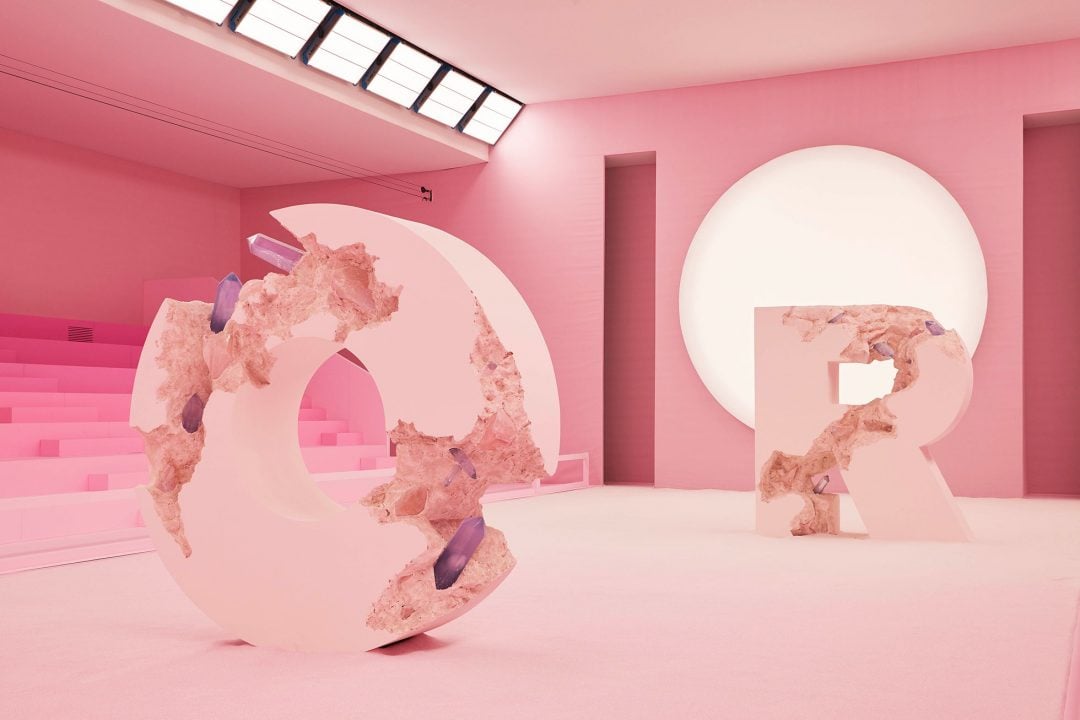
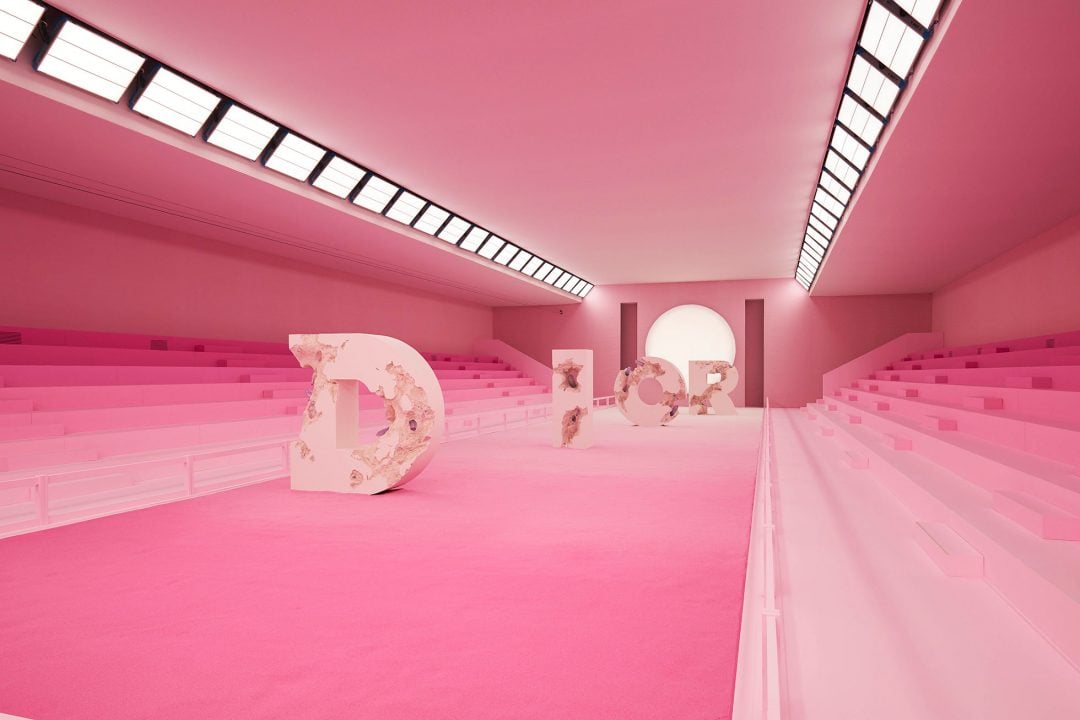
Shortly after collaborating on the show, the partnership between Kim Jones and Arsham was transformed into a collection characterized by the stylistic details of the art of the latter, which were featured on some iconic elements, such as the brand’s logo, and the creation of the SS20 men’s campaign directed by Steven Meisel.
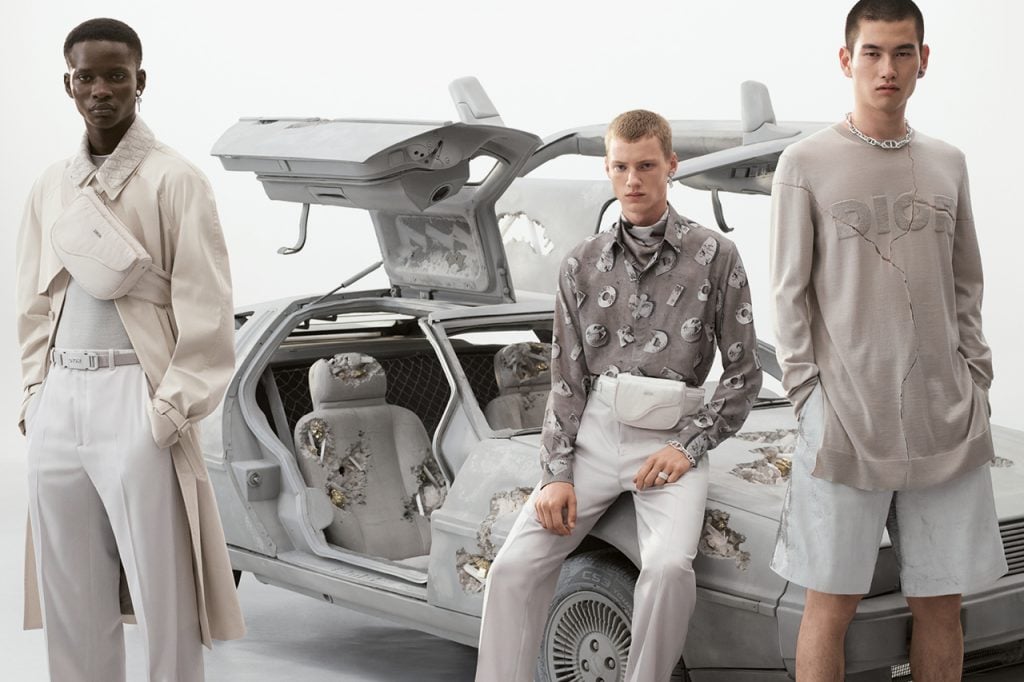
The last thing they have collaborated on to date is the iconic Newspaper Print by Dior, and this is how Arsham described this work:
“The process of working with Kim Jones and the Dior team on this collection wasn’t a straight line. Many ideas came in and out but early on Kim sent me the original files from the newspaper designs of the Galliano Spring Summer 2000 collection as inspiration. The idea of turning an everyday day item like that into a textile felt similar to the way in which I try to reinvent everyday objects in my own work. I reworked the original 20 year old print with new text and drawings and altered the dates as well. The new print forms a small capsule within the overall @dior collection I made with Kim. Happy to see it finally out in the world!”
Latest Projects
Daniel Arsham and Hajime Sorayama
Two different artists with a common characteristic, that of wanting to propose a different vision of the world from the everyday one, a mirror of their mind and imagination.
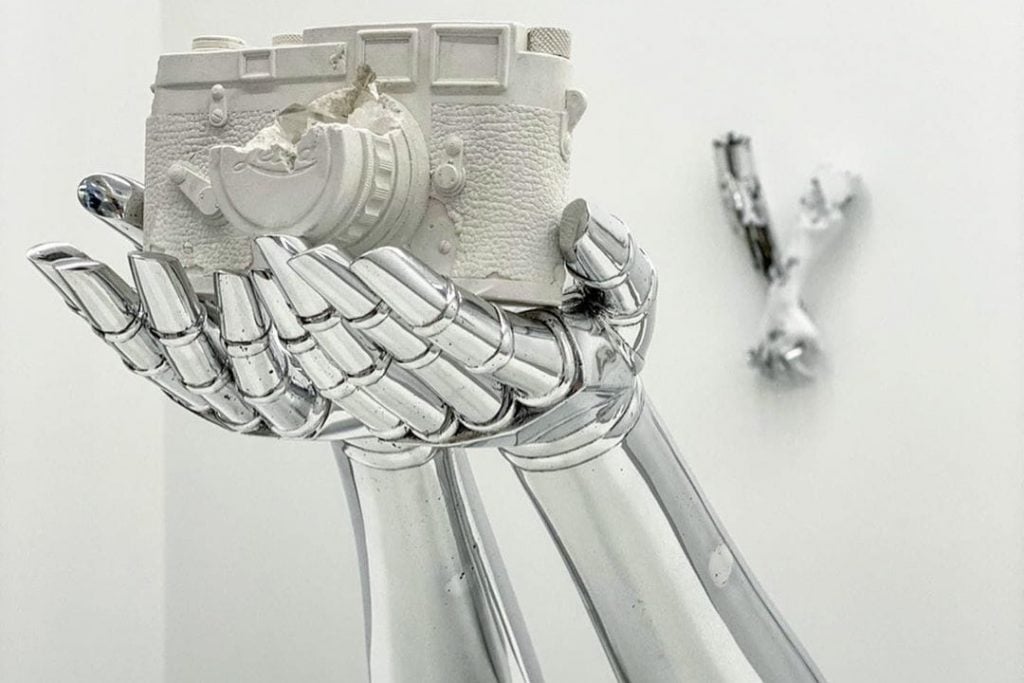
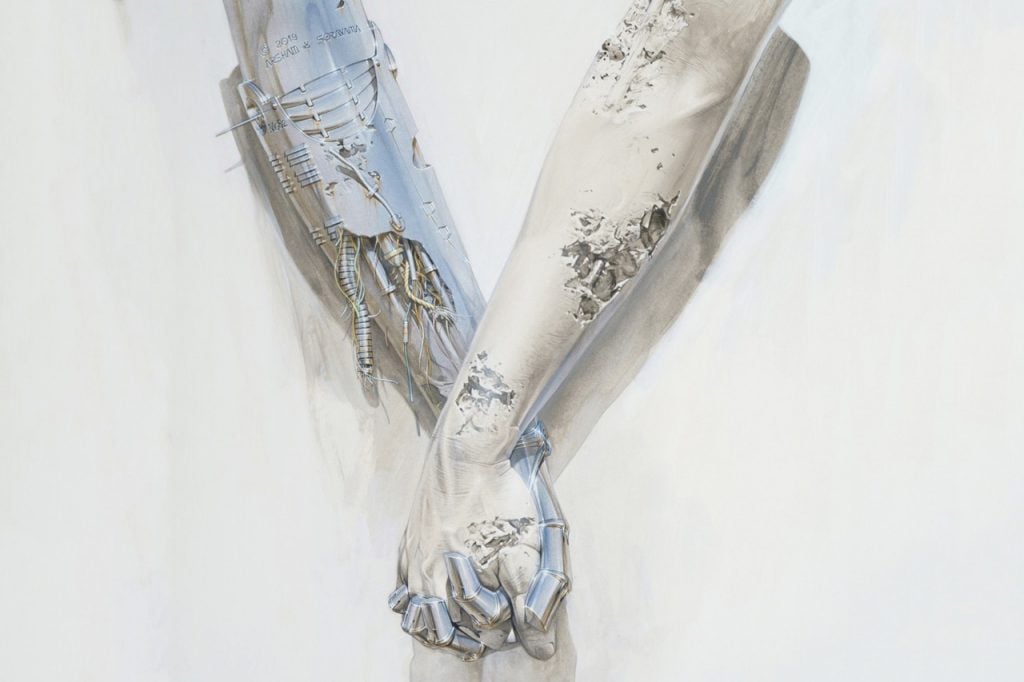
United for the first time in 2019, Arsham and Sorayama exhibited their first sculpture at the 2G gallery of NANZUKA in Tokyo, an eroded crystal arm that snaps fingers with a damaged robotic arm.
Of March 1, 2020, is the news of a second sculpture born from this collaboration, two hands belonging to a female robot holding one of the Future Relics, a camera eroded by time.
Daniel Arsham and “Paris, 3020”
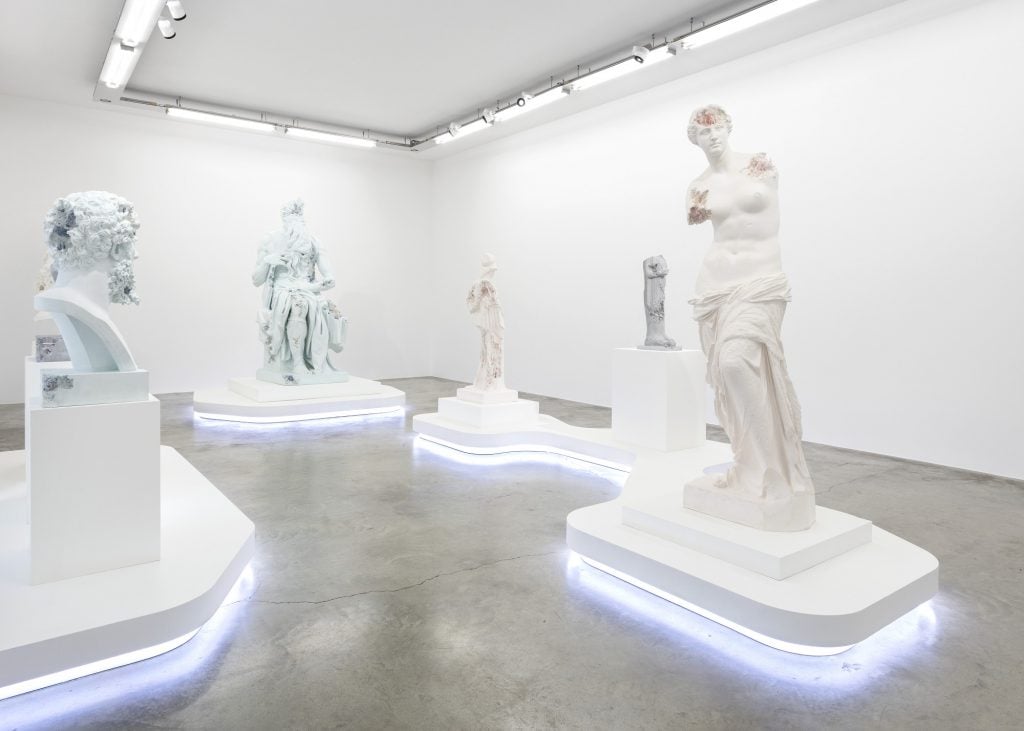
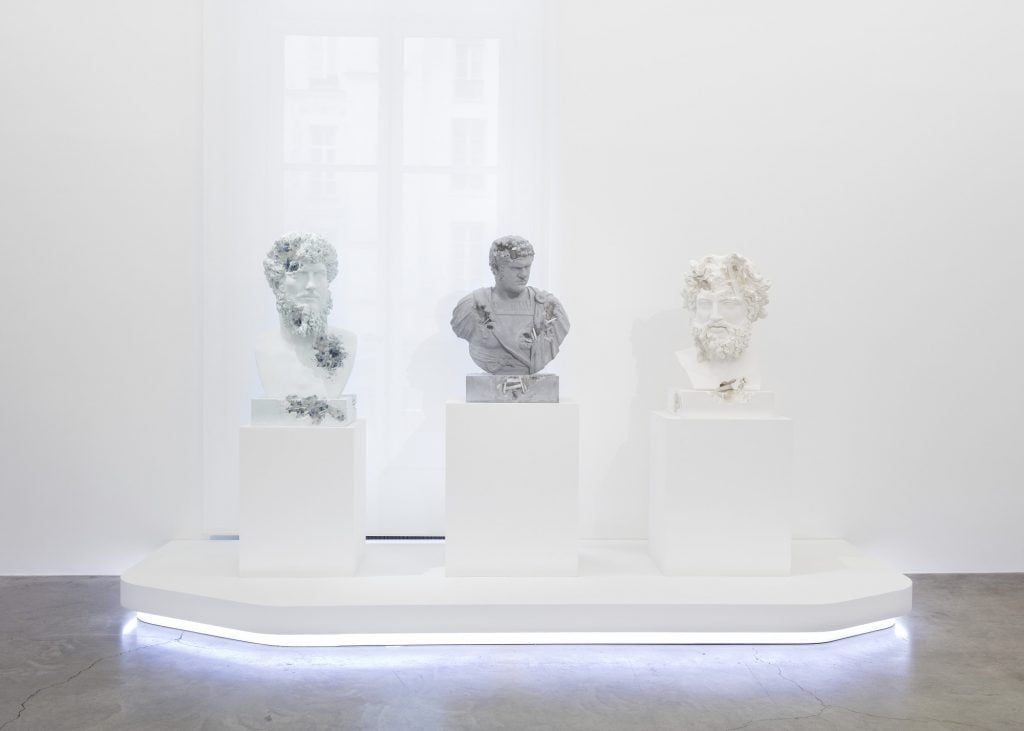
Currently on display at the Perrotin Gallery in Paris is “Paris, 3020”, a series of large sculptures inspired by busts, friezes and iconic sculptures of classical antiquity.
For this collection Arsham was able to use molds and scans of some of the most iconic works from the collections of the Musée du Louvre in Paris, the Acropolis Museum in Athens, the Kunsthistorisches Museum in Vienna and St. Peter in Chains as the starting material for this new body of work.
Interested in the way objects move through time, the works selected by the artist are so iconic that they have eclipsed their status as mere “art objects” and have instead become part of our collective memory and identity.