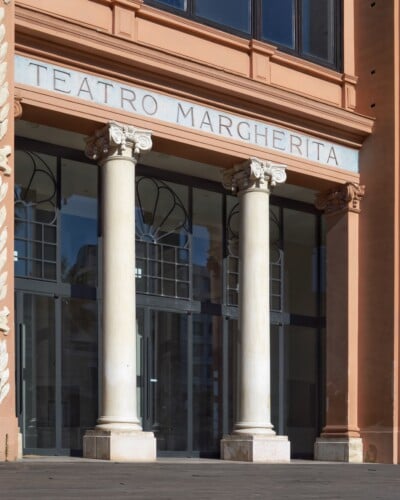
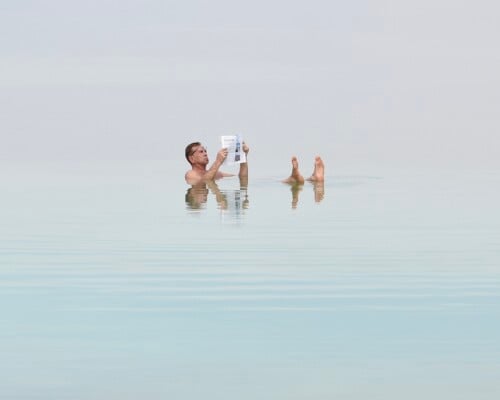
For photographer Daniel Postaer, China has always been, first and foremost, a void: the one left by his grandparents’ escape from Shanghai to Hong Kong and, later, to Ohio, in search of a better life. A geographical distance that also became a cultural one, one half of his identity left undefined and never truly understood. It is from this tension that Mother’s Land was born, a photographic project that later became a book, moving through contemporary China while also tracing a personal journey in search of a missing part of himself.

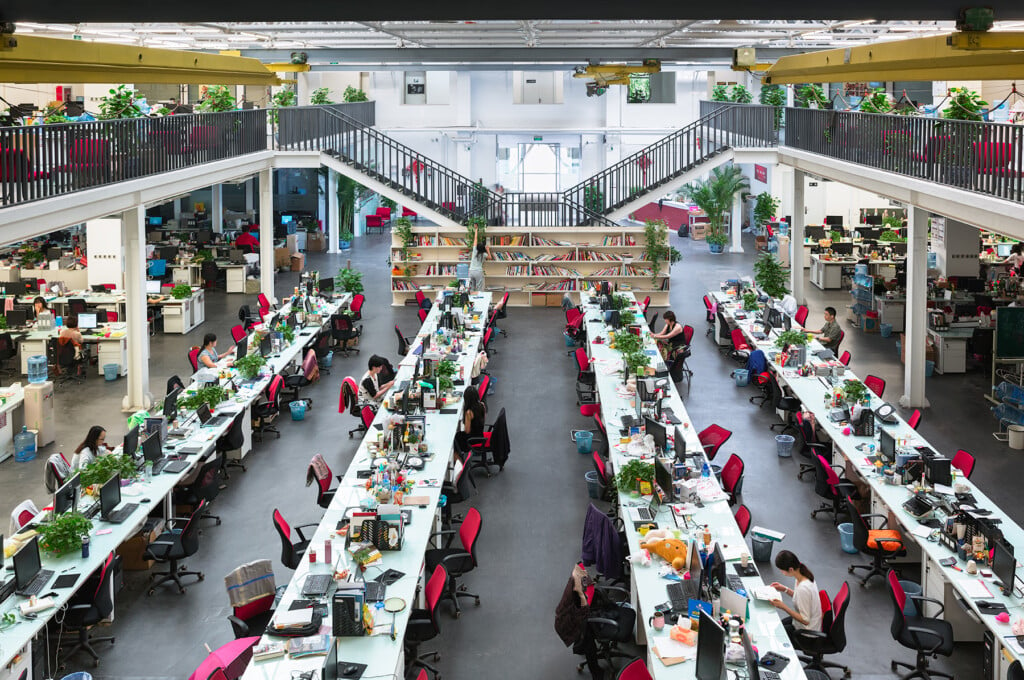
Driven by this unresolved curiosity, Postaer decided to move to Shanghai in the early 2000s to learn the language and reconnect with his roots. The China he encountered was a country in the midst of transformation, charged with overwhelming economic and social energy. He worked in sports and brand marketing, experiencing a reality he describes as accelerated, where each year seemed to count for five. It was an intense and formative experience, but one that also became increasingly complex over time, shaped by both love and cultural friction. Back in California, he discovered photography and enrolled in an art school in San Francisco, going through what he describes as a true rebirth.
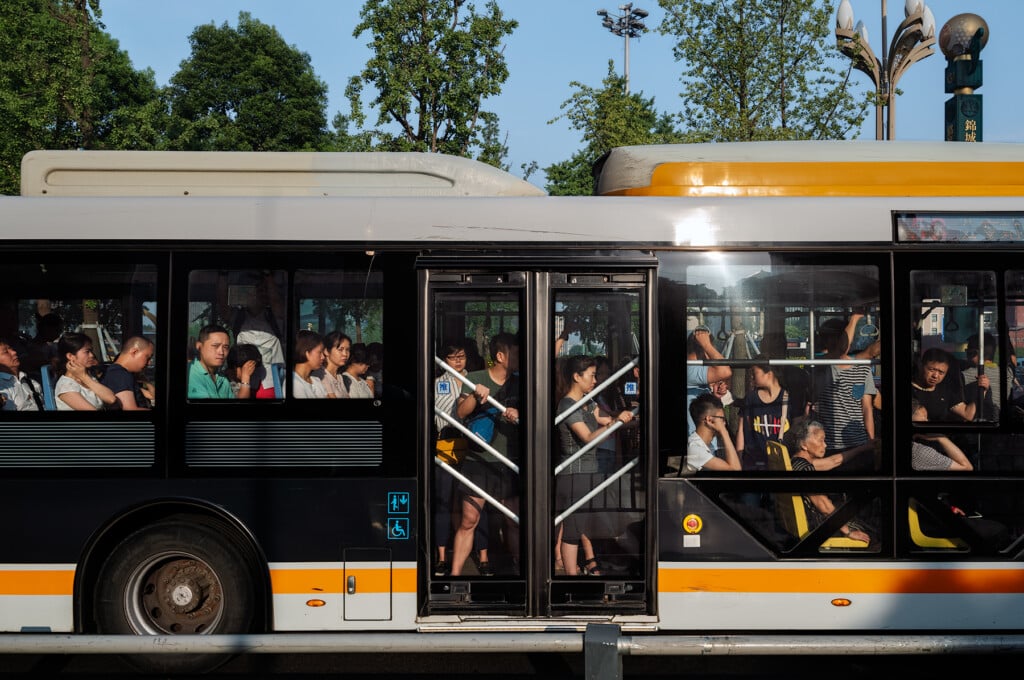
But his connection with China remained unfinished. After his studies, Postaer returned to the country several times, often on one-way tickets, traveling across cities and regions, staying with friends, and letting himself be guided by instinct and his camera. Mother’s Land grew out of these returns, gathering unscripted moments and everyday scenes observed while the artist confronted both his recent past and his family history.
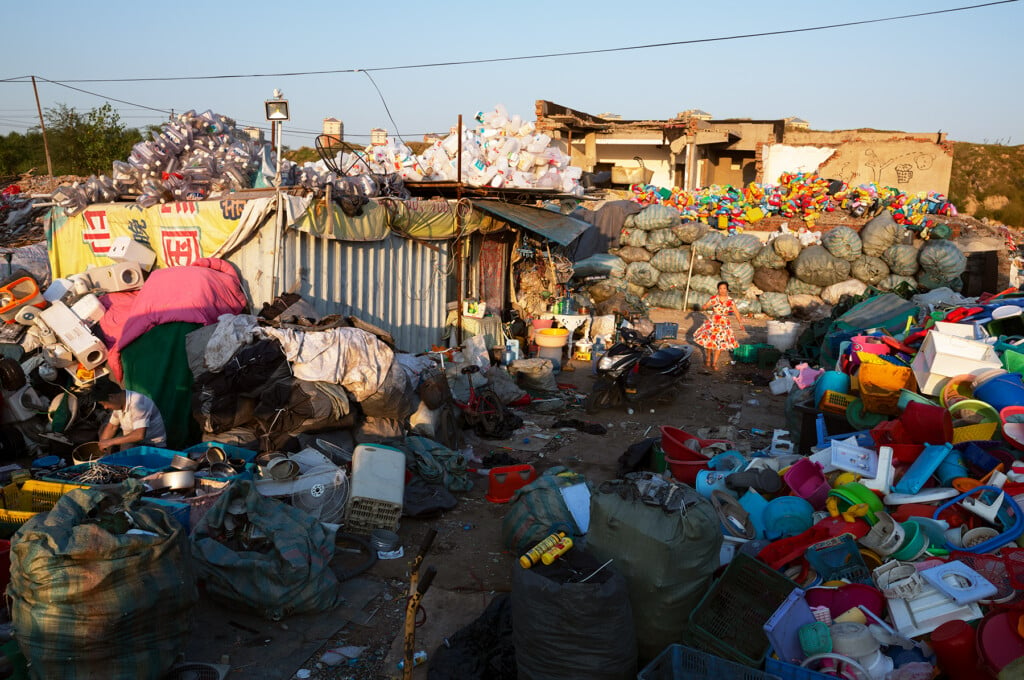
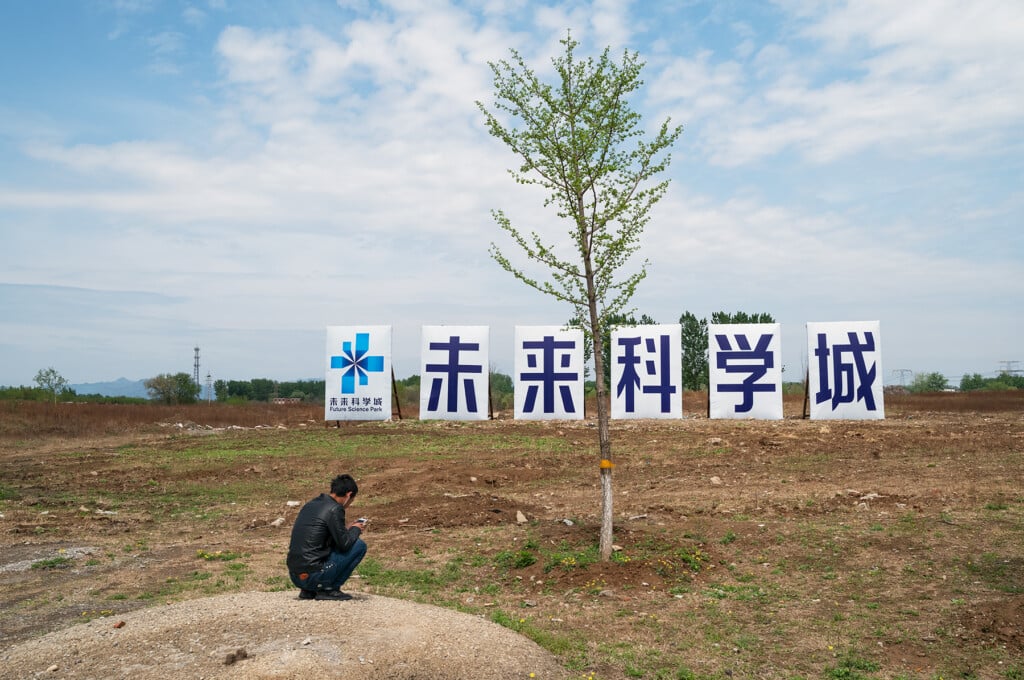
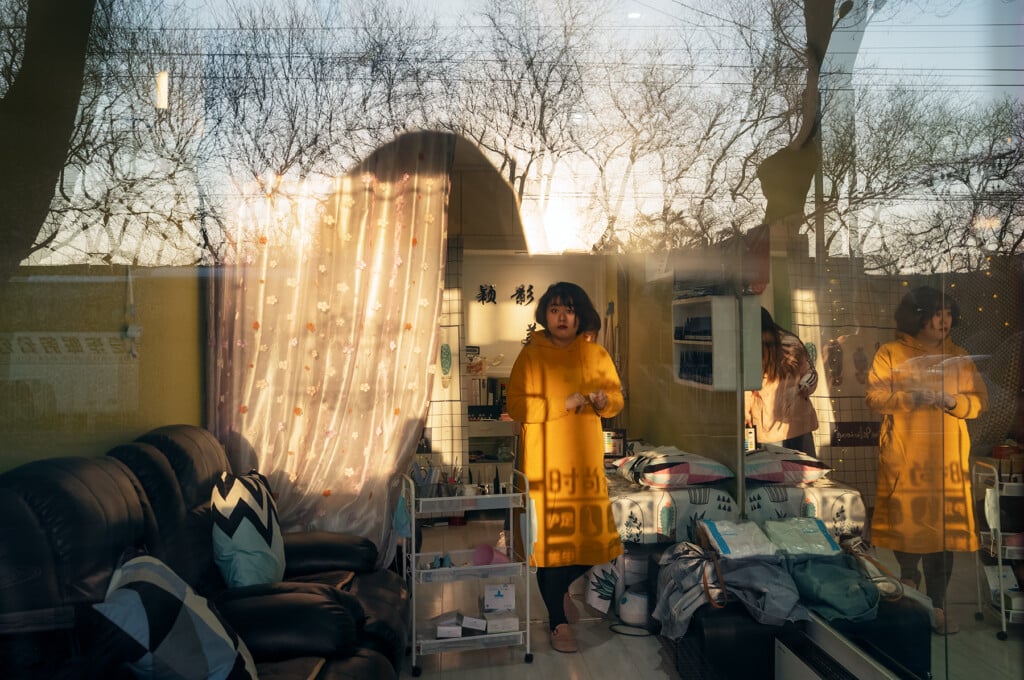
The result is a layered portrait of 2010s China, made up of large-scale compositions dense with figures, in which the urban landscape becomes the stage for constant transformation. Skyscrapers and gleaming surfaces coexist with rubble and construction sites, while old neighborhoods are demolished to make way for new architecture. It is a China in constant mutation, where time seems to move with violence and speed, erasing traces of the past and generating new visual identities.

Clear contrasts emerge in Postaer’s work: modernity and ruin, progress and loss, memory and erasure. Construction sites become almost like contemporary archaeological sections, places where debris reveals the layers of time just passed. It is here that photography takes on the role of testimony, a form of evidence capable of holding onto moments that would otherwise disappear.
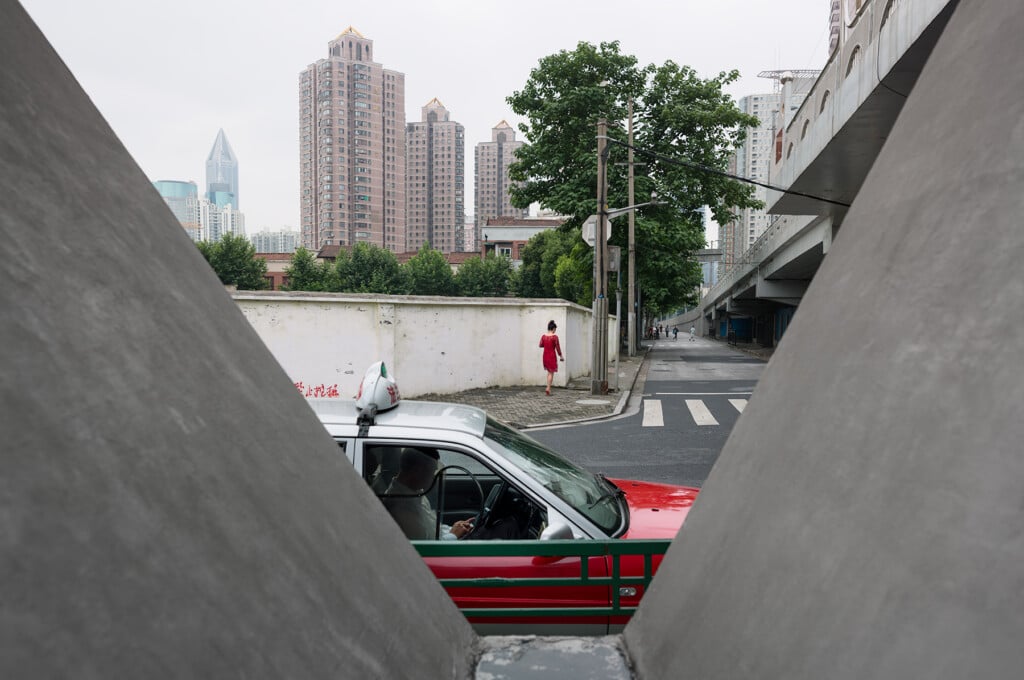
Mother’s Land thus becomes not only a personal journey, but also a collective account of a nation changing at a dizzying pace. The images build urban dioramas in which everyday life unfolds amid silent and sudden transformations. It is a project that reflects on memory, identity, and the relationship with a place that can feel, at the same time, both familiar and distant.
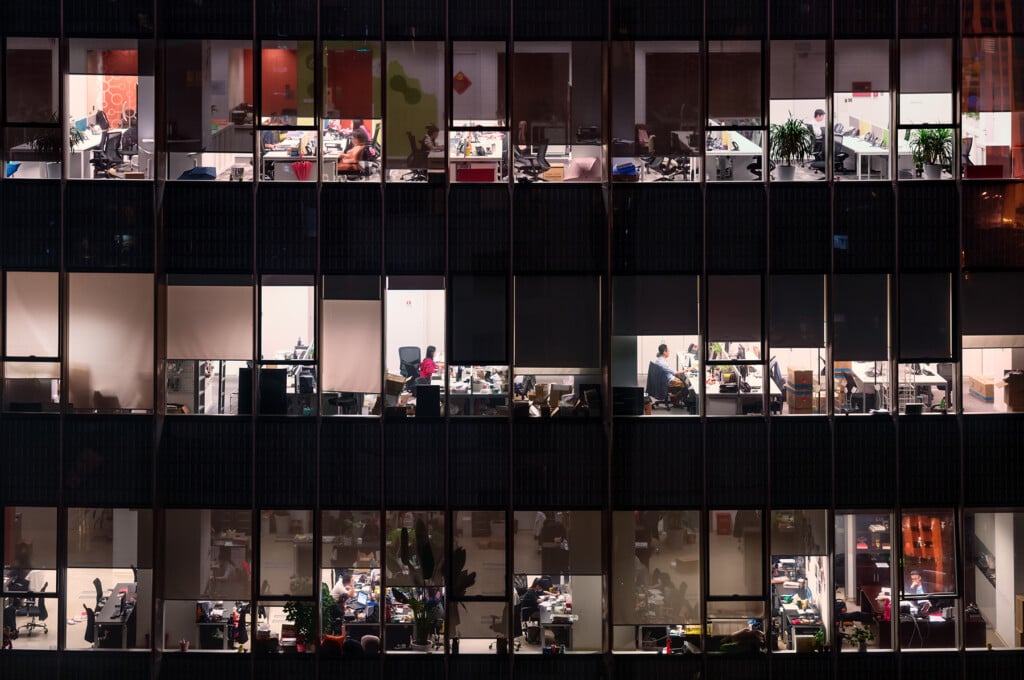

Within this balance between presence and absence, Postaer finds a new form of connection with his mother’s homeland. The photographs become a way of understanding what has been lost and what continues to change, transforming generational distance into a visual space where past and present coexist, even if only for a moment.