For four years the Design Museum Gent has been a museum in transformation, not simply a building closed for works, but a place called on to rethink its own function: what does it mean today to preserve, show and tell the story of design? And above all, how can a museum continue to be useful when the objects, the technologies and the very way we inhabit the world keep changing?
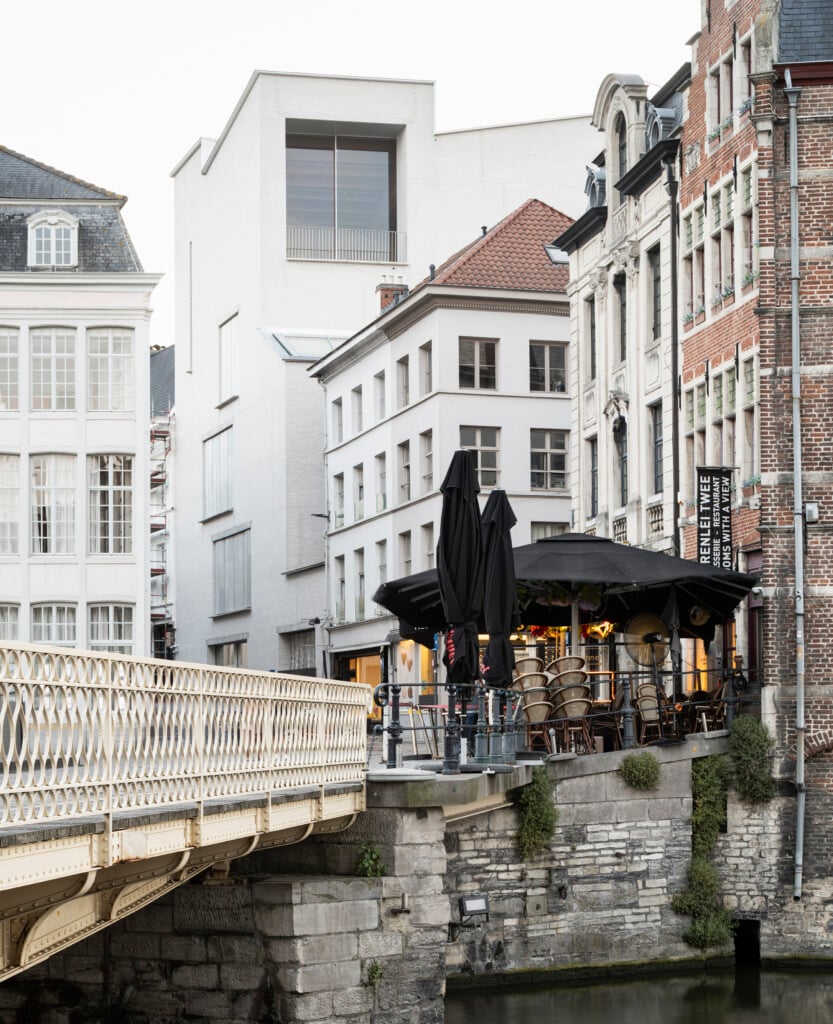
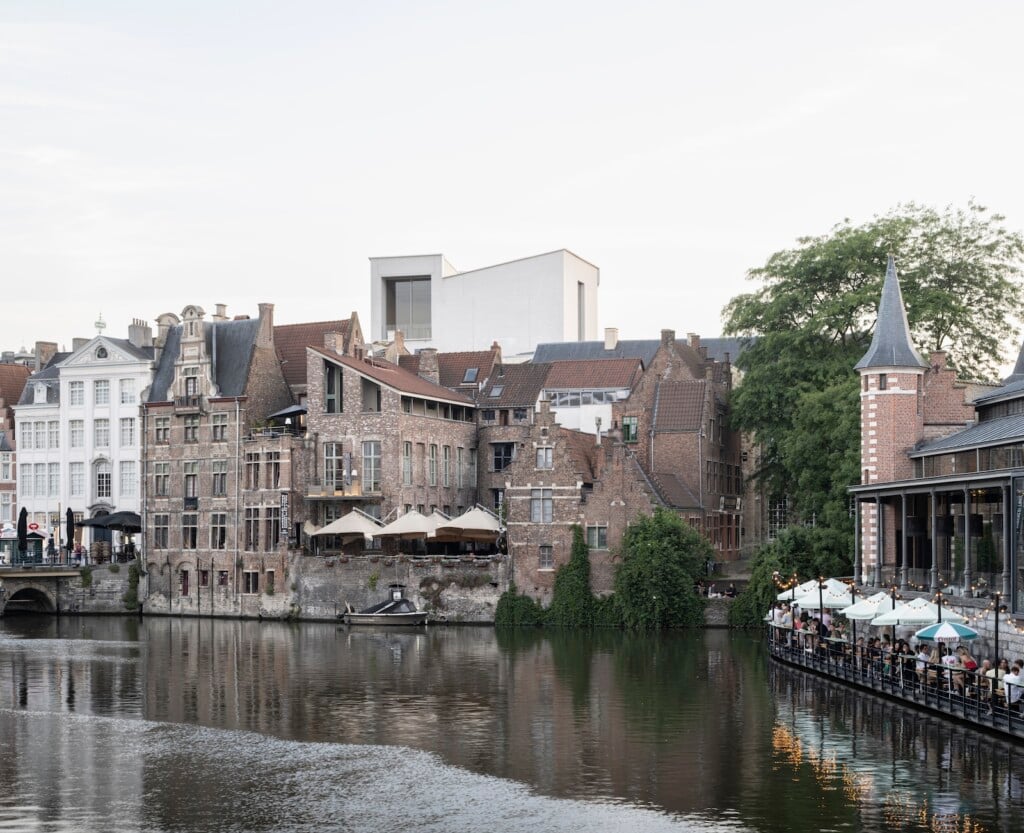
On 3 October 2026 the Design Museum Gent reopens its doors after a long renovation and expansion project. In the heart of Gent’s historic centre, the complex that for decades has brought together buildings from different eras has been reassembled through a new wing designed by Carmody Groarke and ATAMA, alongside restoration work on the historic buildings overseen by RE-ST. The intervention doesn’t simply add square metres to the museum: it tries to change the way people can move through it, use it and recognise themselves within it.
The result is a museum that looks in two directions at once. On one hand it preserves its own history, starting with the Hotel de Coninck and the collection born in the early twentieth century; on the other it builds new spaces for debate, experimentation, education and encounter. A transformation that becomes particularly significant precisely at a moment when design is no longer just about the shape of objects, but increasingly about the way we imagine the future.
A new wing to reassemble the museum
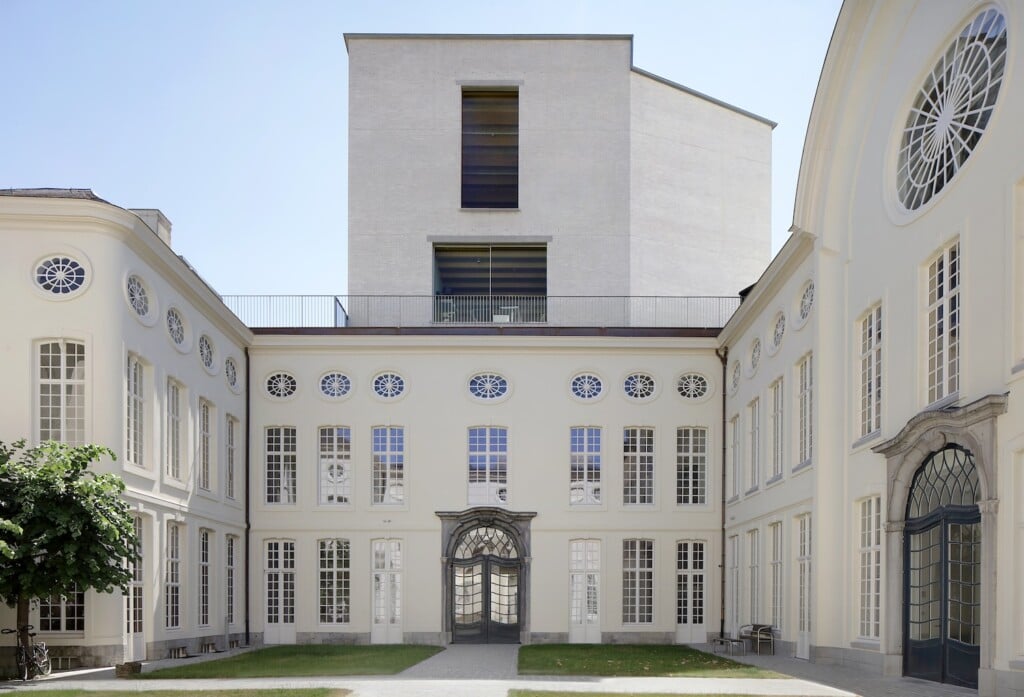
The Design Museum Gent occupies a cluster of buildings constructed in different eras, a layering that over time had produced a complex that was fascinating but also fragmented. The new wing represents the missing piece of this ensemble: it connects the different parts of the museum and completes the visitor route. The architectural project doesn’t set out to build a museum from scratch, but to intervene on what already exists, restoring the historic buildings and introducing a new volume capable of engaging in dialogue with the context. The new architecture doesn’t try to erase the differences between past and present, but makes them legible and puts them in relation to one another.
At the centre of the project is the courtyard of the historic Hotel De Coninck, the eighteenth-century palace that today forms one part of the Design Museum Gent. It was previously an underused part of the complex, while with the new intervention it becomes a garden and, above all, a point of orientation. Sightlines toward this space run through the building and guide the public from one part of the museum to another. It’s an architectural detail that also changes the perception of the experience: instead of moving through a sequence of independent rooms, visitors find a shared element around which the whole museum is organised.
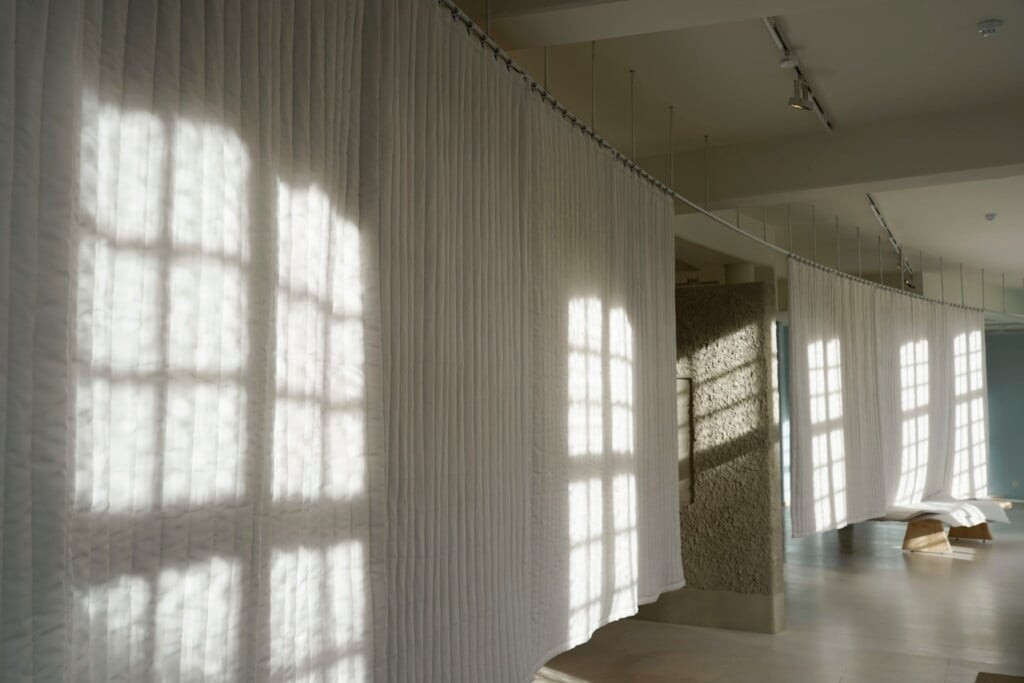
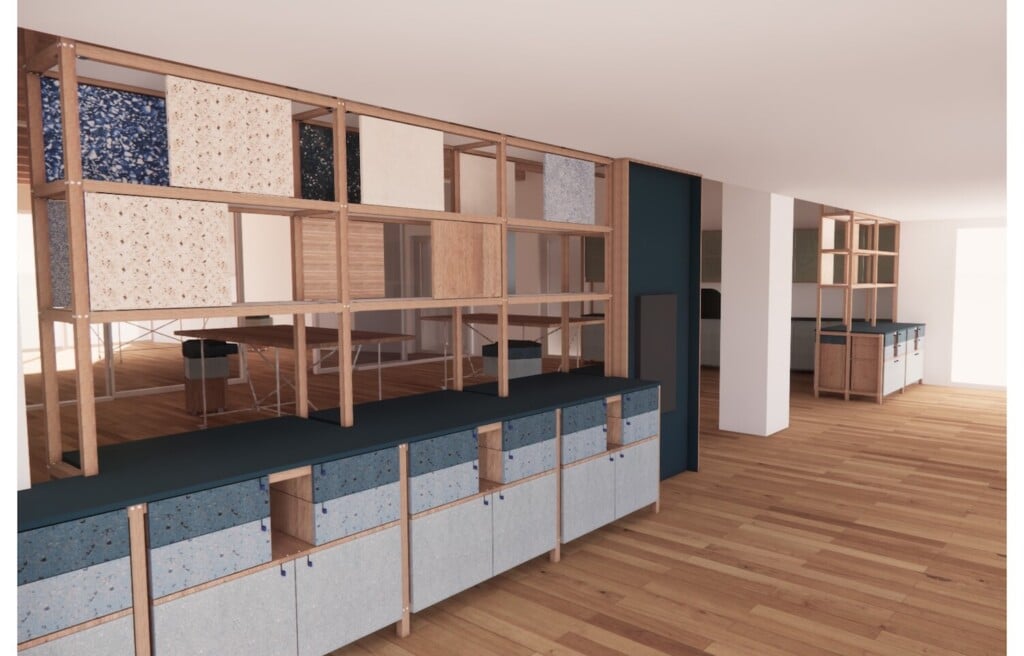
The new wing is organised into six zones and follows three principles stated by the museum: to be welcoming, open and adaptable. There is the Stadskamer, the space dedicated to the reception and bookshop, conceived as a genuine “room of the city”; the Forum for meetings and conferences; the Atelier dedicated to workshops; the Vitrine for temporary exhibitions and, on the top floor, the Loft, an event space with a view over the city. Even the museum’s normally invisible work finds a place in the architecture: in the basement, the area dedicated to moving artworks allows a glimpse of what happens behind the scenes.
It’s a way of making visible something that often stays hidden: a museum isn’t just what the public sees in the galleries, but also all the conservation, research, installation and production work that allows those works to exist.
Building with what already exists
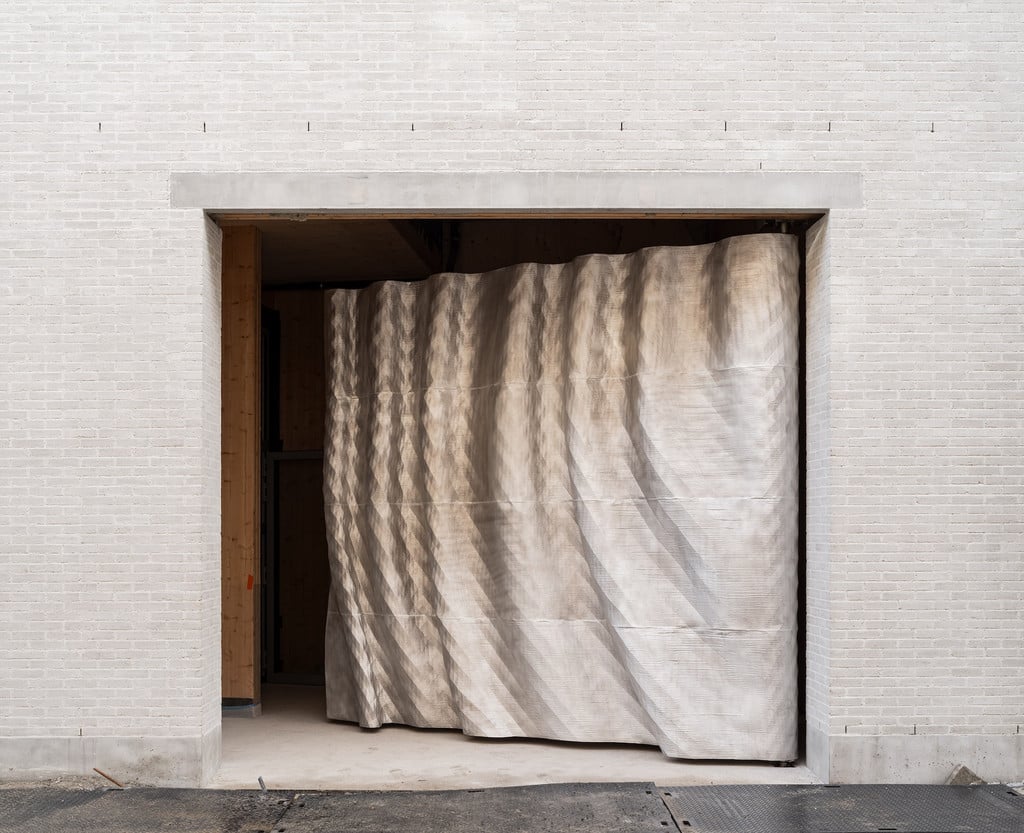
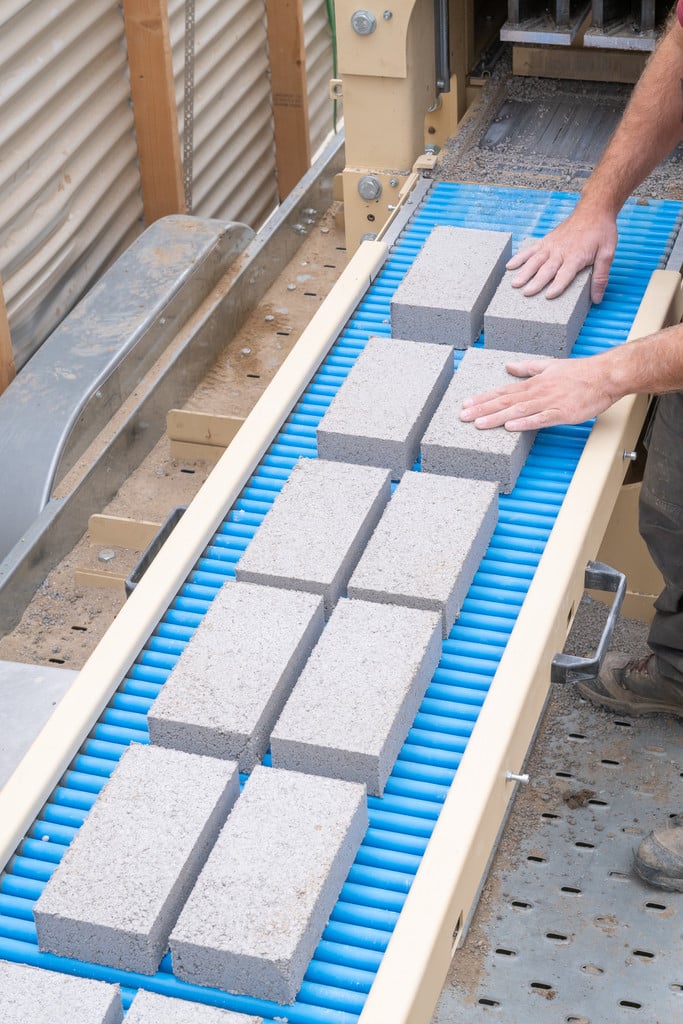
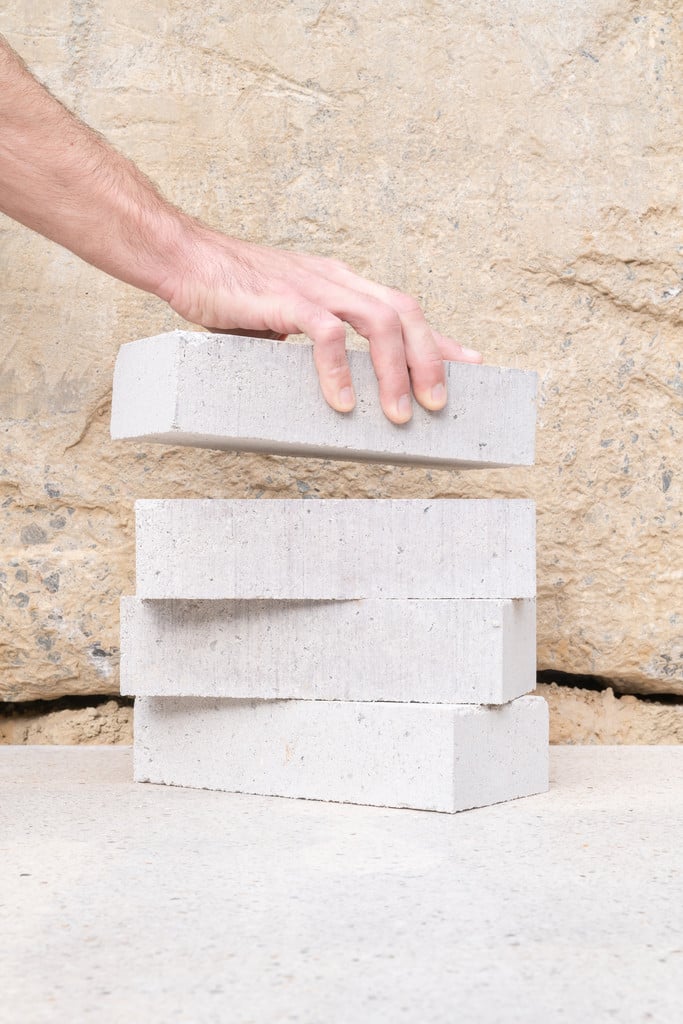
If the project speaks of the future, it does so without giving up the matter of the past. The new wing is built in timber and white brick, drawing on materials and proportions tied to Gent’s architectural tradition. But the façade also introduces a particularly significant element: the Gent Waste Bricks, bricks made from municipal waste collected locally and produced through a lime-hardening process that requires no kiln firing. In total, more than 82,000 were produced locally at Het Arsenaal, in a process the city’s residents were able to follow.
The choice isn’t purely technical. The bricks are sized to match those of the eighteenth-century Hotel de Coninck, and their colour converses with the historic houses of Drabstraat. The new wing thus manages to be contemporary without presenting itself as a foreign body. This attention to reuse and circularity is part of a wider programme. Sustainability, then, isn’t presented as something added at the end of the project, but as a condition through which to rethink the whole museum.
From a museum of objects to a museum of relationships
The most interesting transformation, however, isn’t necessarily the one visible from the outside, because the new Design Museum Gent wants to be a place where you don’t simply look at design. The museum describes itself as a “third space”, a public space in which to meet, learn, create and discover. The goal is to lower the traditional distance between institution and visitor, turning some areas of the museum into places accessible even beyond visiting the collections.
To understand who this new museum should belong to, in 2025 a group of forty Gent residents was brought together in the citizens’ panel DE40. The question the discussion started from was simple but far from obvious: “Is this a museum for me?”
Involving residents, then, wasn’t conceived merely as a communication exercise, but as a tool for questioning the museum’s accessibility and relevance for people with different backgrounds and knowledge. It’s a significant step because it shifts attention from the object to the public: not only what should be preserved, but for whom, and through what means, it should be told. The Flemish government too identifies, in this new phase of the museum, a strengthening of mediation and outreach activities, with tools aimed at different audiences, interactive interfaces and explicit work to reduce barriers to access. The stated goal is to make design a tool for connection and empowerment, not simply content to be observed.
The collection returns to question the present
The new organisation of the Design Museum Gent isn’t only about the spaces, but also about how the museum presents its own collection and builds new routes around design. The central project is Collection. Models from the Past for the Future, curated by Evelien Bracke. About 500 objects, selected from a collection of around 24,000 pieces, build a route organised around five themes: Copy, Comfort, Migration, Folds and Connections.
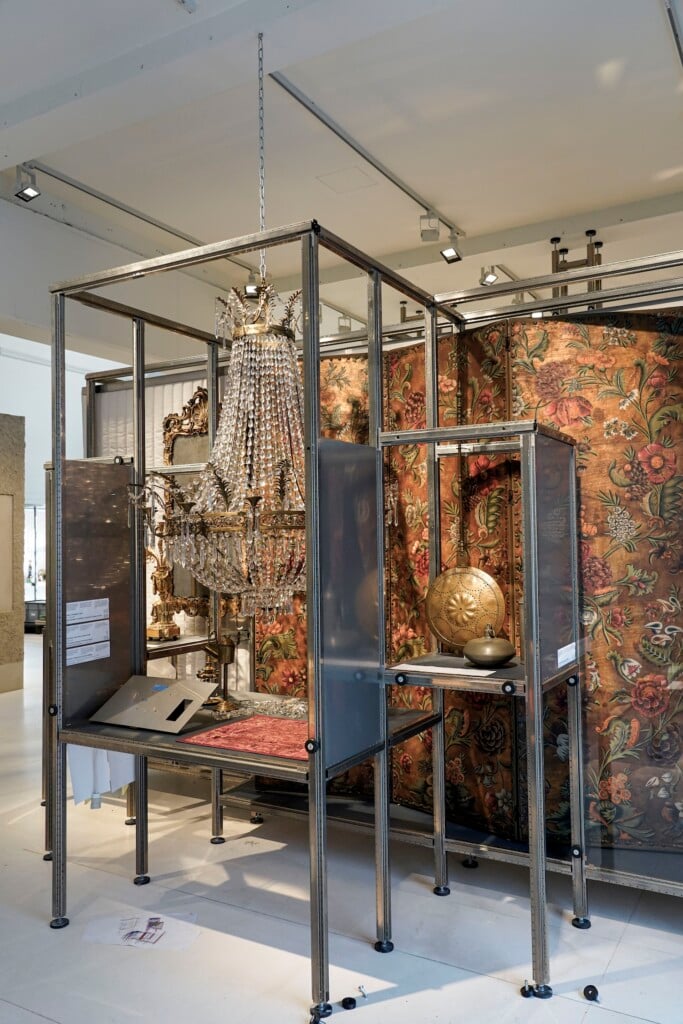
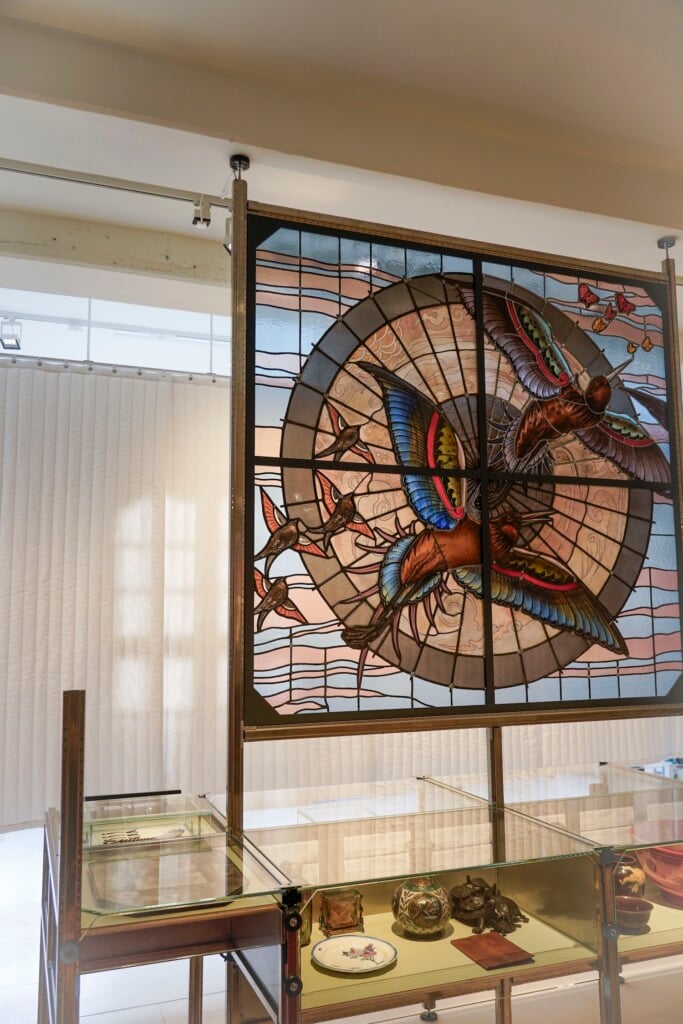
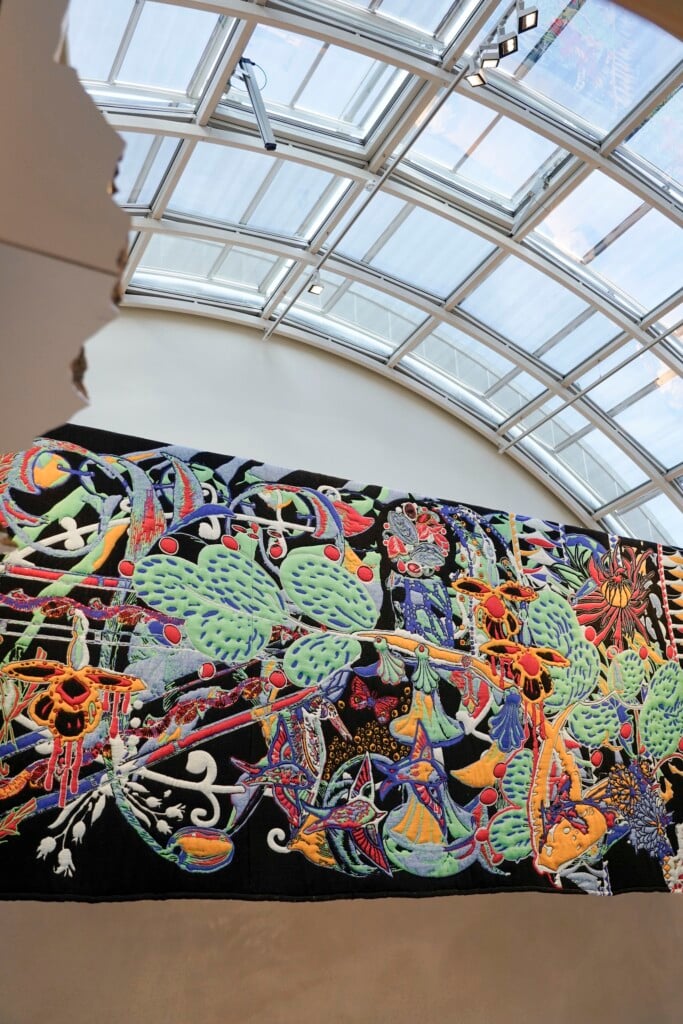
The museum, founded in 1903 as a model museum, thus returns to question its own history: among the objects on display, about 40% have never been shown before. Alongside names such as Alvar Aalto, Charles and Ray Eames, Arne Jacobsen, Victor Horta, Henry van de Velde, Gaetano Pesce, Ettore Sottsass, Maarten Van Severen, Tapio Wirkkala and Eva Zeisel, the exhibition also introduces a dialogue with the contemporary through Kana Arioka, OpenStructures and Victor Verhelst.
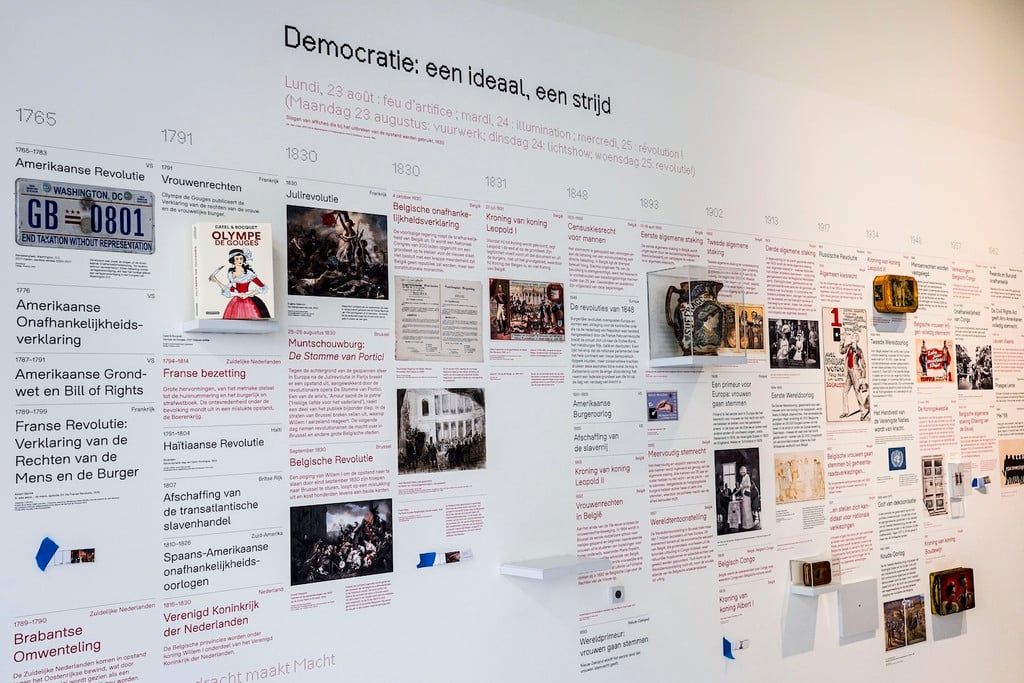
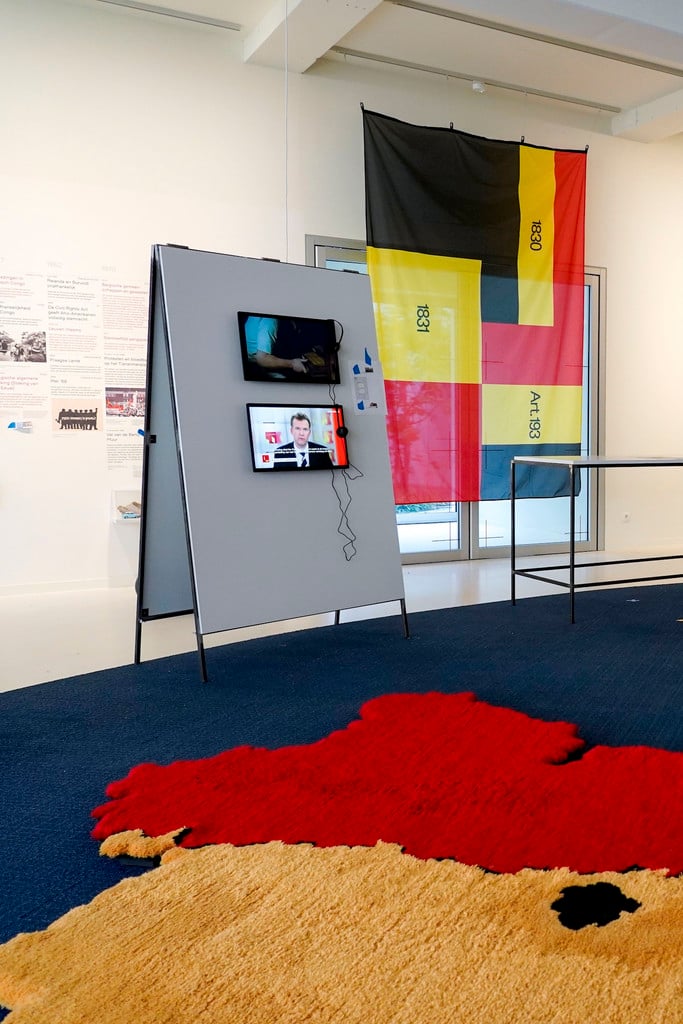
Alongside this is Public Matter(s): Design and Democracy, running until 11 April 2027 and curated by Amelie Klein and Vera Sacchetti. The exhibition starts from a precise question: how much of our democratic structures is the result of design choices? The route thus addresses the relationship between design, inclusion and exclusion, and also includes the Democracy Fitness Trail, an interactive installation designed to test — and metaphorically train — democratic participation. The project also grew out of the work of DE40, the panel made up of 40 Gent residents the museum involved in spring 2025.
More experimental is Searcher, a project by Jon Stam, Valentin Vogelman and Boris Smeenk, curated by Olivier Van D’huynslager. Here technology becomes a tool for entering the collection in a different way: an AI-based installation allows the objects to be explored through similarities of shape, colour and text, turning the search into an experience that is less linear and more exploratory.
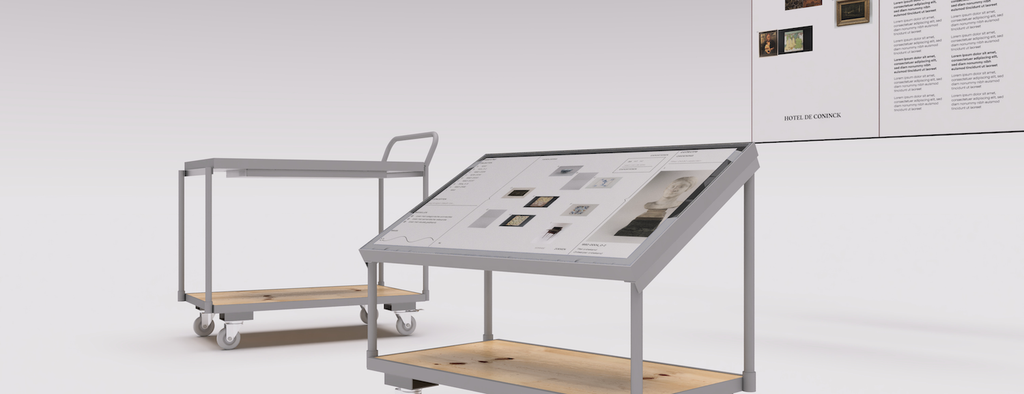
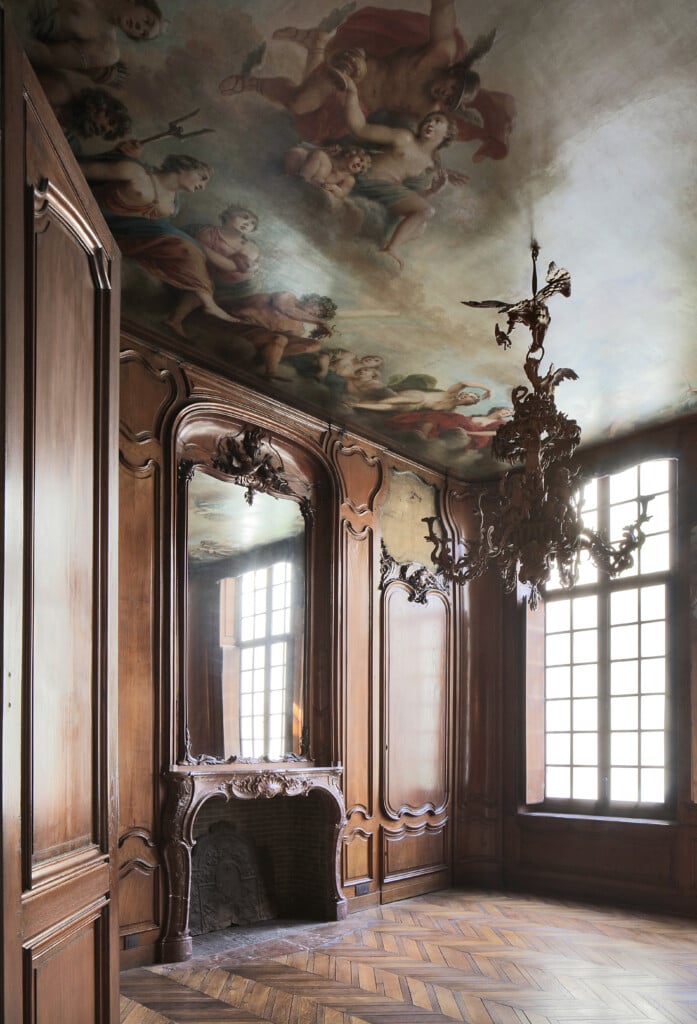
Finally, in the historic rooms of the Hotel de Coninck is CO-LAB, produced by the Design Museum Gent in collaboration with Design Fest Gent and curated by Siegrid Demyttenaere. The project occupies eight historic rooms and brings together different designers and practices, involving, among others, Marijs Kempynck and Sadie Williams, Yufei Gao and Victor Verhelst, Biobased Creations and Jaron Vandevelde, Queer Collective Workers’ Union, Marie Verdeil and Maxence Duterne, Studio d-o-t-s and Structure Bâtons, Josef Jakob Rieper and Egon Watteeuw.
The result is a museum that, upon reopening, doesn’t offer a single reading of design. The historic collection, democracy, artificial intelligence and contemporary experimentation become just as many points of entry into the same question: what can design still do once it stops being only a matter of objects?
Design doesn’t stay in the galleries
The reopening of the Design Museum Gent coincides with Design Fest Gent, running from 3 to 11 October 2026, and the festival carries design well beyond the museum’s walls. The programme is in fact spread across several locations in Gent, turning the city into a kind of diffuse exhibition route.
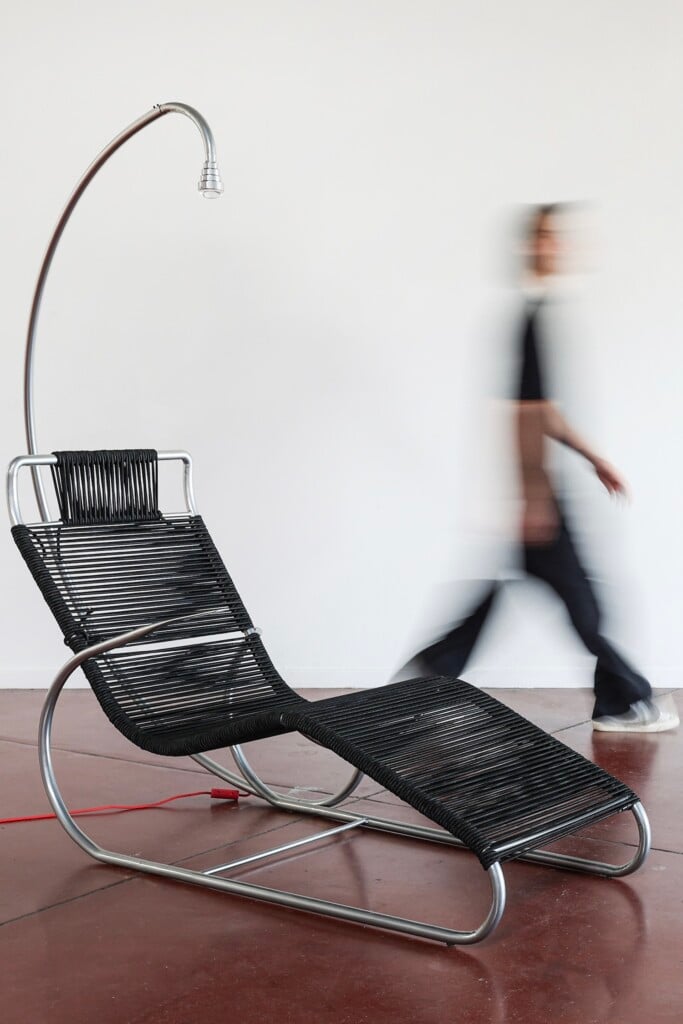
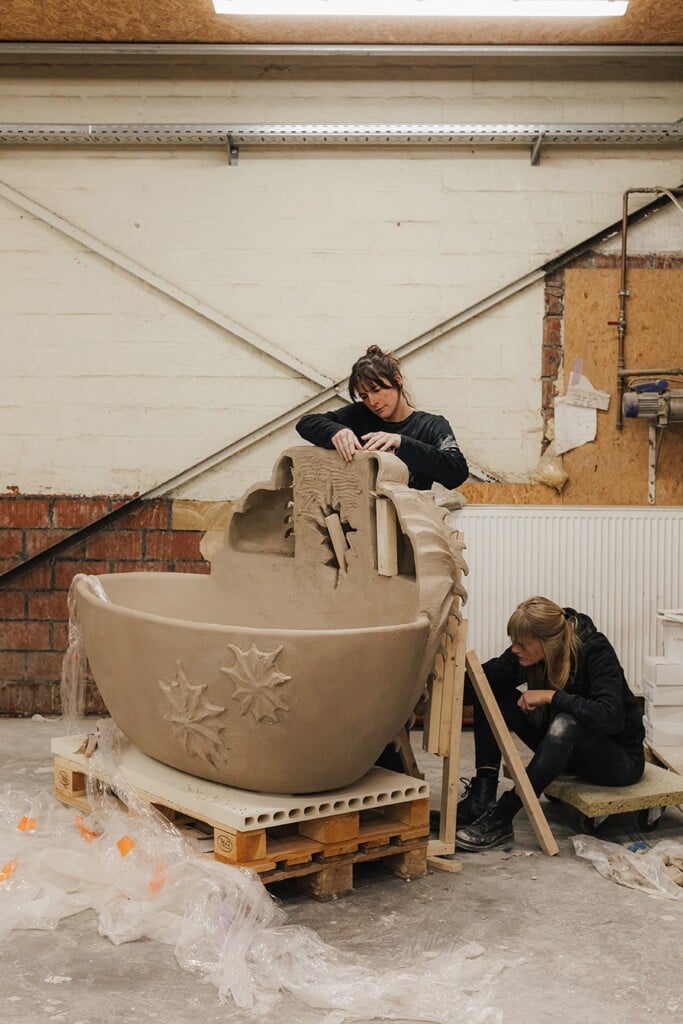
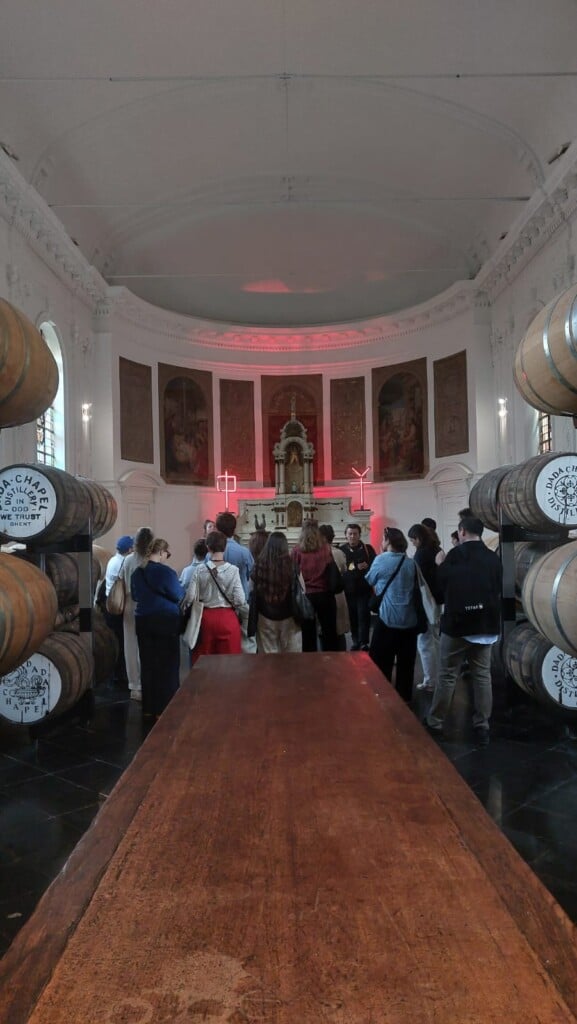
Among the venues are the Gouvernement, where Under Construction brings together contemporary designers around the theme of construction and the relationship between materials, techniques and structures; Trefpunt – Bar Edward, which hosts Common Ground, a project dedicated to objects and spaces built from materials, memories, techniques and social connections; and the Dada Chapel, where LOHO Collabs presents sculptures by Sharon Van Overmeiren developed together with Studio LOHO.
The route also reaches BROEI, transformed for the occasion into a space dedicated to the new generation of Belgian design: We Are The Next Generation brings together about thirty projects selected from those developed by students of product design, architecture, graphic design and game design.
And the festival keeps expanding into urban space. At Fluvius, for example, the programme presents Deep Rivers above the Sun by Shirley Villavicencio Pizango and Puffy Portal by Loulou João, two projects that transform the experience of space through art, movement and interaction.
The result is an event that doesn’t build a single route inside a museum, but a network of different places and situations. The Design Museum Gent thus becomes one of the starting points of an experience that continues across cultural spaces, independent venues, studios and other buildings in the city: design doesn’t stay in the galleries, but measures itself directly against the places and the people who inhabit them.
A museum built between what remains and what has yet to arrive
In the end, the new wing of the Design Museum Gent doesn’t seem to want to resolve the tension between historic and contemporary, but makes it its own strength. Bricks made from local waste converse with those of eighteenth-century architecture. Artisanal techniques coexist with circular industrial systems. Objects from the collection are examined through contemporary questions. The historic courtyard becomes a garden. The museum opens spaces to the city. And Design Fest Gent carries this same attitude outside the building.
Perhaps it’s precisely here that the reopening finds its most interesting meaning, because it isn’t about bringing the museum back to what it was before the works, but about building the conditions for it to keep changing.
Design becomes a way of looking at what we have inherited, understanding what no longer works and imagining what might take its place. After four years of transformation, the Design Museum Gent thus reopens with a question still open. Not so much what will the design of the future be?, but which tools from the past can we still use to build it?