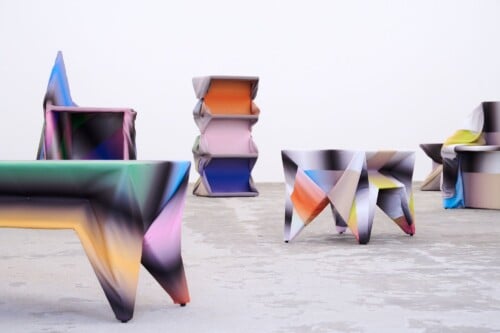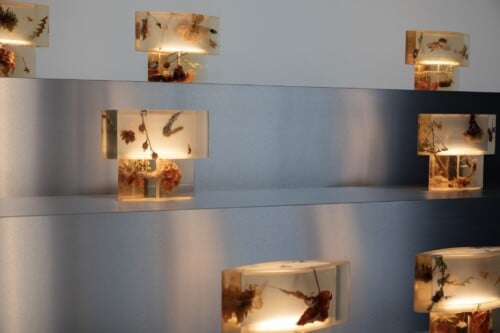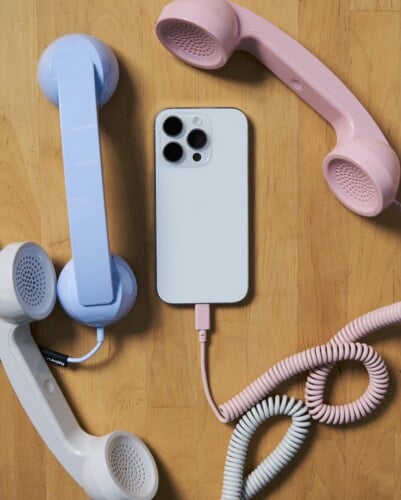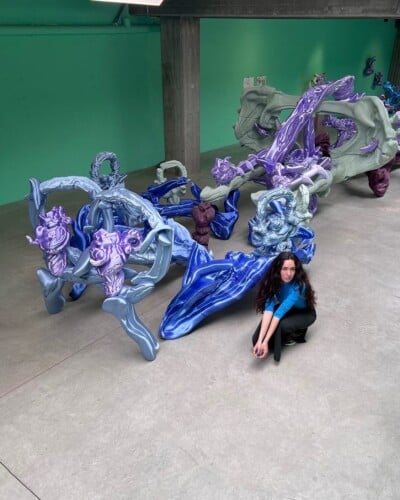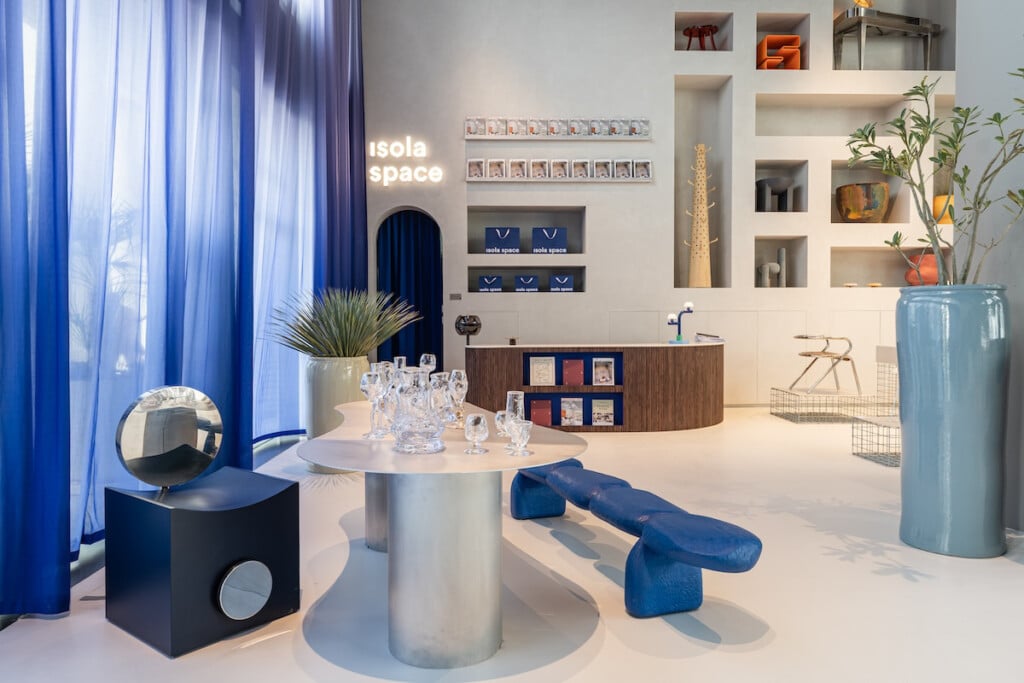
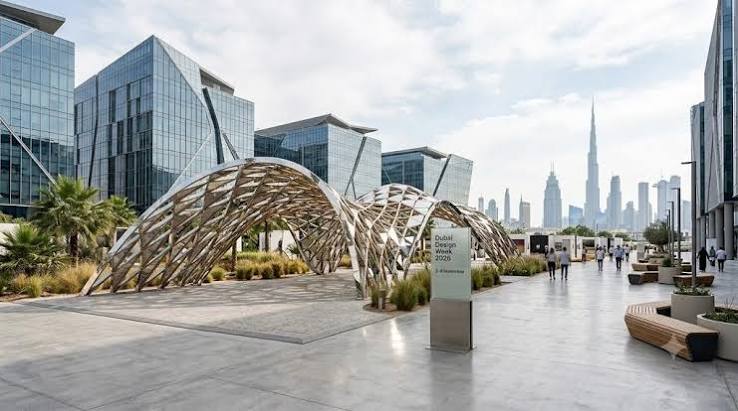
In November, Dubai once again becomes one of the most interesting meeting points for those who follow contemporary design, turning the city into a territory of experimentation that spans furniture, art, architecture and craftsmanship. From November 3 to 8, Dubai Design Week 2026 connects international designers, brands, galleries and independent studios, in a program that extends well beyond the boundaries of a single fair.
The heart of the event is the Dubai Design District (d3), a neighborhood dedicated to the creative industries that hosts Downtown Design, the week’s main commercial event for high-end and contemporary design in the region. Alongside the fair, exhibitions, installations, talks and site-specific projects spread across different parts of the city build a route in which design is not simply displayed, but enters into dialogue with spaces, people and the urban context.
On one side, the presence of historic brands and established names of international design; on the other, an independent scene that puts materials, production processes and new interpretations of living at the center. Among the events to follow are the installations by Buccellati, the debut of Memphis at Downtown Design, Nilufar‘s project at NOMAD Abu Dhabi and the program of Isola Design Group, which this year expands its presence in Dubai through exhibitions, immersive environments and a new platform dedicated to discovering urban design.
Isola Design Group, Dubai becomes a city to be crossed through design
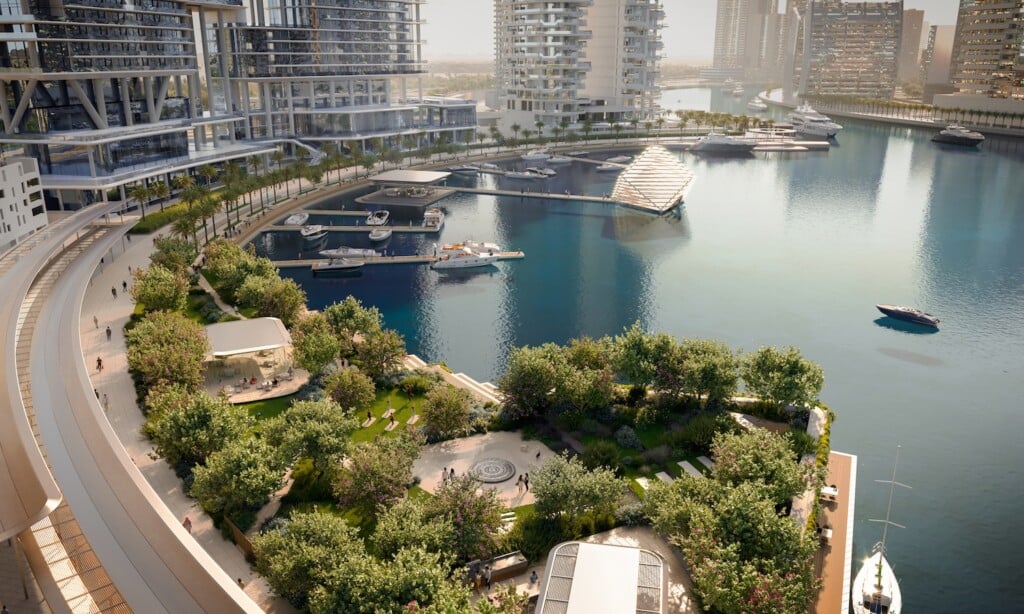
Among the most articulated presences of this edition is that of Isola Design Group, which returns to Dubai for the fifth consecutive year with the most ambitious program it has ever staged in the city. The project unfolds across three areas, Marasi Bay, Dubai Design District and Downtown Design, and connects exhibitions, installations, immersive experiences and moments of encounter, broadening the way design is presented and experienced.
The main novelty is Designwhere, a curatorial platform designed to make the creative scene of cities more accessible. Born from the experience of Isola in Milan and its expansion into the Middle East, it connects designers, galleries, studios, events and independent spaces. Dubai is the project’s first destination, which debuts during Design Week with a digital platform and a first physical installation at Downtown Design. Isola’s new platform, located at stand B14, presents a selection of furniture, lighting and objects from the city’s designers, galleries and independent studios, arranged as a composition of plinths and display elements.
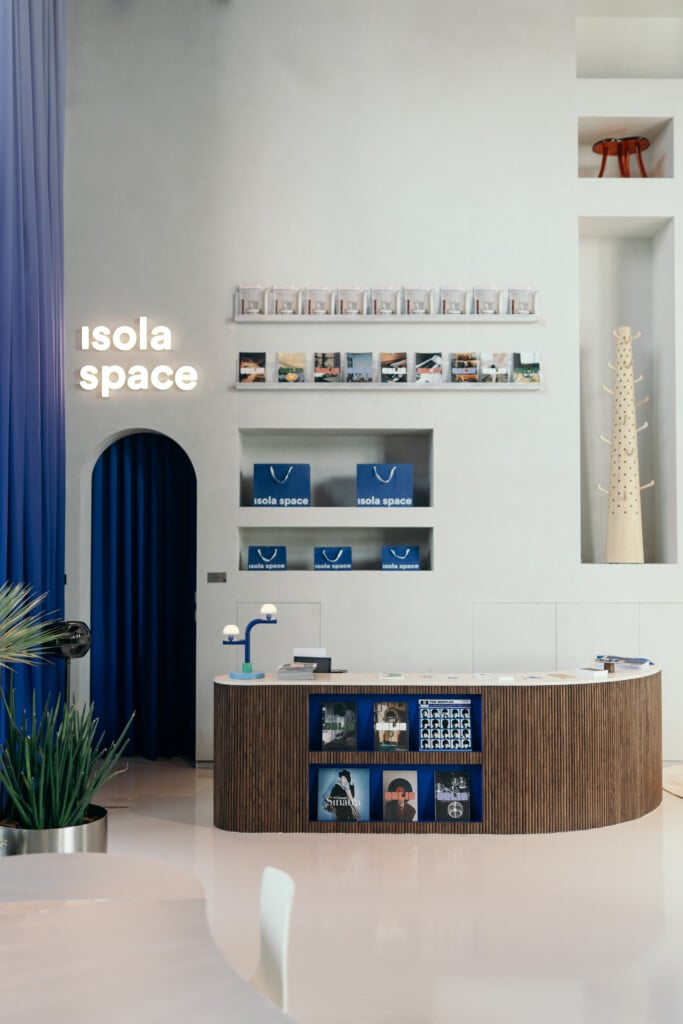
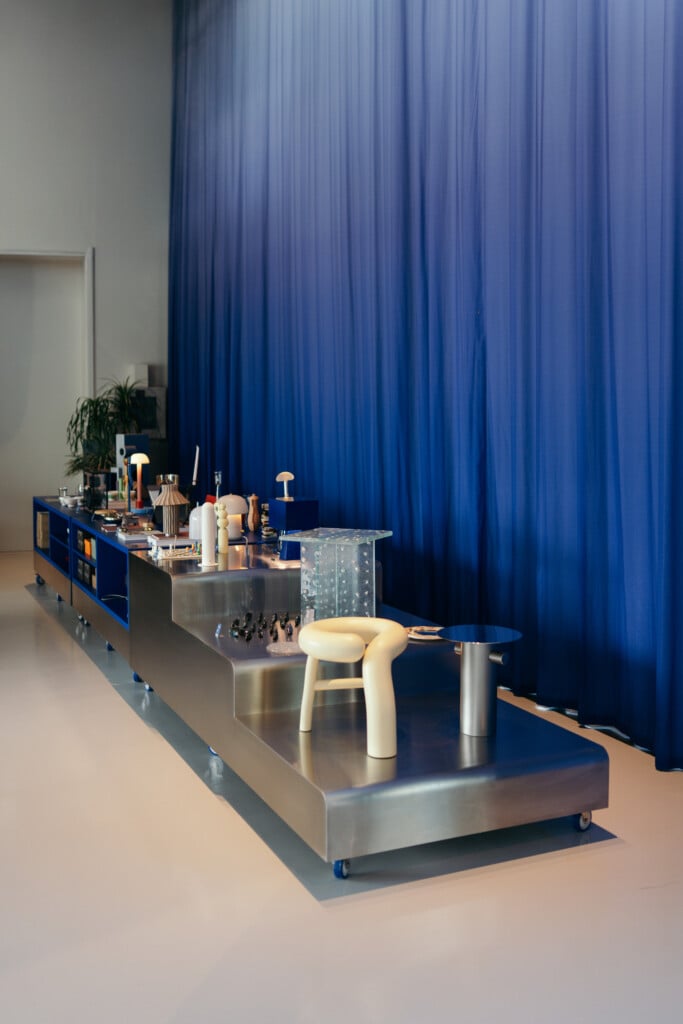
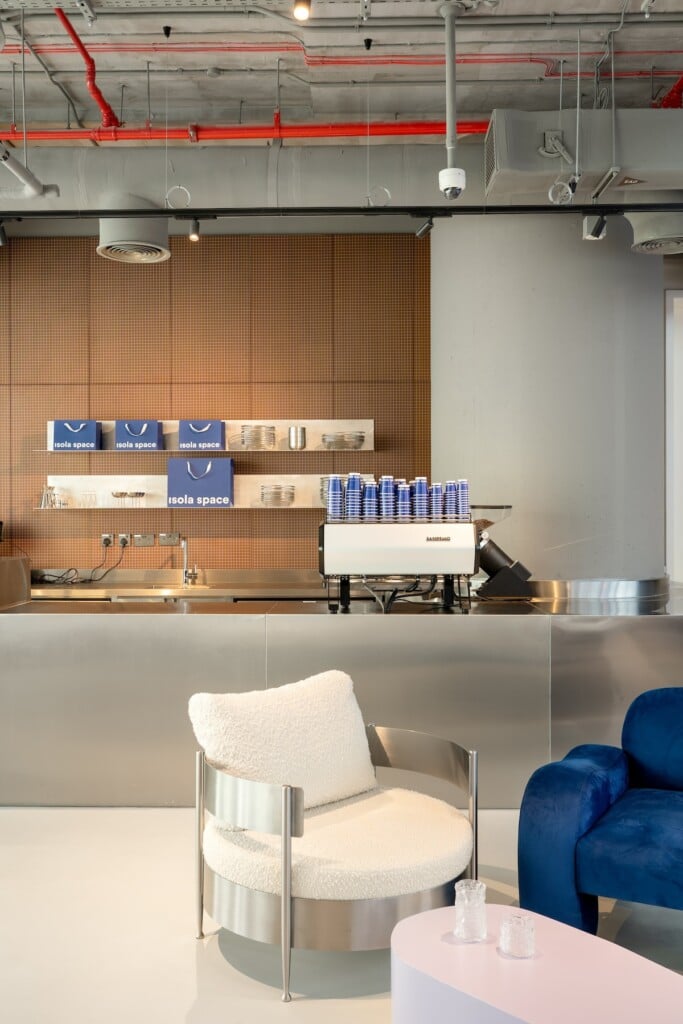
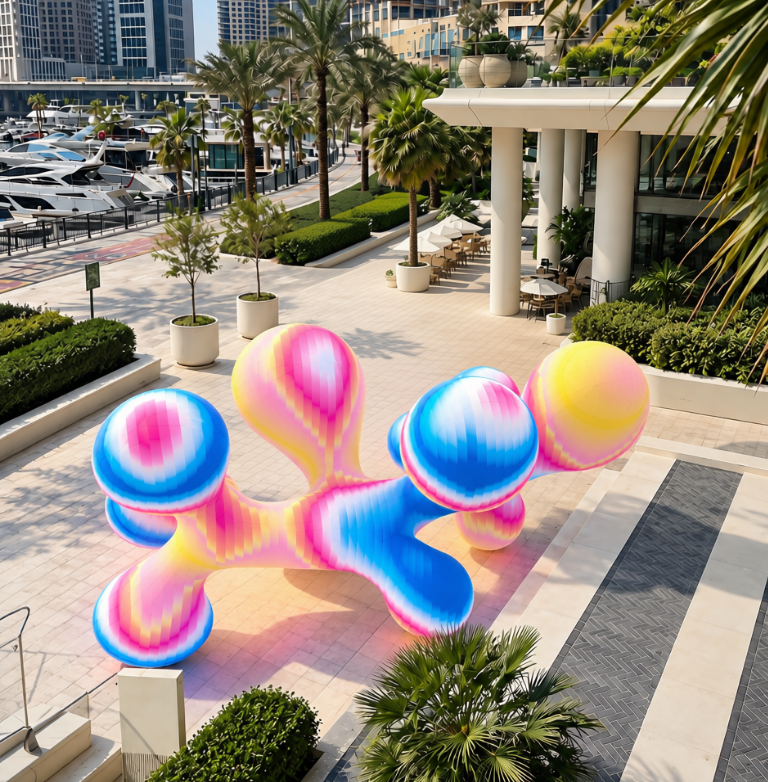
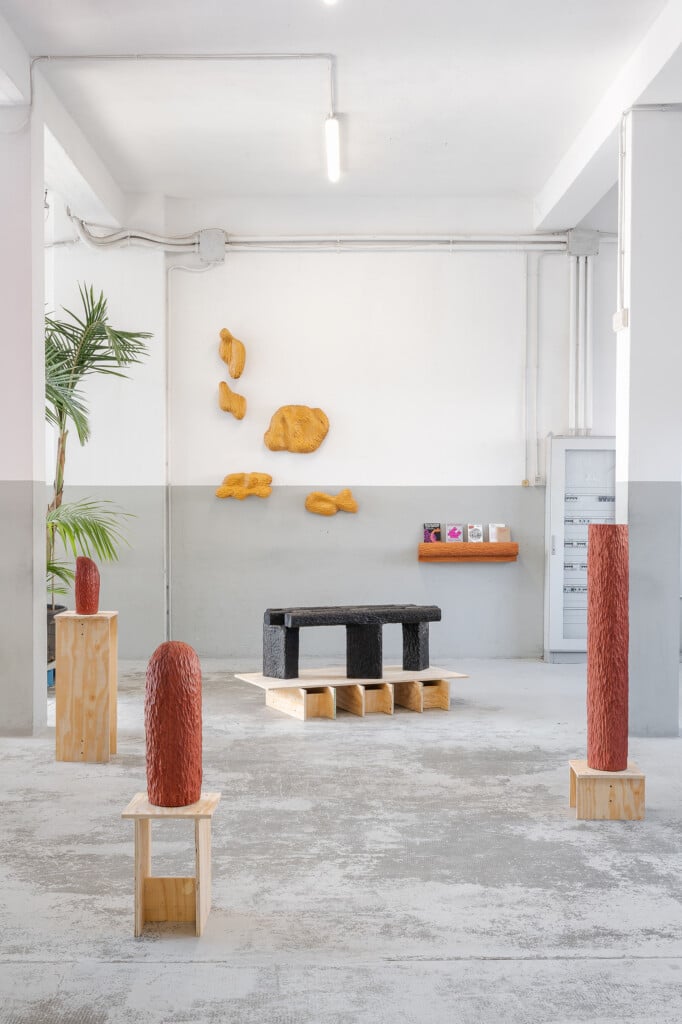
But it is above all at Marasi Bay that Isola’s program takes on a more immersive dimension, involving the promenade of The Lana, Dorchester Collection, Dubai, through a series of interventions that bring design outside traditional exhibition spaces. No Ordinary Things, hosted at Isola Space and co-curated with Fatma Al Mahmoud, brings together a selection of furniture, functional objects and collectible pieces united by a strong aesthetic identity and a particular attention to craftsmanship. The designers and studios involved include Alex Alonso Asenjo, Anantaya AKFD, Chafic Mekawi, Donna Taha, Francesco Messina and Studio LRN. The aim is to show how an object can go beyond its function to become the expression of research into materials and of a precise design vision.
Also at Marasi Bay, Worlds Unseen, created by Oliwia Maria Studio and Curator Bureau, builds an immersive landscape suspended between nature and architecture. Against a backdrop of raw concrete, seemingly suspended stones contrast with large natural boulders from the United Arab Emirates, arranged among sand and collectible design objects. The rock formations create small environments to explore, while the decision to return the stones to the supplier at the end of the exhibition underlines the project’s focus on a temporary installation that leaves no permanent trace.
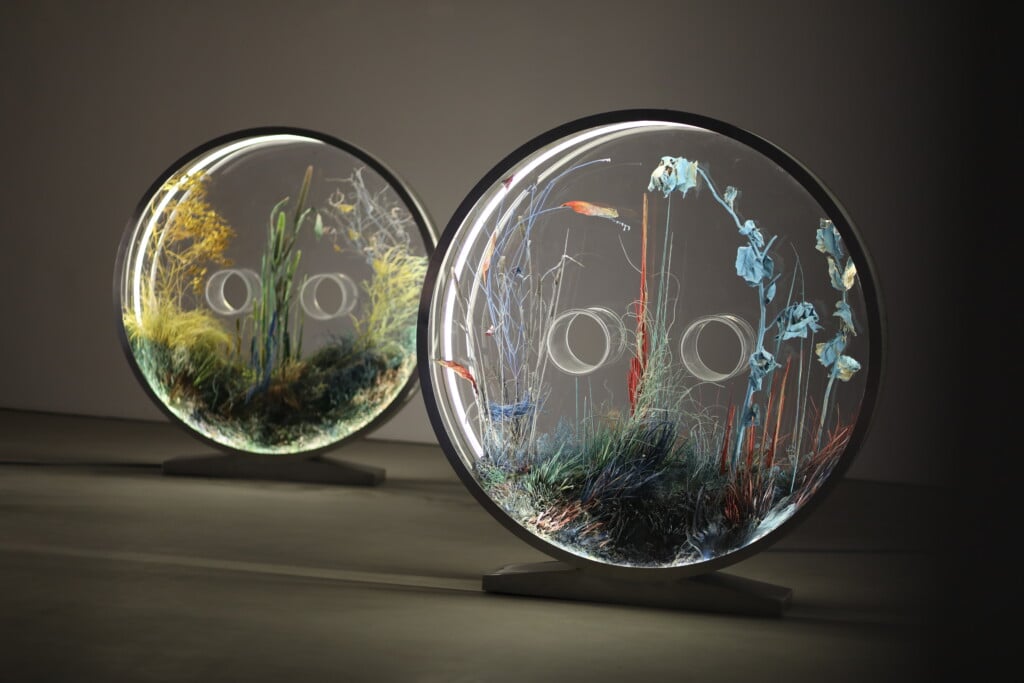
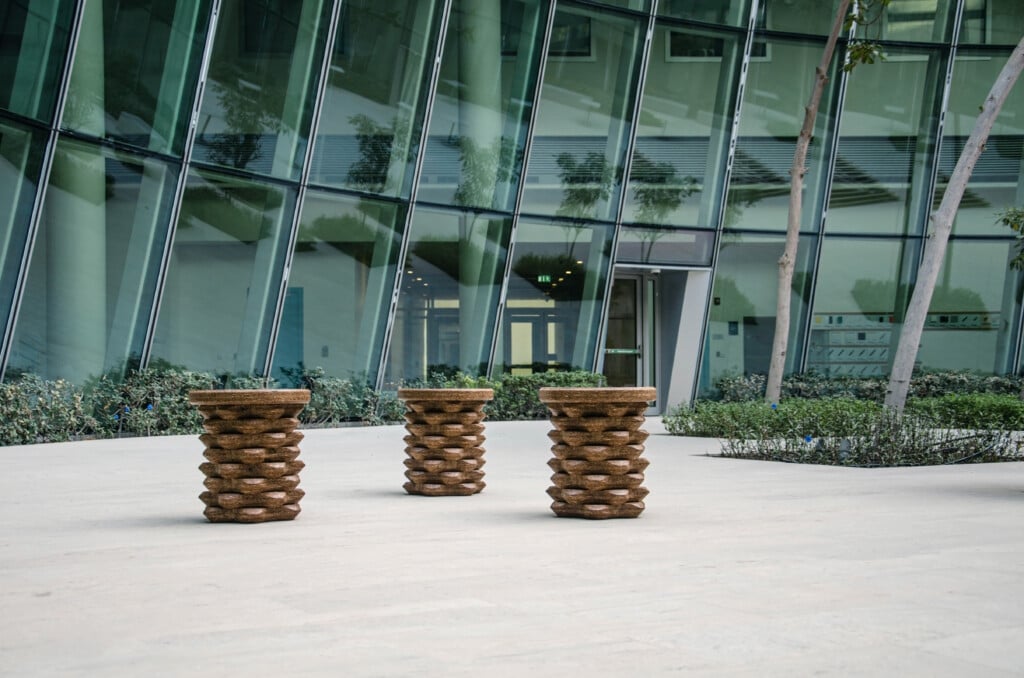
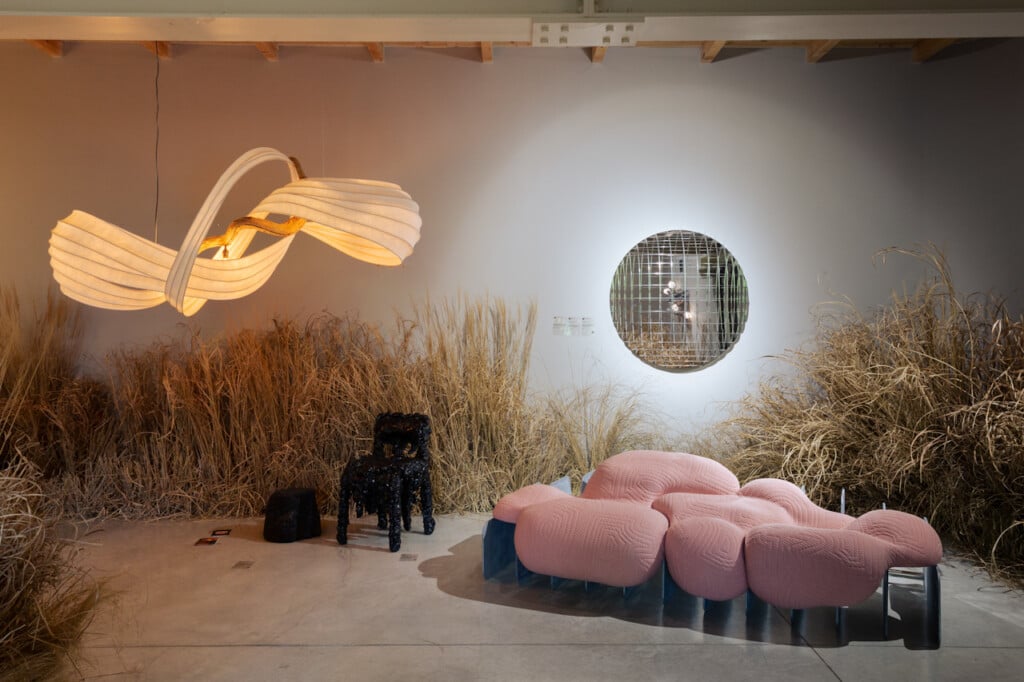
With Do Not Disturb, instead, design enters the private spaces of The Lana, Dorchester Collection, transforming three of the hotel’s suites into exhibition environments open to visitors. Sara Ricciardi Studio presents Donna Franca and Liberty, two collections of sculptural seating inspired by the figure of Franca Florio and the Mediterranean landscape; Tellurico Studio, founded by Francesco Pace, explores with The Shape of Time the relationship between time, geological processes and artisanal production; while WKND Lab offers An Open Circle, a reflection on the encounter between traditional techniques and contemporary design.
In the Dubai Design District, Landscape of Objects – Design for Better Living, created in collaboration with SVD, interprets design as an environment to be lived in, in which furniture, lighting, vegetation and technology work together to improve the quality of spaces. Curated with Folivana for the plant component, the exhibition shifts attention from objects to the conditions that shape our daily experience: light, air, temperature, sound, scent and touch.
Buccellati, a contemporary nymphaeum between silver and imagination
For its second participation in Downtown Design Dubai, Buccellati chooses to turn the presentation of its creations into an immersive narrative. Aquae Mirabiles, conceived by Balich Wonder Studio, curated by Federica Sala and developed in creative collaboration with Luke Edward Hall, is a 97-square-meter installation that takes up the project presented at Milan Design Week 2026 and subsequently in Paris, reinterpreting it for the Emirati public.
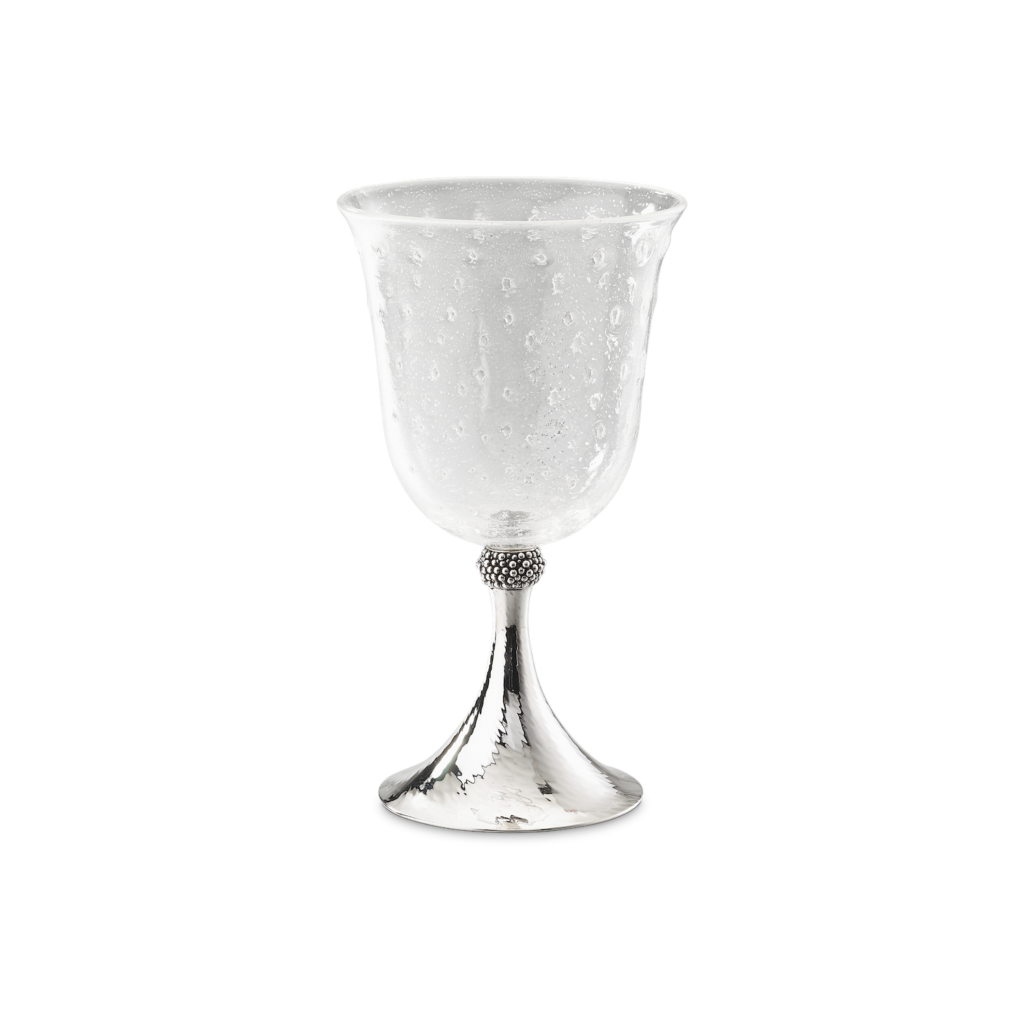
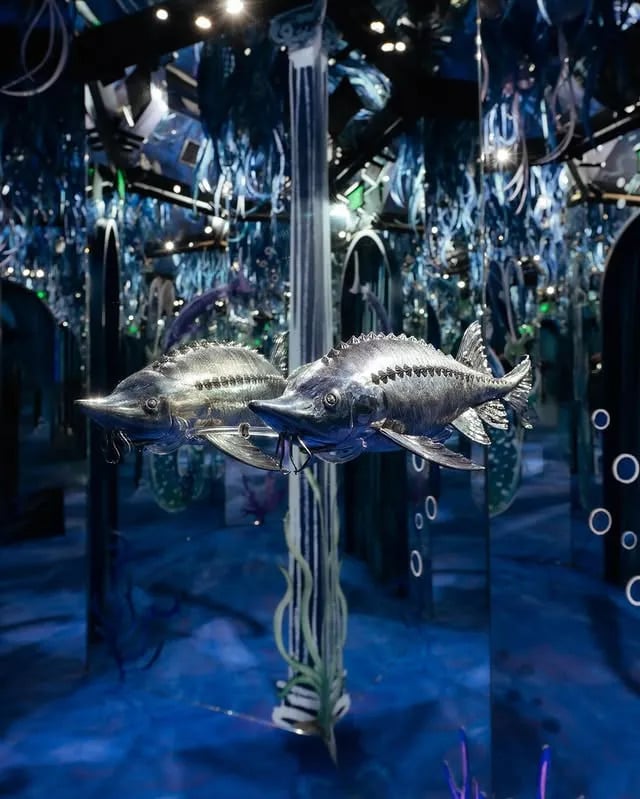
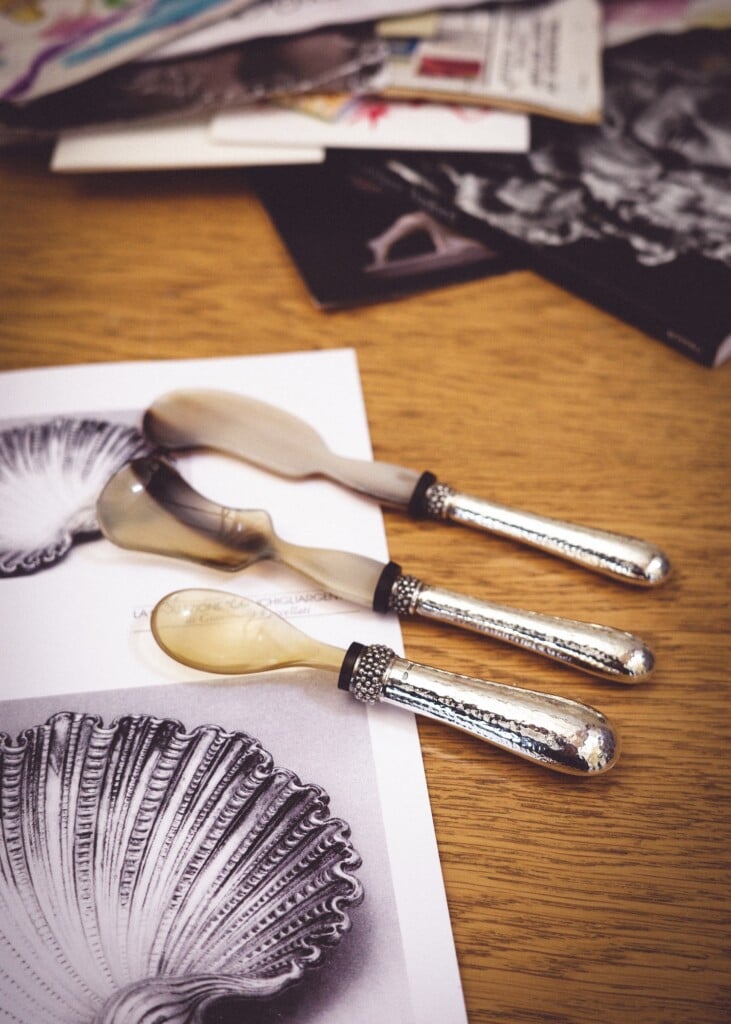
The installation takes the form of a contemporary nymphaeum, an imaginary environment in which the aquatic world becomes the common thread of a journey through silverware, illustration and memory. Visitors are ideally guided into the depths of the sea, where two silver sturgeon sculptures from the Marina collection introduce a suspended atmosphere. From here, the path leads to the heart of the installation: a submerged banquet, built around a table shaped like a sinuous wave. Trays, plates, bowls, caviar spoons and ice buckets are presented together with Murano glass tumblers and flutes, composing a mise en place that seems to belong to a parallel universe. The silver microsphere motif, a distinctive element of the collection, visually recalls sturgeon eggs and creates three-dimensional surfaces capable of catching the light.
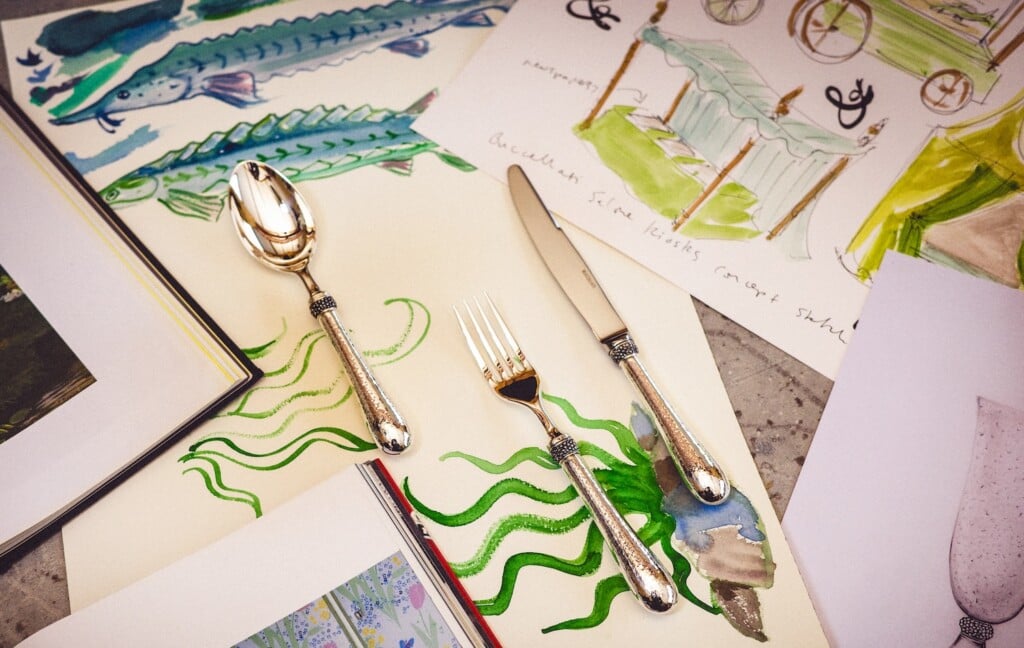
The choice of Luke Edward Hall adds a further narrative layer. His watercolor illustrations, created on the panels that animate the walls, reconstruct a little-known history of Italian caviar, interweaving documents from ancient Rome, papal recipe books, Renaissance references and stories linked to the banquet designed by Leonardo da Vinci for the wedding of Ludovico il Moro and Beatrice d’Este.
In this way, Aquae Mirabiles does not merely display precious objects, but builds an imaginary in which the art of the table becomes a cultural experience. Buccellati’s work moves between the precision of artisanal craftsmanship and the theatrical dimension of the installation, showing how silverware can also be interpreted through a contemporary language made of environments, narratives and visual suggestions. Alongside the Caviar collection, the Maison presents a selection of jewelry, including the new Torsadé creations, the Muse collection with ruby and tsavorite cabochons, and Mosaico, inspired by the geometry of Byzantine mosaics.
Memphis, the radical language of design returns to Dubai
More than forty years after its founding, Memphis continues to show how a design language born to break the rules can maintain a surprising relevance. For the first time at Downtown Design Dubai, the Milanese brand presents a selection of its most celebrated creations in collaboration with HMA LIVING by Al Shamsi, its distributor in the United Arab Emirates.
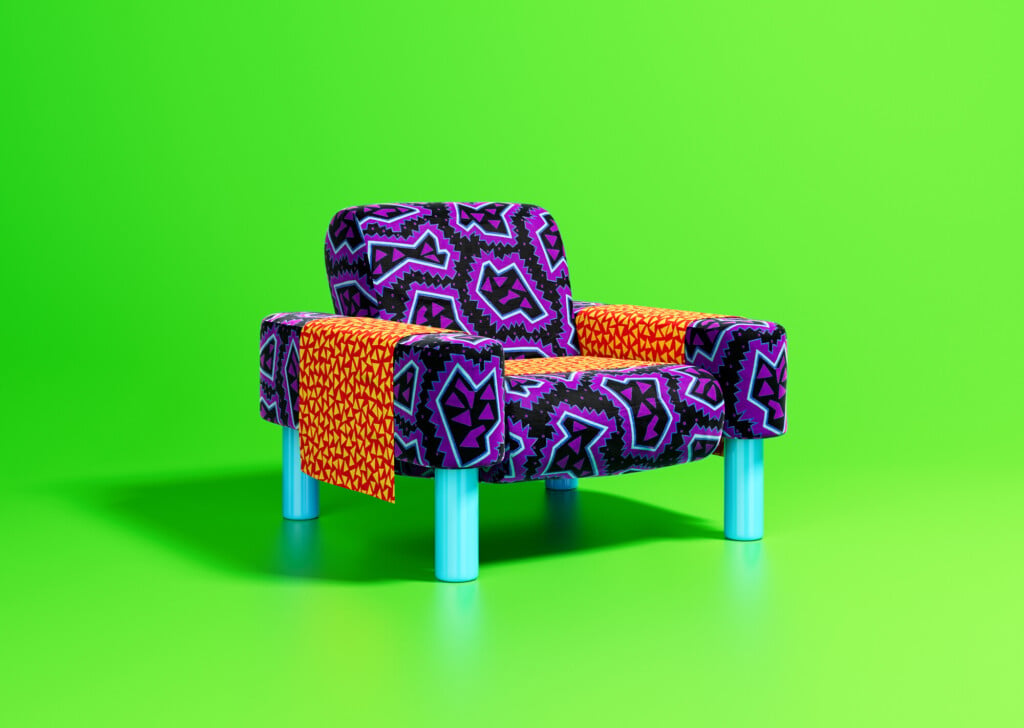
Founded in 1981 by Ettore Sottsass together with a group of architects and designers, Memphis challenged the modernist idea of design as essentially functional, introducing bright colors, eccentric geometries, patterns and deliberately unexpected combinations of materials. An approach that turned everyday objects into elements capable of expressing a precise visual and cultural identity. In Dubai, this legacy takes shape through a selection spanning furniture, lighting and decorative objects. The protagonists include: the Carlton bookcase by Ettore Sottsass, the Oberoj armchair by George J. Sowden, the Big Sur sofa by Peter Shire and the Oceanic lamp by Michele De Lucchi. Alongside the furniture, there are Murano glass objects and ceramics by Natalie Du Pasquier, Marco Zanini and Masanori Umeda, which convey the variety of a creative universe extending well beyond furniture.
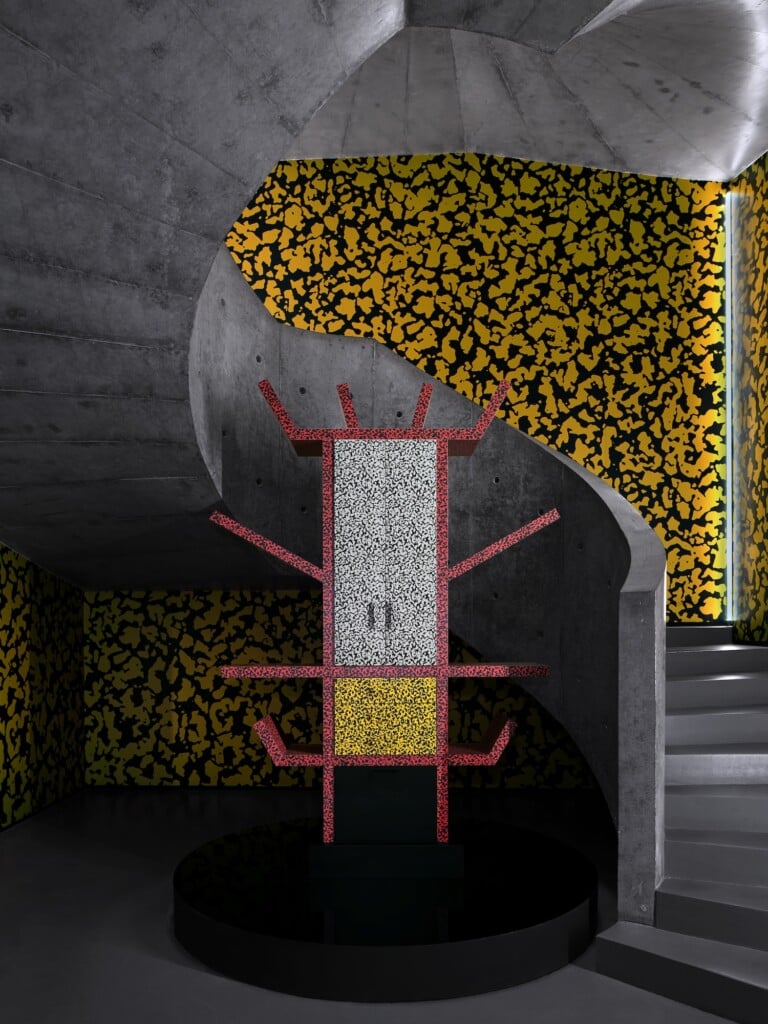
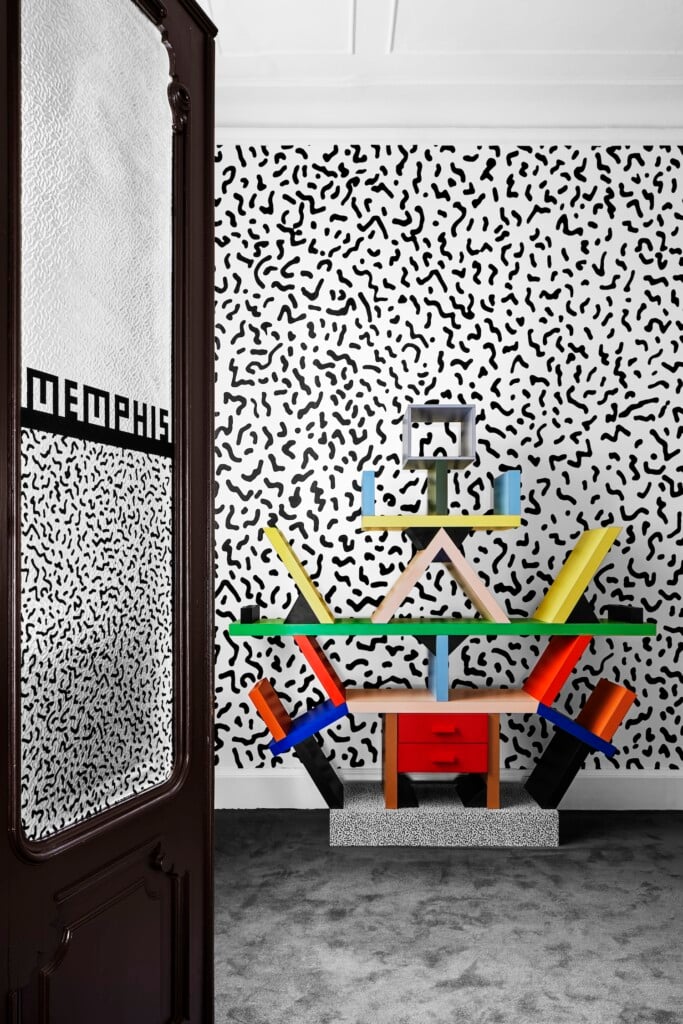
The booth too helps define how the collection is perceived. A circular platform brings the pieces together in a composition that invites viewers to observe the relationships between forms, colors and materials. The furniture is arranged along the perimeter, while a selection of objects occupies the center, creating a continuous play of contrasts and references. The debut in Dubai is also an opportunity to strengthen the relationship with the Middle Eastern market. After the fair, the installation will remain open to visitors at the new HMA LIVING by Al Shamsi showroom in the Jumeirah neighborhood, extending the brand’s presence beyond the days of the event. Memphis does not simply propose a collection of icons from the past: it brings to Dubai a way of understanding design as expression, play and a stance, capable of continuing to challenge contemporary taste.
Nilufar, light becomes architecture at NOMAD Abu Dhabi
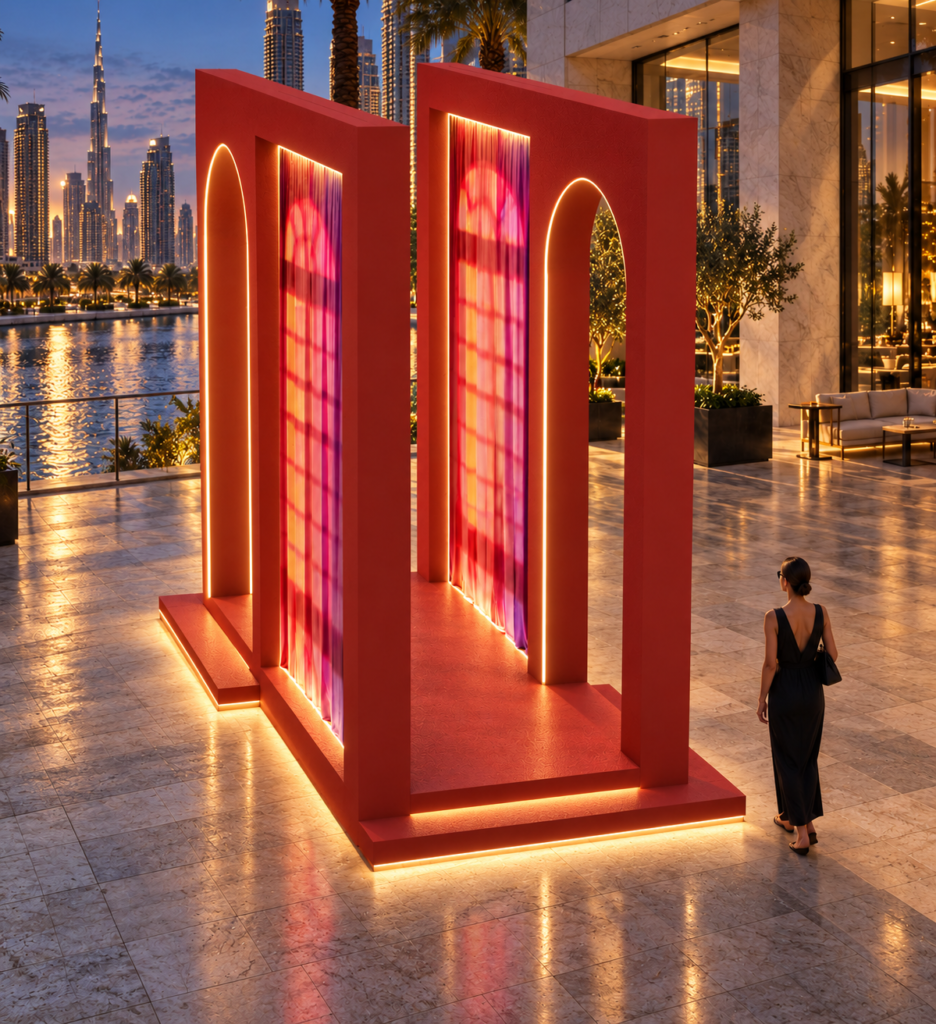
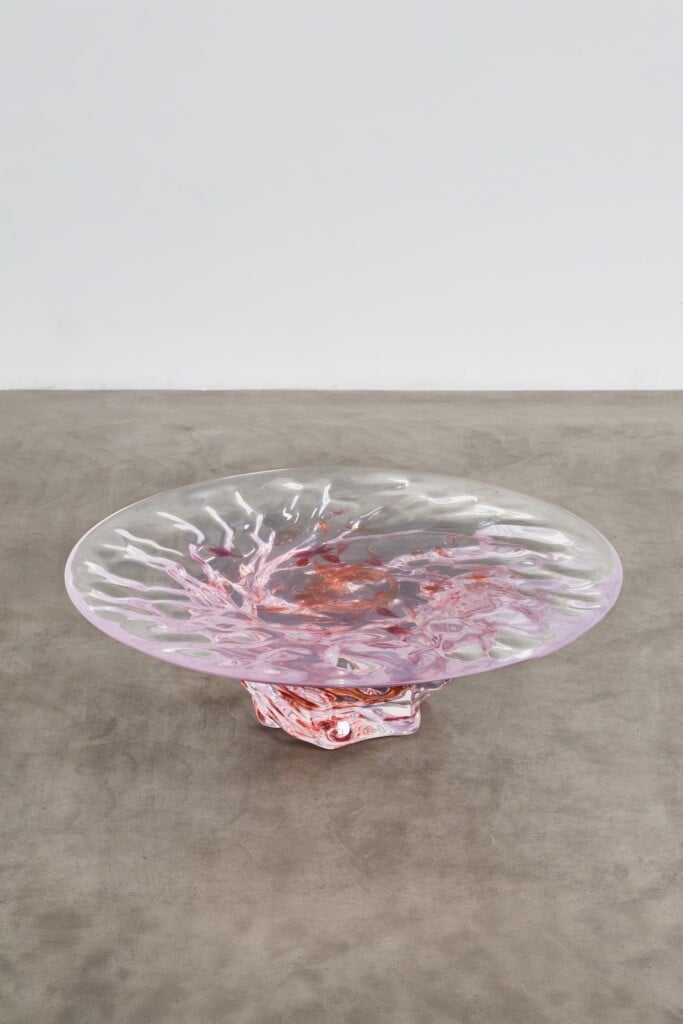
The design calendar in the Gulf continues after Dubai Design Week, with NOMAD Abu Dhabi, where Nilufar returns for the second year. The Milanese gallery, founded by Nina Yashar, pursues a research that connects collectible design, new collaborations and reinterpretations of artisanal tradition. For this edition, Christian Pellizzari designs a luminous tunnel that turns light into an architectural element. No longer just a functional component, but a presence capable of defining space, guiding the gaze and building an immersive experience. The project is part of Nilufar’s path, which has always been interested in going beyond the boundaries between furniture, art and installation.
Alongside this structure, the gallery presents new collaborations and projects that dialogue with different cultural and production traditions, including the reinterpretations of craftsmanship by the Turkish studio AHU. Completing the program, Object of Common Interest creates a site-specific public art work, further expanding the relationship between design and collective space. Nilufar’s participation in NOMAD Abu Dhabi takes place in a context where collectible design is taking on an increasingly international dimension, finding in the Middle East a place of exchange between contemporary research, design culture and artisanal traditions.
Dubai Design Week 2026, beyond the fair
Dubai Design Week 2026 conveys the image of a city that is redefining its role on the international design scene. Not just a destination for the luxury market or a place to present the latest furnishing novelties, but a context in which designers, brands and independent realities can experiment with new ways of building relationships with the public. What emerges above all is a different idea of an event: design is no longer confined to objects or booths, but becomes a tool for reading and crossing the city. Dubai, with its constantly transforming architecture and its increasingly international creative community, offers fertile ground for this evolution. And it is precisely here that the most interesting aspect of the week lies, in the possibility of observing how very different design visions can meet, contaminate each other and find new forms of expression.