
Every era of history has had an object that managed to change human habits, sometimes with some initial perplexity, other times more naturally. Think of the much studied wheel, which introduced a new way of getting around, or the mechanical clock, which appeared on the towers of medieval cities and allowed all of us to count time in the same way. Later in history we can think of the light bulb, the refrigerator, the television, up to the more recent smartphone.
What these objects have in common is that they introduced a change that took root in the whole of society until it became normal. Another object that has had this fortune is glasses.

No one knows for certain who invented them. The most accredited hypothesis places their birth around 1286 in Italy, although opinions differ on the city, between Pisa and Venice. What is certain is that between the end of the 1200s and the beginning of the 1300s the statutes of the Venetian guilds already mentioned roidi da ogli, glass discs to place in front of the eyes, and set penalties for glassmakers who passed off ordinary glass as lenses for sight.
The first models were made of two lenses joined by a bridge to rest on the nose, and four hundred years would pass before the first temples to rest on the ears appeared, an invention attributed to the English optician Edward Scarlett around 1730. Even illustrious people, from Petrarch to Napoleon, needed them at some point in their lives, yet for a long time wearing them was considered an embarrassment, something to hide. Only between the end of the 1800s and the beginning of the last century, when several companies specializing in frames and lenses opened, did glasses begin to have a style of their own and gradually become an accessory tied to the person and their personality.
Once they entered the collective imagination and everyday life, glasses often changed design, but never function, and perhaps no one would have imagined that they would be at the center of a new cultural change.
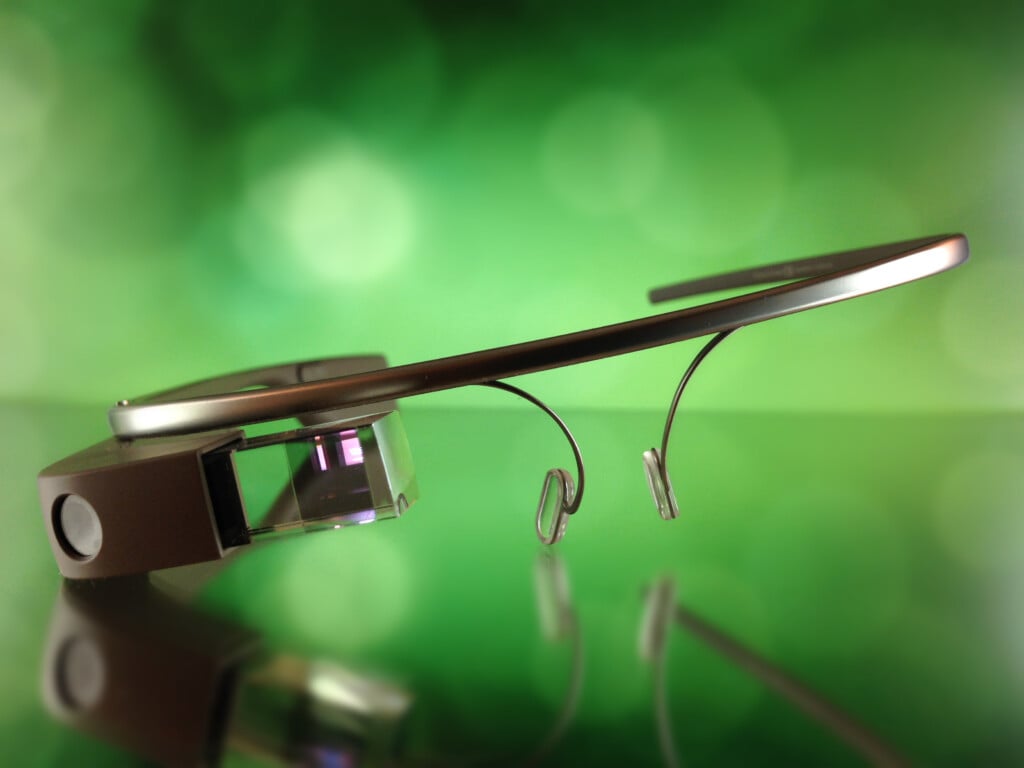
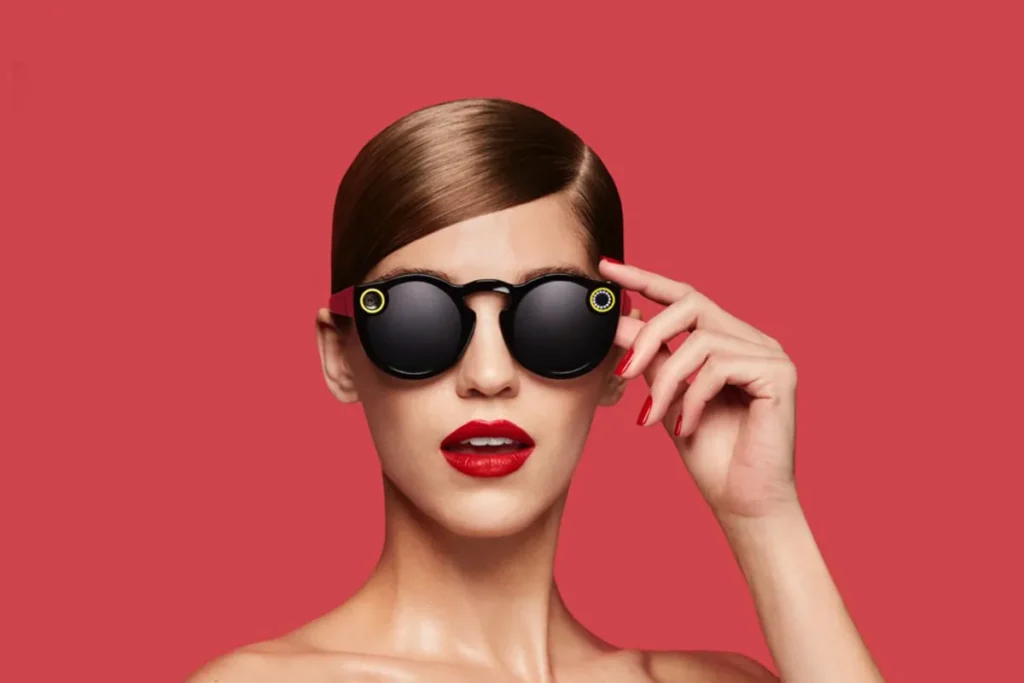
In 2013 Google launched Google Glass, promising a screen floating in front of the eyes. They met with a great wave of distrust, but this did not stop other companies from wanting to take part in the new technological race. In 2016 came the Spectacles (the future SPECS) by Snap, with two small cameras at the corners of the frame. They are fun, but still at an embryonic stage and not very useful, so much so that the company lost around 40 million dollars in unsold products.
The first credible experiment arrived in 2021, when Facebook presented the Ray-Ban Stories, with a camera, two speakers and a few controls housed in a frame that looks like any ordinary pair of glasses. This is the real strength. For the first time a technology company got help from those who have always made glasses, and a Facebook executive said, right after the launch, that within ten years the ability to take photos would be a standard feature of any pair.
Since then the alliance between technology and eyewear has become the rule. Meta works with EssilorLuxottica, the group behind Ray-Ban and Oakley, and from 2023 to today the two partners are said to have sold around ten million smart glasses. Samsung and Google have also chosen two partners, Gentle Monster and Warby Parker. It is as if we were ready for change, as long as it does not change too much. Multifunction glasses are perfectly fine, but they must look exactly like the ones we have always worn. Once it is established that the design must remain faithful to itself, the functions can change, and glasses, born to help us see the world around us better, now serve to see something else.

The Ray-Ban Display, launched in the United States in September 2025, add a small color image in the right lens and are controlled with a bracelet, the Neural Band, which interprets hand gestures.
Last June 16, at the Augmented World Expo, Snap presented the new SPECS, augmented reality glasses that overlay digital images onto the real world. They work with artificial intelligence models from OpenAI and Google, have a field of view of 51 degrees and no cables or external battery, because all the computing happens inside the frame. Evan Spiegel, cofounder of Snapchat, presented them as a bet on an era after the smartphone, almost twenty years after the invention of the iPhone.
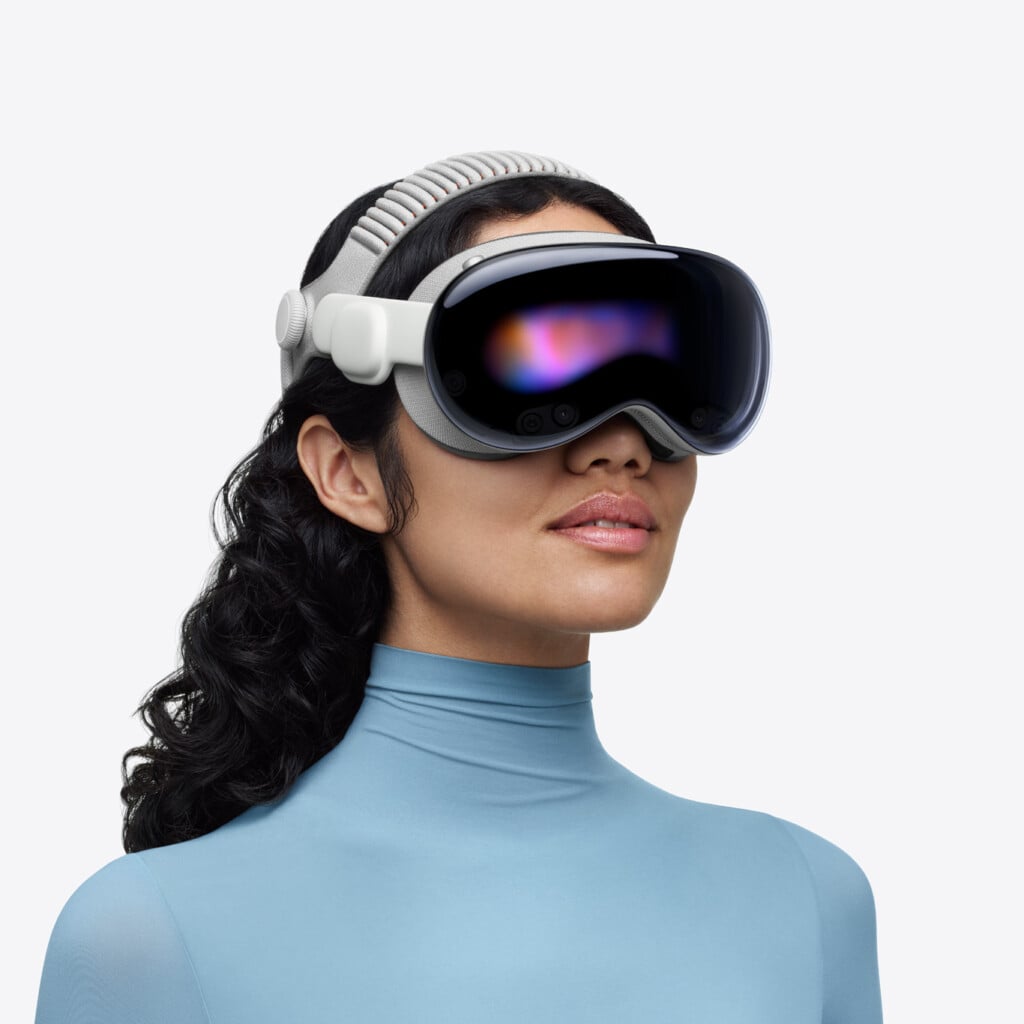
Apple, for now, does not have glasses. The Vision Pro, updated with the M5 chip in October 2025 and still priced at 3,499 dollars, is a headset that covers the gaze and reconstructs it with cameras, closer to a wearable computer than to a pair of glasses. The real ones, known by the codename N50, according to Bloomberg’s Mark Gurman will be presented at WWDC in June 2027 and will arrive at the end of the year, without a display and with a declared focus on privacy, a theme that has accompanied glasses with cameras since the Ray-Ban Stories.
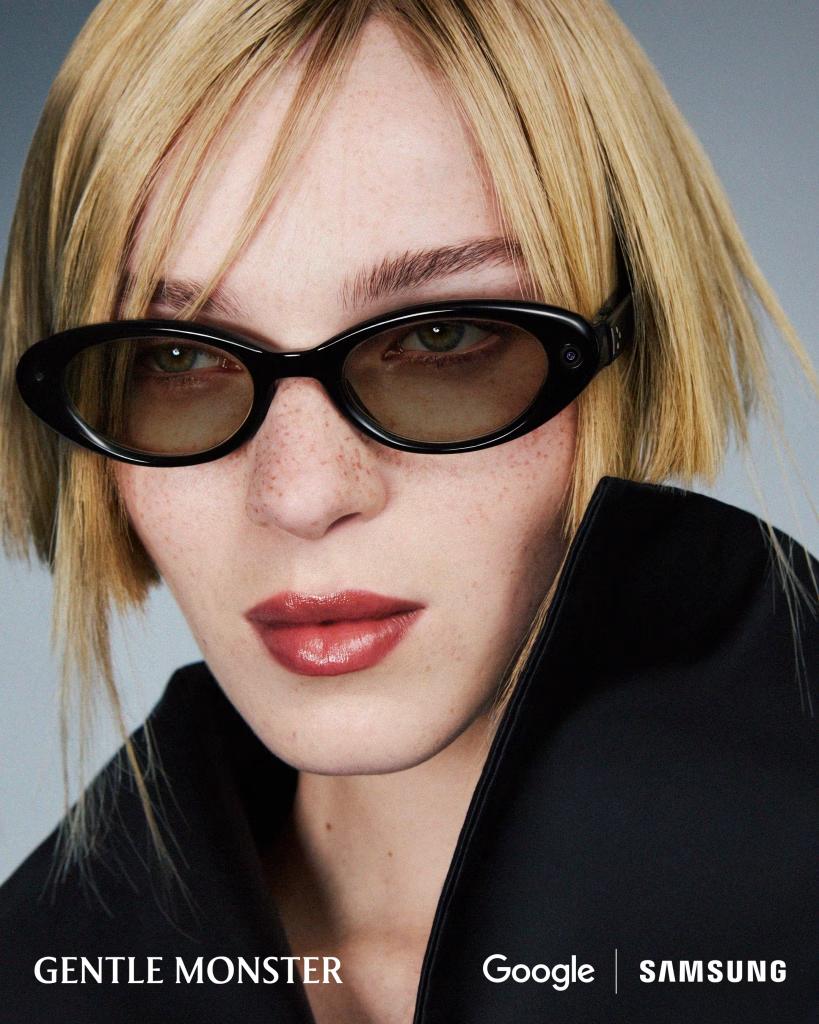
Google and Samsung are betting on artificial intelligence before the screen. Shown in May at Google I/O, the Android XR glasses by Gentle Monster and Warby Parker launch without a display, with a camera, microphones and Gemini as assistant, and only later versions will have a screen. Samsung handles the electronics, Google the software and the two brands the aesthetics.
The same logic can be found in the way these glasses are presented, 100% as accessories and almost never as tech products. On June 23 Meta launched the first Meta Glasses without the Ray-Ban brand and chose to do so with Kylie Jenner. The Starfire model, with its thin oval frame, a small gem on the right lens, a case with a mirror designed for those who wear makeup every day and an assistant that answers with her voice, was designed together with her.
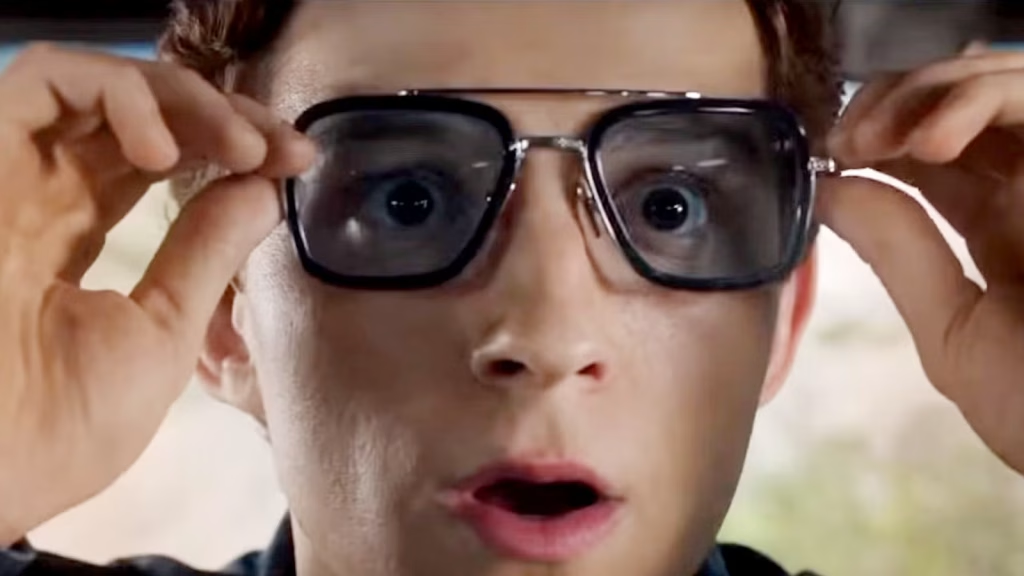
Snap, which focuses heavily on its technology, chose a path that seems different but only in appearance: last October 20 it named Robert Downey Jr. honorary Chief Customer Experience Officer of SPECS, with a series of videos in which he puts them to the test and in which he cannot help reminding us of Tony Stark, who together with his trusted Jarvis builds the most dreamed of weapon and armor in the world.
For the first time glasses no longer concern only those who wear them because they need them. With cameras and microphones always at eye level, the wearer records and interprets what is in front of them, and the people facing them do not always notice. The discreet design that made them acceptable is the same one that fuels doubts about privacy, and this is also why companies are betting on indicator lights and clear rules of use. As with every object that has entered everyday life, habits and rules are still being built, one problem at a time.
We often hear that young people, spending so much time in front of screens, will all end up wearing prescription glasses. Perhaps, however, the opposite will happen, and glasses, smart glasses, will become the means of using smartphones less. It would be yet another change that, once the distrust has passed, would become normal. Born to help us see better, glasses will keep making us see a little farther than our abilities allow, but in a completely new way.