From airports to museums, by way of hotels, restaurants and sports venues, the Prix Versailles 2026 brings together some of the most interesting architectural projects on the international scene. Now in its twelfth edition, the award offers an overview of how contemporary design is transforming functional places into spaces capable of expressing identities, cultures and new ways of experiencing the built environment.
Announced every year at UNESCO since 2015, the Prix Versailles is not limited to rewarding buildings with a recognizable look. The selection also takes into account innovation, dialogue with local heritage, ecological efficiency and architecture’s ability to foster social relationships. A perspective that makes the 2026 ranking particularly interesting for the variety of projects involved and the contexts in which they take shape.
The selection is divided into eight categories: airports, university campuses, stations, sports facilities, museums, department stores, hotels and restaurants. Different fields, united by the opportunity to rethink people’s experience through forms, materials and the organization of spaces.
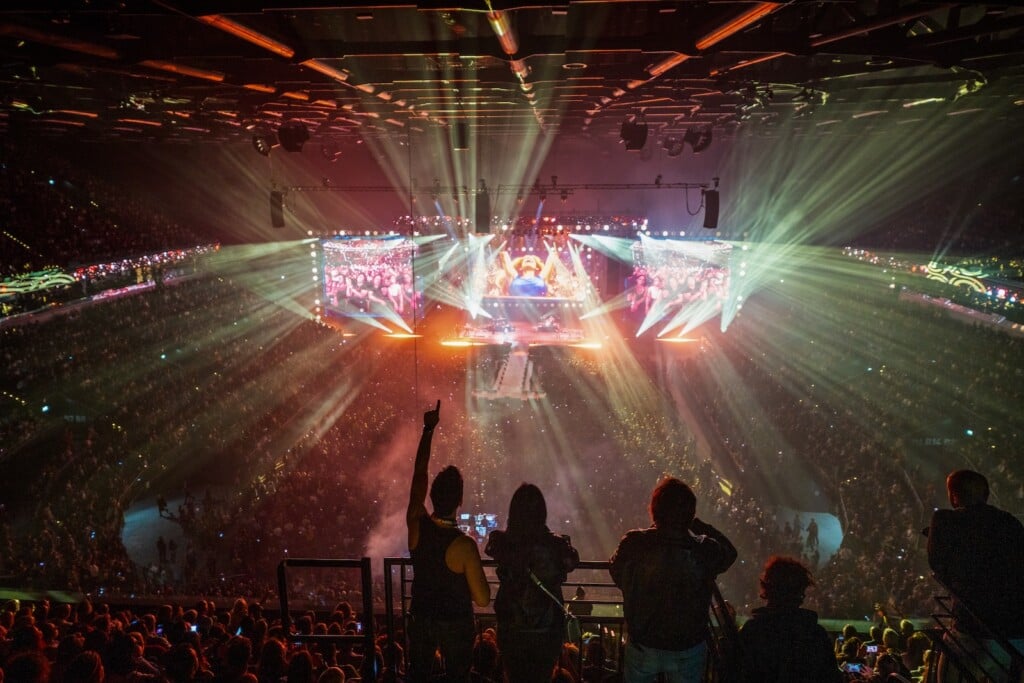
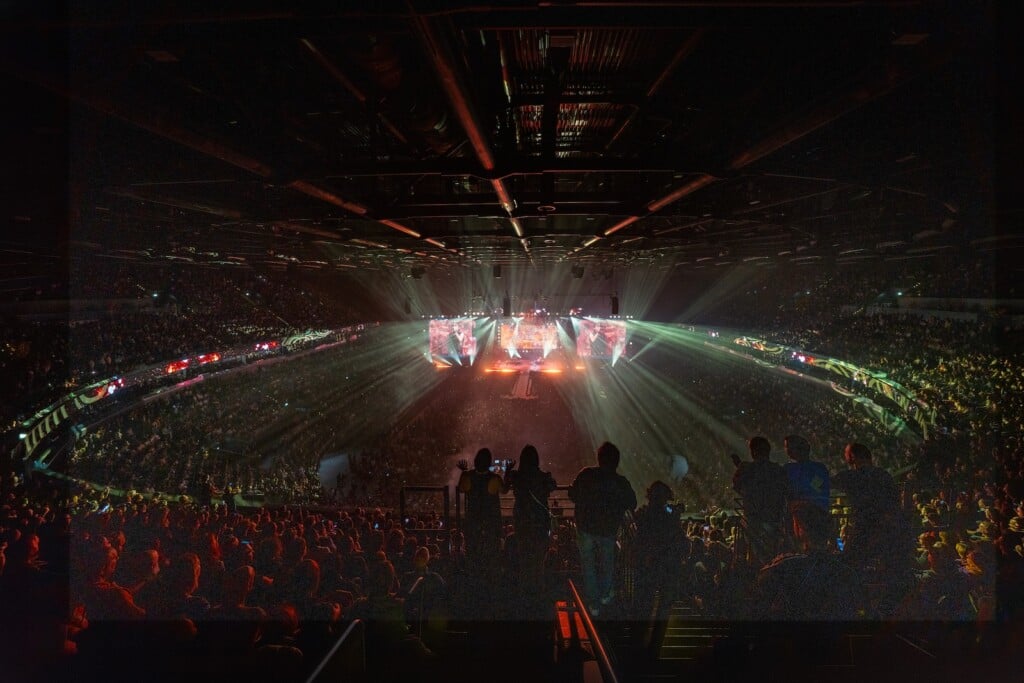
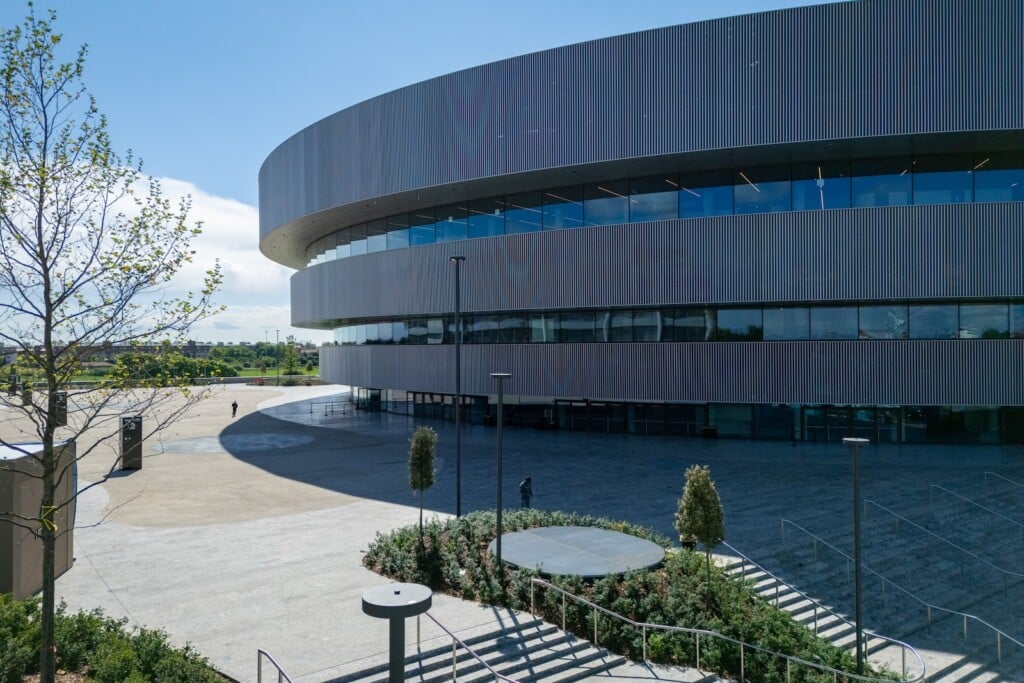
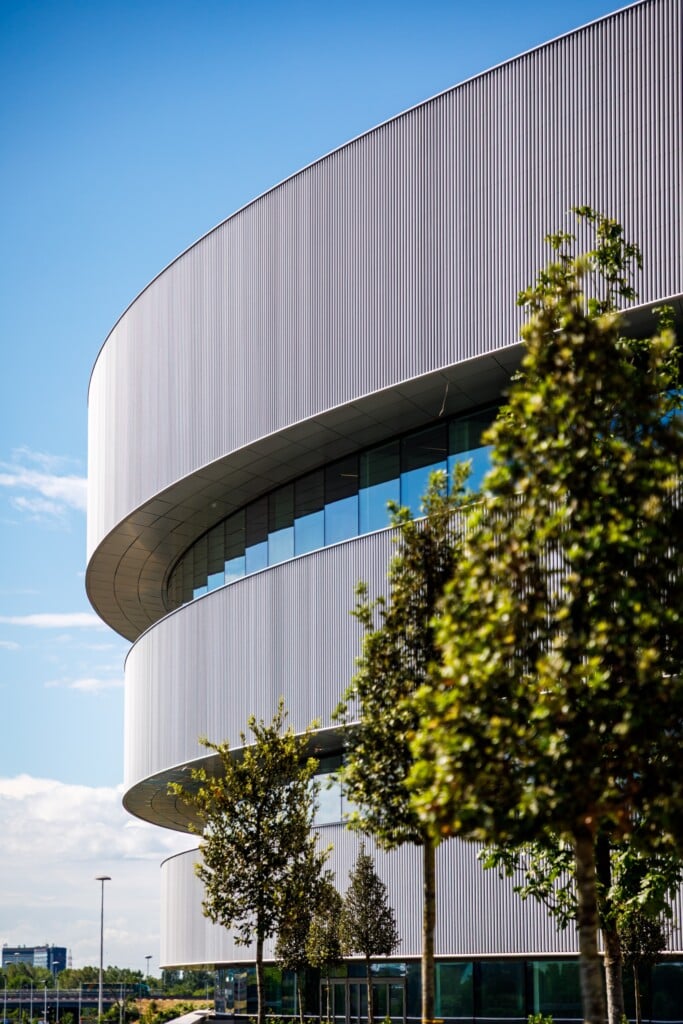
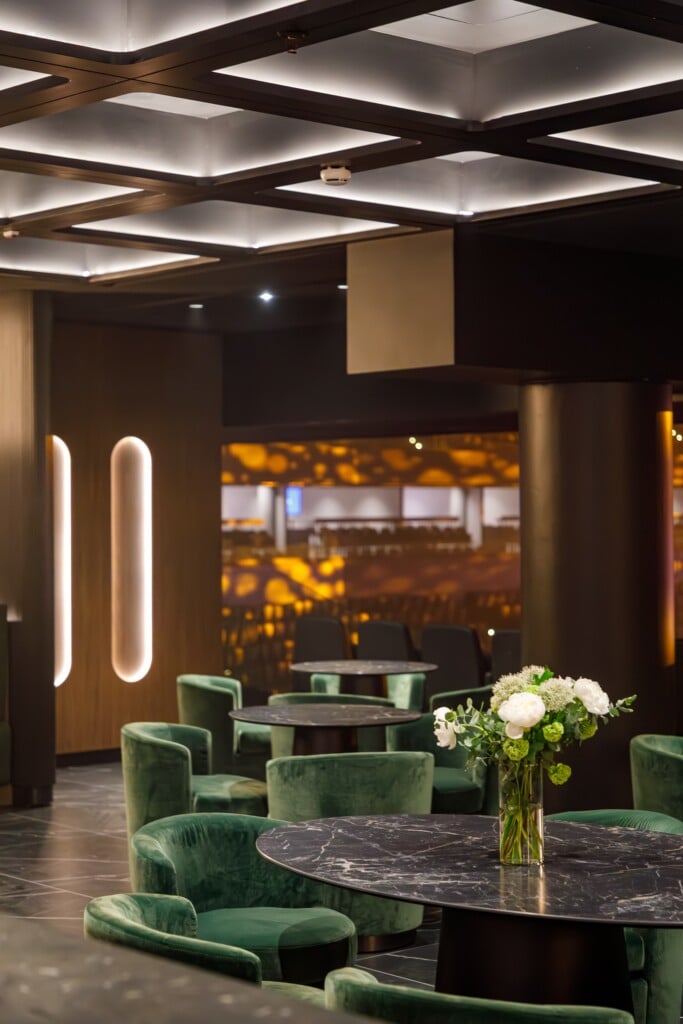
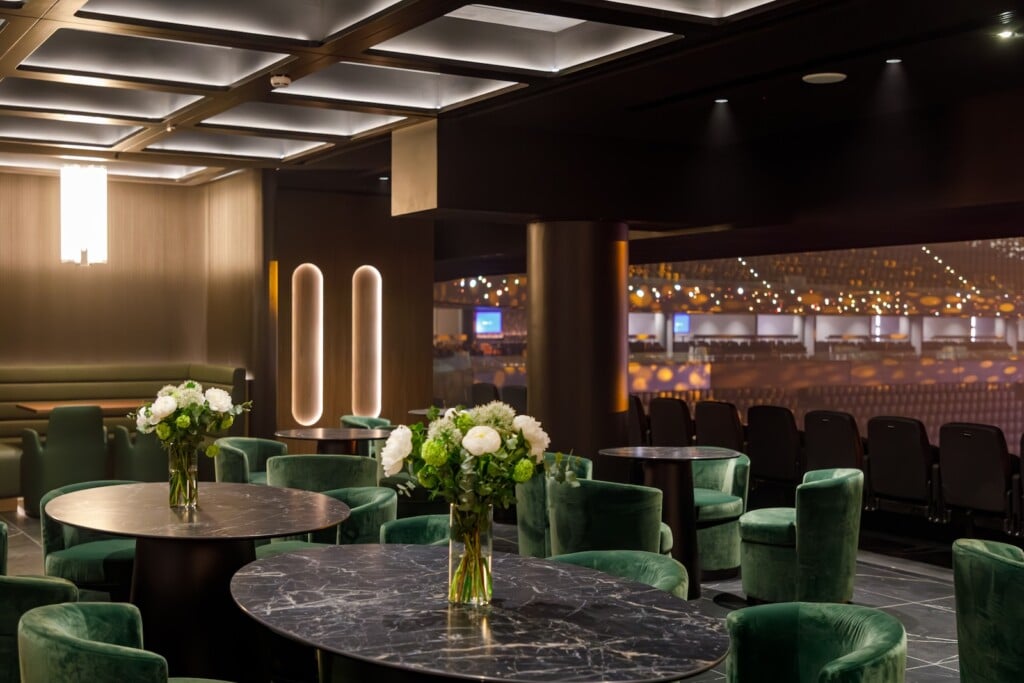
Milan enters the international selection of the Prix Versailles 2026 thanks to the Unipol Dome, the new arena designed by David Chipperfield Architects together with Arup. The structure, located in the Santa Giulia district, has been included in the list of the most beautiful arenas in the world, a recognition that draws attention to a project in which architecture, technology and public space coexist. Inaugurated in 2026 on the occasion of the Milano Cortina Winter Olympic Games, the arena can host up to 16,000 people and is intended for concerts, sporting competitions and major international events. Its most recognizable feature is its elliptical shape, which recalls that of ancient Roman amphitheaters and reinterprets a historical model through a contemporary architectural language.
The Prix Versailles selection recognizes the value of a project that is not exhausted by its function as an arena. The attention to audience visibility, the organization of spaces and environmental performance helps define a building designed to meet the needs of contemporary entertainment.
Among the projects in the airports category is the Guangzhou Baiyun International Airport, Terminal 3, in China, while among the structures dedicated to mobility is the Town Hall Station. On the cultural front, the Zayed National Museum, in the United Arab Emirates, is one of the names that emerge from the museum selection. For commercial spaces, meanwhile, there is the House of Dior Beijing, an example of the meeting between architecture, brand identity and environment design.
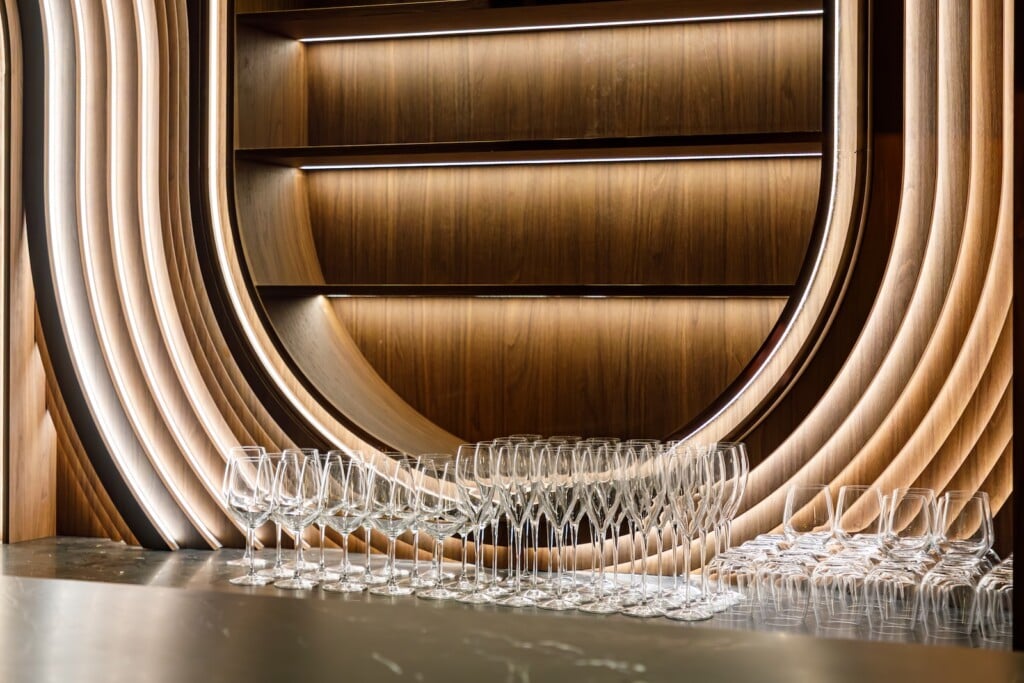
The list dedicated to hotels includes sixteen properties in different parts of the world. Among them are The ArcadiaPlace, overlooking Lugu Lake in China, The Silk Lakehouse, Shangri-La Hangzhou and Maison Mystique, in Thailand. Dining also becomes a field of design experimentation: among the selected venues are Nobu One Za’abeel, in Dubai, Le Fou and Amura by Ángel León.
More than a simple aesthetic ranking, the Prix Versailles offers a reflection on what makes an architectural project meaningful. A building is considered not only for its image, but also for the way it fits into its territory, responds to the needs of those who use it and takes into account its own environmental and cultural impact.
The 2026 selections thus show very different approaches: from infrastructures that welcome millions of travelers to spaces dedicated to hospitality, each project helps redefine the relationship between architecture and everyday life. For Milan, the presence of the Unipol Dome in the list of selected arenas is an opportunity to bring attention back to the architecture of the new Santa Giulia district. It remains to be seen whether the project will also win one of the three world titles planned for the category: the winners will be announced on December 10 in Paris, at UNESCO headquarters.