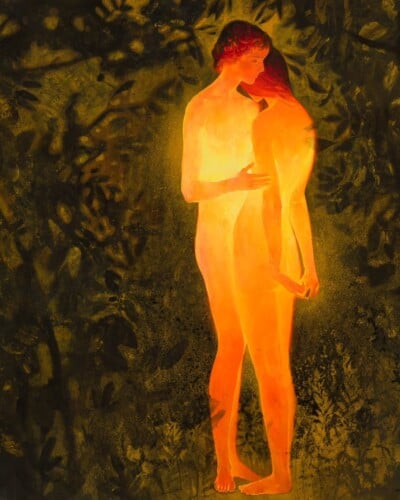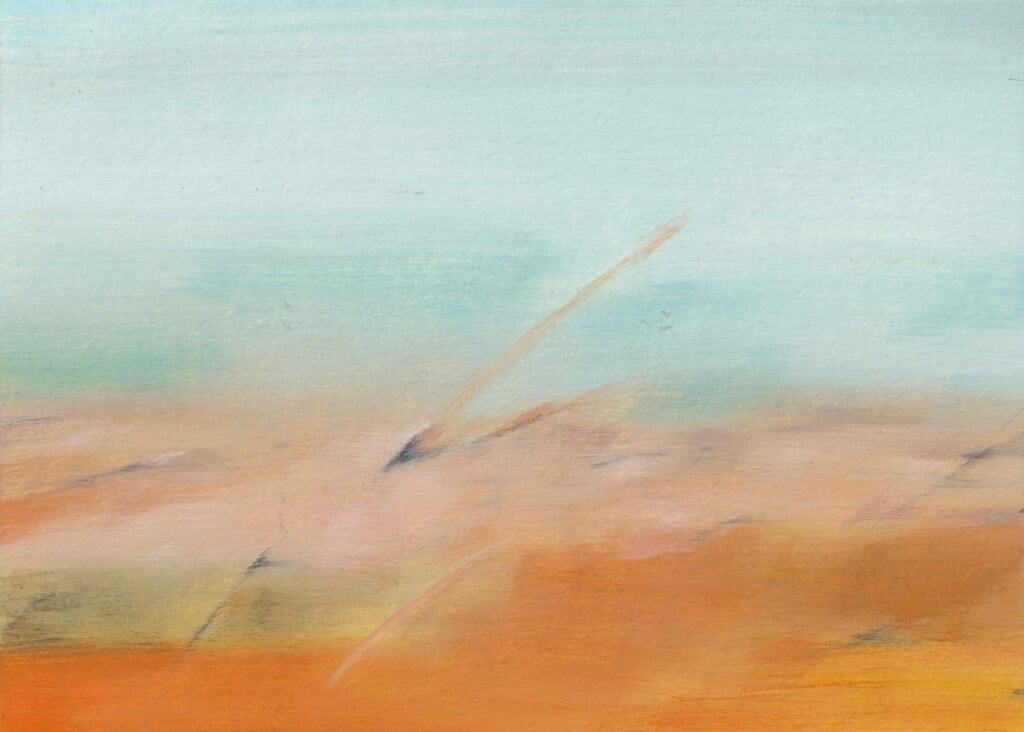
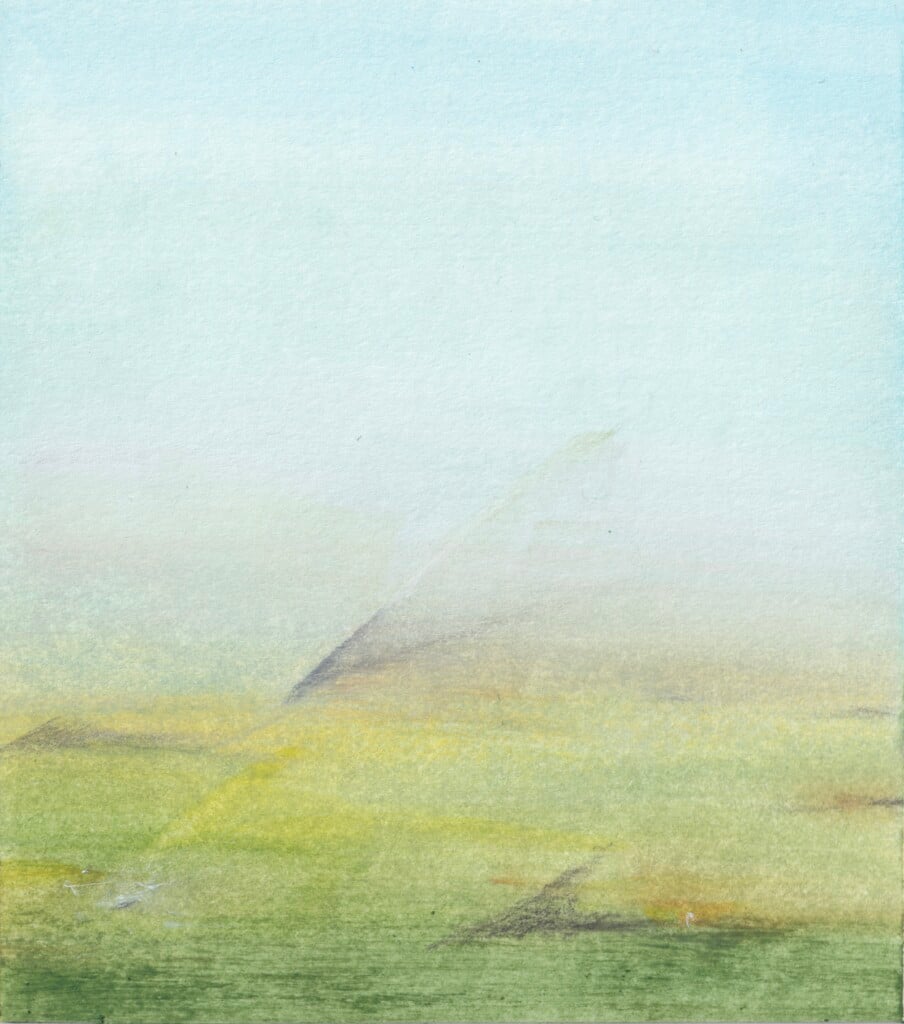
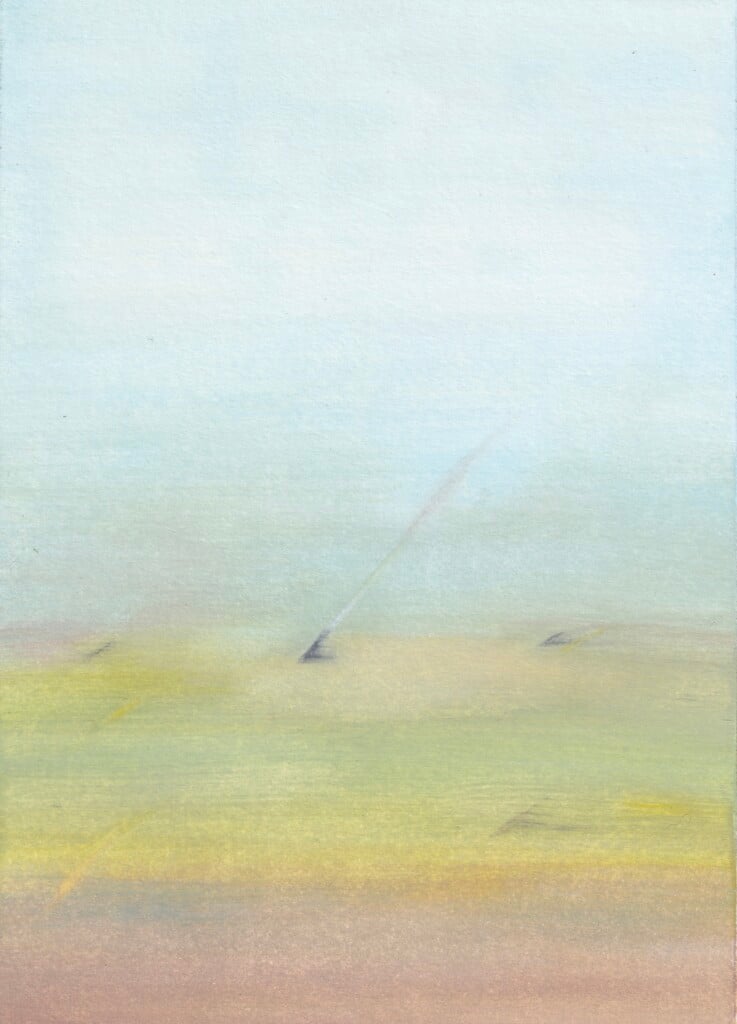
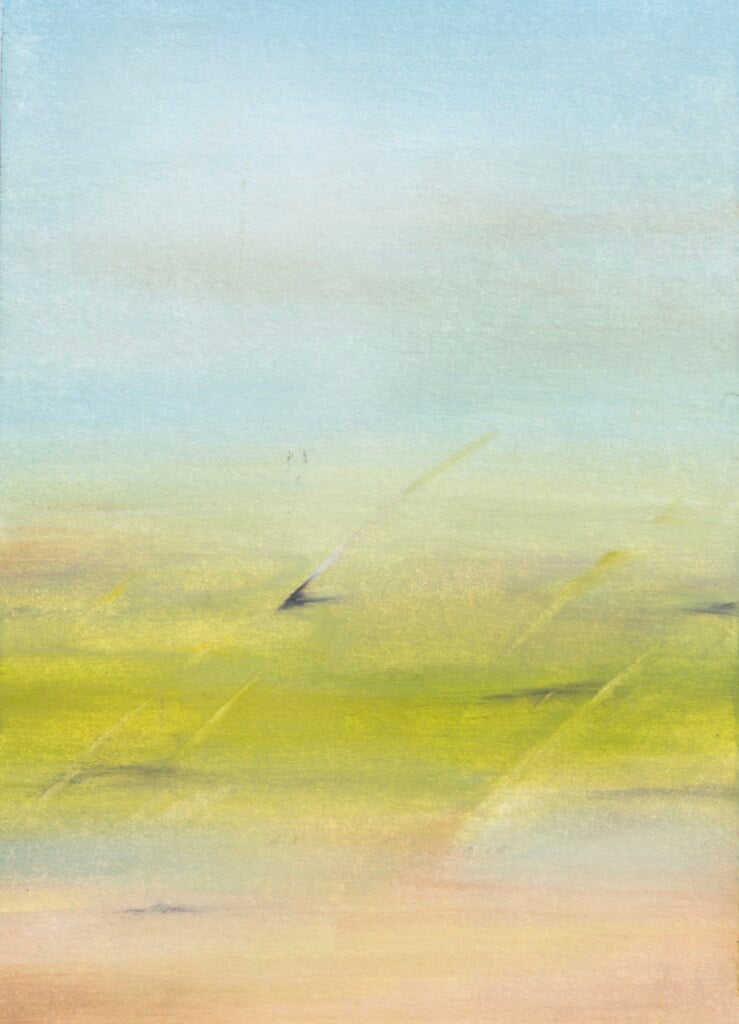
Looking at Eleanor Ekserdjian’s paintings is like looking out of the window of a moving train: two landscapes flowing together, layered, without one cancelling the other. The British-Armenian artist calls this feeling simultaneity. Two places that exist at the same moment, in the same mental space. Simultanea, her first solo show in Italy, will be open until 10 July at Artopia in Milan, where it coexists with How to Hold An Ocean with Four Hands by the French duo Danish & Maitre: two autonomous exhibitions that the space puts in dialogue, letting them speak to each other without explanation.
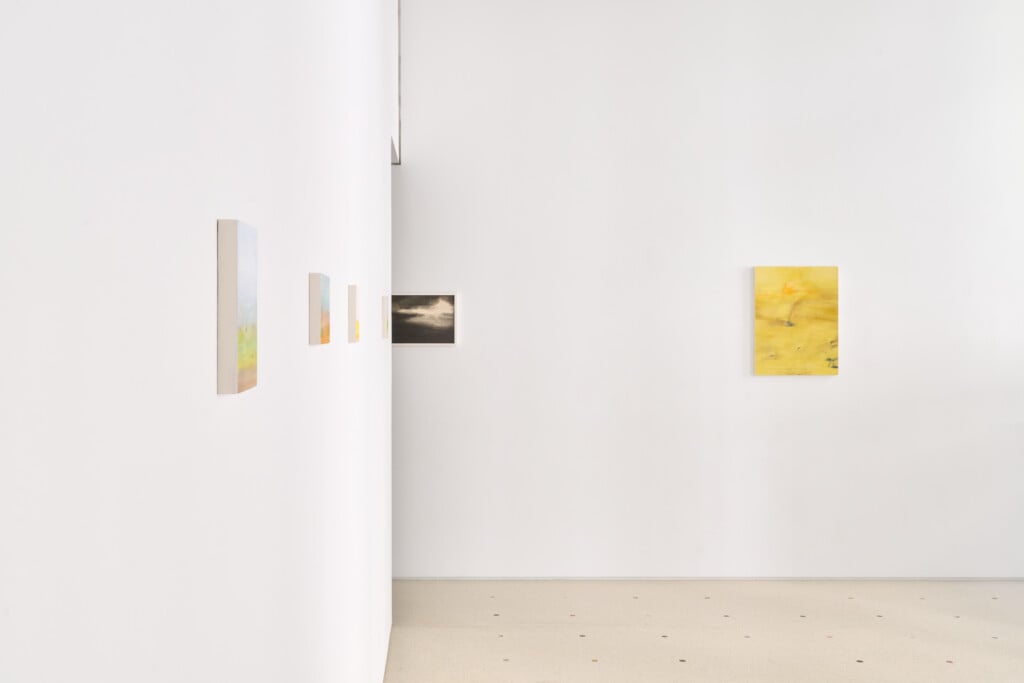
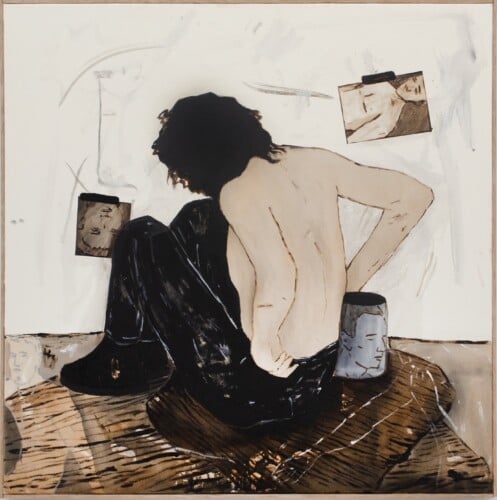
The process behind the works is precise. Ekserdjian shoots films between Armenia and the United Kingdom, then returns to her studio in Sussex and begins again, translating the filmic material into painting by overlaying drawing directly onto projection. The gesture records the emotional shifts generated by the image; the mark becomes a trace of a movement that has already occurred. Silent cinema is one of her references, particularly in its attention to rhythm and light: «painting with light», she calls it. «My paintings explore my shifting emotional responses to film, creating a visual dialogue between stillness and movement».
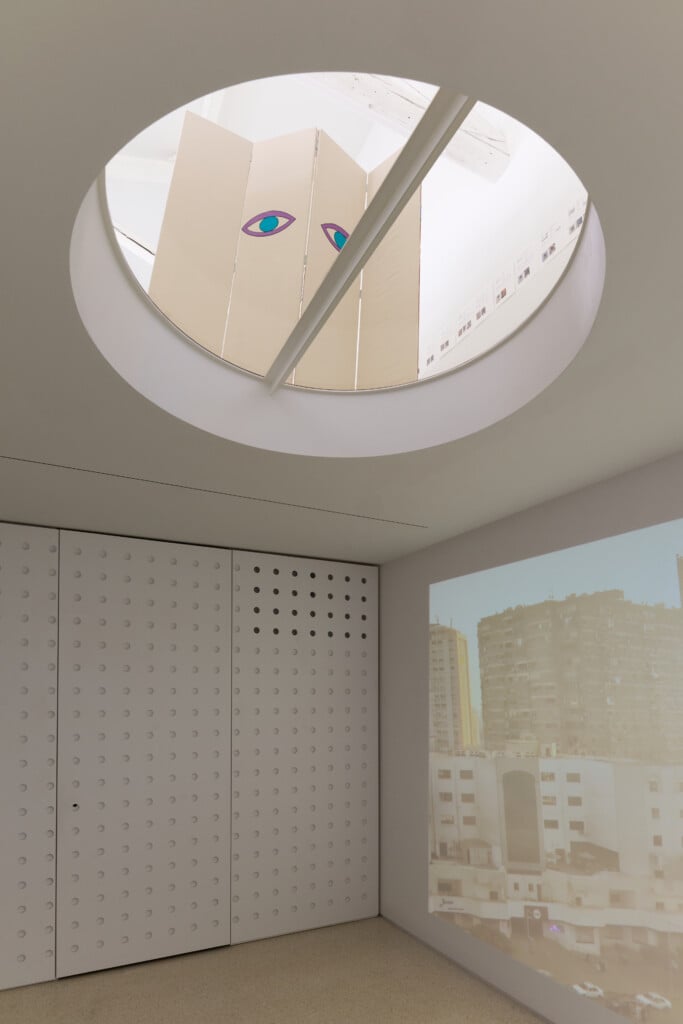
The landscape that emerges is never geographical documentation. Ekserdjian cites Arshile Gorky as a reference, for his ability to respond to a landscape in the present moment while carrying with him memories of his Armenian childhood. A position she recognises as her own: «I am British and Armenian, so combining these landscapes feels very natural to me. Both exist in my mind and imagination, and find resonances in each other». On the upper floor, Danish & Maitre follow an opposite movement: they are not trying to stop time, but to reactivate it, philologically reconstructing Egyptian blue, an ancient pigment that almost vanished from history. Where Ekserdjian chases time and tries to hold it in paint, the French duo unearths it with the attitude of two archaeologists. Yet both bodies of research revolve around the same question: what remains of a place, a material, a memory.
Among the works on show, it is Aparan I that the artist identifies as the closest to the concept of simultaneity. Made on returning from her most recent trip to Armenia in 2025, the painting departs from the clarity of the landscape on the road from Yerevan to Lori, oil and pencil to capture the light, the footage, the birdsong recorded on site, alongside the Sussex surrounding her studio as she painted. Like looking out of a train window and seeing, layered together, two stretches of track thousands of kilometres apart. «There are reflections of each landscape, different qualities of light, a delicate almost complementary relationship between the Armenian and British landscapes».
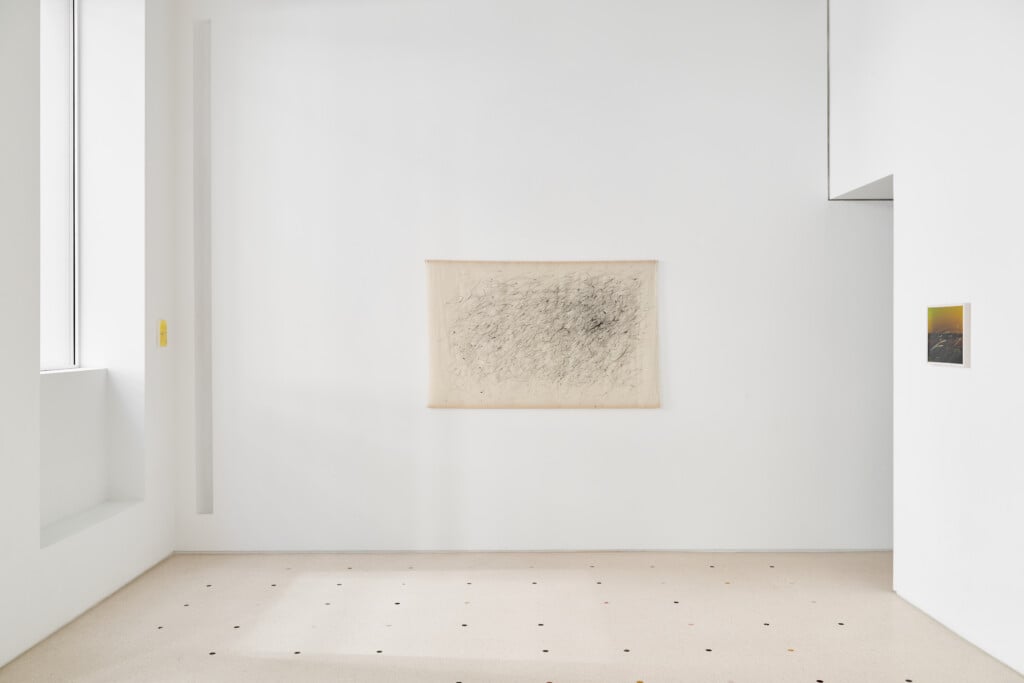
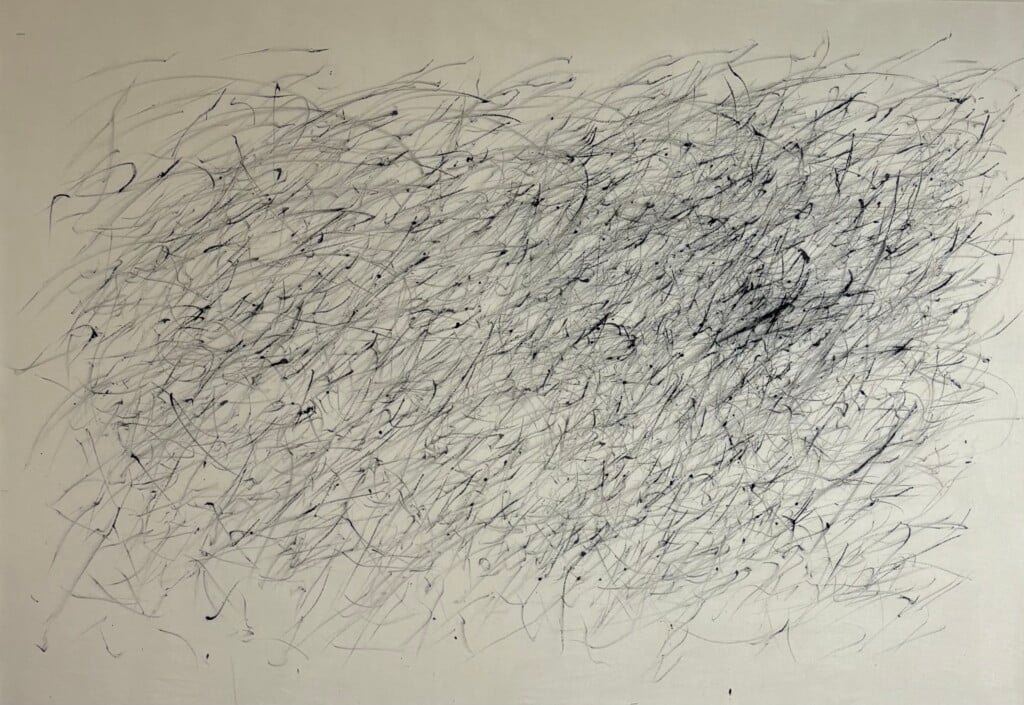
Different is the function Ekserdjian attributes to her black and white works, such as We Are Our Mountains, a large ink on canvas piece that condenses the tension between fixity and transience. Where the colour paintings immediately evoke memories and sensations of place, the black and white pieces operate otherwise: «they create less of an evocation of place, rather more of the experience of being in an environment». Colour calls memory; black and white calls presence.
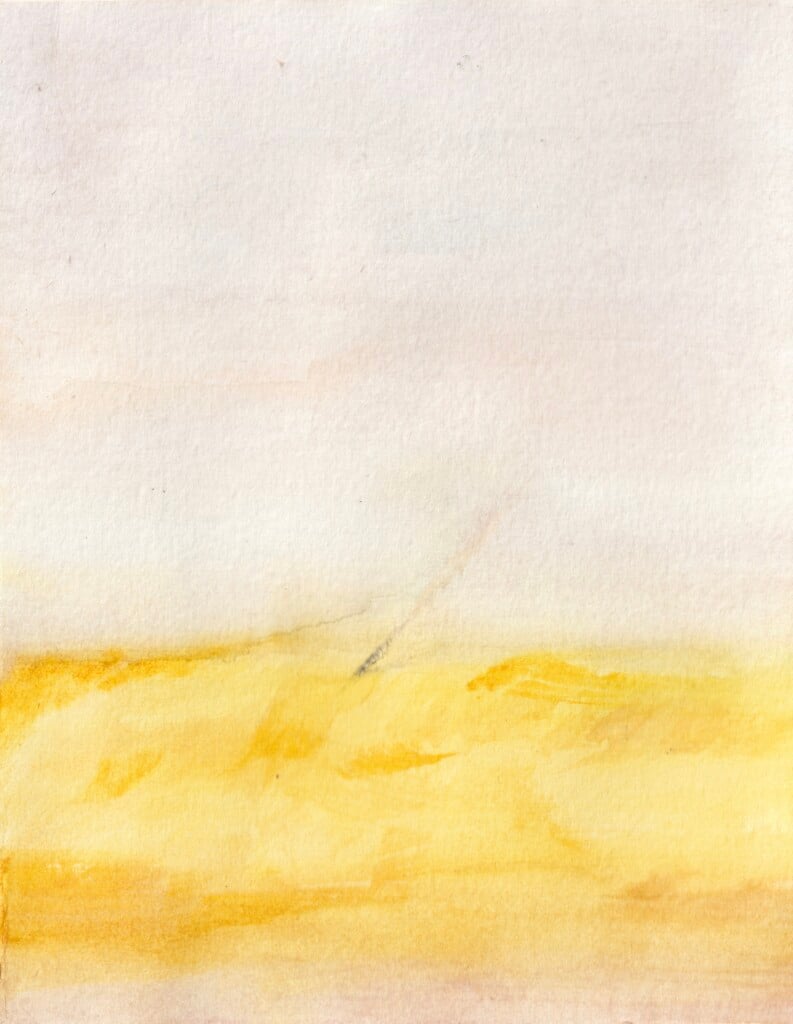
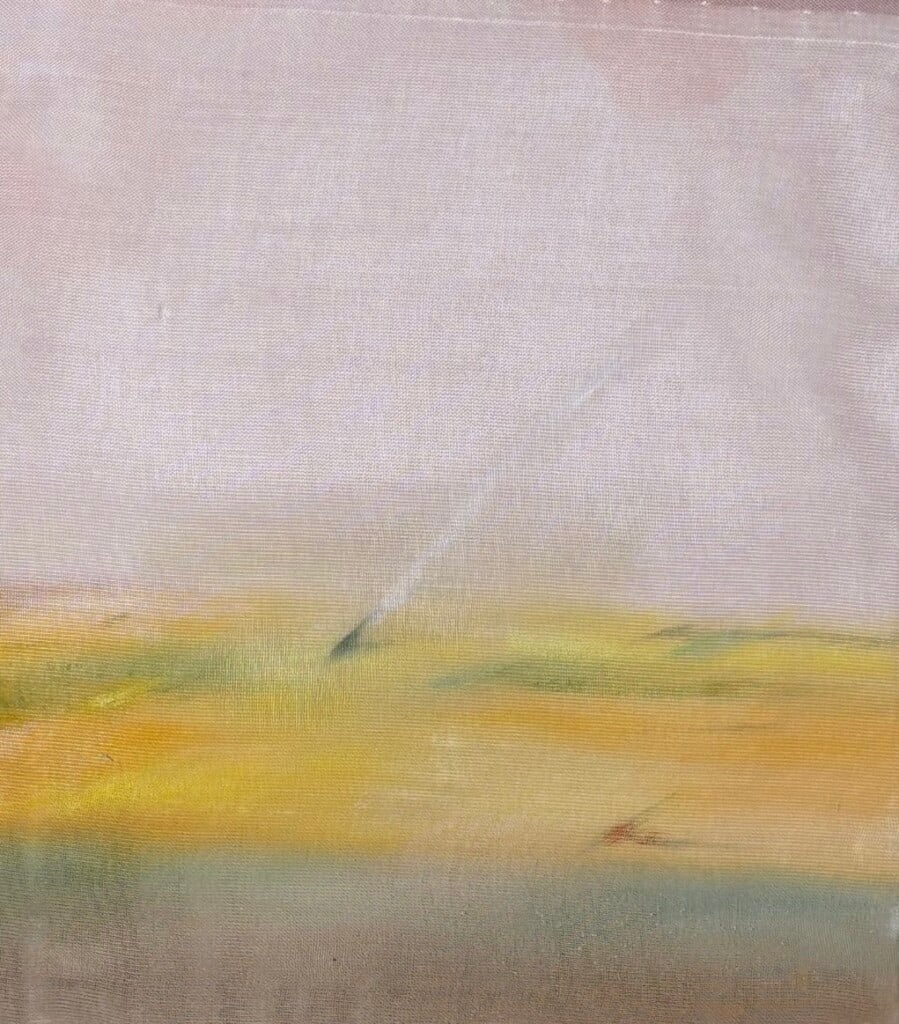
in cover: They Will Not Take My Island | Courtesy the artist