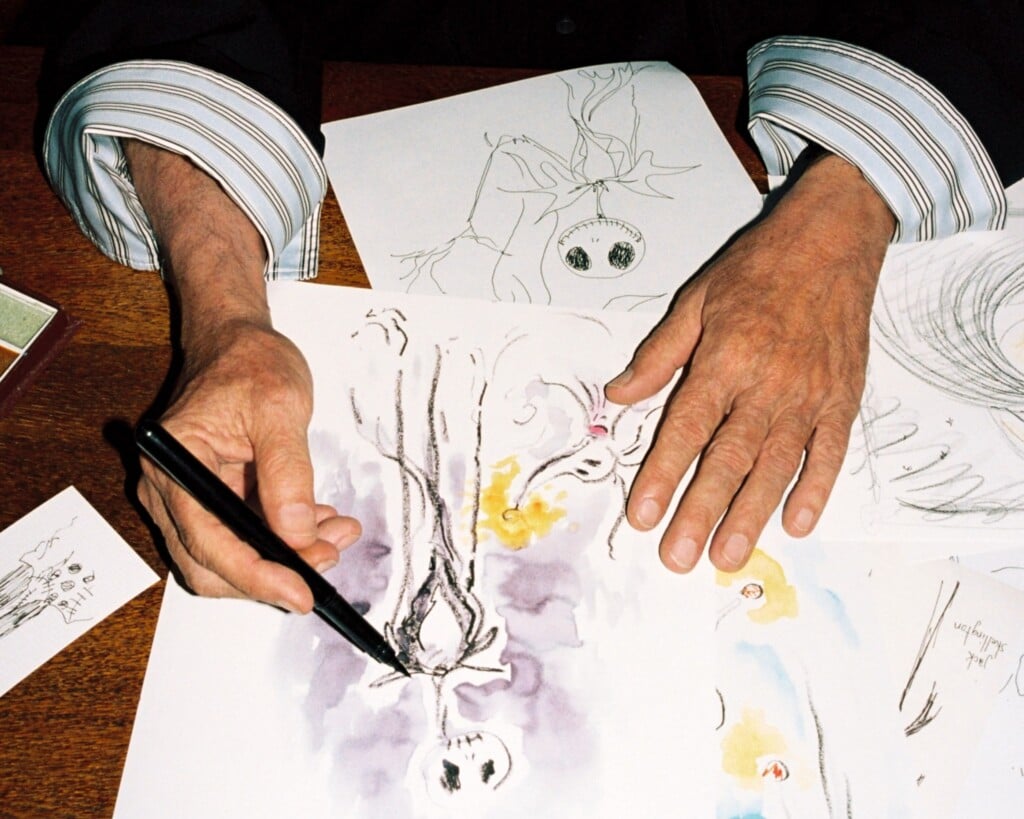
For years, technology has promised to make images ever more realistic, perfect and quick to produce. Today, however, just as generative artificial intelligence makes it possible to produce complex visual worlds in a matter of seconds, some of the most important fashion brands seem to be heading in the opposite direction. Instead of flawless, digitally constructed images, they choose drawings, traditional animation, illustrated characters and settings that retain the traces of manual work. This is not necessarily a rejection of technology, but a different way of using it and, above all, of standing out in a visual landscape where perfection has become increasingly accessible.
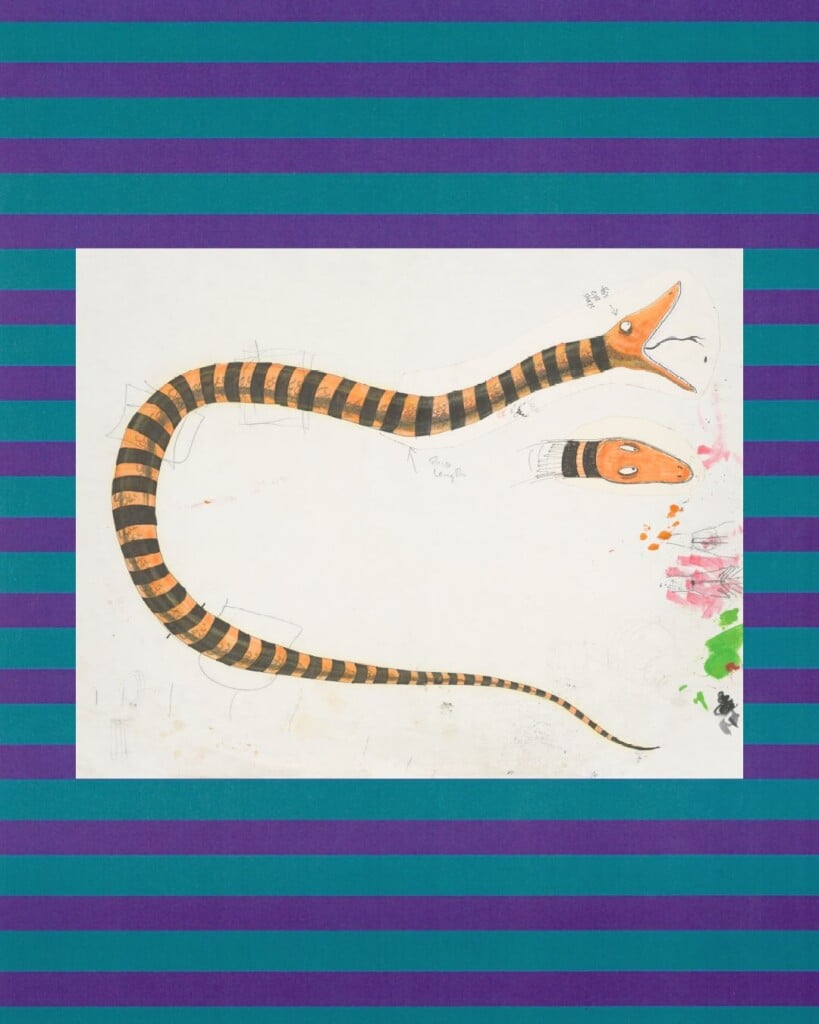
A glance at the numerous campaigns launched in recent weeks is enough to see this direction. Prada and Dior have chosen to entrust two of their Christmas stories to hand-made animation, while other brands are rediscovering illustration, stop-motion and visual languages that seemed to belong to another season of communication. It is a choice that opens an interesting reflection: at a time when almost everything can be generated artificially, the value of an image may depend less and less on its perfection and more and more on the process that made it possible.
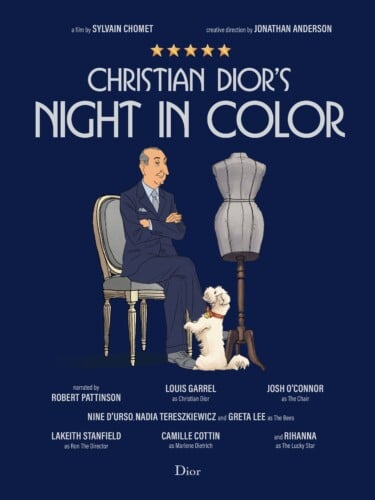
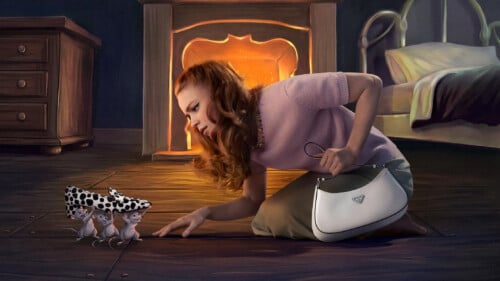
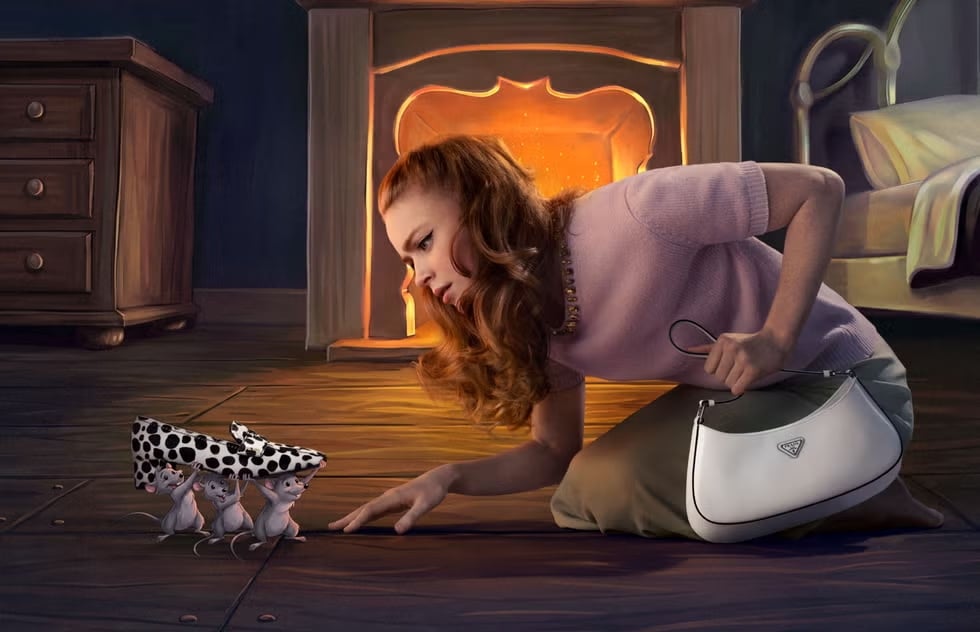
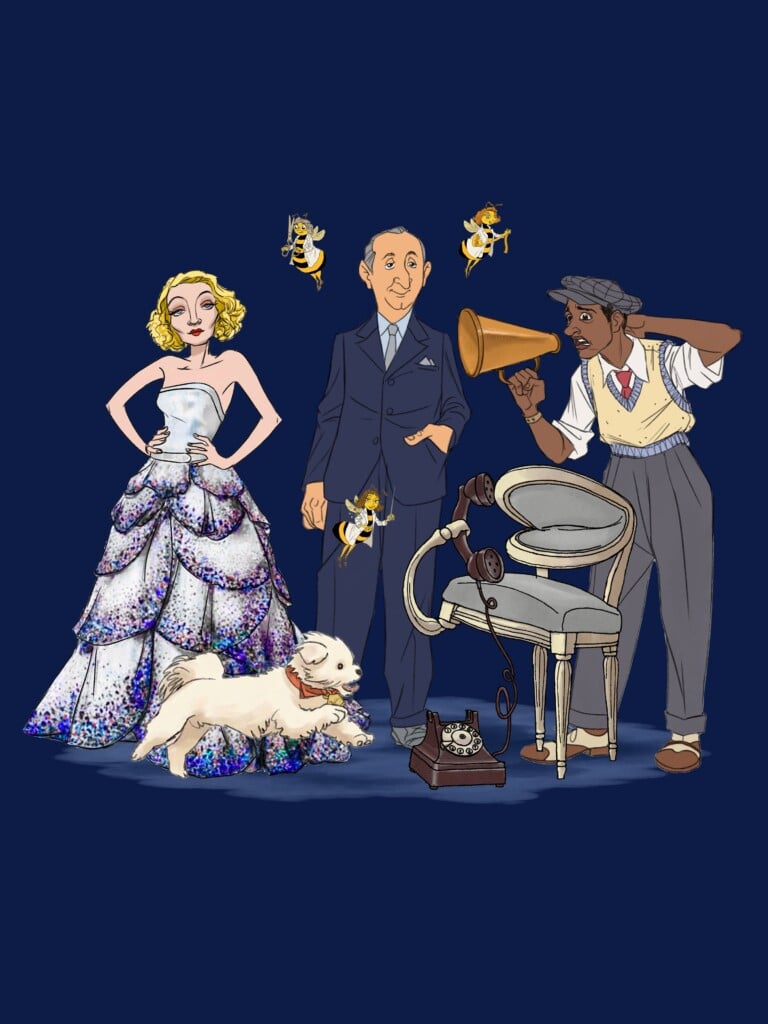
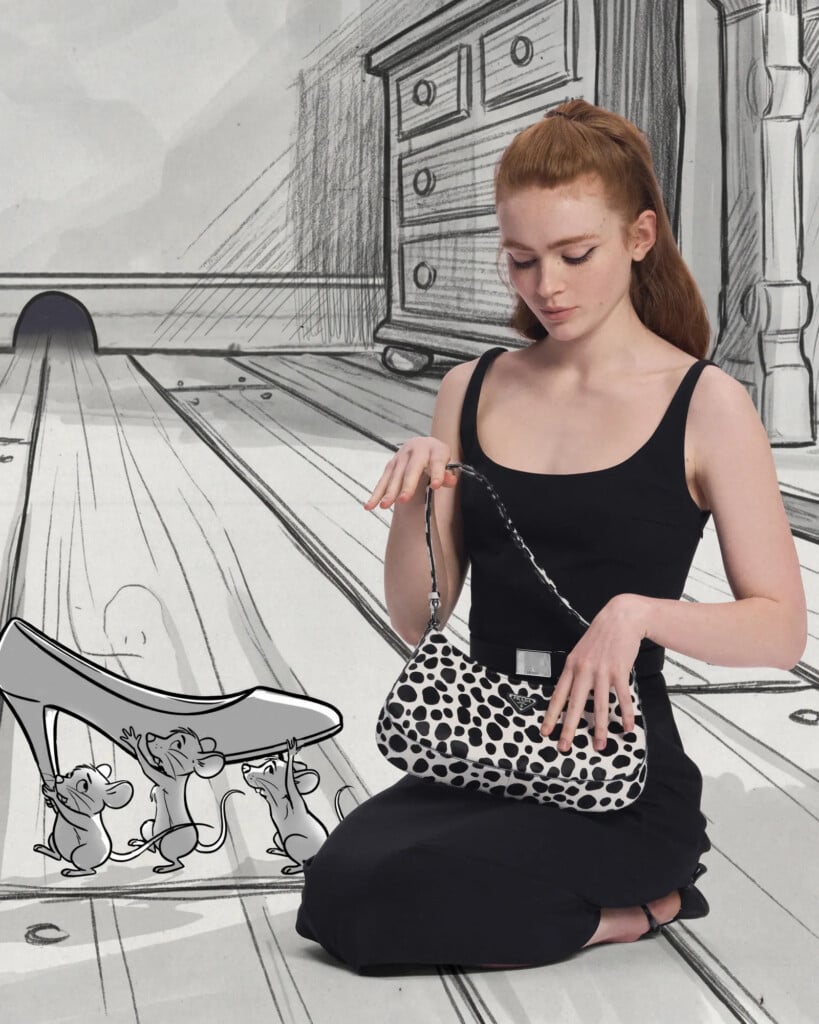
One of the most significant examples comes from Prada with Drawing Prada: Animated by Hand, the Holiday 2026 campaign that combines Glen Luchford’s live-action footage with illustrations by animator John Pomeroy, who worked on films such as Pocahontas and Fantasia 2000. A similar approach characterizes Dior with Christian Dior’s Night in Color, a short film directed by Sylvain Chomet that tells the story of a night in 1949 through hand-drawn characters and a wintry Paris. In both cases, animation becomes a way of bringing the time and manual skill of the creative process back to the center.
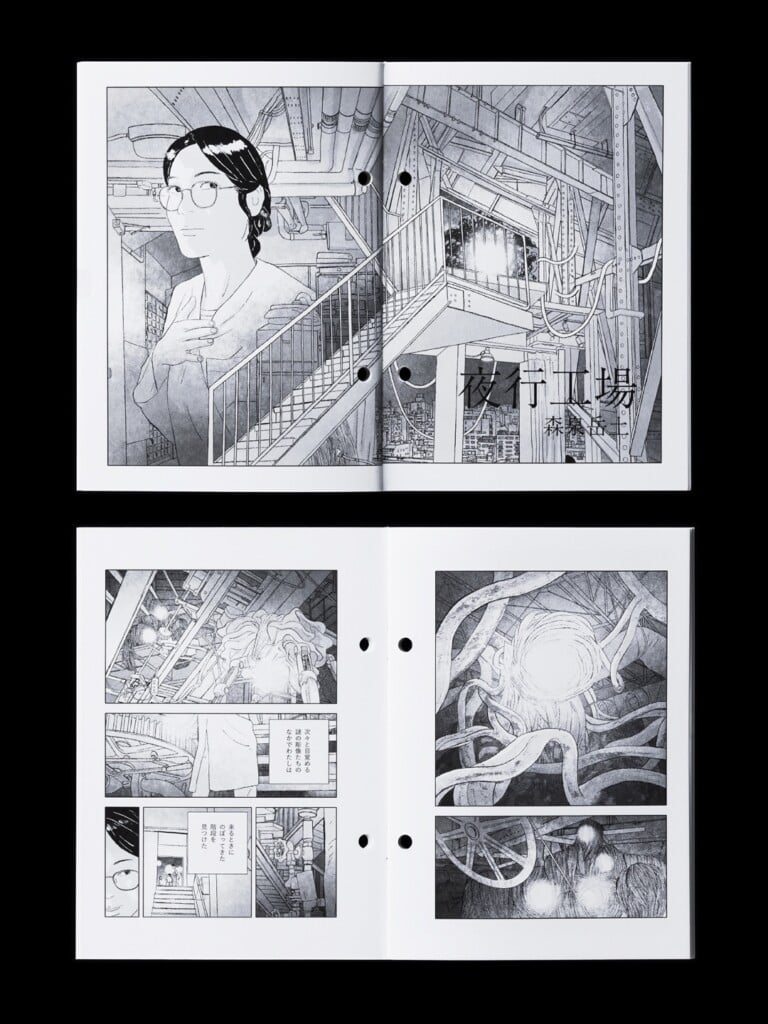
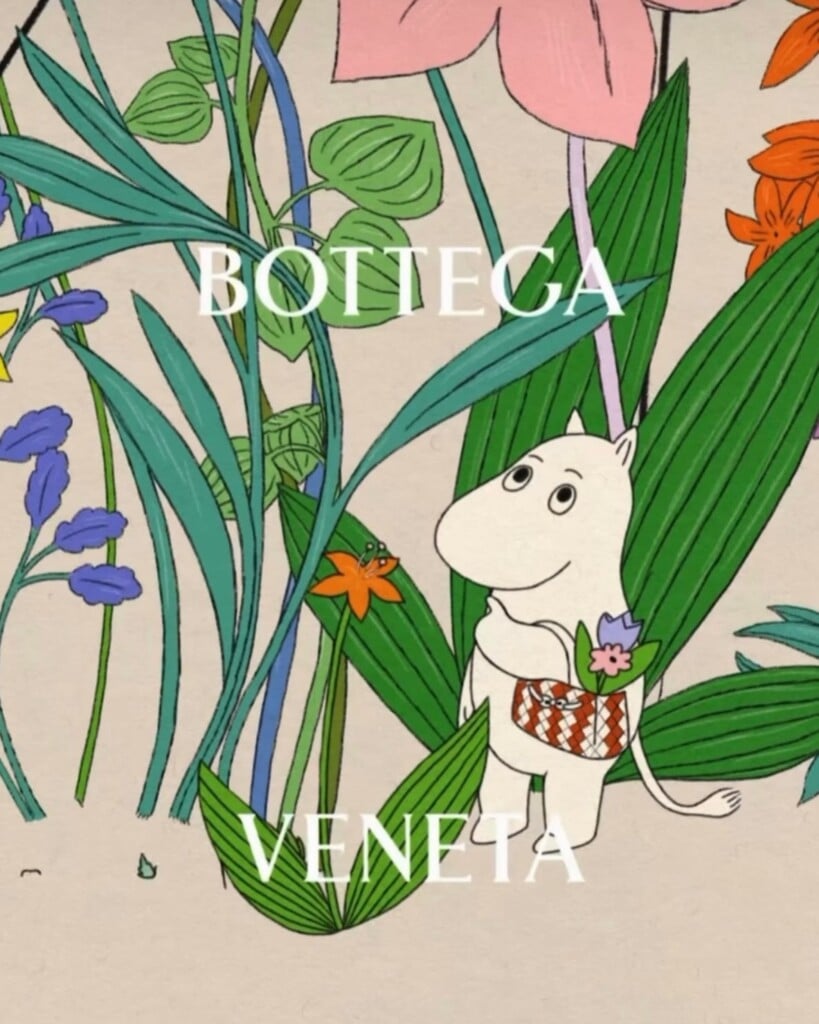
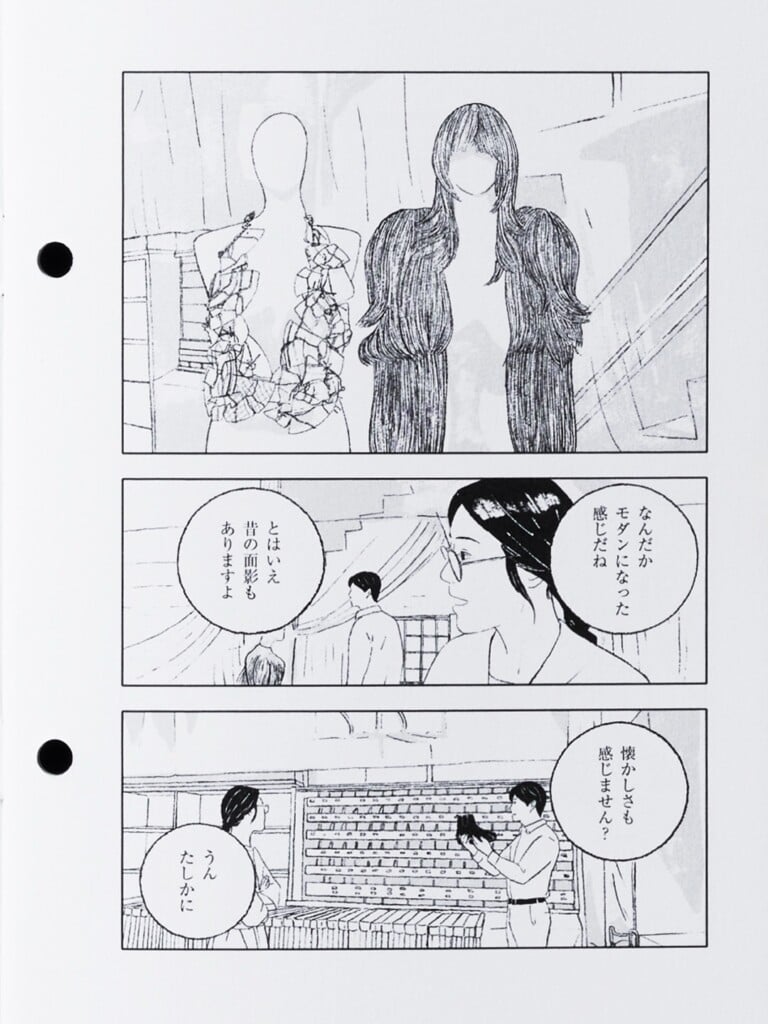
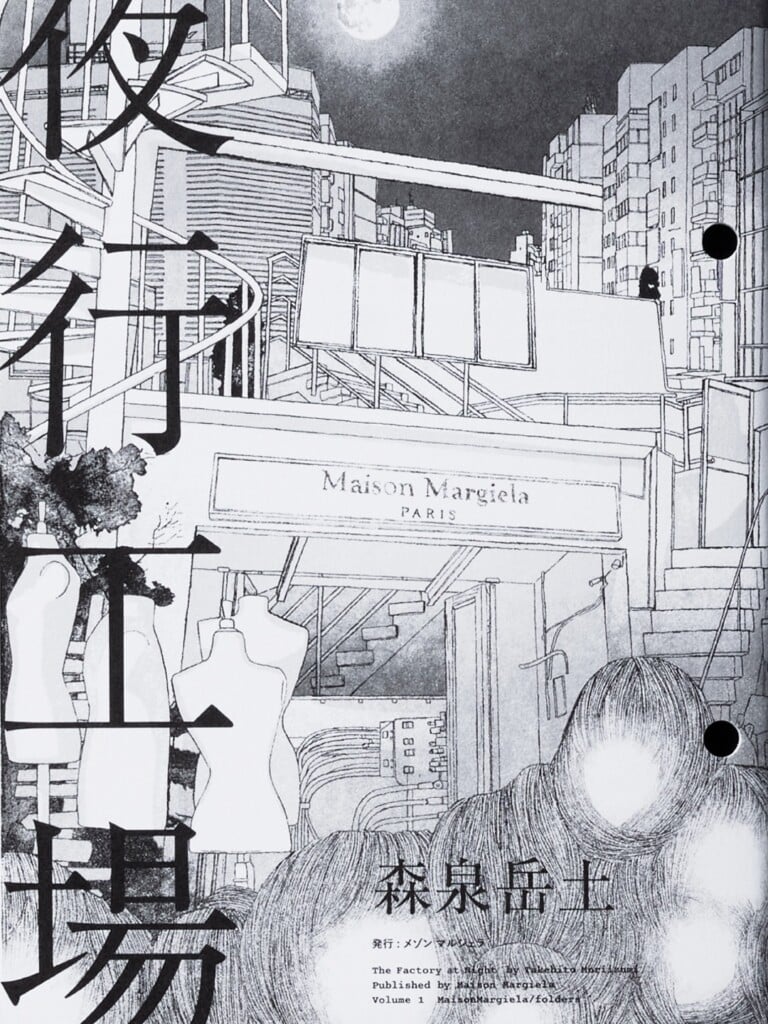
Another interpretation comes from Bottega Veneta, which for a collaboration with the Moomin involved illustrator Karlotta Freier. Here the drawing does not necessarily become a traditional animated story, but a tool for building a recognizable visual universe in which the characters created by Tove Jansson meet the identity of the maison. It is an interesting example because it shows that the return to illustration is not only about movement, but also about the desire to recover a narrative imagery made of characters, signs and atmospheres. Outside of luxury too, the phenomenon takes different forms. For the twentieth anniversary of its Tokyo Ebisu flagship store, the brand created a new chapter of MaisonMargiela/folders, published as a limited-edition ZINE. Inside is “The Factory at Night”, a hand-drawn science-fiction manga by artist Takehito Moriizumi.
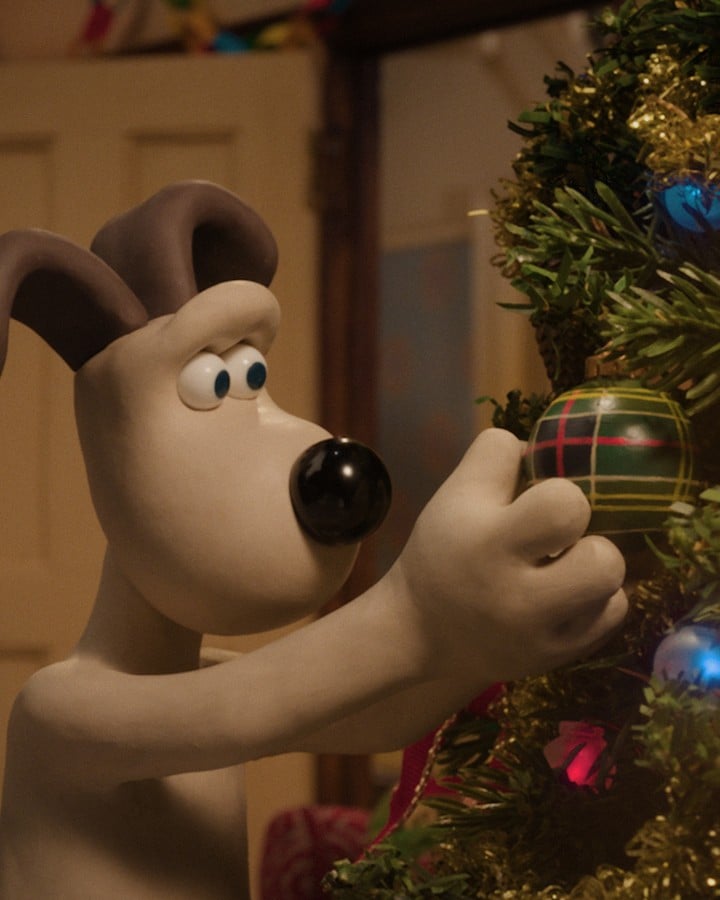
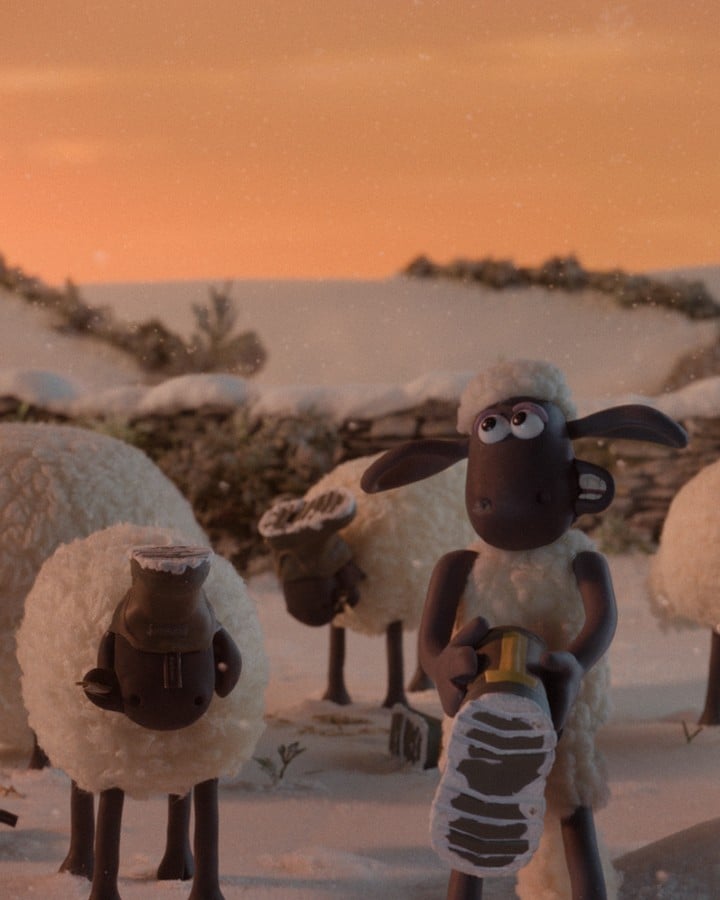
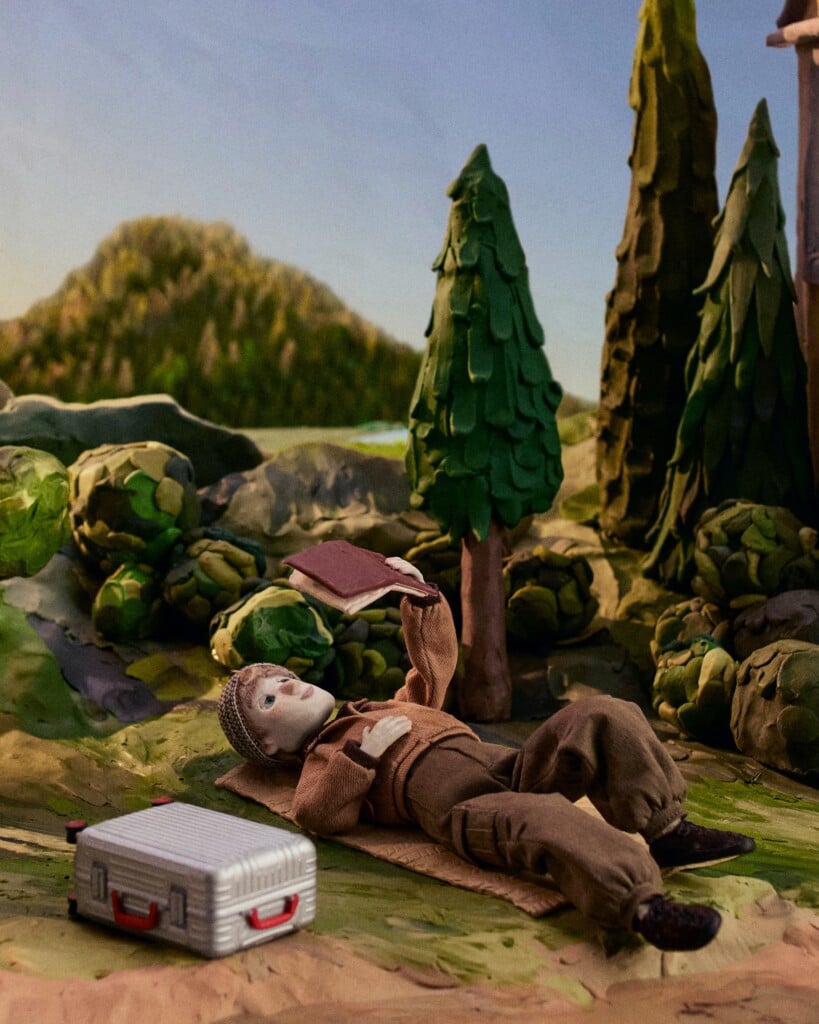
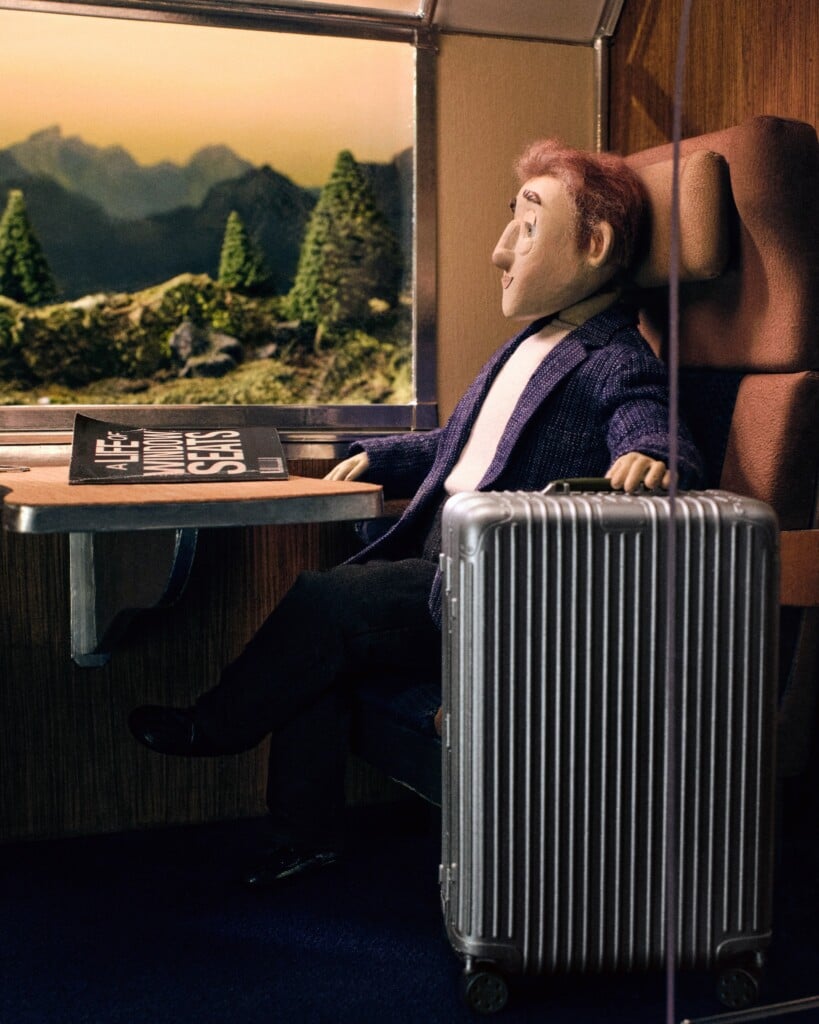
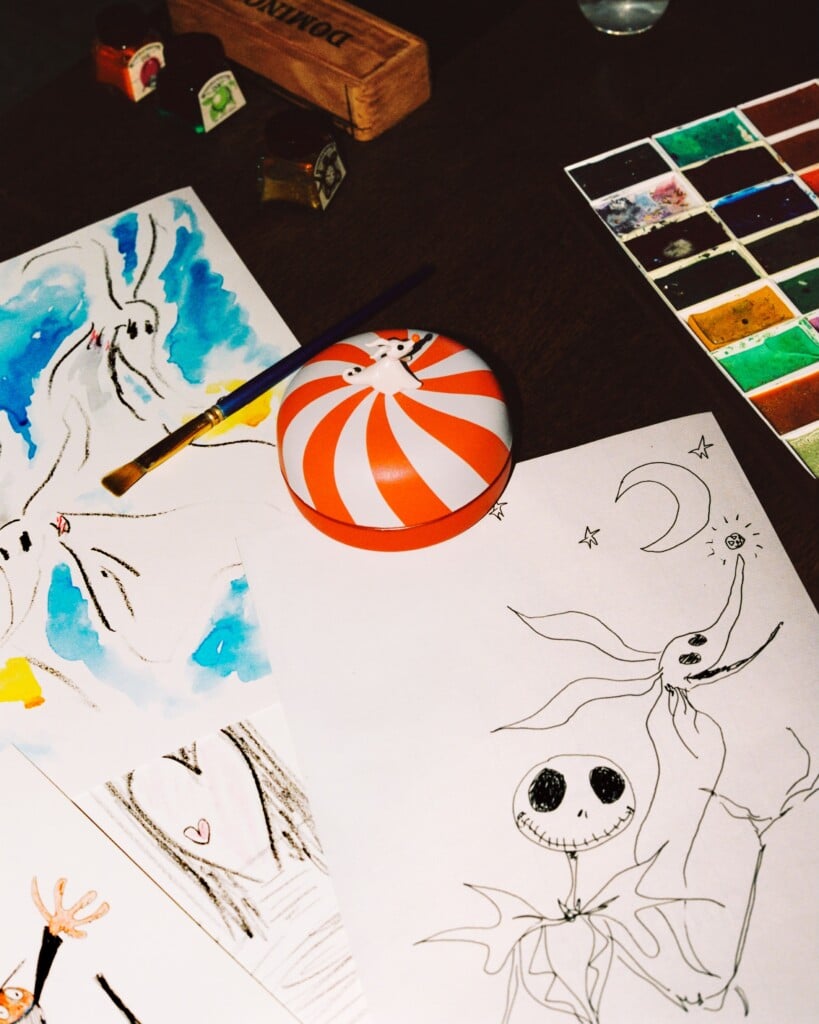
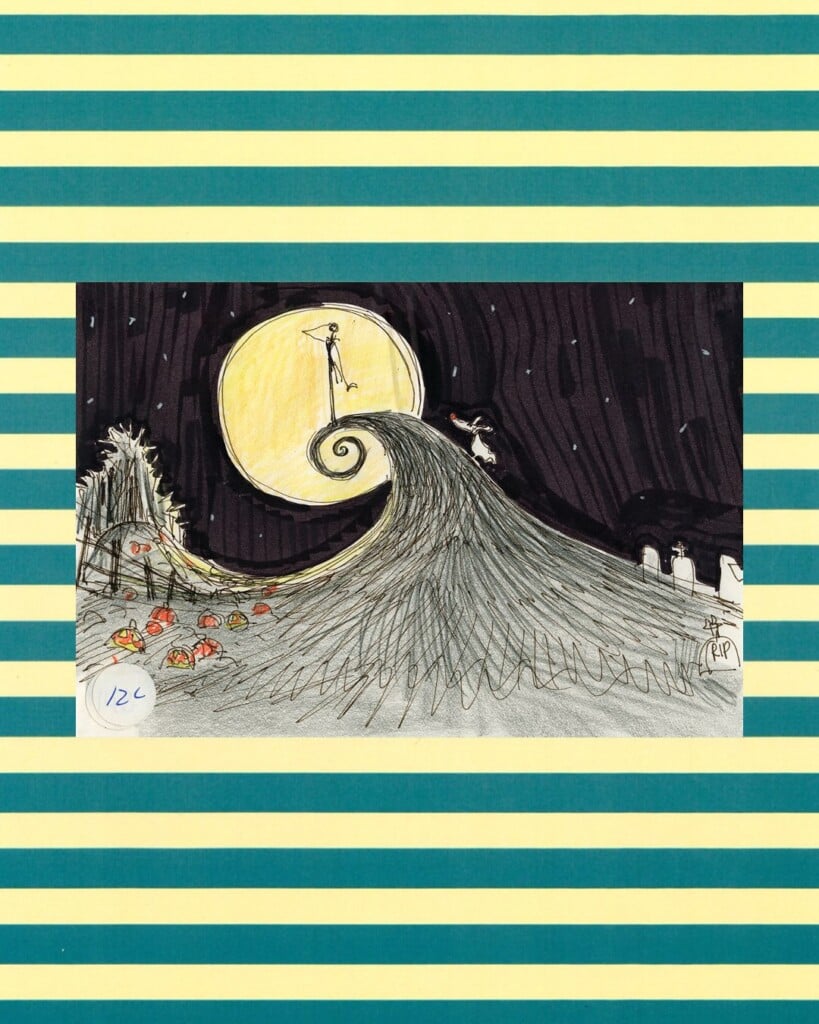
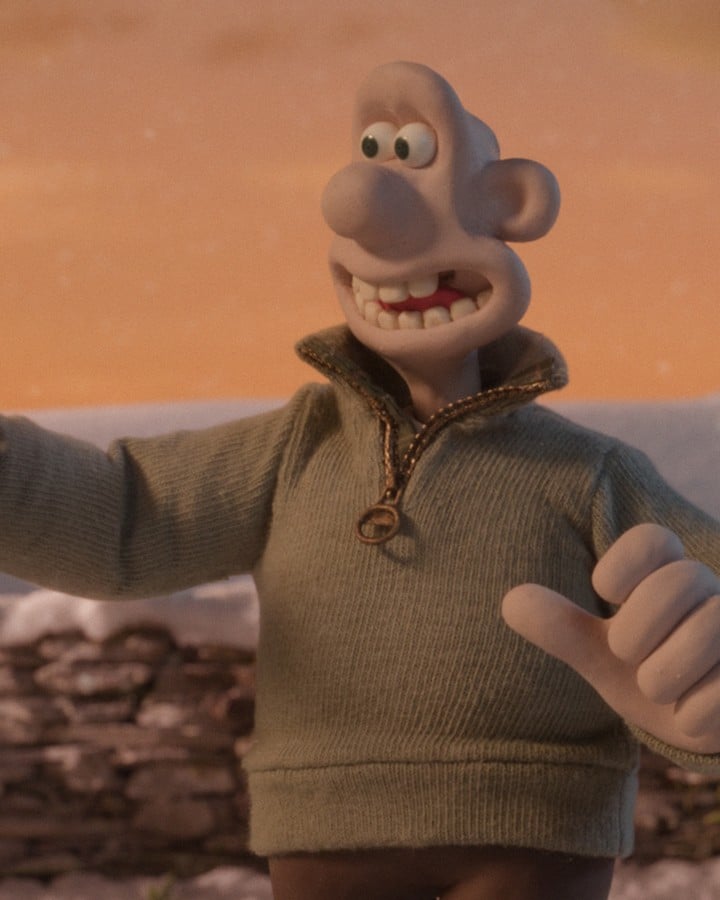
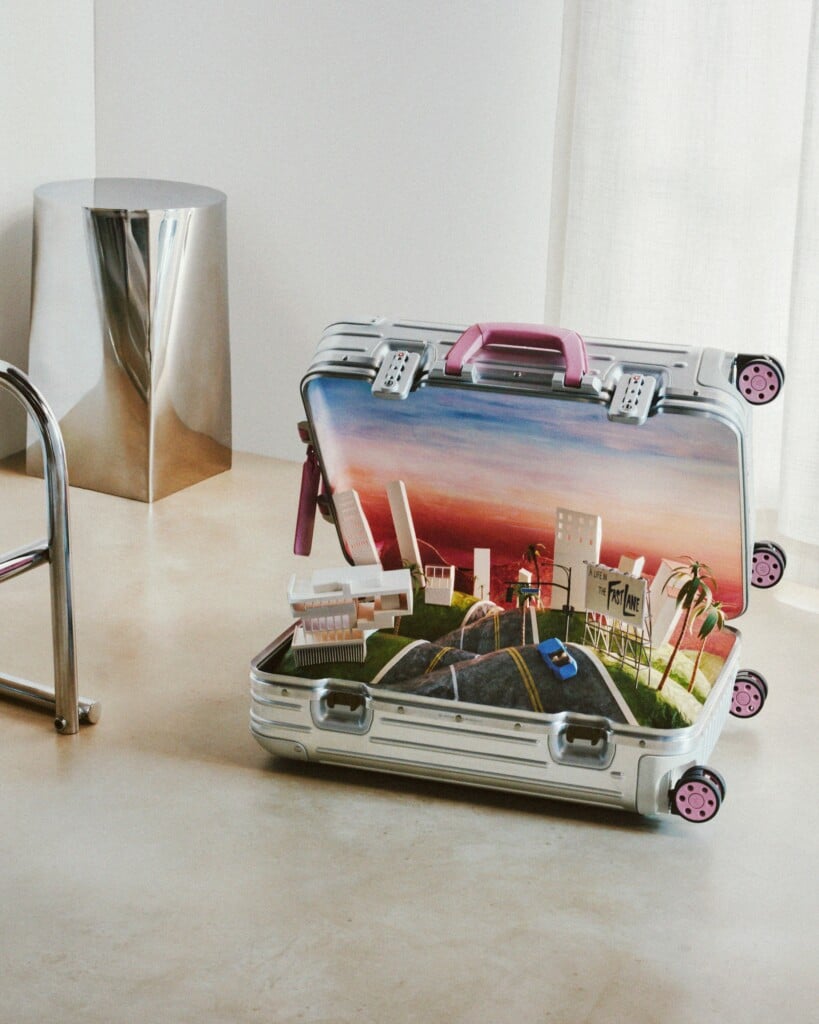
Barbour, meanwhile, renews its collaboration with Wallace & Gromit through a stop-motion Christmas campaign in which the two characters go on a winter walk thanks to a new invention by Wallace. It is a universe built through the traditional handcrafted animation of the Aardman studio. The language of animated cinema also returns at LOEWE, which collaborates with Tim Burton on a collection inspired by The Nightmare Before Christmas. Original drawings, articulated puppets and miniature sets become the starting point for reinterpreting the film’s imagery through the maison’s craft techniques. Finally, RIMOWA presents a stop-motion Christmas campaign to accompany the extension of the RIMOWA Unique service to the Original collection. Tiny hand-built worlds come to life inside the suitcases, turning everyday objects into imaginary scenarios.
To understand why these campaigns are emerging right now, we need to look at what is happening in the world of visual communication. Artificial intelligence has profoundly changed the way images are produced: today it is possible to create settings, characters, surreal scenarios and complex compositions without necessarily needing a photo set or a lengthy production. A possibility that has widened the field of experimentation, but has also made the visual landscape much more crowded.
Not all experiments, however, have been well received. In February 2026, some AI-generated images for the Primavera campaign by Gucci, presented ahead of Demna’s first Milan show, drew widespread criticism on social media. What was mainly contested was the use of images perceived as easily reproducible and at odds with the idea of exclusivity and craftsmanship associated with luxury. A similar reaction had involved Valentino in December 2025, after the release of an AI video dedicated to the DeVain bag. Prada, too, found itself at the center of this debate. The campaign I, I, I, I AM… PRADA, created with artist Jordan Wolfson for Spring/Summer 2026, fueled discussions about the use of artificial intelligence. The maison clarified, through The Business of Fashion, that the technology had been used exclusively in post-production, within a process involving professionals and traditional techniques. A few months later, with Drawing Prada, the same fashion house chose to celebrate hand-drawn animation, highlighting the work of the artists and the handcrafted dimension of production. Two different projects that show how the relationship between technology and creativity is still evolving, and how the public’s perception also depends on how these techniques are used and presented
Dior’s campaign, presented as entirely hand-drawn, has in turn generated online discussion, with some users speculating about possible use of AI in some phases of production, based on alleged anomalies in the images. There is no confirmation of such use, and Dior has not denied using artificial intelligence, while supporting the idea of a product created solely by human hands. The case, however, highlights a new problem: today even an openly handcrafted work can be viewed with suspicion, because the public has begun to constantly question the origin of the images it encounters.
It would be reductive to interpret this trend as simple nostalgia for the past or as a contrast between those who draw by hand and those who use digital tools. Traditional animation is not necessarily more creative than AI, just as an artificially generated image is not automatically devoid of artistic direction. The difference lies in how these tools are used, in the intentions that guide the project and in the ability to build something with its own identity.
What Prada, Dior and other brands seem to have understood is that, at a time when producing images has become ever easier, showing the work hidden behind them can become a distinctive element. A drawing that is not perfectly symmetrical, a line that retains the movement of the hand, a character that seems to have stepped out of an old animated film: these are details that convey a sense of presence and make visible the time devoted to creation.
Perhaps the point is not to establish whether the future of visual communication will be entrusted to artificial intelligence or to traditional techniques, but rather to understand what we want to see in an image and, above all, what we expect from those who make it. If until recently technology was celebrated mainly for its ability to overcome the limits of reality, today there seems to be a renewed interest in everything that preserves a human trace. And in a world where even the impossible can be generated with a prompt, perhaps the real rarity is no longer creating something extraordinary, but making people feel how much care lies behind it.