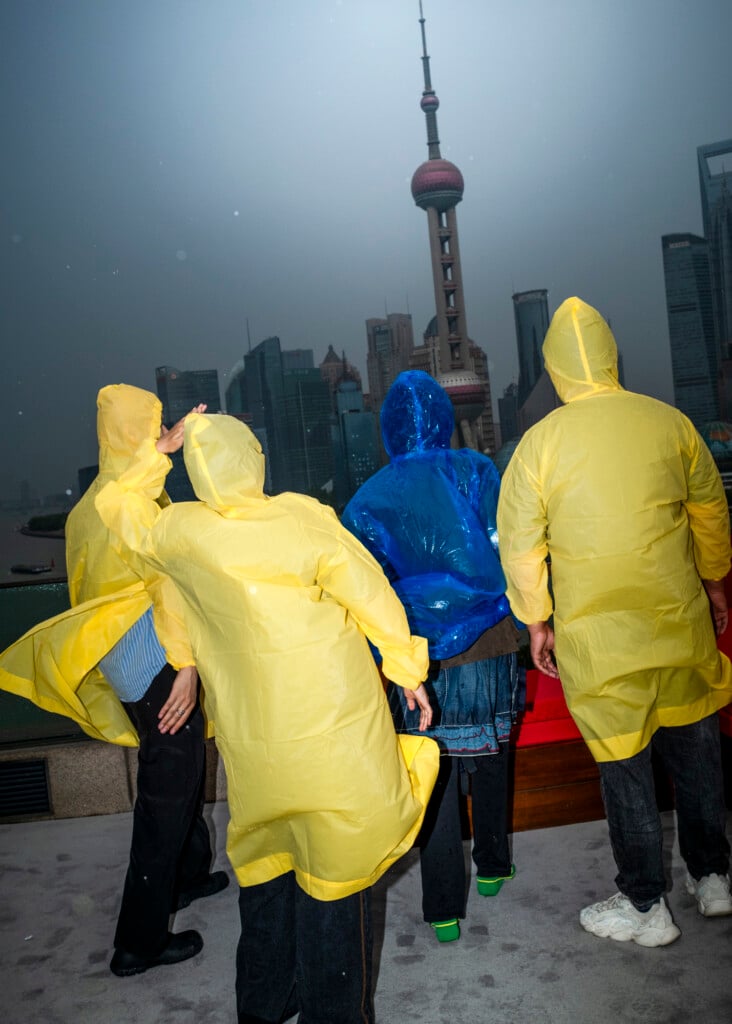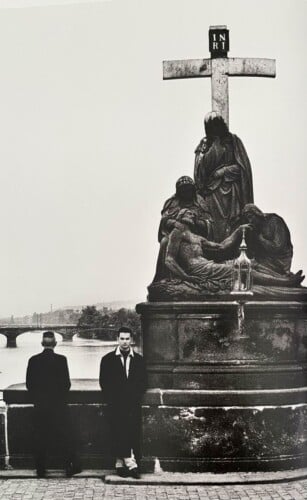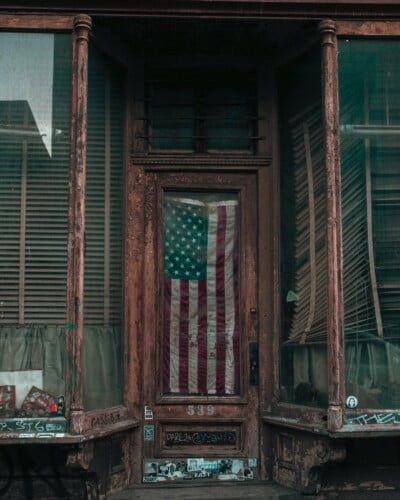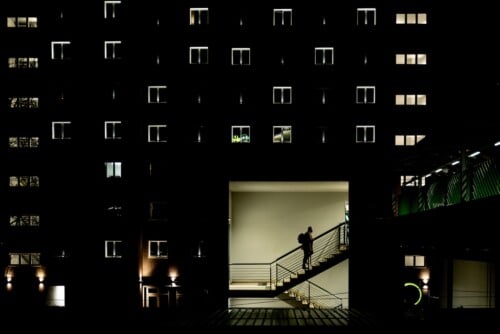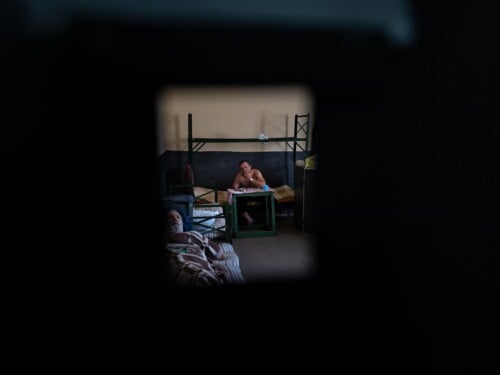
Born and raised in China, photographer Feng Li has been building a photographic archive for years, shaped by walking, observing, and above all by accepting the idea that an image can never be fully planned. “My creations are always connected to my everyday life. I walk through the streets, and the more crowded a place is, the more it attracts me. The street is like a huge stage. If I’m lucky, I might encounter the role that is meant for me,” he explains. It is within these chance encounters—unexpected yet revealing—that his photography takes shape.

The flash is undoubtedly a fundamental component of his creative process. Far from being a purely aesthetic choice, the use of artificial light stems from a practical need: reacting in a split second. “I needed to make a decision and react very quickly. The flash allows me to shoot fast, at any time and in any lighting condition, freezing the scene in front of me.” Like spotlights on a stage, the flash isolates subjects from the urban flow, alters visual hierarchies, and amplifies colors and contrasts. What emerges is an unsettling realism, where the banal becomes theatrical and the everyday turns surreal.
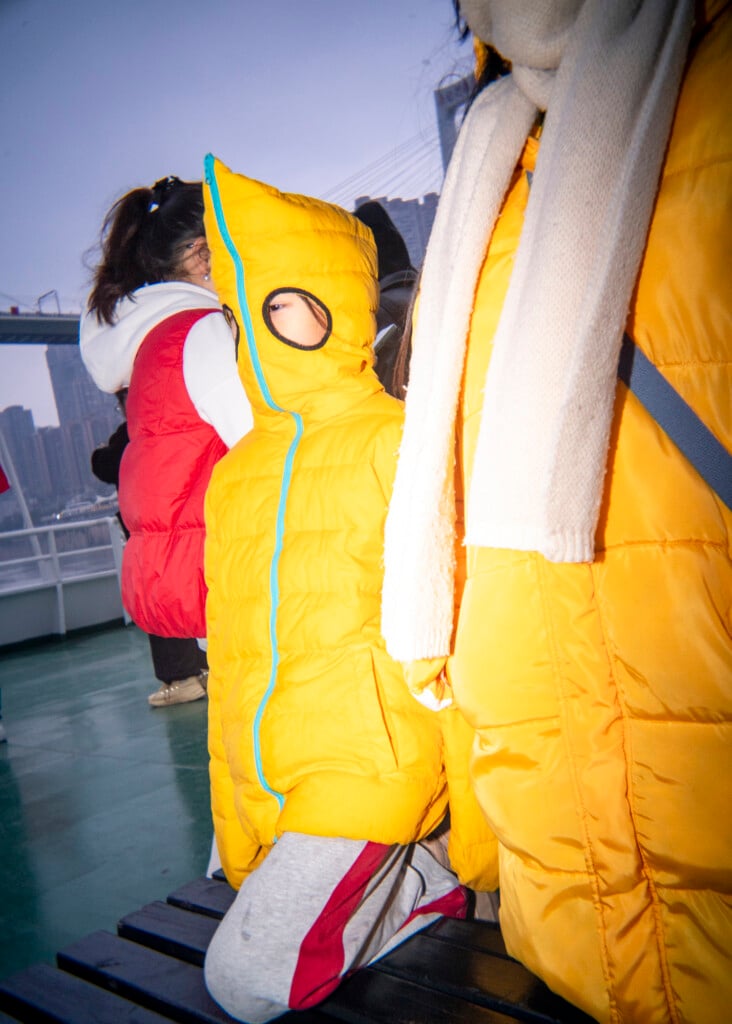
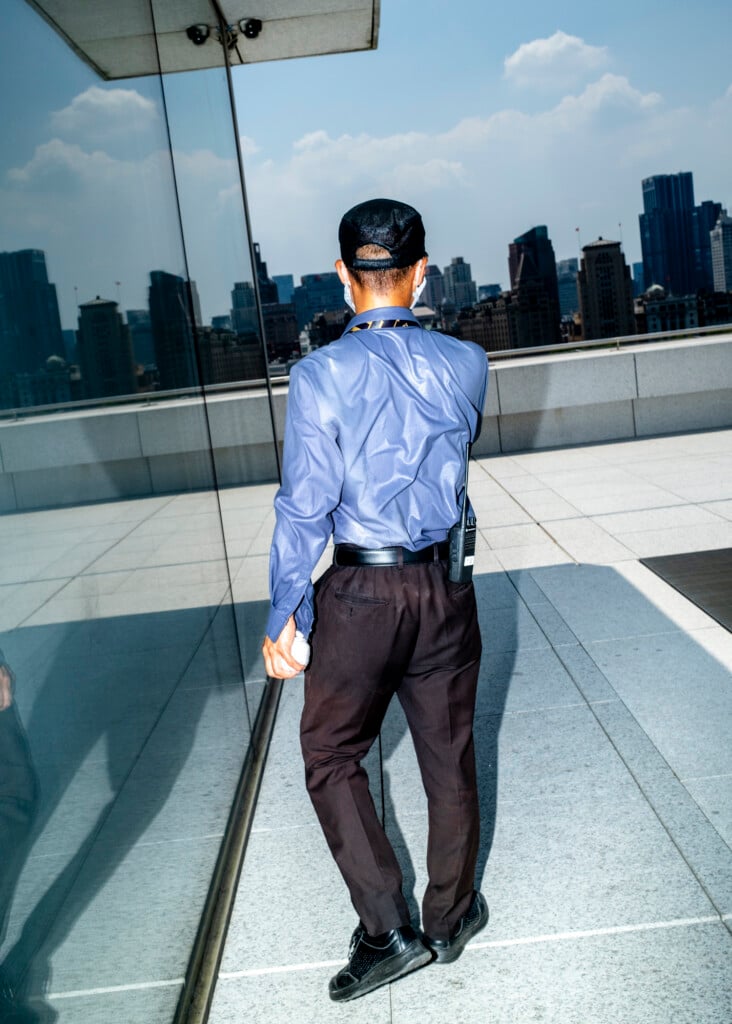
This performative dimension runs throughout his practice, but its tone shifts over time. The series White Night, begun in 2005 and continued for nearly twenty years, stands as direct evidence of this evolution. “At the beginning there was a strong sense of conflict and a very dramatic atmosphere. Over time, the work became more peaceful and subtle.”

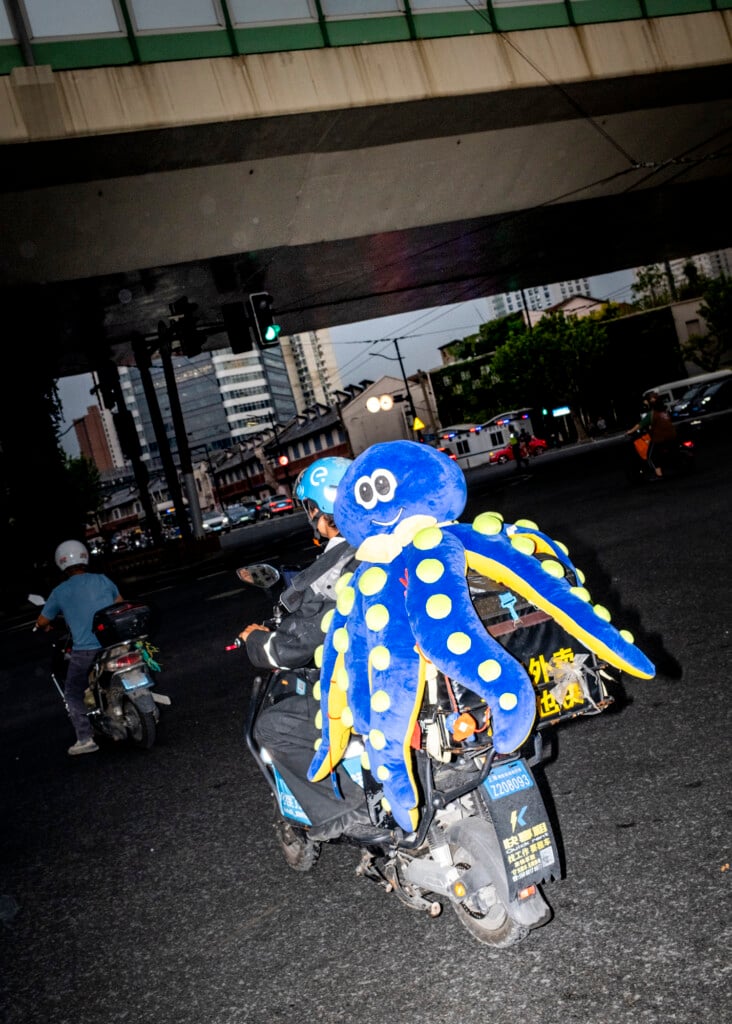
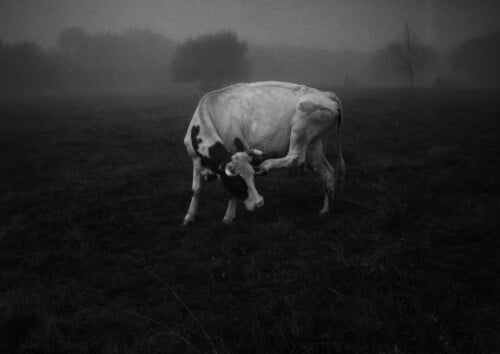
This transformation reflects a personal journey even before an artistic one, tied to growth and a different understanding of reality. For Feng Li, answers are no longer found in visual confrontation, but in a gradual process of subtraction: “Reality has already sufficiently confirmed my viewpoints and my doubts. Only abstraction and emptiness are the ultimate answers to all problems.”
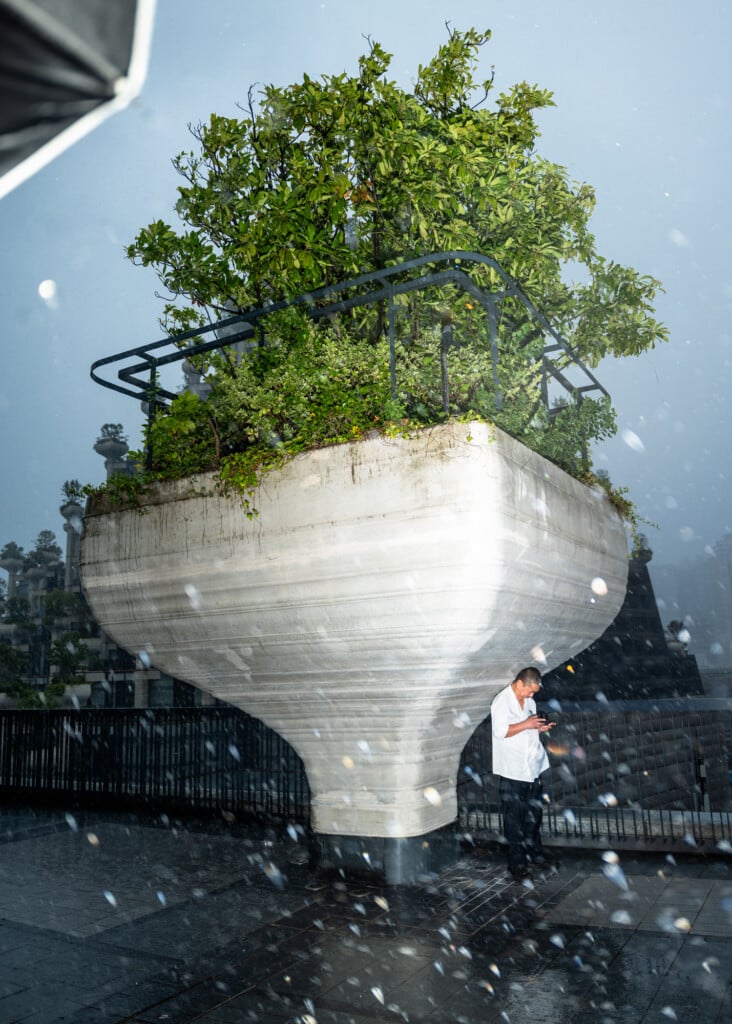
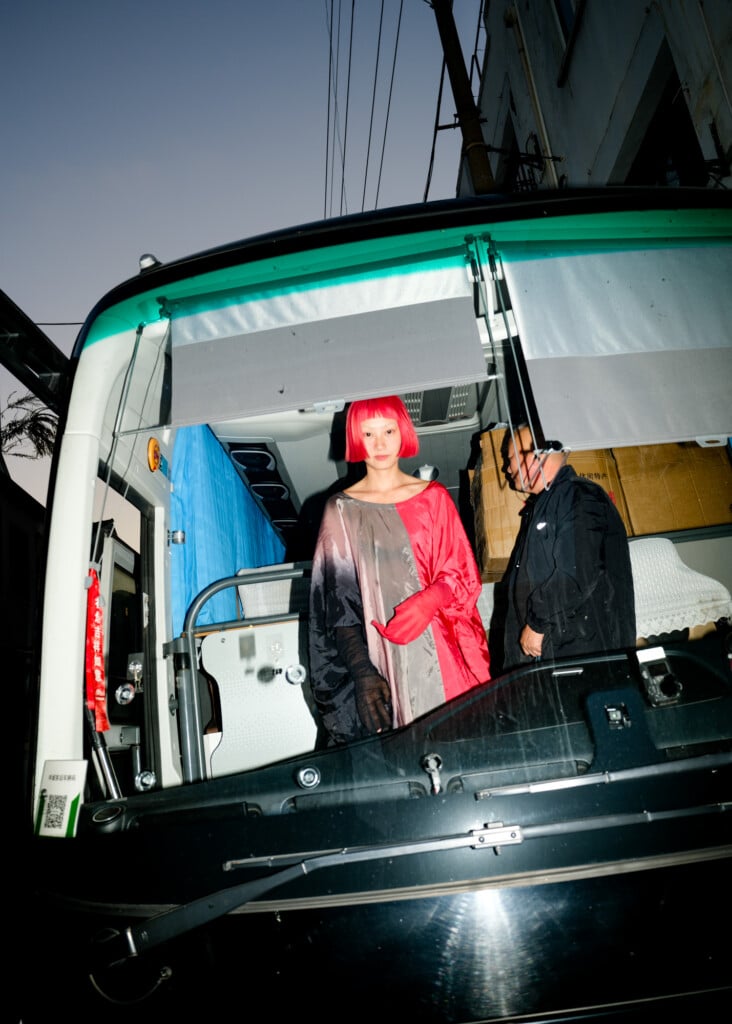
Today, his photography continues to move through public space, but with a quieter gaze. The flash is still there, as is the street, yet the image opens up to a more contemplative dimension, where absence matters as much as presence. It is within this unstable balance between urban chaos and introspection that Feng Li’s work continues to captivate us.