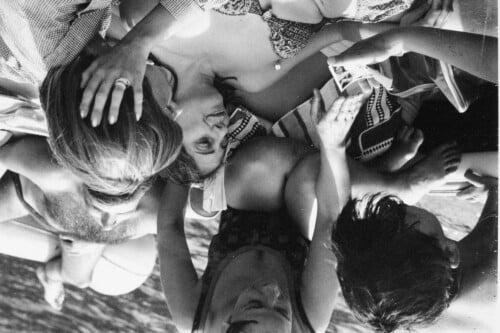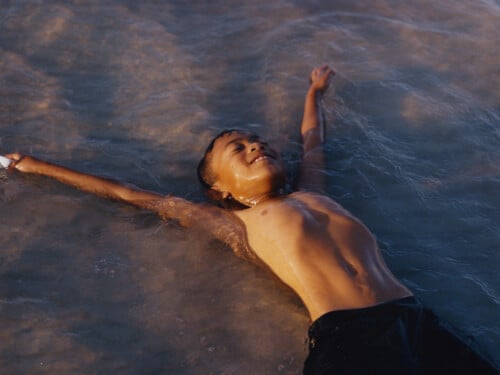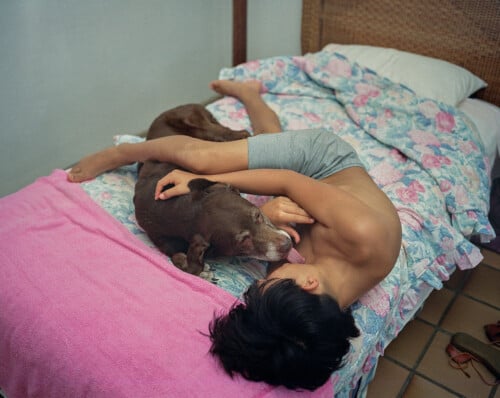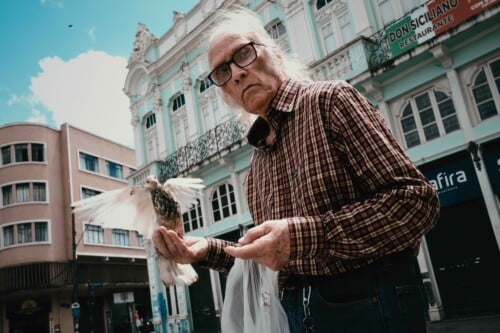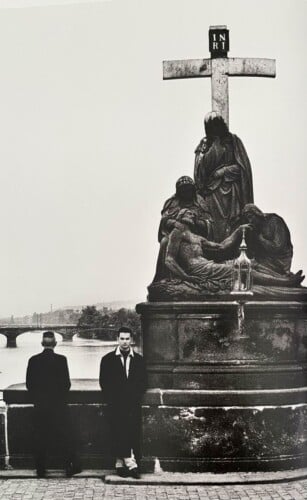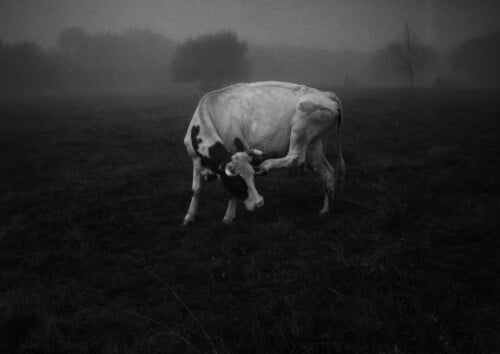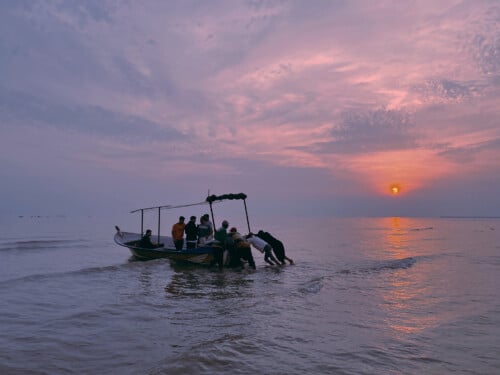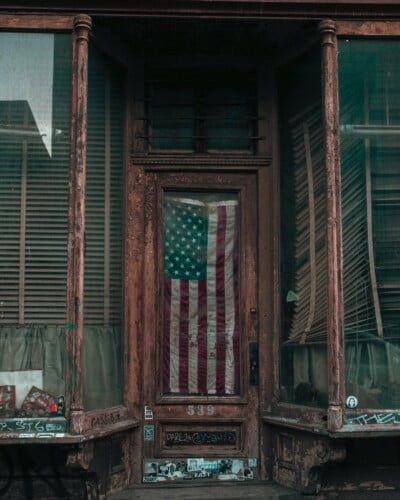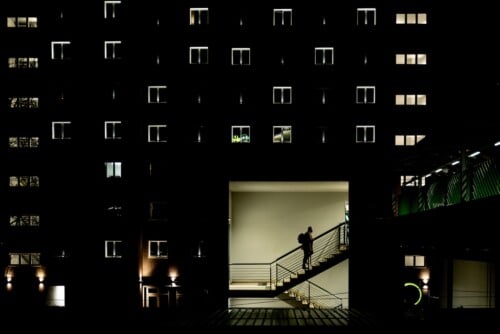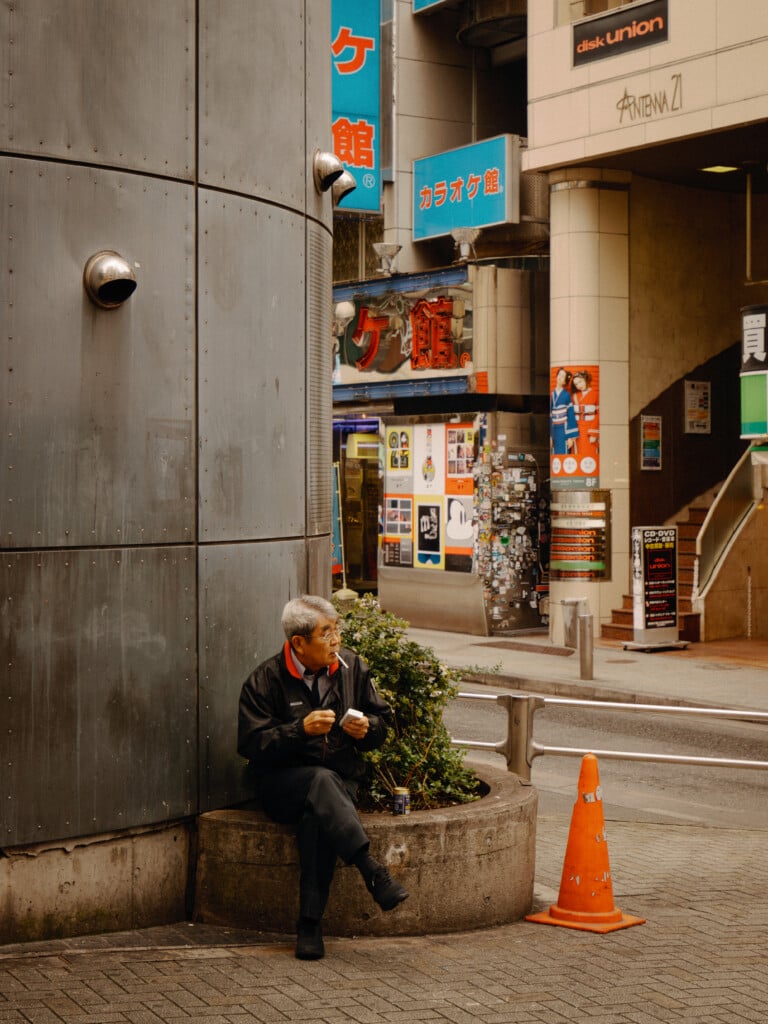
In Freddie Roach’s photographic work, there is never any rush to get to the point. If anything, the point coincides with everything that usually stays on the edges: suspended moments, pauses, minor trajectories that make up the everyday life of cities and the people who inhabit them. In a world saturated with stimuli and shouted images, Roach chooses to slow down and focus on those fragments of calm that often go unnoticed, yet in reality make up a large part of our days.

His visual education began in the pages of surf magazines, read from a young age with almost ritual attention. But even there, far from the epic of the perfect wave, what struck him wasn’t the central action, but the in-between moments: the villages, the faces, the waiting. Those side images, seemingly secondary, were the only ones truly able to spark his interest. Over time, widening his gaze through publications like Life and National Geographic, Roach found a language made of quiet observation and attention to the real. As an introvert, looking has always been more natural than taking part.
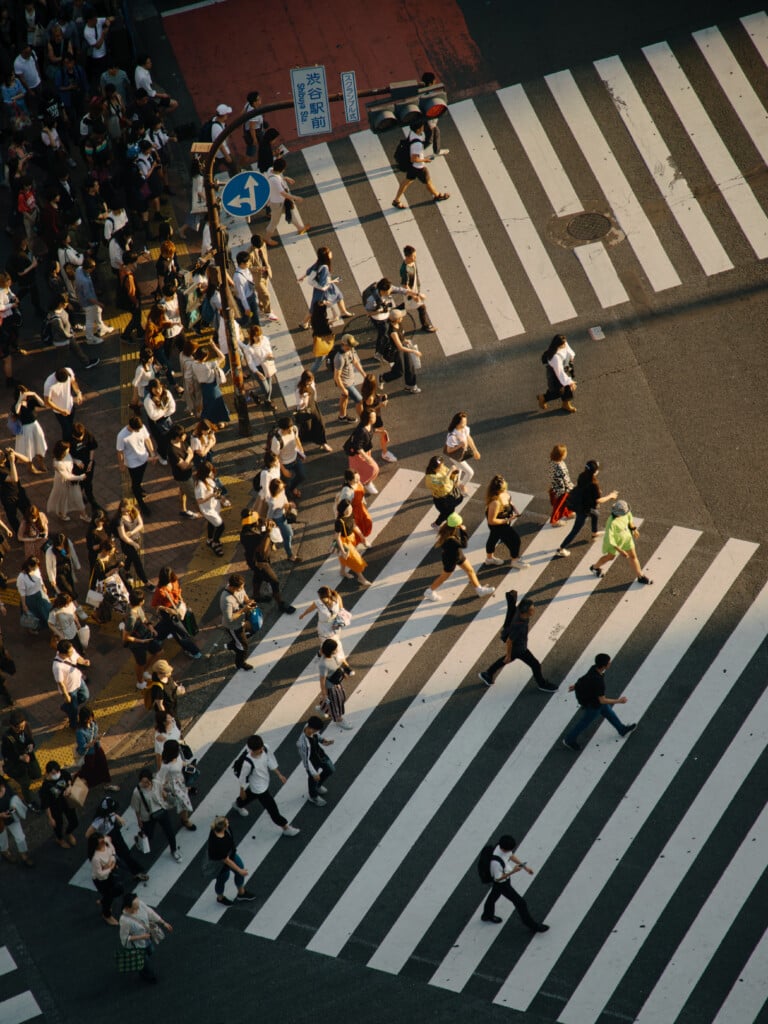
This approach takes on a definitive shape during his first trip to Japan. Tokyo immediately reveals itself as an inexhaustible visual territory, able to offer constant stimuli at every step. Raised in an Australian coastal town, the impact of the metropolis is overwhelming, but it’s precisely there that Roach understands what he wants to photograph: not the exceptional, but what remains when the volume is turned down.
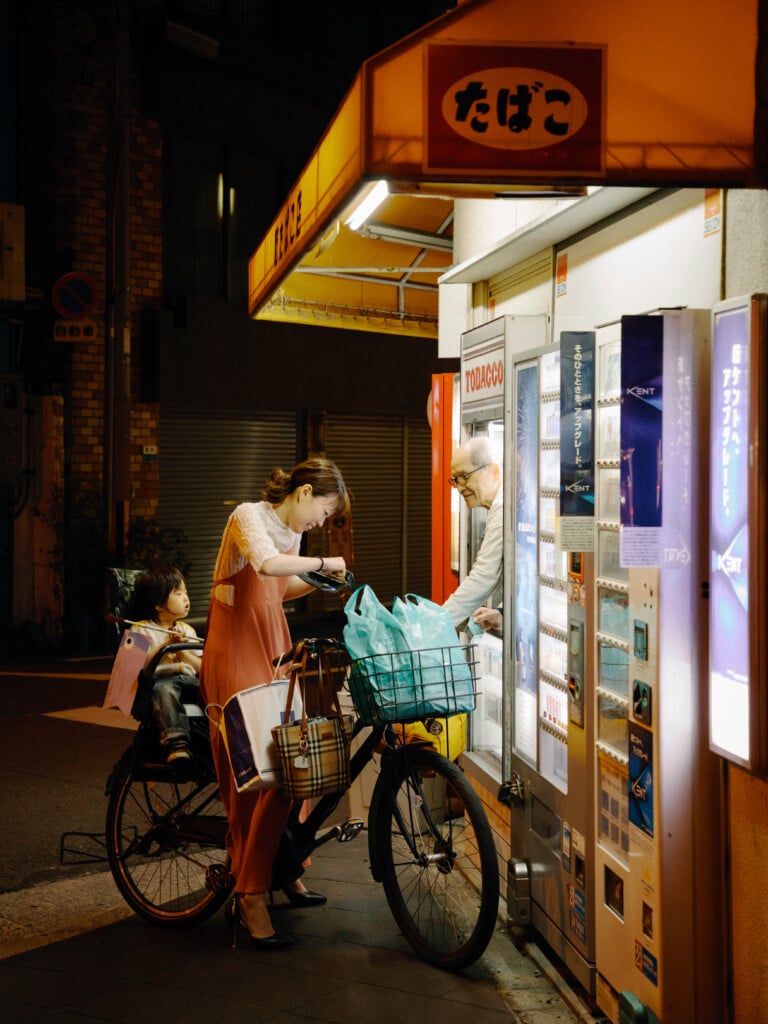

Walking becomes his method. Often starting from Shinjuku, he explores neighborhoods and side streets, moving away from the tourist routes. Harajuku, with its more intimate lanes, domestic architecture, and relaxed atmosphere, is one of the places that best embodies this search. It’s far from the main arteries that, according to Roach, Japan reveals its most authentic beauty.
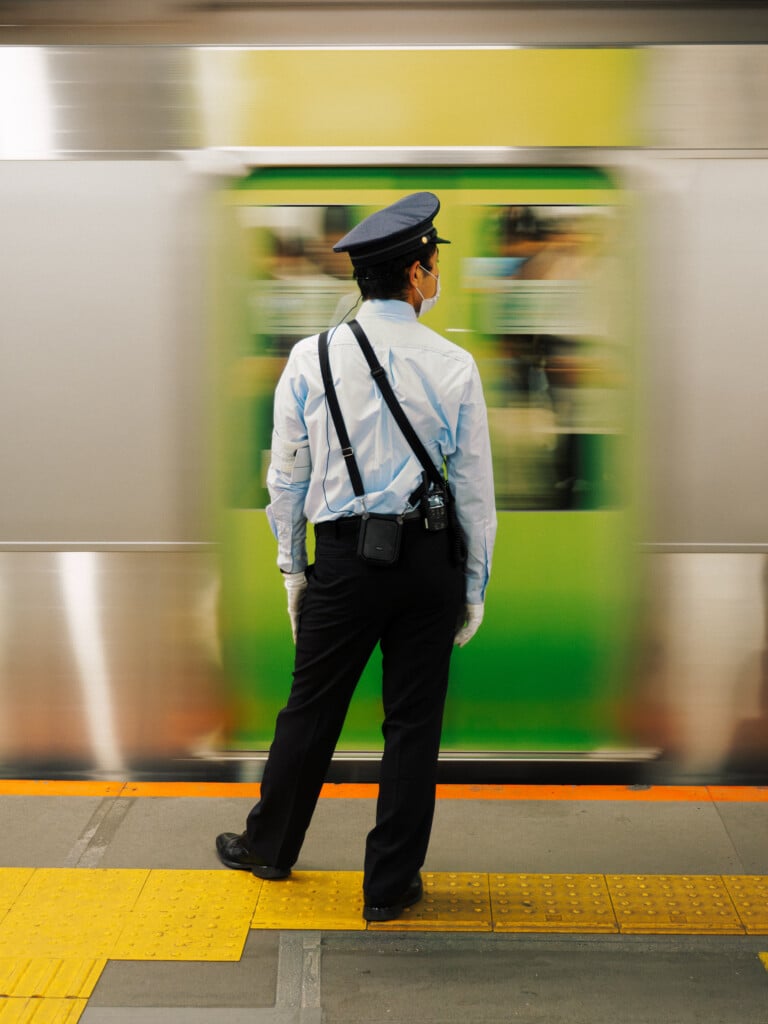
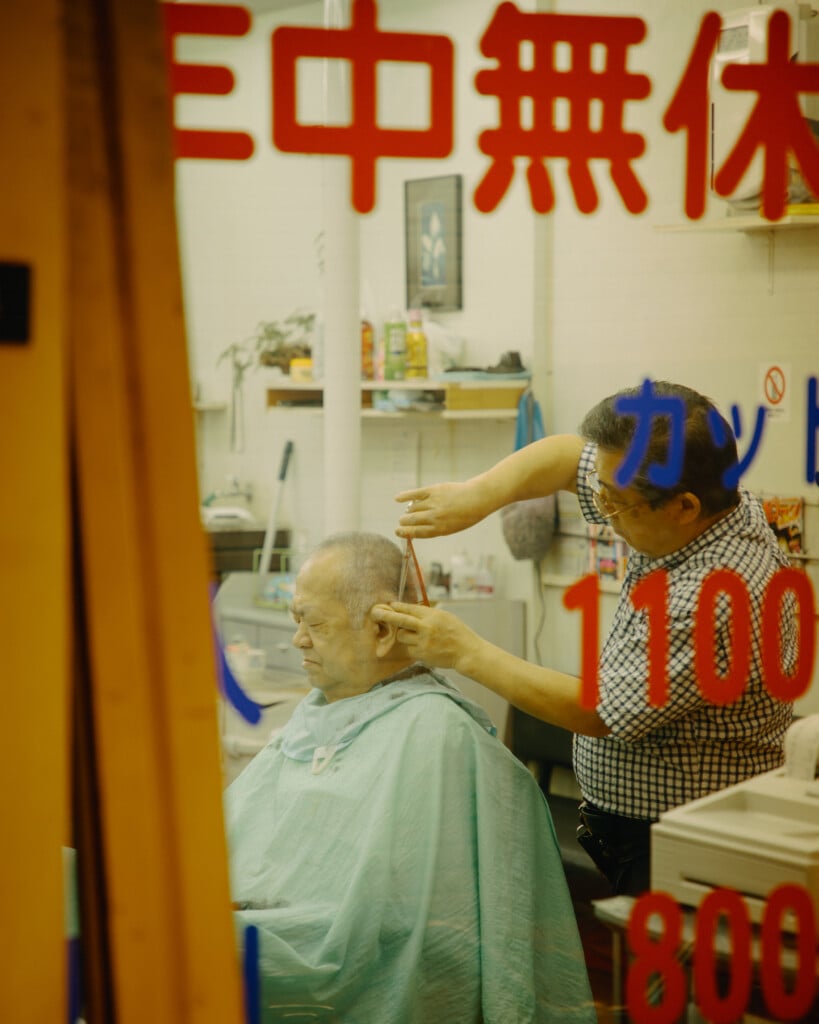
In his shots, phone booths, crates of empty bottles, cars wedged into tiny garages, doors, reflections, and light filtering through trees come into view.

Details that speak of a culture deeply attentive to small things—also summed up in words like komorebi, which describes sunlight filtering through leaves. It’s no surprise that in Japan, slow languages like photography continue to be felt so strongly.
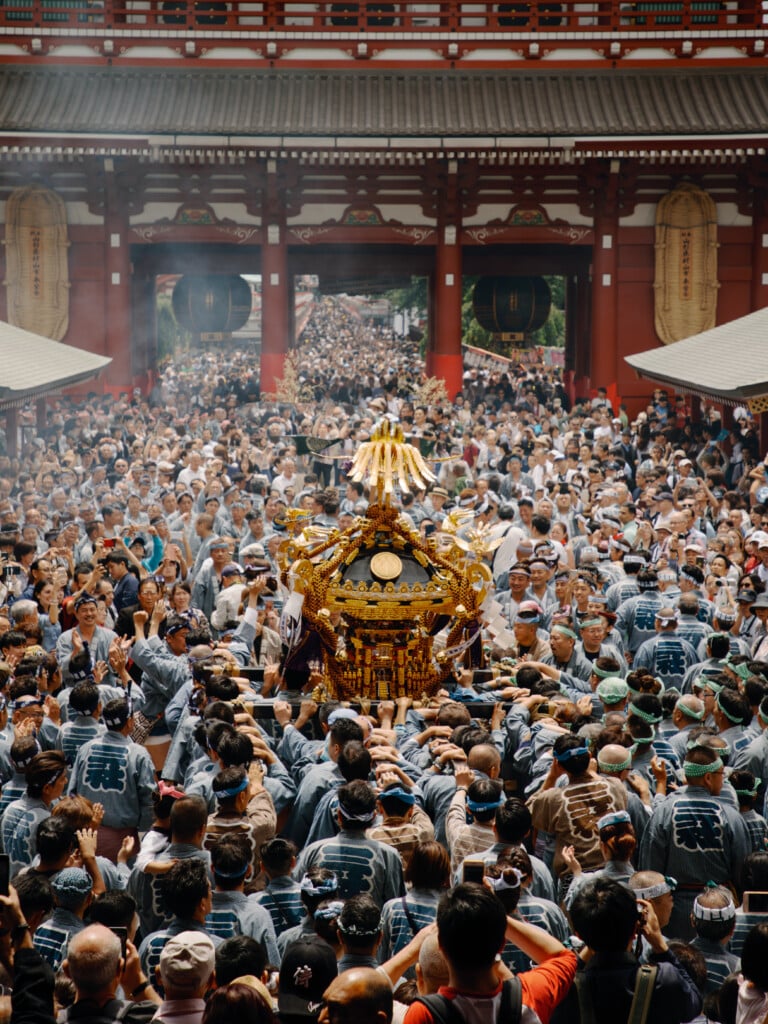
Alongside this quiet everyday life, the project also includes moments of intense collective energy, such as Sanja Matsuri, a historic festival held in the Asakusa district. Here, the tension rises all the way to the final procession of the mikoshi, portable shrines shaken violently by hundreds of men vying for the honor of carrying them to Sensō-ji Temple.
Even in this ritual chaos, Roach isn’t looking for spectacle, but for the humanity running through it: the fatigue, the contact, the loss of control—and then the return to normal.

The common thread remains an interest in the ordinary. Every return to Japan becomes an attempt to peel away a layer, avoiding imagery that’s already been seen and consumed. Maybe it’s no coincidence that this gaze is rooted in childhood memories, spent watching Japanese anime and being struck precisely by the transitional scenes—the lived-in cities, the in-between moments.
Walking without a precise destination, eating where locals eat, getting lost in anonymous streets: that’s where, according to Roach, the true nature of a city reveals itself. Not the one designed to be consumed, but the one that exists независимо of an outside gaze. And it’s in these seemingly insignificant moments that his most authentic images are born.