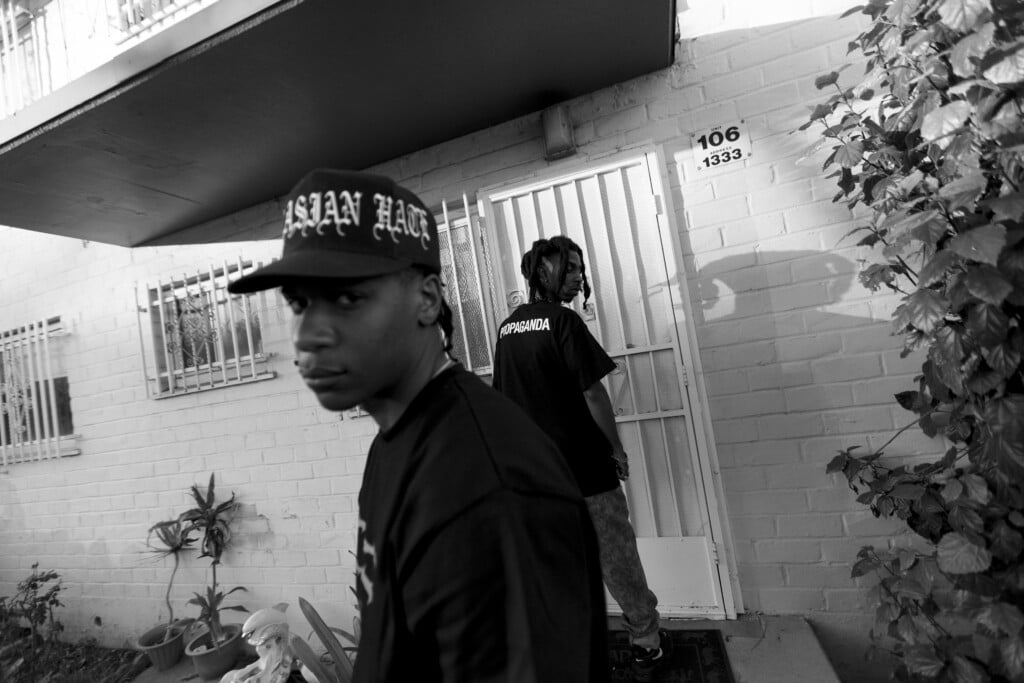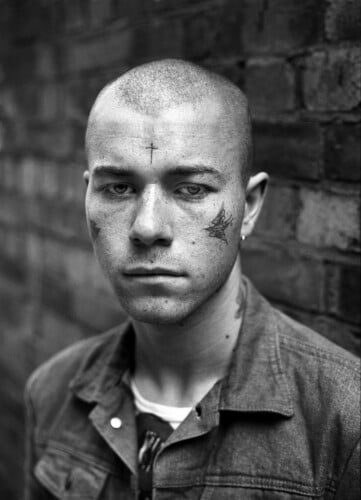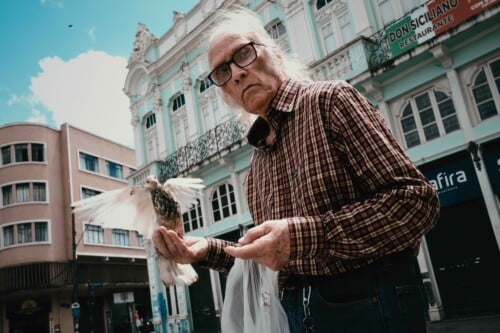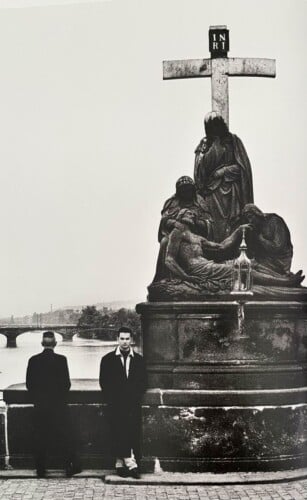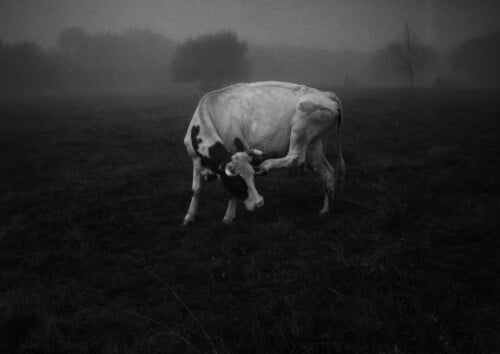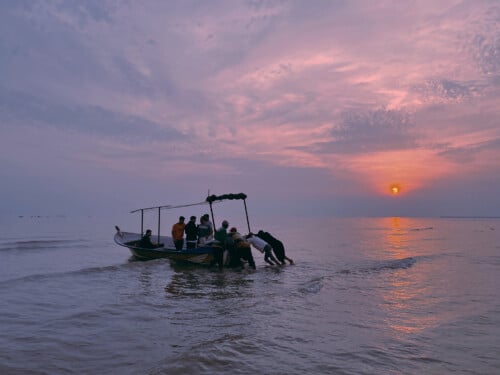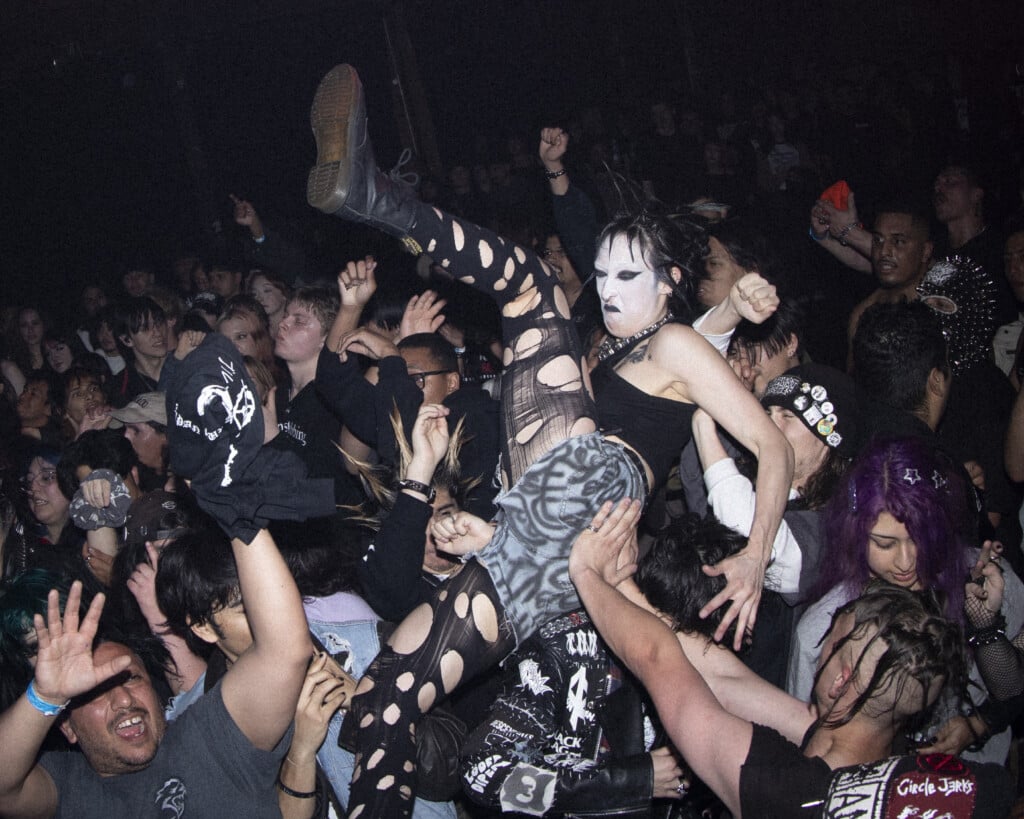
Roberto Graziano Moro has always worked within the underground world. Not as an observer, not as a documentarian arriving from the outside with curiosity to satisfy, but as someone who grew up in those worlds, recognises himself in them, and builds his visual language from within. Rust, the photography column he launched in February 2024 with Perimetro, is the natural consequence of all this. A project that already existed — in Moro’s mind and identity — before it even had a name.
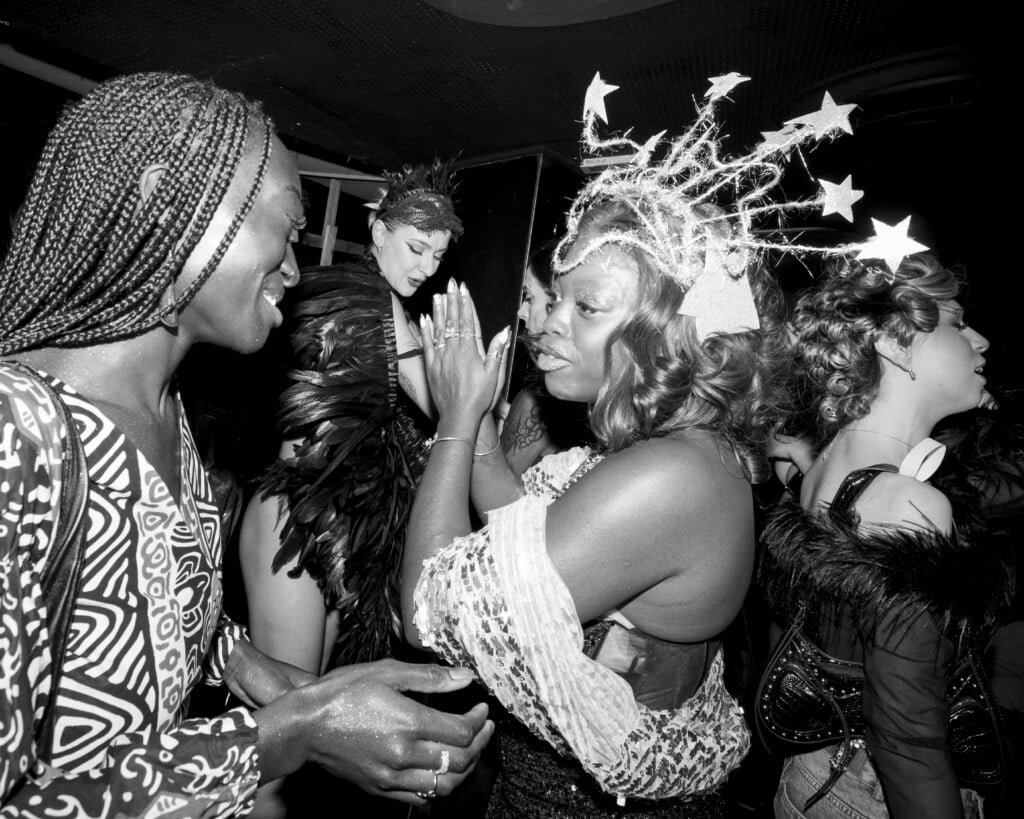
Rust documents the Italian and international underground: music scenes, niche subcultures, communities operating on the margins not out of exclusion but by deliberate choice. The name is no accident. Rust spreads far from attention, grows even when unwanted, and once it grips something it cannot easily be removed. The underground scene works in exactly the same way.
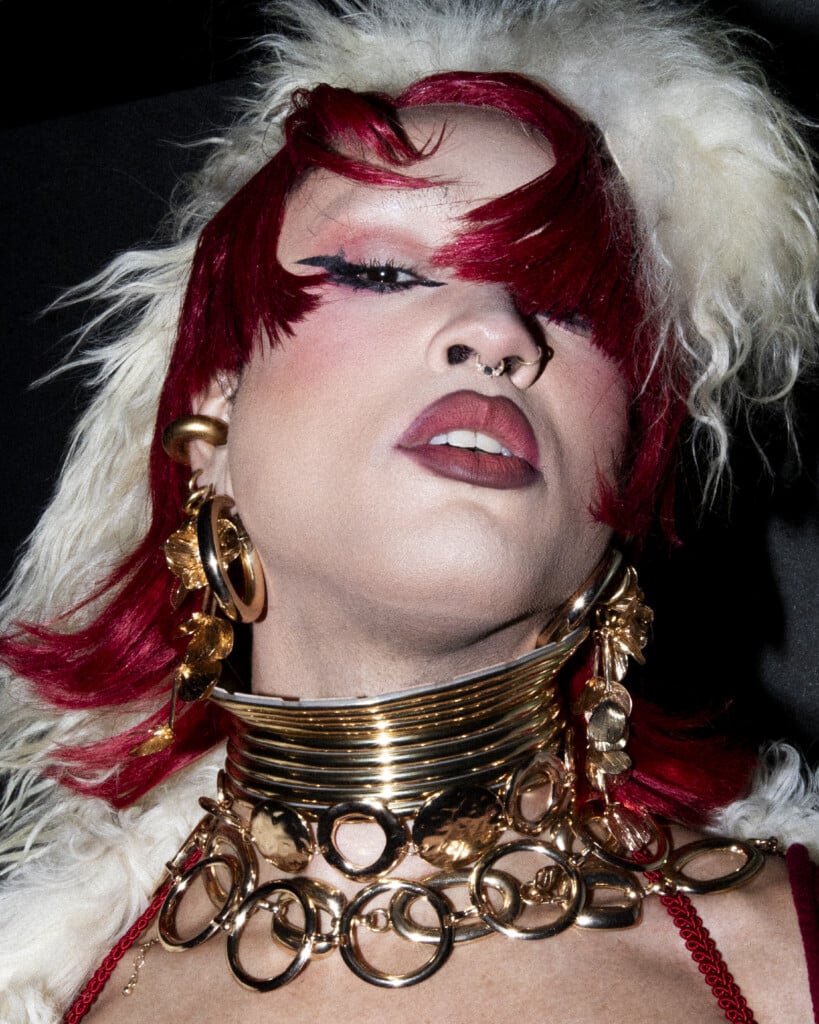
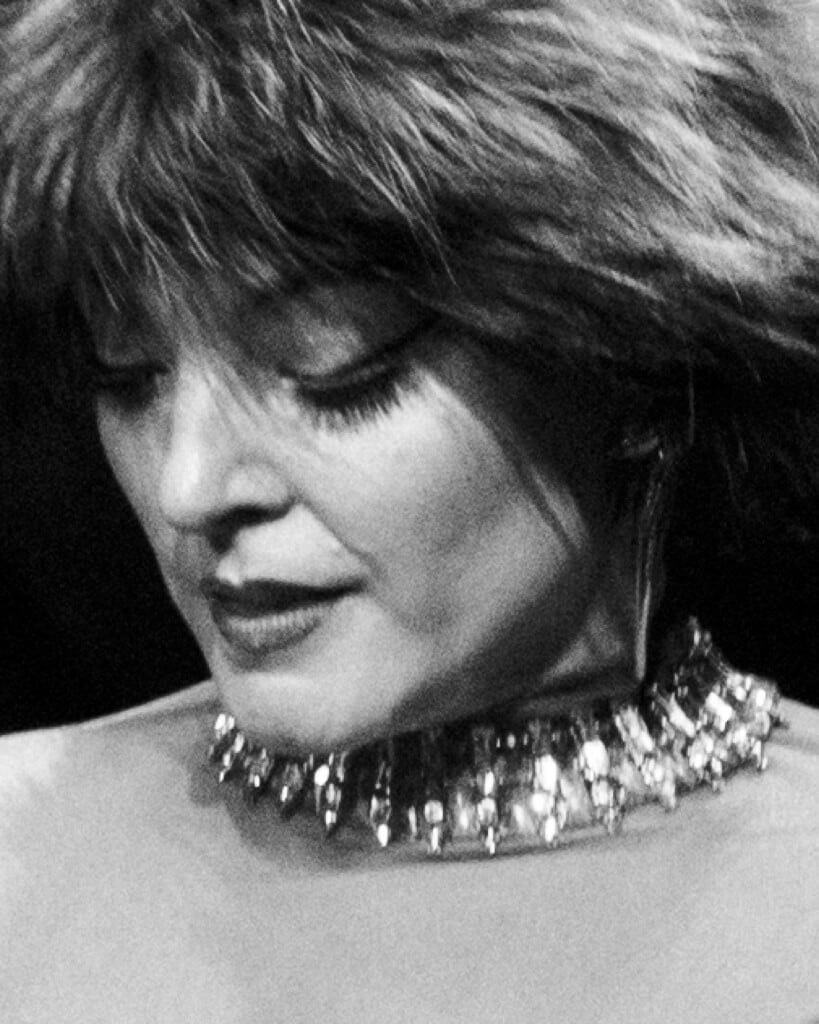
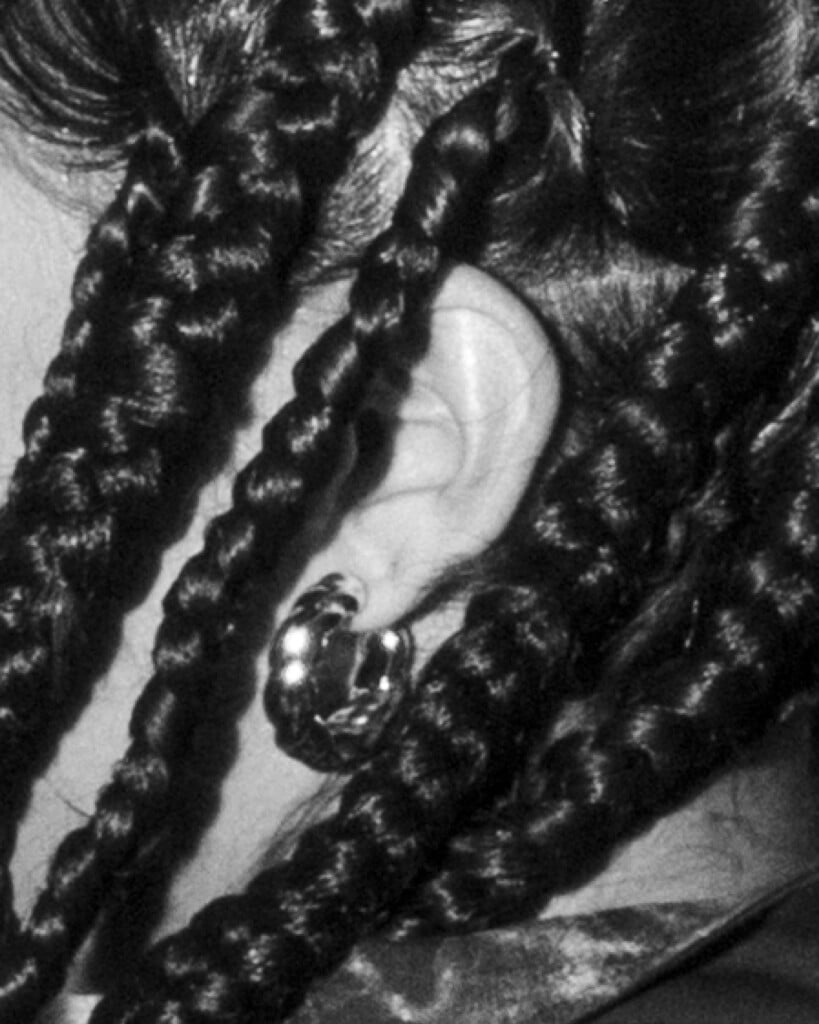
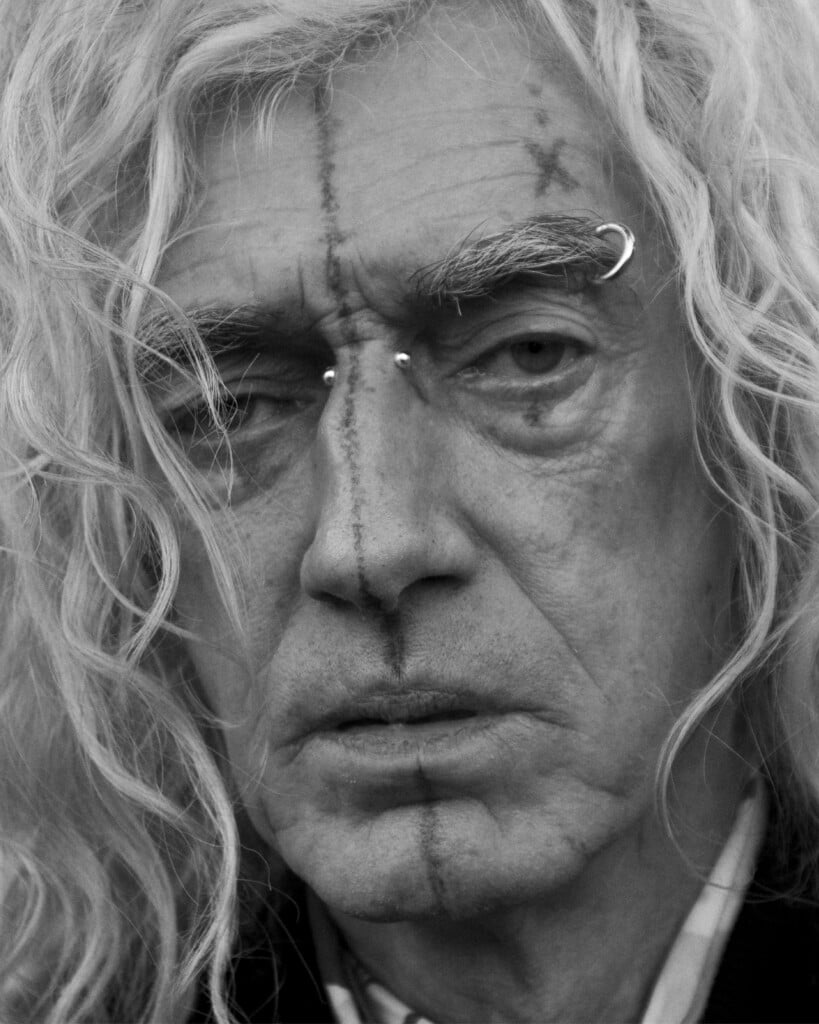
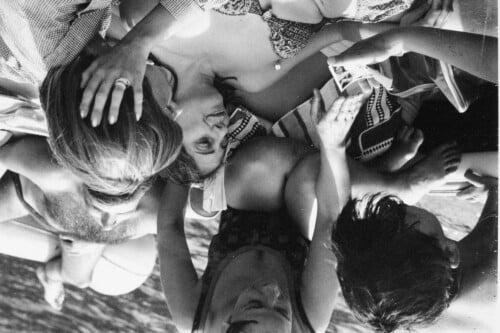
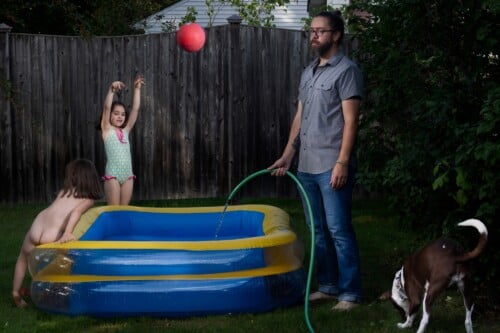
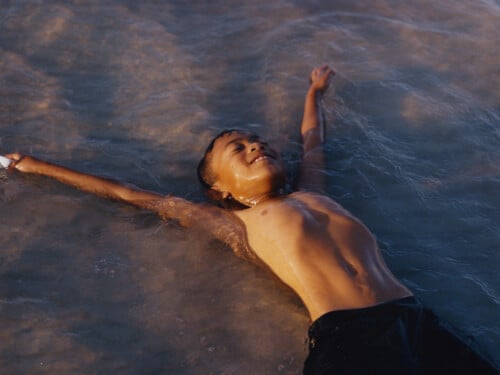
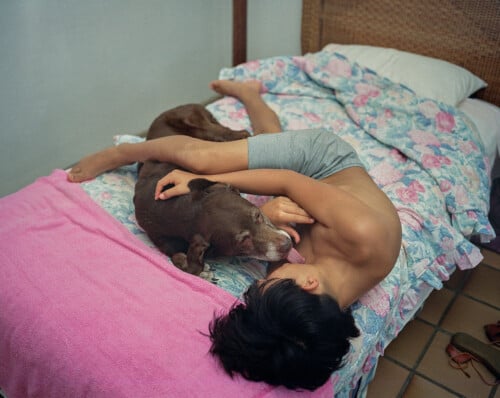
Over the course of a year this project by Roberto Graziano Moro has produced twenty images that form the core of this first phase — photographs of bands, brands and people building alternative models of culture and business, resisting homogenisation. This is not reportage in the classical sense: it is documentation carried out with the familiarity of someone who shares an ethos before ever raising a camera.
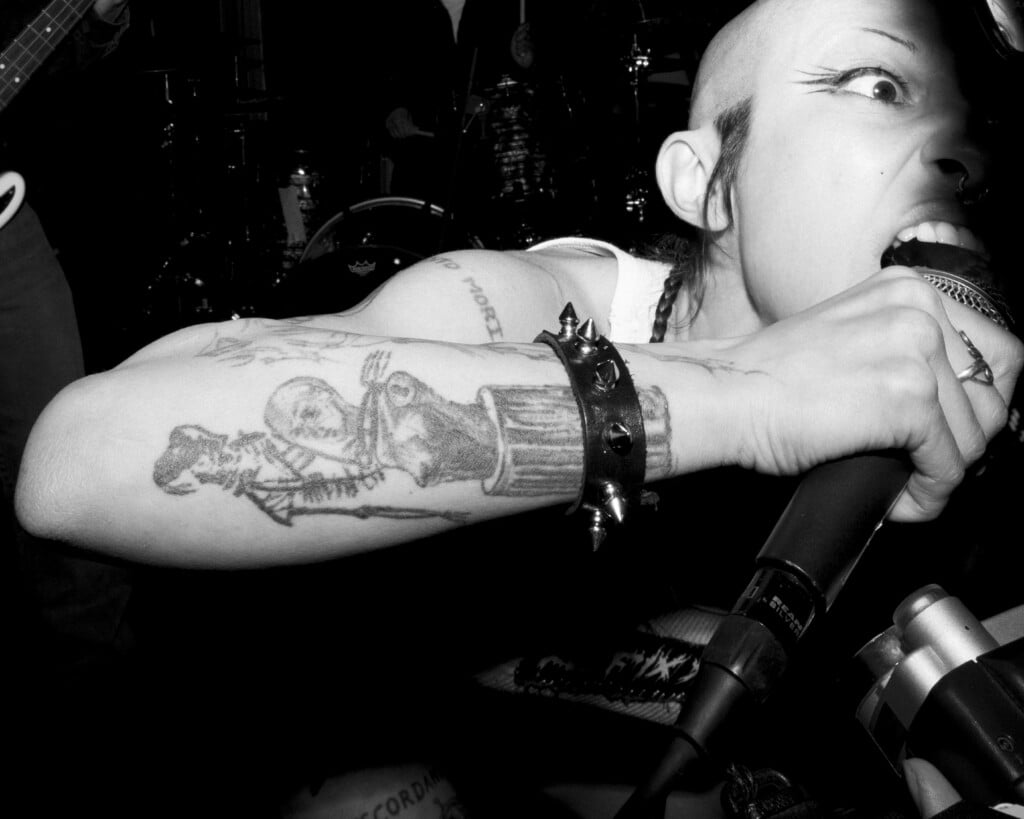
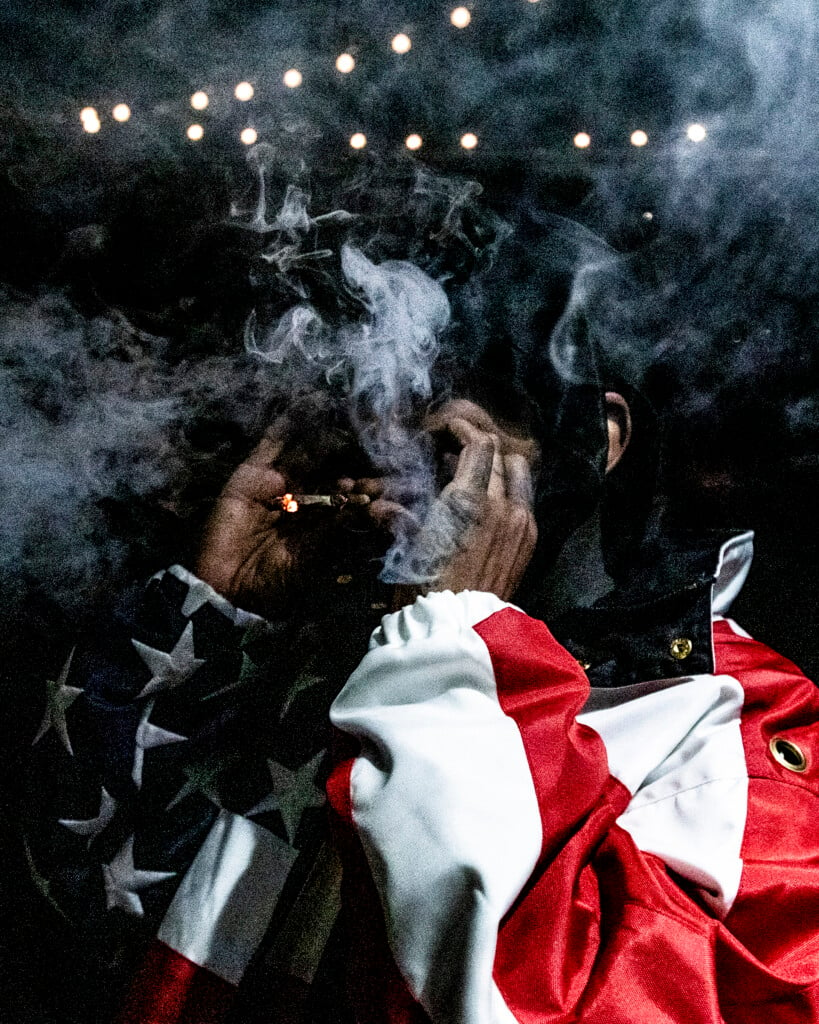
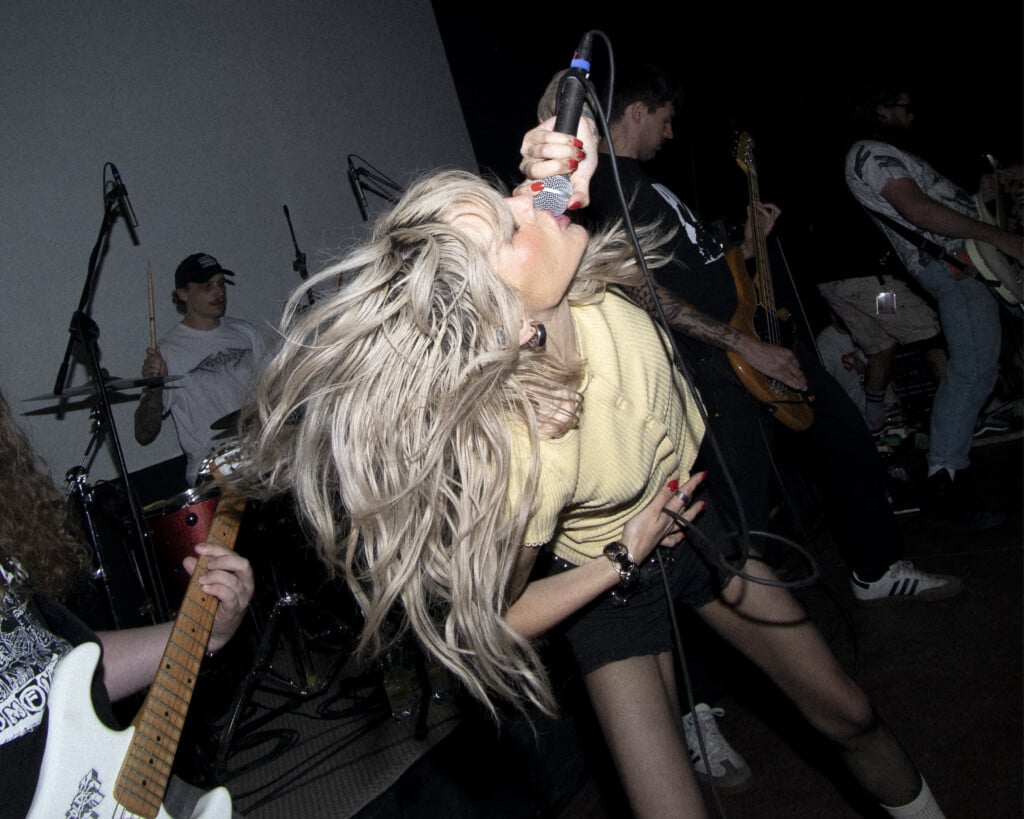
There is also an explicit political position at the heart of Rust. The underground is increasingly treated as a hunting ground: its images, sounds and codes extracted and turned into “cool” products to be fed back into the very consumerist logic the scene opposes. Moro describes this process with one precise word: poaching. Rust exists partly as a countermeasure; the visibility it gives these realities is not meant to make them more marketable, but to document their value faithfully. The underground is not an aesthetic to be appropriated: it is an ethic. And an ethic is not for sale.
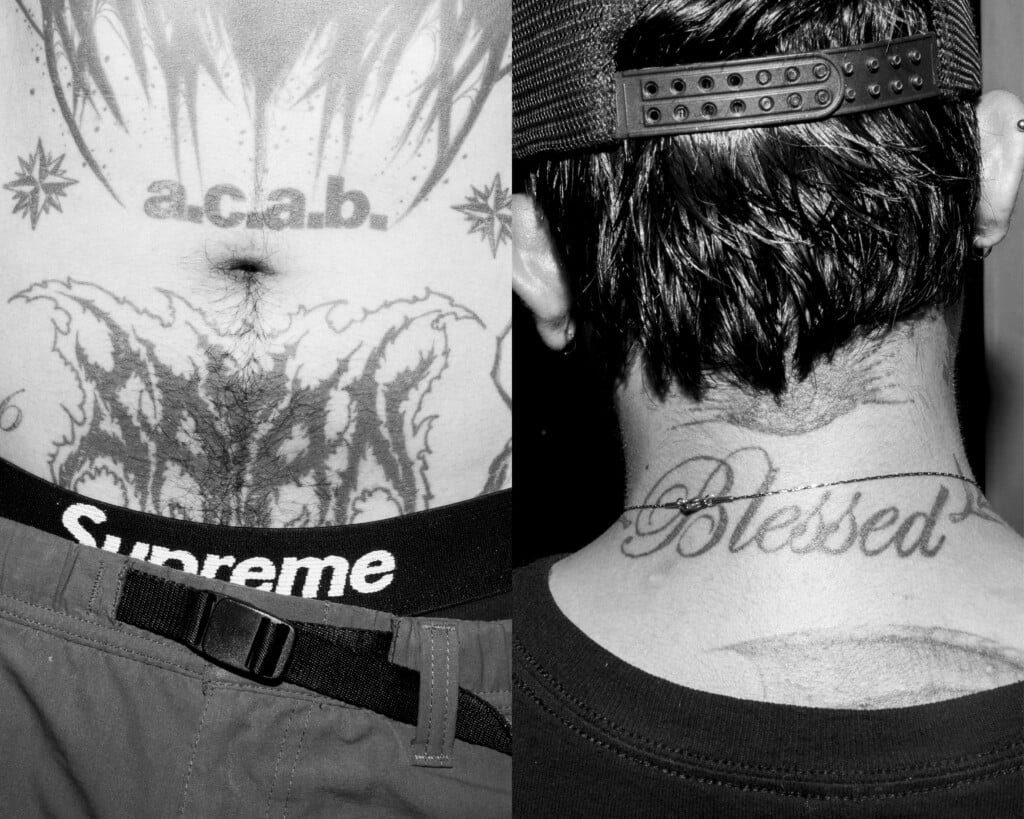
“The underground is belonging, not appearance. You don’t get in with a logo or a label — you get in by sharing an ethic and facing all the challenges that come with it.”
The first cycle closes with the final instalment of this initial phase. Rust will evolve into an independent author-driven magazine, freed from the monthly schedule, with more room for deeper stories and no interest in chasing what is sellable. To mark the first year, Moro and his team are organising an exhibition event: images and video content gathered along the way, a public moment to share what has been built. Rust tells the stories of those who live on the margins — but have never been marginal. And it will keep doing so.