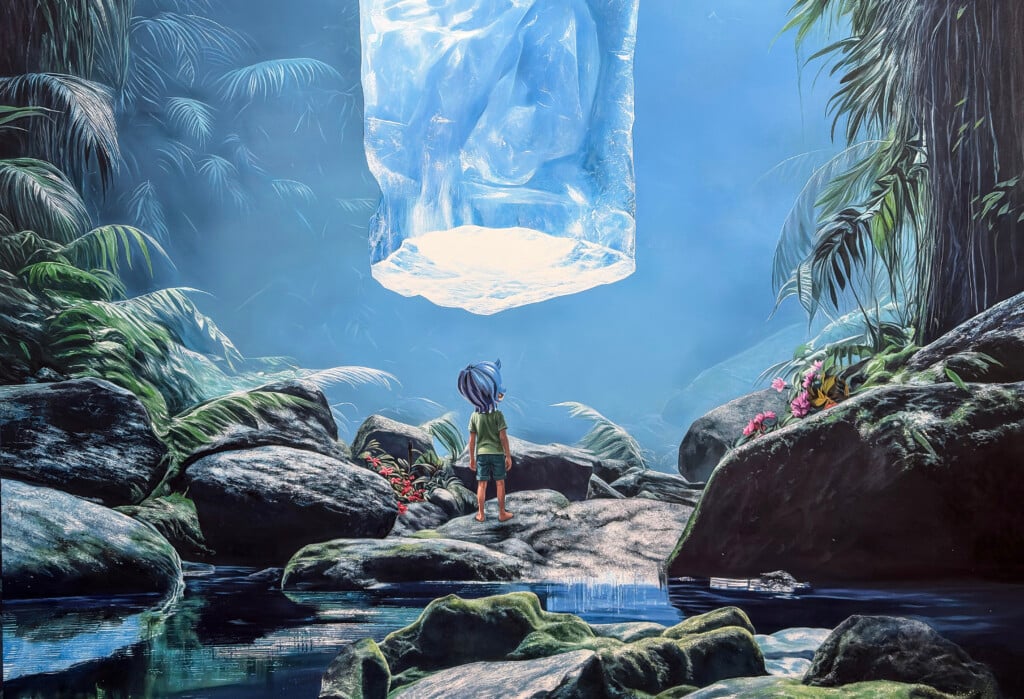
What happens when an absolute idea – like eternal youth – is turned into a product? This question lies at the core of HYDRON³, the new project by artist Giovanni Motta, on view from March 26 to April 12 at the Bagni Misteriosi of the Teatro Franco Parenti. An experience that goes beyond the format of an exhibition: a space to move through, a narrative system in which the viewer becomes part of a mechanism that is both seductive and ambiguous.

After Lost Paradise – which we discussed directly with the artist here – Motta returns to Milan, pushing his practice even further. While his previous work focused on performance as a space of immersion, here everything converges around a precise idea: building an imaginary that replicates, amplifies, and ultimately questions the mechanisms of contemporary desire.

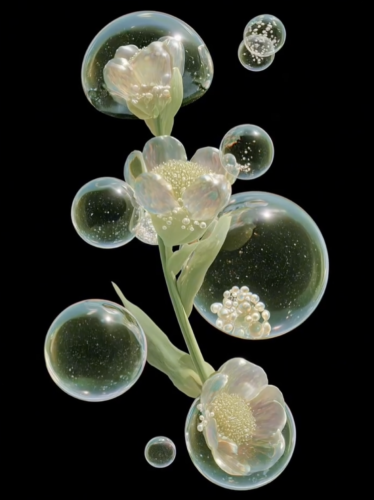
HYDRON³ – Time is over. Drink eternity unfolds as the launch of an impossible substance: a drink that promises eternal youth. Yet the focus is not so much on the substance itself, but on the process that transforms it – from an original gift into a distributed product, from a natural element into an object of consumption. Within this shift emerges the figure of Question Mark, a fictional and deliberately elusive entrepreneur who builds around HYDRON³ a global brand rooted more in perception than in reality.
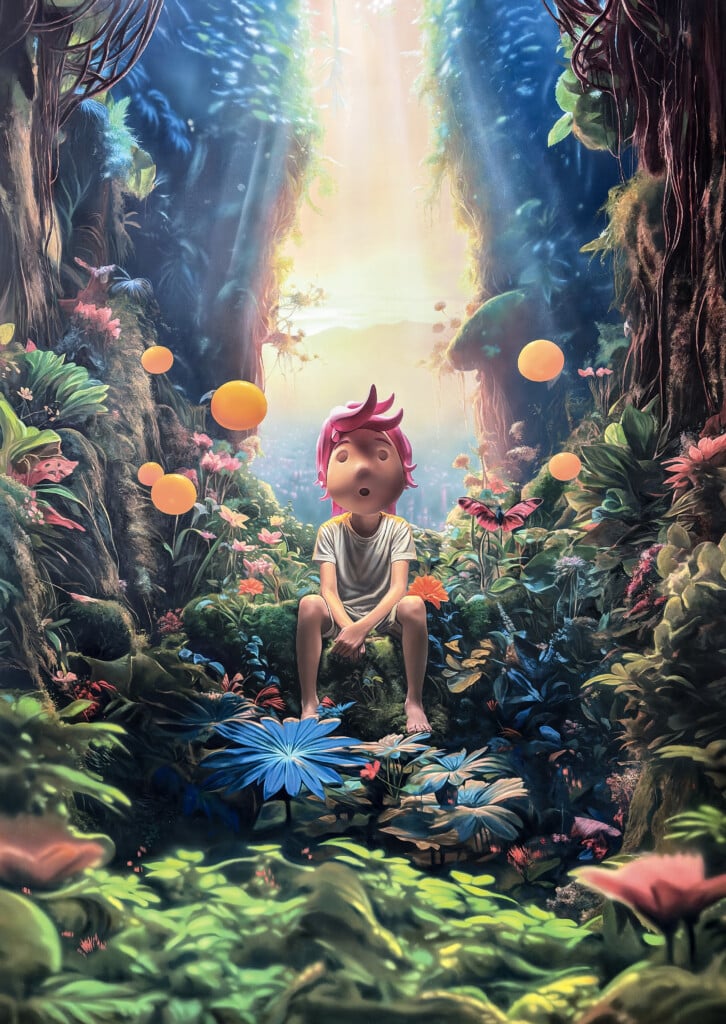
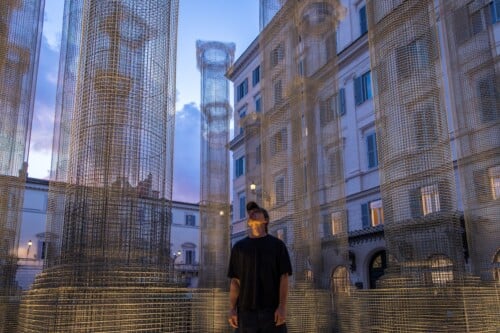
The audience moves within a structure that echoes the codes of entertainment and advertising: environments that oscillate between celebration and tension, attraction and suspicion, populated by hybrid presences and situations that feel familiar yet slightly off. Everything contributes to a sense of controlled immersion, where each element – from scenography to social dynamics – becomes part of a larger choreography.
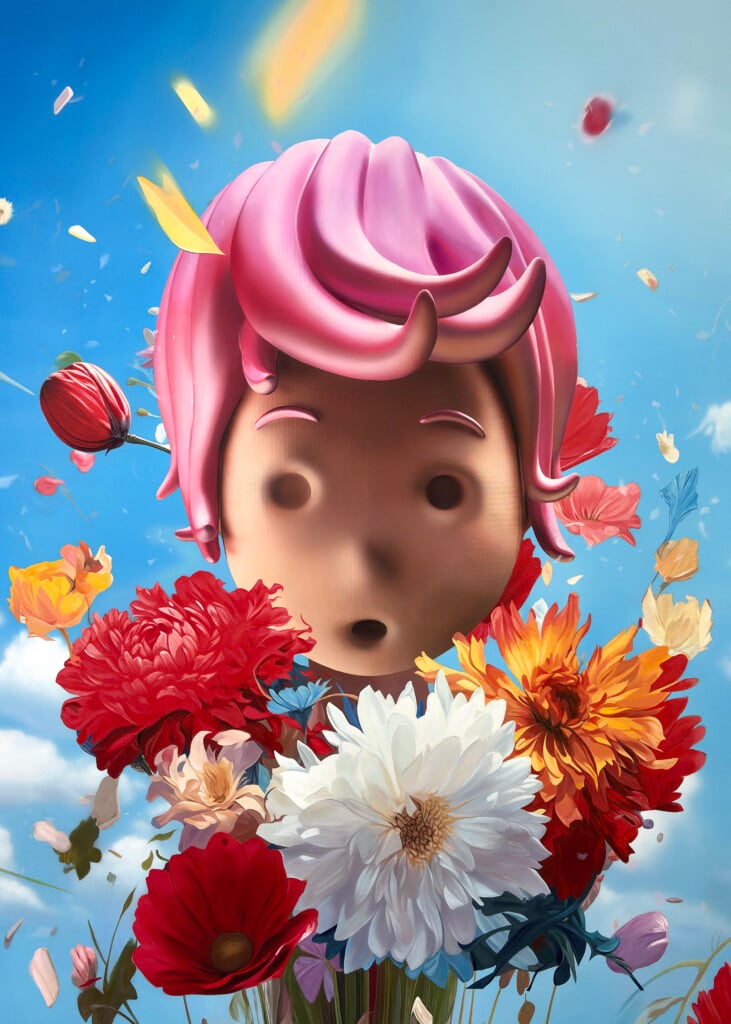
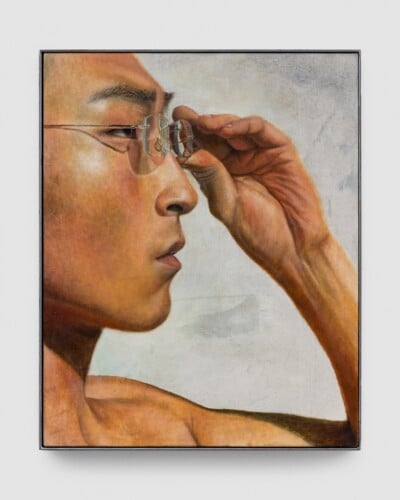
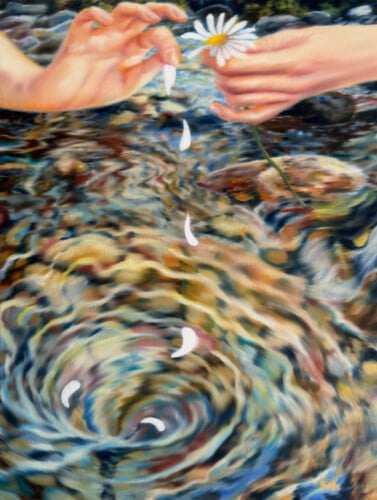
Within this scenario, JonnyBoy re-emerges as a key figure in Motta’s universe. More than a character, he represents a condition: a form of youth that cannot be replicated or sold. In the paintings, immersed in a hyper-saturated and almost unreal nature, this dimension appears as something pure and self-sufficient, in stark contrast with the artificial system built around HYDRON³.
The result is an experience that operates on multiple levels. On one hand, it captivates through an immediate and recognizable aesthetic; on the other, it reveals a more subtle reflection on how desire is constructed, amplified, and ultimately consumed. HYDRON³ becomes a serious game, an extreme simulation that stages our relationship with time, with imagery, and with the increasingly malleable idea of eternity.