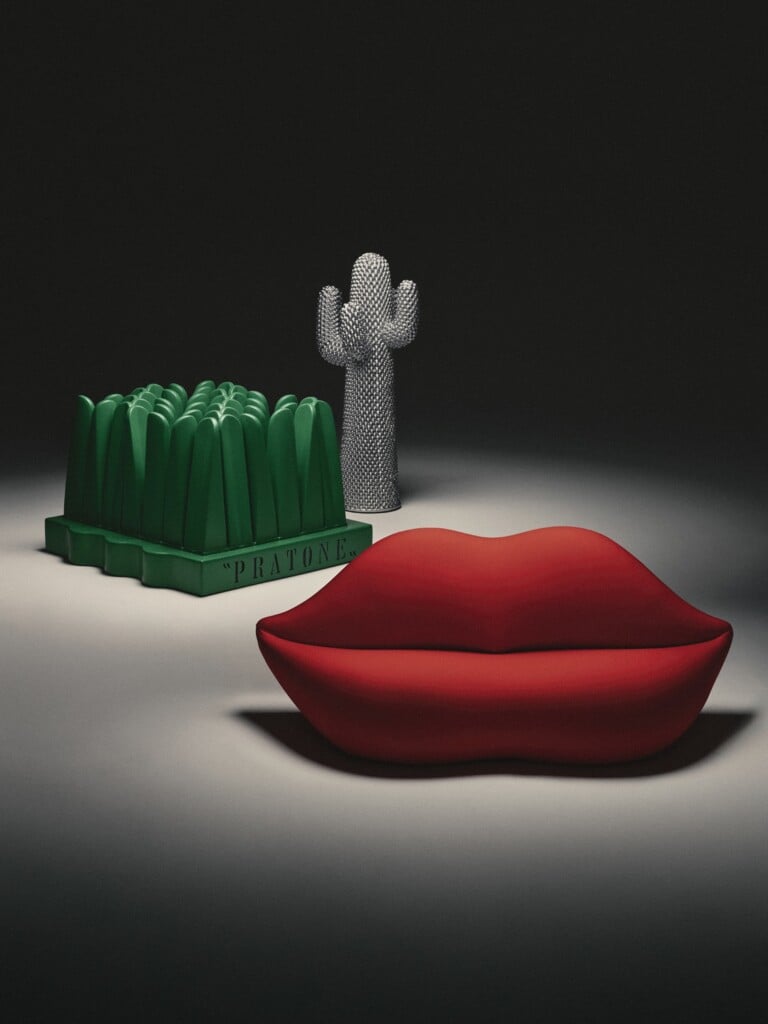
For sixty years, Gufram has pursued a vision of design that prefers irony to convention, experimentation to rules, and unexpected forms to familiar solutions. To celebrate this anniversary, in 2026 three of its most recognizable creations return in as many special editions: CACTUS®, PRATONE® and BOCCA®.
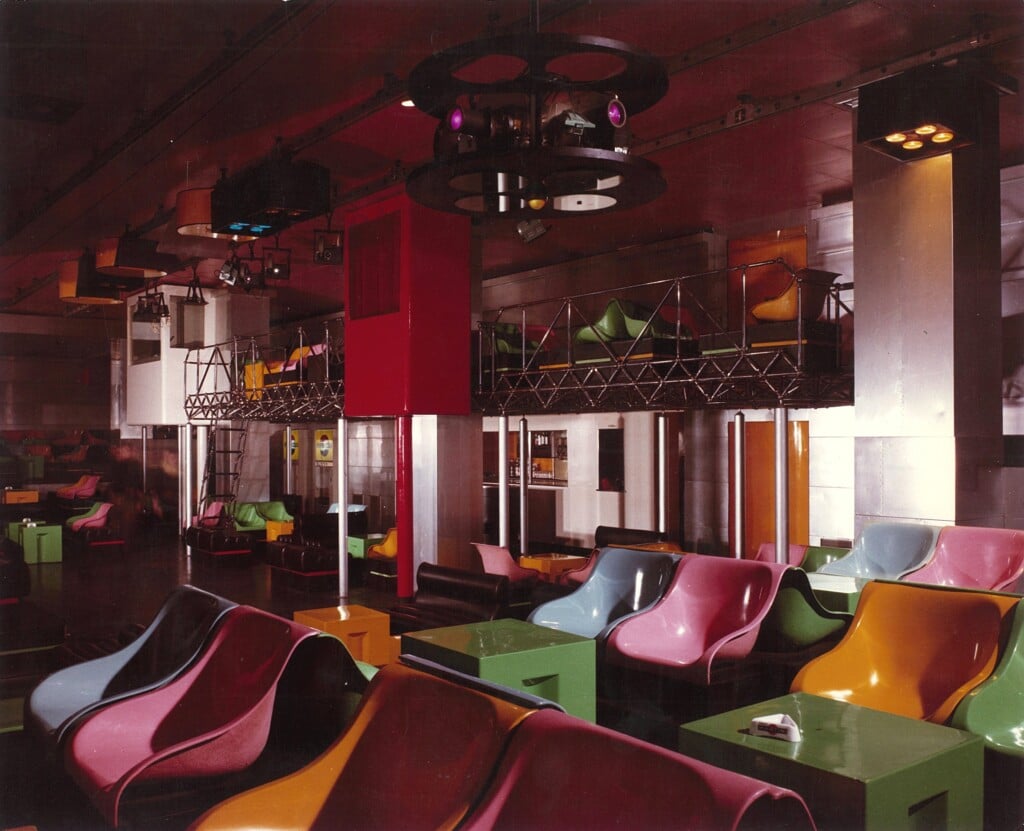
Gufram’s story begins in 1966 in Turin, with the meeting of a group of young architects and artists: Giorgio Ceretti, Piero Derossi, Guido Drocco, Piero Gilardi, Franco Mello, Giuseppe Raimondi, Riccardo Rosso and Studio 65. At a time when Italian design was searching for new directions, the group chose to move away from the traditional idea of furniture, treating furnishings and accessories as opportunities to experiment with forms, materials and imaginaries. This is the ground on which Radical Design took shape, a movement that questions the relationship between aesthetics and function and imagines a different way of inhabiting spaces.
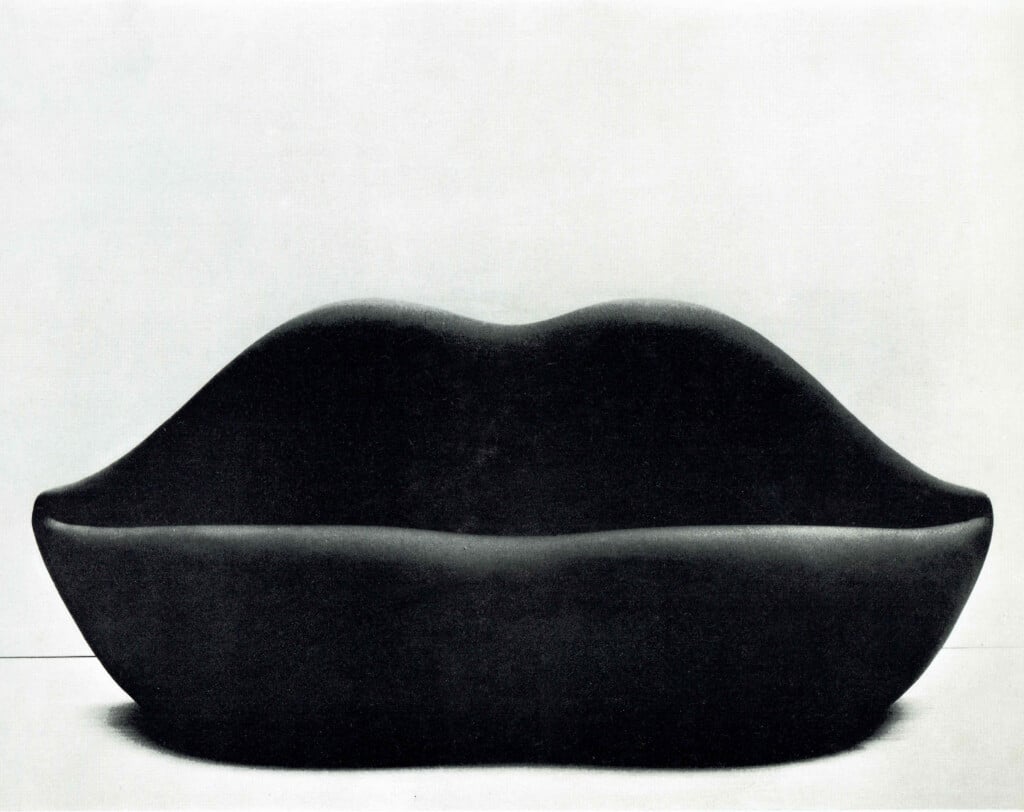
Against this backdrop, Gufram develops an immediately recognizable language. Its objects do not try to disappear into the environment or discreetly blend in with their surroundings: on the contrary, they become autonomous, almost sculptural presences, capable of changing the character of a room. A sofa can take the shape of a mouth, a seat can turn into an oversized lawn, and a coat rack can resemble a cactus. Irony is not a mere aesthetic device, but a way of freeing the design from the expectations and hierarchies of traditional furniture.
It is precisely this attitude that has allowed some of the brand’s creations to outlive their time and enter the collective imagination of design. For its sixtieth anniversary, Gufram therefore chooses not to look back at the past through a simple celebratory exercise, but to intervene on three of its most representative projects, introducing variations that bring out different aspects of each.
Three icons, three new interpretations
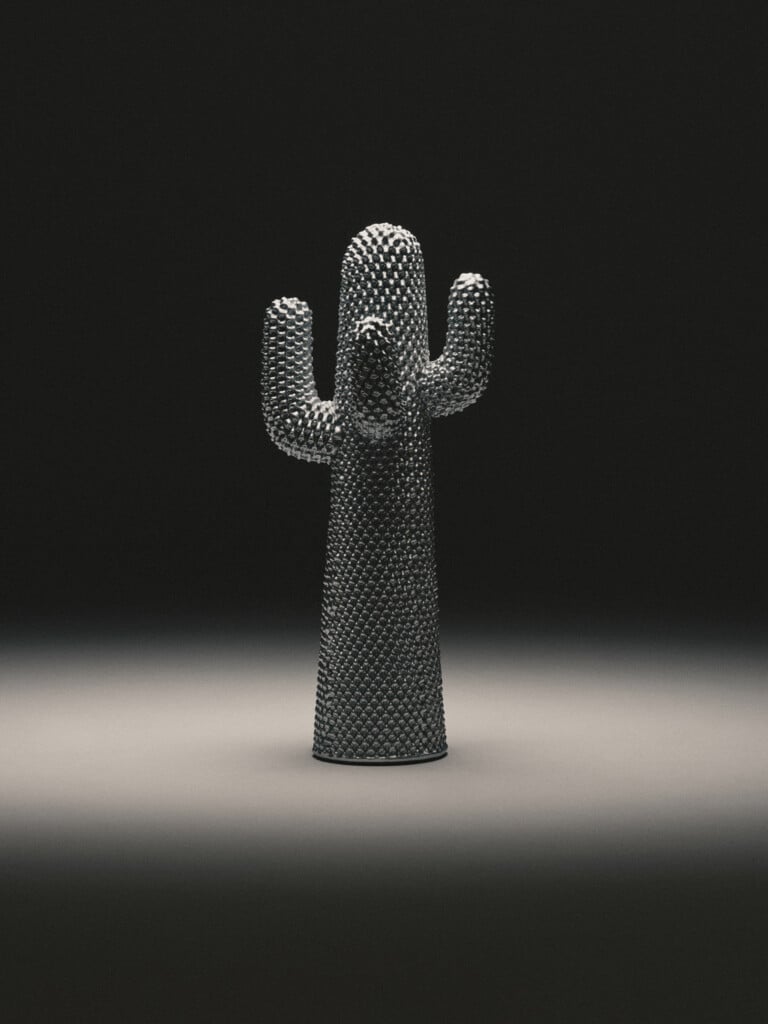
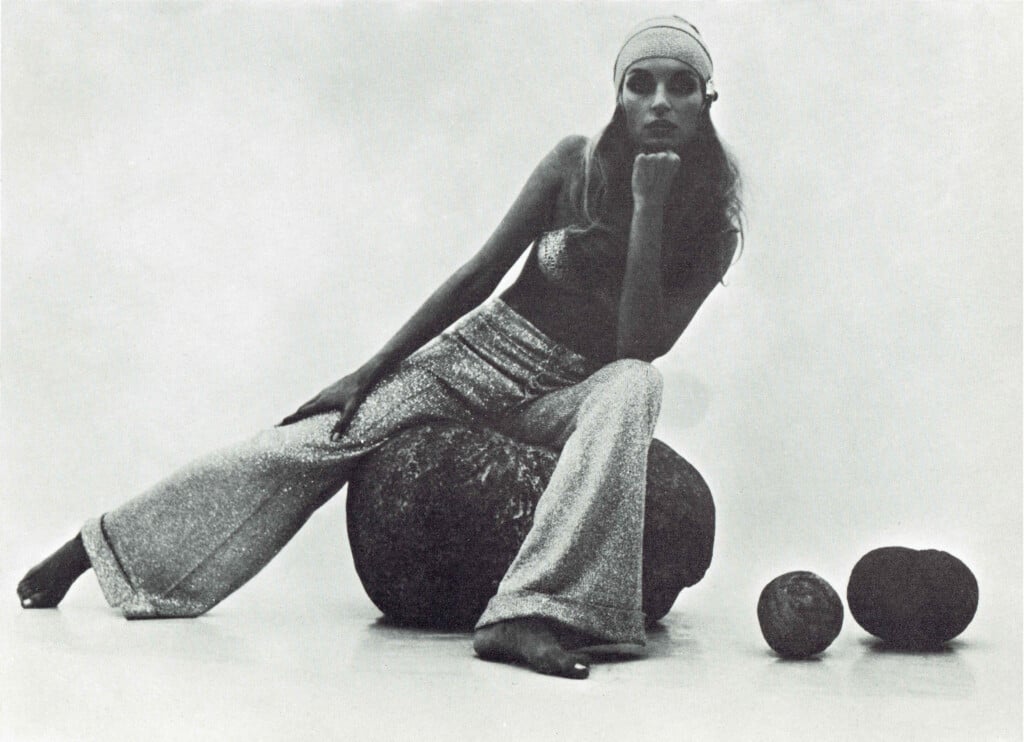
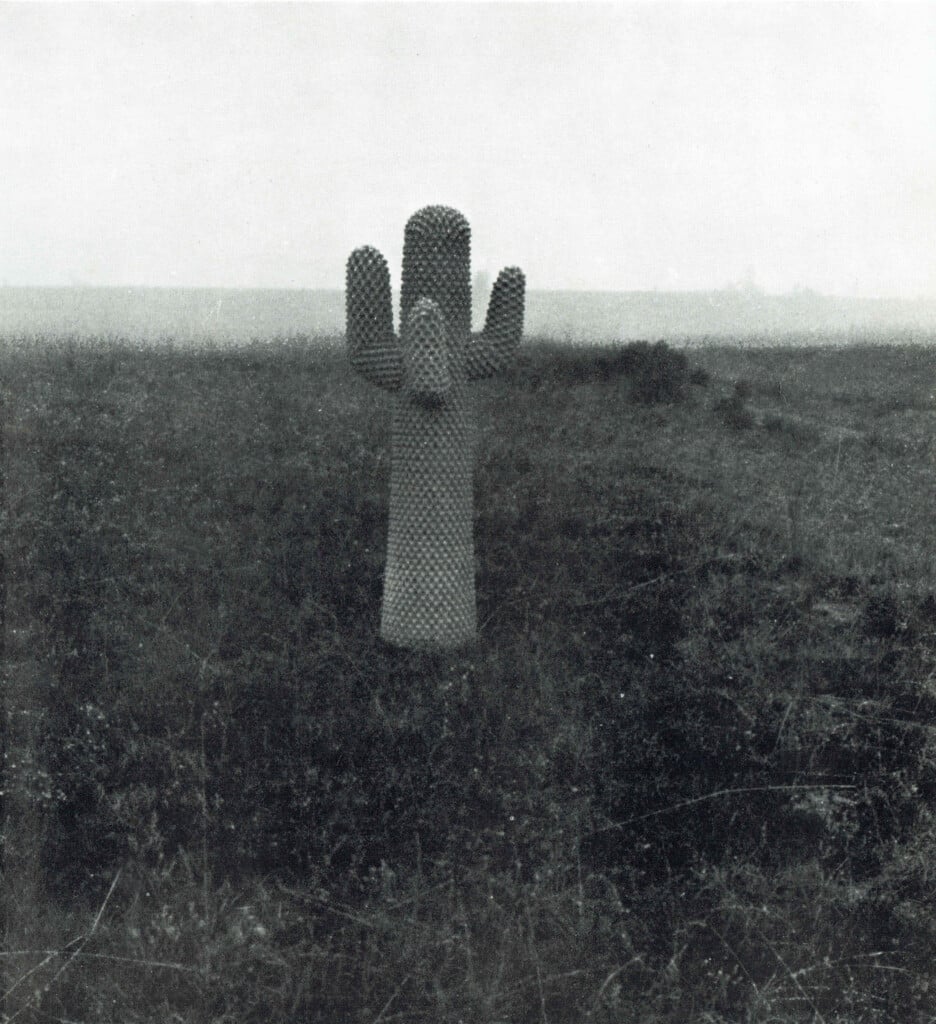
The first is SILVER CACTUS®, a reinterpretation of the coat rack designed in 1972 by Guido Drocco and Franco Mello. For the occasion, its surface takes on a new silver finish, handcrafted in the Gufram workshops through the application of Guflac®, the special finish developed by the brand. The treatment follows the complexity of the structure, highlighting its spines, knots and irregularities. The result is an object that seems to move even further from its botanical origin, taking on an almost metallic appearance. The edition is limited to 60 numbered pieces.
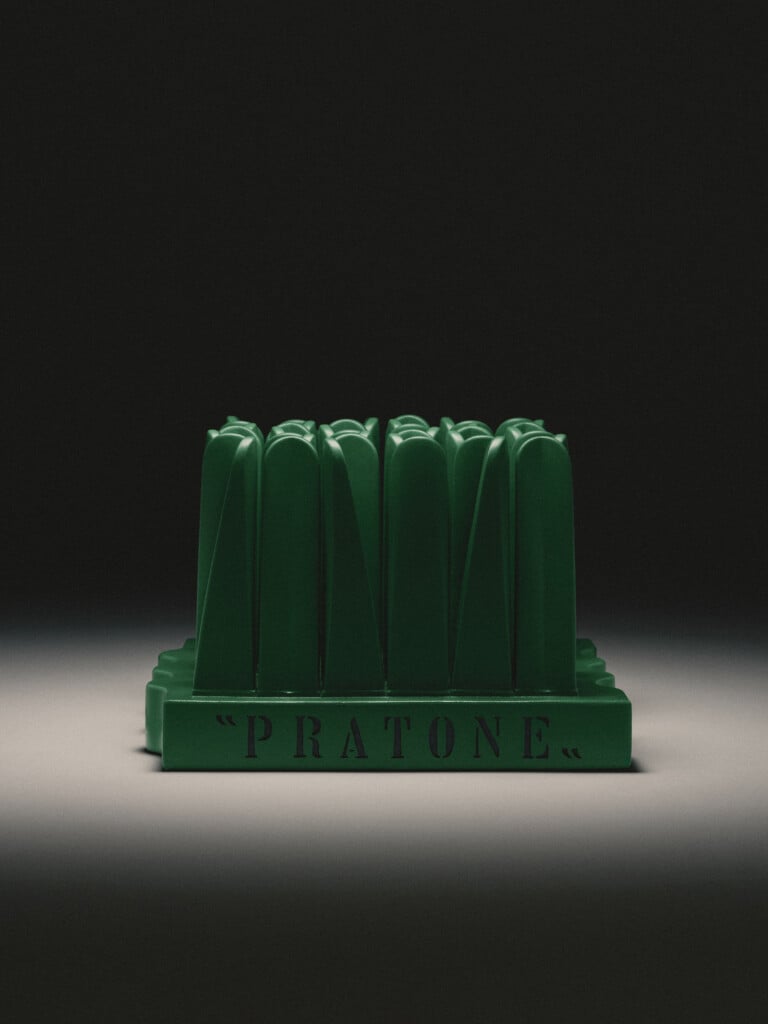
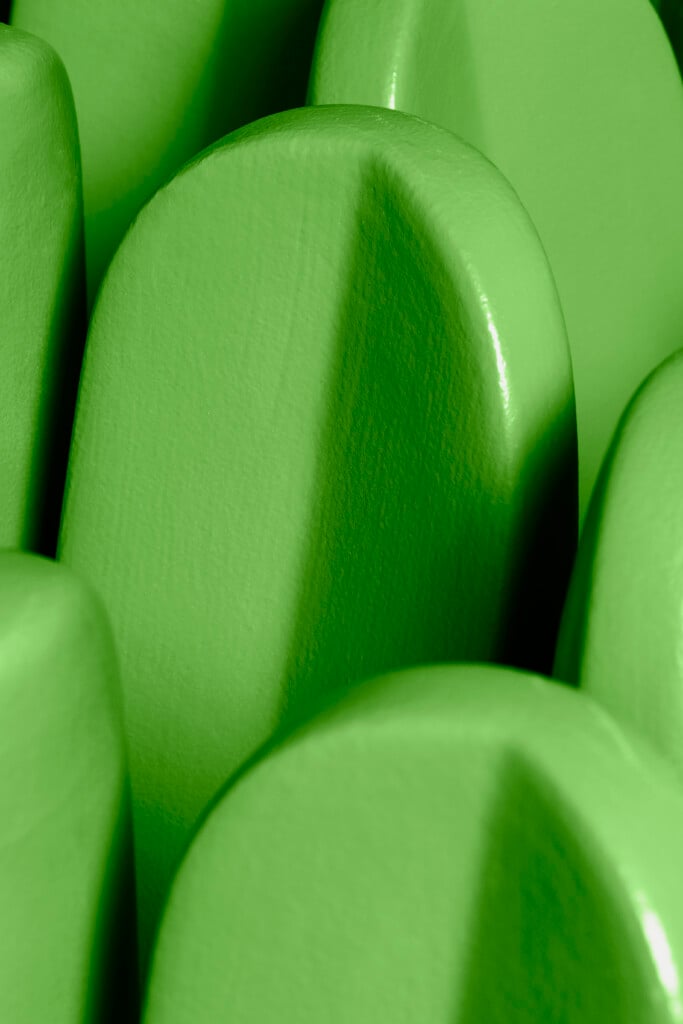
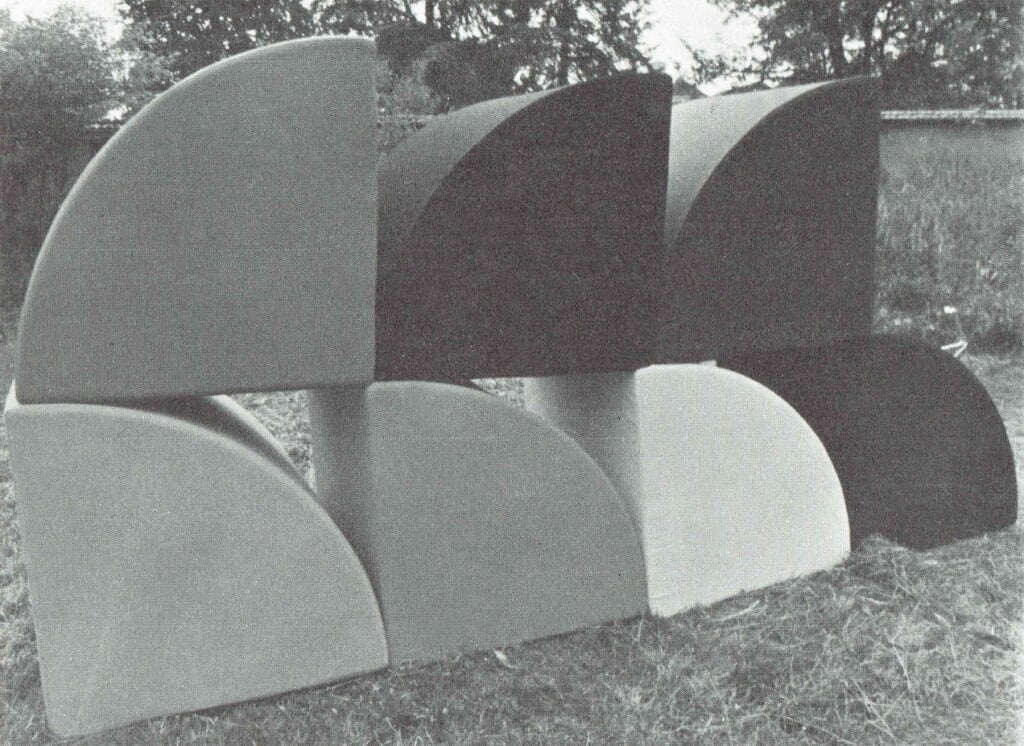
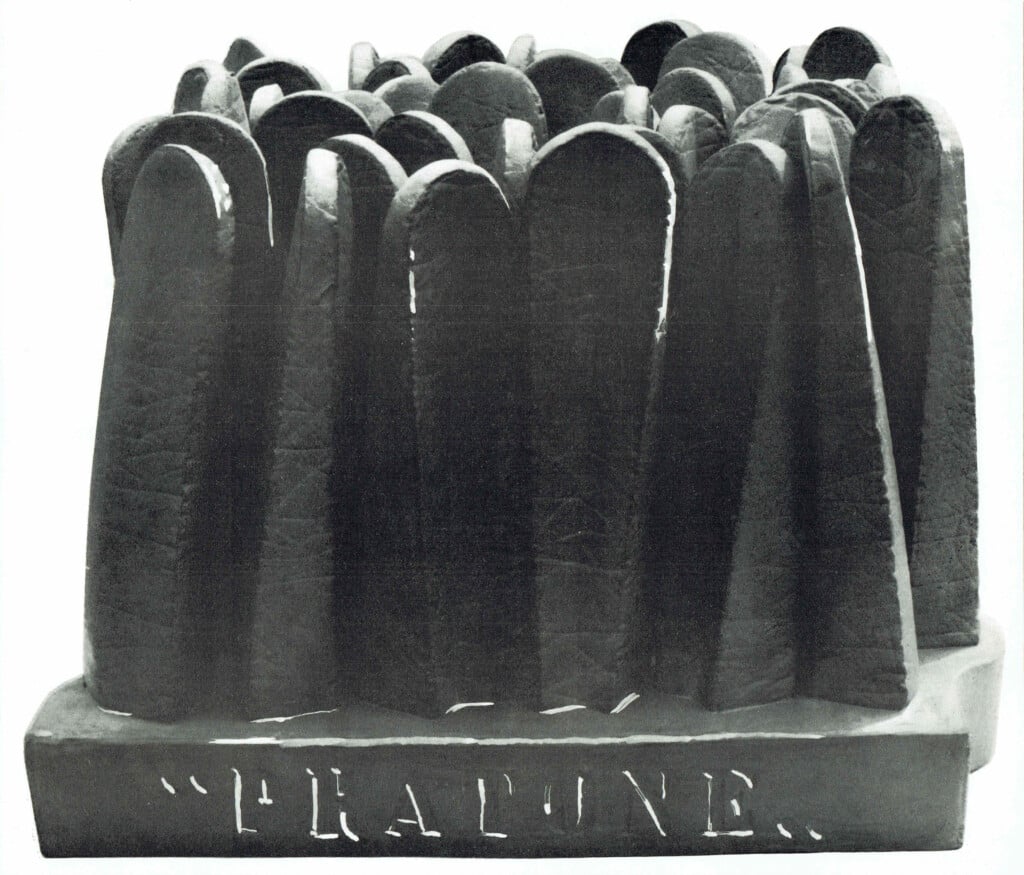
PRATONE®, designed in 1971 by Giorgio Ceretti, Pietro Derossi and Riccardo Rosso, is also reinterpreted through a chromatic intervention. The new 2026 edition abandons the tones of previous versions for a warm, bright shade of green, accompanied by the PRATONE lettering in dark gray. Its shape, made up of large soft elements reminiscent of oversized blades of grass, retains all of its unconventional nature. Each piece is still shaped and finished by hand in the company’s workshops, in a limited production of 60 numbered pieces.
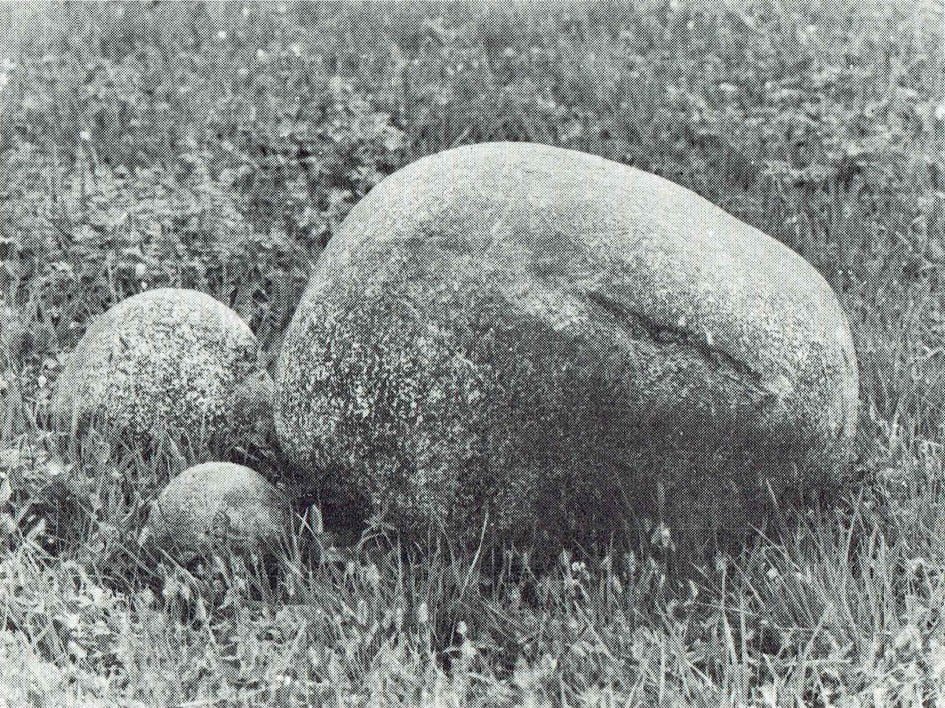
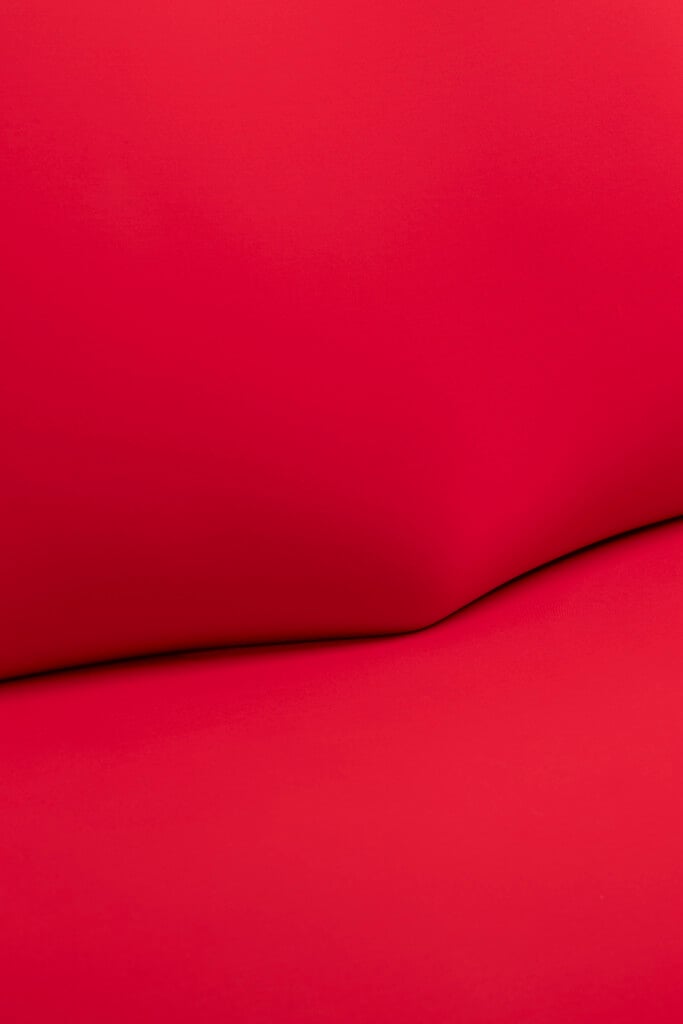
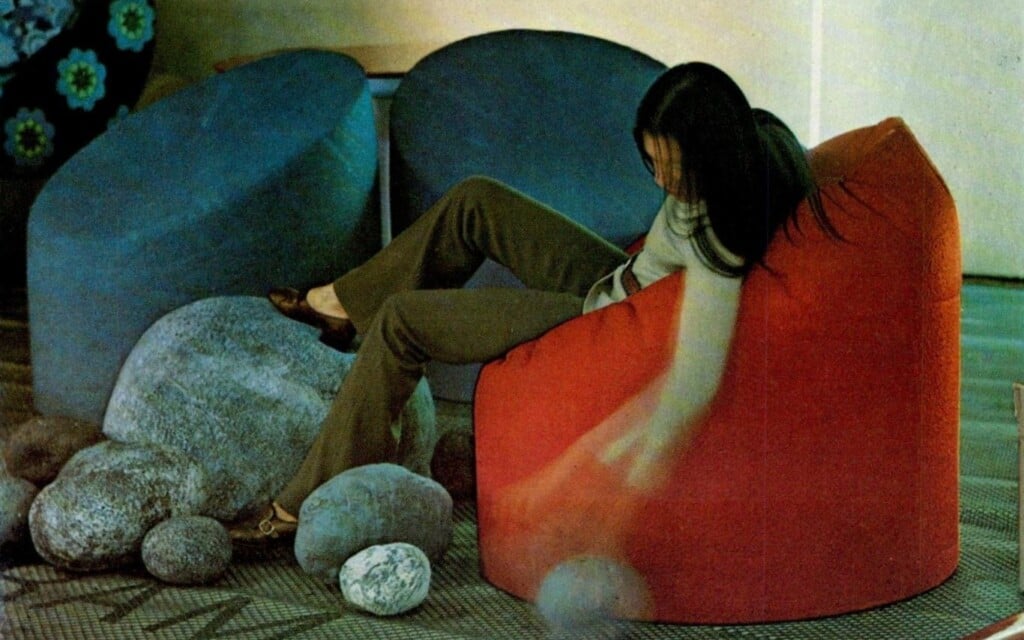
A different approach is reserved for BOCCA®, the famous lip-shaped sofa designed by Studio 65 in 1970. Here, the shape and the unmistakable red upholstery remain intact: the intervention concerns only the label, made of silver eco-leather to celebrate the brand’s sixty years. A discreet change, which distinguishes the last 60 pieces of the series, numbered 940 to 1000. With these pieces, the overall edition of 1,000 BOCCA® comes to an end.
Sixty years outside the box
The three special editions show three different ways of engaging with an archive that remains relevant. While SILVER CACTUS® works on the surface, PRATONE® on chromatic perception and BOCCA® on the symbolic value of a detail, they all share the same origin: the idea that a design object can be much more than what it was designed for.
Sixty years after its founding, Gufram thus continues to identify with the creative freedom that marked its beginnings. Experimentation with materials, in particular with soft polyurethane and its expressive possibilities, remains central to a production that has managed to bring industrial design closer to artisanal creation. Rather than turning its icons into relics to be preserved, the brand chooses to put them back into circulation, showing how even a project born decades ago can find new possibilities without losing its identity.