There is a way of talking about wine that doesn’t necessarily go through vineyards, tastings or tasting notes. It goes through images, suggestions and the ability to build a recognizable universe. It is the path chosen by Inserrata, a Tuscan winery that has made the contamination between agriculture, art and design a fundamental part of its identity.
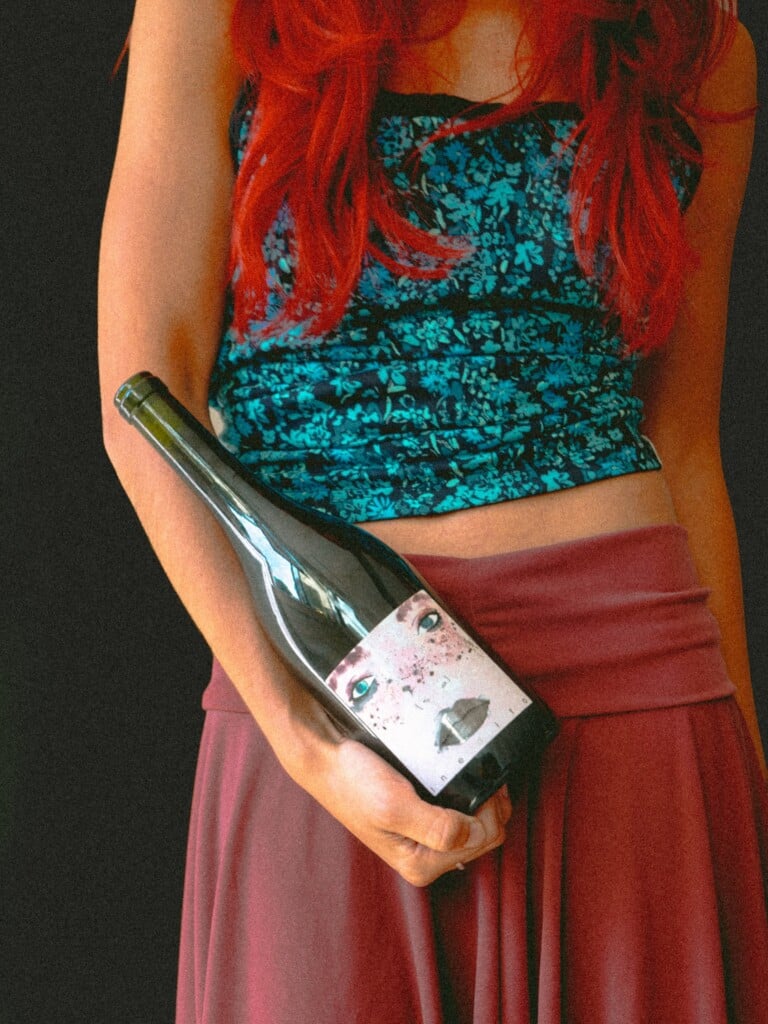
Founded in 1997 in San Miniato, between Florence and Pisa, Inserrata is a family-run company that farms its land according to the principles of organic agriculture. But stopping at the production side would mean telling only part of the story. Alongside the work in the vineyard, in fact, the brand pursues a visual and creative research that is reflected in the labels, the photography and the campaigns that accompany its products. The result is a language that moves away from the more traditional imagery of the sector to get closer to that of independent publishing, fashion and contemporary visual culture.
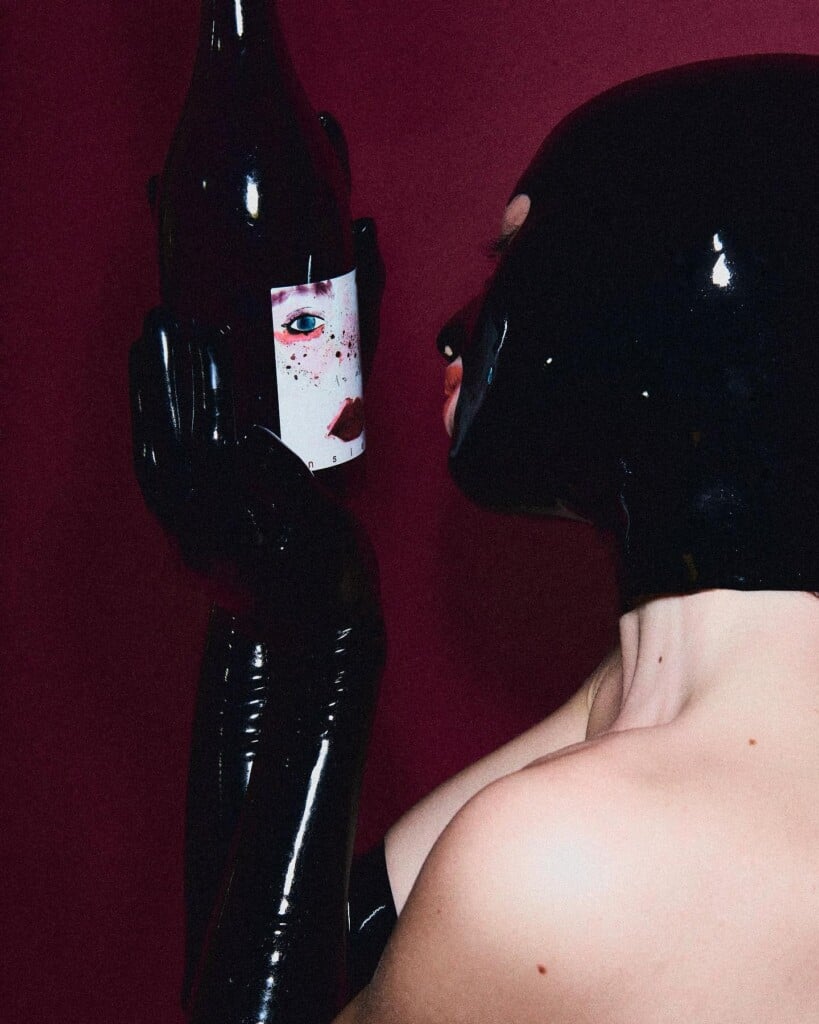
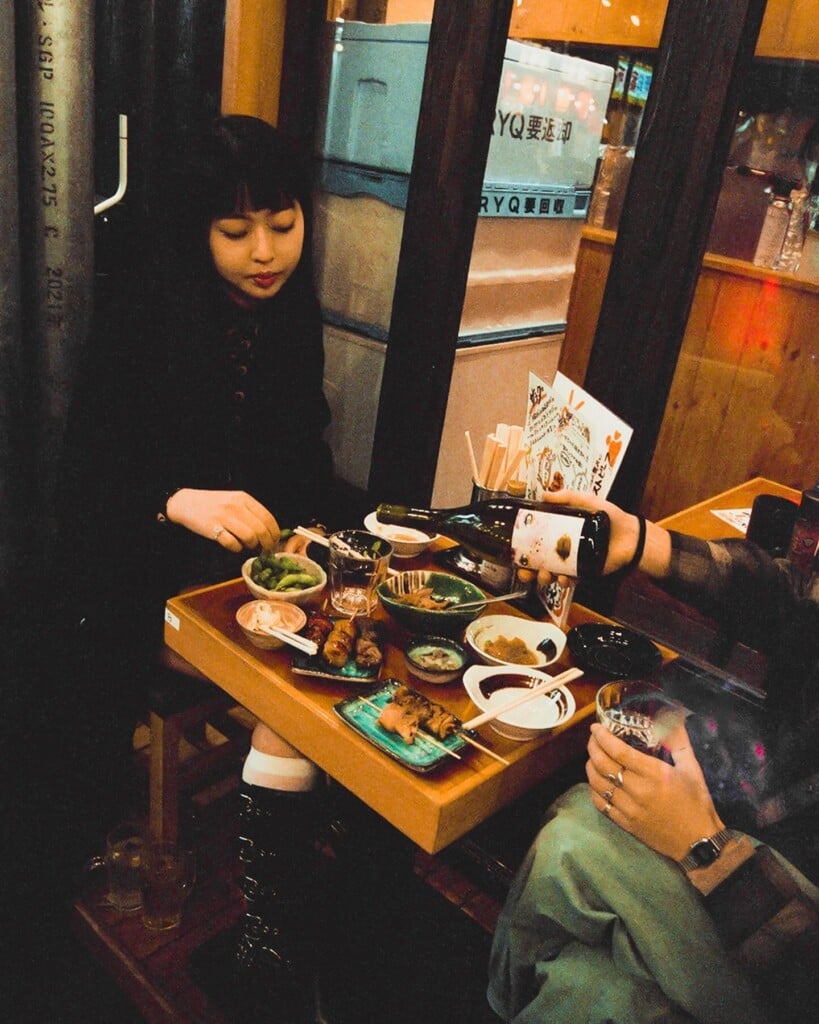
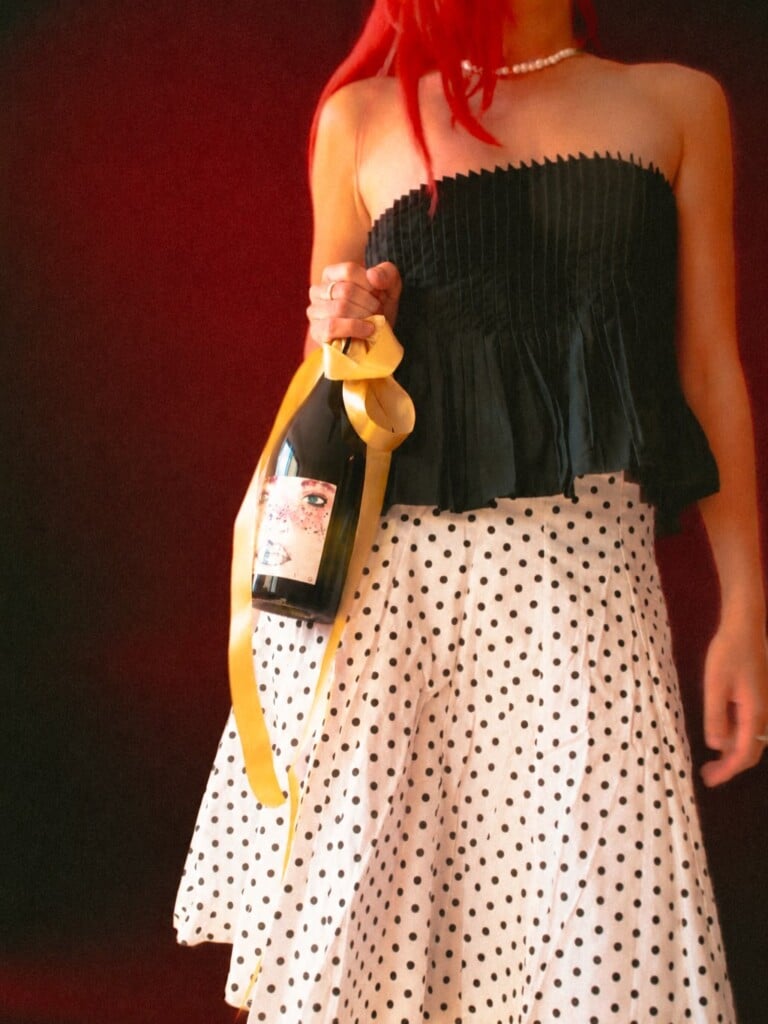
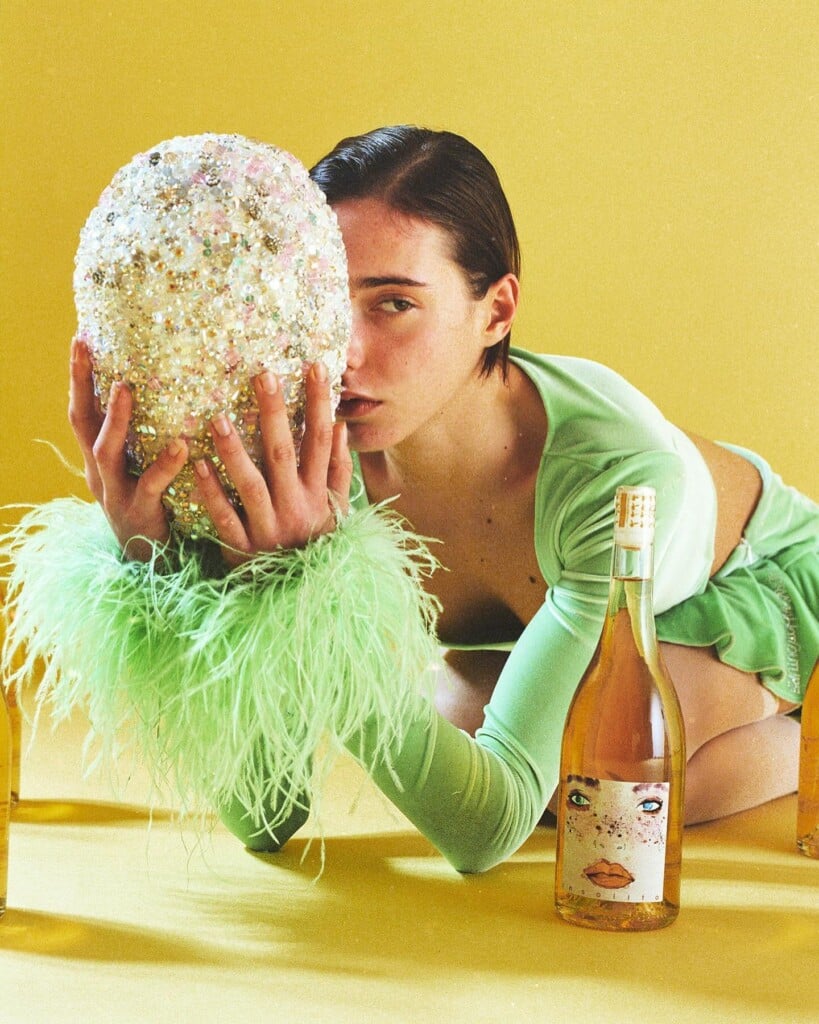
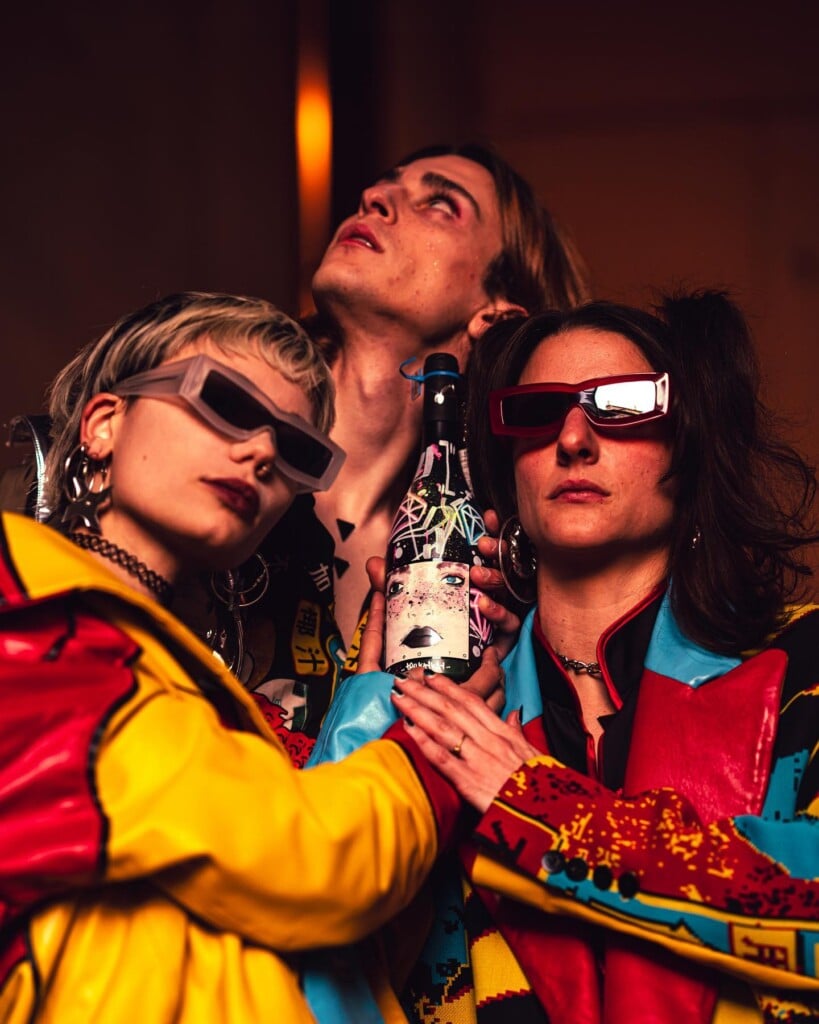
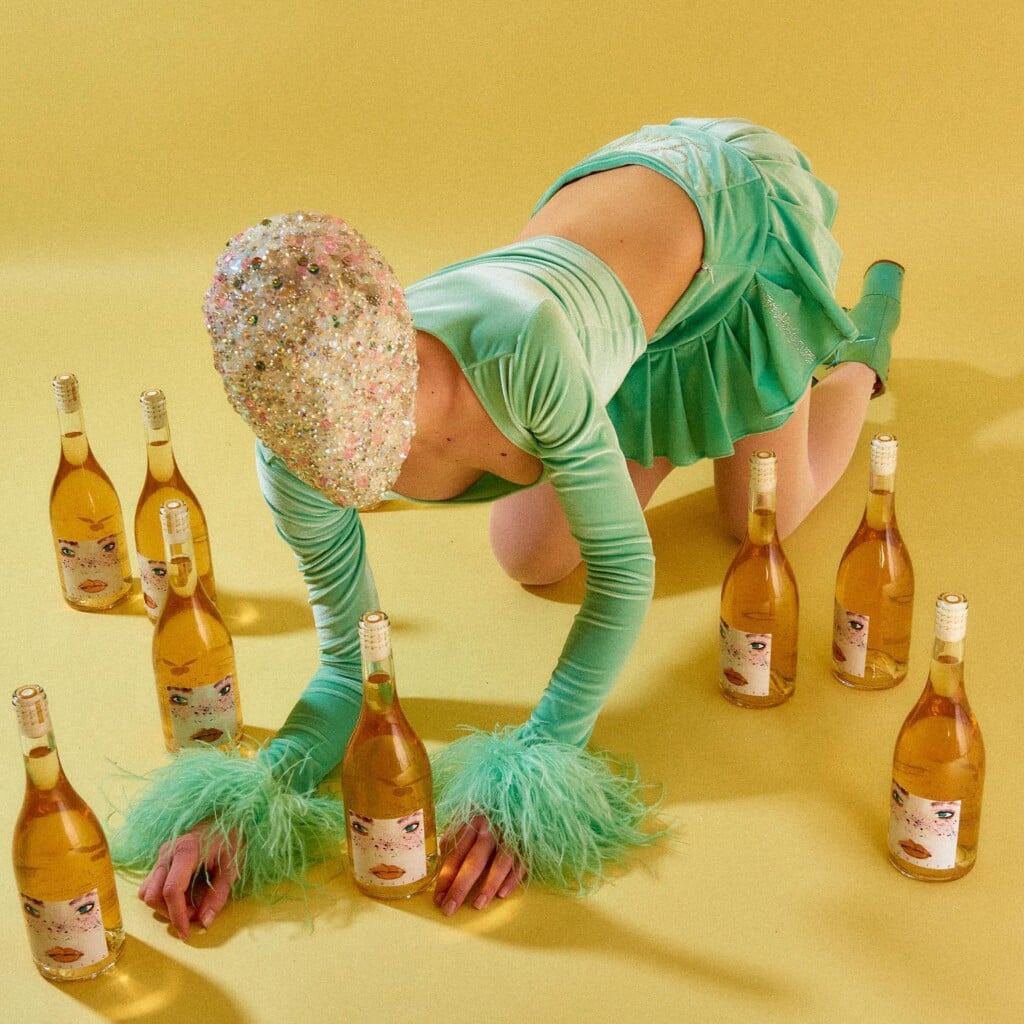
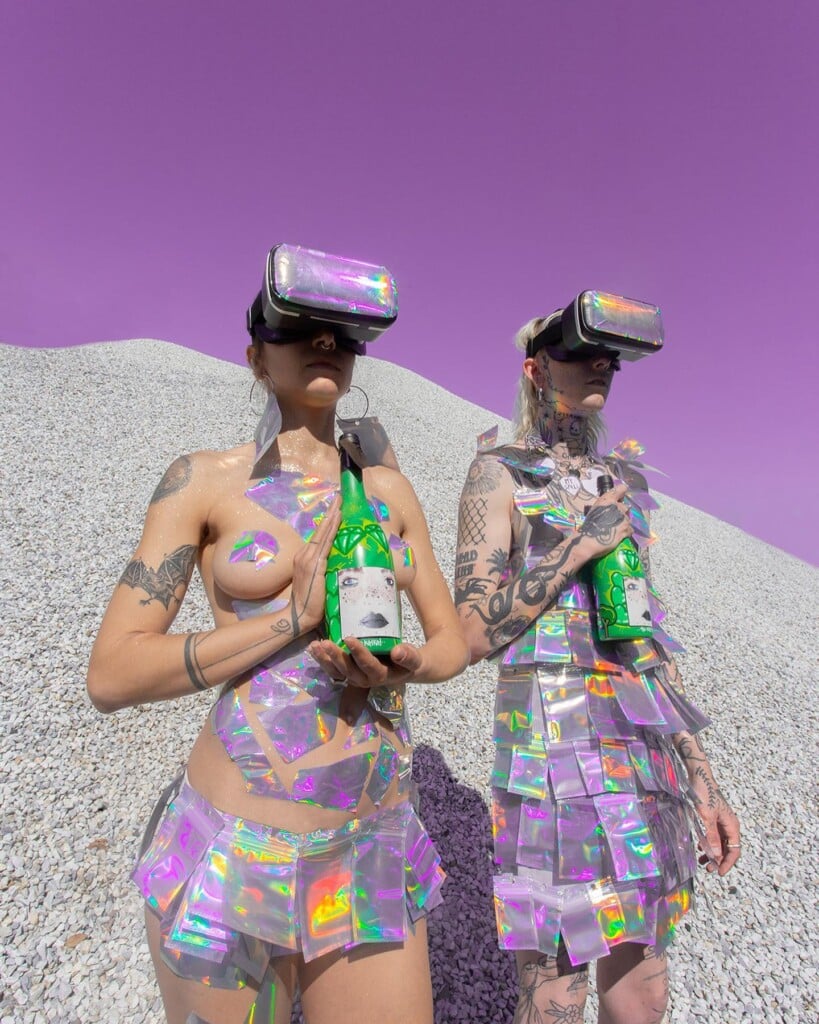
What stands out most is the way Inserrata chooses to present its bottles. Not simple product photographs, but images built around ideas, atmospheres and small stories. Wine thus becomes one element within settings that sometimes seem to have little to do with the world of winemaking. This is the case of the What Is Real? campaign, which deals with the relationship between physical reality and the digital dimension. Figures wearing virtual reality headsets, iridescent materials and landscapes in almost artificial colors build a suspended imagery, in which the bottle is the only tangible element. At a time when even images can be generated and manipulated, Inserrata chooses to bring attention back to something that cannot be experienced through a screen: sensory experience.
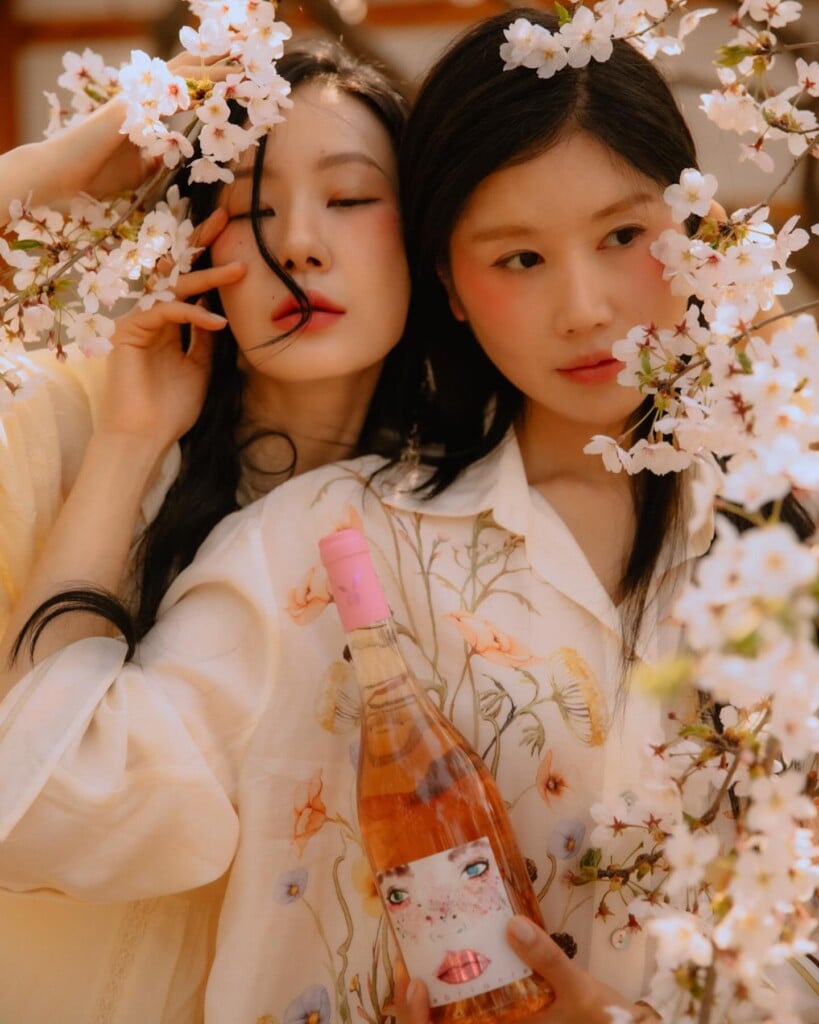
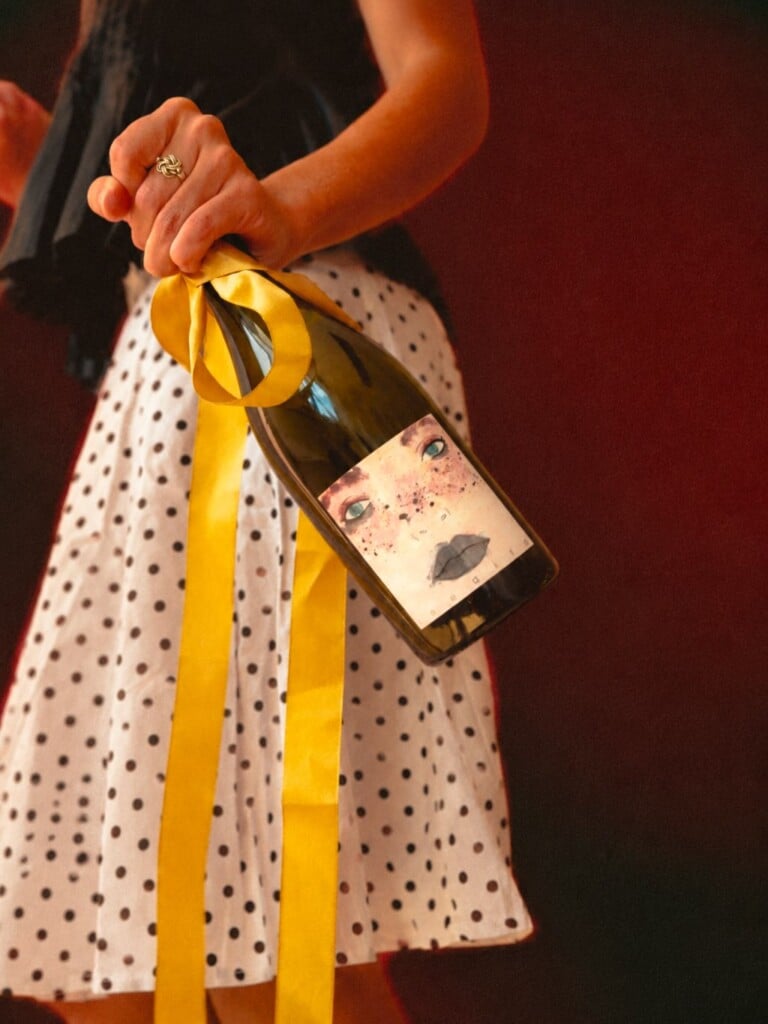
Another example comes from The Bottle Becomes the Bouquet, a campaign that overturns the usual way of thinking about a bottle of wine. The starting point is a simple but effective association: just like a bouquet of flowers, a bottle can become a gift chosen with someone in mind. The photographs follow this parallel and turn wine into a gesture of care, an object to bring along and share. It is no longer just something to uncork at the table, but a thought that precedes the encounter and becomes part of it.
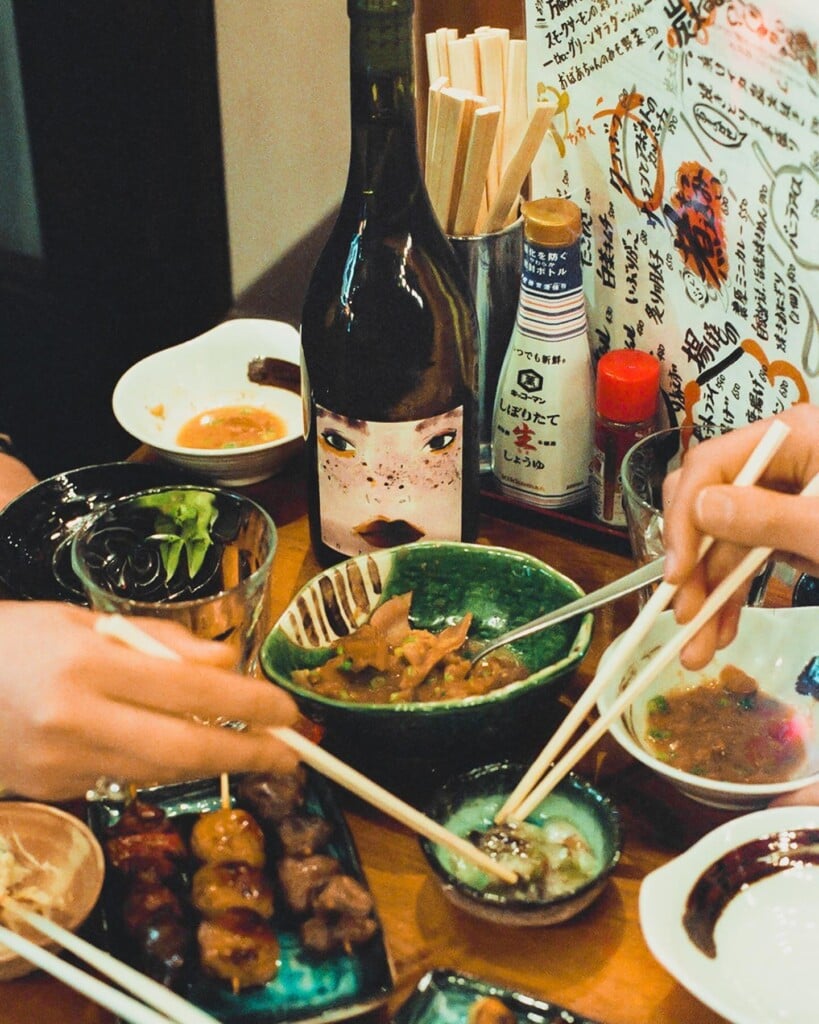
This narrative freedom is also found in the products. The very name Insolito (“unusual”), the organic skin-contact white made from Trebbiano and Vermentino, suggests a desire to step outside expectations. Its amber hue, its slight haze and its structured character describe a wine that departs from the most immediate image of the traditional white. Here too, the identity of the product is not exhausted by its oenological characteristics, but fits into a broader vision, in which aesthetics and content are in dialogue.
What makes Inserrata interesting is its ability not to treat communication as an accessory to production. The images are not there merely to make a bottle more desirable, but become a tool for expressing a different way of understanding wine. An approach that leaves room for experimentation, artistic collaborations and visual references that cross different disciplines.
In a sector where the storytelling of territory and tradition sometimes risks becoming a predictable language, Inserrata shows that you can start from your roots without being bound by them. Tuscany remains the point of origin, but the imagery moves elsewhere, between contemporary photography, surrealist suggestions and visual culture. Because a bottle can contain a wine, but also an idea, a story or an unexpected way of looking at things.