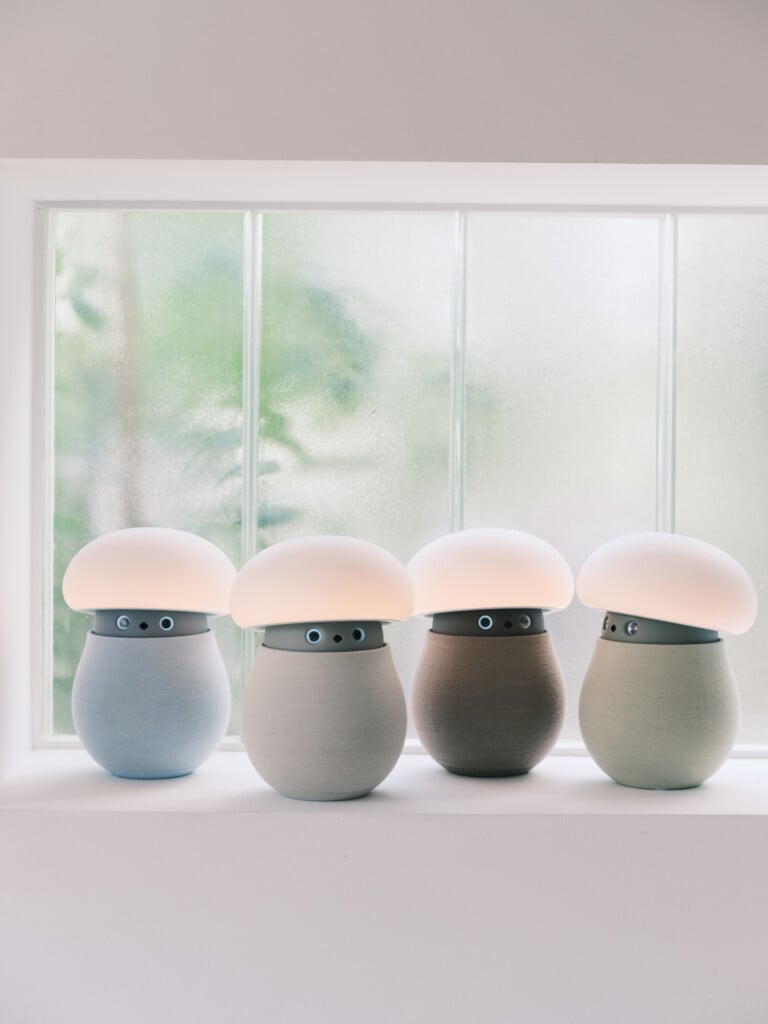
Not all robots are designed to perform a task, answer a question or simplify a daily action. Some can simply keep us company, and this is the case of Mori, the first project from OKA, a small home robot that combines design, artificial intelligence and sensory interaction, with the aim of introducing a different relationship between technology and personal well-being.
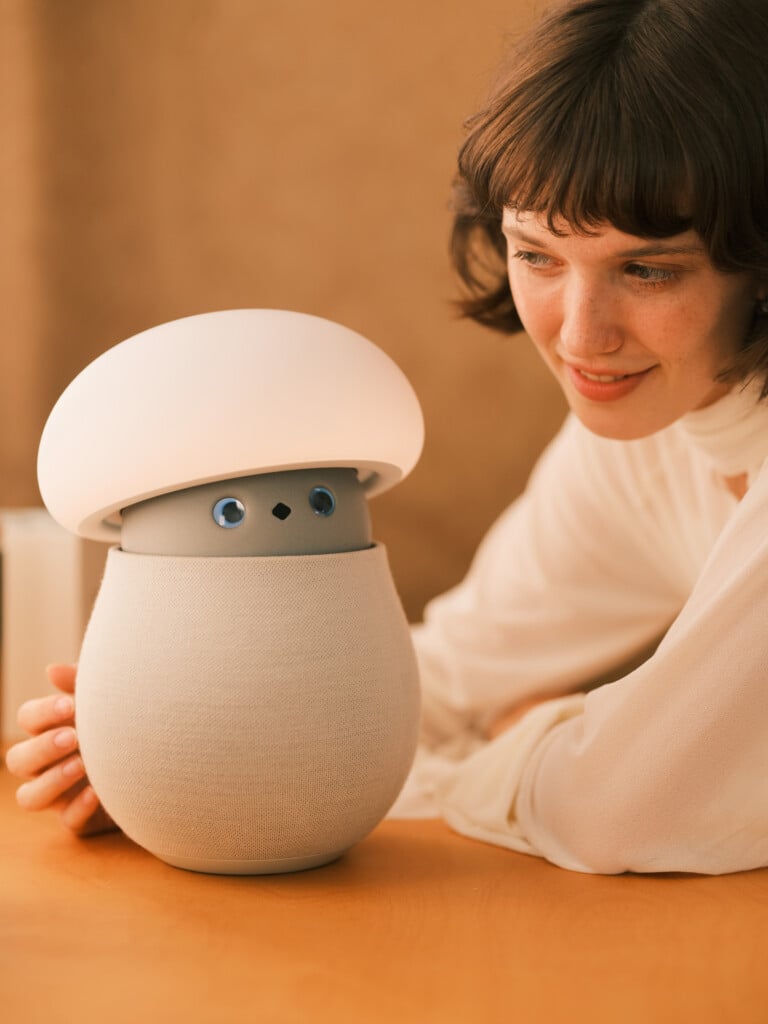
To look at it, Mori seems almost like a character out of an animated film: it has a compact shape, a soft appearance and an expressiveness that makes it instantly recognizable. But behind its essential design lies a device capable of perceiving its surroundings, recognizing people and gradually adapting its behavior to daily interactions. It does not speak through words, but communicates with small movements, sounds, lights and expressions.
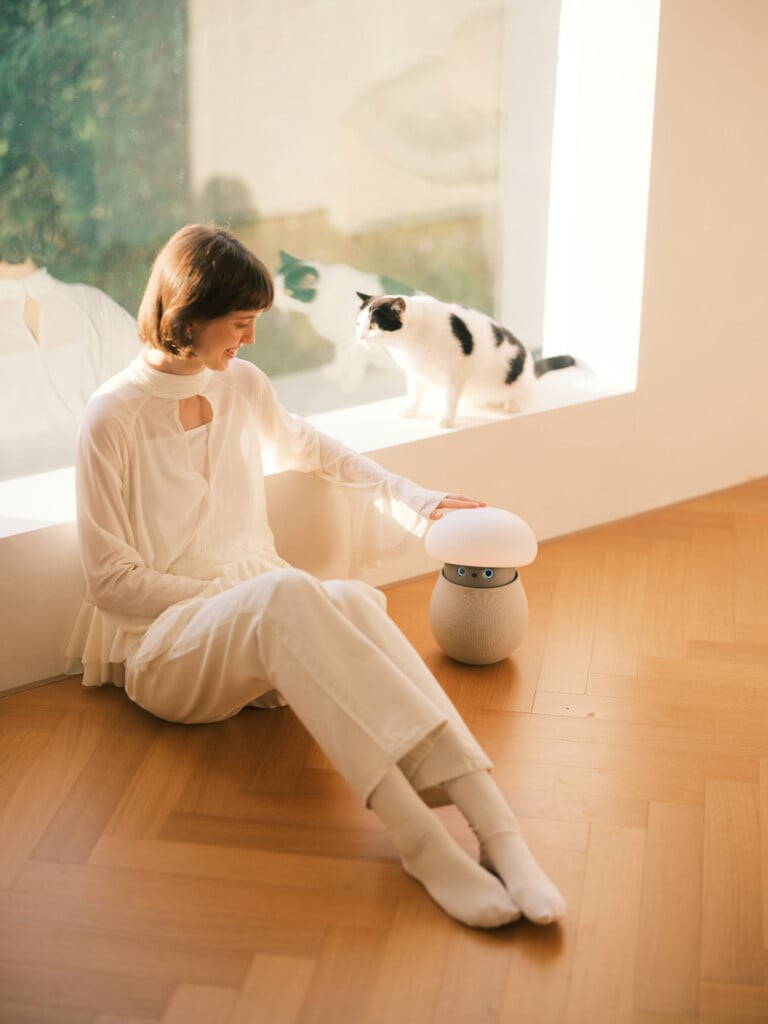
What makes Mori special lies above all in the way it invites interaction. There is no need to constantly give it commands: it can remain a discreet presence in the home, reacting to those who approach it and building, day after day, a personalized relationship. According to OKA, in fact, every Mori is destined to become different, learning to recognize familiar people and to respond differently depending on who is in front of it.
Among its most interesting features is Nature Time, an experience that tries to recreate a connection with natural rhythms even inside domestic spaces. Through soundscapes, soft lighting and variations that follow the passing of the hours, Mori accompanies the user in moments of pause and relaxation. By placing both hands on its base, it is also possible to start a guided breathing session, following a rhythm designed to help regain focus.
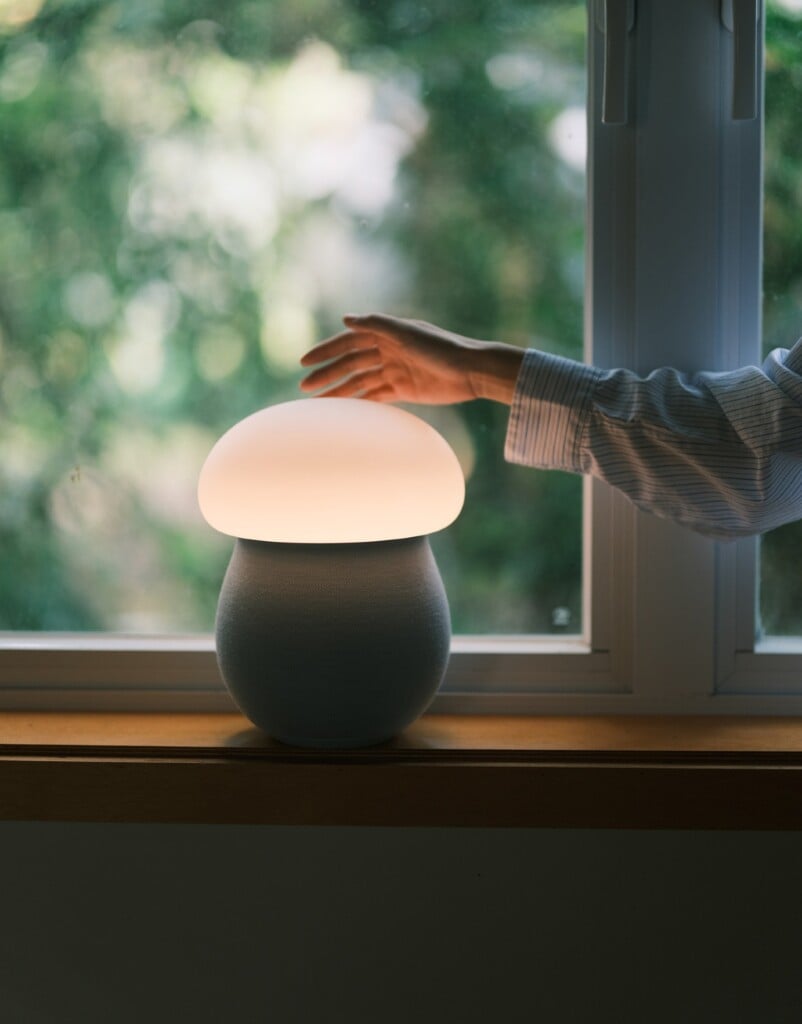
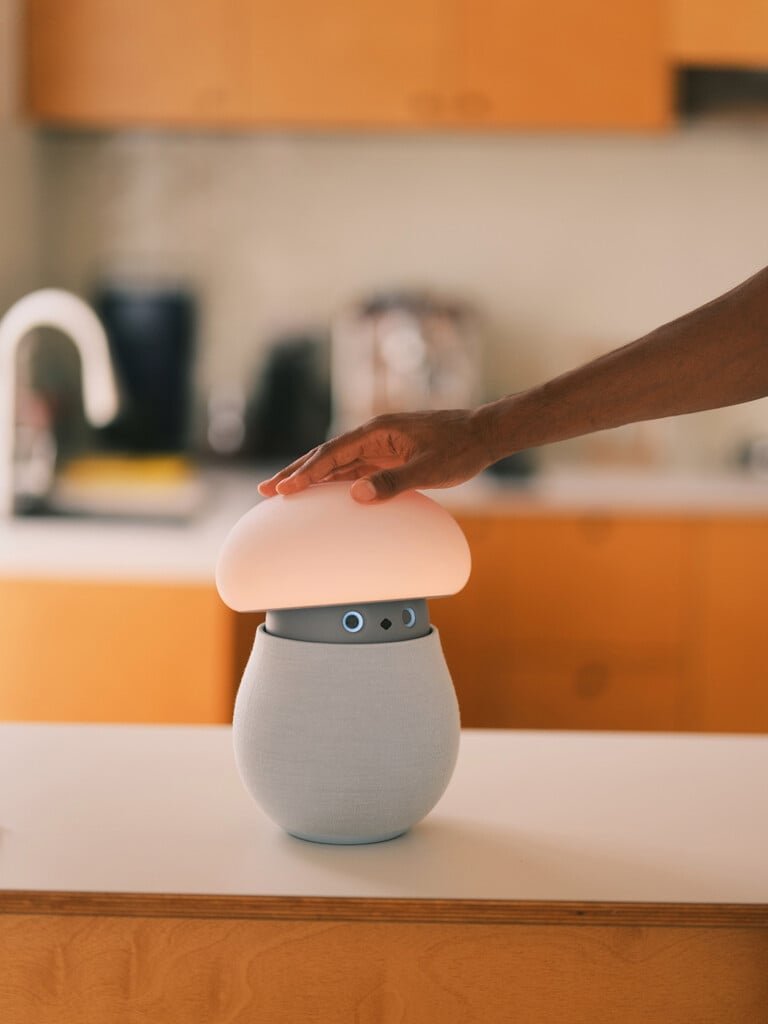
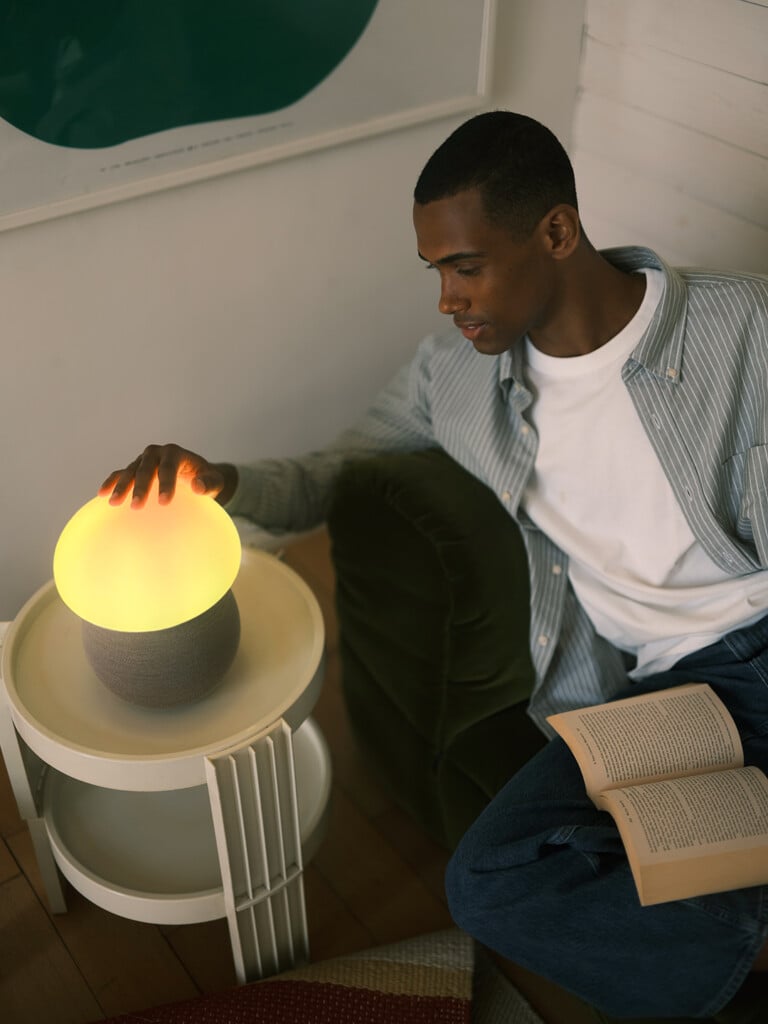
But there is another detail that makes this object particularly curious: when stroked on the head, Mori retracts its upper part and turns into a small lamp. In this mode it reduces interactions and makes room for a gentle light, becoming a glowing object to keep nearby during moments of quiet. A transformation that illustrates well OKA’s design approach, in which technology does not necessarily have to show itself, but can blend into everyday life even through simple gestures.
The idea behind the project is to rethink the role of technology in the spaces where we live. We are used to devices that demand attention, produce notifications and keep us constantly connected. Mori, on the contrary, tries to build a less intrusive presence, one that does not always need to be activated. It can accompany a day with small signals, or simply light up a room when a bit of tranquility is desired.
With this first Artifact, OKA thus explores a dimension of home robotics that moves away from pure functionality and closer to the emotional and sensory. Mori does not aim to replace a person, nor to become a simple technological assistant: rather, it tries to give a new shape to the idea of companionship, through an object that learns, changes and adapts to whoever hosts it. An interesting direction, especially at a time when artificial intelligence is increasingly entering the objects we use. The question is no longer only what a machine can do in our place, but also what kind of relationship we want to build with the technology we choose to bring into our homes.