A chair can become a small piece of architecture, a small table can turn into a reflection on tradition, and a piece of furniture can take on the presence of a sculpture. It is in this borderland that the work of Jihoon Ha operates, a South Korean designer who has built a personal practice around the reinterpretation of the forms and knowledge of Korean culture.
Born in Seoul in 1972, Ha studied at Hongik University in South Korea and at the Danish Design School in Copenhagen. Over the course of his career he has developed a language that connects craftsmanship, cultural memory and contemporary design. His interest is not in faithfully reproducing objects of the past, but in identifying their essential elements and using them as a starting point for new formal possibilities.
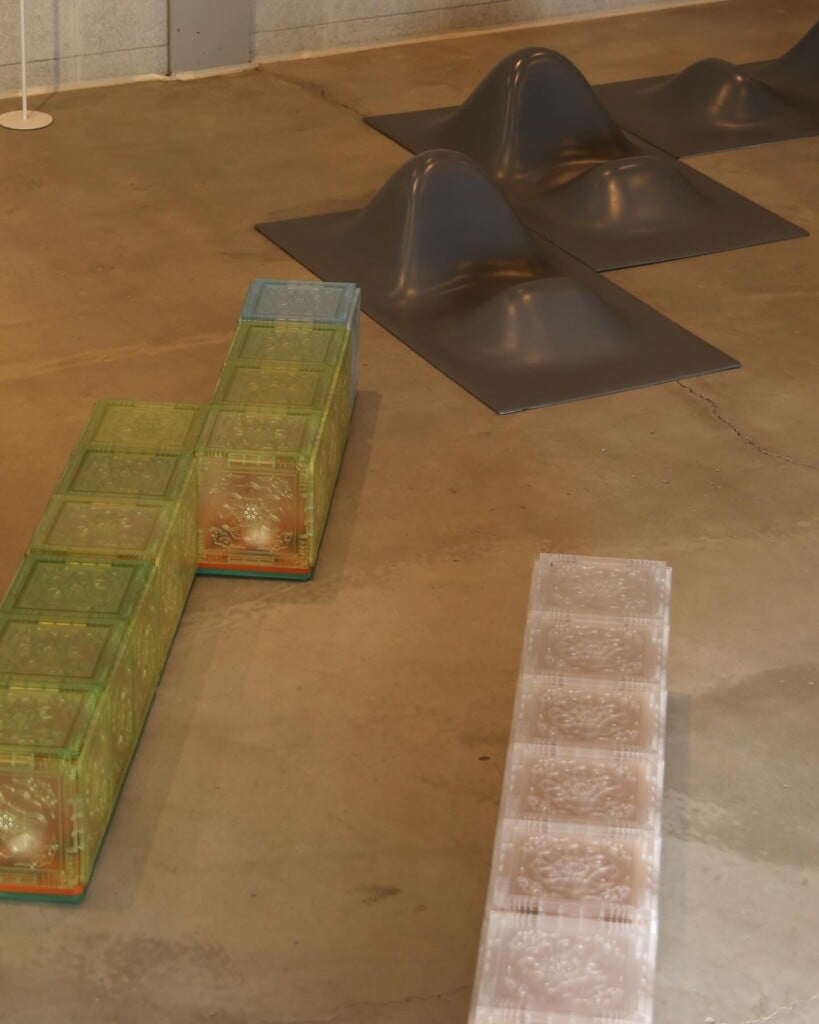
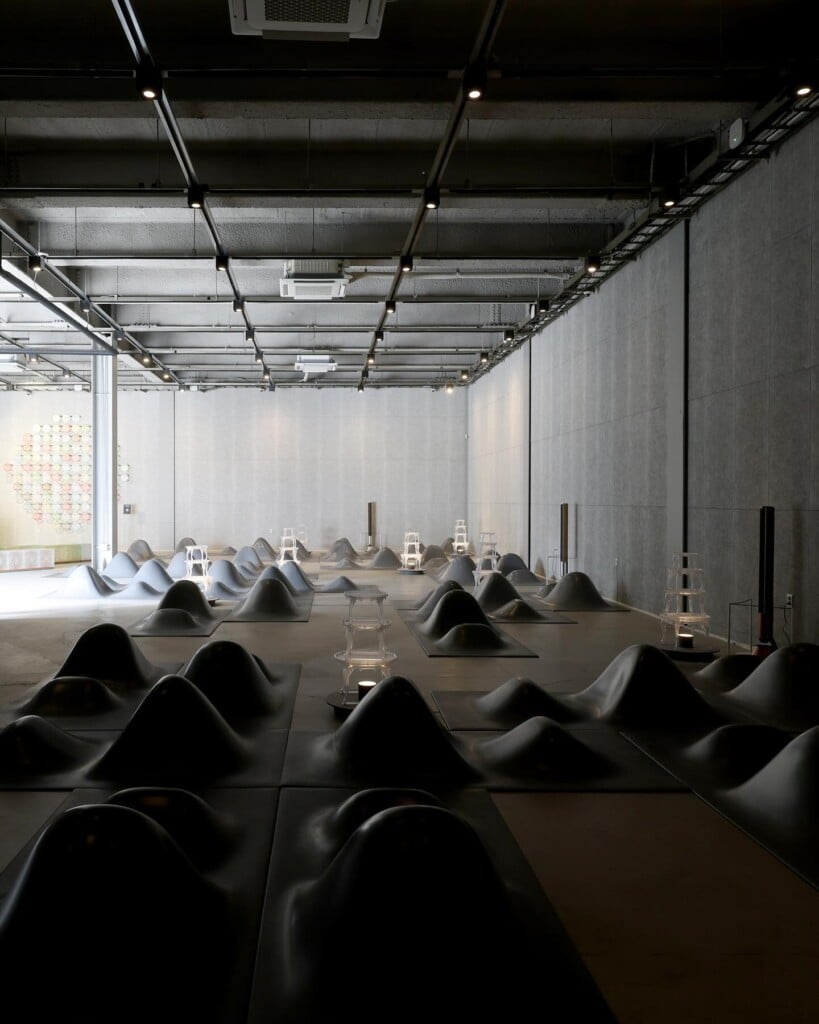
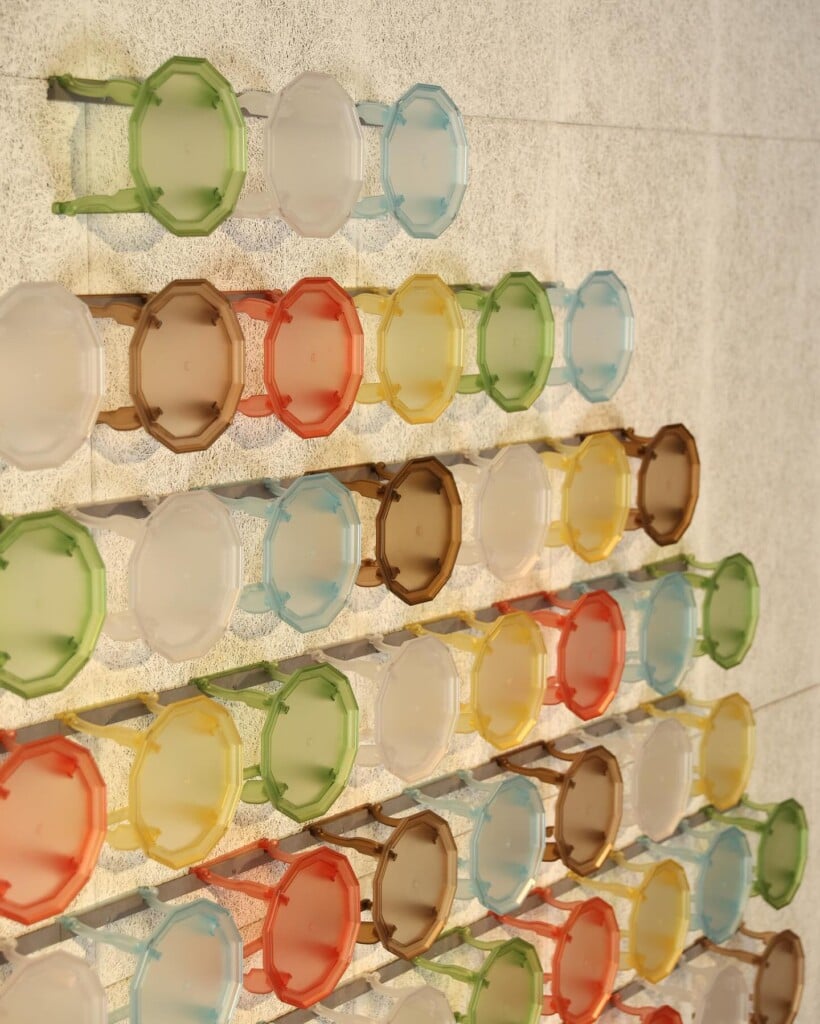
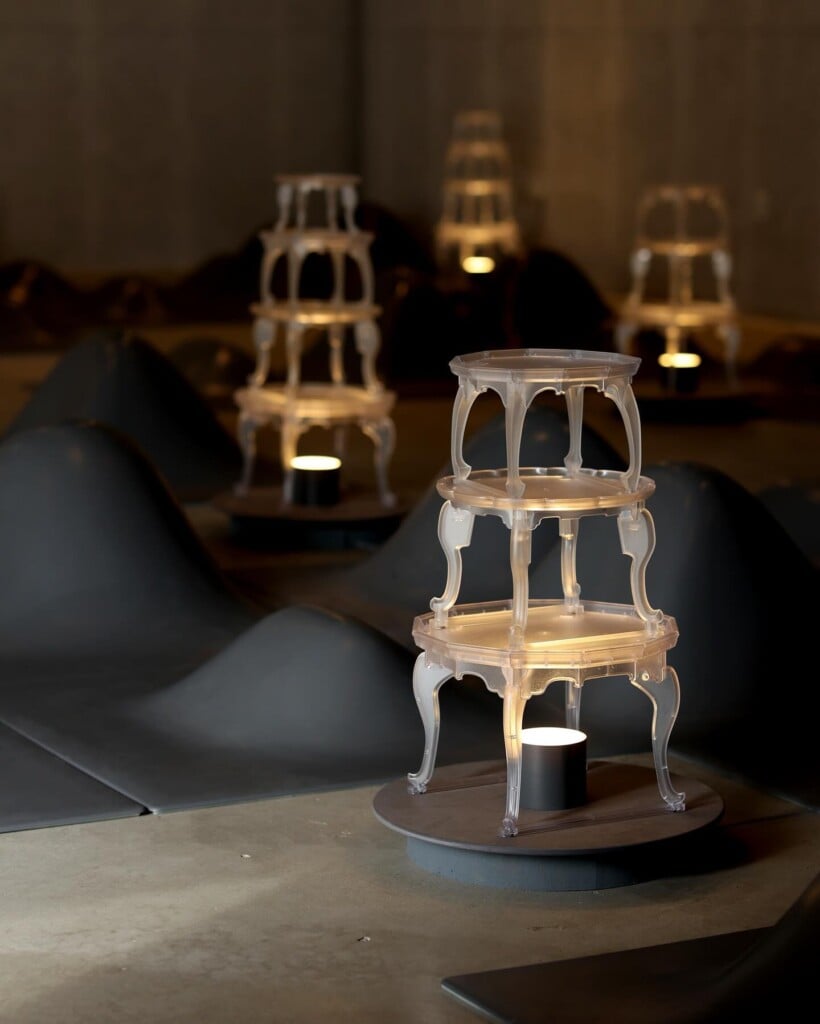
One of the main sources of inspiration is the heritage of traditional Korean furniture. Low tables, wooden structures, decorative details and craft techniques become reference points from which to build objects that preserve a link with their origin without giving up a contemporary aesthetic. This is the case with the soban, small traditional tables used in Korean domestic life, which Ha takes up and transforms through different materials and proportions. In the Ban Clear series, for example, the transparency of the materials replaces the more massive presence of wood, giving rise to objects that keep the reference to tradition but radically change how it is perceived. The choice of polycarbonate also allows these elements to be used outdoors, without giving up structural strength.
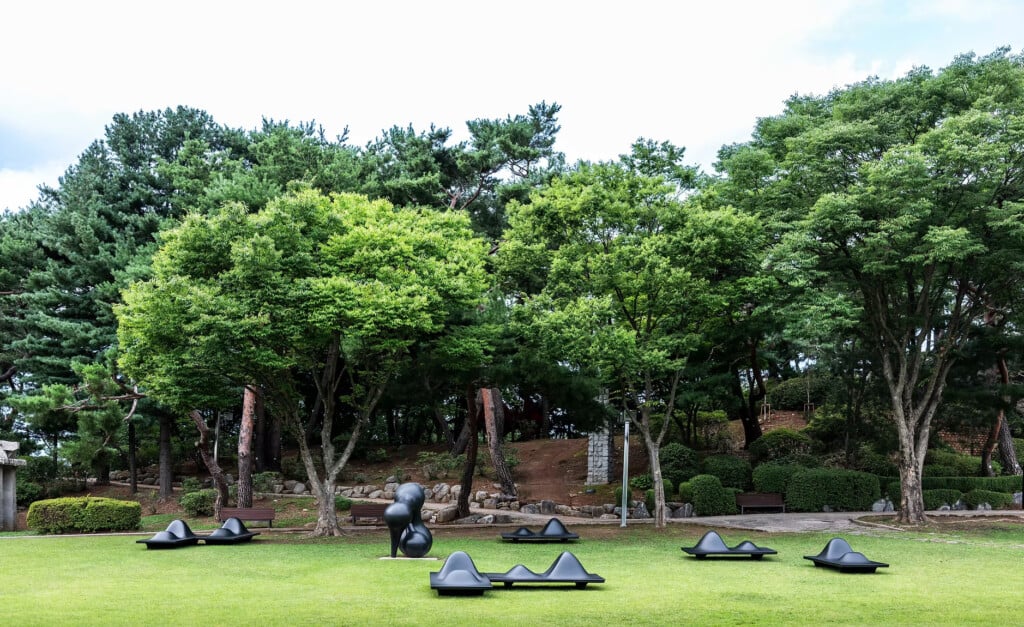
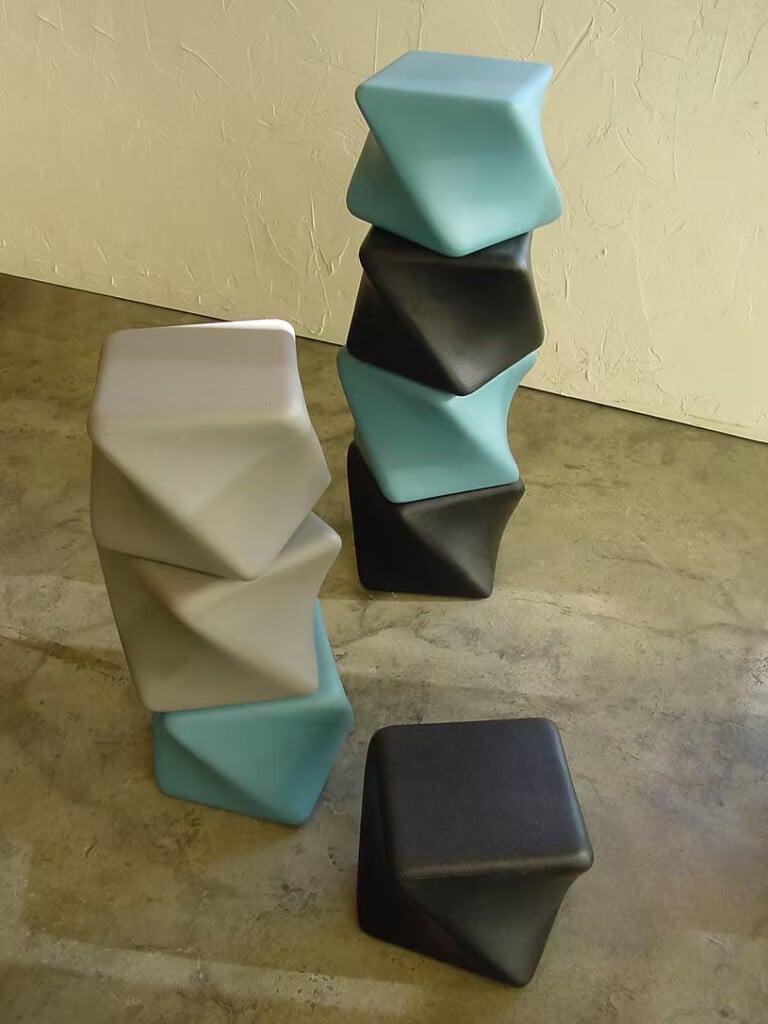
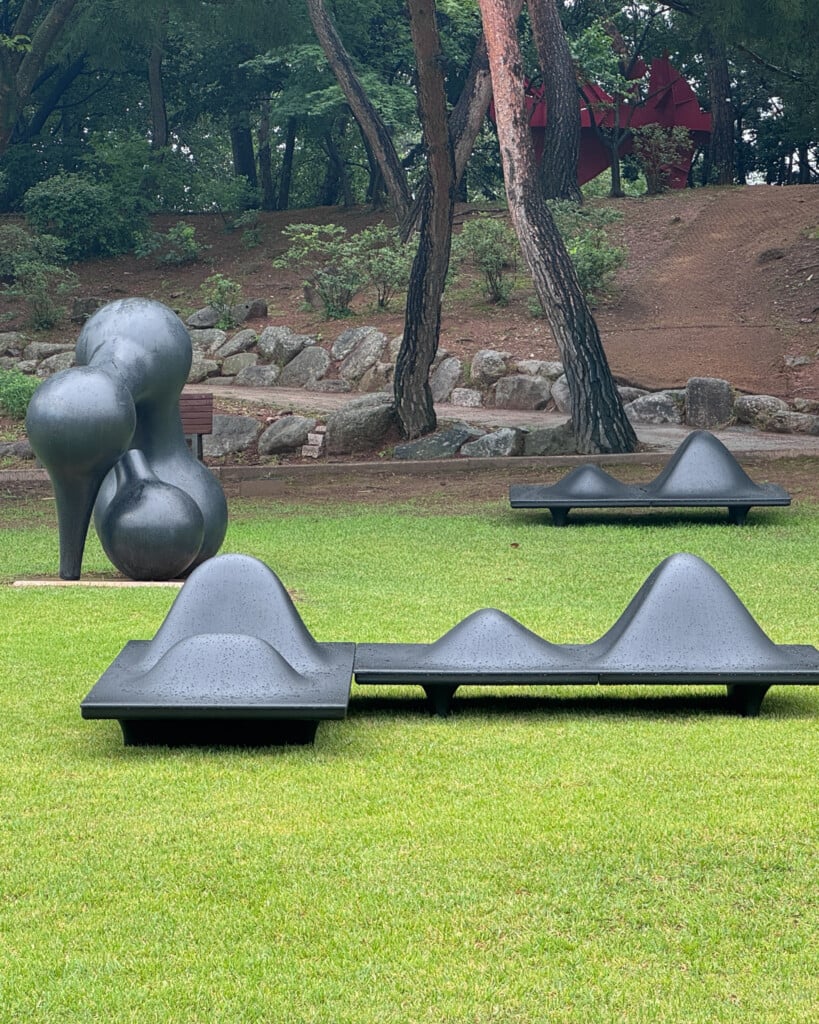
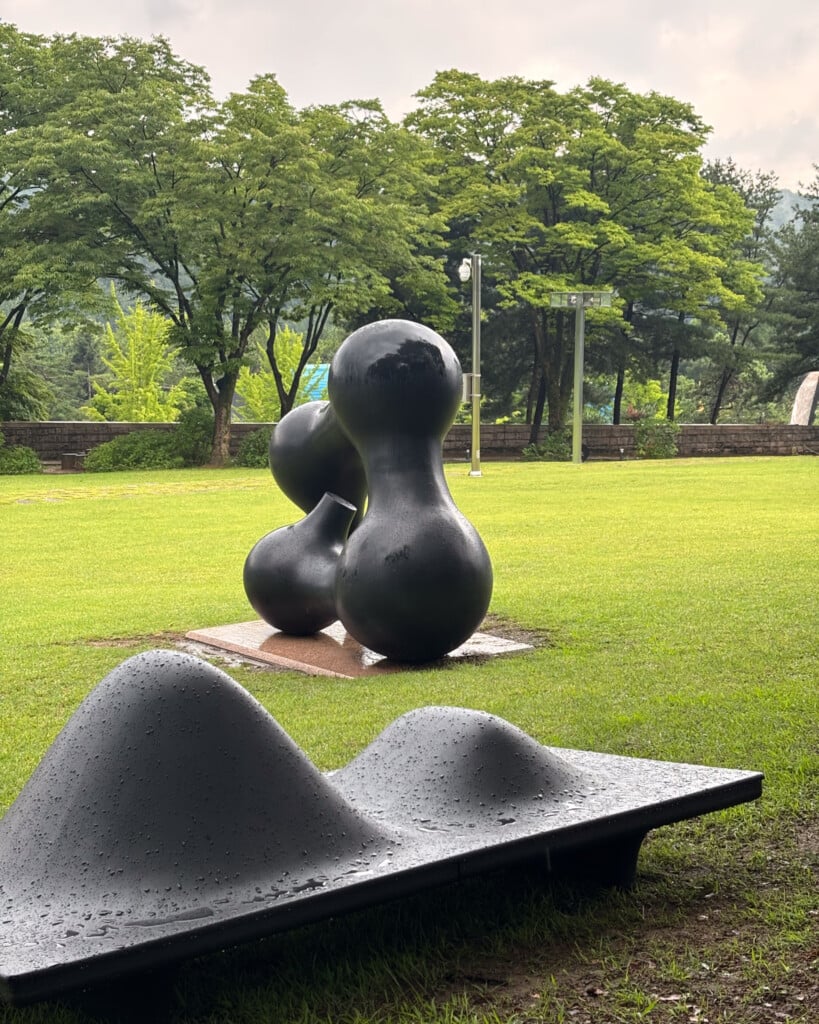
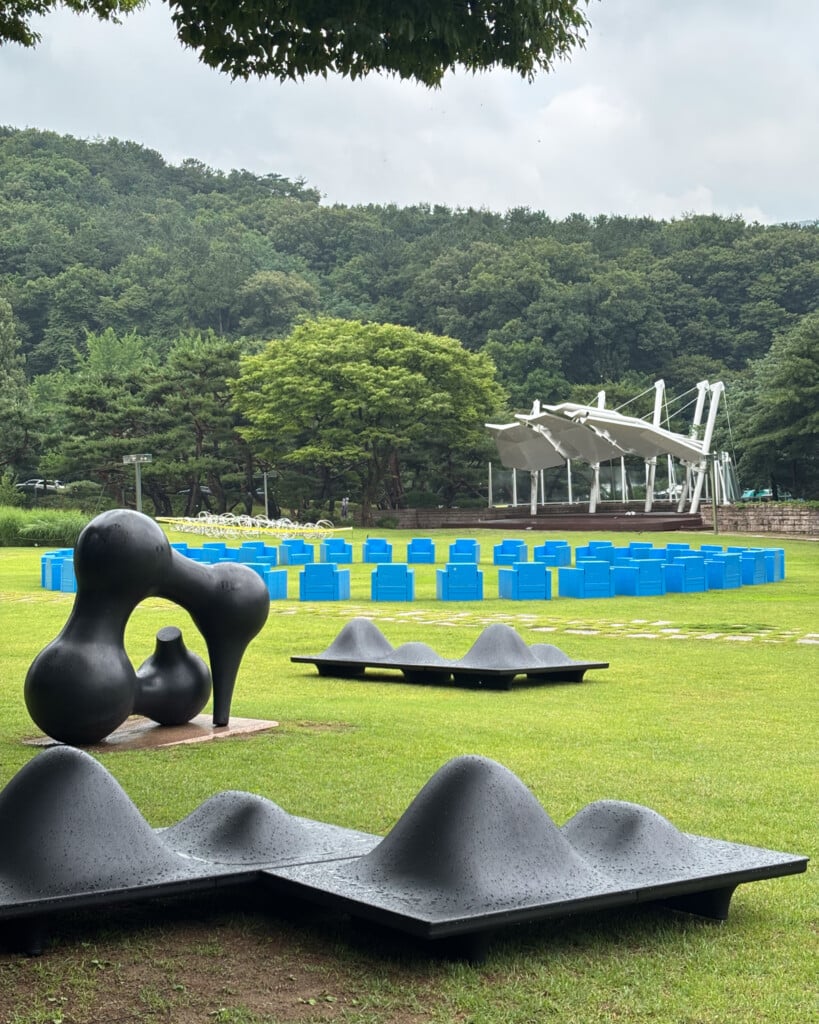
Another example is Jari, one of his most recognizable projects. Inspired by the woven seats used in various Asian traditions, the project translates the shape of a floor cushion into a contemporary seat. Its curved lines evoke both the human body and the profile of a mountain, giving rise to an object in which ergonomics and sculptural research go hand in hand. In 2026, a new interpretation of Jari was presented at the National Museum of Modern and Contemporary Art in Gwacheon, as part of the celebrations for the institution’s fortieth anniversary. Made in ABS, the installation consists of seven elements and is part of Lingering Grounds, the outdoor sculpture trail that invites visitors to encounter design and contemporary art within the museum’s landscape.
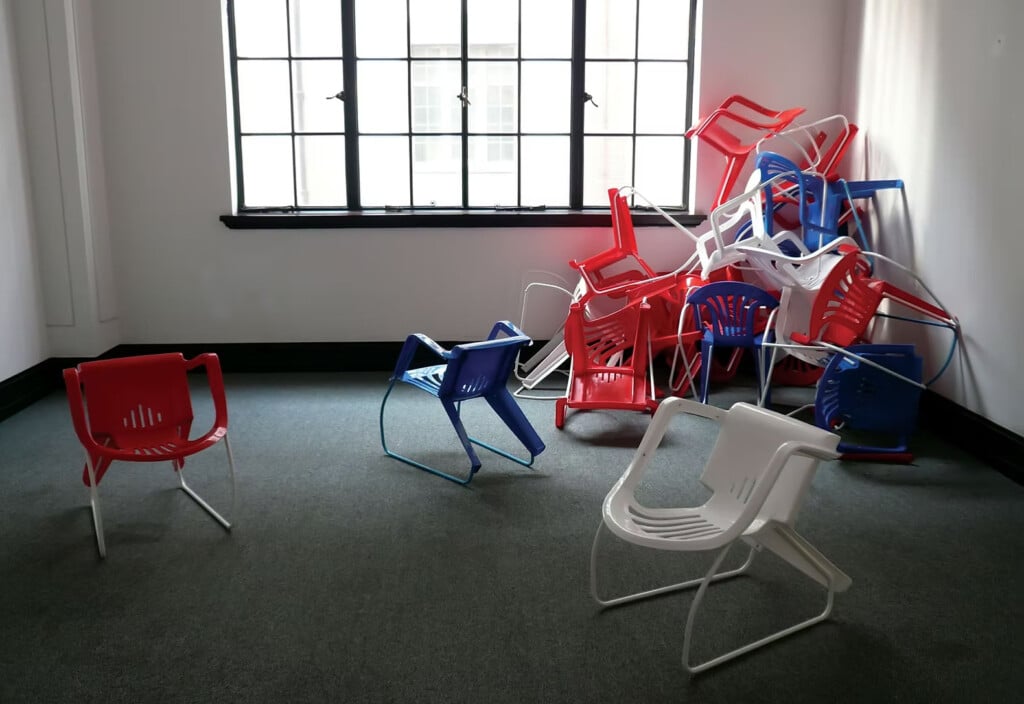
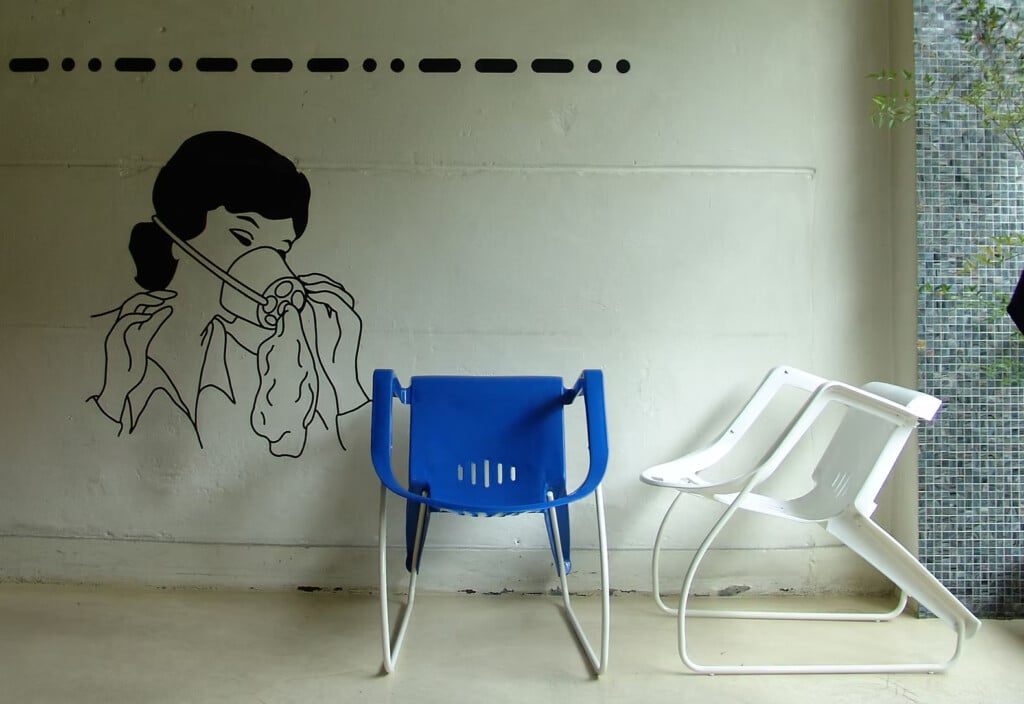
The same attention to the transformation of forms can be found in other works, such as the Bow Chair, a rocking seat that combines a stainless steel structure with flexible elements, or in the furniture inspired by the architecture and ornaments of historical Korea. In these projects, function does not disappear, but becomes one component of a broader inquiry into how an object is built.
Alongside his work as a designer, Ha has also developed an exhibition and art direction practice. In 2013 he designed the furnishings for the National Museum of Modern and Contemporary Art in Seoul and, subsequently, worked on the interiors of the Blue House, the South Korean presidential residence. Some of his creations have entered the collections of the Victoria and Albert Museum in London and the Philadelphia Museum of Art.
In his work, then, tradition is not a repertoire to be preserved unchanged, but a material still open to experimentation. Forms from the past are simplified, enlarged, lightened or transferred into unexpected contexts. It is precisely through this process that Jihoon Ha builds a design capable of going beyond the strictly functional dimension, letting objects dialogue with space and with the memory of those who look at them.