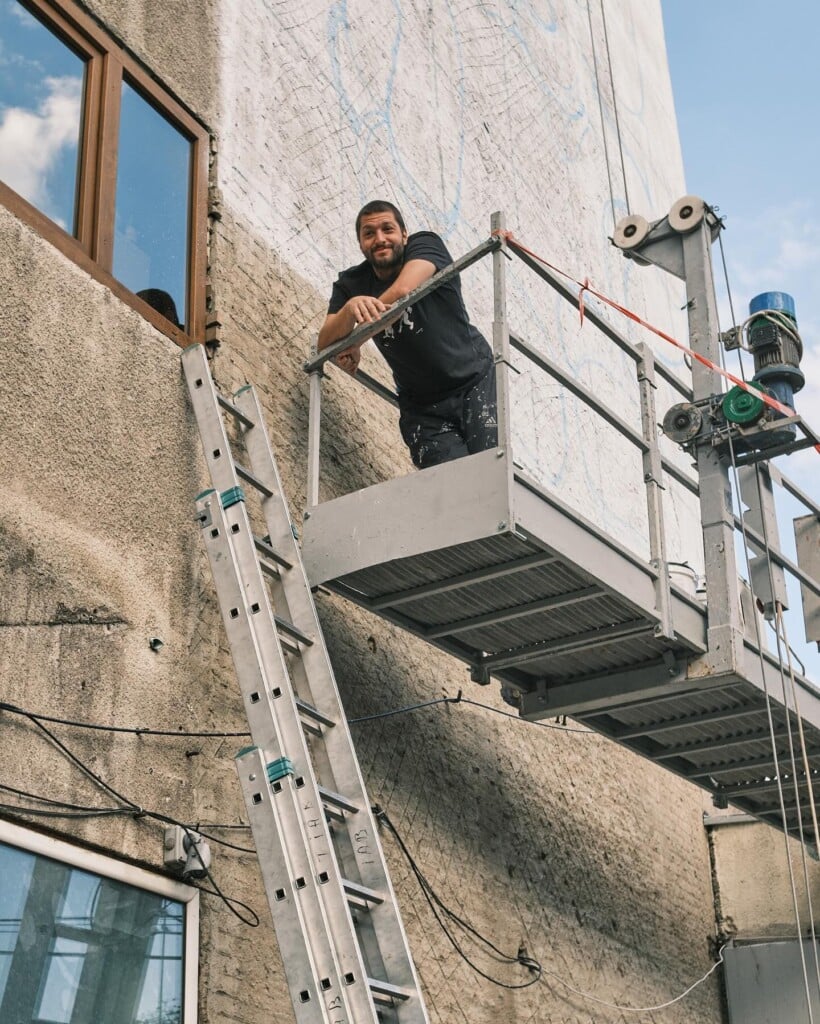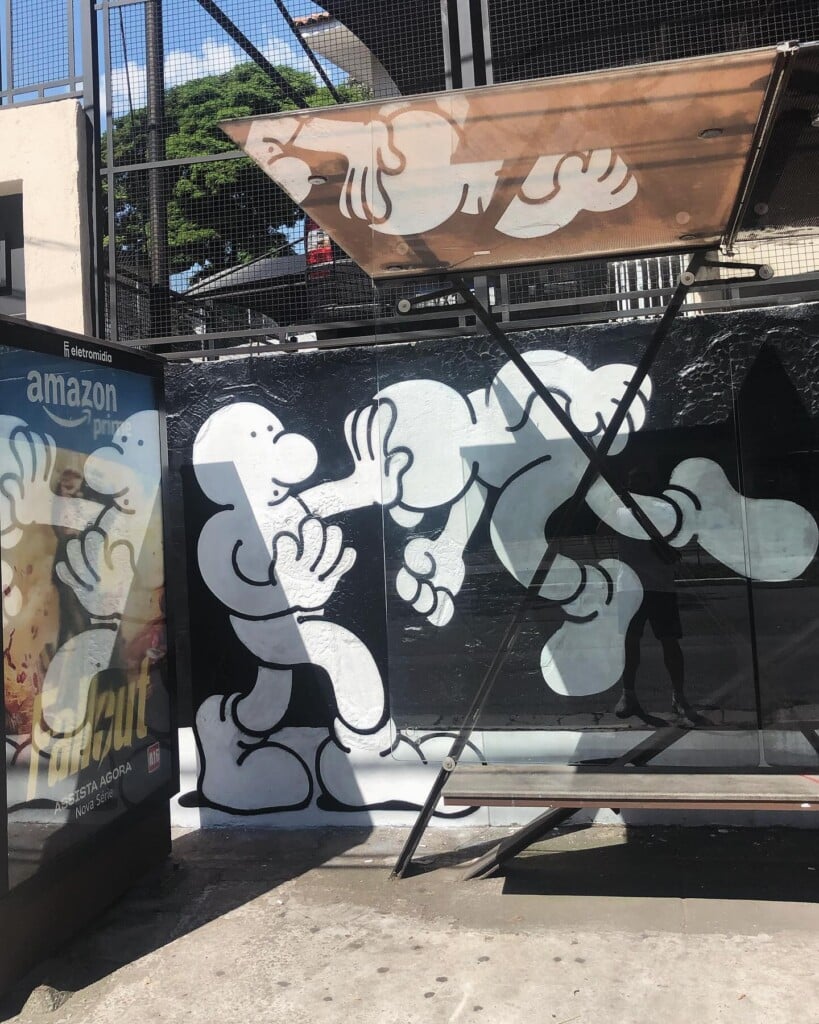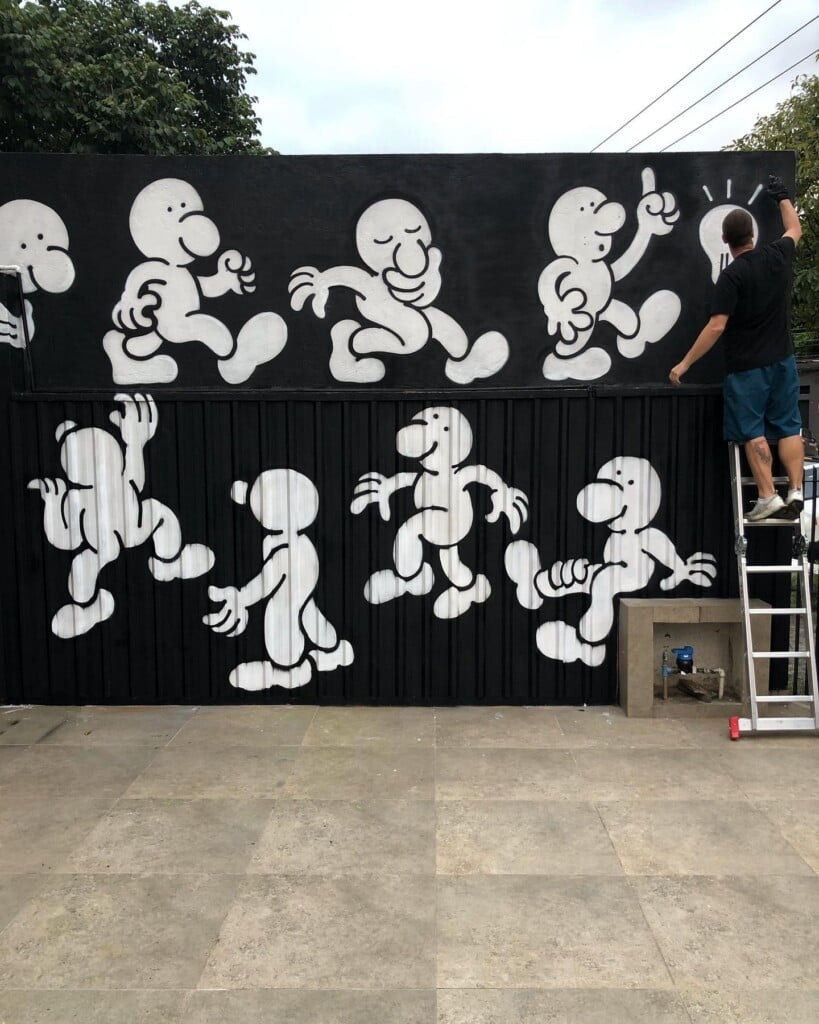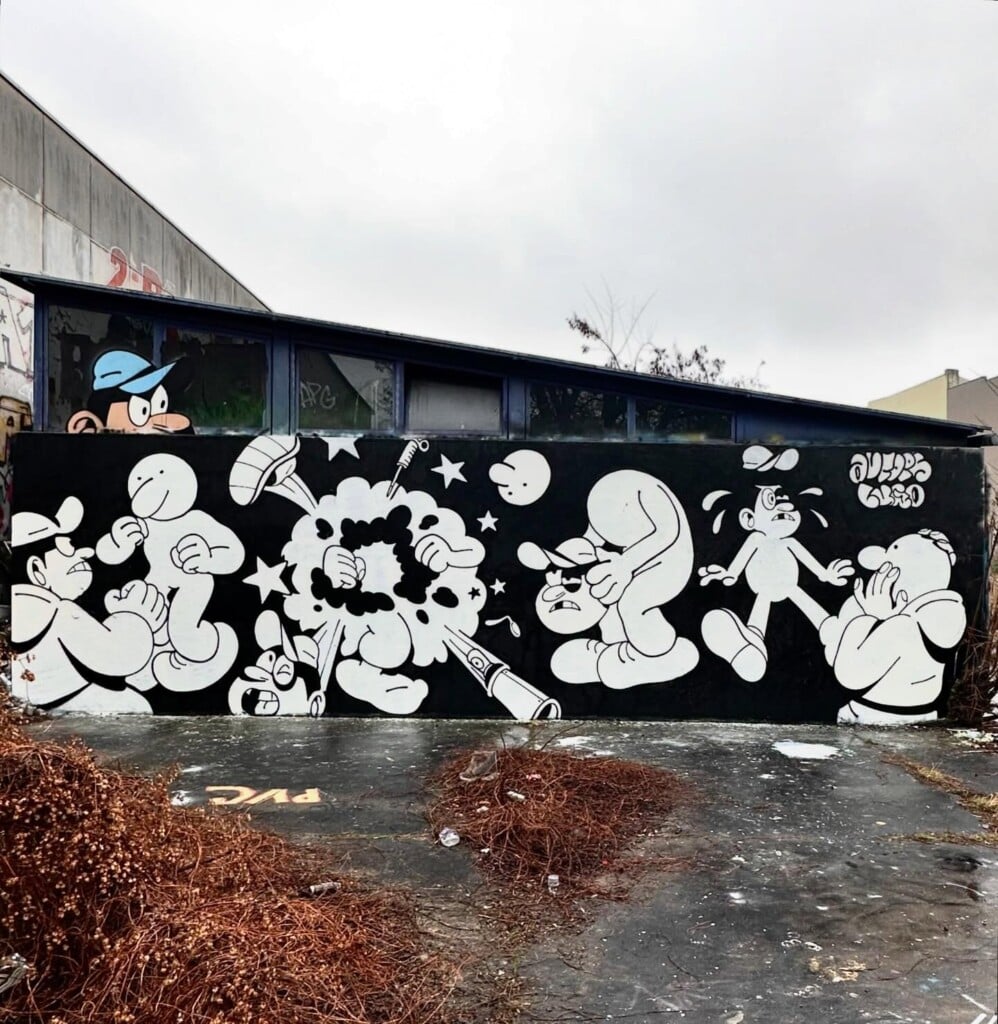
In the streets of São Paulo, the characters created by the artist Theodoro Autops are instantly recognizable. They are black-and-white figures with a retro flavor, almost like comics from another era, yet they speak about something very contemporary: what happens inside us.
Autops, a Brazilian artist, has always had a passion for drawing, comics and animation. From graffiti he developed a personal language, and according to one critical account, the difference lay in the freedom to use characters instead of letters, a legacy of his love for animation and comics. Among his influences are classics such as Peanuts and Robert Crumb. Even when a single drawing appears on the street, his works function like a comic series, albeit without dialogue.
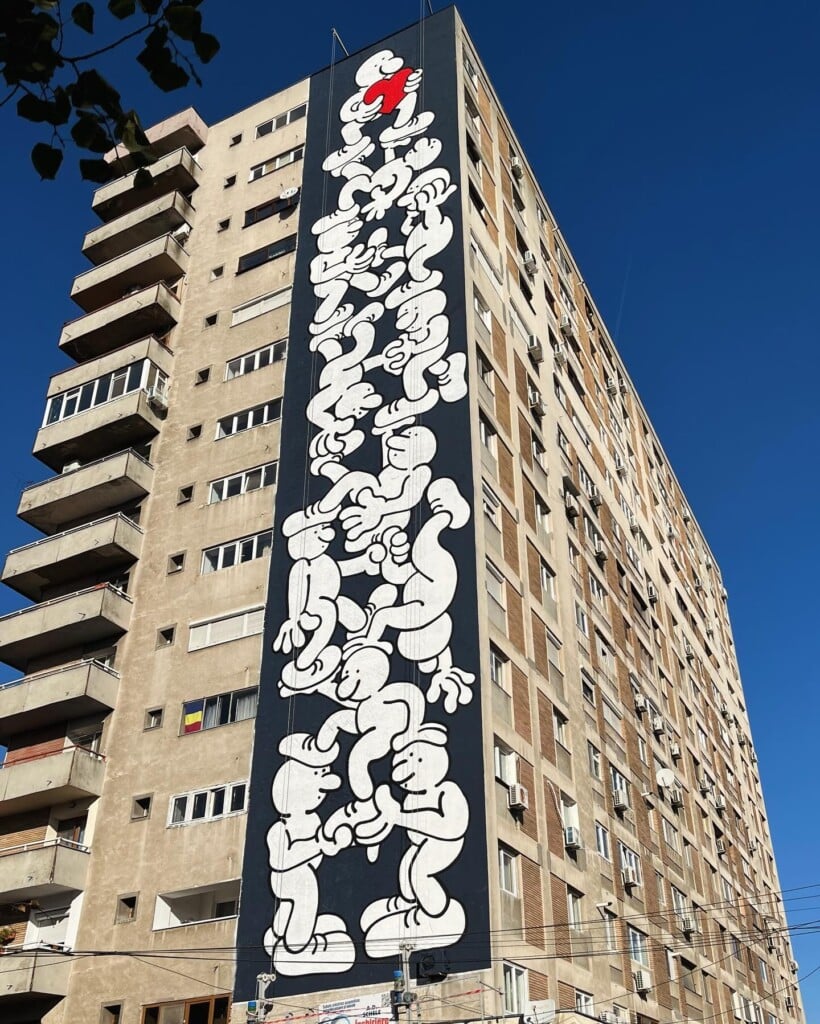
At the heart of his work is the human being, our relationships with others and with ourselves, often explored through philosophical themes such as existentialism. A minimalist aesthetic, sparing with color, that carries deep themes yet coexists with nostalgia, humor and satire. The black and white is not a stylistic affectation: it removes every distraction and leaves gesture, expression and unease in the foreground.
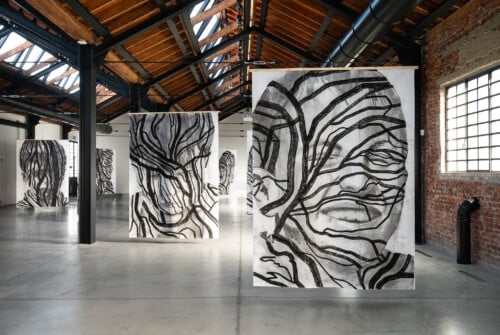
The exhibition Empty Inside, at Moosey in Norwich, introduced him to a wider international audience. It is a two-person project with fellow countryman Muretz, whom he met through a shared love of graffiti. Autops’s paintings stage the inner world of the psyche, the ability to relate to oneself and to internalize thoughts, while Muretz works on inner emptiness and how it is reflected in the space around us. Between their first paintings together on the street and the exhibition, five years of drawing sessions went by.
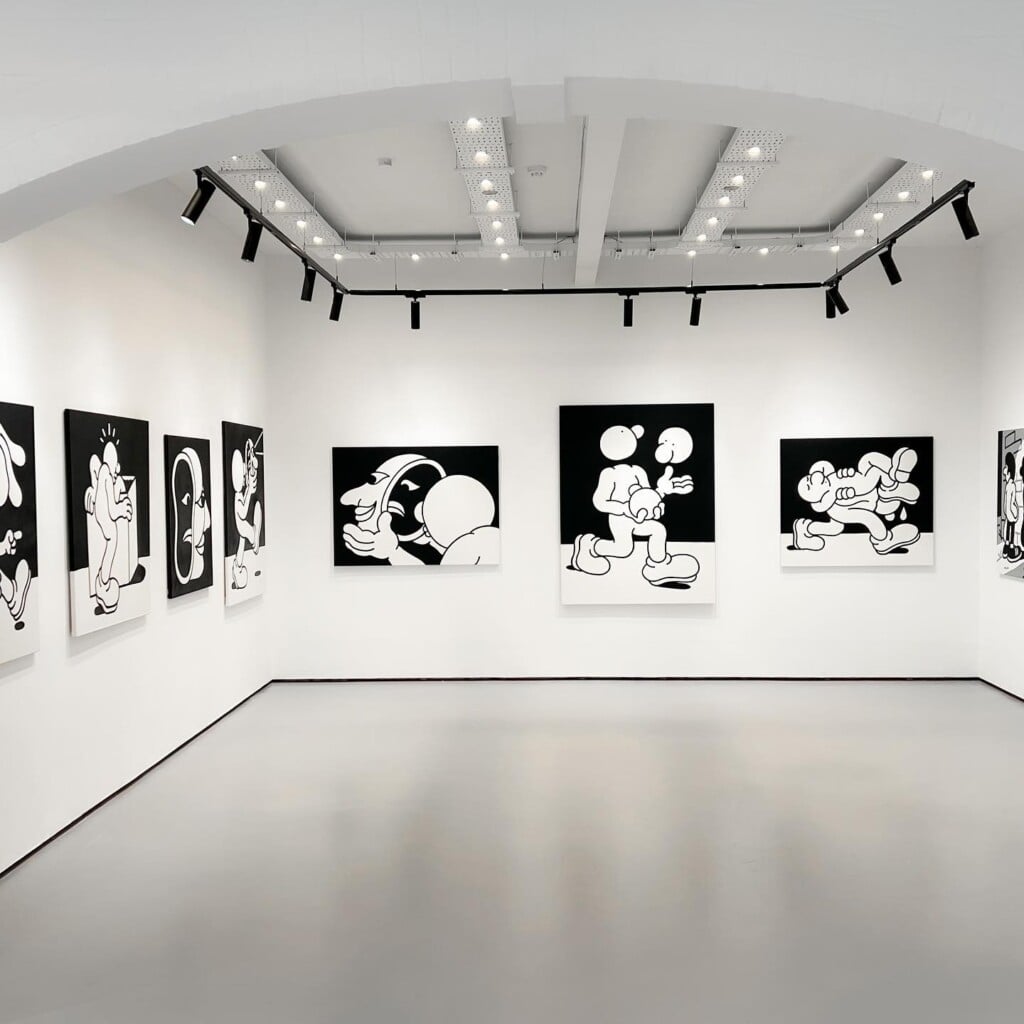
His work is not limited to walls. In São Paulo he has exhibited new canvases alongside Kueio, Paulo Ito and Rotka, in an exhibition that sets the city’s four areas in dialogue. Among his graffiti are also pieces that denounce poverty and violence against women. The series Paradoxo and the one titled Mundo da Lua were instead the focus of the exhibition Metaphora, where duality is read through the theme of freedom of expression. He has also worked with graffiti artist Raphael Barcelos: together they brought the aesthetics of São Paulo’s streets into the project for the Bullguer venue.
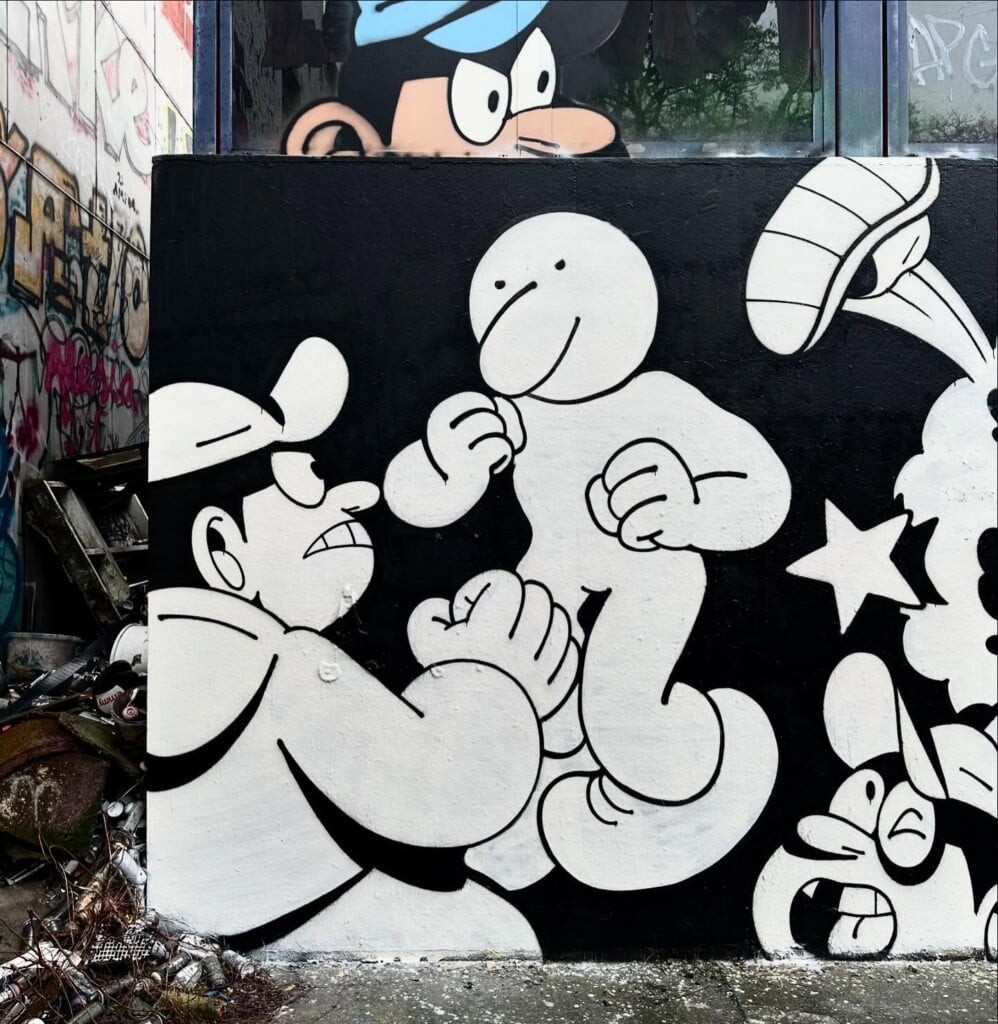
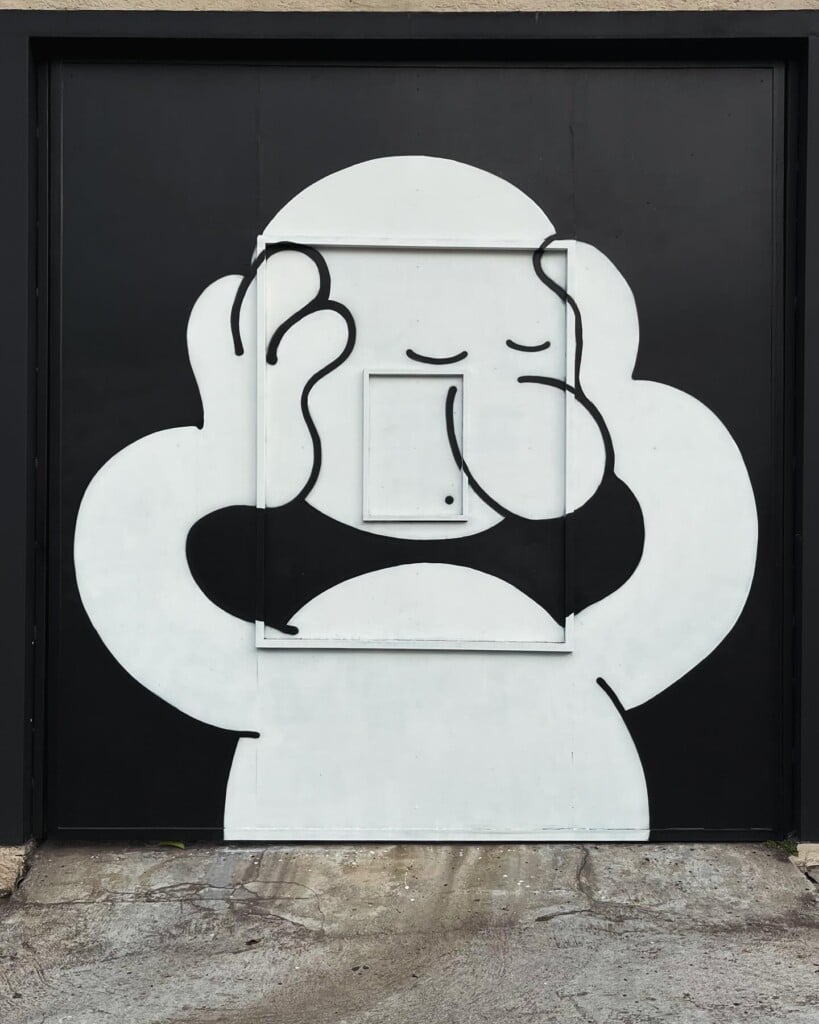
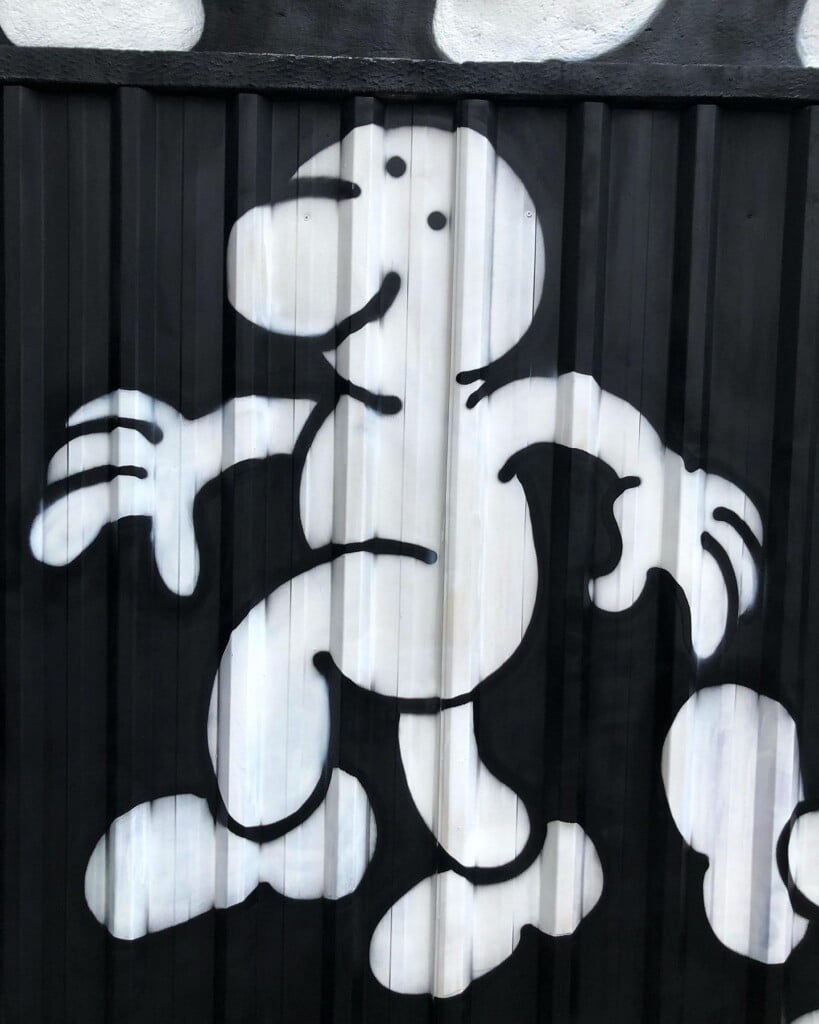
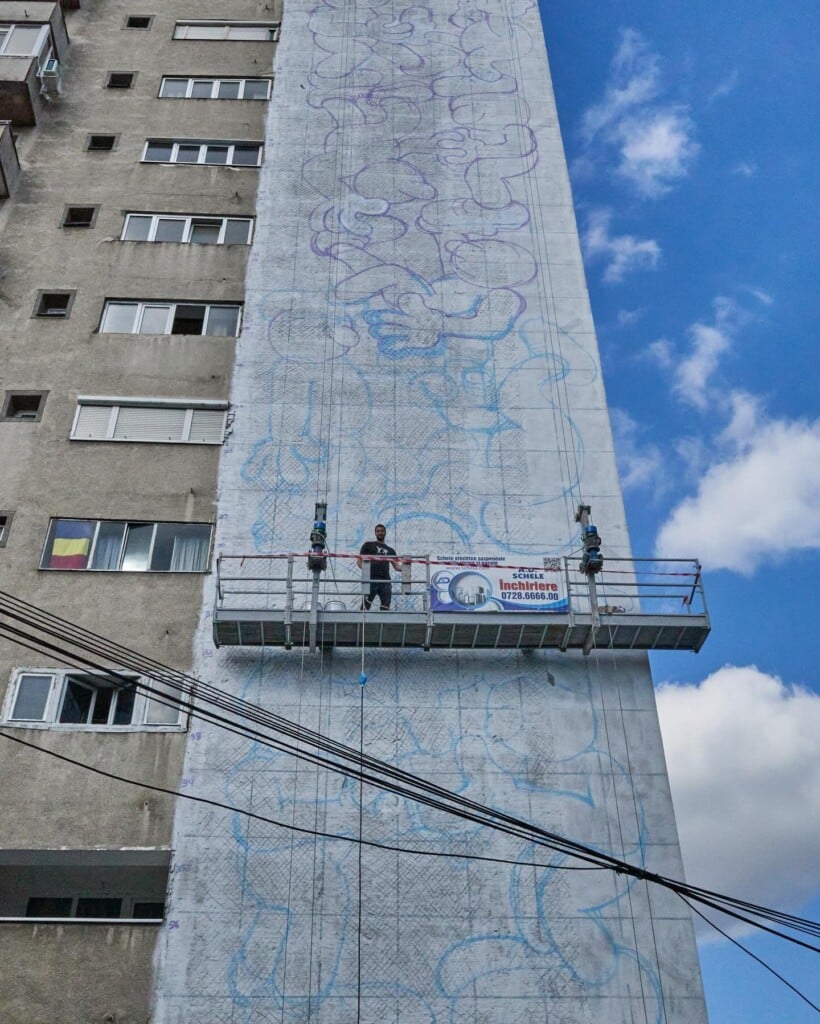
In 2026 Autops was invited by the Centro Cultural Veras in Florianópolis for Ele viu através do escuro (“He saw through the dark”). It is an architectural intervention on the staircase leading to the upper floors, and the artist is described as interested in large blind walls and unconventional urban spaces. The route tells the story of a young person’s walk toward the unknown and involves teenagers from Projeto Dorcas, which supports children and young people in situations of social vulnerability, with a mural also planned at their headquarters.
In a landscape where street art often aims for effect, Autops works by subtraction: a few lines, no color, characters that look like they stepped out of a cartoon and speak about anxiety, loneliness and our relationship with ourselves. It is a way of making street art that invites you to stop.