Something has been born in the heart of Madrid that doesn’t fit neatly into a label. Le Toy Factory isn’t just a shoe brand or yet another collaboration between a musician and a designer, it’s more of a workshop where those things stop being separate. Behind the project are two names that have been circulating together around Madrid for a while now: Ralphie Choo, the Spanish singer and producer with an instantly recognisable aesthetic, flamboyant outfits, oversized glasses, prints that look pulled straight out of a fever dream, and Alberto Boltad, the young designer whose label Boltad has already dressed artists like Alice Wonder and Barry B, as well as Choo himself.
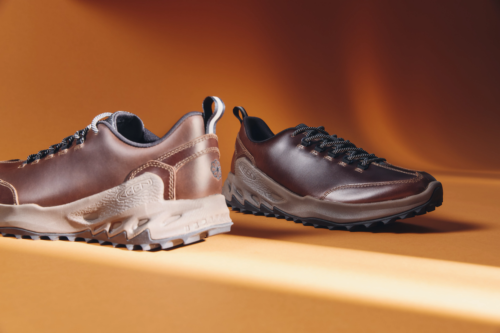
The debut, unveiled in Madrid last October, is a limited-edition shoe capsule collection, handmade in Almansa, in the province of Albacete, Spain’s historic footwear-making district. The name isn’t accidental, Le Toy Factory constantly plays on this double track, artisanal tradition on one side, pop irreverence on the other. The result is shoes meant to work as narrative objects, almost small collectible sculptures, an idea the official website reinforces right from its tagline: every model is conceived as a “pieza de colección”, a piece to be collected.
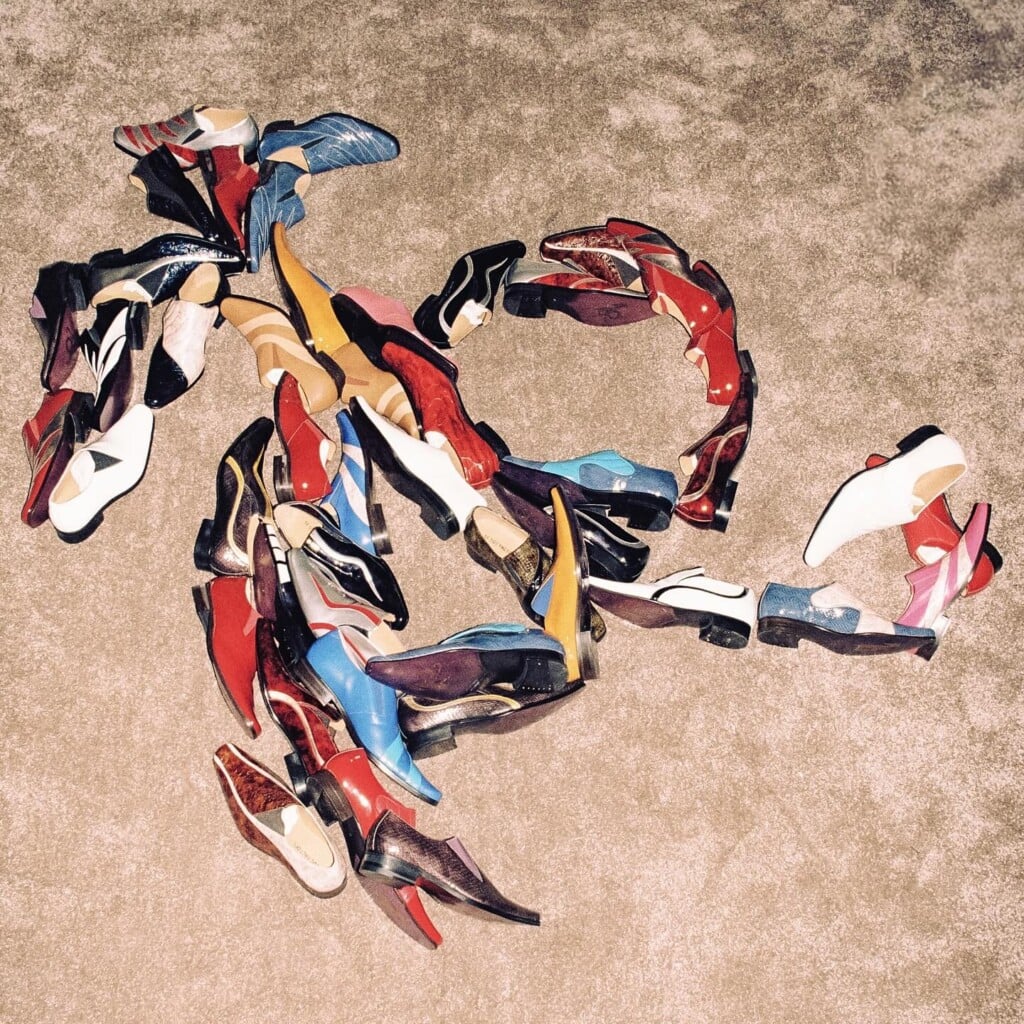
The brand’s imagery draws from a very precise pool of references, from the cult cinema of Brian De Palma (Phantom of the Paradise) and Alejandro Jodorowsky (The Holy Mountain), all the way to the iconography of pop’s great shapeshifters, Bowie, Prince, Michael Jackson, Björk, Elton John. That’s no surprise, since these are the same aesthetic coordinates that have defined Ralphie Choo’s live shows and cover art for years. “We wanted to create something that wasn’t just fashion, but a space for creative play and transgression,” the artist said at the launch, explaining that every shoe “tells a story” and speaks to the imagination of anyone who grew up captivated by the cinema, music, and iconography of other eras. Boltad, for his part, described the project as “the first step toward a universe where avant-garde and craftsmanship meet.”

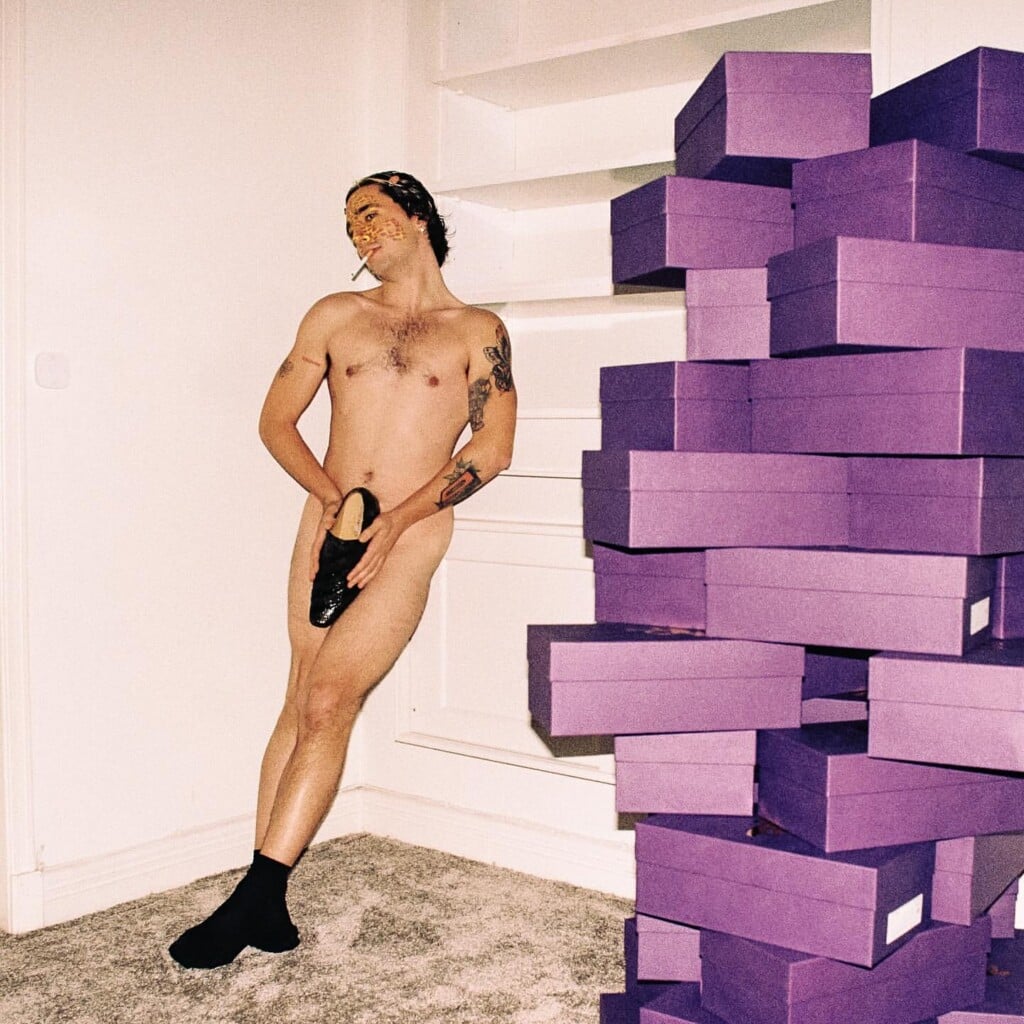
What stands out, beyond the product itself, is the communication machine built around the launch. The campaign was overseen by PAN Creative Studio (Madrid), which handled concept, production, talent casting, and styling: work designed to build a coherent imagery, not just aimed at selling product. The official images lean on a polished yet theatrical aesthetic, statuesque poses, lighting almost out of a 1970s photo studio, models chosen more for their stage presence than for the traditional fashion-campaign physique, in line with the idea of “total performance” the brand claims as an inheritance from Bowie and Prince. There are no sterile e-commerce still lifes, every shoe is photographed on a body that “performs” it and brings it to life, almost as if it were a stage costume rather than an item of clothing.


On the digital side, communication runs mainly through Instagram (@letoyfactory) and the official website, where the tone stays playful down to the smallest detail, the shopping cart is called “your toys”, consistent with the brand’s name and its stated philosophy of fashion as a space for play. The current catalogue includes the Cocteau, Baby Dream, Mong Tong, Pedro Navaja, and Rocco models, while a jewellery line (rings, pendants, earrings) has been announced as coming next, to be followed by a future chapter dedicated to clothing and further accessories.
Ultimately, Le Toy Factory isn’t asking you to wear a pair of shoes, but to inhabit an imagination, and it has already won its first bet: getting noticed without looking like anything else.