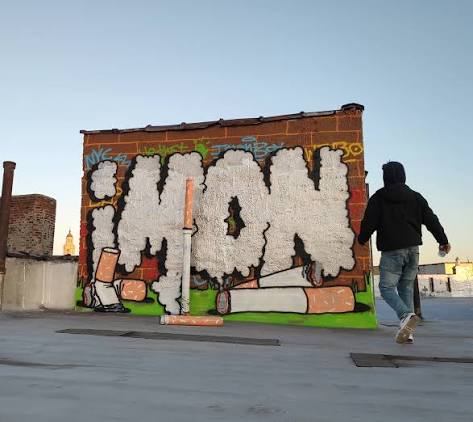
All cultural events outside Milan tend to be overshadowed, and few of them manage to emerge. However, defying this theory are “satellite” realities like Bergamo, Brescia, and Lodi, which in recent years have encouraged the proliferation of new and vibrant artistic scenes. 2023 is the year of Bergamo and Brescia as the Capitals of Culture, but this year Lodi also takes its space to emerge from the fog. Last weekend – from September 30th to October 1st – the city hosted Lodi Basèll, the first edition of a contemporary art exhibition curated by Platea Palazzo Galeano. The city-wide initiatives allowed both residents and non-residents to engage with a brutalist art scene closely connected to the territory, drawing inspiration from its rural landscapes, traditions, and often gray colors, much like its fog. The fog that envelops the plain is a central element of the performative saga we want to tell you about today. The title is “Borda,” and it refers to a legend from Lodi. Let’s explore more about what it entails.

What does Borda mean?
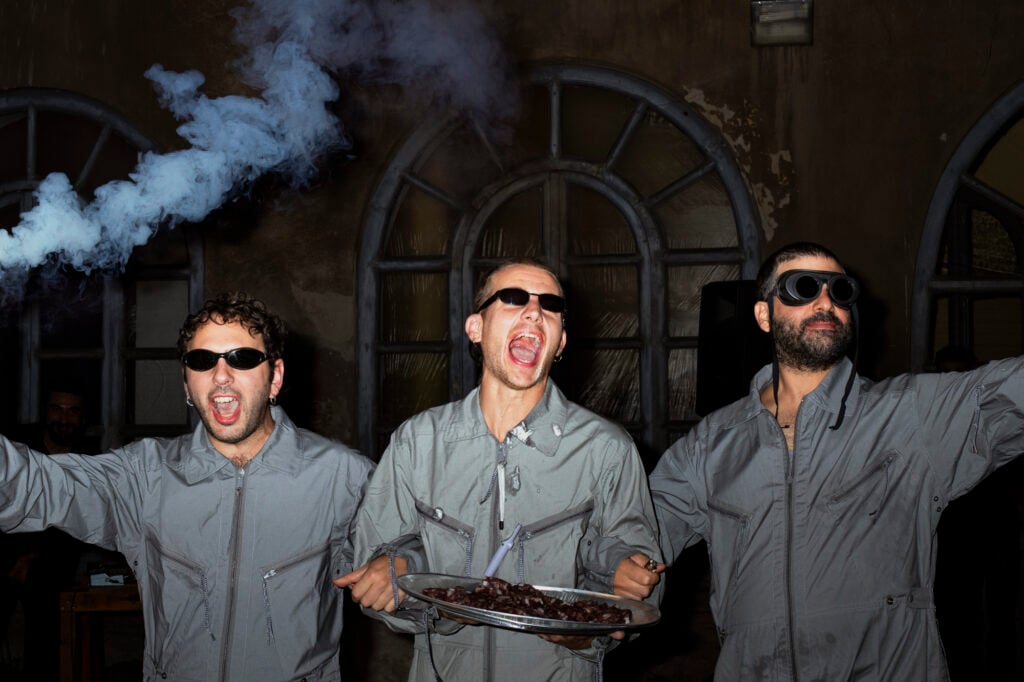
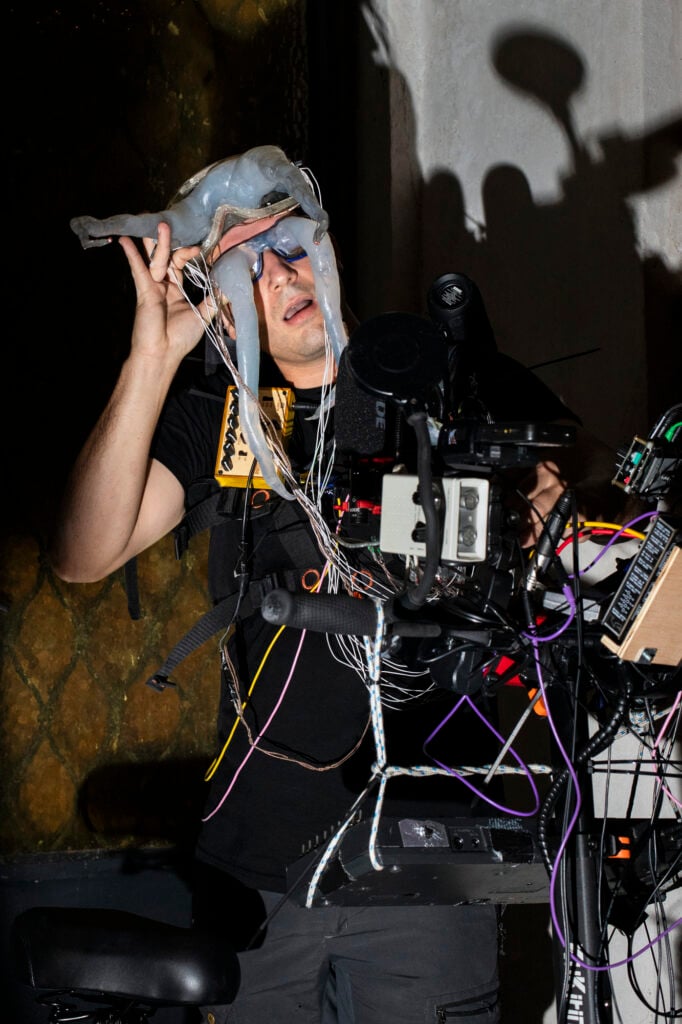
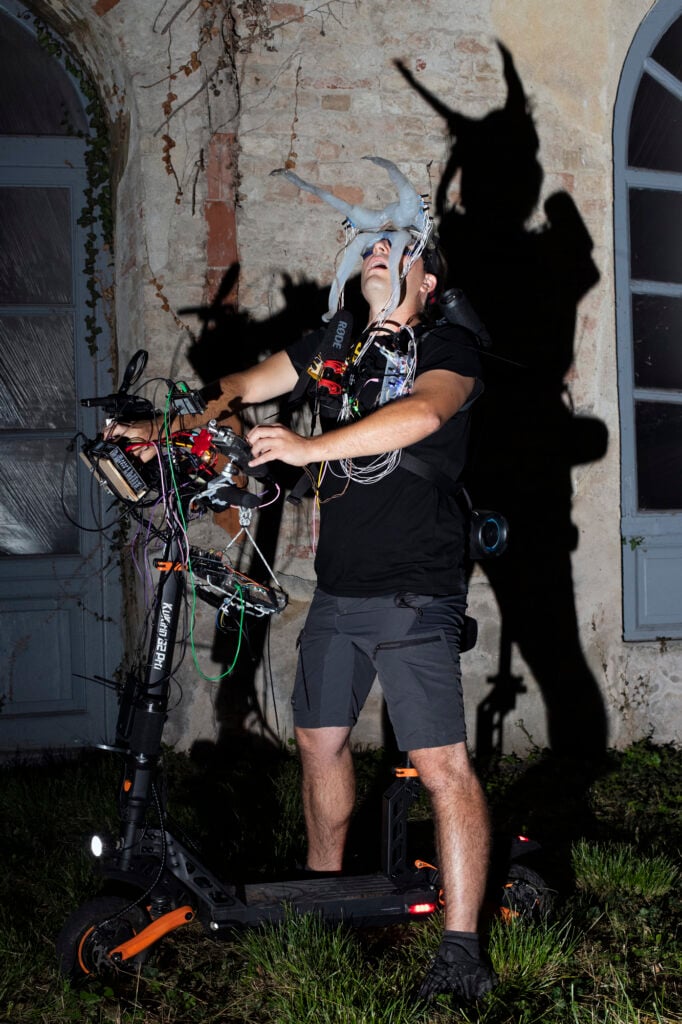
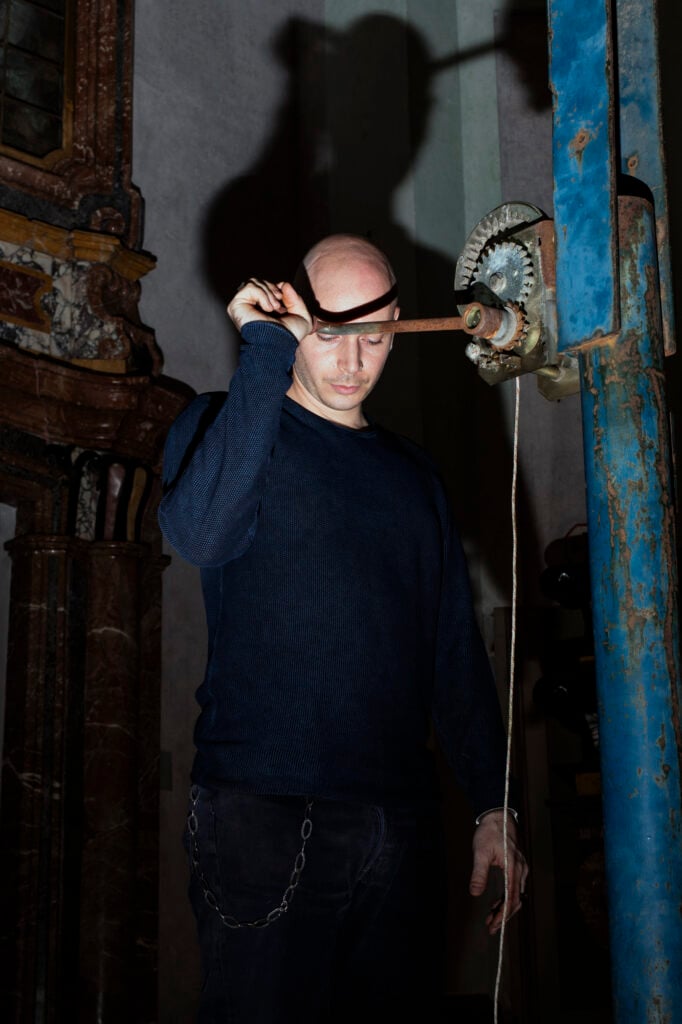
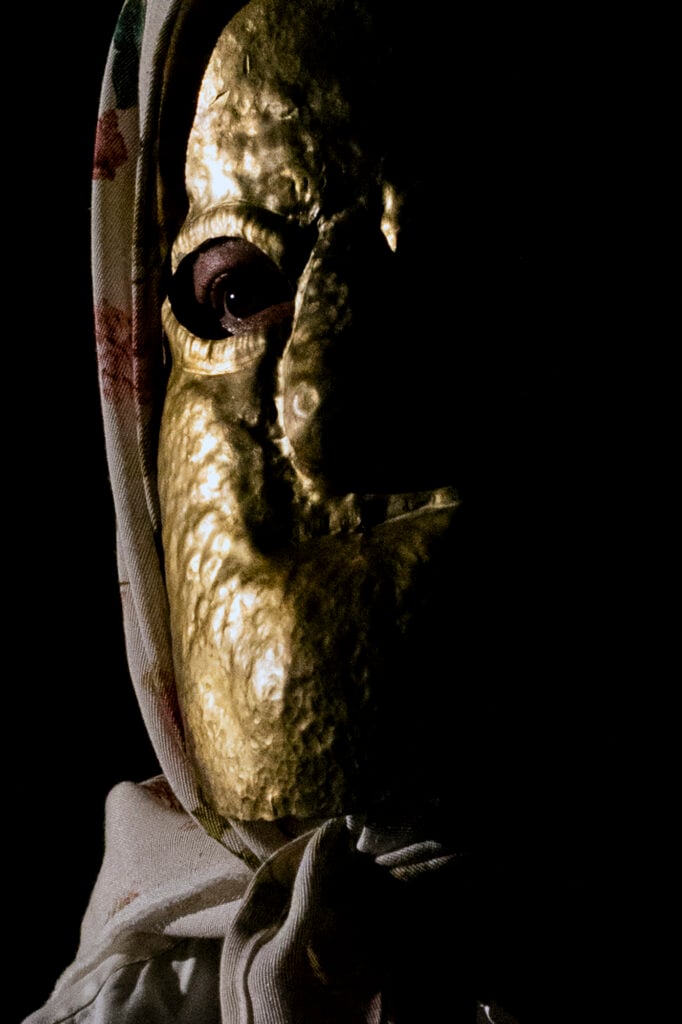
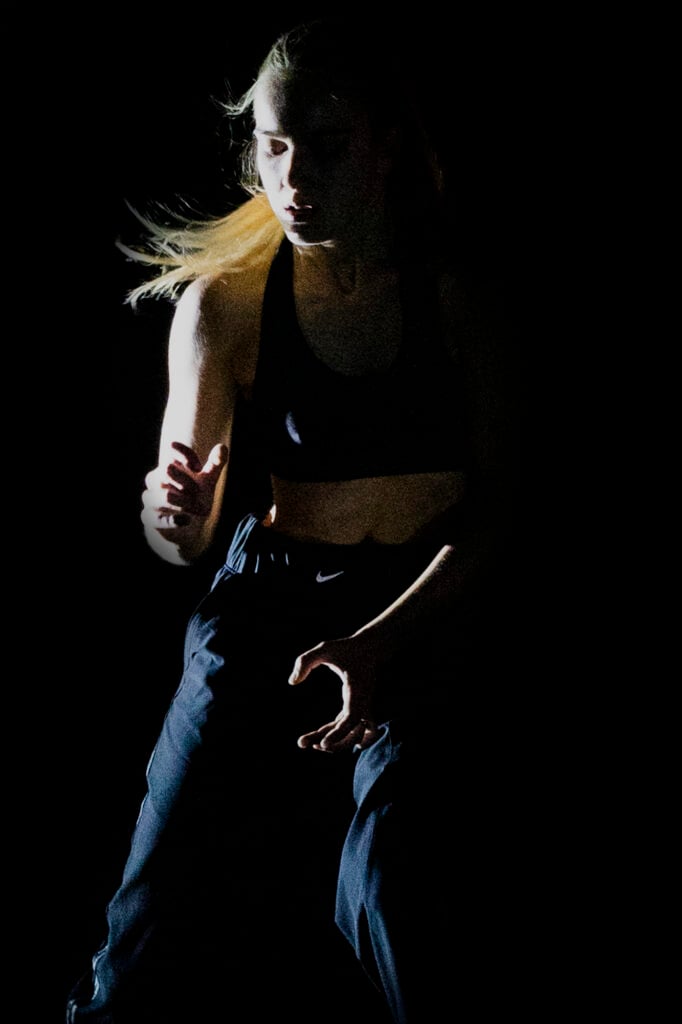
Borda for the people of Lodi is a legendary figure of the plains, often associated with scary stories told to children before bedtime. This figure, who can take the form of an old woman or sometimes a veiled youth, is often considered responsible for the disappearance of those who dare to venture into the fog. Starting from this idea of total bewilderment comes the idea of Roberto Alfano, Luca Boffi, Edoardo Caimi and Piergiorgio Caserini who, with the event Borda, bring together Lodi artists who draw from the territory, characterized by the presence of farmland and a dense atmosphere of particulate matter, thus creating a narrative that mixes ancient myths and surprising horizons. This event has been called a “performative saga,” and its intent is to narrate the land and its poetic representations through a continuous series of performances and installations that took place for two and a half hours inside the deconsecrated Church of Santa Chiara Nuova in Lodi.
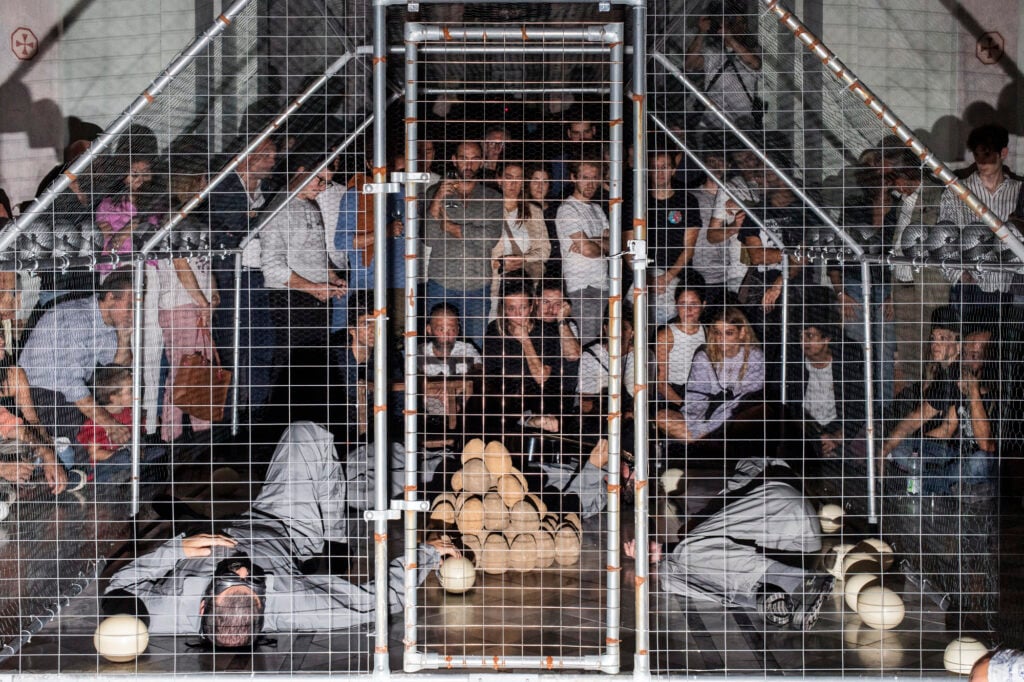
Borda responds to the urgency of narrating a territory and, with it, an artistic scene of national and international relevance that has formed there and drawn inspiration from these landscapes. Those from the fields of corn, disheveled by tractors and piled with manure; those from the long horizons beyond which the light bursts forth, and those from the endless turquoise monochromes that oversee these lands; those still from the floodplains submerged in floods and the rivers squeezed between poplar-lined embankments; those from the flies and mosquitoes buzzing around the hides of gentle cows and the pelts of clumsy nutrias; those then from the murky air, tired and weighed down by fine dust with a hint of asbestos, and those from the enveloping torpor of the dog days; and finally, those from the ruins of peasant civilization, remaining to contend for the landscape with automated sheds, trucks adorned with madonnas, and provincial crossbreeds.

The personification of fog and its identities
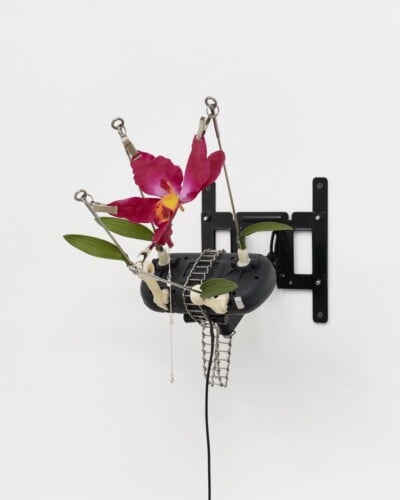
“The ‘Borda’ is the personification of the fog that arises from bedtime stories, childhood fears, and the concerns of adults. Our lady who accompanies disorientation, teaching those who suppose they can see through it the art of getting lost.” – With these words, one can better understand the atmosphere of the performative saga, consisting of a succession of narratives, or rather, that brings together the work of artists SAUZER, Riccardo La Foresta, Lorenzo Lunghi, Giada Vailati (Cult of Magic), Alberto Braida, DEM, and Marsala in a collective narrative.
The circular path inside the church reveals the dual nature of fog. On the one hand, it teaches us to doubt space and things, getting us accustomed to disorientation. On the other hand, “those who learn to surrender to the collapse of disorientation will know that in the fog, the joys of ignorance also lurk. The joy of never being certain of the advent of a good nothingness, and in that good nothingness that one never expects to find, the sweetness of disappearance, the farewell to the mourning of the visible. It is in fading away that we are accustomed, and what we learn is concealment and escape.” – as stated in the text by Piergiorgio Caserini.