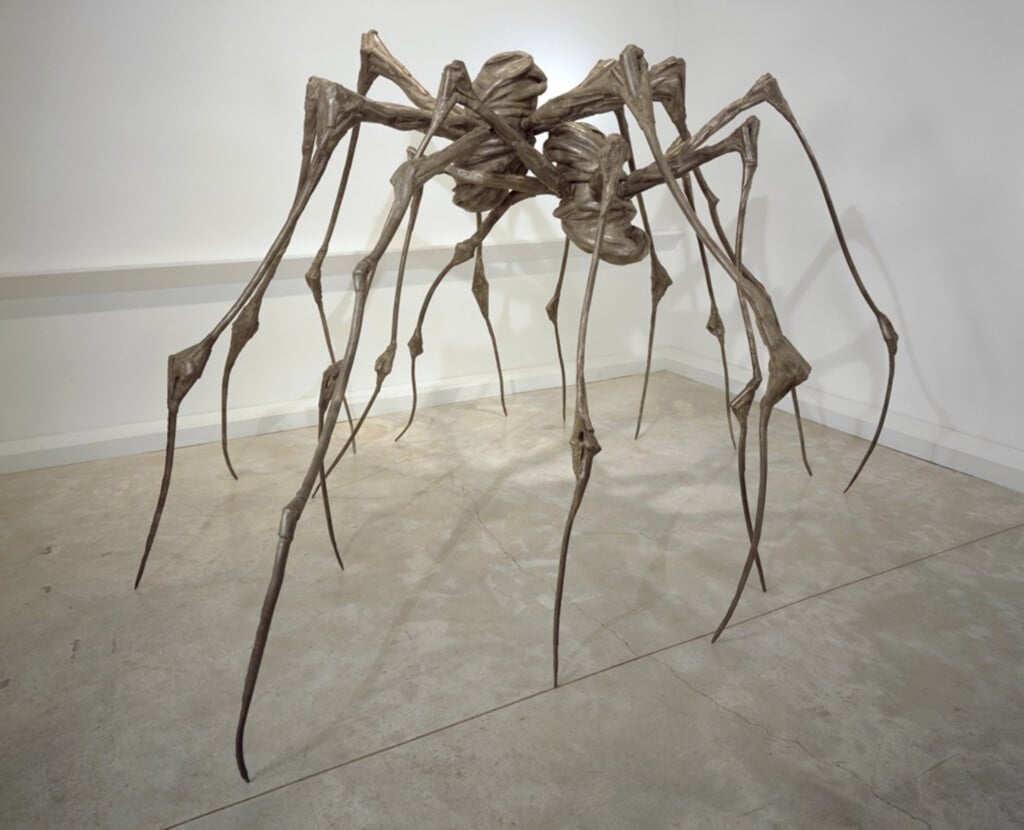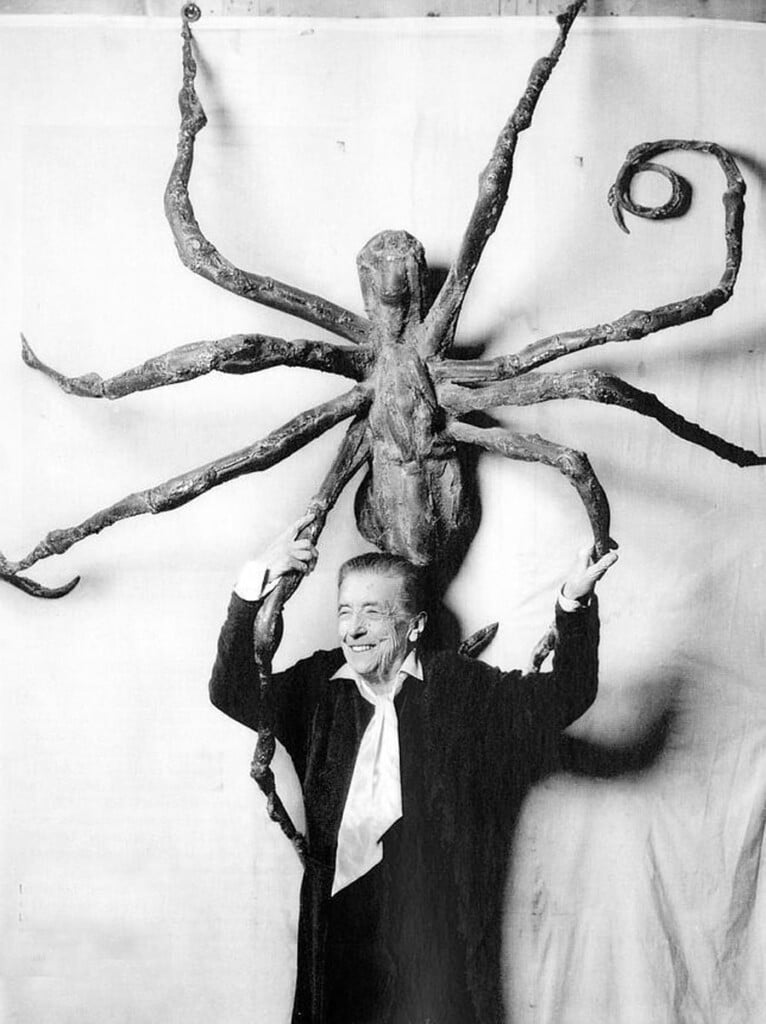
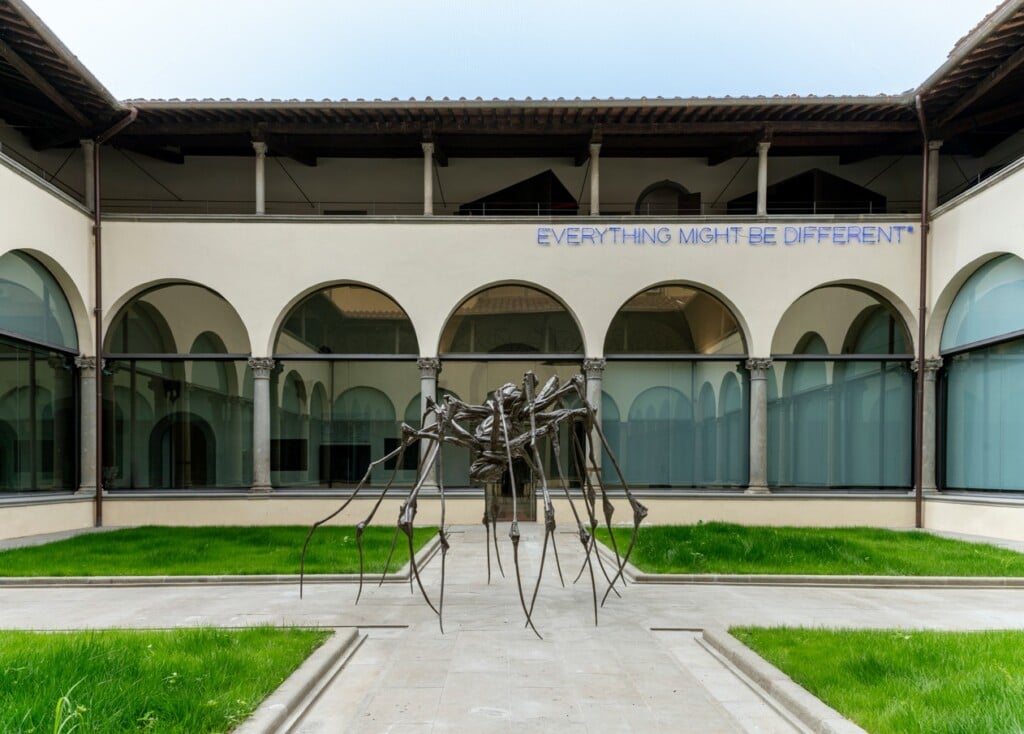
The title of the exhibition of Louise Bourgeois (1911-2010) at the Museo Novecento in Florence, Do Not Abandon Me, curated by Philip Larratt-Smith and Sergio Risaliti in collaboration with The Easton Foundation, sounds like a painful cry. A retrospective with almost one hundred works by the artist, who died fourteen years ago, whose perturbing poetics has always been characterised by the investigation of the mother-child relationship. Open until 20 October, the exhibition could not miss one of her famous Maman spiders, installed in the centre of the courtyard of the Ex Leopoldine building. The title makes immediate reference to the fear of abandonment that Bourgeois has always nurtured towards her mother, which then became the model for all her future relationships. Loneliness, fear, anger and jealousy constitute the emotional texture that returns in all her works, from sculptures to drawings on paper.
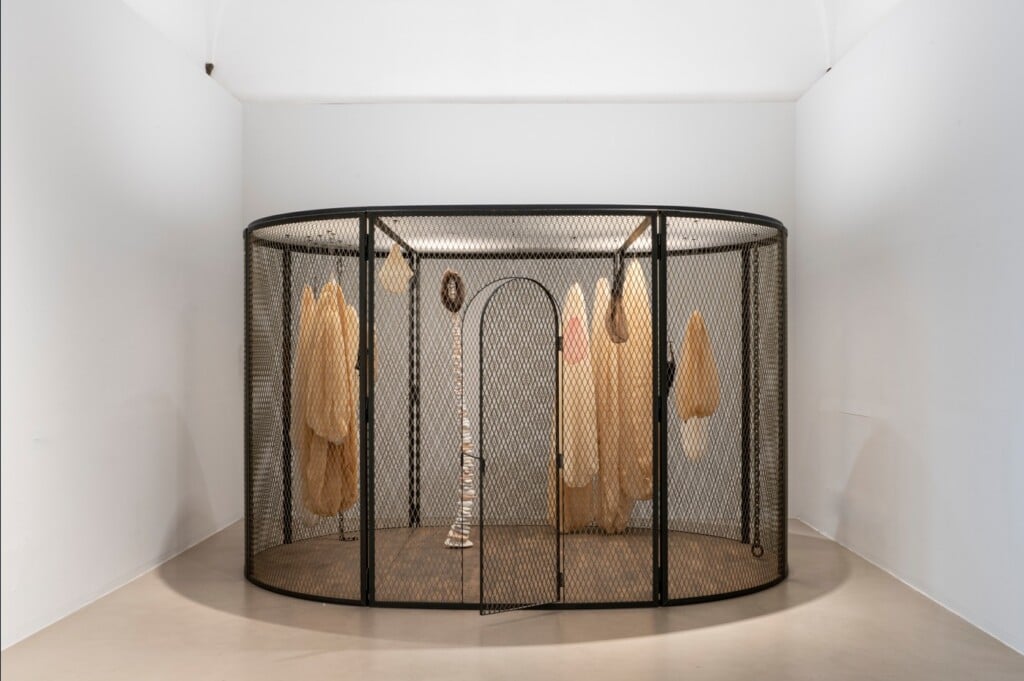
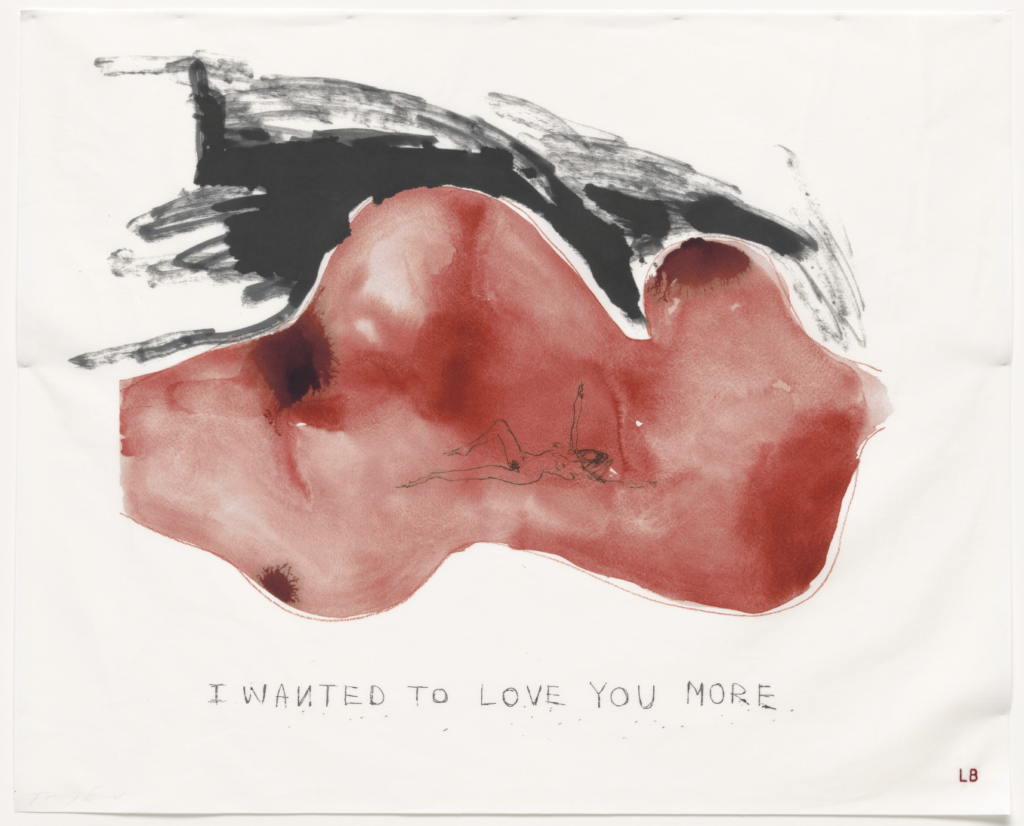
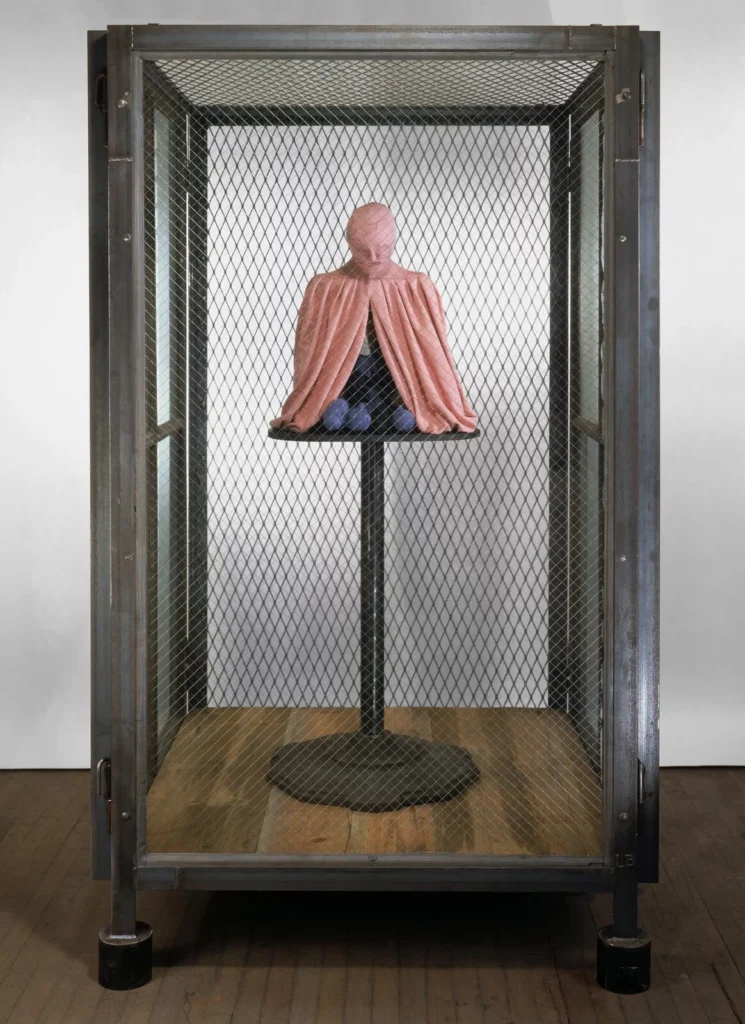
This is where the Istituto degli Innocenti in Florence comes into play, hosting the second part of the exhibition, creating a strong link between Bourgeois’ research and the place. Founded in the 15th century as a hospital to house children without family care, the building houses the work Cell XVIII (Portrait), one of her famouss cells that here encloses the reinterpreted figure of the Madonna of Mercy – reconnecting precisely with the stories of children and mothers that echo in the institute. But that’s not all, the Museo Novecento exhibits the series that gives the exhibition its name, Do Not Abandon Me (2009-10), a series of sixteen digital prints on fabric made in collaboration with the British artist Tracey Emin.
The destruction of the Father
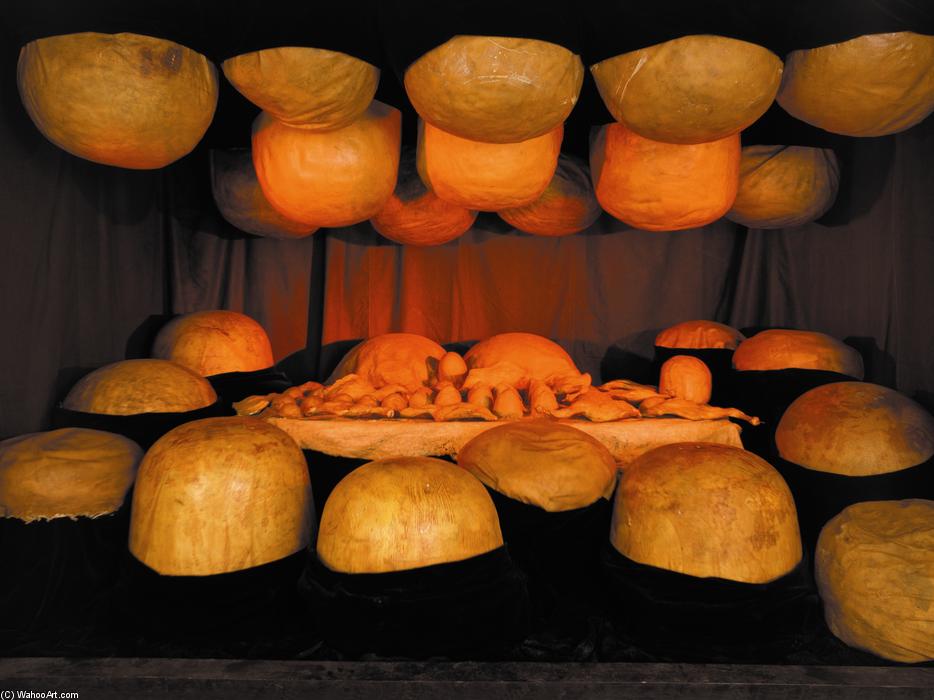
An important figure of the 20th century and the first woman to have an exhibition at the MoMA in New York, Louise Bourgeois was able to transform all her suffering into art. Thus drawing on childhood traumas to exorcise them through her works. Her childhood was in fact marked by a series of painful events, such as her father’s injury in the war and his betrayals of her mother. Her anger towards the father figure was such that in 1974 he created the work The Destruction of the Father. A sculpture made of pieces of butchered meat dipped in plaster, representing the desire for revenge against her father for all the pain inflicted on his wife.
Maman
Instead, it is the bond with her mother that is so strong that she dedicated – from 1999 onwards – a series of sculptures to her in the shape of a spider because, as the artist has stated: «Like a spider, my mother was a weaver. […] Like spiders, my mother was very intelligent. Spiders are friendly presences that eat mosquitoes. We know that mosquitoes spread diseases and are therefore undesirable. So, spiders are useful and protective, just like my mother.»
In short, Louise Bourgeois’ artistic legacy is powerful, characterised by a profound reflection on the human condition, expressed through a series of works that mix autobiography and universal symbolism.