Joy and tears beneath the red lights of Falkland Road
Collater.al Contributors
Reality is always extraordinary
This is the most famous quote attributed to Mary Ellen Mark, a American photographer who devoted her life to capturing reality and people on the margins—individuals who, despite their fragilities (or perhaps precisely because of them), deserve to be told with dignity and empathy. Not surprisingly, one of her best-known series tackles a subject already explored by many masters of social documentary photography: prostitution.
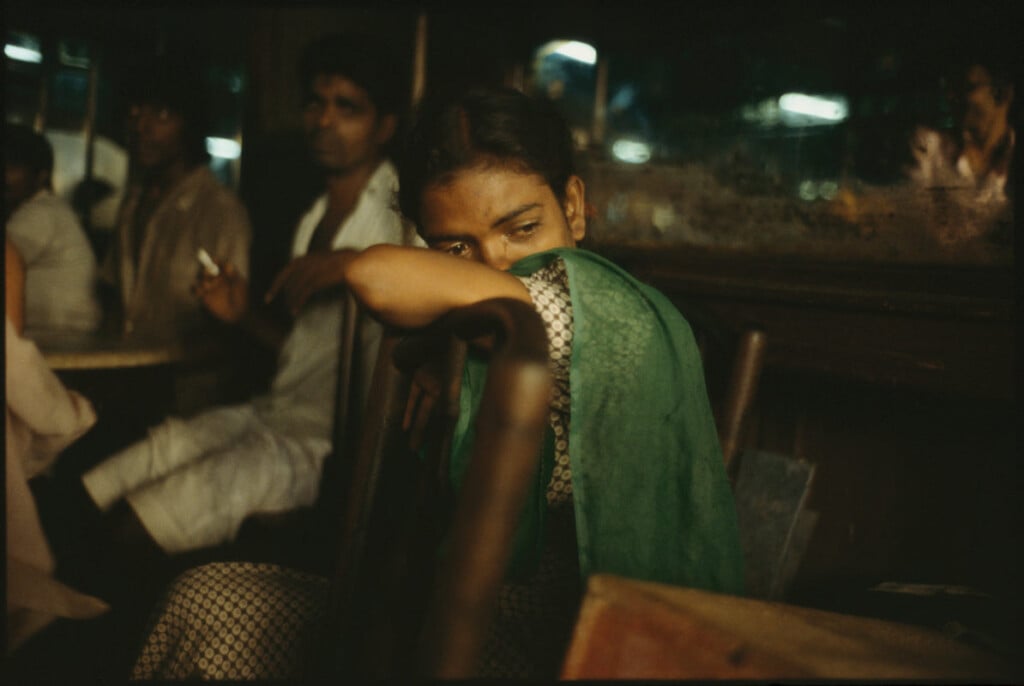
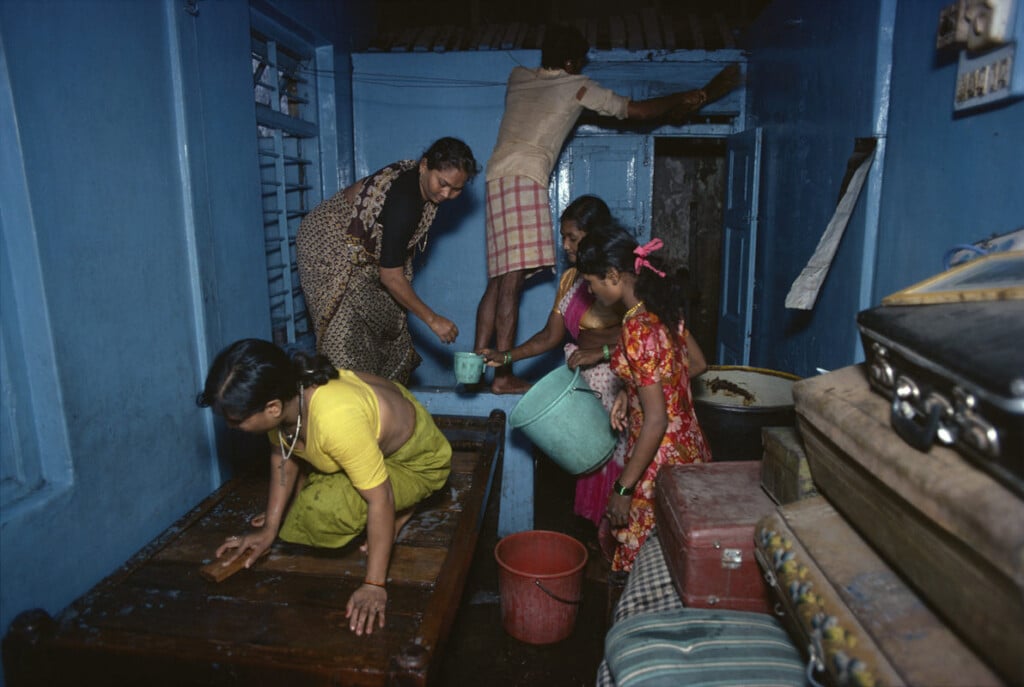
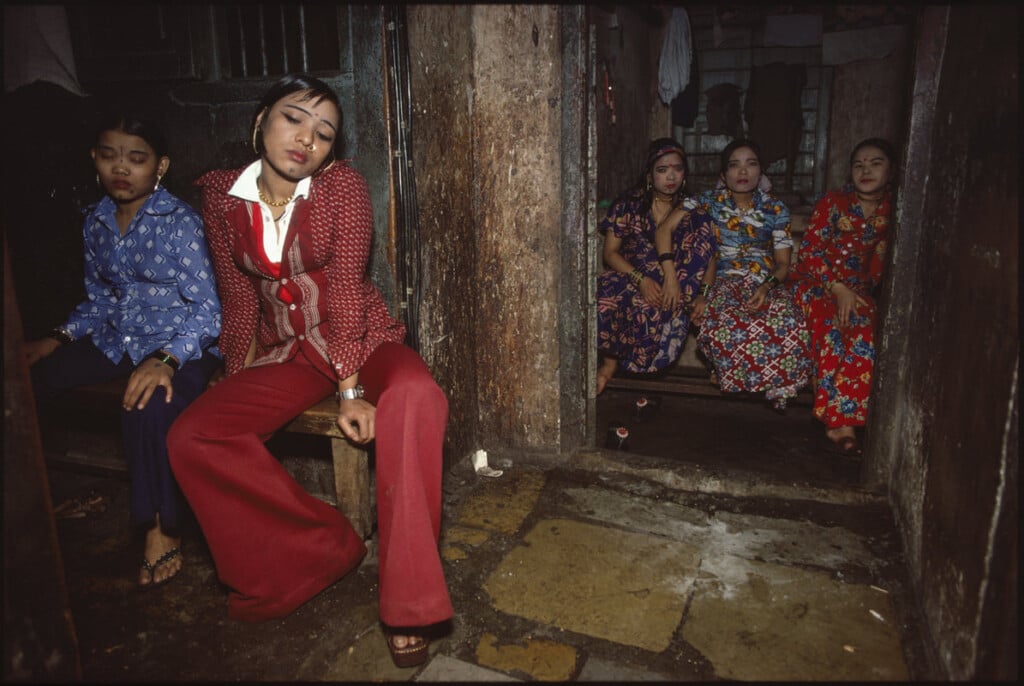
In 1968, Mary Ellen Mark entered Falkland Road for the first time—one of Mumbai’s best-known streets in India. It is a chaotic red-light district, marked by a dense network of brothels and a pervasive atmosphere of crime, frequented mainly by the lower social classes and, for that very reason, far from tourist routes. In the old, crumbling two-story buildings lining the street, women and girls between the ages of 11 and 65 live and work, exposed to the gaze of clients of every age.
Ten years later, in 1978, the photographer returned to Falkland Road for an assignment commissioned by a magazine and discovered a new dimension of the neighborhood. She first befriended the street prostitutes—more independent and less shy than the girls who worked inside the brothels, the so-called cage girls, who were under the control of their madams. Through the relationship she built with Saroja, a woman who ran one of the area’s brothels, Mark gained access to the interior spaces of this closed, difficult world.
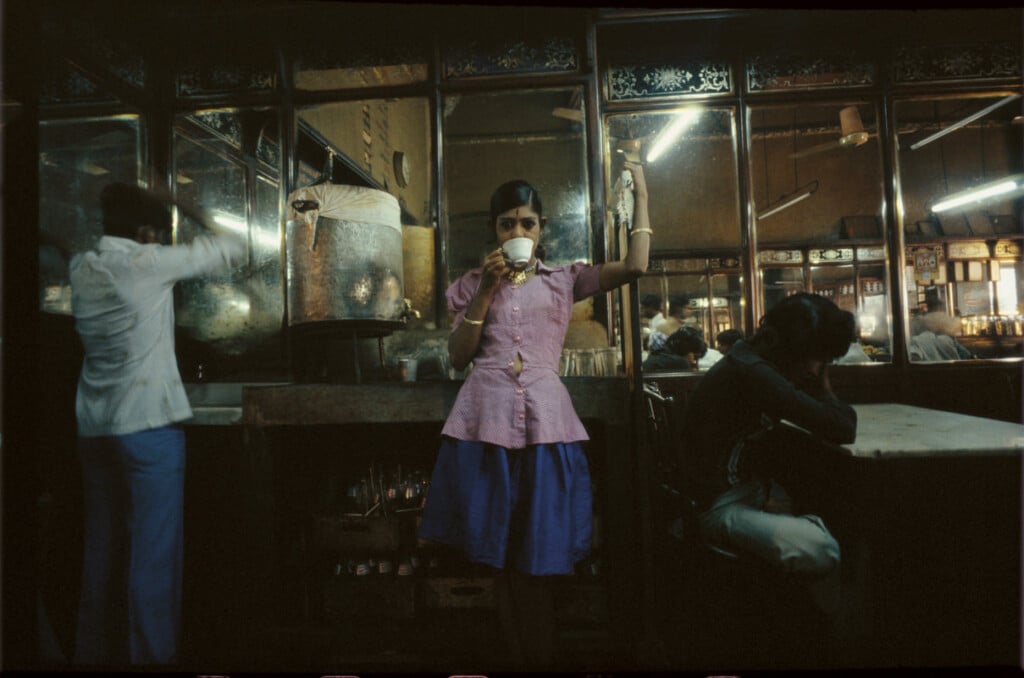
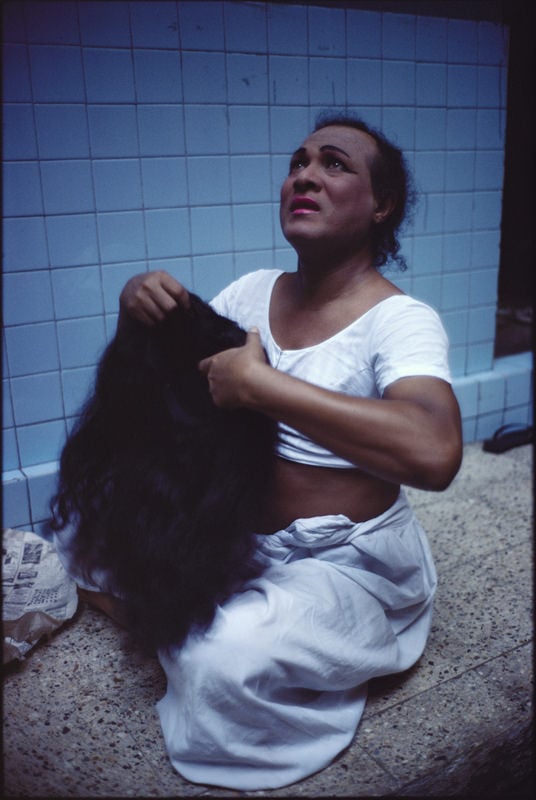
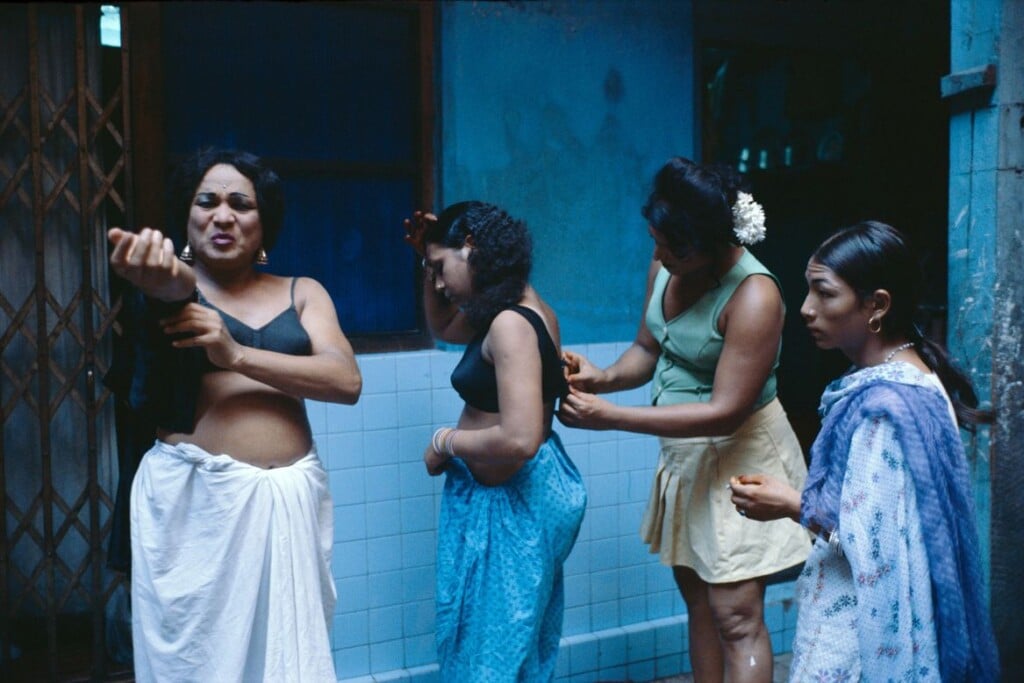
For two months, she lived in the Falkland Road district in close contact with women, girls, and transvestites, listening to their stories, dreams, and desires. She shared moments of everyday life with them, like afternoons spent over hot tea at Café Olympia, a local gathering spot—forming some of the most authentic relationships of her life, as she herself recounted.
Initial suspicions gradually softened thanks to the time spent together and the photographer’s attentive, respectful gaze—a woman on her own, accompanied only by her camera. The girls of Falkland Road were women on their own, forced to survive in precarious conditions, able to rely only on their own strength or the small circle around them.
In the volume Falkland Road: Prostitutes of Bombay, published in 1981, Mary Ellen Mark summed up her experience like this, offering a key to her profoundly human approach to photography: “I think the reason I was finally accepted was because I was alone, like them. We are sisters,” one woman told me. “We are both alone every night. I say my prayers and I sleep alone.”
This article was produced in collaboration with Luigi Falanga and Gaia Forlin aka @super8otto.