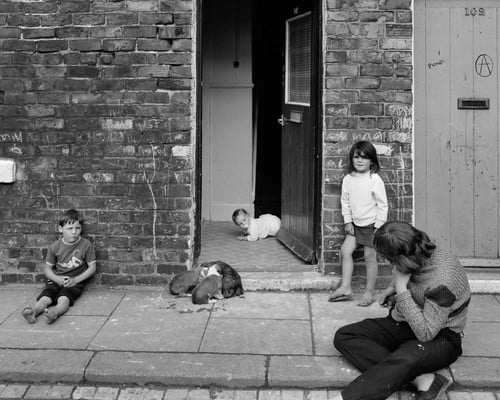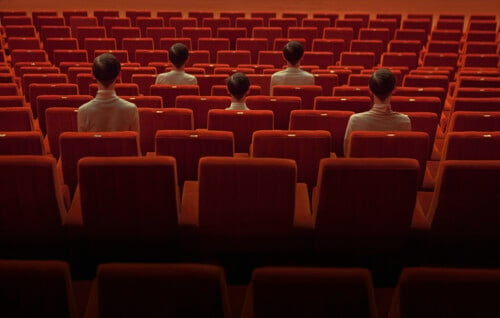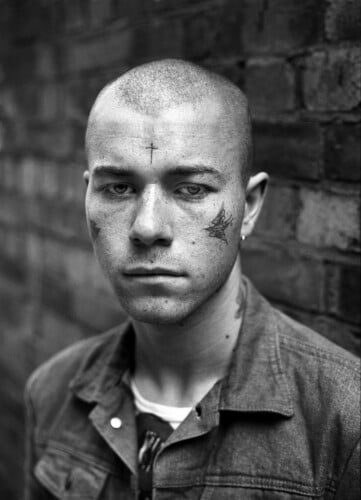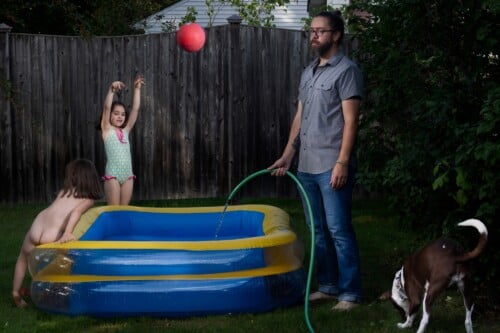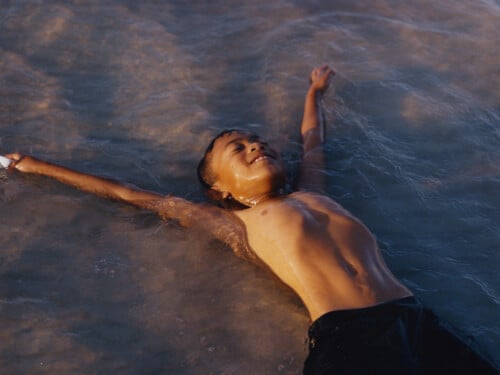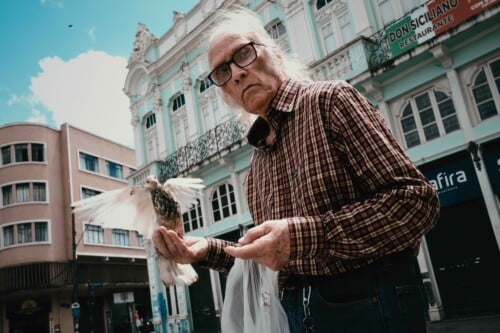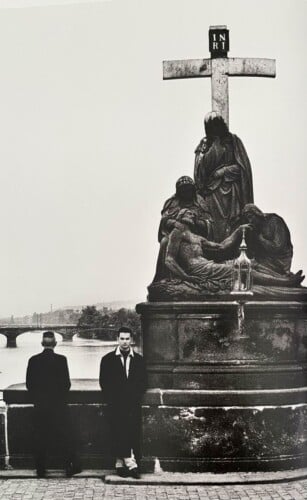
There was a moment, during the summer of 2020, when even the most alive city in the world stopped breathing. Sirens replaced traffic, and the streets of New York became silent canyons. It was in this void that photographer Mathias Wasik decided to take his camera—not a digital one, but an analog medium format—and head out to document what was left. That’s how Lost Summer was born.


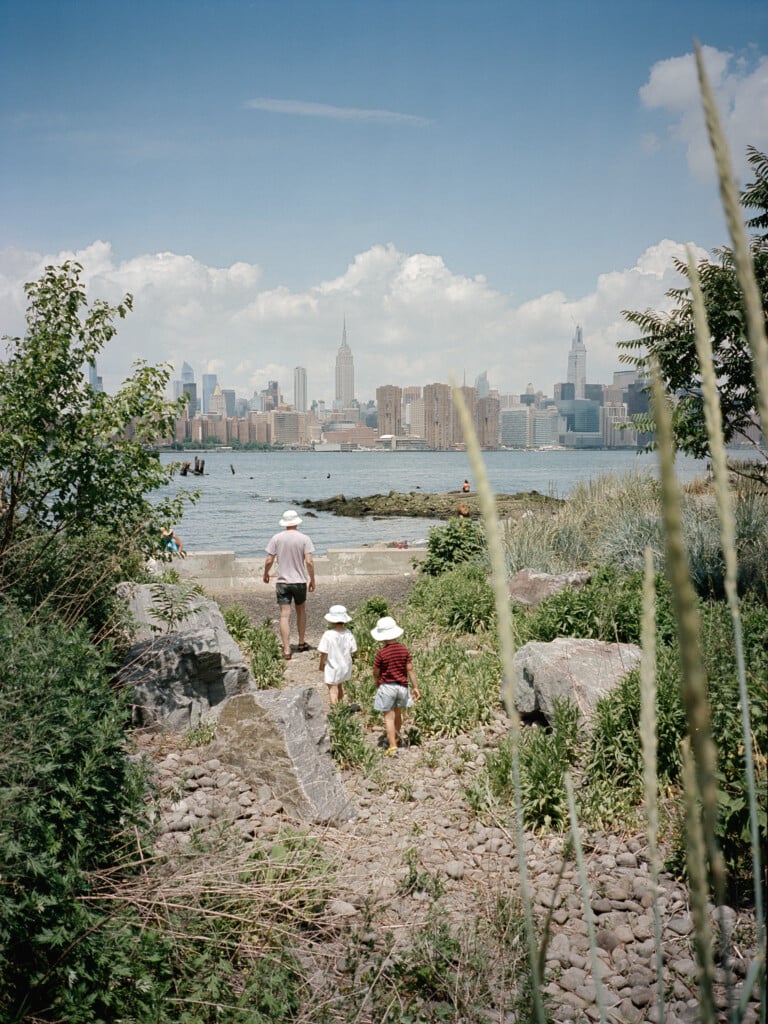
The result is Lost Summer, an intimate and melancholic series that portrays Williamsburg, Brooklyn, during the most surreal months of the pandemic. Far from the hectic rhythms that had defined the city since his arrival from Berlin in 2015, Wasik found himself drawn to new details: fragments of nature along the East River, sunsets bursting behind the Manhattan skyline, children playing at a safe distance, adults quietly observing one another, searching for normality.
«Everything came to a halt. And yet, there was still beauty, there was still hope» reads the statement accompanying the project.


In Lost Summer, Wasik doesn’t only photograph what’s visible, but seeks what was absent. The missed parties, the distant bodies, the half-spoken conversations, the avoided touches. But also what remained: the ritual of a walk, the sound of happy voices in a park, the reflection of light on the water. It’s a reflection on what was taken from us, and at the same time, a love letter to what keeps us going even when everything seems to fall apart.


Mathias Wasik is a German photographer based in the United States, known for his ability to capture the complexity of urban life through a mix of irony, empathy, and a documentary eye. His images have been published by outlets such as The New York Times, The Guardian, BBC, and NPR, and he has worked with clients including Intel, Interbrand, and non-profits like Amnesty International.
With Lost Summer, his photography becomes almost therapeutic: a way to heal, to remember, and perhaps, to start over.