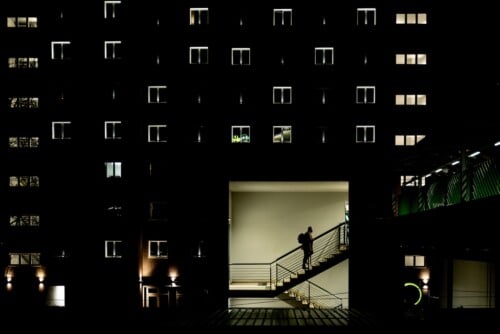
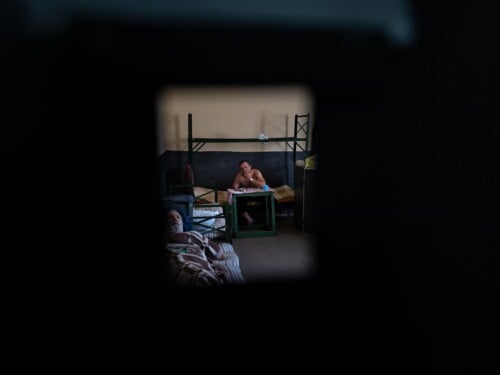
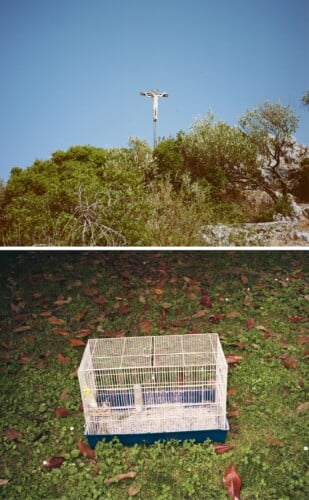
With the project Sementeryo, photographer Melissa Peritore takes us inside a reality that defies all imagination: the communities that live in Manila’s cemeteries. The North Cemetery, one of the largest in the Philippine capital, holds over a million deceased, but also around six thousand living. Families who, driven by poverty and a lack of alternatives, have chosen to live among the tombs, transforming the consecrated space into a pulsing village.

In her images, what might seem like a place of desolation becomes surprisingly welcoming. Residents have created well-tended gardens, small businesses, recreational areas, and solid social networks. A resilient microcosm that upends conventions and redefines the very concept of a cemetery.


Sementeryo explores the coexistence between memory and the present, between mourning and survival. The photographs don’t just show precariousness; they tell of the ability to adapt, resist, and reinvent everyday life even in the most unthinkable places. It’s the paradox of a community that flourishes in the shadow of death, revealing the strength of human ingenuity.

Despite repeated attempts by the authorities to clear these families out, many return, drawn by the stability that cemeteries offer compared to urban shantytowns. Many residents find work directly inside, as caretakers or gravediggers, fueling an informal economy made up of kiosks and small shops. Life among the graves proves dense, complex, and surprisingly vital.

With Sementeryo, Melissa Peritore shows us a fragile yet powerful balance, in which the space of memory becomes a place of active, supportive life. A narrative that weaves together stories of resistance and community, where the boundaries between life and death blur and where existence is reinvented every day.

The photographs by Malissa Peritore are on display at the Fotografia Calabria Festival through October 12.