9 Directors Who Are (Also) Photographers
The seventh art encounters photography. As explored in Off Screen – the monthly deep-dive where we spotlight filmmakers with other artistic passions – great directors like Lynch, Del Toro, and Greenaway are 360-degree artists. But today we won’t focus on just one name: we will explore nine filmmakers united by a thread that precedes, accompanies, and often transcends their cinema. Their passion for photography.
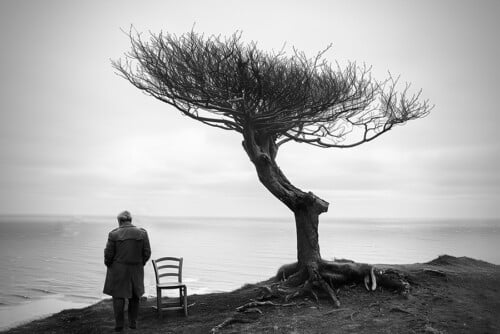
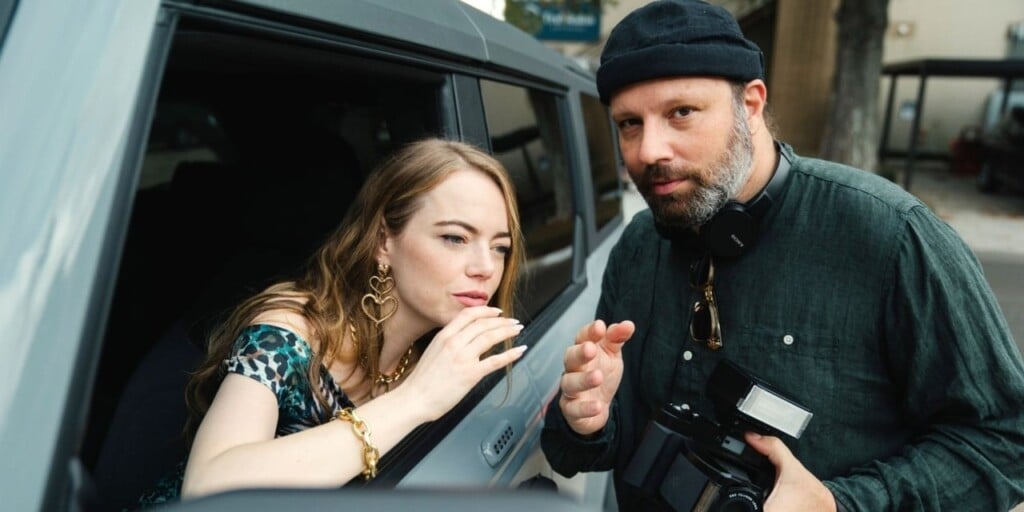
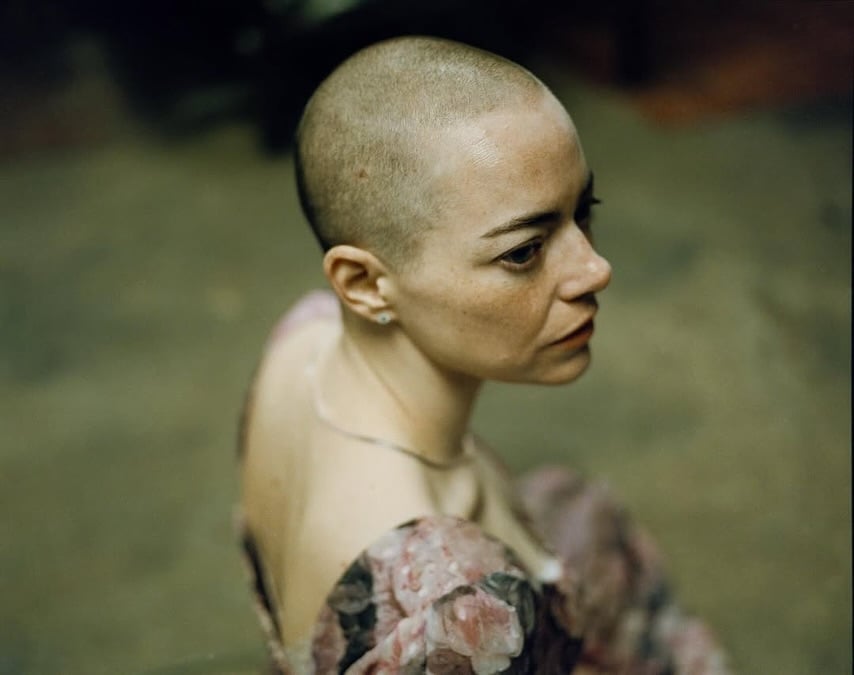
In recent weeks, following the release of Bugonia, photographs taken behind the scenes by Yorgos Lanthimos have circulated widely. These aren’t simple backstage images: they are extensions of his imaginary world, slightly unsettling scenes infused with an almost electric tension, where bodies emerge powerfully yet remain ghostly. On his website you can browse several series, evidence of a photographic practice parallel to filmmaking that the Greek director has developed intensely, to the point of building a professional darkroom in his Athens studio.
But let’s proceed in order. Here begins our journey through nine directors who turned photography not merely into a preparatory tool but a fully autonomous art form.
Stanley Kubrick: the photographer who became a legend
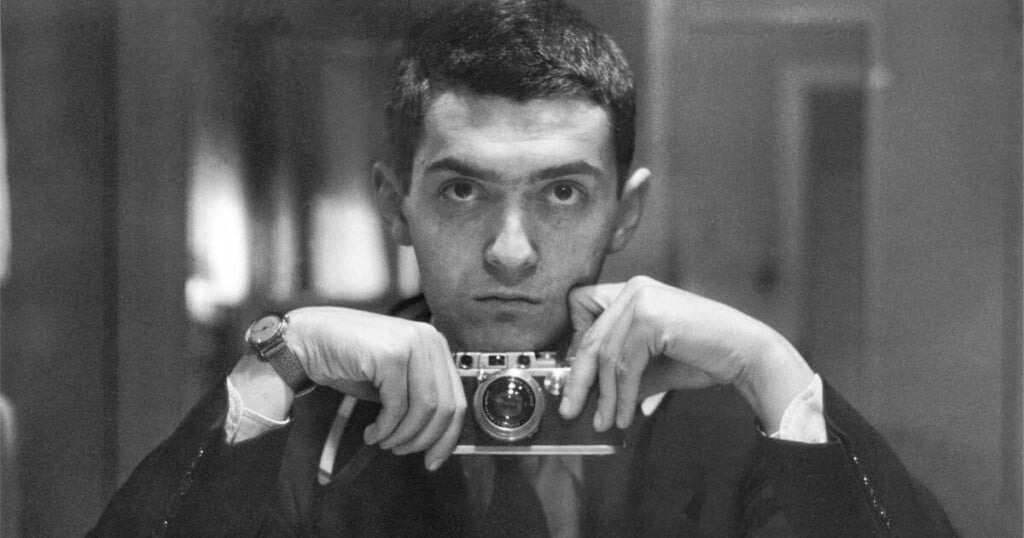
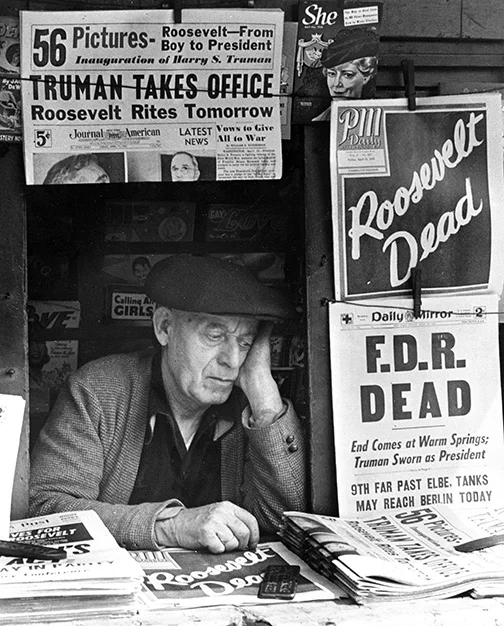
Before 2001: A Space Odyssey, before A Clockwork Orange, before The Shining, there was a seventeen-year-old Bronx kid with a Graflex in hand. Stanley Kubrick began as a photographer for Look Magazine in 1945, becoming the youngest photojournalist ever hired by the publication. His first published photograph showed a newsvendor mourning President Roosevelt’s death, immediately catching the attention of editors.
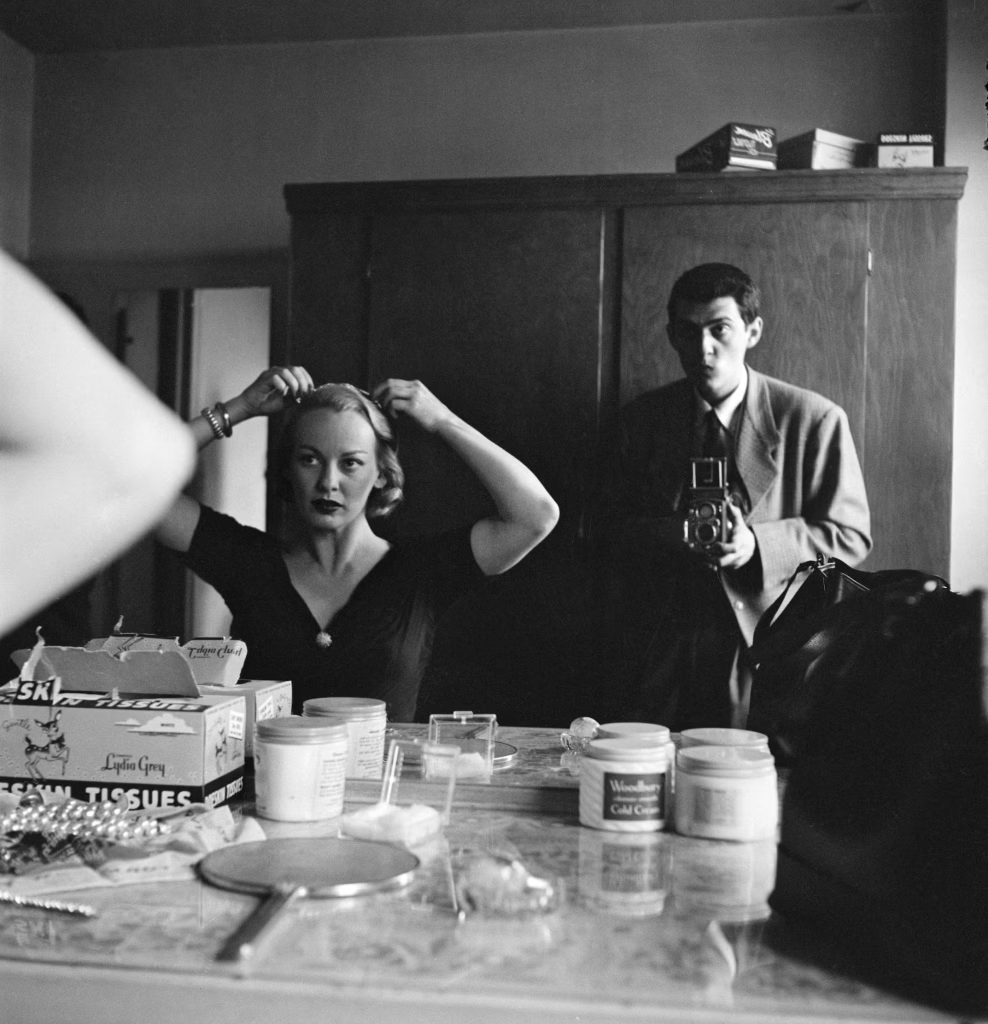
Between 1945 and 1950, Kubrick shot about 15,000 photographs for Look, documenting everyday postwar America: dentists’ offices, boxers before matches, rising celebrities, and anonymous New York subway passengers. This formative experience taught him composition, natural light, and above all an obsessive attention to detail — traits that would define his cinema.
The transition from photography to filmmaking came naturally: in 1950 he created the short Day of the Fight, based on a photo story he had shot for Look about boxer Walter Cartier. From there began a legendary film career, though the photographer’s eye never left him. Every frame of his films is crafted with the precision of an art photograph.
Anton Corbijn: the rock iconographer
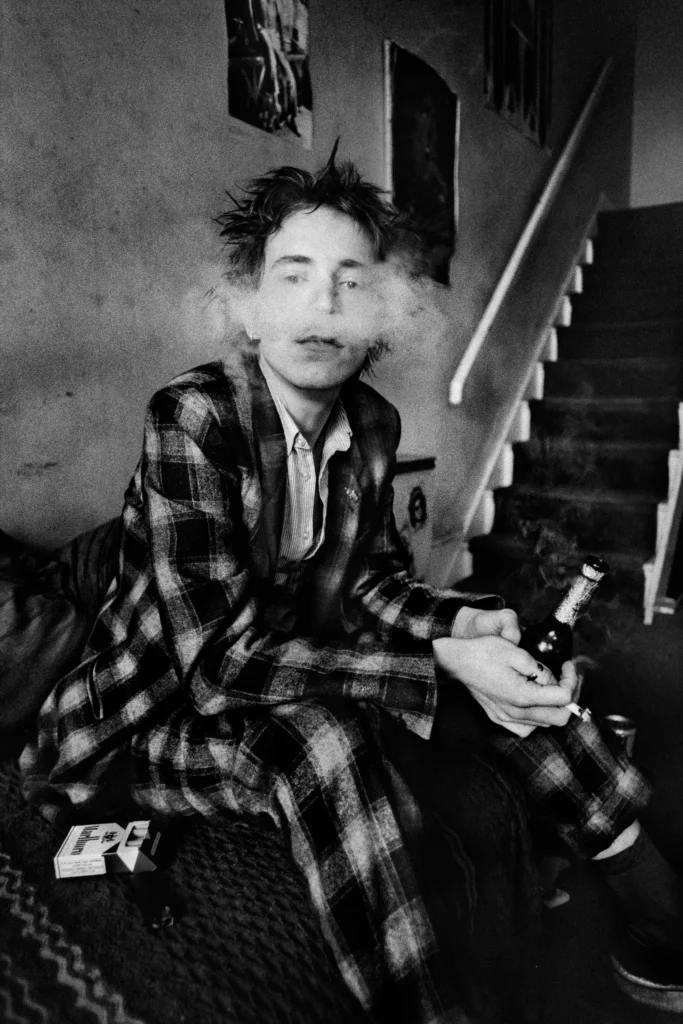
If there is one photographer who shaped the visual identity of rock music from the 1980s onward, it is Anton Corbijn. Born in the Netherlands in 1955, he started taking photos at 17 during a Solution concert. Those early shots were published in Muziek Parade, launching an extraordinary career.
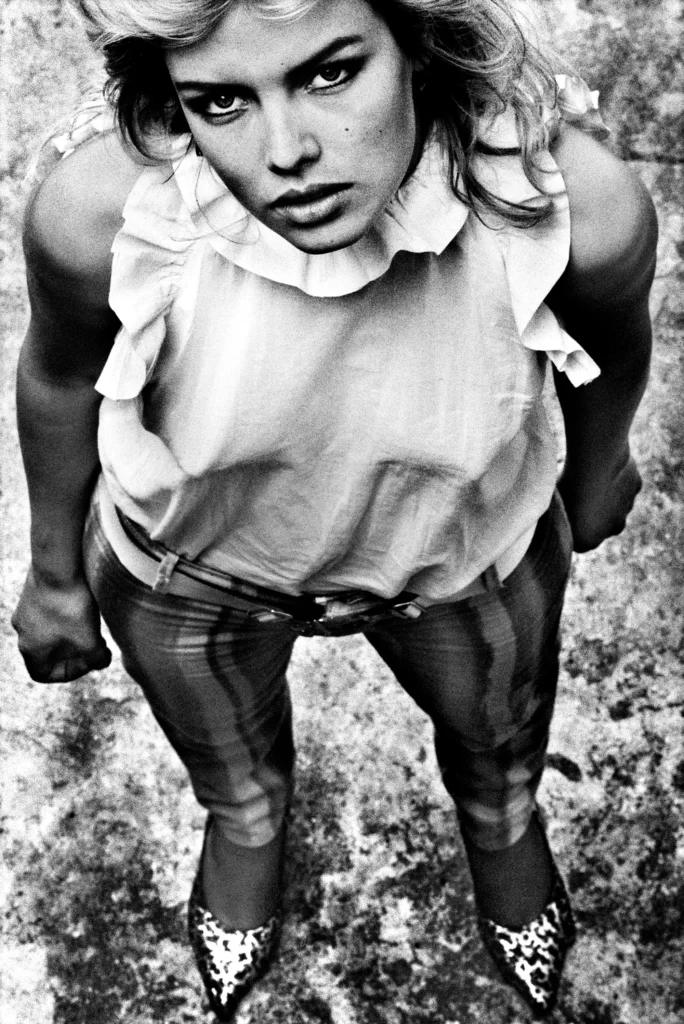
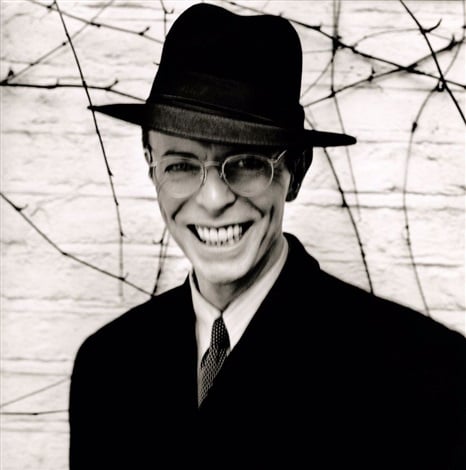
In 1979 he moved to London and began working with New Musical Express and The Face, photographing Joy Division, U2, Depeche Mode, Nirvana, Nick Cave, and Tom Waits. His style — high-contrast black and white, strong grain, essential compositions — became iconic. Corbijn didn’t just photograph musicians: he shaped their image, creating the visual identity that fans still associate with them today.
His move to cinema began in 1983 with music videos (over 80 to date), leading to his debut film Control (2007), a biopic about Joy Division’s Ian Curtis. Shot in black and white, the film translates his photographic sensibility to the screen: careful framing, soft natural light, and a poetic embrace of imperfection.
Wim Wenders: Polaroids of suspended time
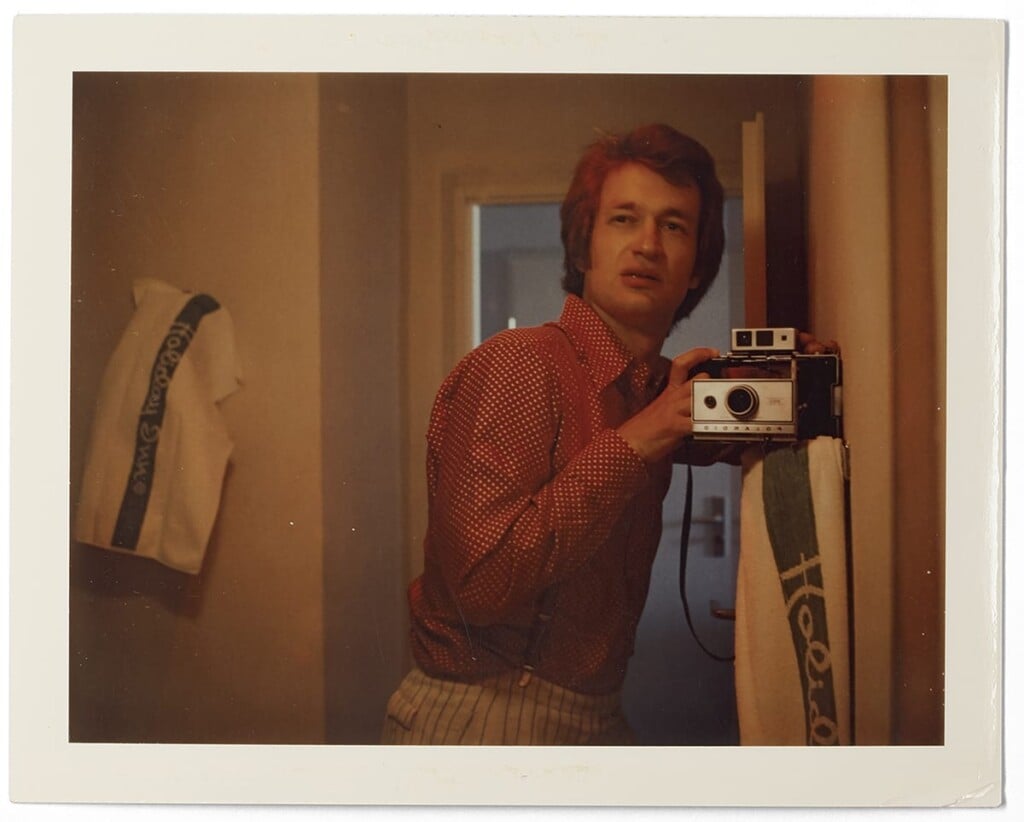
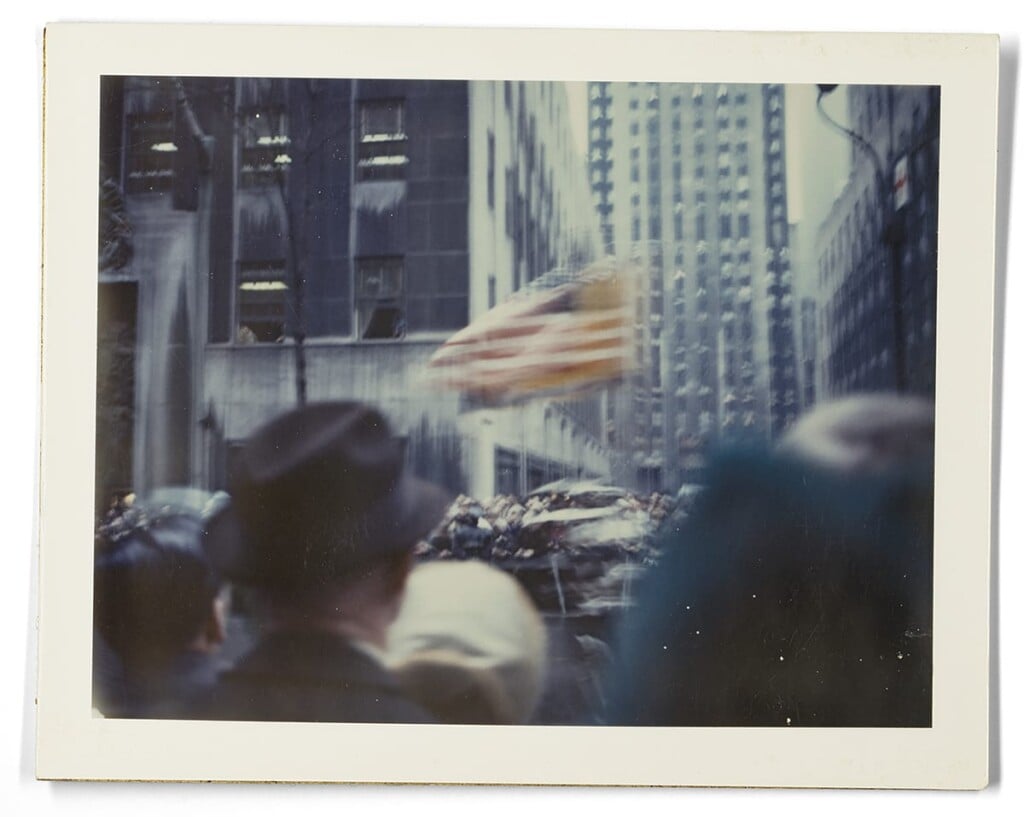
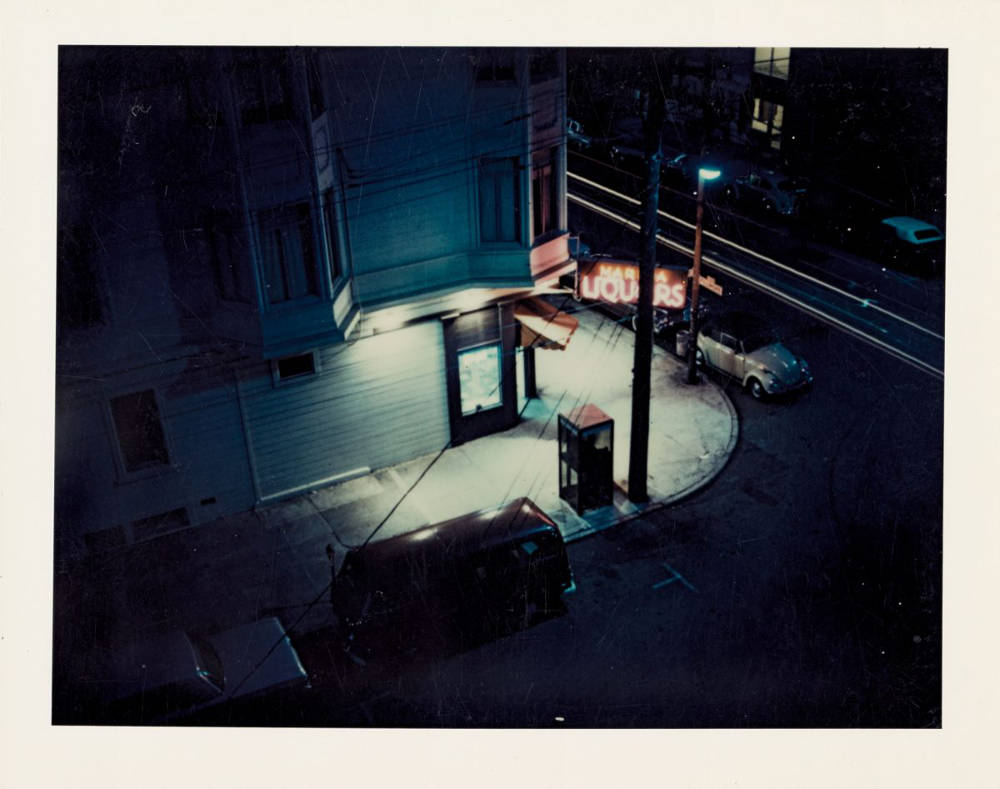
Wim Wenders, a key figure in New German Cinema and director of films like Paris, Texas and Wings of Desire, has an intimate, almost obsessive relationship with photography. Between the 1970s and 1980s he shot more than 12,000 Polaroids, using them as visual notebooks during travels and film shoots.
For Wenders, Polaroids were a way to understand places before filming them, capture fleeting moments, and test compositions. But they were also unique objects — time capsules containing past, present, and future all at once. In 2017 these images were exhibited at London’s Photographers’ Gallery in the show Instant Stories, revealing the more personal side of the director.
“The meaning of the image hasn’t only changed,” Wenders said. “The act of looking no longer carries the same meaning. To me, images always had a sacred quality because they were unique objects. That notion has vanished.” His work is a resistance against the digital age, an homage to the materiality of the image.
Agnès Varda: the (photographer) grandmother of the Nouvelle Vague
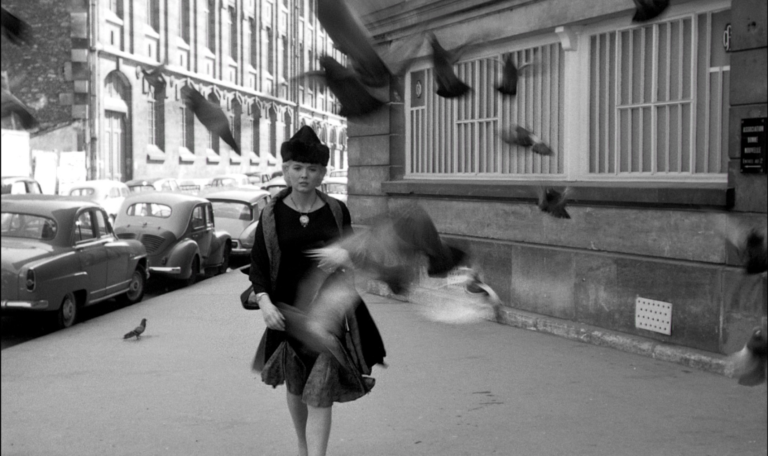
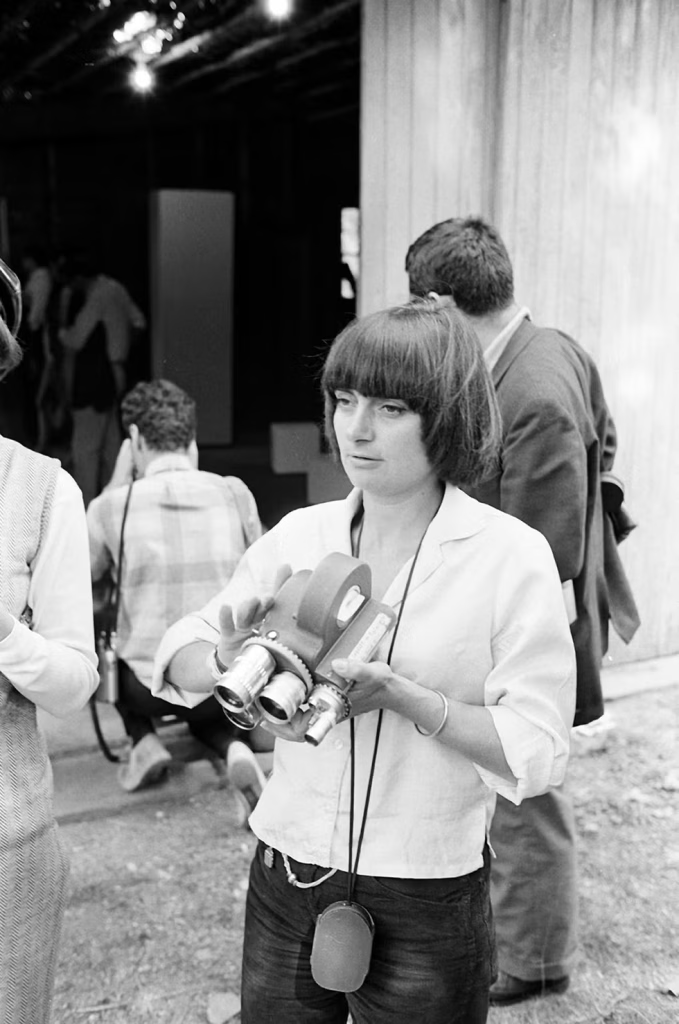
Before becoming a pioneer of the Nouvelle Vague, Agnès Varda was a photographer. Born in 1928, she worked as a stage photographer for the Théâtre National Populaire in Paris, documenting performances and actors. This visual background shaped her filmmaking: a documentary gaze attentive to detail, capable of finding poetry in the everyday.
Her debut film, La Pointe Courte (1954), preceded the Nouvelle Vague by five years and was edited by Alain Resnais. Varda brought photography’s sensibility into cinema: carefully composed images, natural light, and a strong sense of the moment. Works like Daguerréotypes (1975) — a photographic-filmic portrait of her street’s shopkeepers — or Salut les Cubains (1963), a lively montage of photographs taken in Cuba, demonstrate the constant interplay between still and moving images.
In 2017 she became the first woman director to receive an Honorary Oscar. “Born a photographer,” as she described herself, Varda spent over seventy years making films with the same curious, empathetic gaze with which she once made photographs.
Larry Clark: the raw gaze of lost youth
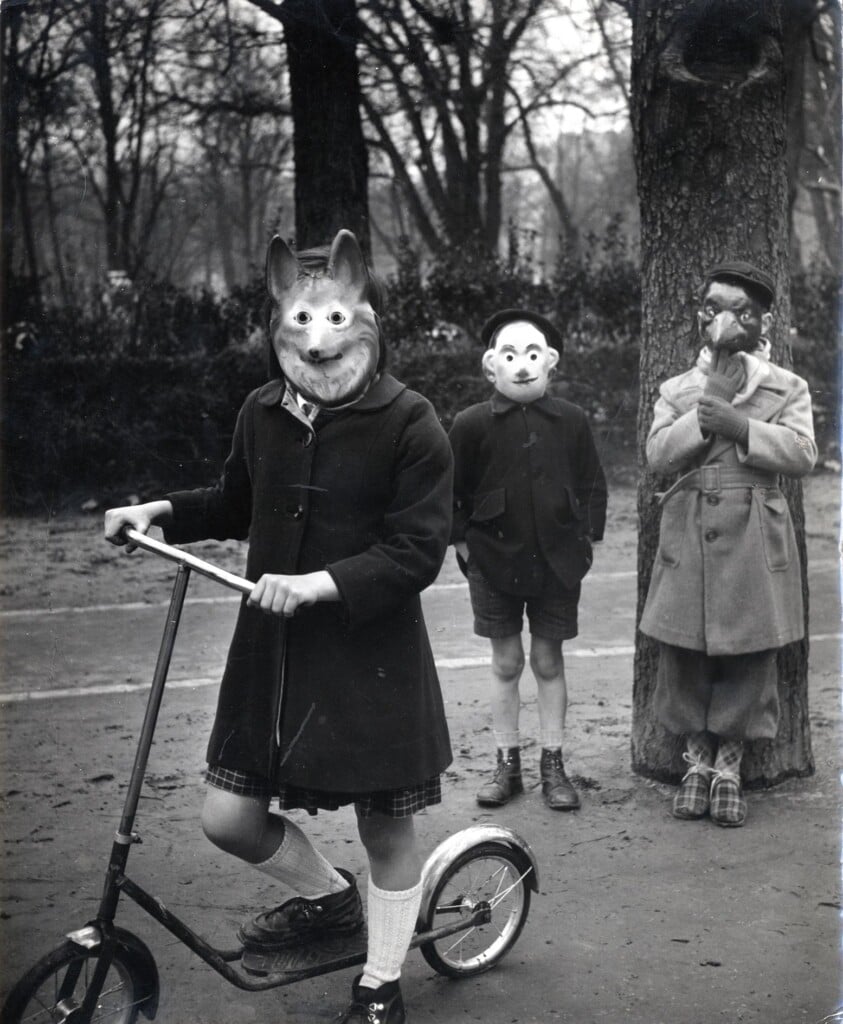
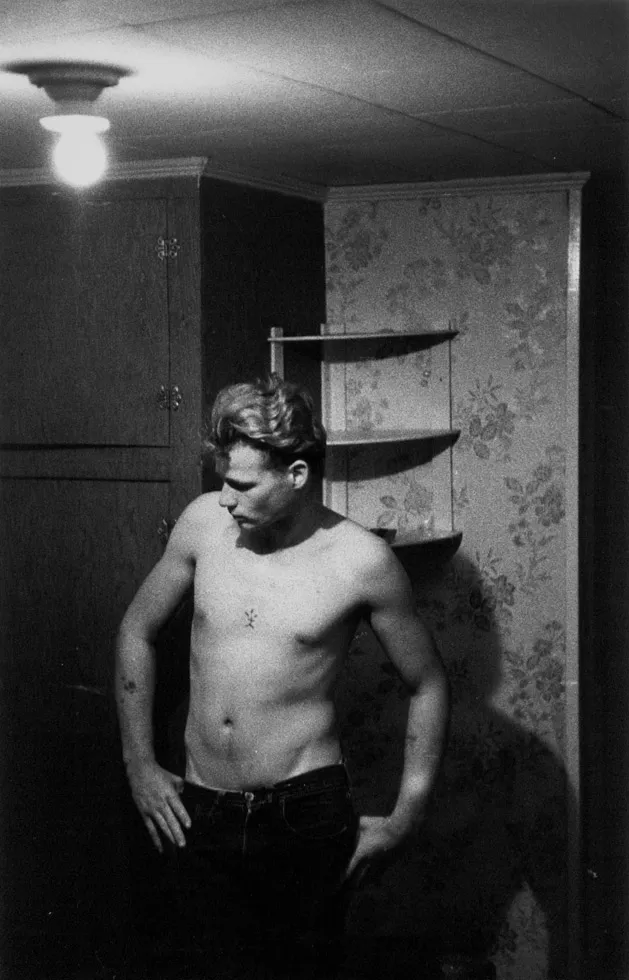
Larry Clark is perhaps the most controversial photographer-director on this list. Born in Tulsa, Oklahoma in 1943, he began photographing early on while working in his family’s business. But in the 1960s he documented himself and his teenage friends amid drug use, sex, and violence — themes that would define his oeuvre.
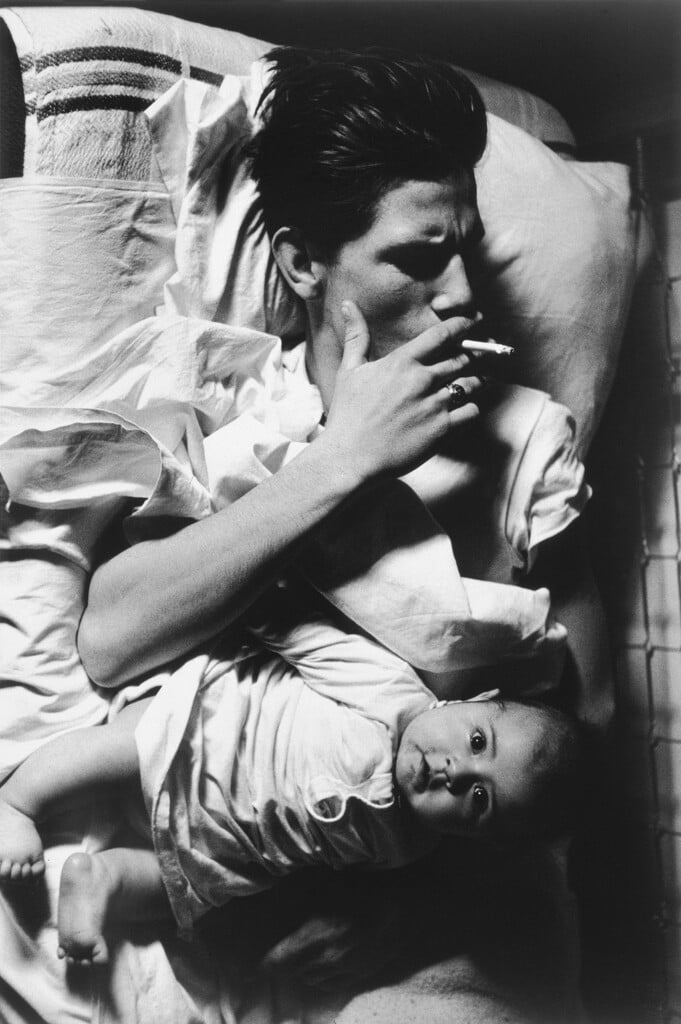
In 1971 he published Tulsa, a photography book that shocked puritan America with its raw images of young people injecting amphetamines, engaging in prostitution, and living on the margins. His style — intimate, participatory, free from moral judgement — anticipated the “heroin chic” aesthetic of the ’90s.
His cinematic debut came in 1995 with Kids, written by Harmony Korine, which chronicles 24 hours in the lives of New York teenagers between skateboarding, unprotected sex, and HIV. The film transports the documentary style of his photography onto the screen: handheld camera, natural light, a brutal realism that remains divisive today.

Sofia Coppola: snapshots of a life
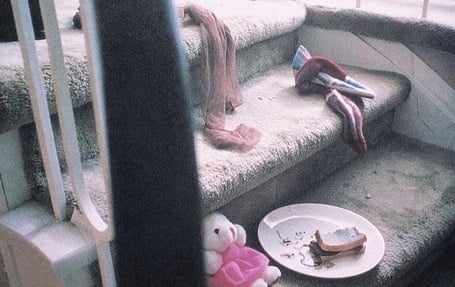
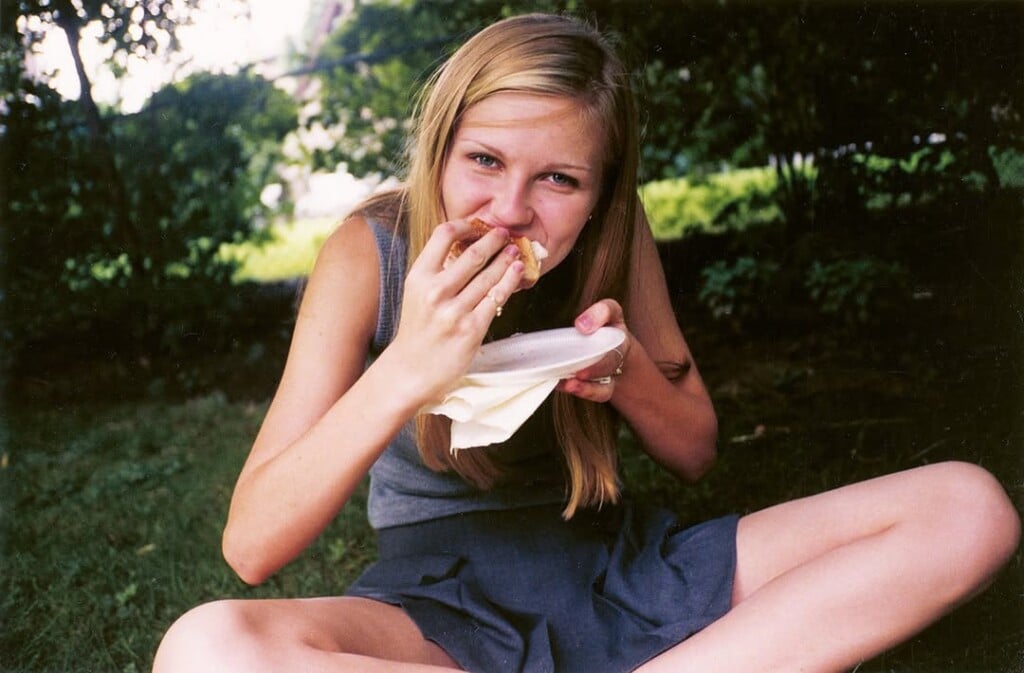
The daughter of Francis Ford Coppola, Sofia seemed destined for cinema. But before directing The Virgin Suicides (1999) and Lost in Translation (2003), she explored several artistic paths: painting at CalArts, photography, and fashion design. Photography gave her first professional opportunities: she worked for Vogue Paris, Allure, and Interview, developing a spontaneous, snapshot-like style.
“I never had the patience to learn much technically,” she admitted, “but I could take snapshots.” This instinctive, intimate approach strongly influences her films. Works like Somewhere (2010) feel built around contemplative, almost static photographic frames.
In 1995 she founded the clothing brand Milk Fed with friend Stephanie Hayman, for which she shot the small fashion campaigns. Today she collects photography — her home displays works by William Eggleston, Lee Friedlander, and Tina Barney — using them as visual references for her films.
Harmony Korine: from the iPhone to the canvas (via cinema)
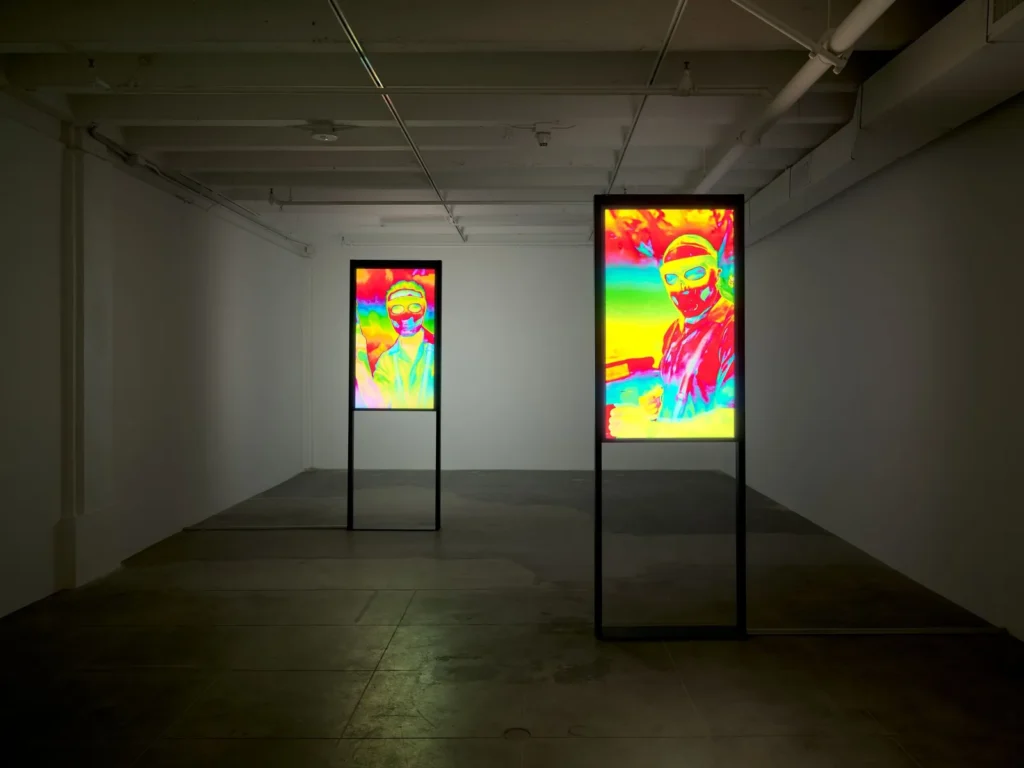
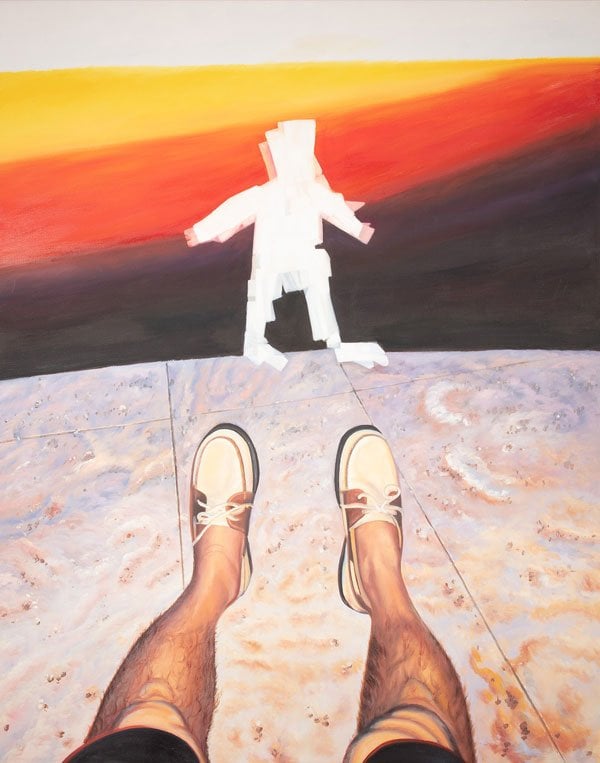
Harmony Korine is hard to classify. Screenwriter of Kids at 19, director of cult films such as Gummo (1997) and Spring Breakers (2012), painter, photographer, performer. His art embraces what he calls “mistakism”: error, improvisation, and hypnotic repetition as creative principles.
In recent years, Korine has developed a distinctive photographic practice: he takes iPhone images around his Miami home, digitally manipulates them by adding fantastical characters (like the famous “Twitchy”), projects them onto canvas, and then recreates them in oil paint. These works — exhibited at Gagosian in 2019 in the show Young Twitchy — blur the boundaries between photography, painting, and cinema.
Miranda July: the performance of intimacy
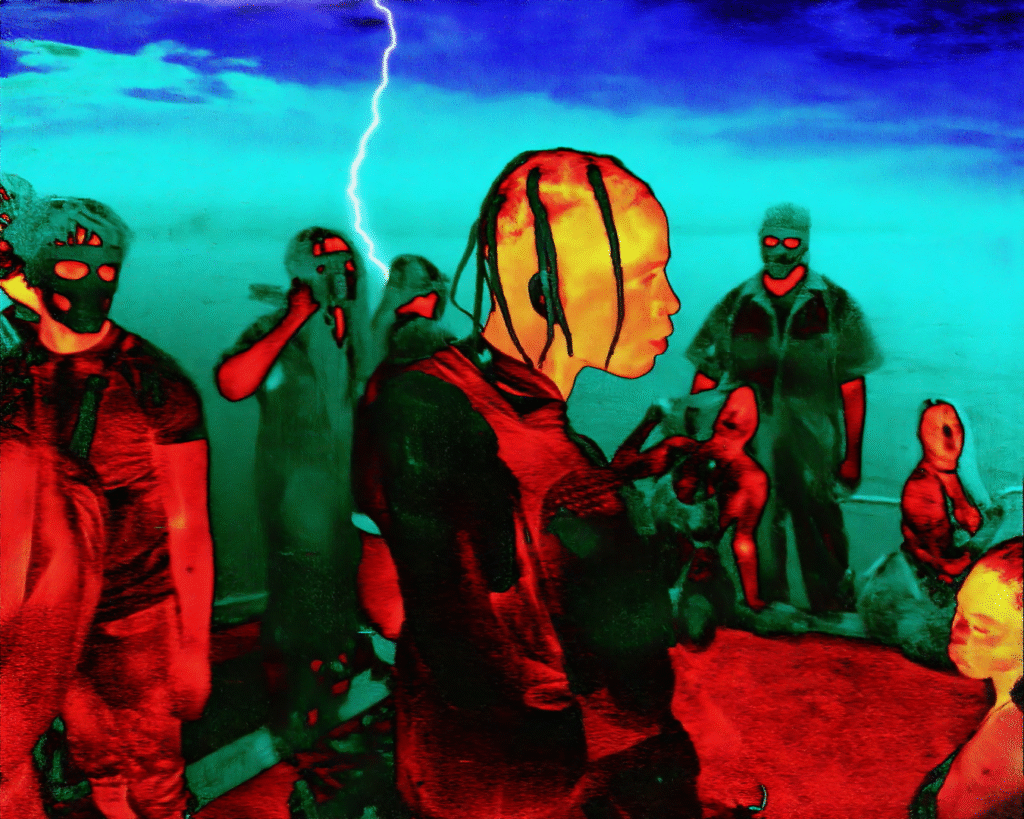
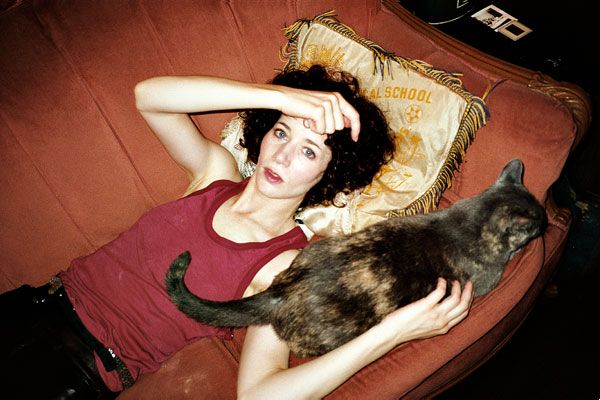
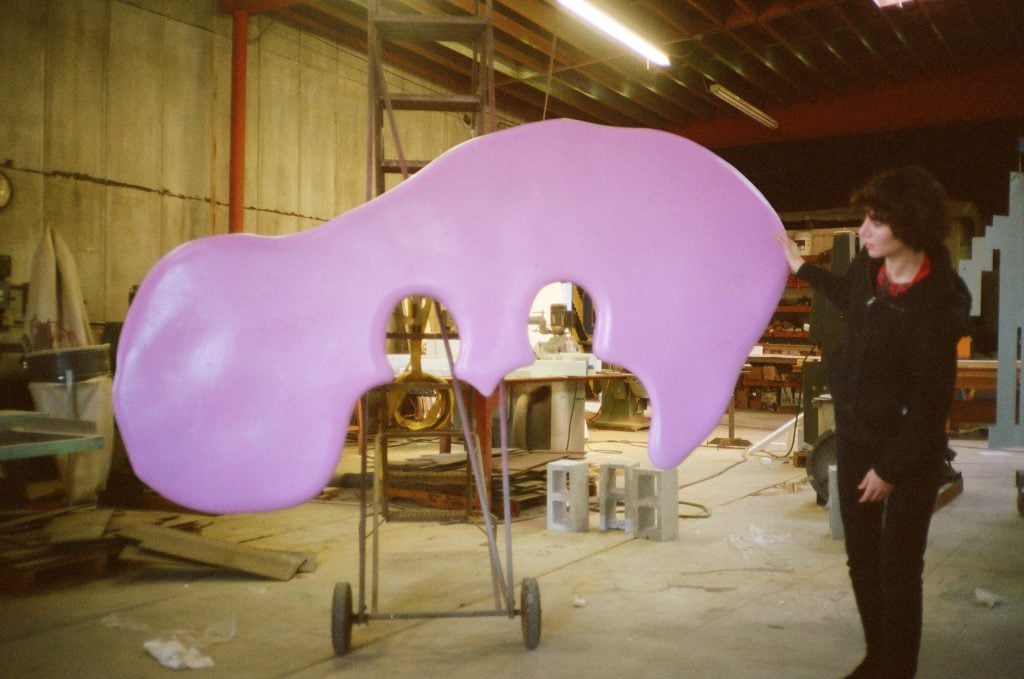
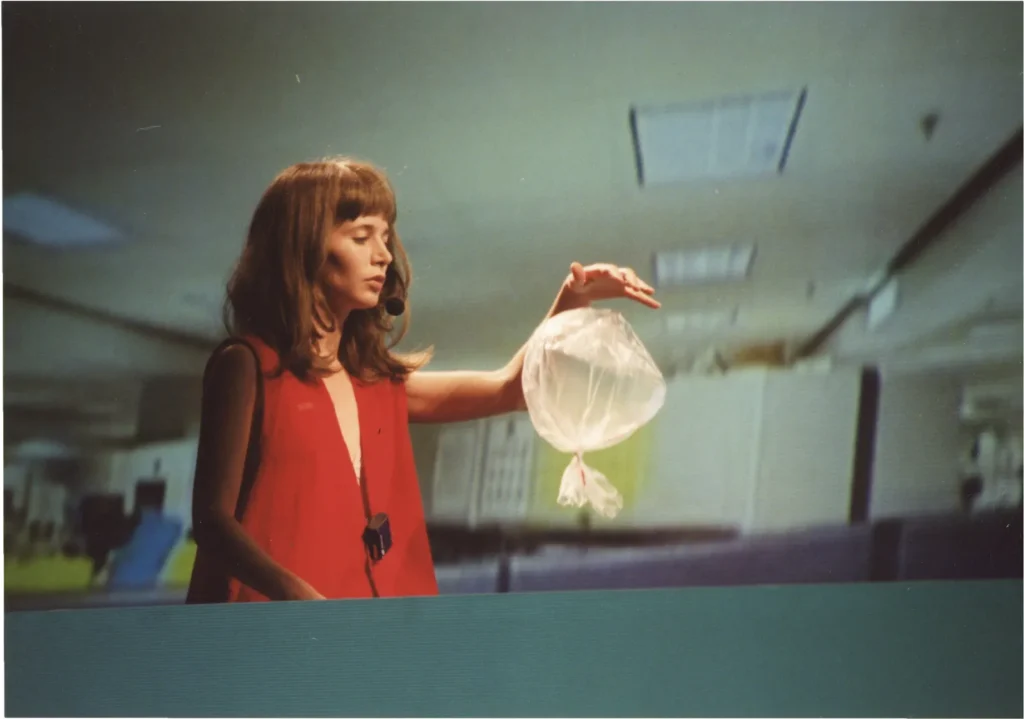
Miranda July is a multifaceted artist: director, writer, performer, and photographer. Raised in Berkeley, California, she has always worked at the intersection of disciplines, blending cinema, live performance, web projects, and installations. Her photographic work is not as central as for other artists on this list, but it runs through her practice as process, documentation, and extension of performance.
Projects such as Learning to Love You More (2002–2009), created with Harrell Fletcher, asked participants to photograph the “assignments” she proposed. Or Eleven Heavy Things (2009), presented at the Venice Biennale: sculptural photo-sets designed to be activated only when visitors interact with them and photograph themselves.
July uses photography as a democratic tool, a way to involve the audience in creating the artwork. She does not seek technical perfection or authorship; she seeks connection — photography as a relational gesture.
Yorgos Lanthimos: the Athens darkroom
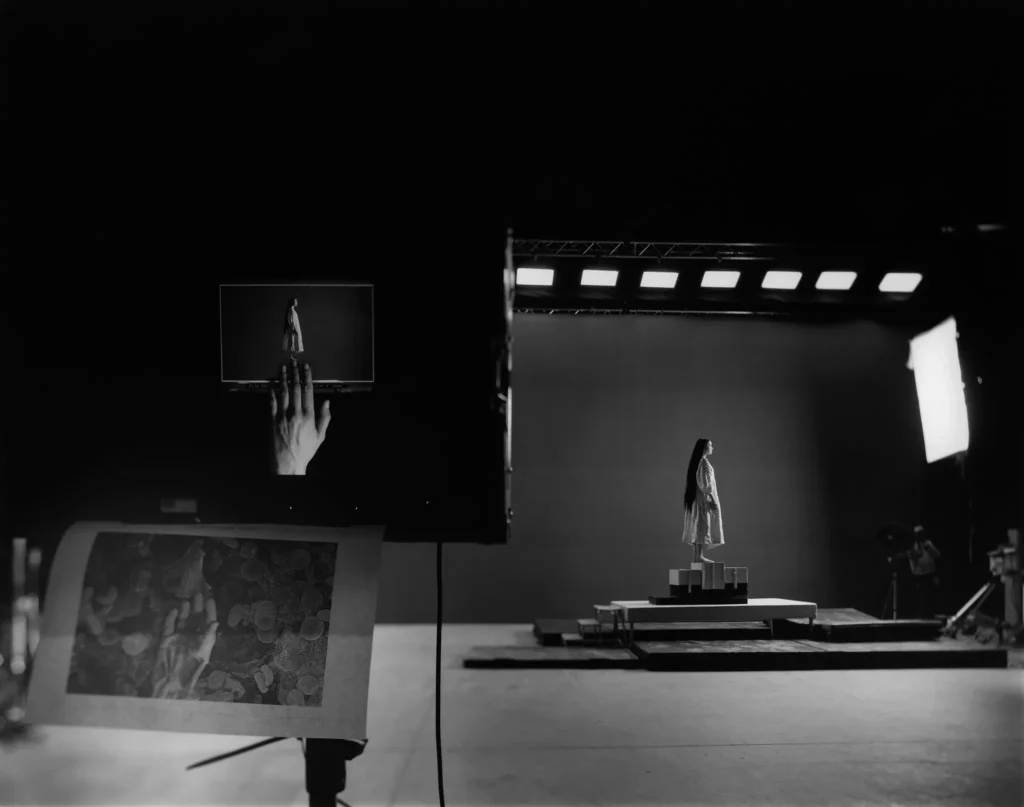
And so we return to where we started. Yorgos Lanthimos became deeply involved in analog photography only recently, but with remarkable intensity. He built a professional darkroom in his Athens studio, where he develops his own prints. “I learned mostly through YouTube videos,” he joked, “though a master printer did teach me for twenty minutes.”
While filming Poor Things and Kinds of Kindness, Lanthimos took thousands of photographs using large and medium format cameras, documenting not only the set but creating autonomous works. Together with Emma Stone — who learned to develop film from him — he spent evenings in the darkroom after long days on set.
His photographs have been published in two books (Dear God, the Parthenon is still broken and I shall sing these songs beautifully) and exhibited for the first time in Los Angeles in 2025. These aren’t simple set photos: they “create a narrative separate from the films,” expanding his visual world beyond cinema.


The boundary that doesn’t exist
What unites these nine filmmakers, so different from one another? The awareness that cinema and photography are not separate languages but two ways of looking at the world. That every frame is a photograph repeated 24 times per second. That freezing time or letting it flow are two sides of the same desire: capturing life, understanding it, transforming it into art.
“Photography is something I’ve begun taking more and more seriously,” Lanthimos said. “I hope it becomes a body of work that stands on its own.” No longer a preparation for cinema, but a parallel art. No longer sketches, but complete works.
Off Screen continues exploring where cinema ends and everything else begins. But perhaps, as these nine artists teach us, there is no boundary. There is only the gaze — whether behind a movie camera, a Leica, a Polaroid, or an iPhone. A gaze that searches, captures, and never stops questioning the world.