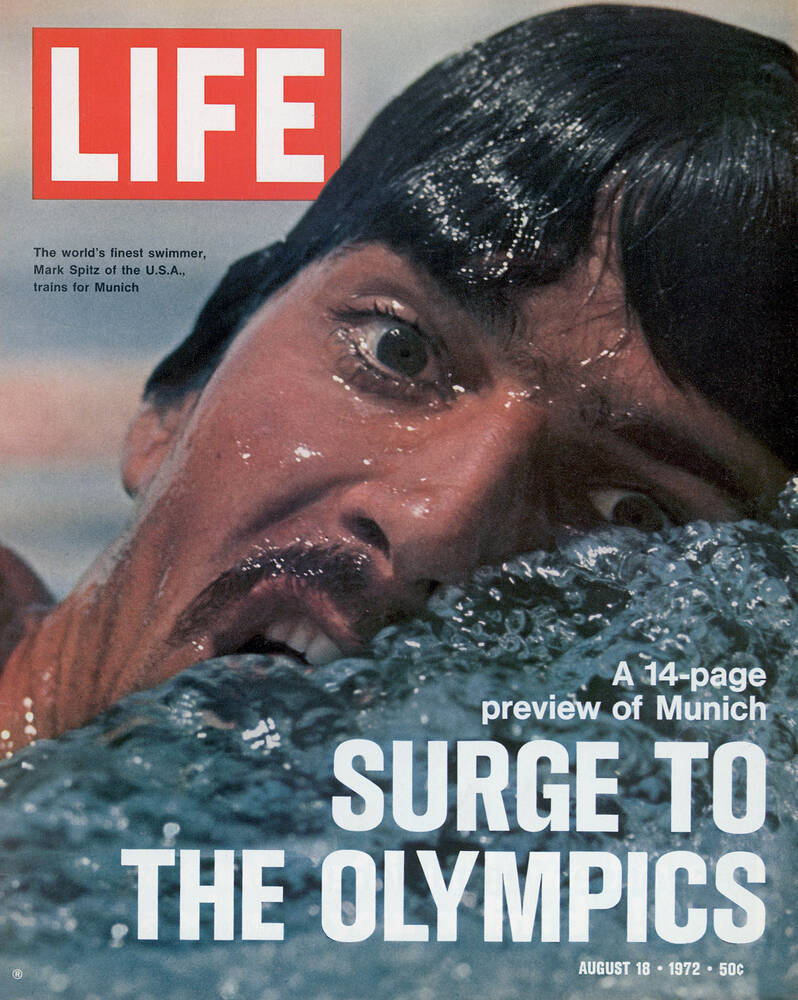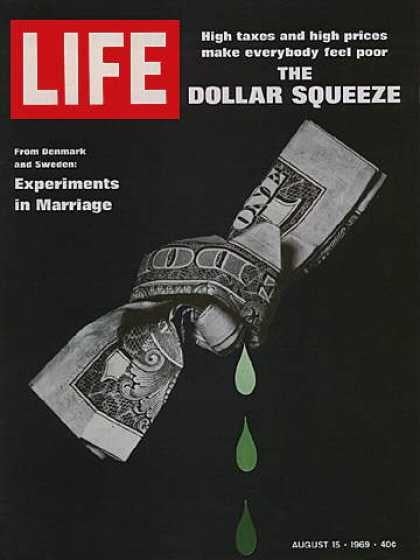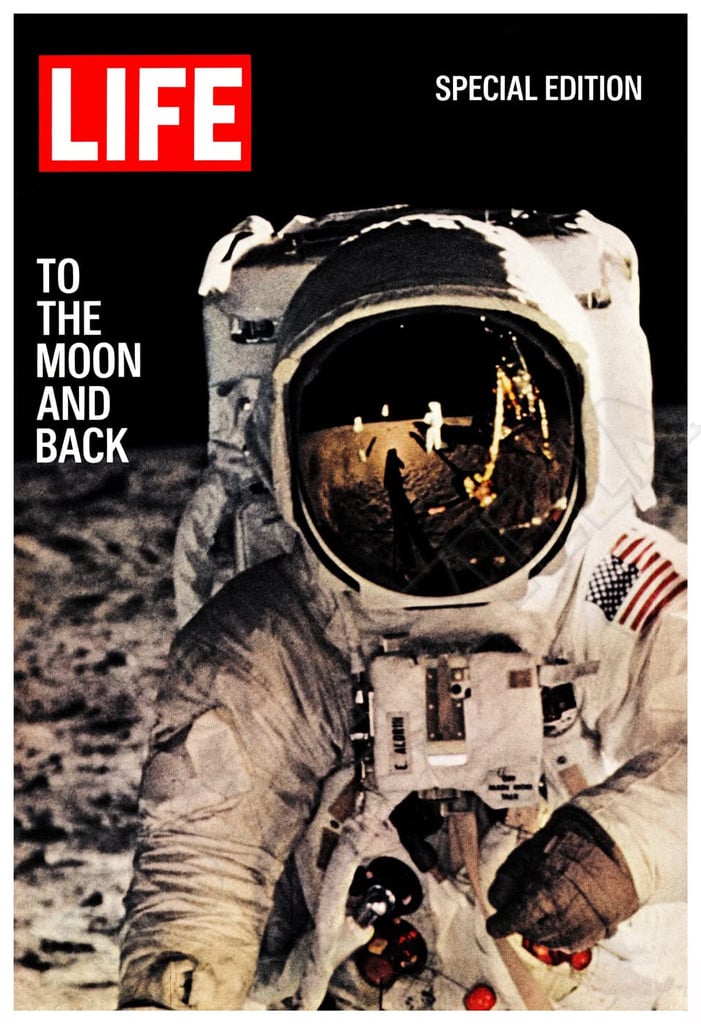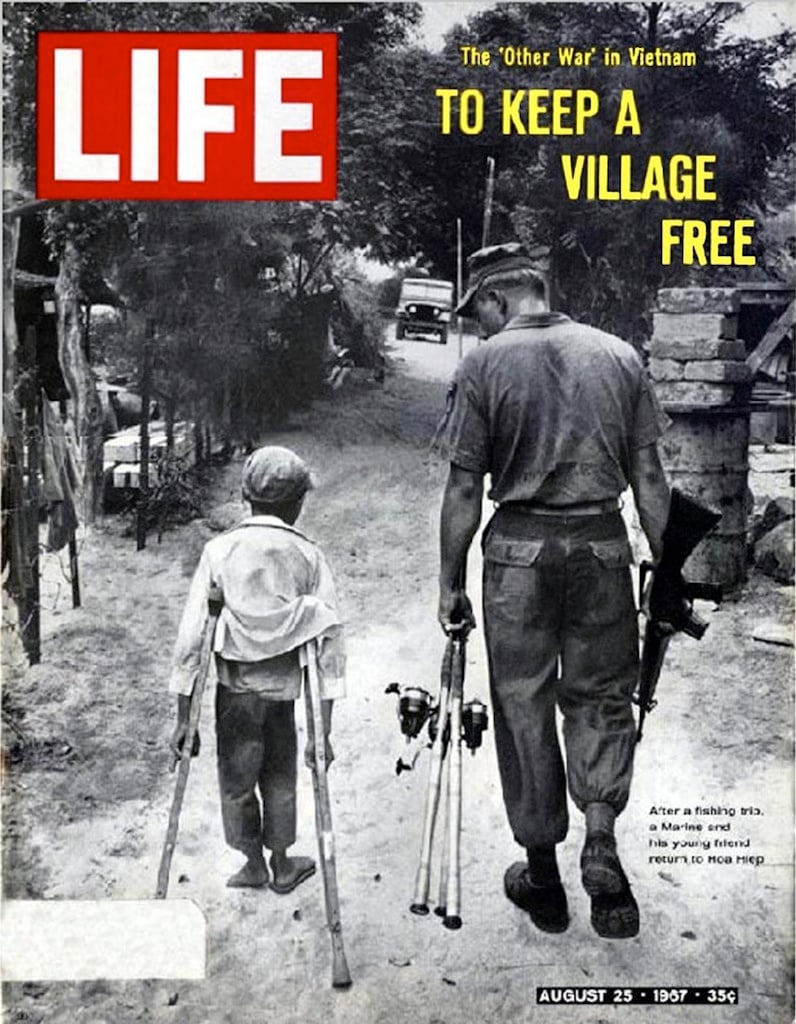
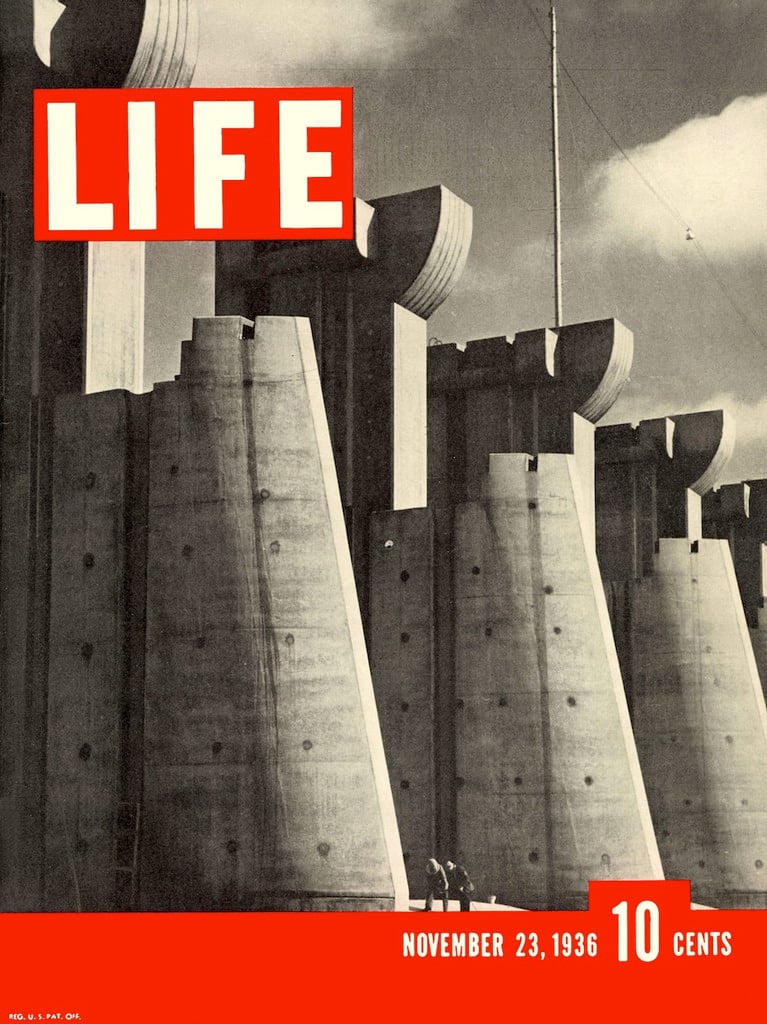
Anyone who has taken a basic photography course has come across the Fort Peck Dam. It graced the cover of the first issue of LIFE, published on November 23, 1936, in a photograph by Margaret Bourke-White: concrete, monumental scale, an America building itself. From that moment on, the magazine shaped the way we would look at the world. On Monday, November 23, 2026, exactly ninety years after that debut, LIFE returns to newsstands in print. Not out of nostalgia, but because someone has (finally) decided it is needed.
From satirical magazine to a lens on the world
For an icon of photojournalism, LIFE had a rather distinctive beginning. It was founded in 1883 as a satirical and humorous magazine, and in 1936 it was bought by Henry Luce, the founder of Time, who turned it into an illustrated weekly with a single-minded mission: to tell the world’s stories through photographs, leaving text to play the role of caption. It reached its golden age in the 1960s, with circulation exceeding 8 million copies. Before long, however, it came up against the new media—television above all—which took over its role of showing and informing through images.
The weekly ceased publication in 1972 and returned as a monthly from 1978 to 2000, before continuing with special issues until it was finally discontinued in 2007.
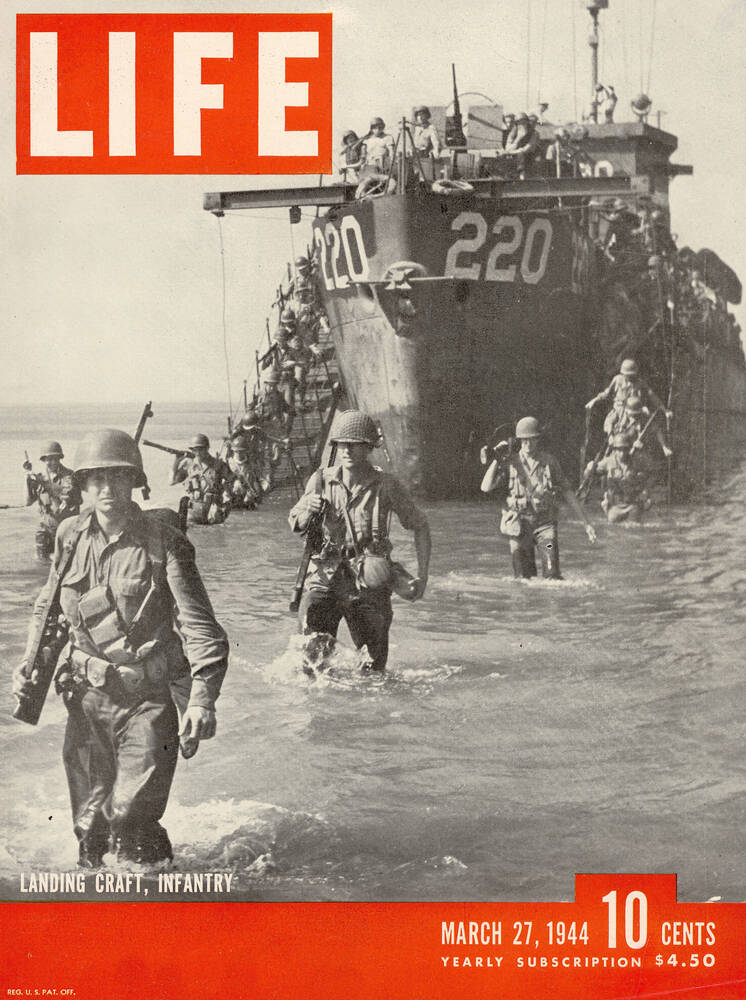
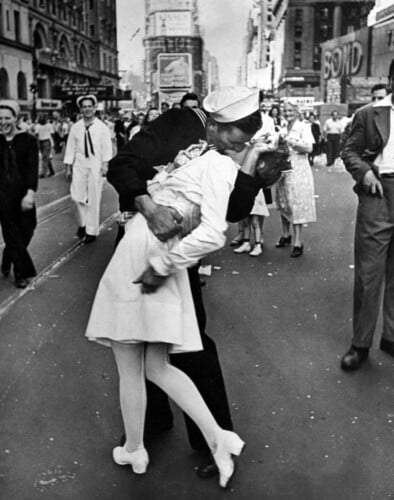
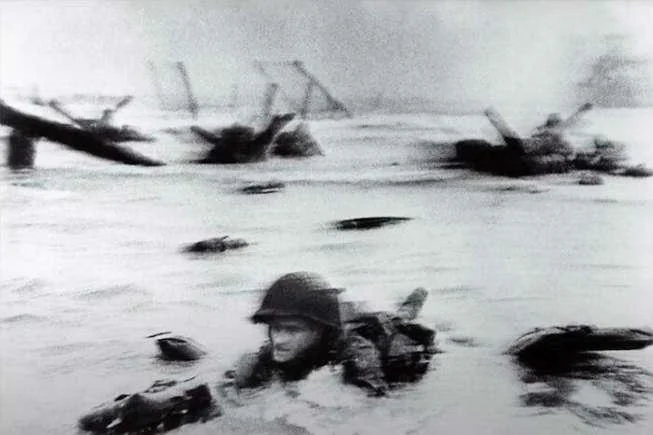
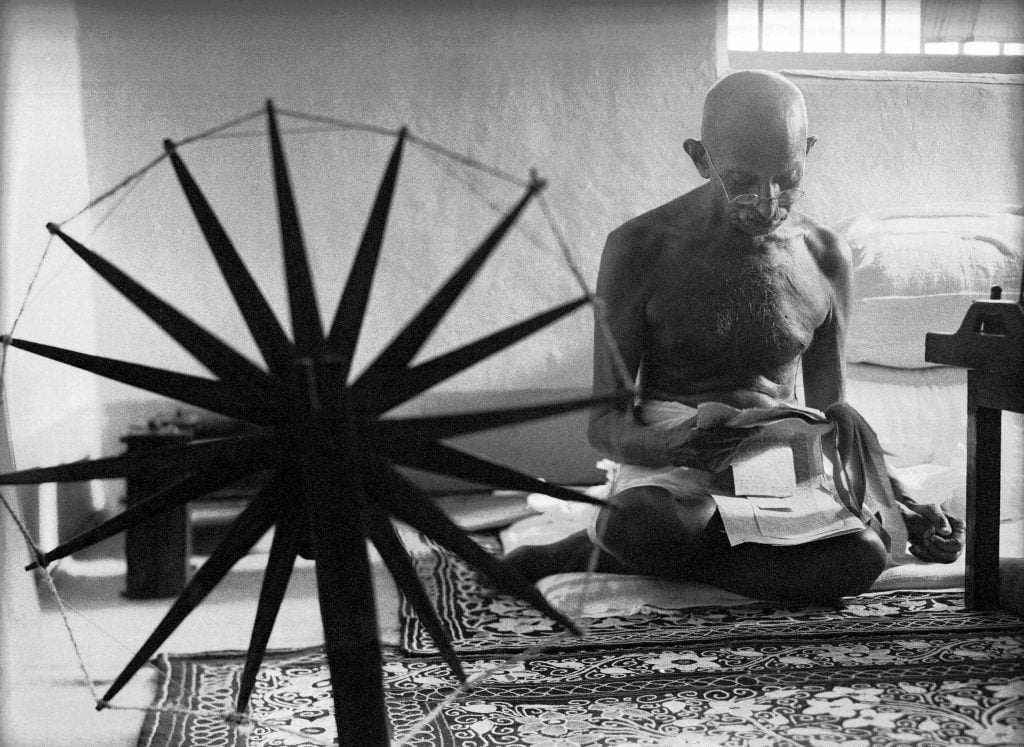
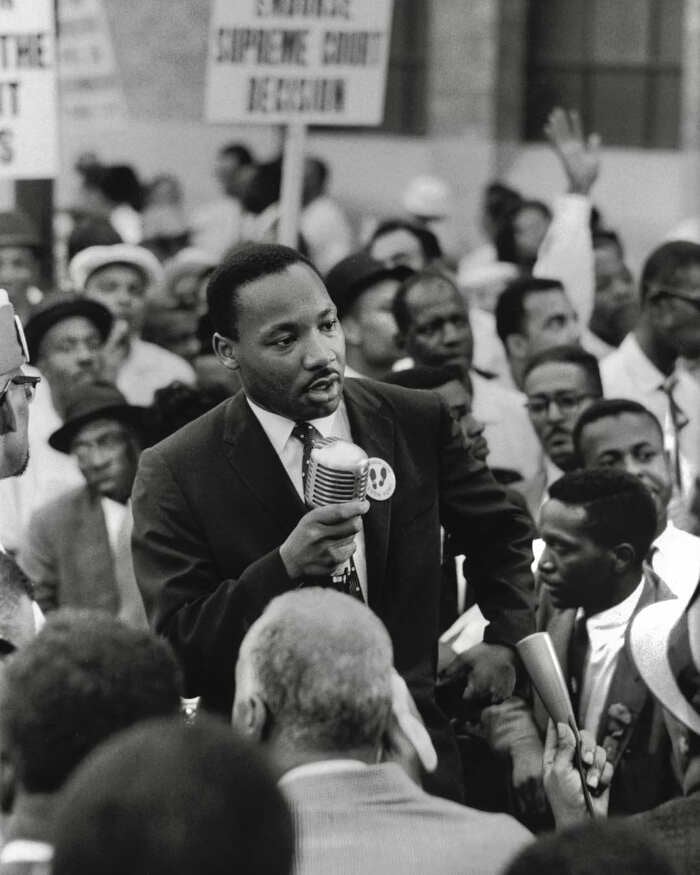
Its pages feature the names that shaped the history of twentieth-century visual culture. Robert Capa, with his dramatic images of the D-Day landings in Normandy. Alfred Eisenstaedt , with the sailor’s kiss in Times Square on V-J Day. Philippe Halsman, who set a record with more than a hundred covers and sent Einstein, Marilyn Monroe and Dalí leaping into the air for his Jumpology series. And Bourke-White, one of the first female photographers on the magazine’s staff, known for her portraits of Gandhi and her images of Soviet industrialization. The archive contains more than ten million photographs, available to browse on the official website.
The comeback, in oversized format
The American supermodel Karlie Kloss is bringing it back to life through her company, Bedford Media. The first issue is a 250-page, large-format quarterly combining documentary photography and journalism. But the project also looks ahead, bringing the magazine into the present day: alongside its website and social media presence, it will feature short videos, documentaries and events. At its heart, however, it remains a print publication. Kloss says what made LIFE extraordinary was its ability to bring the world closer, and that preserving this legacy is now a responsibility.
To put it a little cheekily: leafing through a magazine is the last activity left in which nobody tells you what to look at next. There’s an image in front of you; you turn the page, look again, go back. No algorithm decides how much of your time it deserves. On a phone, a photograph lasts as long as a swipe of your thumb, while a printed page makes you stop and really look.
A photograph is evidence as long as no one tampers with it
Slowing down also serves another purpose: helping us understand what we can trust. A news photograph is only meaningful if what it depicts really happened and nobody has tampered with it along the way. This problem is as old as photojournalism itself. Throughout the twentieth century, magazines cropped and retouched photographs and rewrote captions with little regard, often without consulting the photographers. In 1947, Robert Capa, Henri Cartier-Bresson, David Seymour and George Rodger founded Magnum Photos precisely to set a limit: the photographer would retain the rights and have the final say over crops and captions. The paradox is that Capa, one of the agency’s founders, worked for LIFE, and one of the profession’s major turning points was born, in part, to protect images from the very people publishing them.
Nearly eighty years later, the issue is still the same; only its scale has changed. Billboards, advertising campaigns, magazines and covers are increasingly being created with artificial intelligence, and that is not always disclosed. The point is not the tool itself, but the pact with the viewer: knowing what you are looking at.
That is why LIFE’s return is much more than a nostalgic exercise. A publication with a ninety-year archive, built on the idea that an image is evidence, has a particular responsibility—and can become a champion of the transparency that is so often missing today: stating who took the photograph, how it was made and what is real. We do not yet know what editorial approach it will take, and that is one of the things we will be watching most closely.
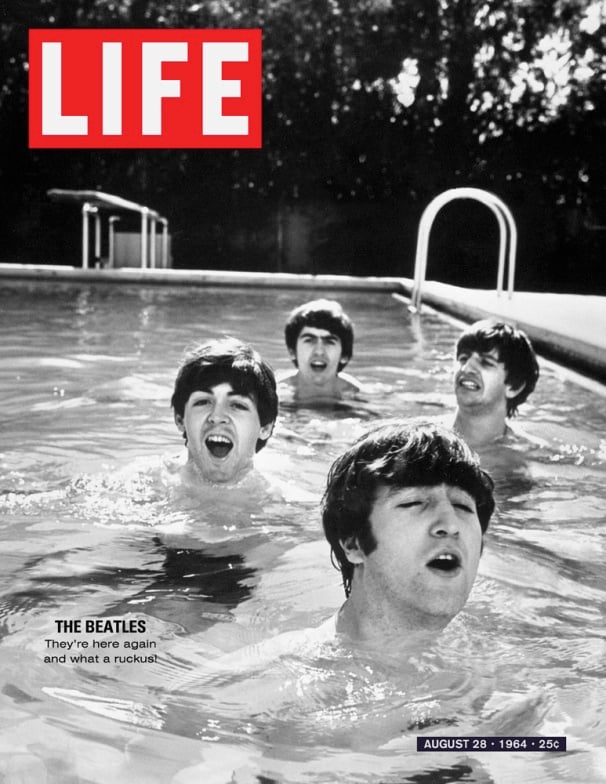
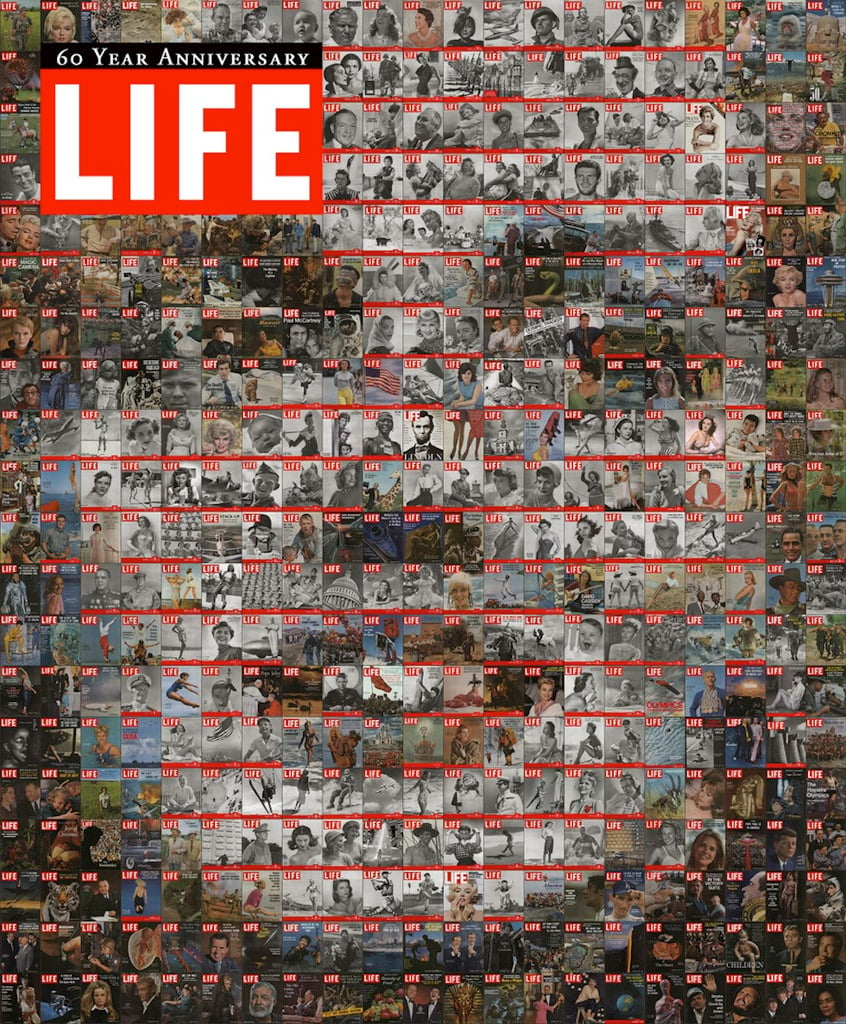
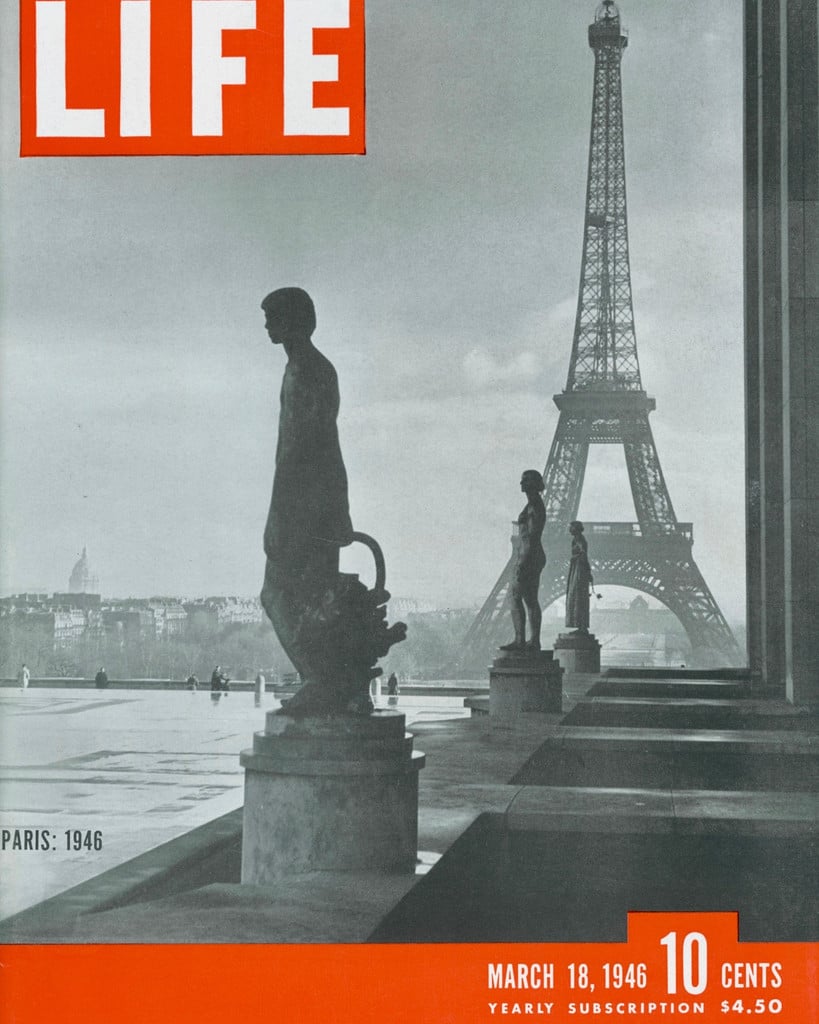
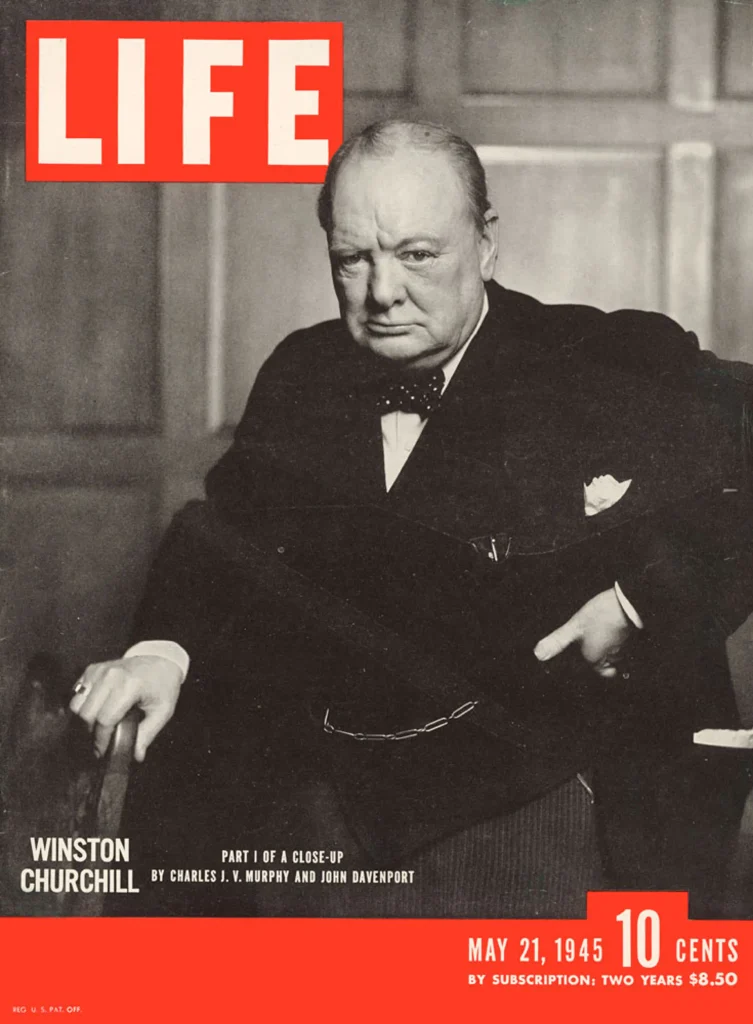
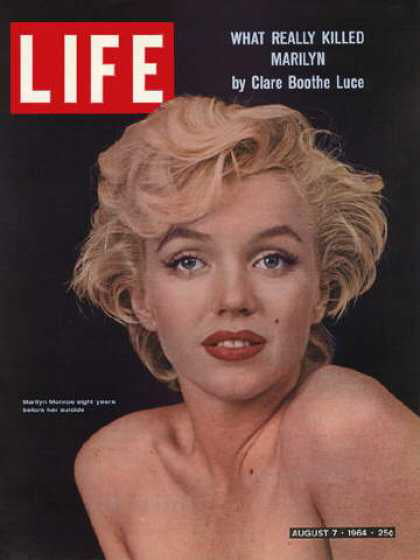
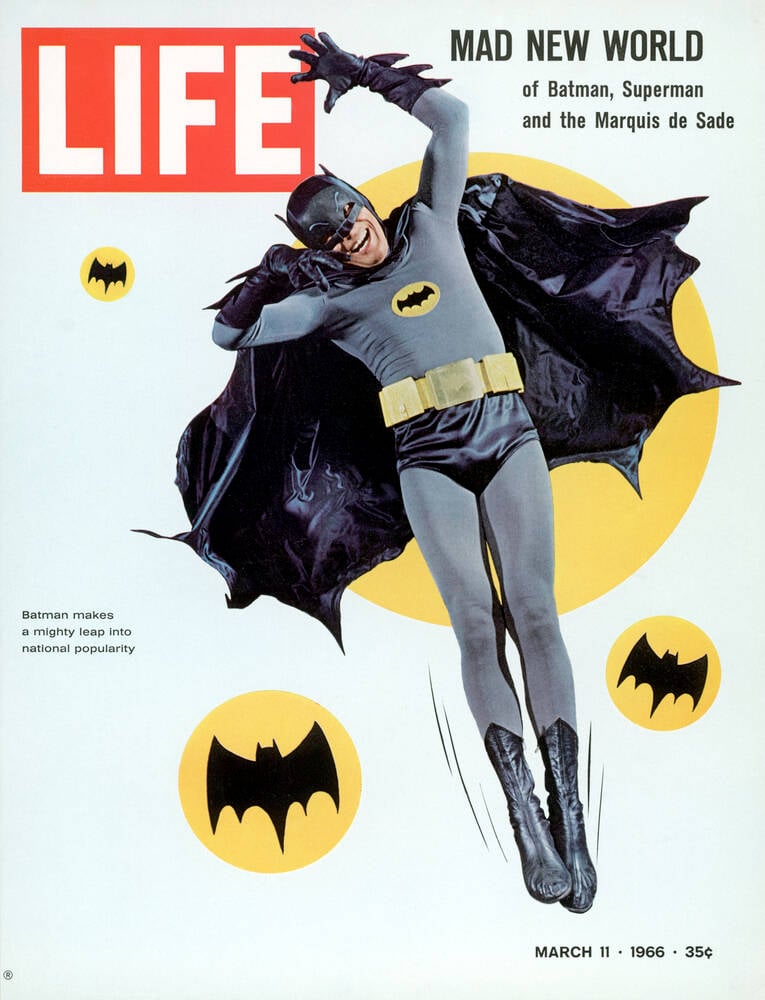
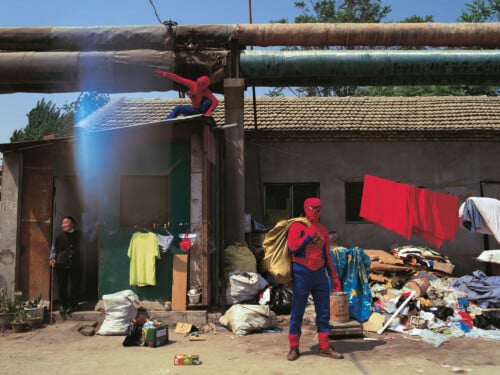
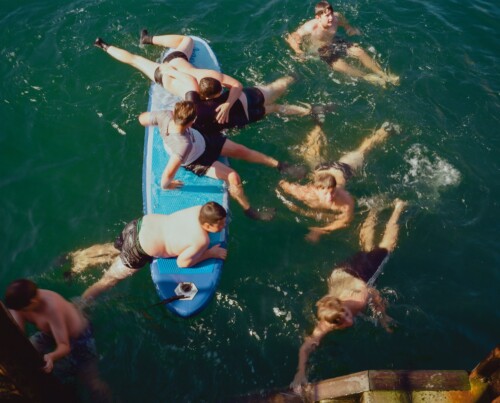
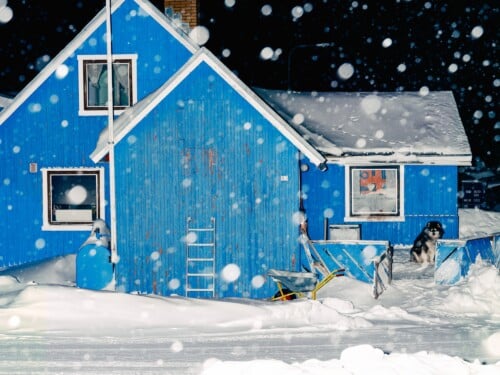
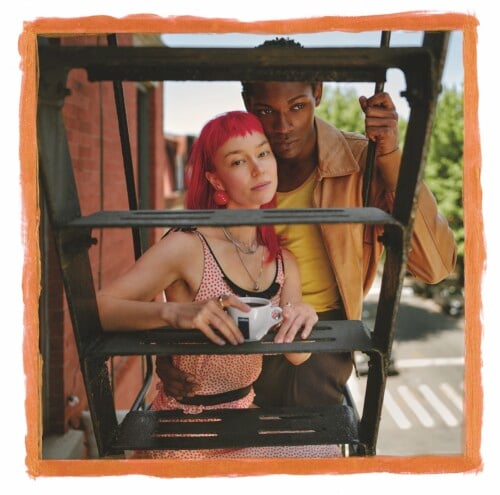
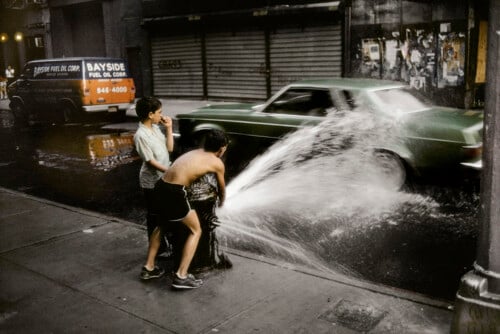
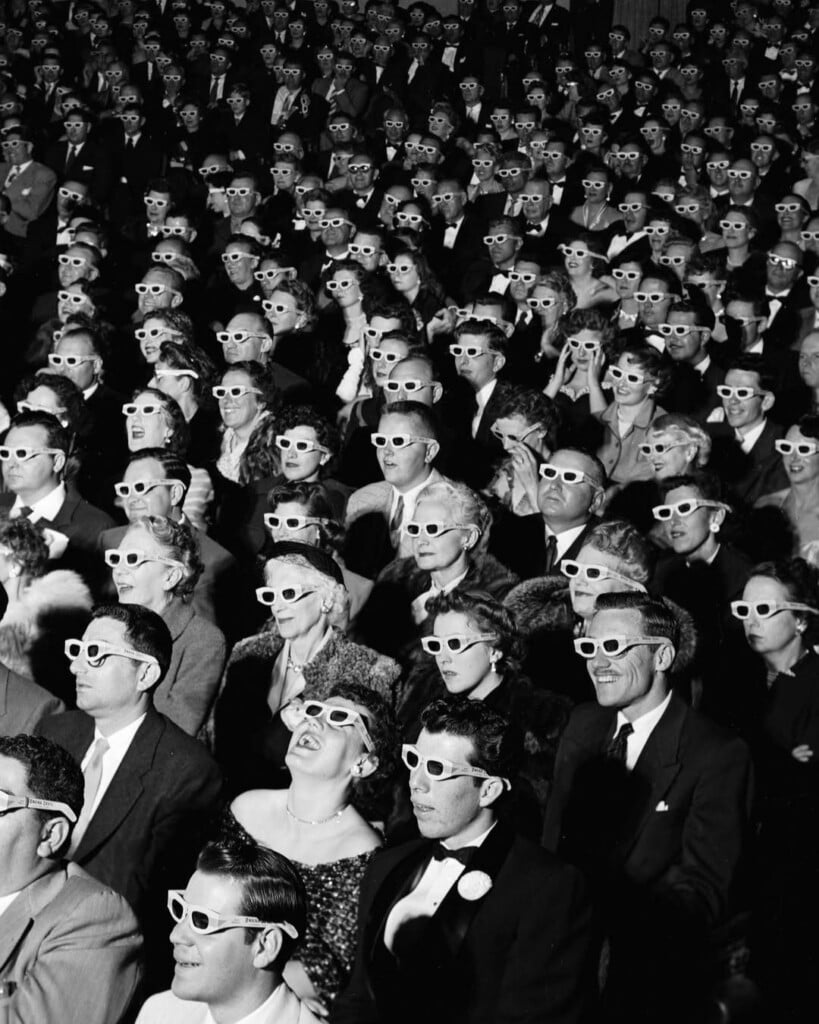
So let’s do as LIFE does and let the images speak for themselves. Here is our selection of covers and photographs that continue to make history.