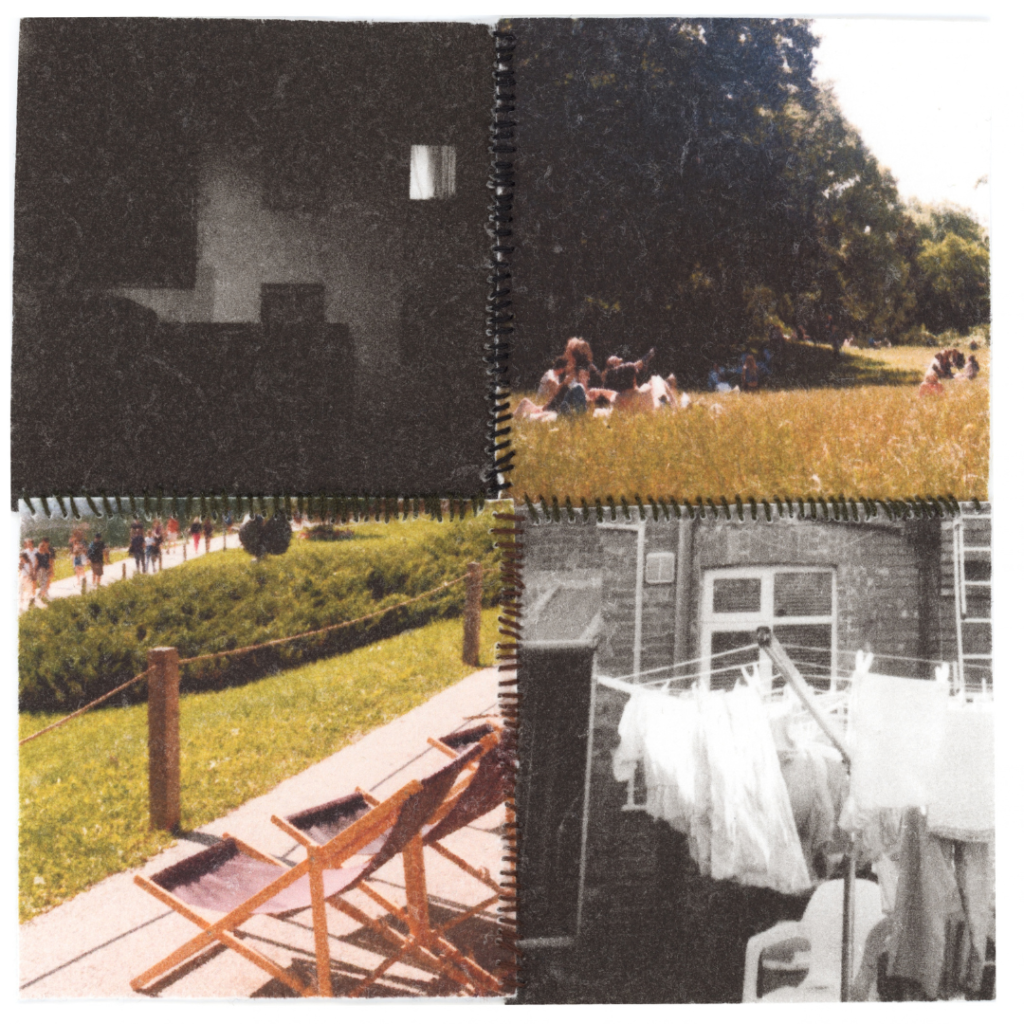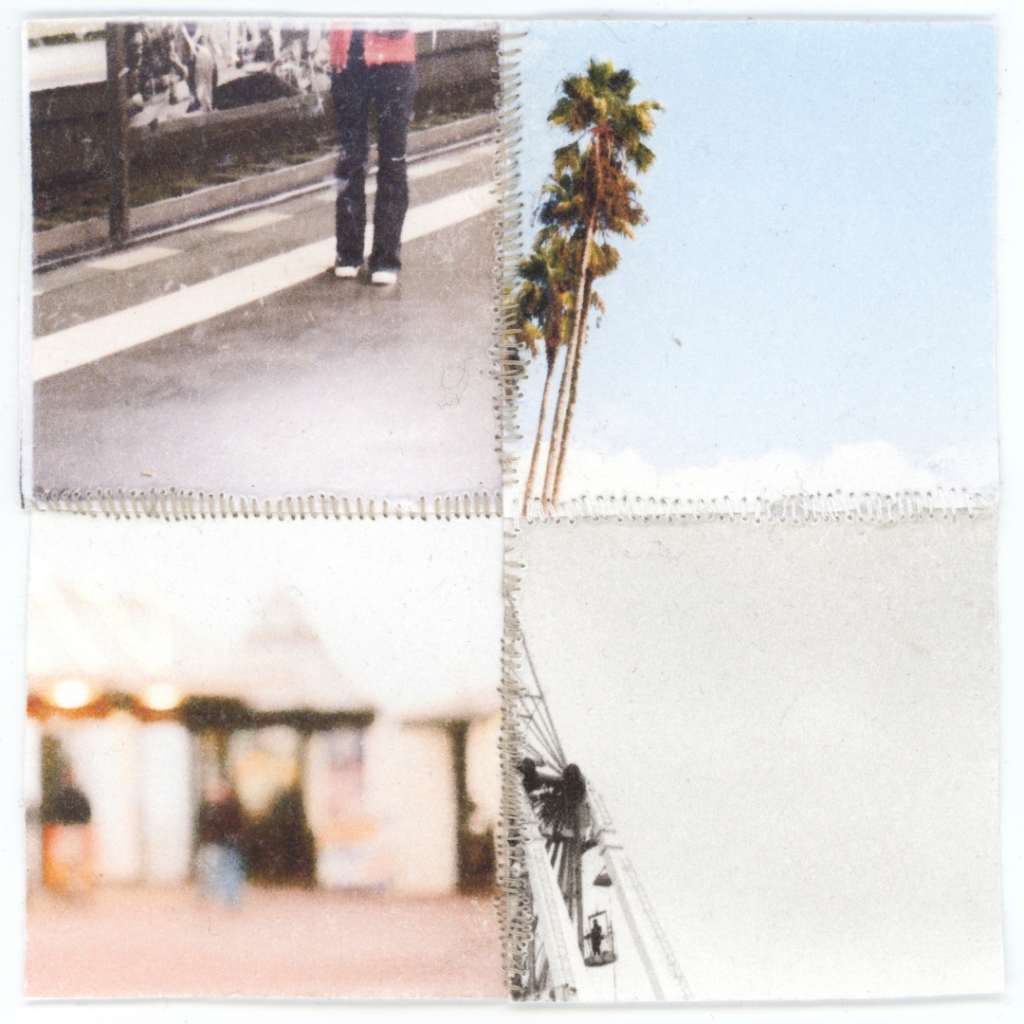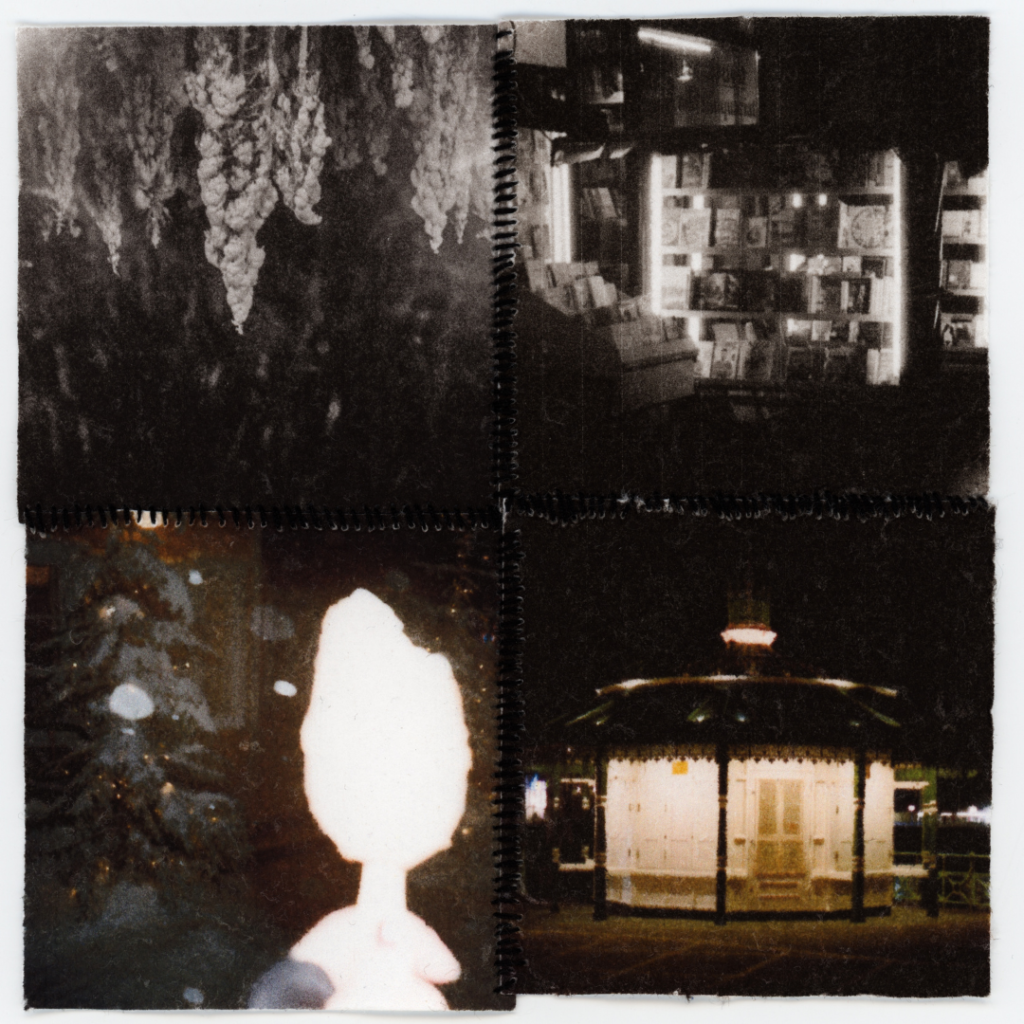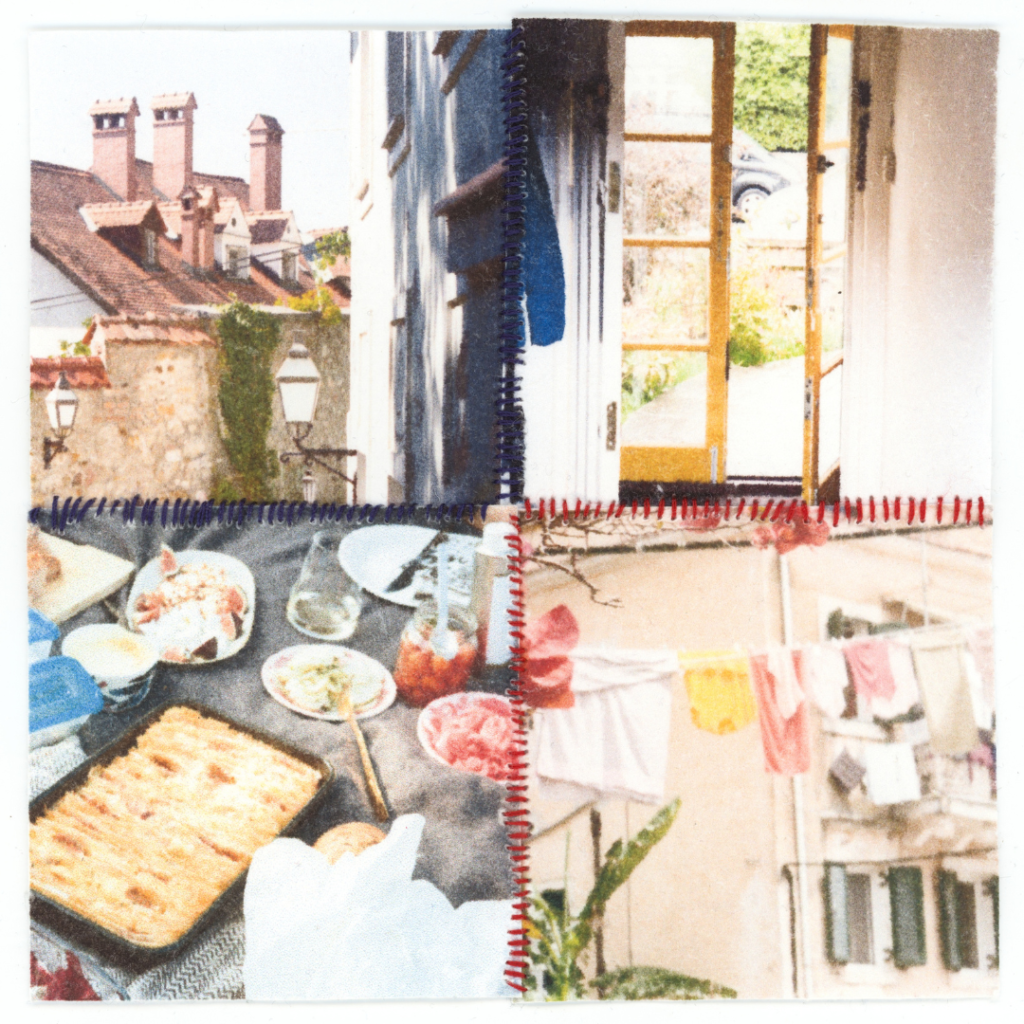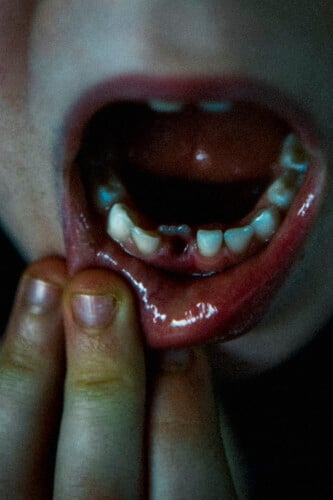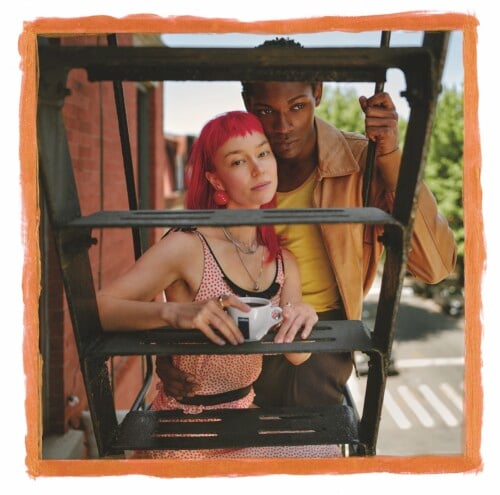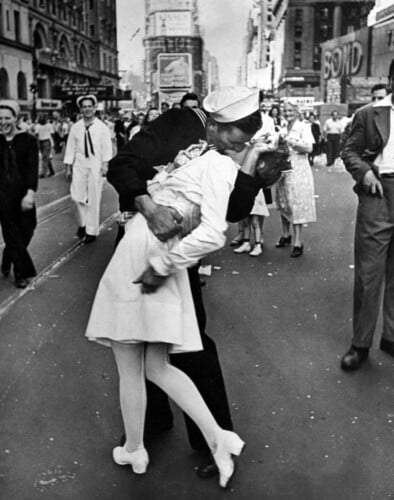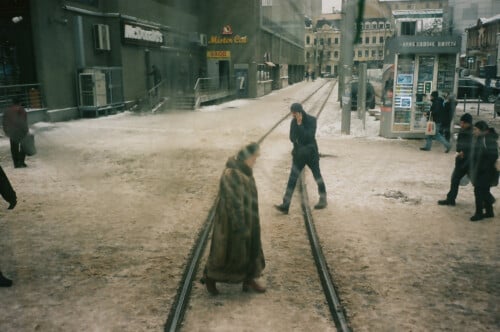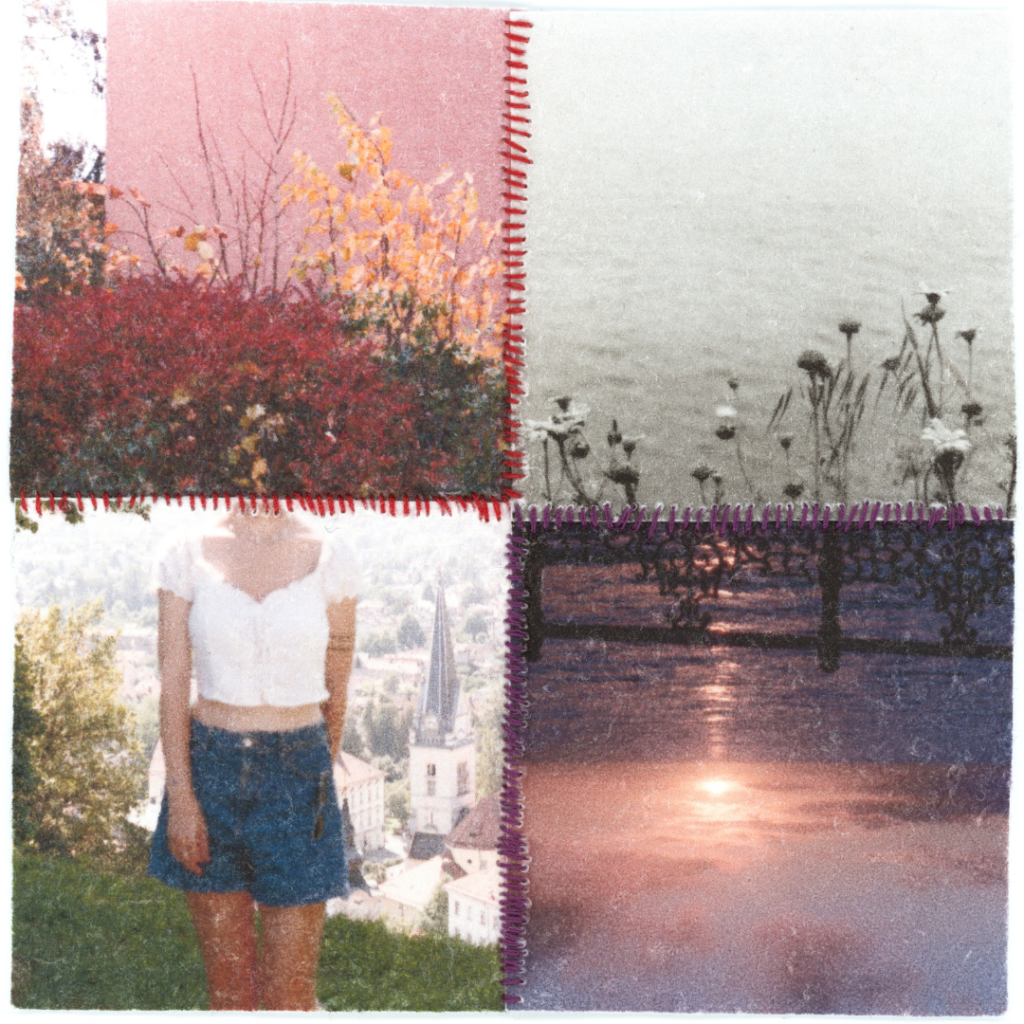
A photograph can document a moment, but it cannot necessarily preserve its meaning. As time passes, the associations we build around what we have lived through change: an image takes on a different value, a previously overlooked detail becomes central, two distant moments begin to resemble each other. It is from these often unpredictable connections that Tapestry of Life was born, the project by British photographer and artist Amber Digby, who uses photographs and embroidery to transform her memories into a textile composition, giving them a new chance to be read.
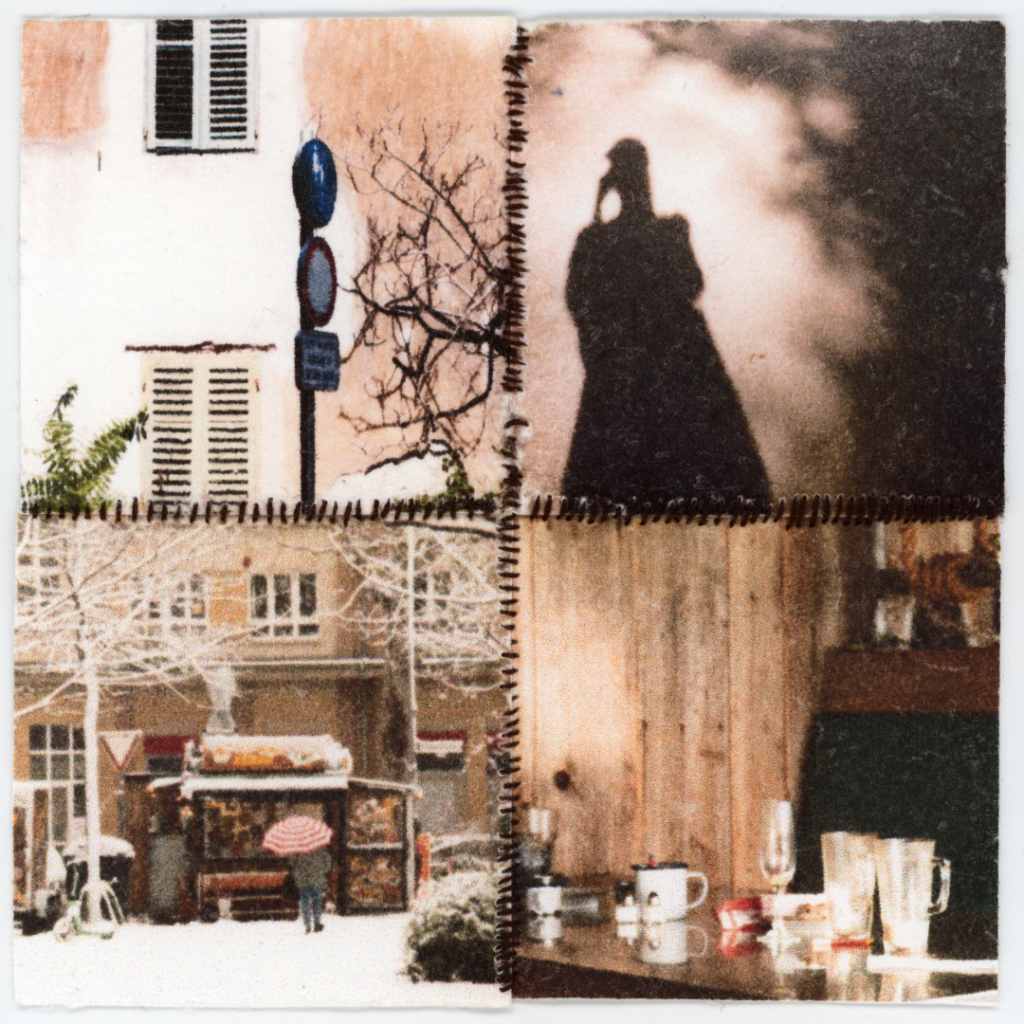
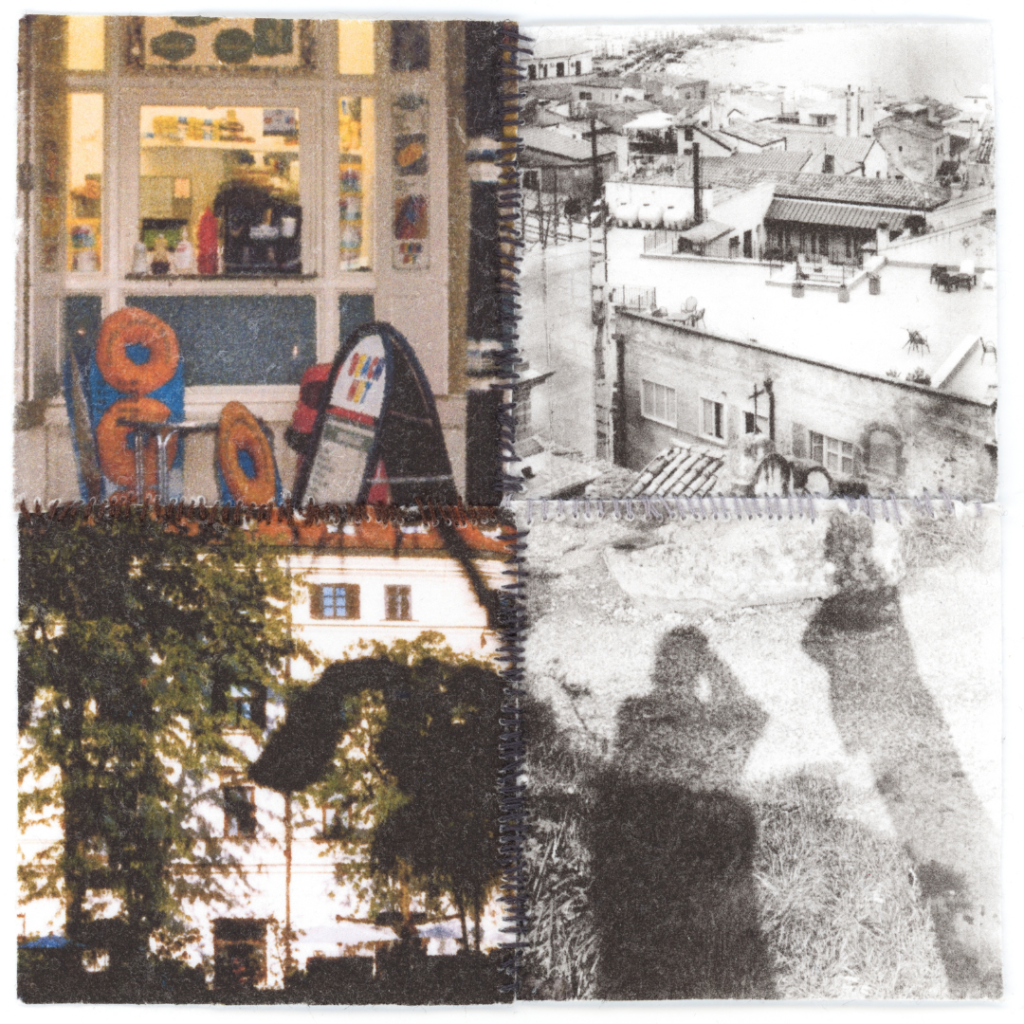
The choice of sewing also introduces a temporal dimension into the creative process. Unlike digital manipulation, which allows an image to be altered quickly, joining photographs with needle and thread requires attention, repeated gestures and a certain slowness. Each stitch contributes to building the whole and makes visible the manual work hidden behind the piece. The photographic surface thus loses its traditional two-dimensionality and acquires a physical consistency, made of overlaps, connections and fragility.
This approach reflects a broader line of research running through the artist’s practice. Amber Digby, born in the United Kingdom and now based in Berlin, graduated in Photography from the University of Europe for Applied Sciences in 2023 and works with analogue techniques and mixed-media processes. Collage, negative manipulation, embroidery and cyanotype are some of the tools through which she explores the possibilities of photography beyond its most conventional boundaries. For her, an image changes nature when it stops existing exclusively on a screen and becomes an object that can be held in the hands. The tactile dimension gives photography a different weight, changes the relationship with the viewer and makes each intervention unrepeatable. The idea of creating unique works, impossible to reproduce exactly, is one of the central aspects of her research.
In Tapestry of Life, the materiality of the work is not separate from its content, but becomes its natural extension. The photographs depict moments from the artist’s life, while the thread that holds them together suggests the way those moments continue to influence one another. The bond is physical, but also emotional: each image keeps its own individuality and, at the same time, becomes part of a larger story.
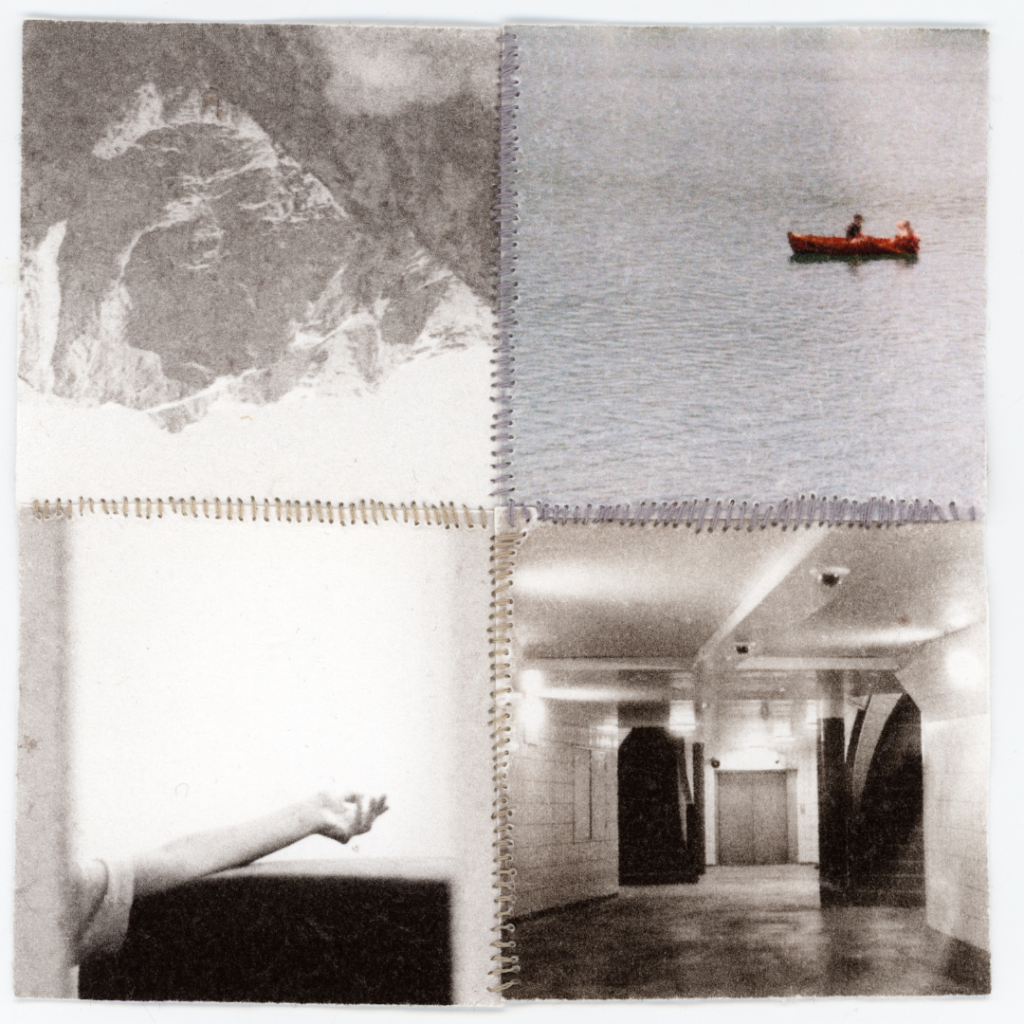
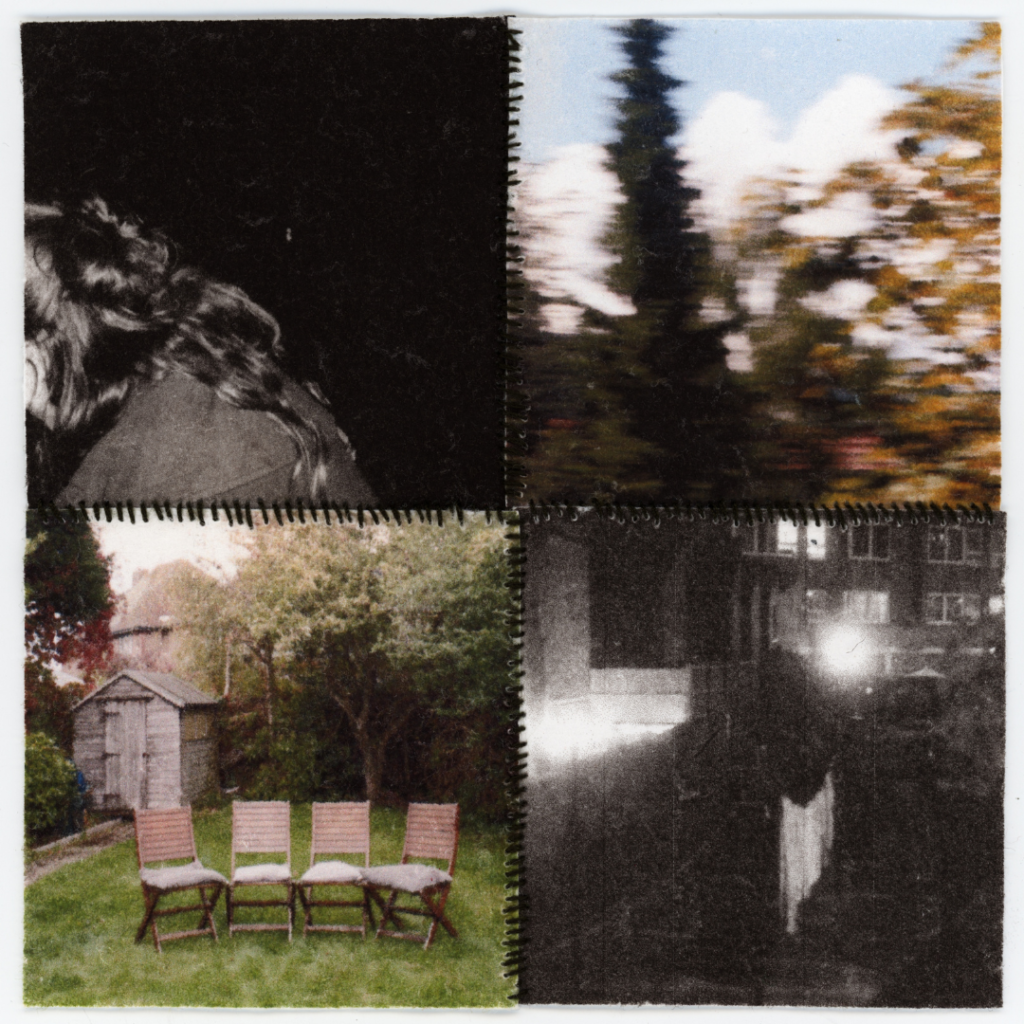
The fragility of the tapestry recalls the same instability that characterizes existence and memory. The moments we consider important are not always the ones we recognize as such while we are living them. Sometimes it is only with the passing of years that an everyday gesture, an encounter or a seemingly ordinary situation takes on new meaning. Placing side by side photographs from different periods makes it possible to intercept precisely these hidden continuities.
The work thus moves between two apparently opposite dimensions: on one side time, which proceeds in a precise direction and cannot be turned back; on the other memory, which keeps reorganizing what has been. We cannot change events, but we can change the way we look at them and the place they occupy in our story.