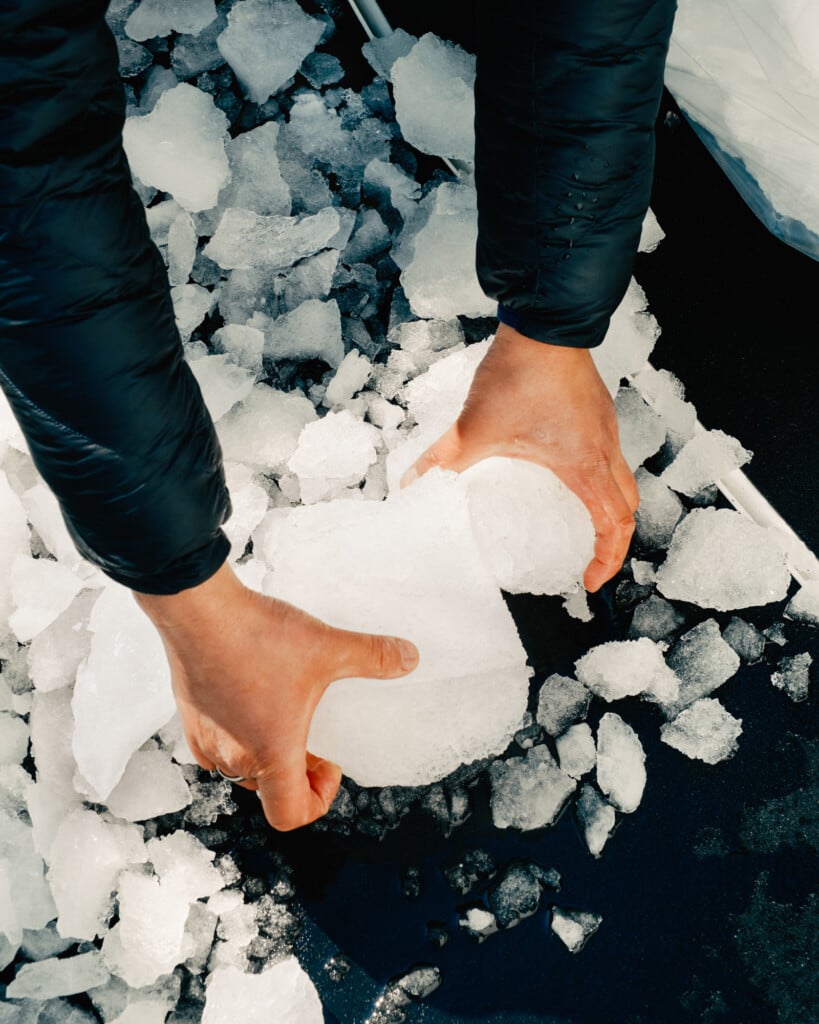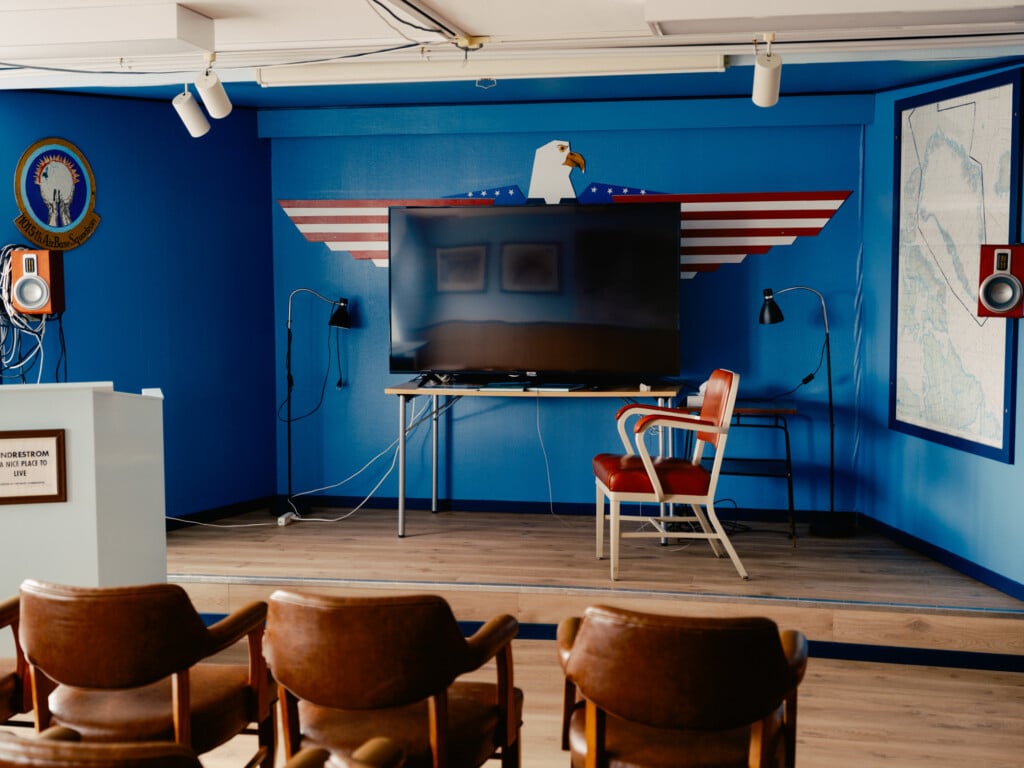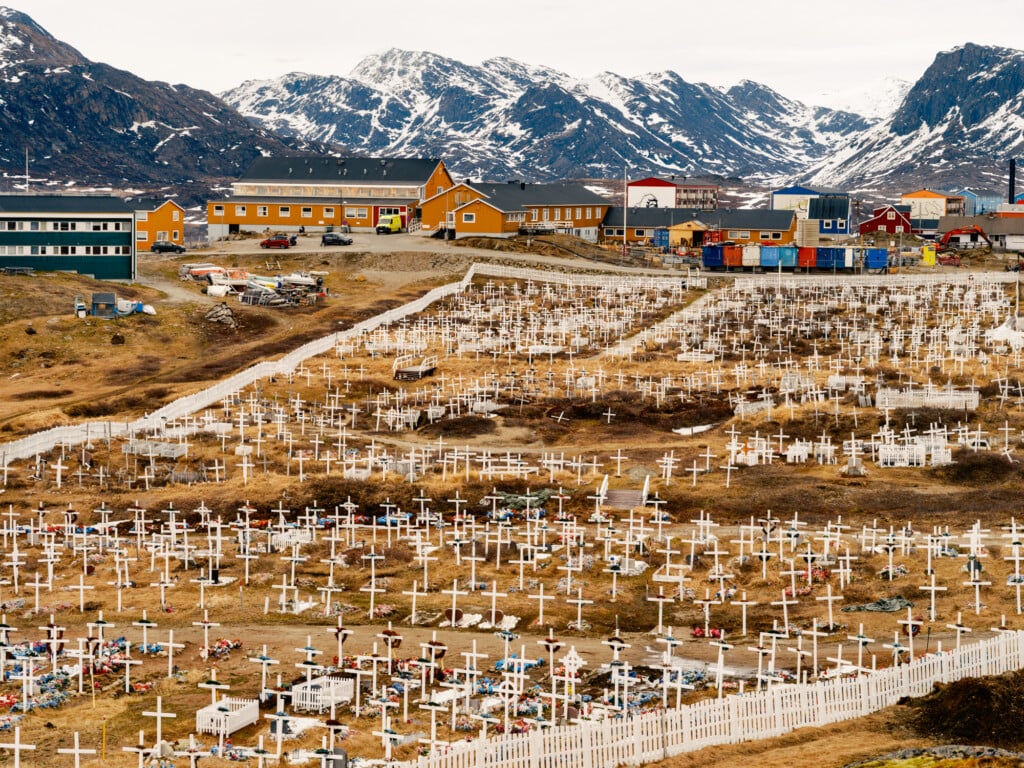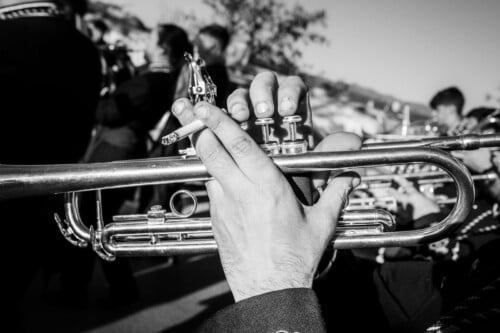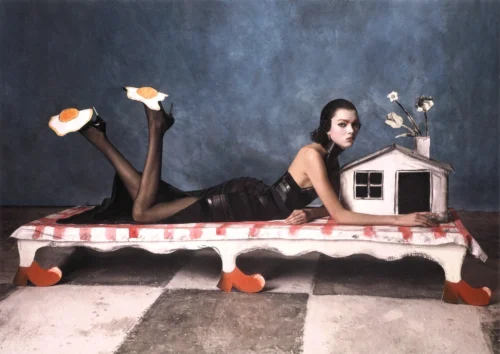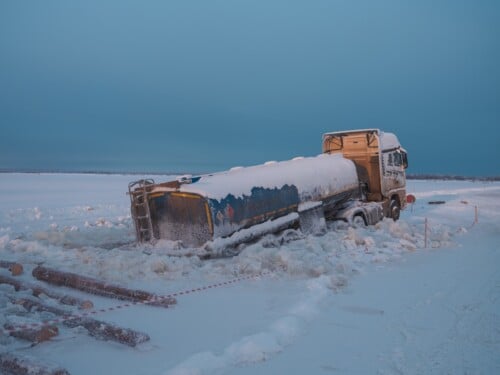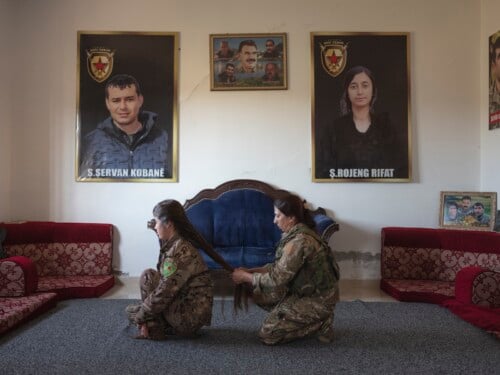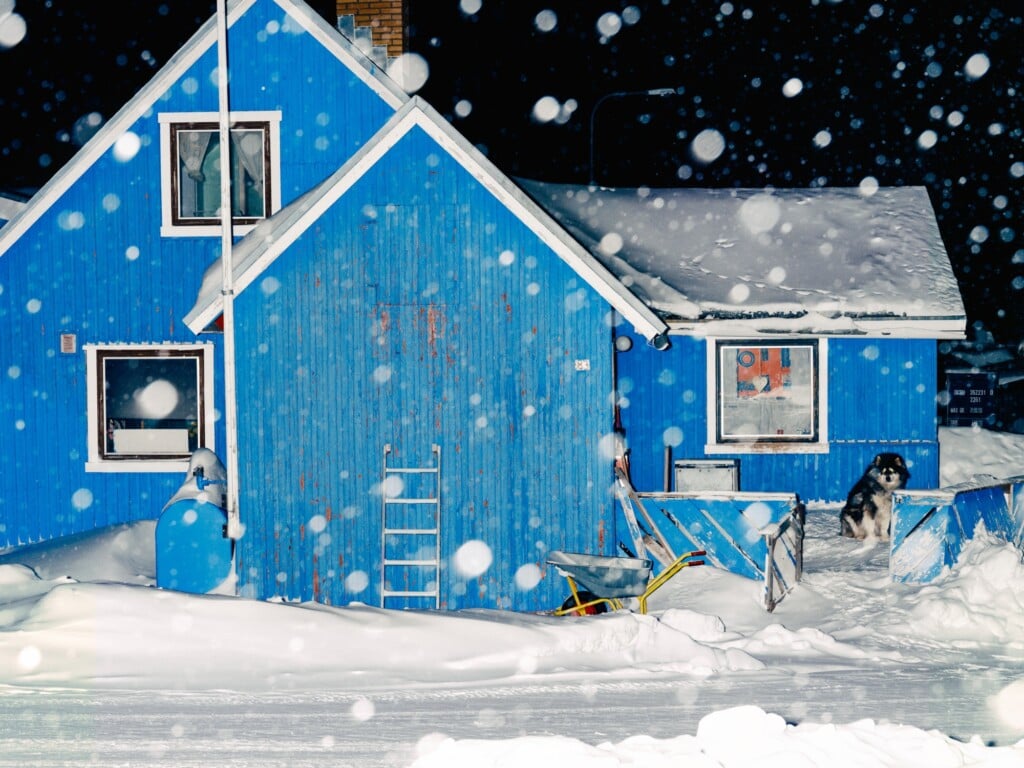
Greenland is often portrayed through images of frozen expanses, remote territories and seemingly motionless landscapes. A representation that, however evocative, risks leaving out everything that exists around and within this vast island: the people who live there, their habits, their traditions and the ways of life that have adapted to extreme environmental conditions. It is precisely from this gap between imagination and reality that To Skip a Sinking Stone takes shape, the photographic project by Daniel Dorsa, a body of work that attempts to convey the complexity of a territory undergoing profound transformations.
American photographer based in Los Angeles, Dorsa works across portraiture, landscape and visual reportage. Throughout his career, attention to people and the environments they live in has been a recurring element. Alongside his personal projects, he has collaborated with international publications and organisations such as The New York Times, The New Yorker, The Guardian and Wallpaper*, developing a gaze able to move between the documentary dimension and visual research. To Skip a Sinking Stone, published in 2026 by Deadbeat Club, is one of his most multifaceted works and stems from a field experience that initially had a very different aim.
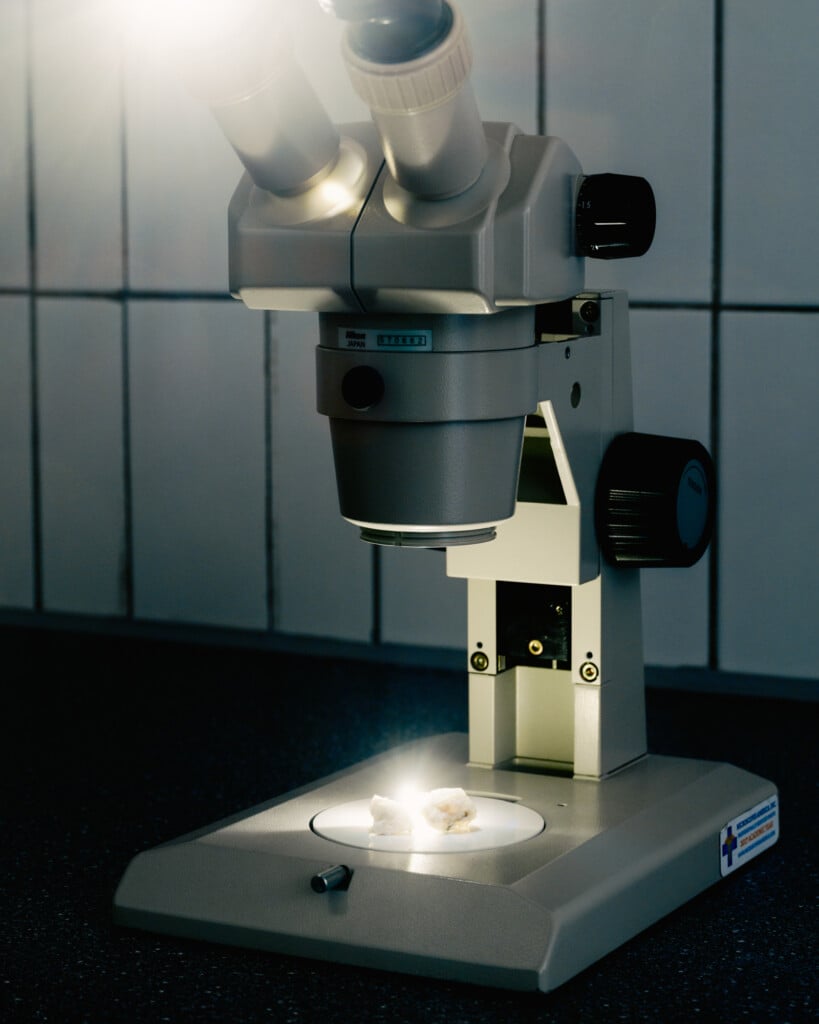
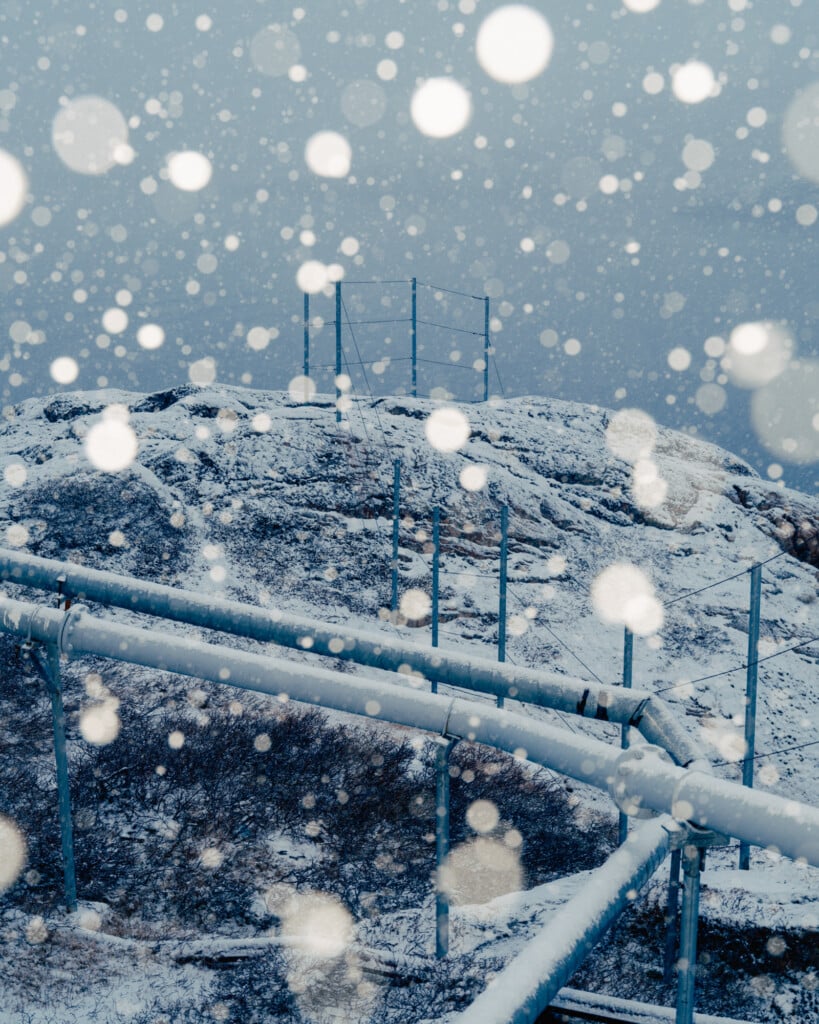
The project begins with an encounter with the research group S.I.L.A., an acronym for Significance of Ice-Loss to Landscapes in the Arctic, engaged in studying the consequences of the melting of the ice sheet on the surrounding ecosystems. In 2023 Dorsa travels to Greenland to document the scientists’ work. What begins as an assignment tied to scientific research gradually turns into a broader investigation, which leads him to return to the island and to observe not only the ice, but also the relationships between the landscape and those who inhabit it.
In Dorsa’s photographs, the ice sheet is not simply a spectacular backdrop to be documented. It becomes a constant presence, even when it remains outside the frame: it shapes the conformation of the territory, the ecosystems and the conditions in which daily life takes place. Its gradual retreat, therefore, is not only about the transformation of a natural environment, but also changes the relationship between communities and the place where they live.
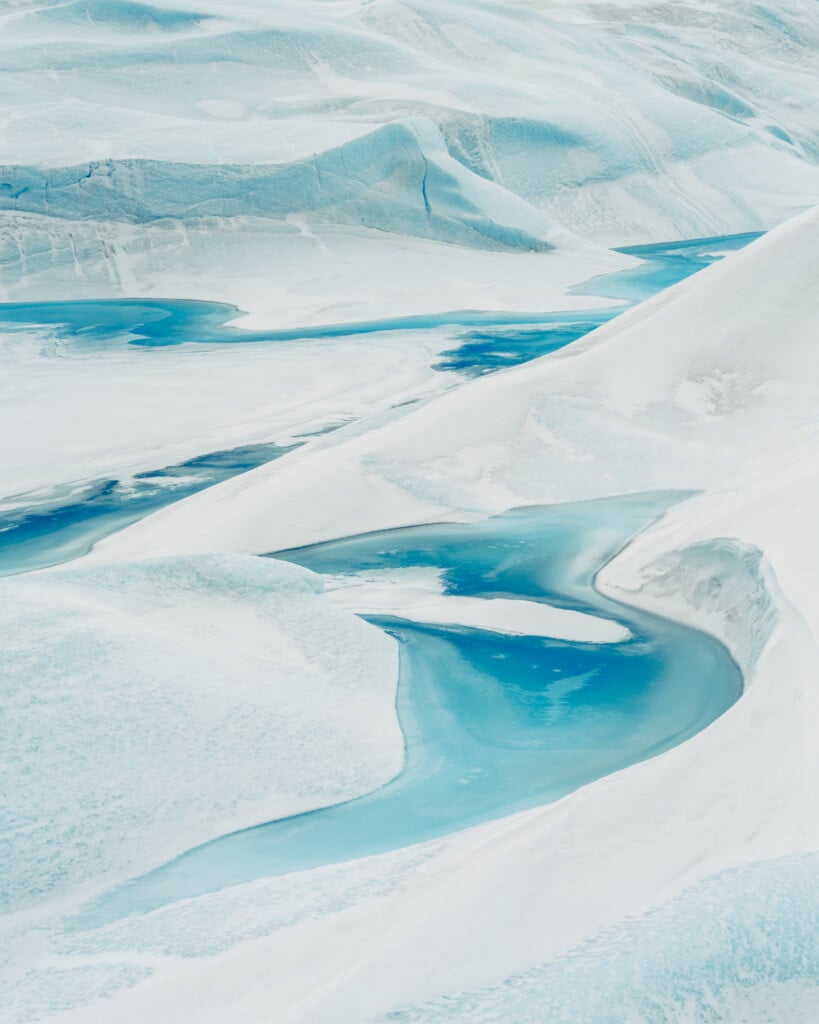
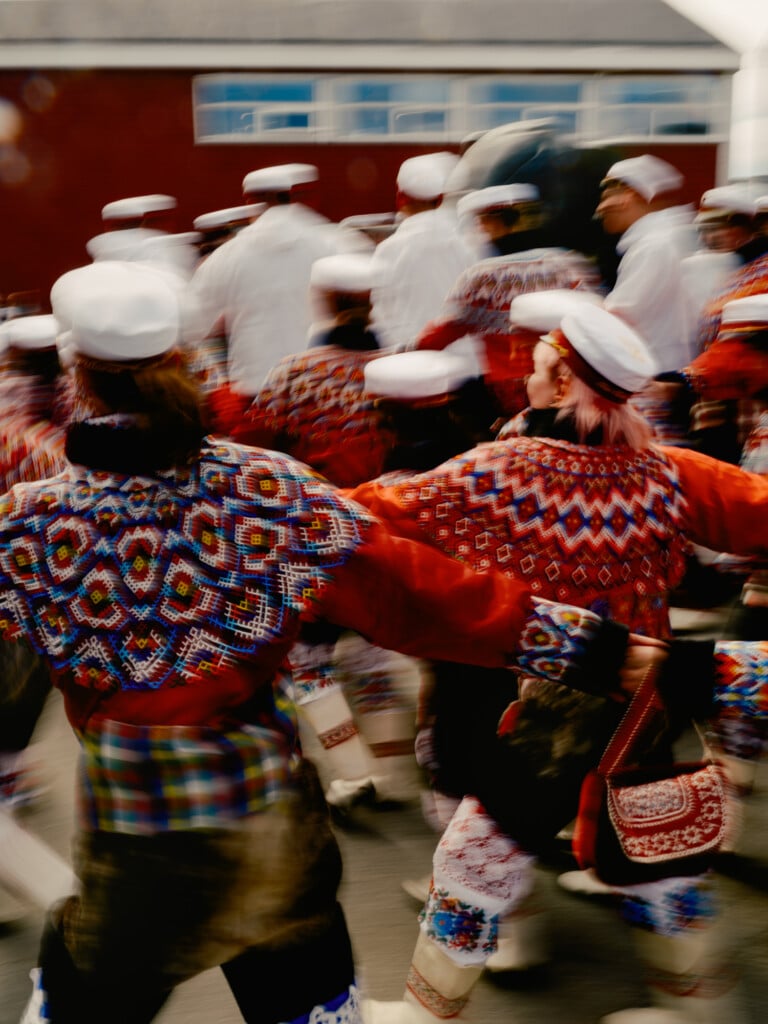
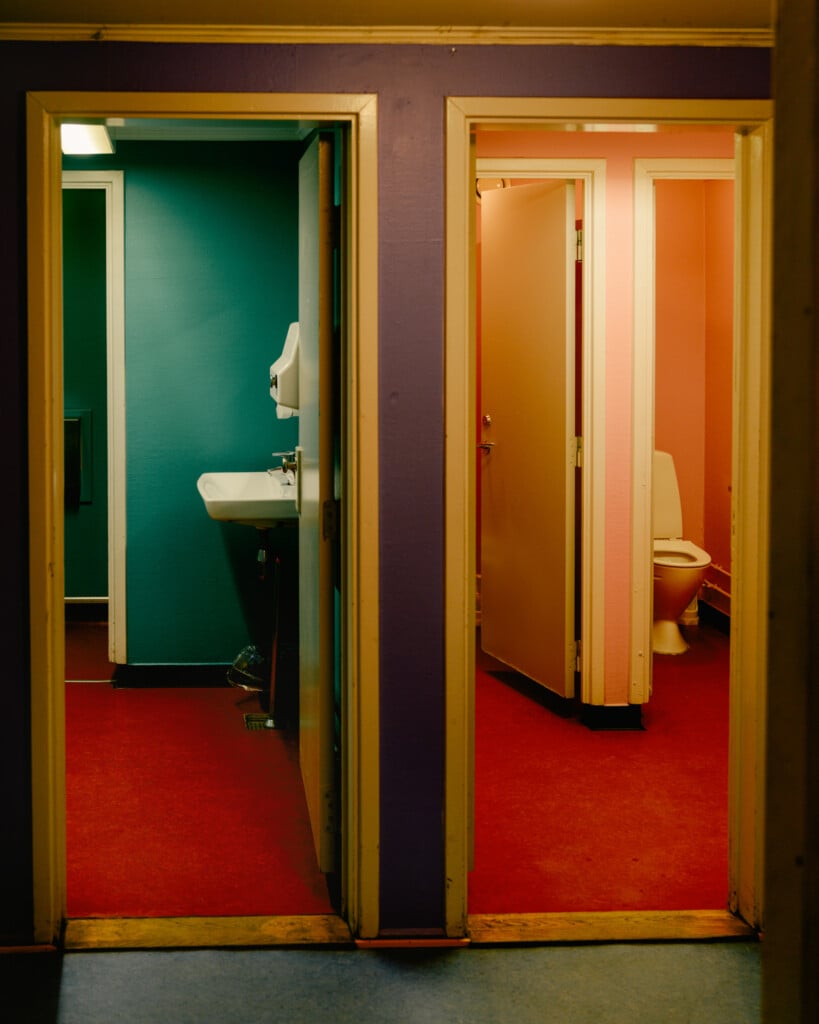
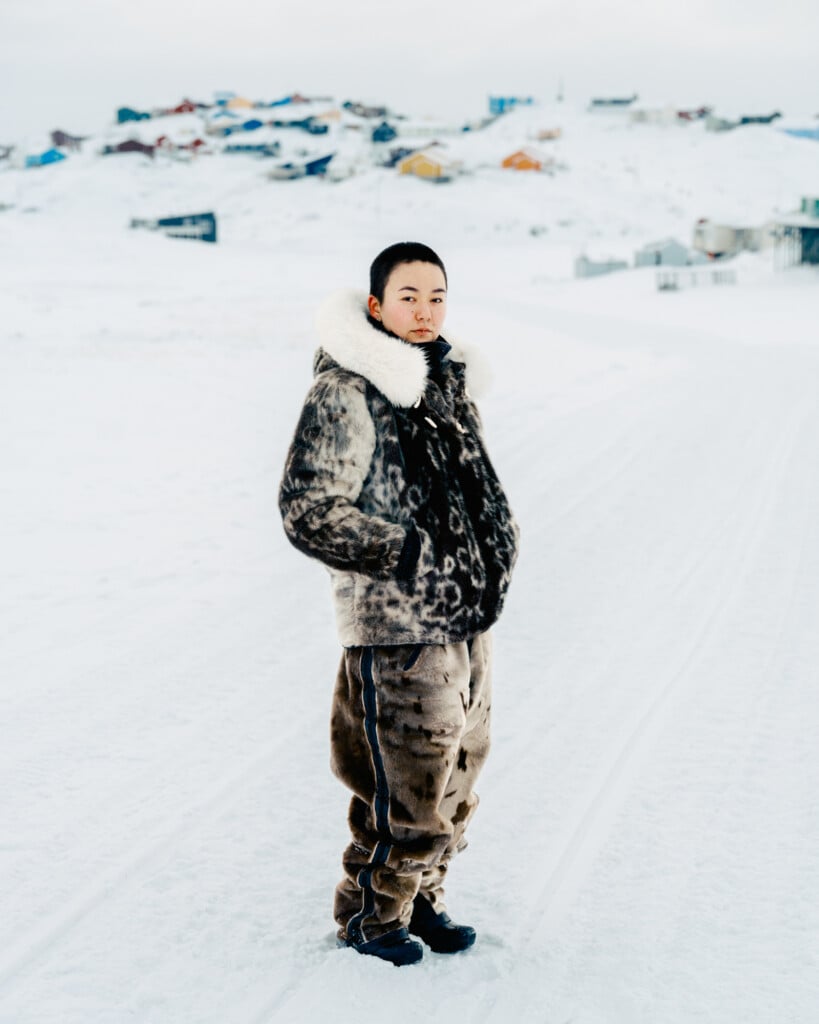
This is the shift that makes To Skip a Sinking Stone something more than a project about climate change. Alongside images of glaciers and open spaces, there is room for portraits, scenes of everyday life and details that tell of a society that is anything but static. Photography thus becomes a tool for approaching a reality made of contrasts: a territory with harsh conditions, yet rich in life; a culture tied to deep traditions, yet constantly traversed by new possibilities; a community that must face increasingly evident environmental changes without giving up its sense of belonging.
Among the encounters recounted in the project are those with young inhabitants of the island, whose experiences convey a less stereotyped image of Greenland. Different stories, united by the ability to hold together cultural heritage and contemporary identity.
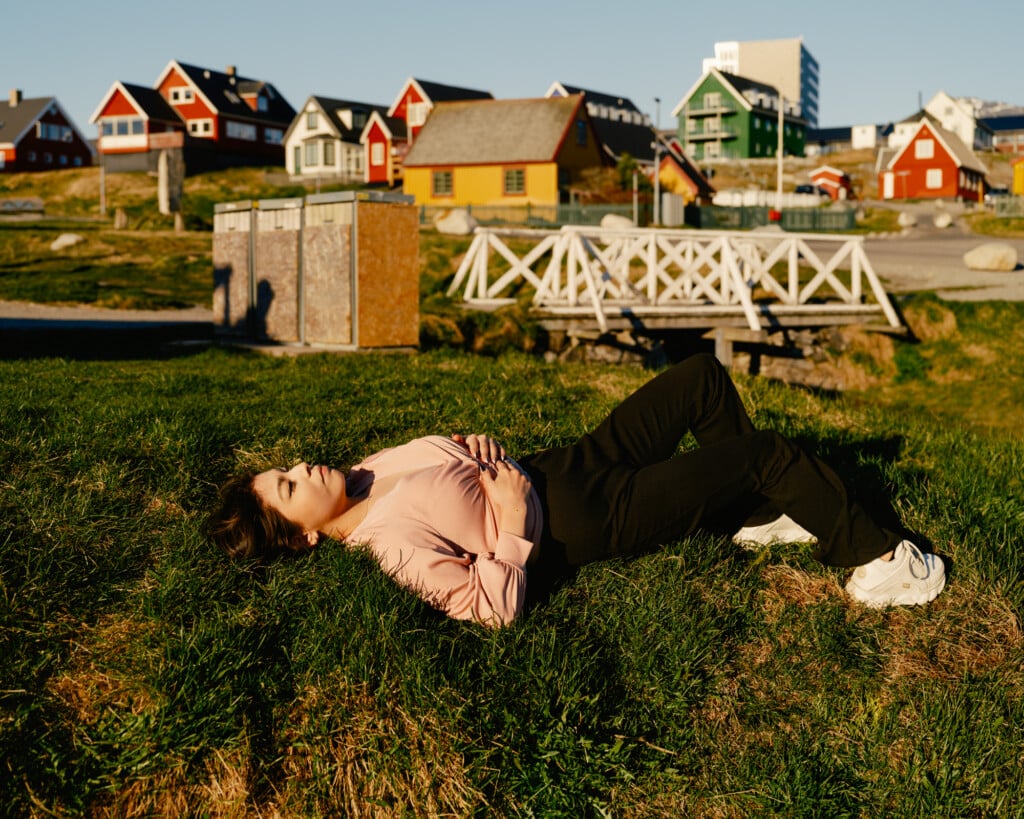
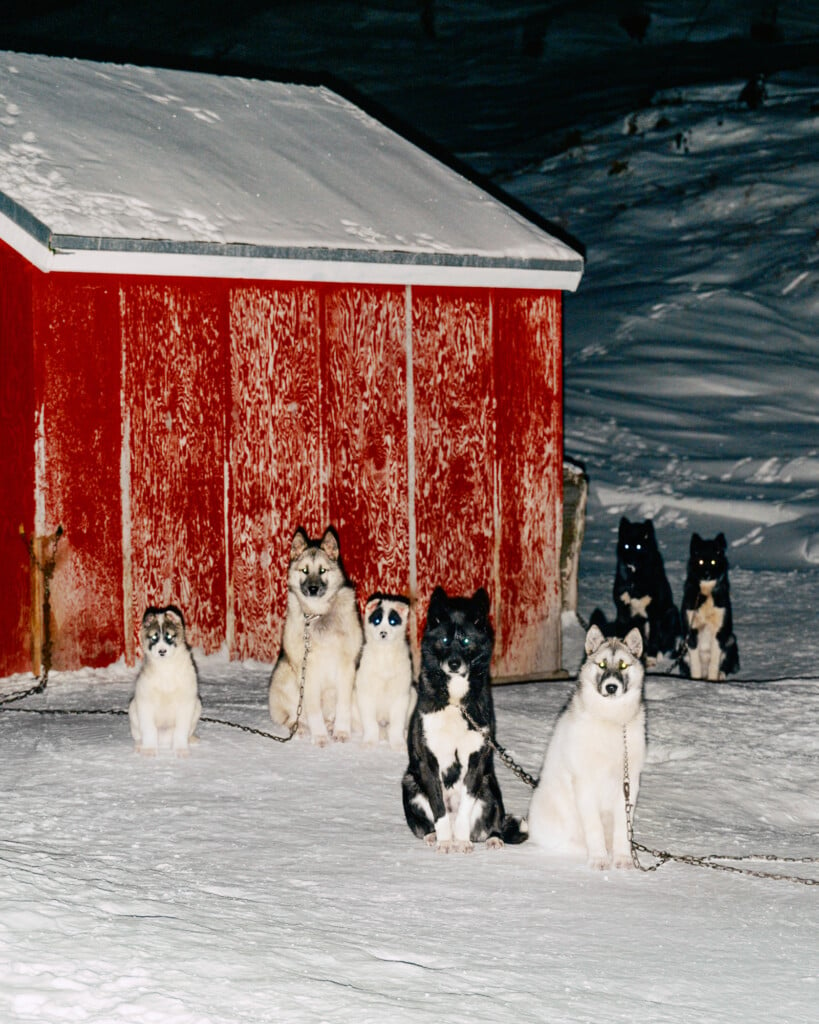
It is no coincidence that Dorsa describes the project as an atlas. The reference concerns not only the geographical dimension of the work, but a broader way of organising and interpreting images. The idea of an atlas is understood as a structure capable of containing different elements, without necessarily reducing them to a single explanation. The photographs do not aim to offer an exhaustive documentation of Greenland, nor to build a linear narrative about the melting of the ice. Rather, they connect fragments of a complex territory, letting connections and tensions emerge between nature, people and historical transformations.
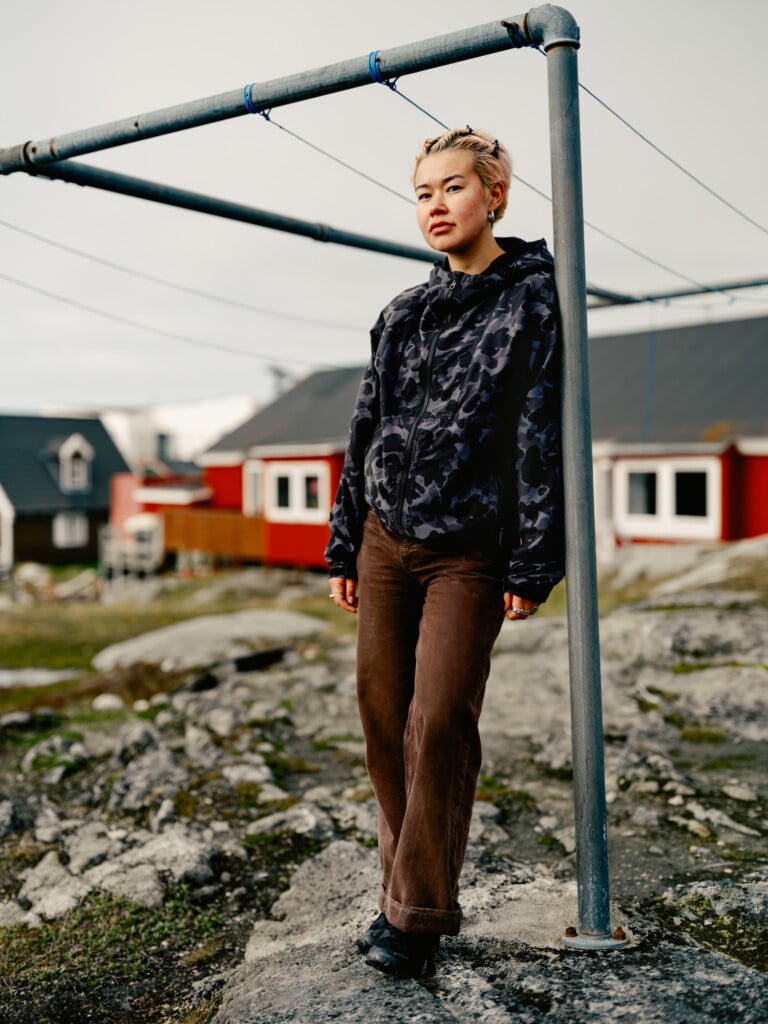

Finally, the title To Skip a Sinking Stone introduces a more intimate reflection. The image of a sinking stone evokes something that seems impossible to stop, just as climate change can appear to be an inevitable reality. And yet, in Dorsa’s photographs, even in the presence of uncertainty, moments of lightness, relationships and opportunities for sharing continue to emerge. Hope is not presented as the promise of being able to control what happens, but as the possibility of choosing how to live while the world around us changes.
This is where the project finds its most interesting dimension: it does not try to turn Greenland into a distant symbol of the environmental crisis, but observes it as a concrete place, inhabited by people who every day build their own relationship with a changing territory. And, through this gaze, it invites us to recognise how much the transformations that seem to belong to distant landscapes are in fact tied to our own idea of the future.