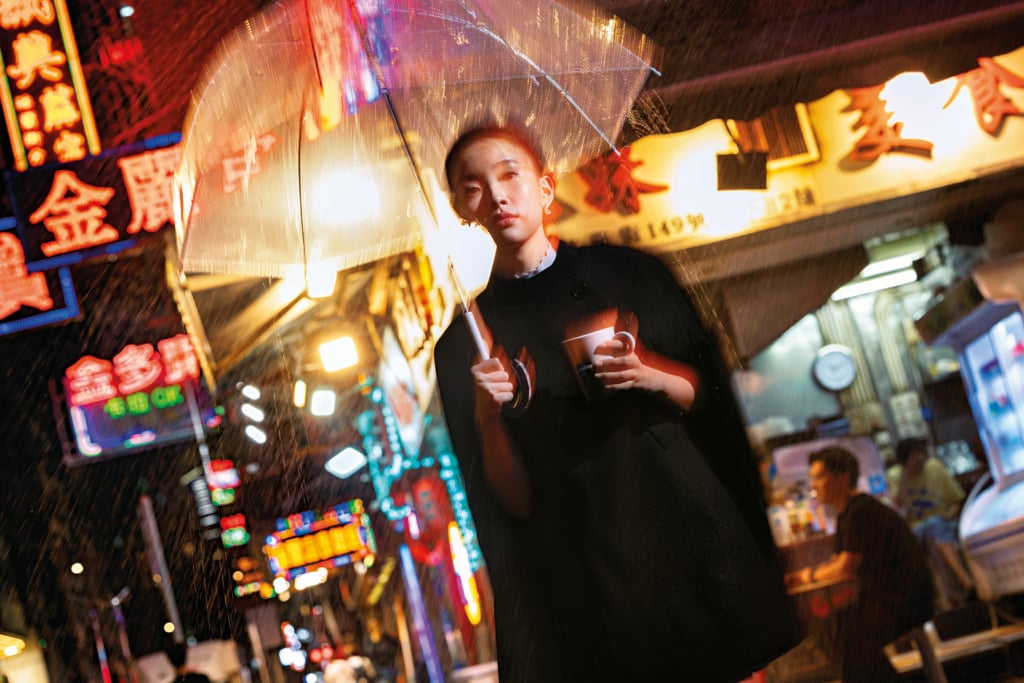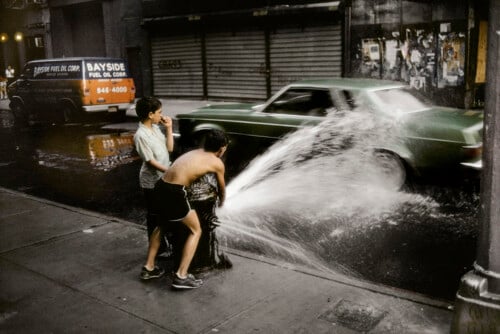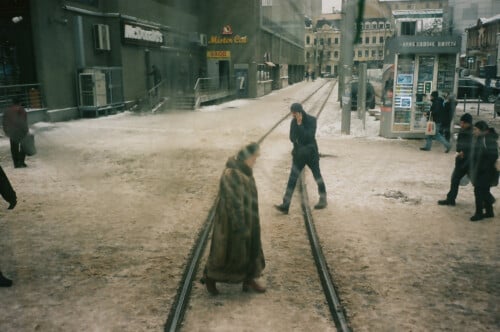
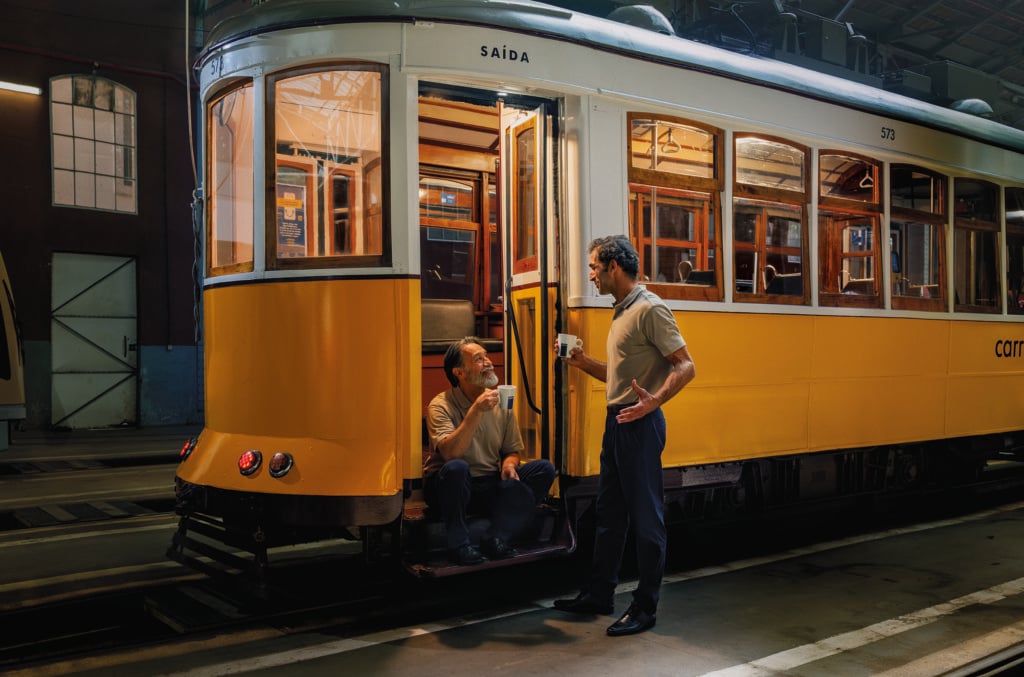
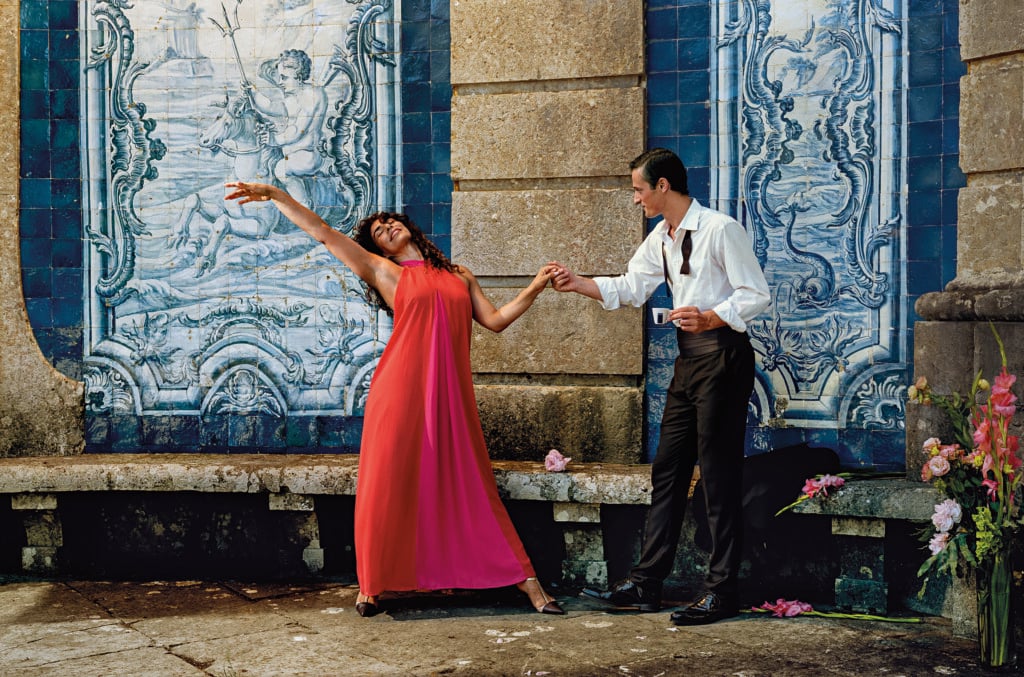
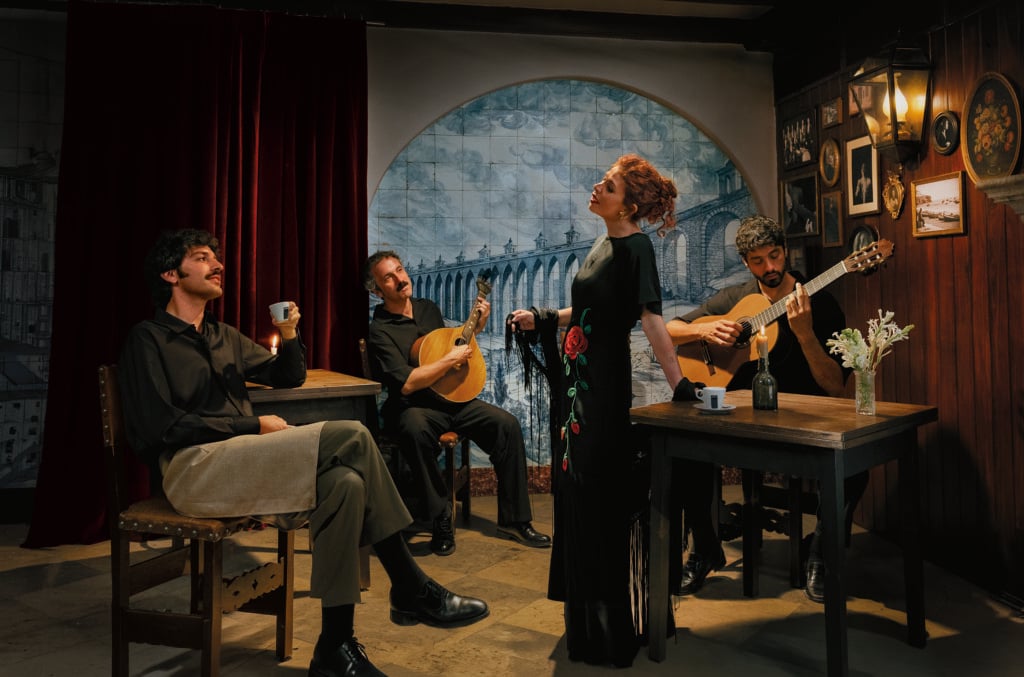
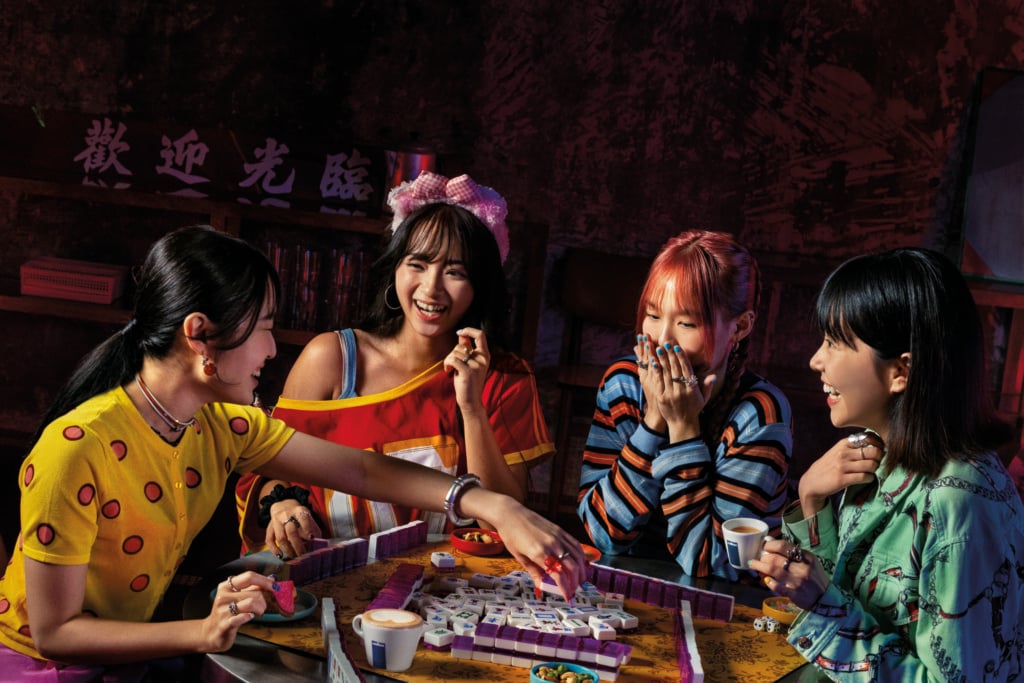
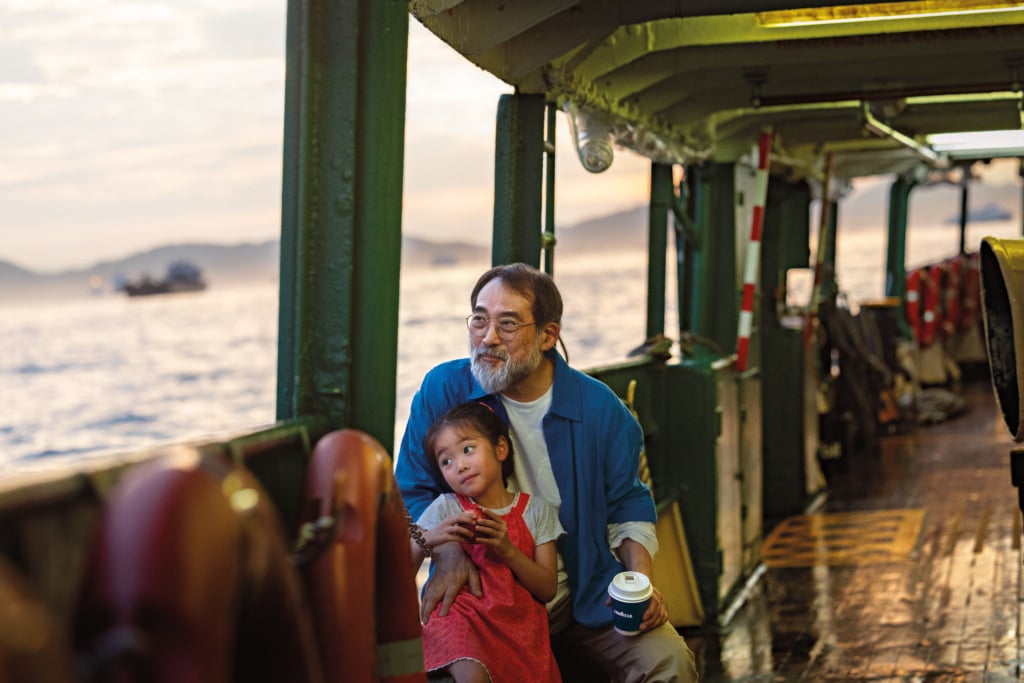
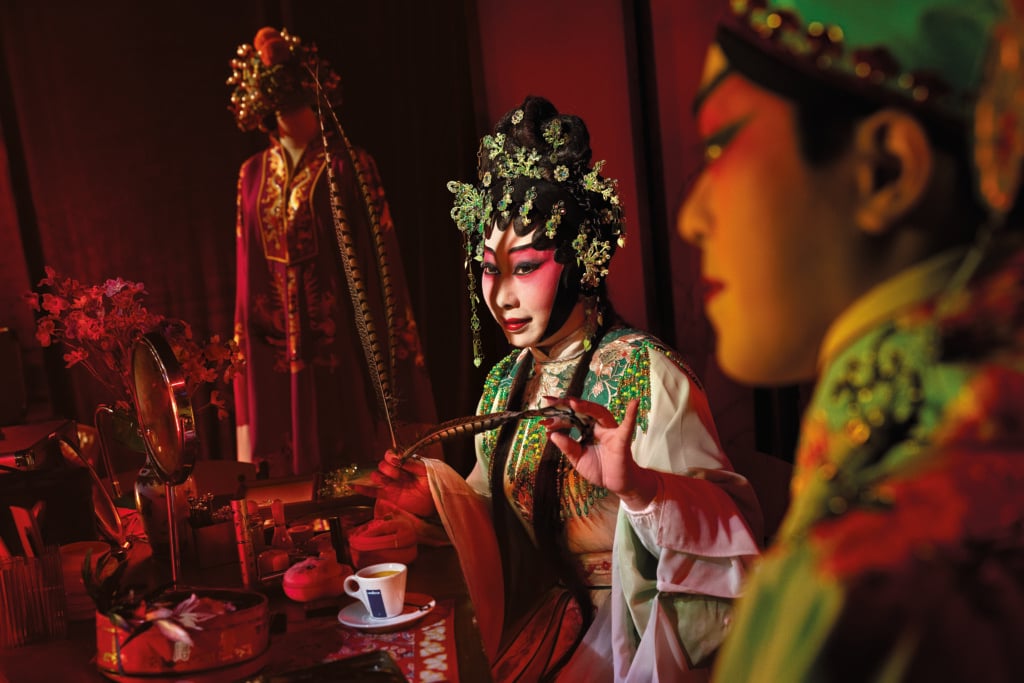
At a time when every day seems to demand to be filled, stopping has become almost a countercultural gesture. And yet, it is often in the simplest parentheses that some of the most meaningful moments are hidden: a coffee drunk without hurry, an impromptu conversation, an unexpected encounter. It is from this observation that Always a Pleasure, the 2027 Lavazza Calendar, takes shape: a photographic project that puts the pleasure of living and sharing time at its centre, through three cities and as many perspectives on contemporary life.
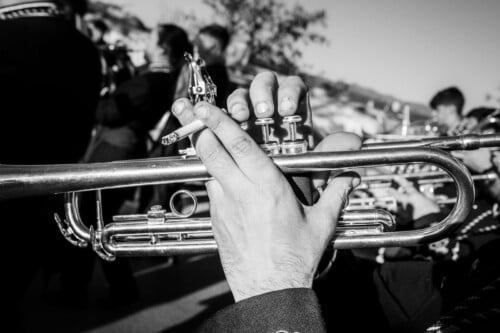
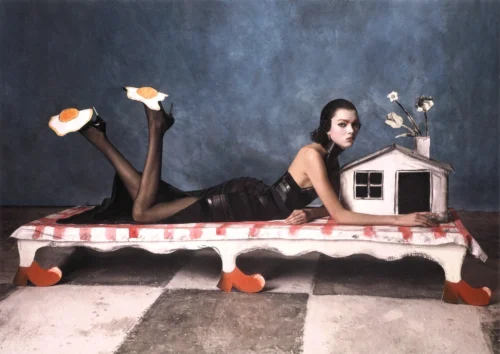
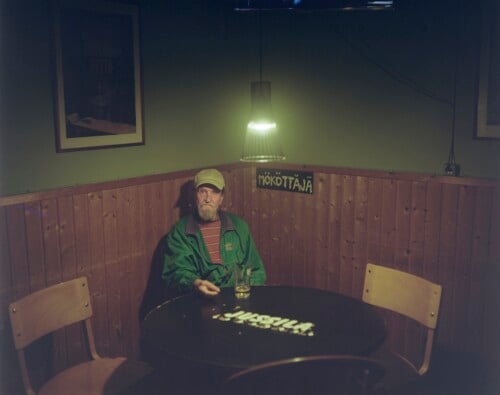
Now in its thirty-fifth edition, the Lavazza Calendar returns to explore the relationship between photography, culture and everyday life, entrusting the story to three Magnum Photos authors: Jim Goldberg, Alex Majoli and Paolo Pellegrin. The project unfolds across New York, Lisbon and Hong Kong, cities that are profoundly different in atmosphere, architecture and identity, yet share the ability to turn the most ordinary gestures into opportunities for connection. It is also a particularly significant edition for Magnum Photos, which in 2027 celebrates the eightieth anniversary of its founding.
Always a Pleasure: pleasure as an everyday experience
Pleasure makes us human is the concept behind this edition, developed by the creative direction of Armando Testa. With Always a Pleasure, Lavazza chooses to move away from a representation of pleasure tied exclusively to extraordinary experiences, and to focus instead on something more immediate and universal: the possibility of recognising beauty in the small moments of the day. Coffee thus becomes a common thread running through different cultures and geographies, without ever imposing itself as the sole protagonist of the images. It is rather a familiar presence, a ritual that accompanies people through the different moments of the day, from the first break of the morning to encounters that stretch into the evening.
The result is a story built through fifteen images, organised into three photographic chapters, each dedicated to a city and an author. In New York we find Jim Goldberg, in Lisbon Alex Majoli and in Hong Kong Paolo Pellegrin. Three different sensibilities that offer as many ways of looking at the world, letting pleasure emerge not so much as a condition to be achieved, but as something that can reveal itself at any moment.
New York through the eyes of Jim Goldberg
Opening the calendar is the New York chapter by Jim Goldberg, an American photographer and member of Magnum Photos, known for a practice that connects images, words and graphic interventions. Over the course of his career he has developed long-term projects dedicated above all to people and their stories, giving space to subjects who are often underrepresented and building narratives that go beyond the boundaries of traditional documentary photography.
For Always a Pleasure, Goldberg returns to observe New York, a city he knows well but does not live in permanently. His gaze focuses on people, their gestures and seemingly marginal situations which, once photographed, seem to open up endless narrative possibilities.
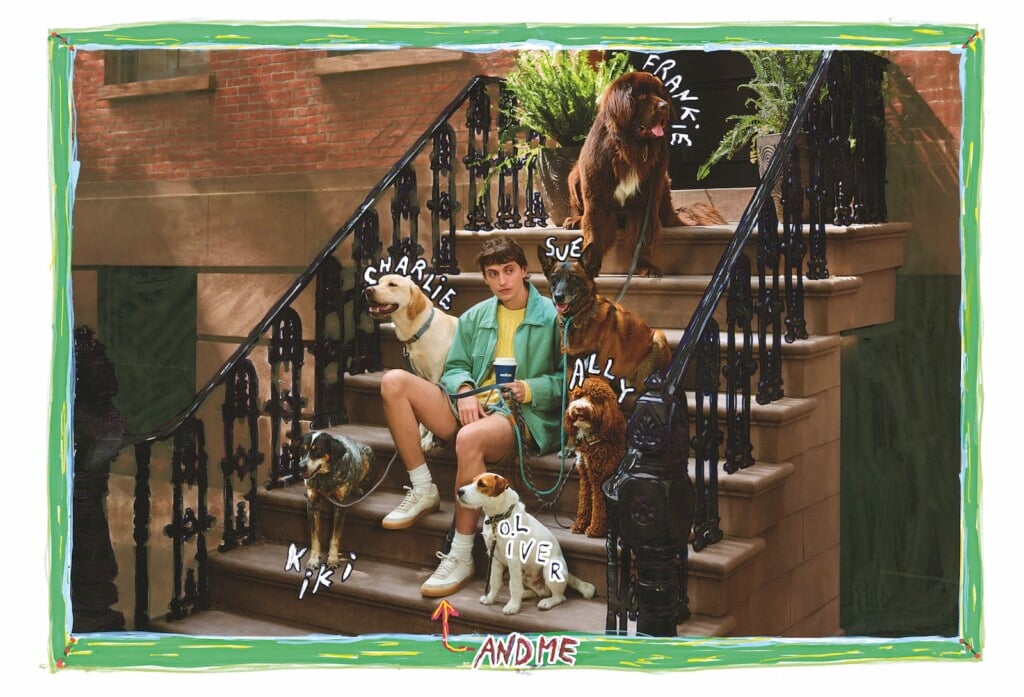
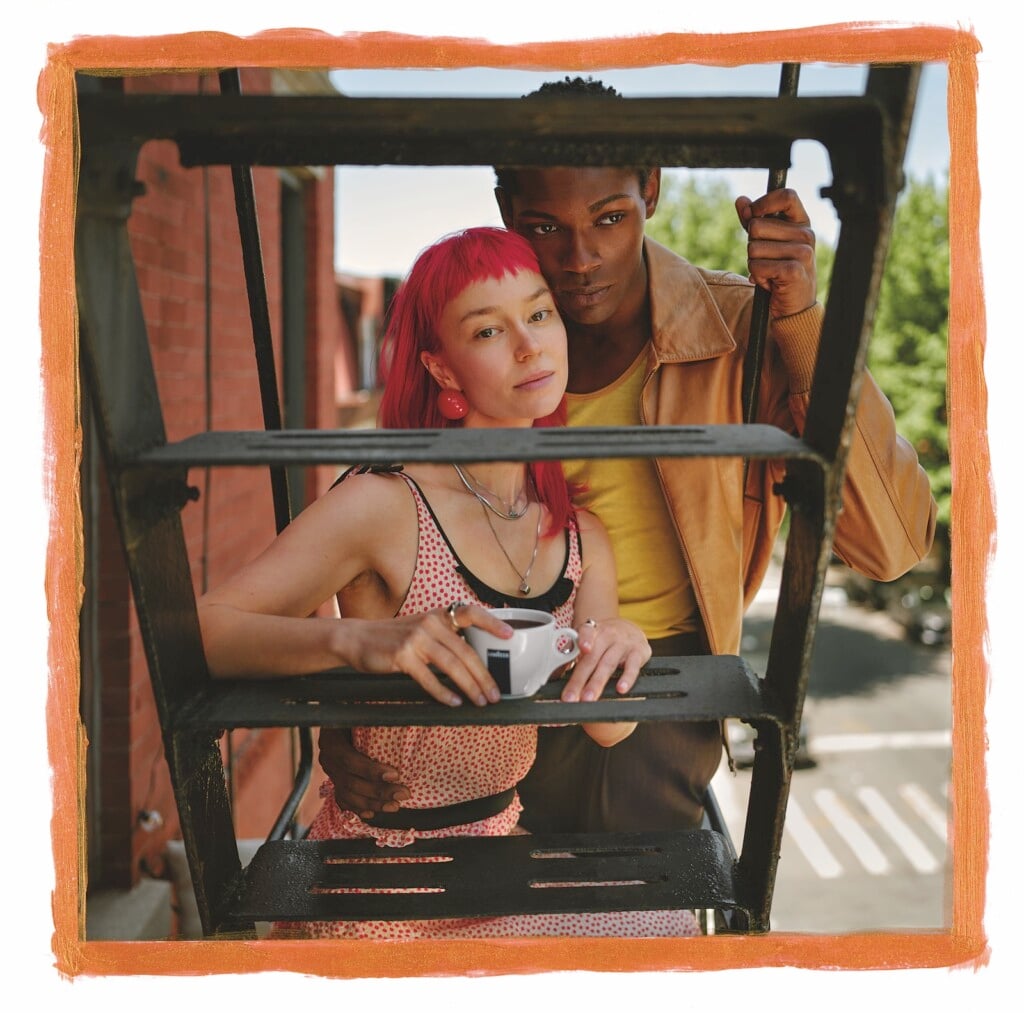
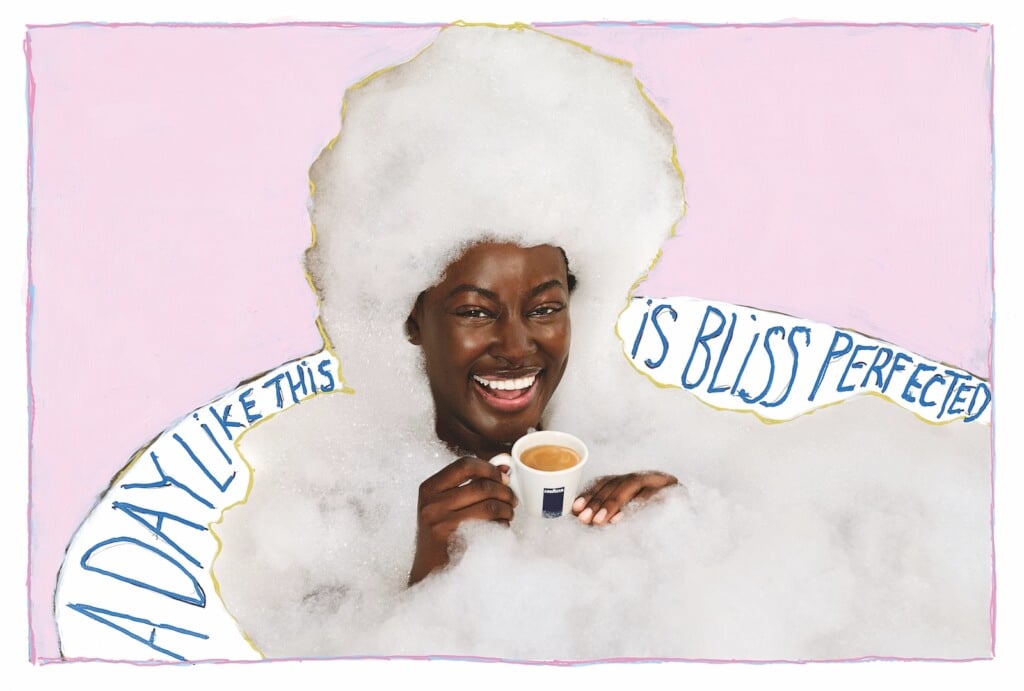
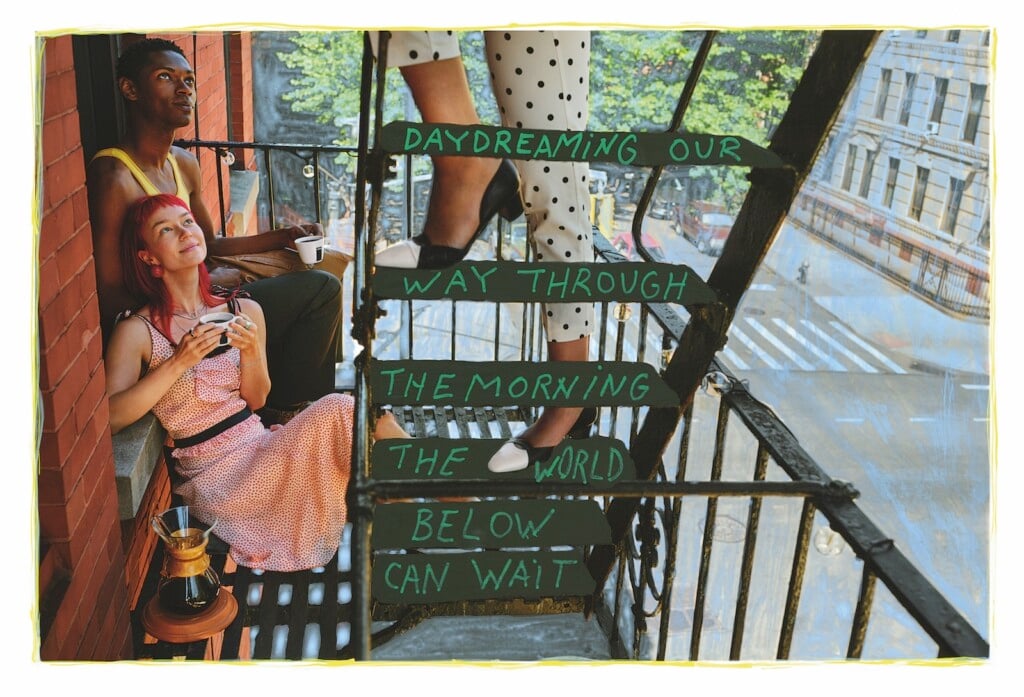
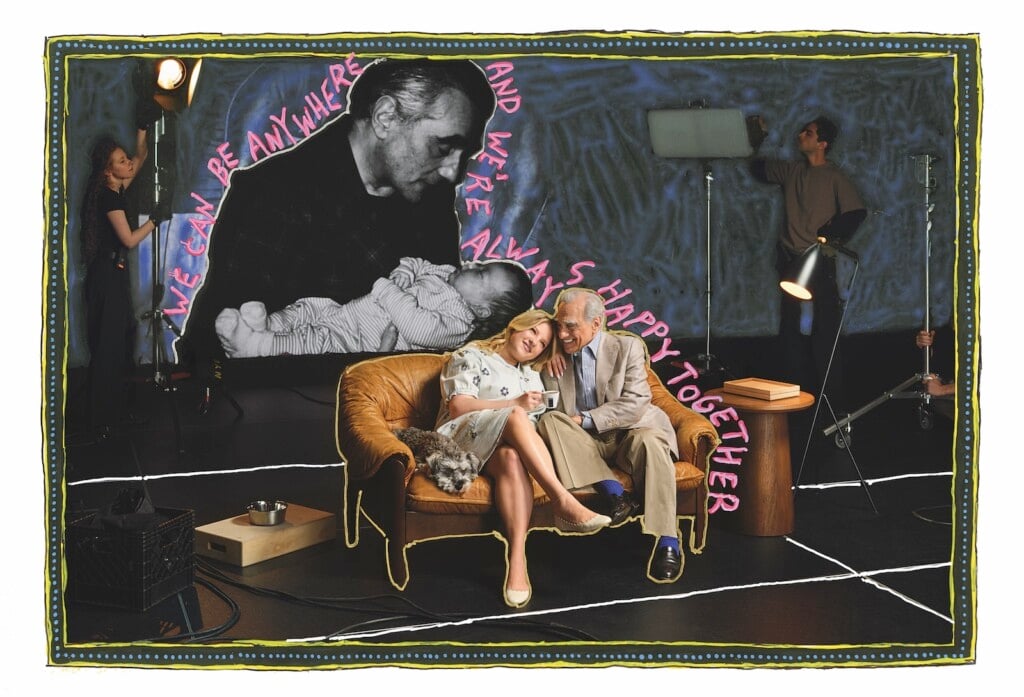
The calendar’s cover portrays two young people, while the other images wander through some of the city’s characteristic corners. Among them are the famous fire escapes, architectural elements that are part of the New York imaginary and become, in Goldberg’s photographs, places of observation and encounter. In January, a girl immersed in the bubbles of a bathtub sips her coffee: an ironic, playful scene that interprets pleasure as the possibility of carving out a personal space. In March, a group of dogs gathered on a staircase creates a spontaneous, almost geometric composition, while in April we meet Martin Scorsese with his daughter Francesca, caught in a moment of family complicity.
Jim Goldberg on his way of photographing
It is a New York made of details, relationships and small episodes, far from the more predictable images of the metropolis. We spoke directly with Jim Goldberg, who during our conversation told us about his relationship with pleasure, the way he observes the city and the importance of people in the making of his photographs.
Asked what the idea of Always a Pleasure means to him and how he interpreted it through photography, Goldberg replies: “Pleasure is always a goal in my life and in my work. Desire is a way of living. It’s about trying to welcome with grace whatever comes and move on. Having a profession that I keep returning to, finding pleasure even in the smallest and most mundane things, is simply wonderful for me. It opens doors to places I haven’t yet seen. And working on the Lavazza Calendar is exactly like that: another way of experiencing the pleasure of creating something”.
A statement that also conveys the sense of his artistic practice: photographing means continuing to search, letting yourself be surprised and finding new possibilities within what you already know. New York, in this sense, is a particularly fertile territory. When we asked him which stories he wanted to tell through his images, starting from his definition of the city as a place rich in narratives, Goldberg explained: “New York is full of implicit stories, it’s something that never ends. You see a group of friends on a fire escape and you imagine their conversations, where they come from, what their lives are like, what problems they have, who they’re in love with. Photographing people in such a way that others can complete the stories through their own imagination and projections is ideal for me. It’s truly a goal”.
People, then, are not simply subjects to be captured, but active participants in the construction of the story. Goldberg in fact told us that he works together with the people he photographs, involving them in defining the stories and taking a collaborative approach. His relationship with New York is also based on a form of open observation. During the interview, the photographer pointed out that he does not live in the city, although he knows it well: “When I’m in New York, I like to wander, walk, get lost, follow the smells, try different foods,” he told us. “I think the idea of tourism is a way of removing any familiarity with a place, of looking at it with an open mind, like a blank slate, and seeing it differently”.
It is precisely this willingness to observe without taking anything for granted that runs through the photographs made for Lavazza. An attitude that is also found in his choice to intervene on images through text and graphic elements, a distinctive component of his practice. The image, therefore, is not considered a concluded story, but a starting point to which new layers of reading can be added. Words and graphic interventions do not simply accompany what we see, but help change our relationship with the photograph, allowing meanings to emerge that might otherwise remain hidden.
Finally, speaking about the relationship between reality and personal vision, we asked Goldberg how he finds the balance between the need to capture an authentic moment and the desire to build his own interpretation. His answer was particularly interesting: “It’s a dance, I think. I try to find this balance by observing the situation, the gestures of the person or people I’m photographing, observing the light. I don’t always realise, in the moment, that I’ve found that balance, but I try many versions of the photograph until I feel I’ve gotten there”.
And it is perhaps right here that the deepest meaning of Always a Pleasure can be found: in the possibility of looking anew at what surrounds us, letting ourselves be surprised by what we often consider ordinary. Through three cities, three photographic sensibilities and a series of encounters, the 2027 Lavazza Calendar reminds us that pleasure does not necessarily need exceptional occasions. Sometimes all it takes is to change perspective, allow ourselves a pause and pay attention to what is happening in front of our eyes.