We are used to seeing beauty already transformed into image: impeccable salons, perfect hair, carefully designed lighting, products arranged with precision, faces that seem to know no imperfections. But what happens when all of this disappears?
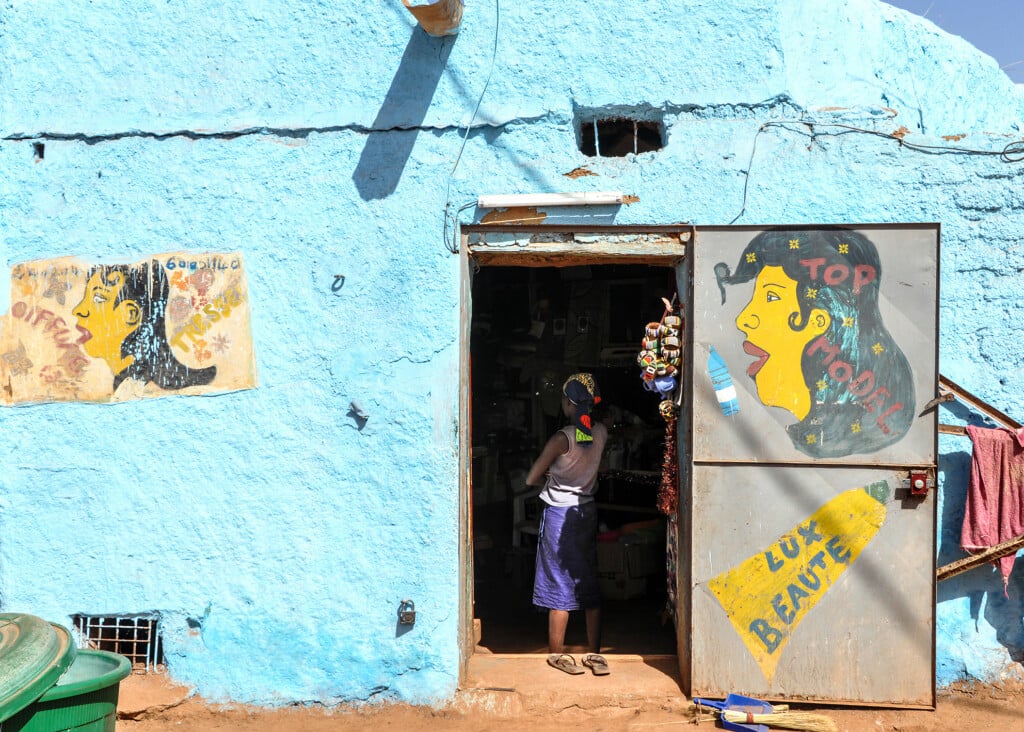
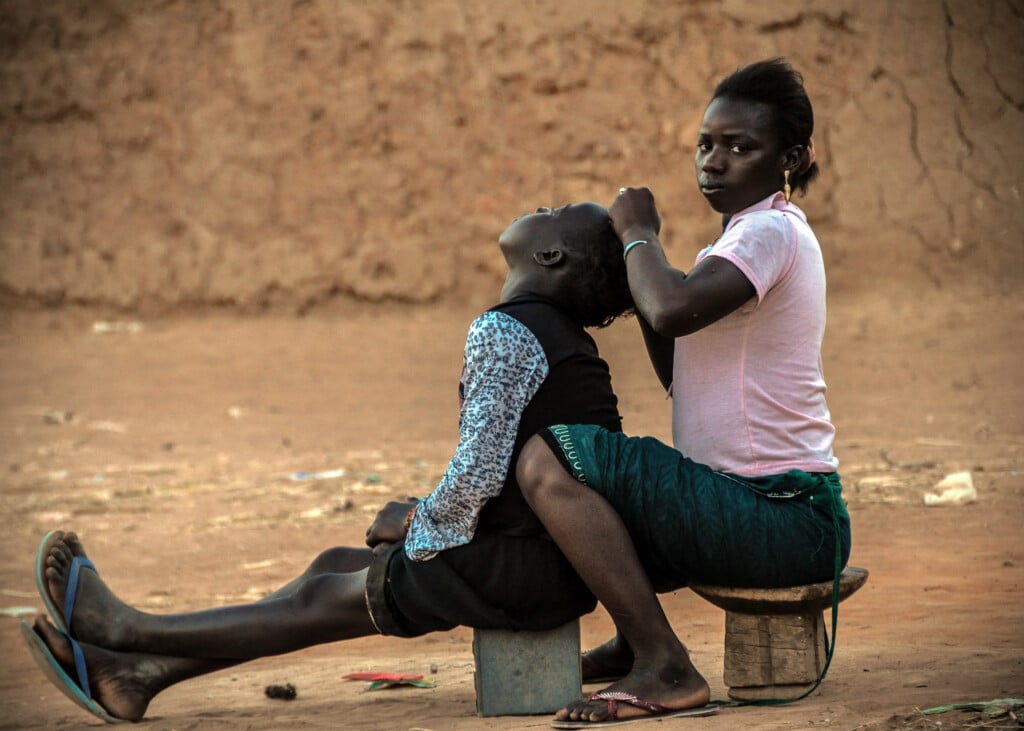
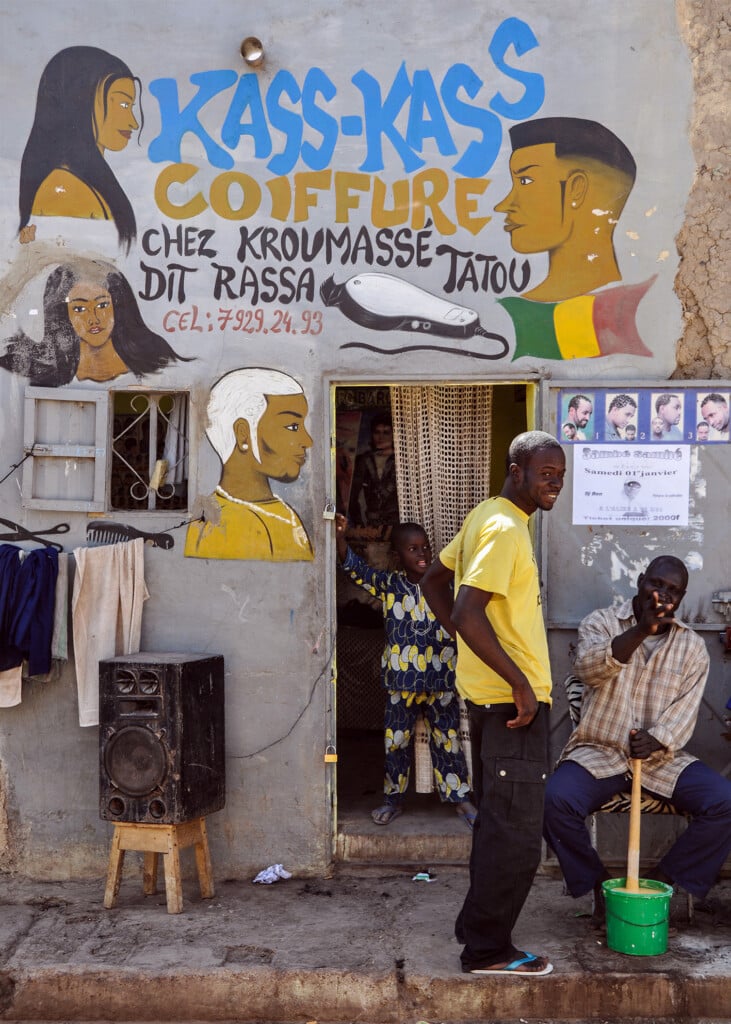
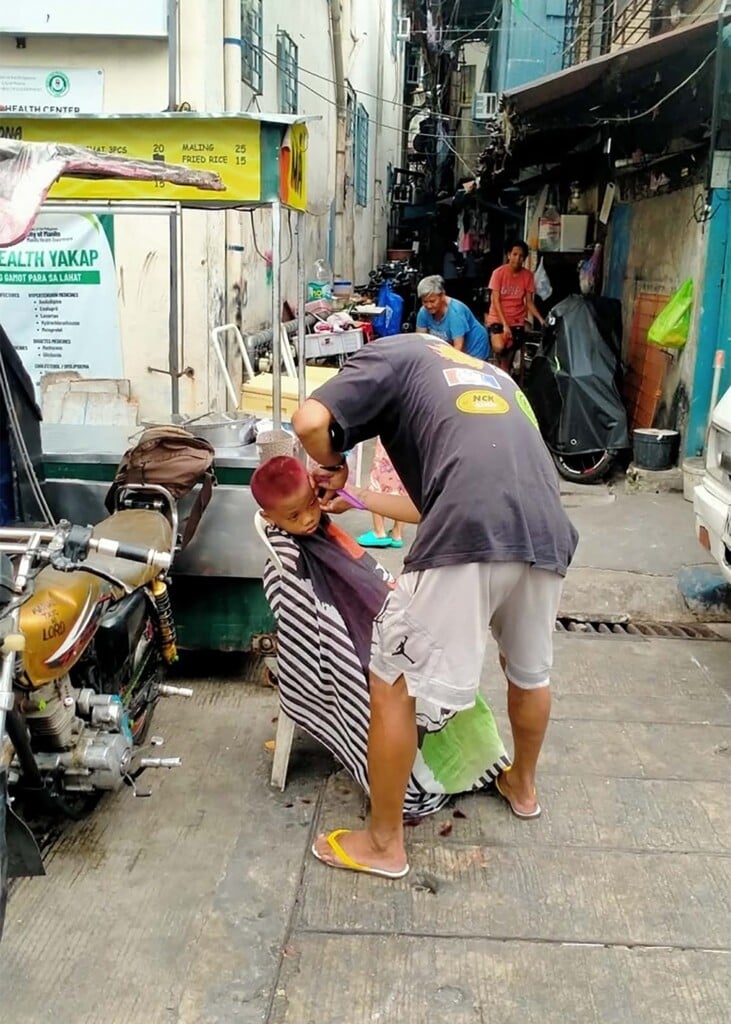
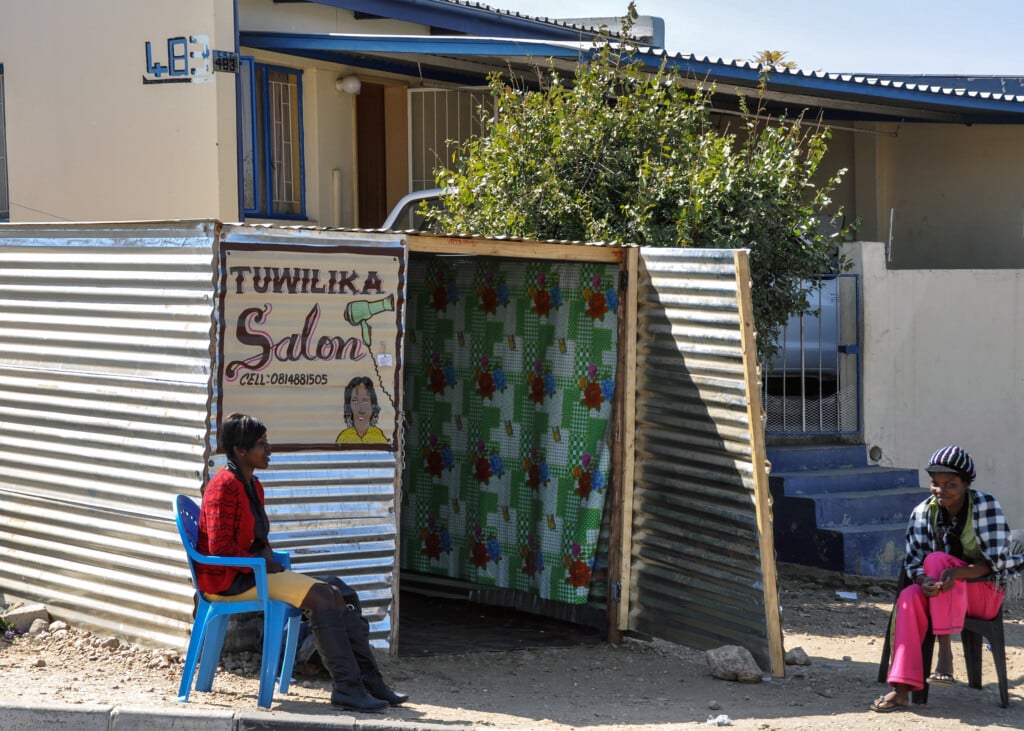
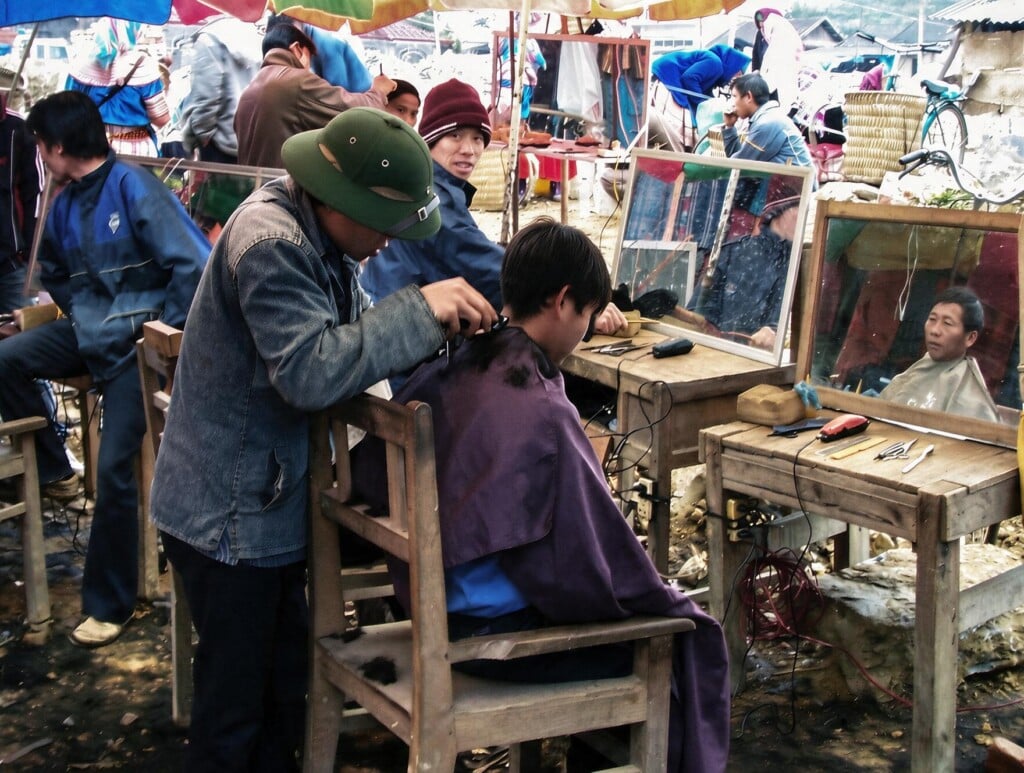
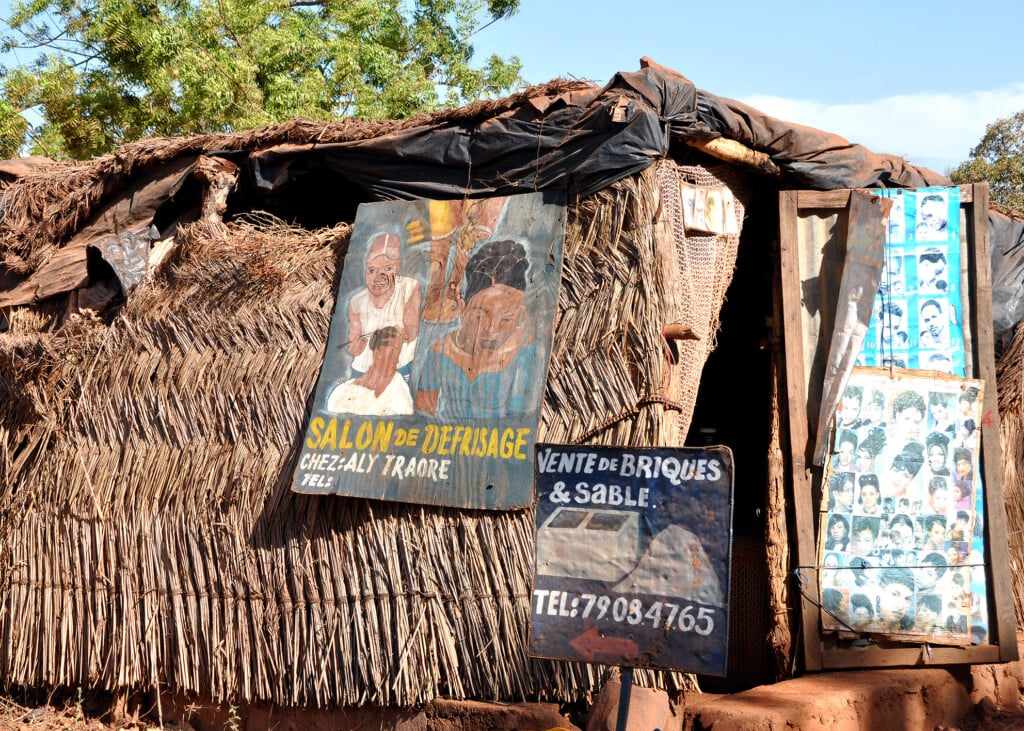
It is from this very question that Proud to be Hairdressers was born, the photography exhibition curated by multidisciplinary artist SANGY, which brings to Milan a story very far from the glossy aesthetics the beauty industry has accustomed us to. Through 29 photographs taken in different parts of the world, the project looks at hairdressers in the places where they work, often very far from the glamorous imagery of the industry.
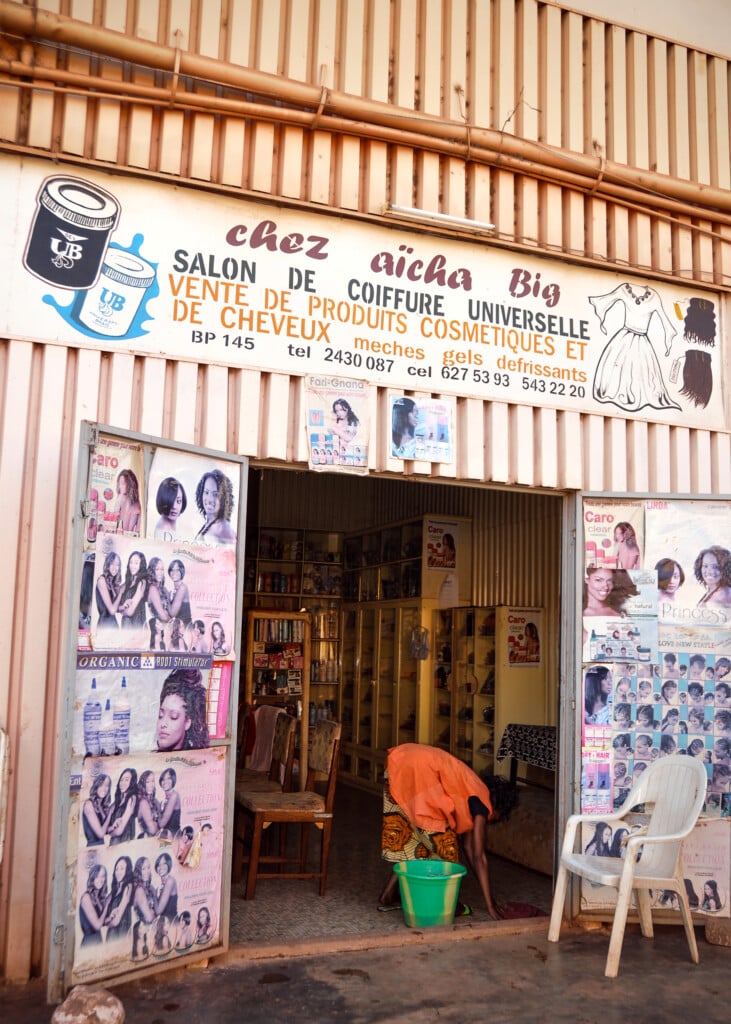
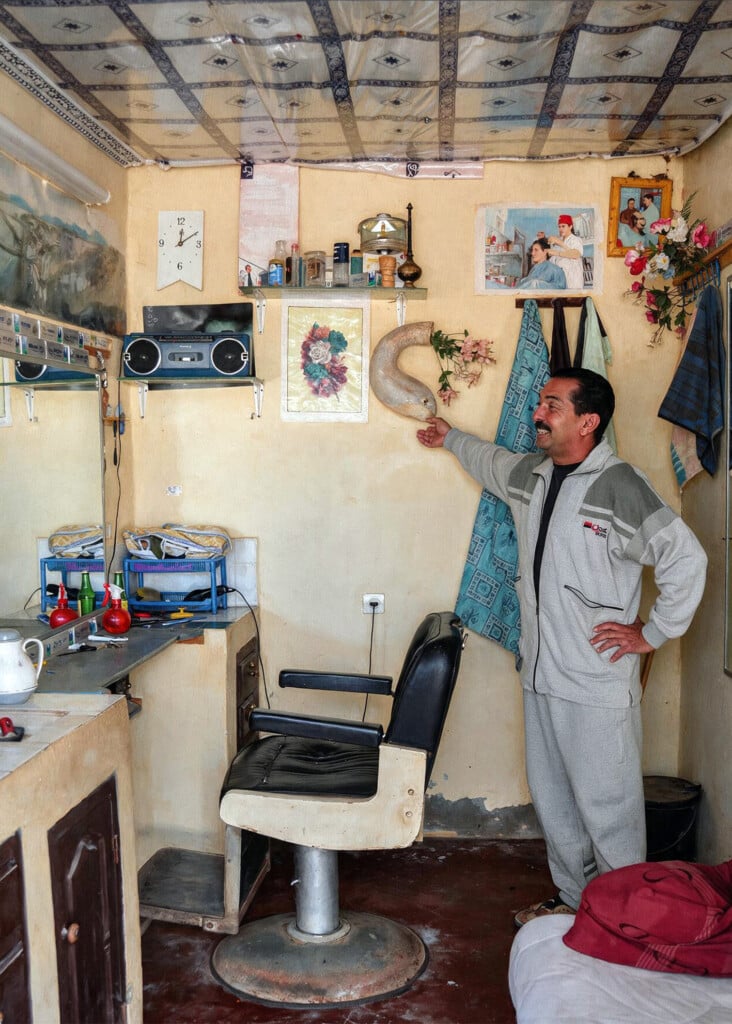
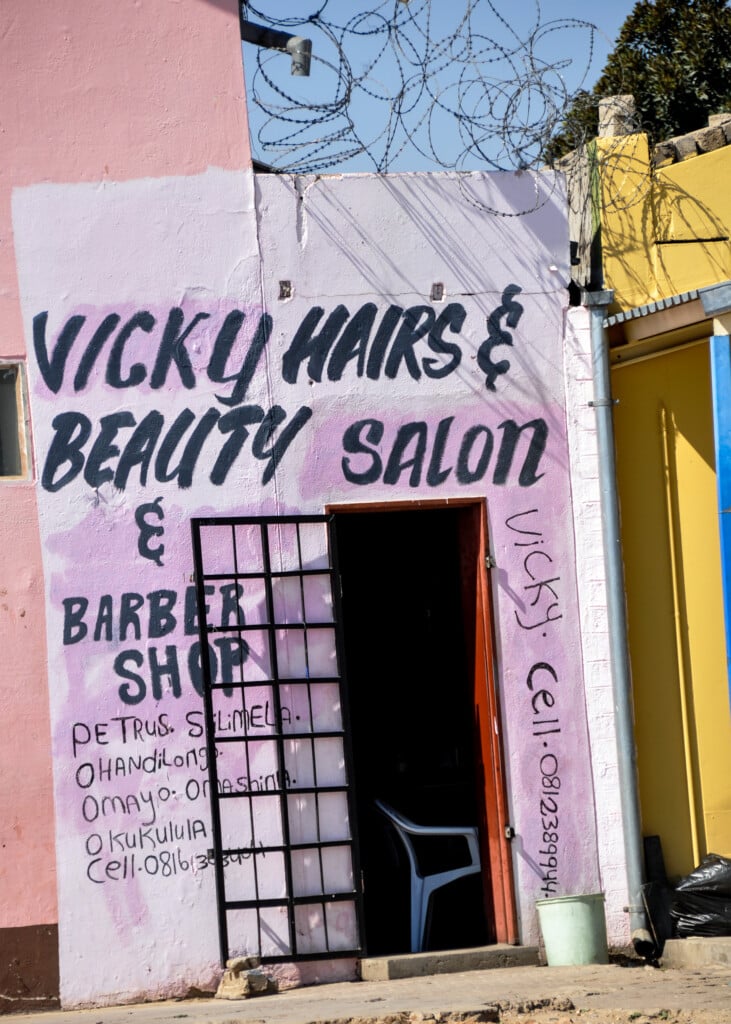
A chair, a pair of scissors, a few essential tools, sometimes not even a real salon. And yet, in front of the camera, what emerges is not what is missing, but what remains: the gesture, the technique, the concentration and above all the relationship with the person who entrusts themselves to those hands.
To understand Proud to be Hairdressers, we need to start from the way SANGY built the project. As a multidisciplinary artist and Name Specialist, SANGY calls his research advArt, born from the meeting of the codes of advertising and those of art. Word, image and meaning thus become tools to shift the gaze and create short circuits.
For this exhibition he chose a yet different method, also tied to his musical background: doing with images what a DJ would do with tracks. He selected photographs from different places and contexts, then placed them side by side to build a visual performance capable of challenging the traditional imagery of beauty. The aim, therefore, is not to tell the story of a single place or a single story, but to create a sequence in which geographical differences almost end up disappearing.
The part that normally stays out of the frame
Coming from advertising, the artist knows well the mechanisms through which the image of beauty is constructed. For this reason, when he found himself in front of photographs of hairdressers working under a canopy, in bare rooms or with very few tools, the impact was particularly strong.
He calls it beauty’s “dark side of the moon”: that part of the universe of beauty that is normally not shown. But Proud to be Hairdressers does not want to turn these places into images of deprivation. On the contrary, the project avoids focusing on what is missing. What SANGY saw was a profession that continues to exist with the same intensity even when the conditions we are used to associating with the world of beauty are not present around it.
The chair may be different. The place may change completely. The tools may be reduced to the essentials. The gesture, however, remains.
Two people, first of all
For SANGY, behind every hair styling service there are always two people: one who works and one who decides to entrust themselves to their hands. Even before the salon, the products and the final image, there is a relationship made of closeness, listening and trust. No matter how different the contexts are: the moment in which a hairdresser approaches someone’s hair, observes it, cuts it or styles it retains a universal dimension. Everything around it changes, but that gesture remains.
And this is precisely what allows the exhibition not to be simply a reportage on the hairdressing profession. The photographs become rather a way of questioning what we mean when we talk about beauty.
From represented beauty to beauty that happens
According to SANGY, Proud to be Hairdressers also stems from the need to overturn the mechanism of advertising. Advertising decides what enters the frame and, inevitably, what is left out of it. In beauty, this selection has built over the years a universe made of perfection, desire, transformation and luxury. The exhibition makes the opposite move: it shifts the lens toward what normally remains at the margins.
Not to deny that imagery, but to complete it. Because behind the final result there is a process. And within that process there are people at work, gestures repeated thousands of times, skills built over time and a relationship that cannot be replaced by any perfect image.
It is also the point where the project meets the Humanistic Cosmetics of Giannantonio Negretti, a vision that puts the person at the center and considers cosmetics not only as aesthetics, but as a tool tied to care, self-esteem and relational well-being.
When the craft becomes the subject
Looking at the photographs one after another, SANGY says he noticed above all the repetition of the same gesture in completely different places. This is the invisible thread that holds the exhibition together. Not a common aesthetic, not the same tools, not similar environments. What unites the shots are the concentration and pride with which hairdressers carry out their work. It is a perspective that also changes the way the images are read: instead of asking what is missing in those salons, one begins to observe what is there.
The craft. And in this shift lies perhaps the most interesting part of Proud to be Hairdressers: progressively removing everything that normally builds the representation of beauty in order to arrive at the person who makes that beauty possible. The exhibition was born as a non-profit initiative and was presented in Milan as part of Milano Beauty Week 2026, in the spaces of CV45, home of Monx Legal, at Corso Venezia 45. A choice that is anything but random: bringing a project dedicated to beauty into a law firm means creating an encounter between seemingly distant professional worlds, united however by the value of work and of the people who carry it out. The exhibition remains open to visitors at CV45 until 16 November 2026, by reservation.
Proud to be Hairdressers therefore does not merely celebrate an aesthetic result. It celebrates what comes before: the hands, the technique, the trust and the time devoted to another person. Perhaps this is exactly where the question changes. No longer just what makes an image beautiful?, but who is the person who makes that beauty possible?